11 Little-Known Southern California Towns That Feel Surprisingly Cool
Cool towns do not always announce themselves with neon signs and big reputations.
Sometimes a quiet main street can have better taste than anyone expected, a tiny café gets busy or a mural turns a blank wall into a reason to stop.
“Never heard of it” feels like part of the appeal in Southern California’s little-known towns.
Nothing feels overproduced and that helps.
The charm sneaks up through local diners, walkable blocks, old buildings, mountain views, desert light, and the kind of small discoveries that make travelers start checking real estate listings as a joke.
Contrary to popular belief, a town does not need fame to feel interesting. Sometimes the coolest places are the ones that let visitors figure it out slowly.
1. Julian, San Diego County, California
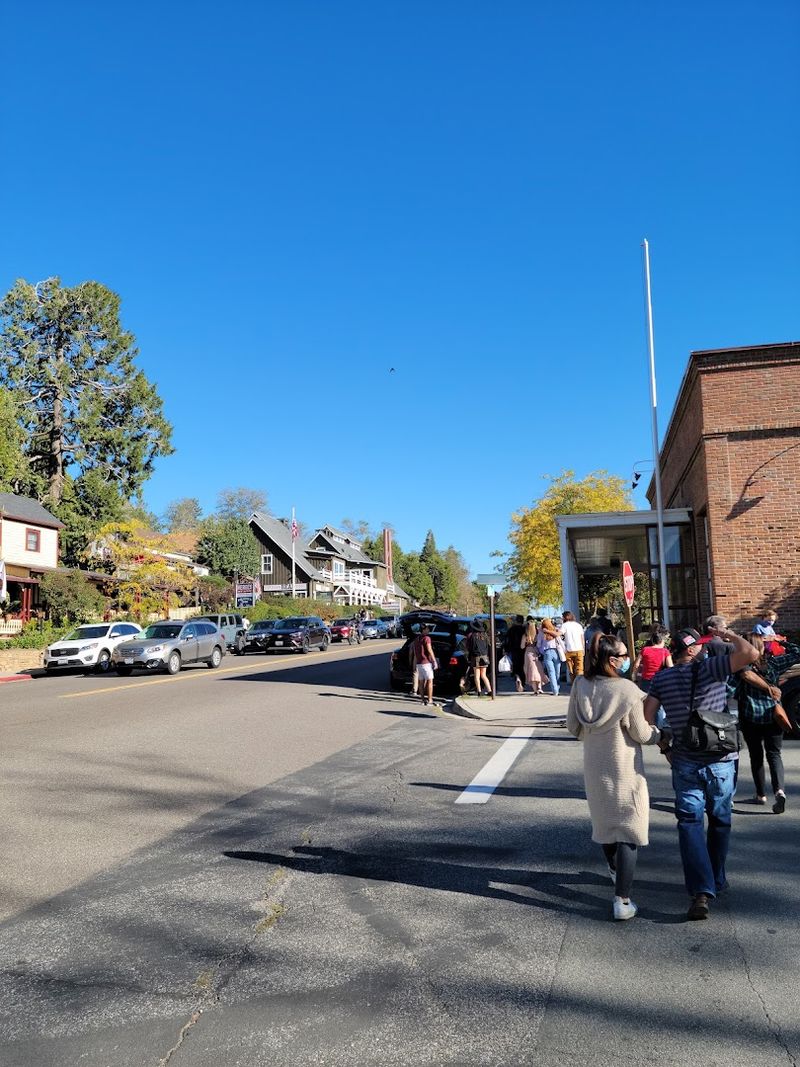
Apple orchards, gold rush history, and the smell of fresh-baked pie drifting down a quiet main street make Julian one of San Diego County’s most rewarding day trips.
Sitting at about 4,200 feet in the Cuyamaca Mountains, the town has a genuinely old-fashioned feel that does not come across as staged or touristy.
The wooden storefronts, narrow sidewalks, and surrounding oak trees give it a texture that feels earned rather than manufactured.
Fall tends to be the most popular season because that is when the apple harvest peaks and the hillsides shift color.
Visitors can pick apples at local orchards, browse small shops selling handmade goods, and sample pie at bakeries that have been doing it for decades.
Summer weekends can get crowded, so a weekday visit in spring or early fall could offer a calmer experience.
The surrounding area also connects to Cuyamaca Rancho State Park, where hiking trails offer mountain views and fresh air.
Julian is roughly a 90-minute drive from downtown San Diego, making it a manageable escape without needing to plan too far ahead.
2. Idyllwild, Riverside County, California
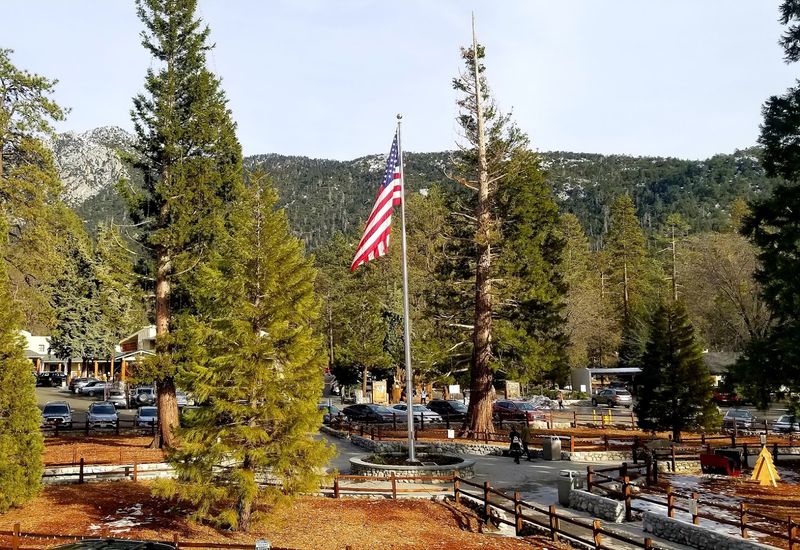
Perched at nearly 5,400 feet in the San Jacinto Mountains, Idyllwild carries the kind of cool, pine-scented air that feels like a reward after the long drive up.
The town has developed a quiet reputation as a haven for artists, hikers, and anyone looking to trade the heat of the desert or the noise of Los Angeles for something slower and greener.
Small galleries, independent bookshops, and locally owned cafes line the main village area, giving it a laid-back creative energy.
Rock climbers have long known about Idyllwild because the granite formations nearby offer some of the most respected climbing routes in Southern California.
For those who prefer gentler outdoor time, the trails through Mount San Jacinto State Park wind through meadows and forests with genuinely stunning views.
The town itself is walkable and compact, making it easy to explore on foot without a plan.
Weekends bring more visitors, especially during summer when the mountain temperatures offer relief from valley heat.
Staying overnight tends to reveal a quieter, more atmospheric side of the town after day-trippers head home.
Small cabin rentals and lodges are available throughout the area for those wanting to extend the experience beyond a single afternoon.
3. Los Alamos, Santa Barbara County, California
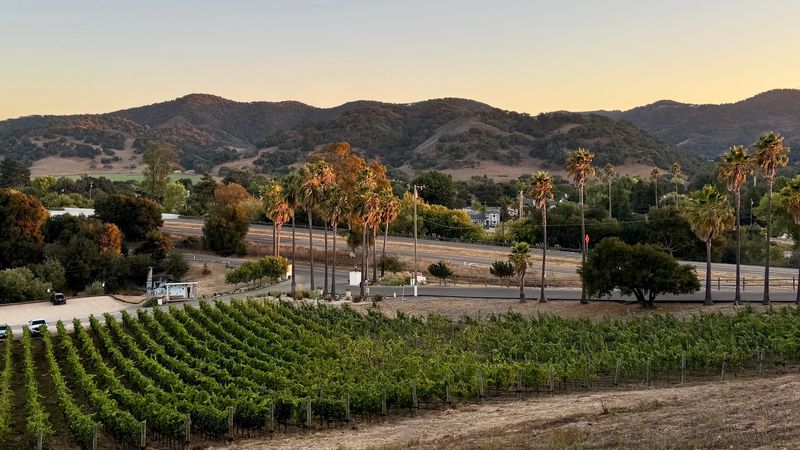
Bell Street in Los Alamos has a lived-in, unhurried quality that feels rare even by small-town standards.
Located in the Santa Ynez Valley about 45 minutes north of Santa Barbara, the town sits along a stretch of rolling hills and ranch land that gives the whole area a wide-open, almost cinematic quality.
What was once a quiet agricultural stop has gradually attracted a small but interesting mix of antique dealers, boutique restaurants, and creative businesses.
The main draw for many visitors is the antique shopping, which tends toward genuine finds rather than the polished, overpriced variety found in more tourist-heavy spots.
Wandering from shop to shop along Bell Street takes only an hour or two, which makes it a natural pairing with a meal at one of the locally owned restaurants that have quietly built strong followings.
The food scene here punches well above what the town’s size might suggest.
Los Alamos is small enough that a full visit fits comfortably into a half-day, making it a natural stop on a longer Central Coast road trip.
The pace is genuinely relaxed, and the lack of crowds on most weekdays adds to the appeal.
4. Pioneertown, San Bernardino County, California
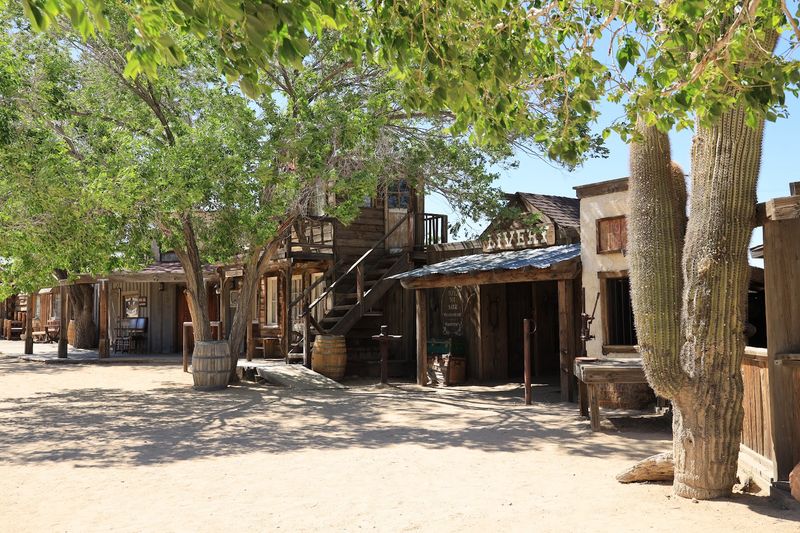
Built in 1946 as a functioning movie set for Western films, Pioneertown is one of the strangest and most fascinating places in all of Southern California.
The main drag, called Mane Street, is lined with old wooden facades that were used as actual shooting locations for dozens of Western TV shows and films during the late 1940s and 1950s.
Walking down that street feels genuinely different from anything else in the region, partly because it is still standing largely as it was built.
Located near the town of Yucca Valley in the high desert, Pioneertown sits at around 4,000 feet and has a noticeably cooler and drier feel than the lower desert floor.
The Joshua trees and boulder formations that surround the area add to the otherworldly visual texture that makes it such a popular photography destination.
Pappy and Harriet’s Pioneertown Palace, located at 53688 Pioneertown Road, has been a beloved live music and food venue for decades and remains one of the most talked-about destinations in the area.
Arriving in the late afternoon allows for golden-hour light across the desert landscape, which tends to be especially striking against the old wooden buildings on Mane Street.
5. Borrego Springs, San Diego County, California
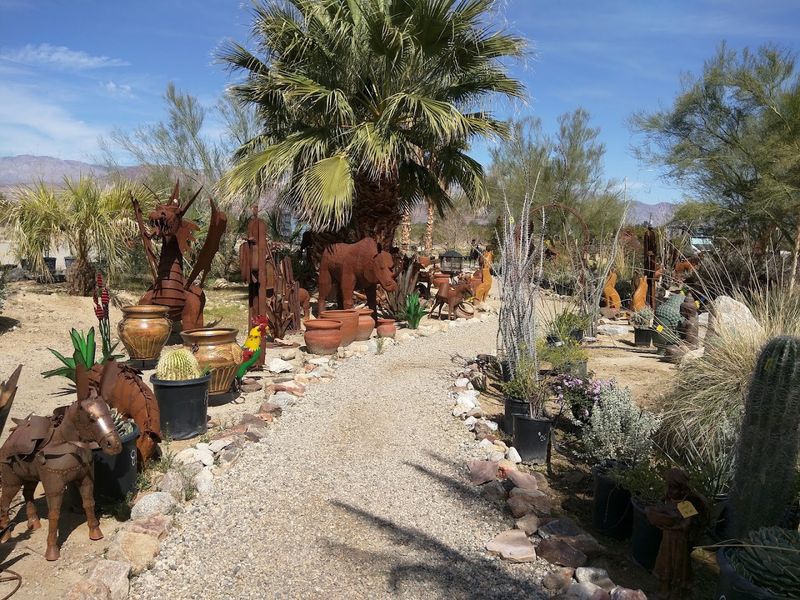
Sitting in the middle of Anza-Borrego Desert State Park, Borrego Springs is one of the most remote and visually striking communities in Southern California.
The town itself is small and quiet, but the landscape surrounding it is enormous, with nearly 600,000 acres of protected desert wilderness pressing in from all sides.
Because there are no large cities nearby and the area has minimal light pollution, the night skies here are among the clearest in the state.
One of the most unexpected things about Borrego Springs is the collection of large metal sculptures scattered across the open desert just outside of town.
Created by artist Ricardo Breceda, these life-sized figures of prehistoric animals and mythological creatures emerge from the sand in ways that feel genuinely surreal.
The sculptures are free to visit and accessible year-round, spread across the Galleta Meadows area.
Spring brings a wildflower bloom that can be spectacular in years with good winter rainfall, drawing visitors from across the state to see the desert floor carpeted in color.
Summer temperatures regularly exceed 110 degrees, so fall, winter, and early spring are the most comfortable times to visit.
6. Wrightwood, San Bernardino County, California
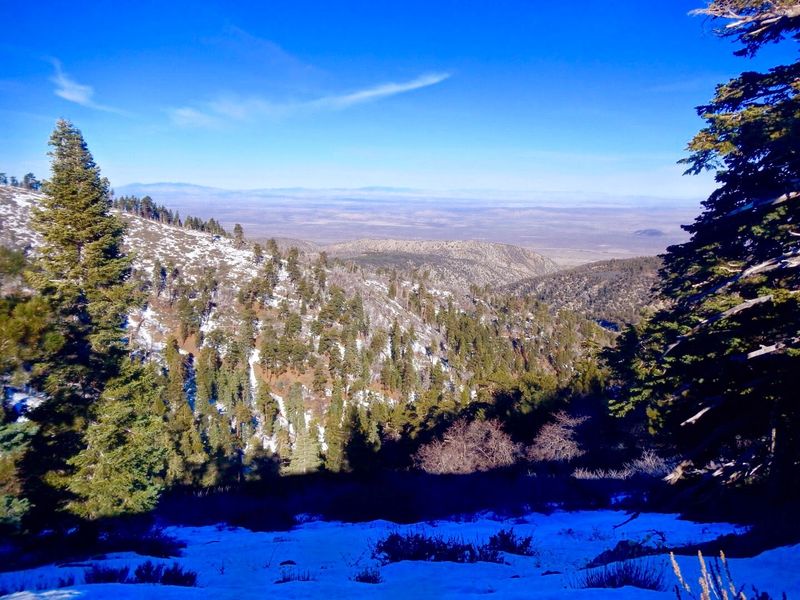
Tucked into the San Gabriel Mountains at about 6,000 feet, Wrightwood is the kind of mountain town that feels genuinely cozy without trying too hard to be charming.
The village center is small and walkable, with a handful of local shops, a few casual restaurants, and a general atmosphere that rewards slowing down.
During winter, snow is common and the nearby Mountain High ski resort draws visitors looking for a quick mountain fix within a couple of hours of Los Angeles.
Beyond skiing, Wrightwood connects to some excellent hiking territory including portions of the Pacific Crest Trail and Big Pines area trails that offer sweeping views of the Mojave Desert to the north and the San Gabriel Valley to the south.
The contrast between the forested mountain environment and the desert landscape visible just below makes for a particularly interesting visual experience on clear days.
Summer brings hikers, mountain bikers, and families looking to escape the heat of the valley below, but the town never feels overwhelmed the way some more well-known mountain destinations tend to get.
Wrightwood is about 90 minutes from downtown Los Angeles, making it one of the more accessible mountain escapes in the region without the crowds of Big Bear.
7. Oak Glen, San Bernardino County, California
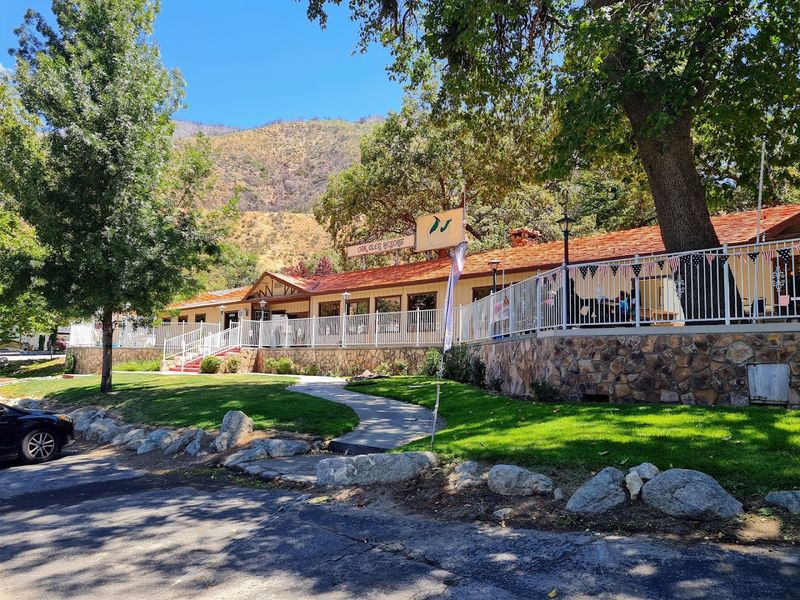
Nestled in a small valley in the San Bernardino Mountains at around 4,700 feet, Oak Glen is one of Southern California’s most genuinely agricultural communities still operating as working apple farms open to the public.
The area has been growing apples since the 1800s, and several of the orchards have been family-owned for multiple generations.
Fall is the peak season when apple picking is in full swing and the hillsides take on warm amber tones.
Beyond apple picking, Oak Glen has a handful of small attractions including Los Rios Rancho, one of the oldest apple orchards in California, where visitors can pick their own fruit and browse a farm store.
The nearby Oak Glen Preserve and other trail systems offer short hikes through oak woodland and chaparral with pleasant views of the surrounding ridgelines.
The combination of farming heritage and outdoor access gives the area a layered appeal that goes beyond a single activity.
Most of the farms and attractions in Oak Glen are clustered within a short drive of each other along Oak Glen Road, making it easy to visit several spots in one trip without backtracking.
The elevation keeps temperatures noticeably cooler than the valley below, even during warmer months.
8. Los Olivos, Santa Barbara County, California
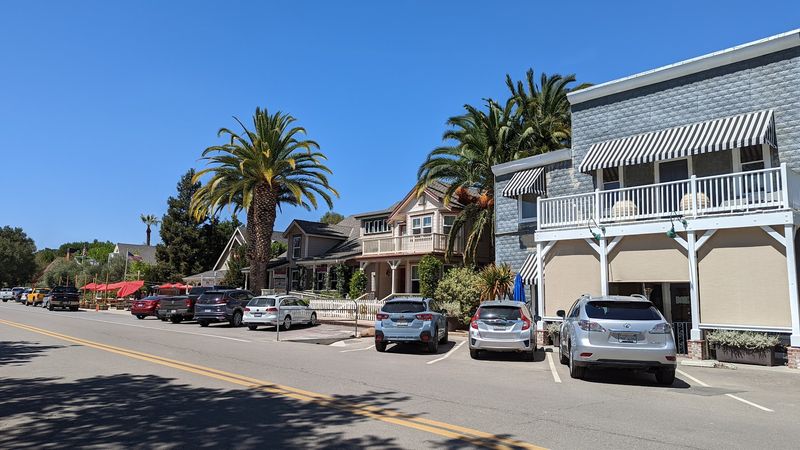
Los Olivos sits in the Santa Ynez Valley with a quiet, unhurried character that feels more like a European village than a California town.
The main intersection is anchored by a tall white flagpole and surrounded by art galleries, boutique shops, and small restaurants that give the area a cultural richness unusual for a town of its size.
Grand Avenue, the central street, is easy to walk end to end in under 20 minutes, but the experience tends to stretch longer because there is usually something interesting to look at.
The surrounding landscape of rolling hills, oak trees, and ranch land adds a visual depth to any visit that makes the whole area feel cinematic in a low-key way.
Local farms and ranches have operated in this valley for well over a century, and that agricultural history still shapes the character of the community in visible ways.
Seasonal produce stands and farm-to-table dining options reflect that connection to the land.
Los Olivos is small enough to feel genuinely off the radar even though it sits in one of California’s most celebrated agricultural regions.
The town is about a 30-minute drive from Solvang and fits naturally into a broader Central Coast itinerary.
9. Sierra Madre, Los Angeles County, California
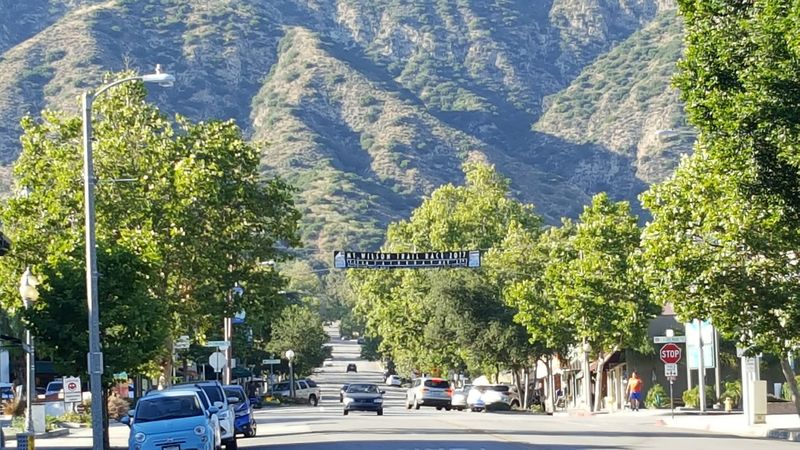
Pressed up against the base of the San Gabriel Mountains just east of Pasadena, Sierra Madre has a small-town personality that feels almost impossible to find within Los Angeles County.
The downtown area is compact and walkable, with locally owned shops, a small library, and a few well-regarded cafes that attract a regular neighborhood crowd.
The streets are lined with old trees and craftsman bungalows that give the residential areas a texture and quiet that feels genuinely removed from the city just a few miles away.
Hikers have long known Sierra Madre as a gateway to the San Gabriel Mountains, with trails like the Chantry Flat route and the climb toward Mount Wilson starting within reach of the town.
The proximity to serious mountain terrain while still being a fully functioning community with its own downtown character is part of what makes the town feel so unexpectedly complete.
There is a real sense that people here chose this place deliberately.
The annual Wistaria Festival in March draws visitors to see one of the largest wisteria vines in the world, which is located in a private yard but opened to the public during the festival period.
Outside of that event, the town operates at a calm, neighborly pace that rewards wandering without a fixed agenda.
10. Fillmore, Ventura County, California
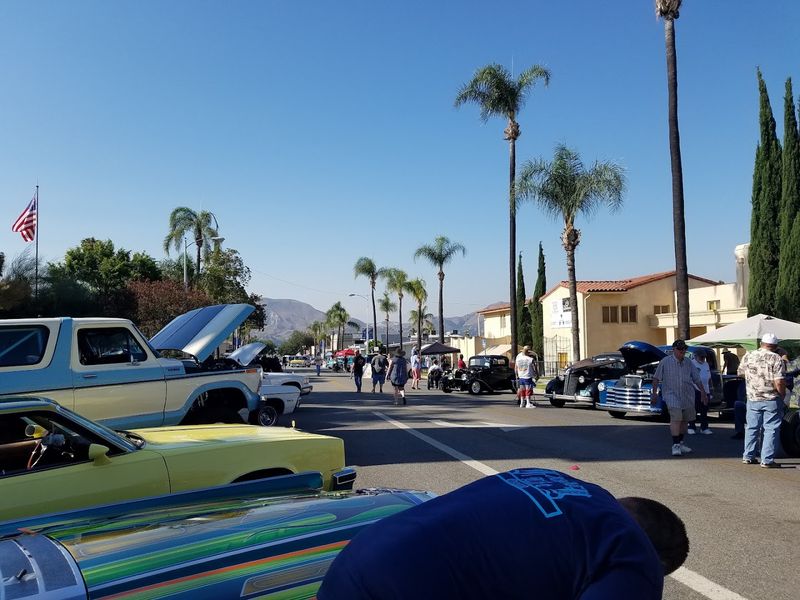
Fillmore sits in the Santa Clara River Valley in Ventura County with a straightforward, working-town character that has not been polished for tourism, which is a big part of its appeal.
The downtown area along Central Avenue has a collection of older brick buildings that give it a historic texture, and the surrounding citrus groves and farmland make clear that agriculture is still the backbone of the local economy.
There is an honest, unassuming quality to Fillmore that feels refreshing compared to more curated small-town destinations.
The Fillmore and Western Railway, located at 364 Main Street, is one of the more unique attractions in the area, offering vintage train rides through the Santa Clara River Valley on restored historic cars.
The railway operates excursion trips on weekends and special event days, and the experience of rolling through open farmland and citrus groves on an old train has a nostalgic pull that appeals to a wide range of visitors.
The town also sits near the Los Padres National Forest, giving outdoor enthusiasts relatively quick access to hiking and camping without the drive times required from larger cities.
Fillmore is about 60 miles northwest of downtown Los Angeles, making it a reasonable half-day destination when combined with a stop in nearby Piru or Moorpark.
11. Summerland, Santa Barbara County, California
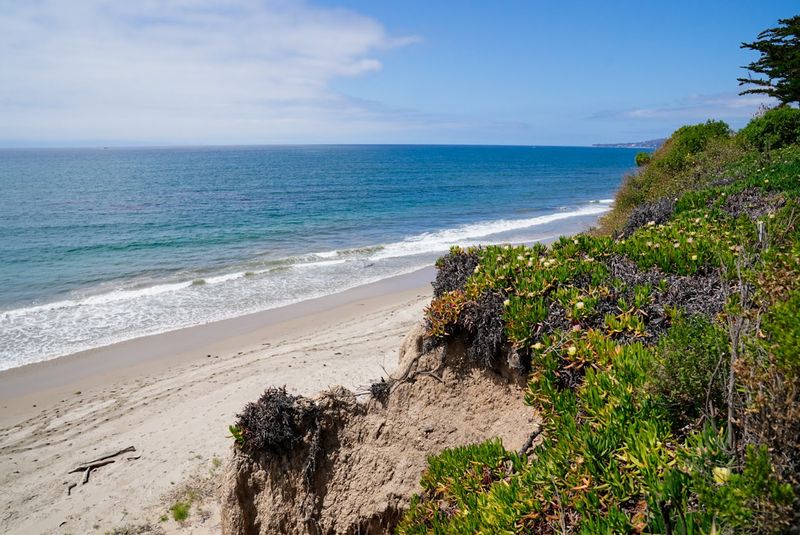
Squeezed between the Pacific Ocean and the hills just south of Santa Barbara, Summerland is one of the smallest and most quietly charming communities on the entire California coast.
The town has a quirky founding story rooted in spiritualism from the 1880s, when its founder believed the area had a special energy.
That history has given Summerland a slightly unconventional personality that still surfaces in the mix of antique shops, small galleries, and eclectic local businesses that line Lillie Avenue.
The beach access here is easy and relatively uncrowded compared to the more popular stretches closer to Santa Barbara.
A short walk from the main street leads to a stretch of coastline where the views extend toward the Channel Islands on clear days and the light tends to be especially warm in the late afternoon.
The combination of walkable shops and immediate beach access makes Summerland unusually versatile for a town this small.
Summerland is easy to miss when driving along the 101 freeway, which is probably why it has stayed as quiet as it has.
Taking the Summerland exit and spending an hour or two wandering Lillie Avenue and the surrounding streets tends to feel like discovering something that most people have overlooked.
The town is only about 10 minutes south of downtown Santa Barbara, making it a natural add-on to any visit to the area.