Long Before Micron Spent Billions, These 6 Idaho Factories Built The Towns Around Them
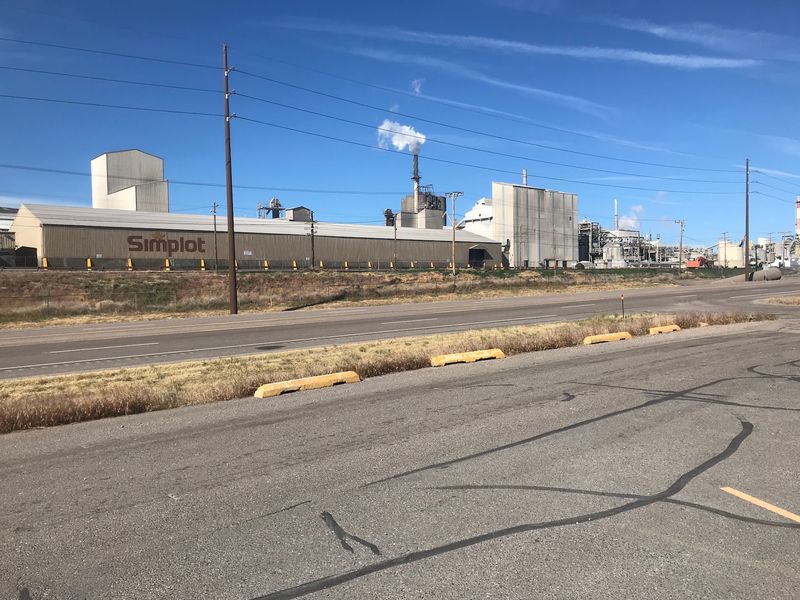
A sugar factory in a Magic Valley farm town started running in 1917. Micron would not exist for another 61 years.
I love that kind of timeline. Today we hear plenty about chip plants and billion-dollar expansions in Idaho.
But long before that, beet piles, sawmills, paper machines and phosphate furnaces were paying the bills in small towns across the state.
Some of these plants built whole neighborhoods. Others turned a quiet river town into a freight and payroll center.
A few of them still run around the clock, decades after the first shift clocked in.
I can’t think of a better way to understand Idaho than to look at what people made here. These factories shaped streets, schools and family stories.
So which one quietly built the town you grew up in?
1. Amalgamated Sugar Co
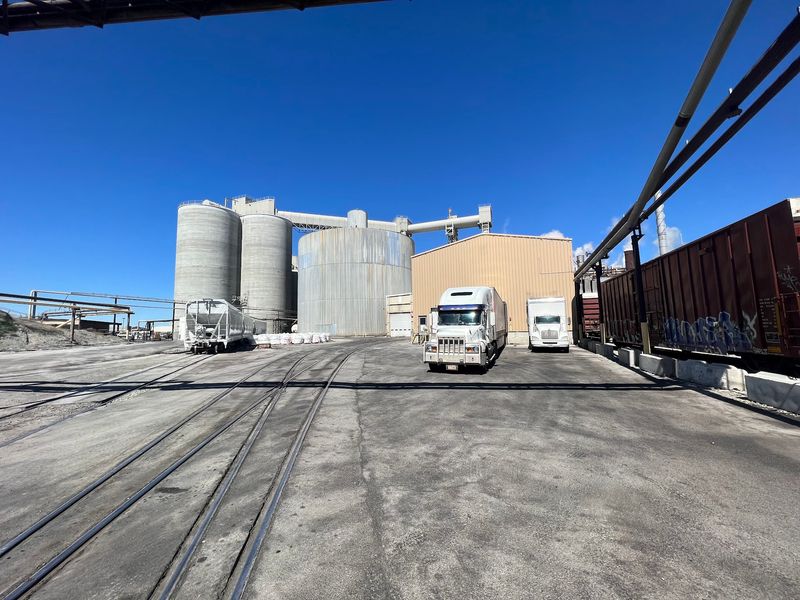
Sugar beets got a whole town named and plotted around them in the Magic Valley. Paul sits in Minidoka County, and its layout followed the factory and the rail lines that fed it.
The beet processing plant here was built in 1917. That puts it more than sixty years ahead of Micron, which came along in 1978.
Think about what that meant for a farm town back then. Growers had a buyer close to home, and trains had a reason to stop.
Today Paul remains a small agricultural community of roughly 1,500 people. The factory at 50 S 500 W still operates as a working sugar beet manufacturing plant.
You won’t find a gift shop or a tour desk here, so treat it as a drive-by landmark. Still, it’s worth slowing down to see how big a role one plant plays in such a small place.
Here’s a fun way to frame it for the kids in the back seat. The sugar in your kitchen may have started as a lumpy beet grown in southern Idaho.
The plant keeps weekday hours with a shorter Saturday schedule. A free parking lot sits on site for business visitors.
Address: 50 S 500 W, Paul, ID 83347
2. Clearwater Paper Corporation
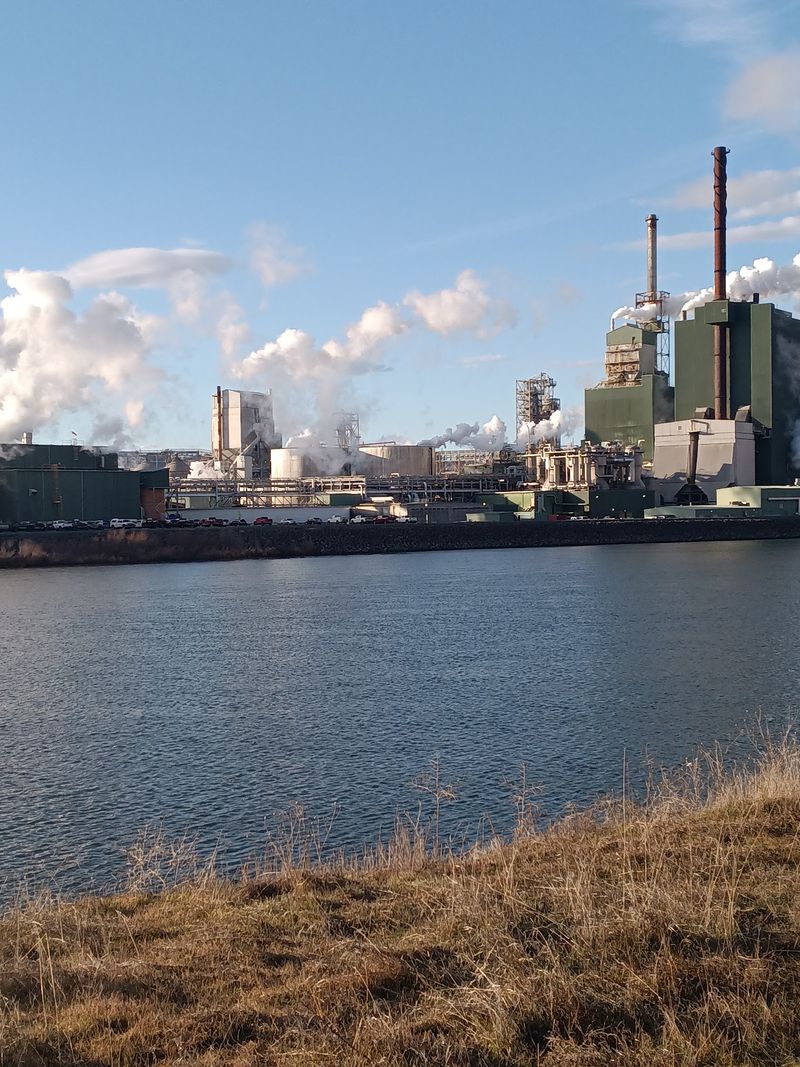
Few factories get a backdrop as dramatic as two rivers meeting below steep canyon hills. Lewiston has that, and its biggest mill sits right in the middle of the view.
The plant on Mill Road opened around 1950 under Potlatch Forests Inc. It had been turning wood into pulp and paperboard for nearly three decades before Micron launched in 1978.
Lewiston’s riverfront economy grew around this massive operation near the Clearwater and Snake rivers. For generations, the mill shaped jobs, traffic and even the town’s skyline.
So what does it look like now? Clearwater Paper Corporation runs the site, and the shipping side stays open 24 hours a day, seven days a week.
Truckers pull in at all hours to load. Security staff point drivers where they need to go, and loading can take a few hours.
For everyone else, it’s a sight best appreciated from the road or the river trails. The scale alone tells you how much paper Idaho has sent out into the world.
Next time a paperboard box lands on your porch, you might wonder where it started. There’s a fair chance the answer involves a riverside mill in north-central Idaho.
Address: 803 Mill Rd, Lewiston, ID 83501
3. PotlatchDeltic
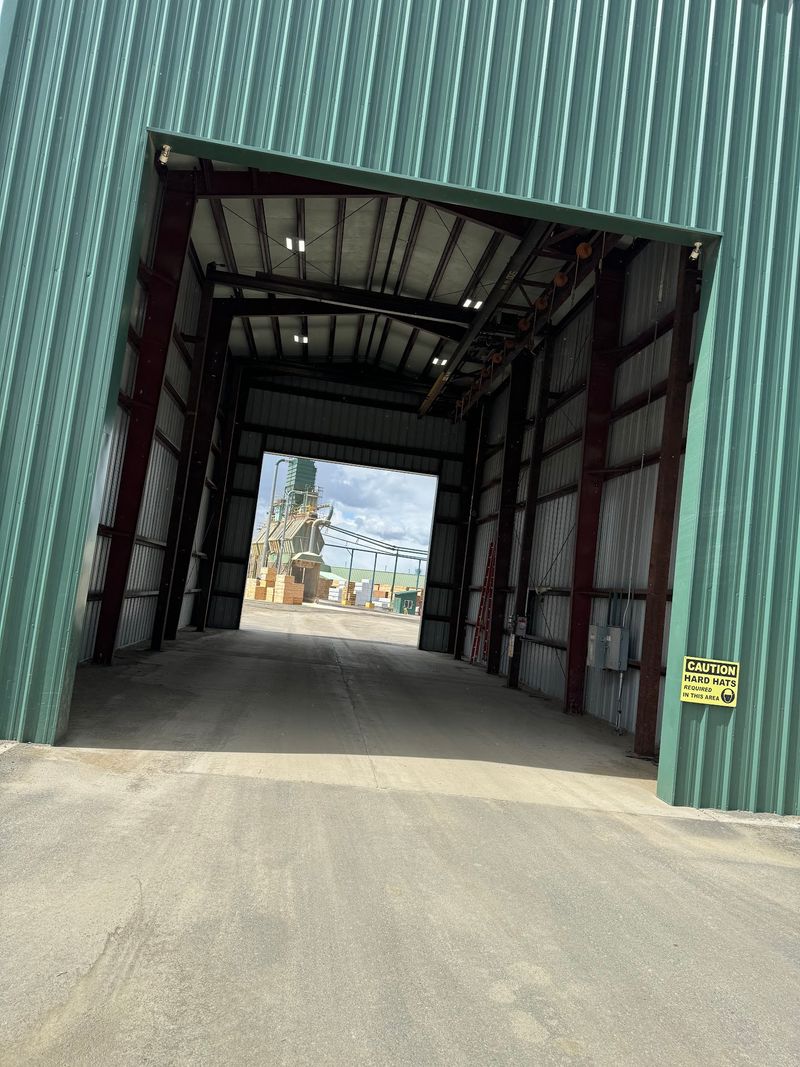
Logs, rivers and railroad tracks make a pretty clear recipe for a timber town. St. Maries in Benewah County followed that recipe almost to the letter.
With fewer than 2,500 residents, the town grew directly around its river and rail logging mills. Out on Railroad Avenue, a large wood products and plywood mill keeps that story going.
Timber processing on this site traces back to the early 1900s expansion of Potlatch lumber operations. That’s decades before anyone in the Treasure Valley had heard of a memory chip.
Fittingly, the mill sits on a street named for the trains that once hauled the lumber out. Some addresses just tell on themselves.
PotlatchDeltic operates the site today, keeping weekday business hours. It isn’t a tourist stop, but the setting makes the drive worthwhile for Panhandle road trippers.
If you head through on Highway 3 or follow the St. Joe River, keep an eye out. The mill offers a real look at how Idaho’s forests became plywood, framing and paychecks.
Pair the view with a stop in downtown St. Maries. You’ll see a timber town that still works for a living.
Address: 2200 Railroad Ave, St Maries, ID 83861
4. Bayer
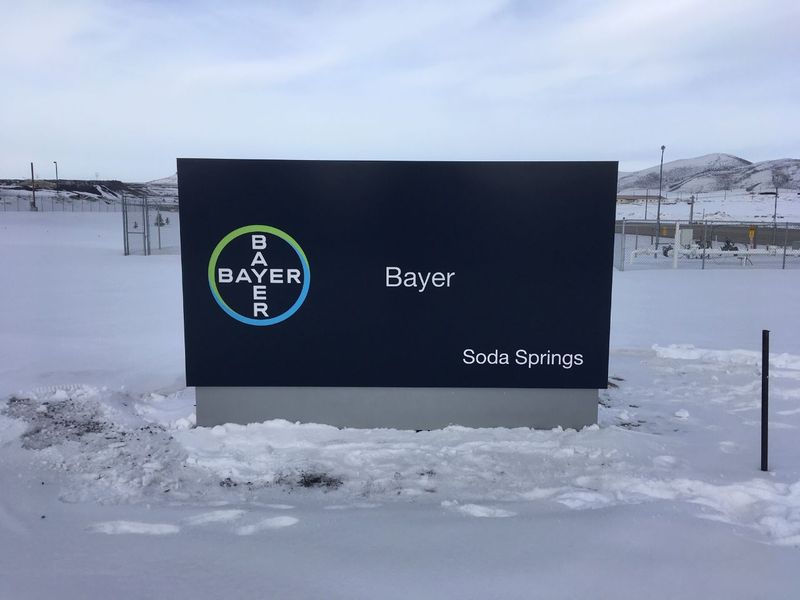
Here’s a factory job description you don’t hear every day. Turn rock into elemental phosphorus.
That’s the work at this chemical plant along State Highway 34 near Soda Springs. Monsanto built it in 1952, and it had been producing for 26 years by the time Micron got started.
Phosphate ore from southeastern Idaho gets refined here into an ingredient used far beyond the state. It’s heavy industry in one of the quietest corners of Idaho.
Soda Springs is a small Caribou County community of about 3,100 people. After World War II, the plant anchored its economy, its utility setup and its employment base.
In other words, this isn’t a factory that simply moved into town. It helped decide what kind of town Soda Springs would become.
Bayer runs the facility today, and it remains open and active. Business visitors will find on-site parking.
Most travelers simply see it on the drive north of town. If you’re heading toward the area’s famous geyser, add the plant to your mental map of how eastern Idaho earns its keep.
It’s a reminder that Idaho’s mineral wealth isn’t only silver. Sometimes it’s phosphate.
Address: 1853 ID-34, Soda Springs, ID 83276
5. J R Simplot Co
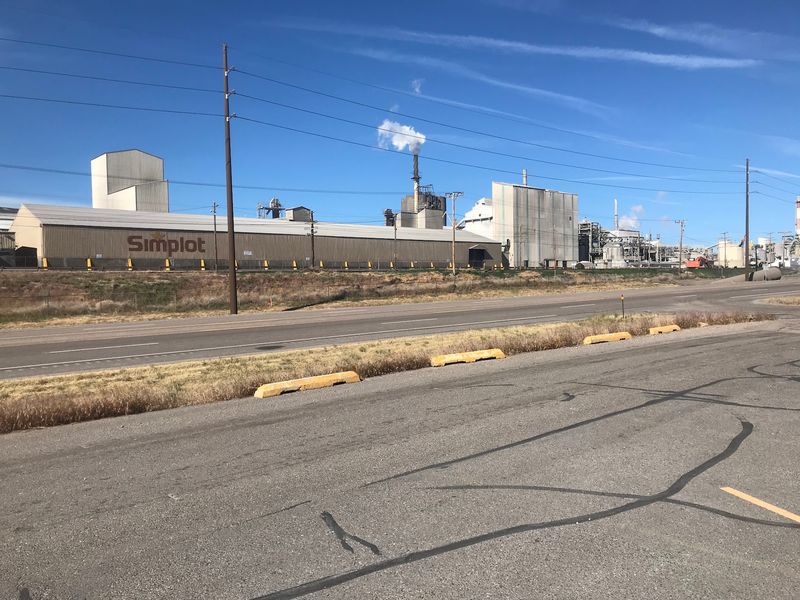
Before frozen fries made the Simplot name famous at drive-thrus, there was fertilizer. And in 1944, J.R.
Simplot built the Don Plant outside Pocatello.
That date lands more than three decades ahead of Micron’s 1978 start. It also puts the plant right in the middle of the wartime push to grow more food.
Pocatello already had railroad muscle. This fertilizer plant on US-30 helped make the city a primary manufacturing and freight center for southeast Idaho.
The site sits along Pocatello’s industrial northwest corridor. You can’t miss it on the drive in, and some travelers notice it with their noses first.
That smell is part of heavy chemical manufacturing, for better or worse. It’s also a daily sign that the plant is still running.
The connection between this site and your dinner plate is closer than you might guess. Fertilizer made here helps feed farms, including the potato fields Idaho brags about.
J R Simplot Co keeps business operations active at the plant, with restrooms on site. Delivery isn’t offered, so this is strictly an industrial stop.
Still, few Idaho factories link farming and industry so neatly. Spud fans, take note.
Address: 1150 US-30, Pocatello, ID 83204
6. Amalgamated Sugar Co Nampa
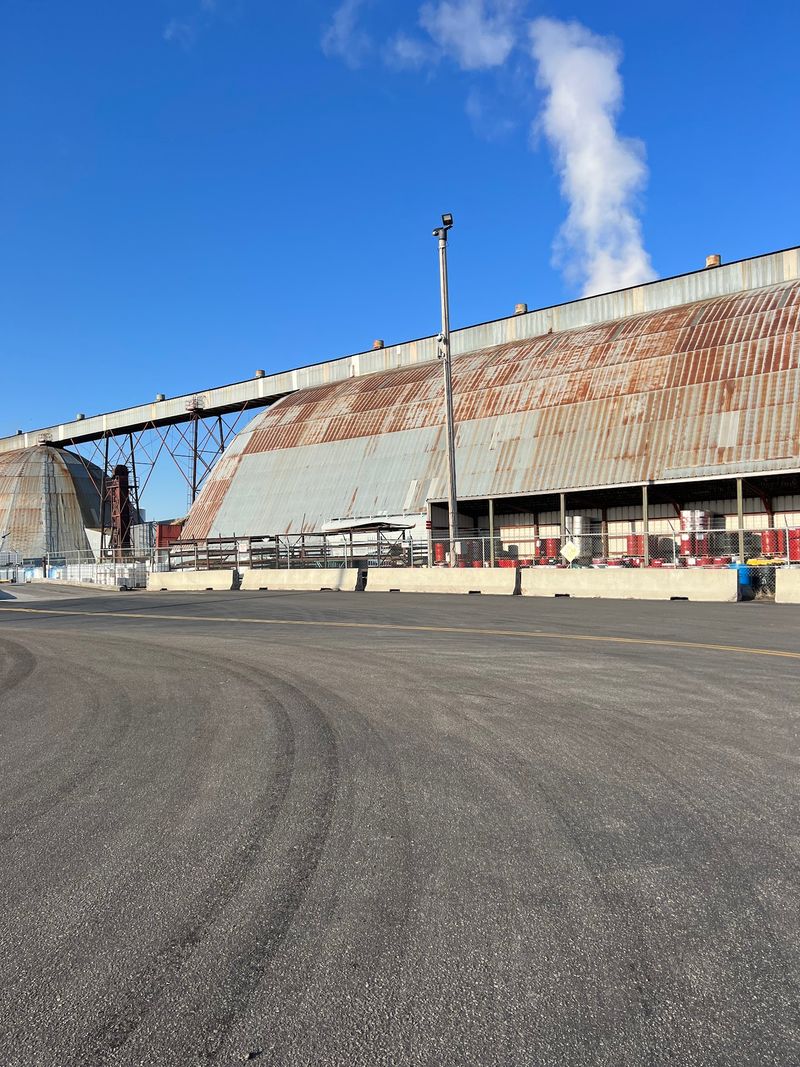
Ask someone from Nampa about the sugar factory, and you’ll likely get a strong reaction. Some folks wrinkle their noses, and others call it a hometown icon.
Both make sense. The beet campaign brings a strong smell to the area, yet the plant has been part of daily life for generations.
Construction wrapped up and processing began in 1942. That was 36 years before Micron was founded just up the road in Boise.
The factory on Karcher Road helped cement Nampa as the agricultural processing capital of the Treasure Valley. Farmers had a major buyer nearby, and the city had a steady industrial anchor.
Picture the contrast today. The Treasure Valley is packed with new subdivisions and tech jobs, but this beet plant still hums along.
It isn’t open to the public, so enjoy it from the road. The white silos and steam make a landmark you can spot from a distance.
Office hours run on weekdays, with weekends closed. Just don’t expect a factory tour or free samples.
For a town changing as fast as Nampa, it’s comforting that one old neighbor stays put. Even if it’s a little fragrant.
Address: 138 W Karcher Rd, Nampa, ID 83687