8 Massachusetts Mill Towns That Rebuilt Their Soul Around Food
Massachusetts has a long history tied to its mills. For a long time, these towns were all about industry.
But things changed, and many of those old buildings sat empty. It felt like a big part of their identity was gone.
Now, though, something new is happening. These former mill towns are finding a fresh start, and it’s all happening around food.
Including new bakeries, and bustling farmers’ markets, a different kind of energy is taking over, bringing life back to these historic places.
Old brick factories now house cafés, artisan kitchens, and local food halls filled with creativity.
Communities are gathering again, drawn by fresh flavors, shared spaces, and a renewed sense of purpose.
1. Lowell
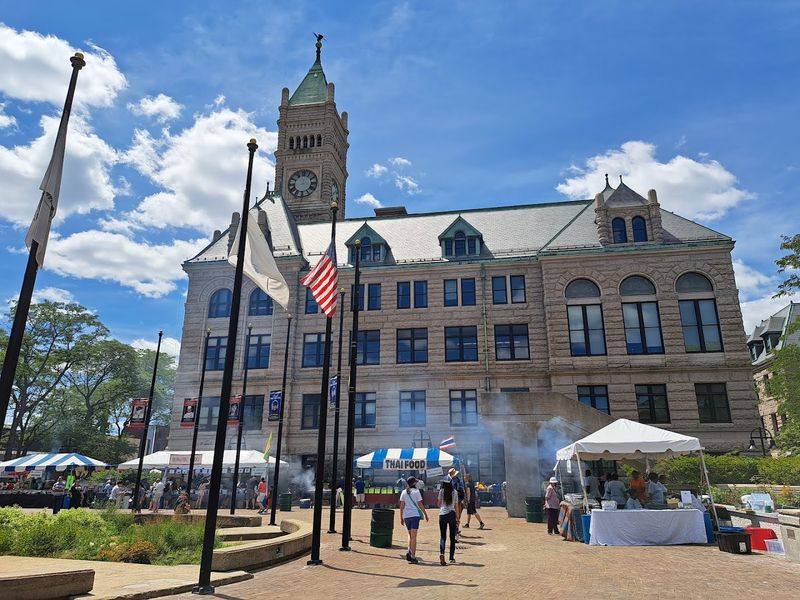
I have always found that few American cities wear their industrial past as proudly as this historic textile hub. The canals that once powered massive mills now wind past craft bakeries and farm-to-table bistros that draw weekend crowds.
Lowell’s food scene is deeply tied to its immigrant roots, which run both wide and deep throughout the community. Cambodian restaurants line sections of downtown as a reminder of the Southeast Asian families who resettled here in the 1980s.
You can find hand-rolled noodles and slow-braised curries that rival anything you would taste in Phnom Penh. Greek, Portuguese, and Latin American influences also show up on local menus, making any afternoon feel like a passport stamp collection.
The Lowell Farmers Market at 350A Dutton St is held near the historic district and serves as one of the best places to understand the city. Local vendors sell everything from heirloom tomatoes to handmade tamales to a multicultural crowd.
The National Historical Park nearby at 246 Market St gives great context for how these massive mills once shaped American labor history. Reinvention tastes better when it is seasoned with memory and a walk along the restored canal paths.
This blend of global flavors and red-brick history makes every meal feel like a tribute to the city’s resilient spirit. The aroma of freshly baked bread and exotic spices fills the air as you wander alongside the Merrimack River.
Every bite here tells a story of generations who have woven their heritage into the city’s modern culinary identity.
2. Lawrence
Saturday morning on Essex Street is an experience where your nose will do all the navigating for you. The smell of freshly baked pan dulce drifts out of Dominican bakeries while the sizzle of chicharrones competes for your attention.
Lawrence is one of the most densely Latino cities in New England, and that identity has completely reshaped the landscape. Community-driven food businesses have become a powerful engine of renewal for a city once defined only by textile mills.
Dominican, Puerto Rican, Colombian, and Mexican cuisines all have a strong presence in local lunch counters and full-service restaurants. The Bread and Roses Heritage Festival celebrates working-class history every fall with food and music that pack the streets.
The people who built this city with their hands are still here and remain proud of what they have created. Community gardens have taken root in vacant lots, connecting residents to the land in a city once known for concrete.
Lawrence is loud, flavorful, and absolutely unapologetic about its rich cultural heritage and its future. Every meal served here tells a story of resilience and the enduring power of community.
The shared culinary pride has transformed the city into a destination where every street corner offers a new and exciting taste of Latin American life. Colors on the building facades match the rhythm of the streets where there is always a demand for one more plate.
Lawrence, Massachusetts proves that food can be the strongest bridge between a storied past and an ambitious future.
3. Holyoke
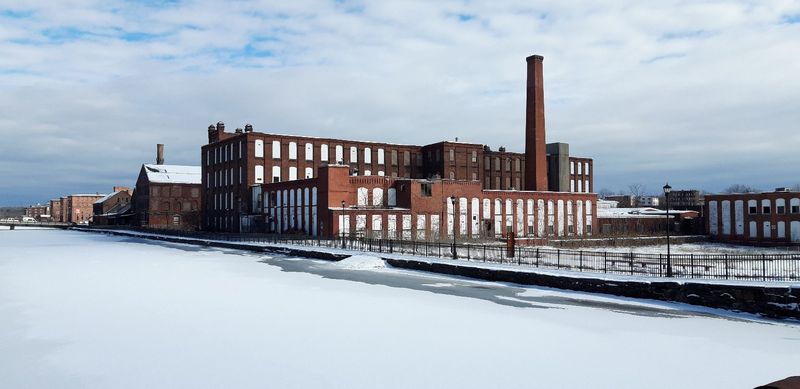
I noticed that something quietly exciting is happening along the Connecticut River, and it smells like roasted coffee. This former paper mill powerhouse spent years searching for its next chapter through creative community projects and urban farming.
Holyoke has one of the highest concentrations of Puerto Rican residents in the country, giving the food scene a bold flavor. Lechon asado and mofongo are everyday staples that anchor neighborhood life and keep traditions alive across multiple generations.
The city has seen a surge in urban agriculture with cooperative food businesses filling gaps left by economic struggle. Some old mill buildings have been repurposed into commercial kitchens, providing food entrepreneurs an affordable launchpad for their ideas.
The Holyoke Farmers Market at 291 Pine St brings together growers from across the Pioneer Valley for a weekly gathering that feels like a reunion. This food revival is not polished or perfectly packaged, which is exactly what makes it so compelling to visitors.
Real cities taste like real people, and this community is working hard to make something worth savoring. The local commitment to sustainable growth ensures that the industrial spirit of the past is being reborn as a green and flavorful future.
Small family-owned cafes have become social hubs where plans for further community development are constantly being forged. You will feel a genuine hospitality here that turns every visit into a warm and unforgettable experience.
4. North Adams
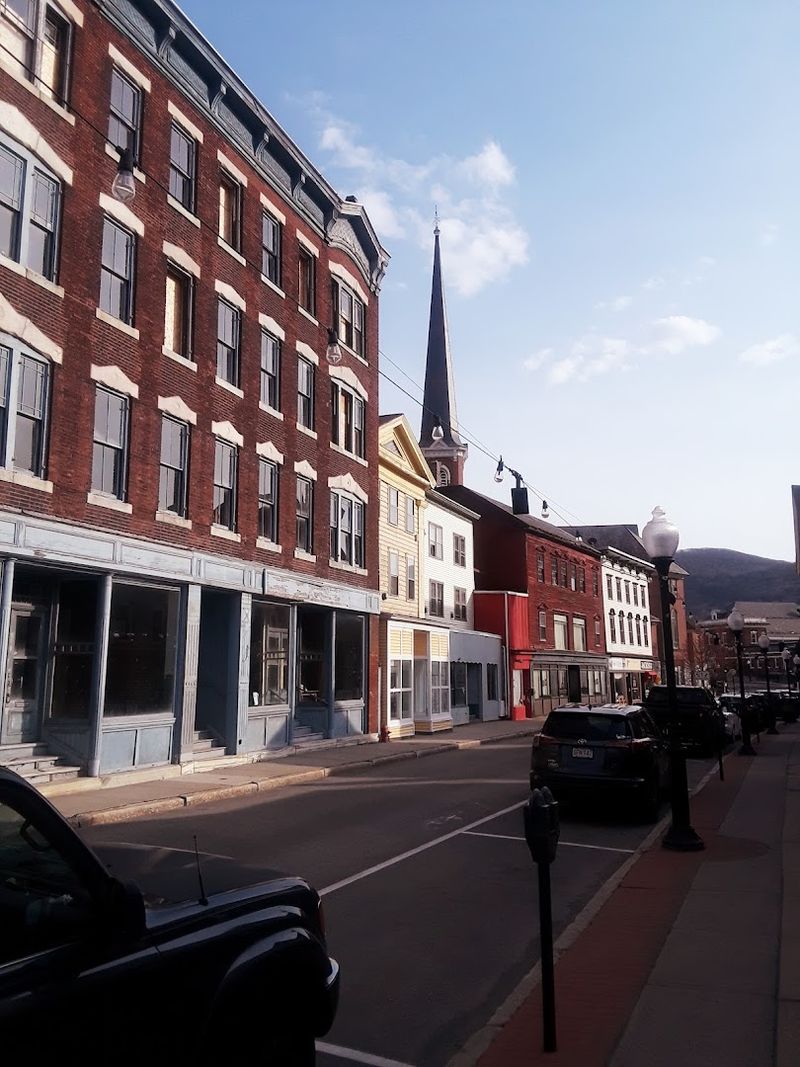
North Adams is the kind of town that surprises you just when you think you have figured it out.
This small former mill city in the Berkshires has pulled off a remarkable reinvention anchored by the massive MASS MoCA museum at 1040 Mass MoCA Way.
The arrival of world-class art brought coffee shops and brunch menus to a city of fewer than 14,000 people. Local chefs draw inspiration from the creativity swirling around the museum, experimenting with seasonal menus and artistic presentations.
The surrounding Berkshire hills supply local farms that grow exceptional produce for restaurants to use during the warmer months. Small cafes near the museum have become gathering spots where artists and travelers debate both art and the menu.
Former manufacturing buildings now hold galleries and event spaces that keep the creative economy humming year-round. Beauty and good food can absolutely rebuild a city from the inside out when the community embraces its creative potential.
The connection between the art world and the kitchen is entirely organic and defines the modern spirit of the town. This seamless blend of industrial grit and contemporary elegance makes every visit feel like an exploration of a living, breathing gallery.
Local culinary masters often use plates as canvases to paint the richness of the Berkshire woods and fields. North Adams has become a sanctuary for all those seeking a fusion of high-end aesthetics and authentic flavors.
5. Pittsfield
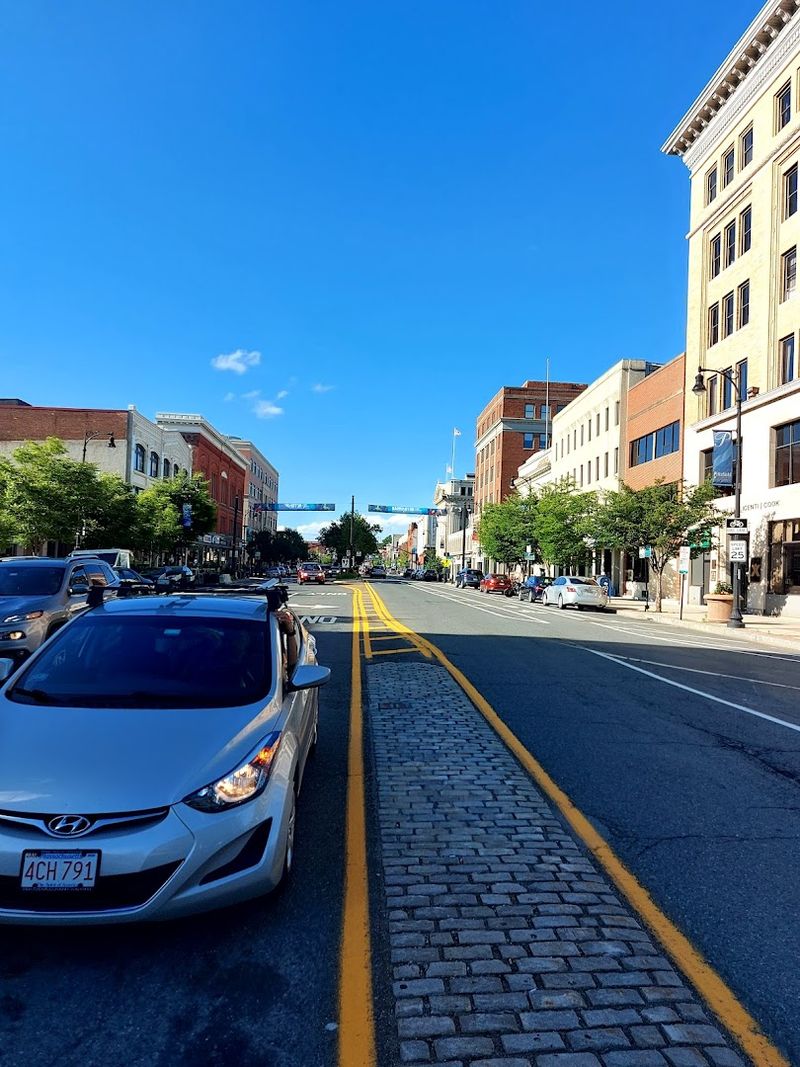
Pittsfield sits right in the heart of the Berkshires and has steadily moved out of the shadow of its neighbors. The answer to the city’s economic shift has come partly through a refreshing mix of galleries and cultural venues.
North Street serves as the main commercial artery and hosts an eclectic lineup of eateries ranging from Thai to Mexican. New American farm-to-table spots change their menus with the seasons to reflect the agricultural richness of the region.
Chefs forge close relationships with nearby farms to source everything from heritage breed pork to wild-harvested mushrooms. The Pittsfield Farmers Market at 100 First St, Pittsfield, MA 01201 draws a loyal crowd every week that has chosen optimism over nostalgia for the past.
The Barrington Stage Company at 30 Union St has generated a pre-show dining culture that has pushed local restaurants to up their game.
This city is not trying to be the trendiest spot in the Berkshires. It is simply becoming the most honest.
The local pride is evident in every renovated storefront and every plate of locally sourced food served downtown. Visitors often find that the unpretentious nature of the city makes the high-quality dining experience even more rewarding and memorable.
This Massachusetts city center pulses with an energy that invites exploration of hidden corners and new culinary concepts. Pittsfield successfully balances its working-class history with a modern charm that captures the heart of every traveler.
6. Fall River
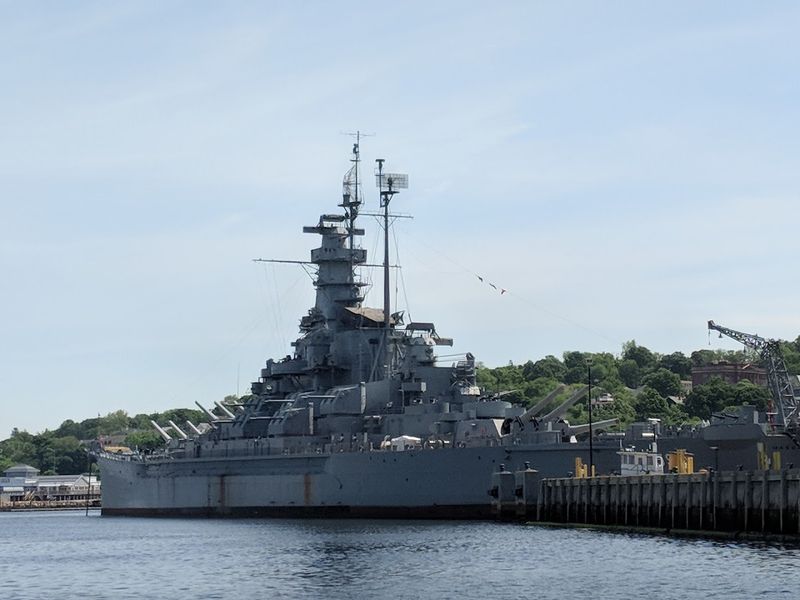
Portuguese fishing communities have been shaping the identity of this city for well over a century with their soulful food. Fall River was once a major U.S. textile center, with hundreds of mills running around the clock.
The city never lost its culinary heritage even after the industry collapsed, and those traditions remain the backbone of its identity. Caldo verde and malassadas are the everyday language of a community with roots planted across multiple generations.
The Portuguese bakeries here are legendary, with some families turning out crusty rolls and custard tarts for many decades. Columbia Street offers some of the most authentic and affordable Portuguese food in all of New England.
Diners often drive from Boston or Providence specifically for a proper plate of grilled sardines or slow-cooked pork stew. The city has also embraced its Cape Verdean community, adding another layer of Atlantic flavor to the culinary tapestry.
New murals and renovated storefronts give the downtown a fresh face, but the traditional recipes never needed updating. The enduring popularity of these family recipes proves that the strongest part of any city is the heritage it carries in its kitchens.
The scent of the ocean and freshly prepared seafood serves as a reminder of the long fishing history that still feeds this region. Every visit to the local taverns provides a sense of warmth and belonging that is rarely seen in larger urban centers.
7. New Bedford
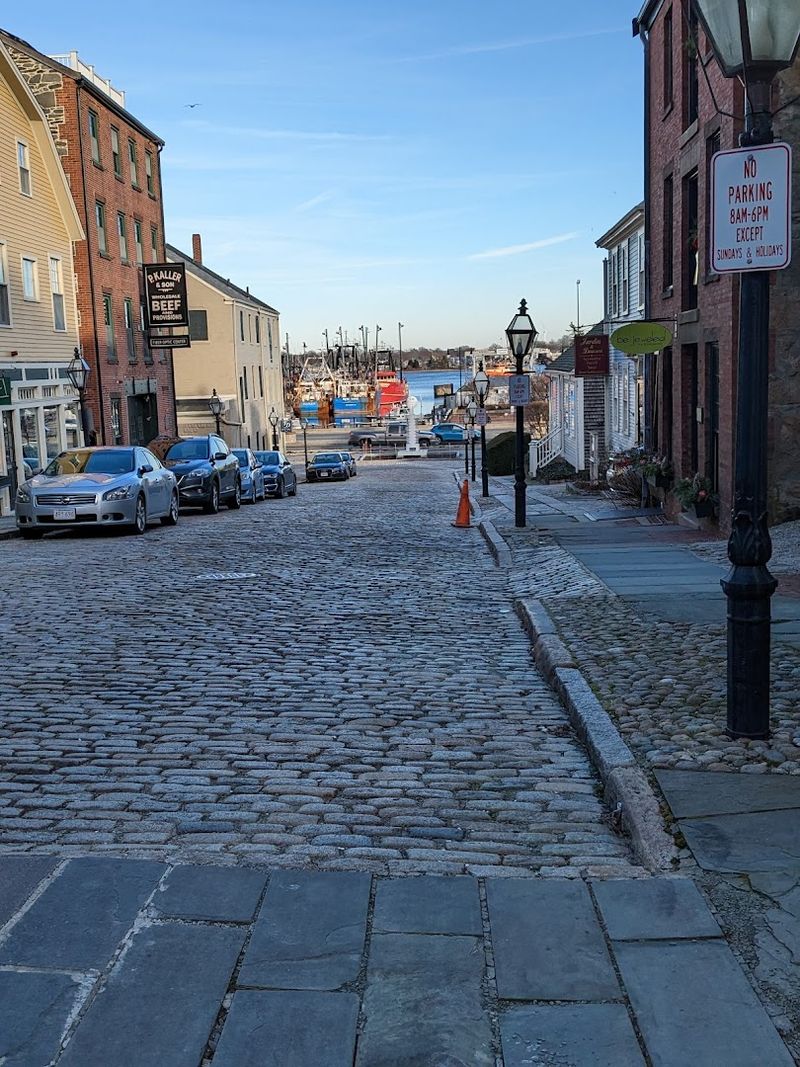
New Bedford has a dramatic origin story where the sea is at the center of every single chapter. Once the whaling capital of the world, this city built its early fortune on the ocean and that relationship continues today.
The city is home to one of the most productive fishing fleets in the United States, landing seafood of immense value. This abundance flows directly into fish markets and restaurants in ways that feel both natural and genuinely exciting.
The revitalized waterfront district has attracted a new generation of chefs who build menus around whatever came off the boats. Sea scallops from this port are particularly famous and prized by top restaurants from New York to San Francisco.
Eating these scallops just steps from where they were harvested is an experience that is hard to replicate anywhere else.
Cape Verdean and Latino traditions add even more texture to what is one of the most rewarding food cities in Massachusetts. The constant hum of the working docks serves as a reminder that the city’s heart still beats in time with the Atlantic tides.
Fishermen bring in fresh treasures daily that culinary experts transform into true works of art on the plate. New Bedford remains the undisputed ruler of the deep sea, drawing its strength from the tireless work of its residents.
8. Haverhill
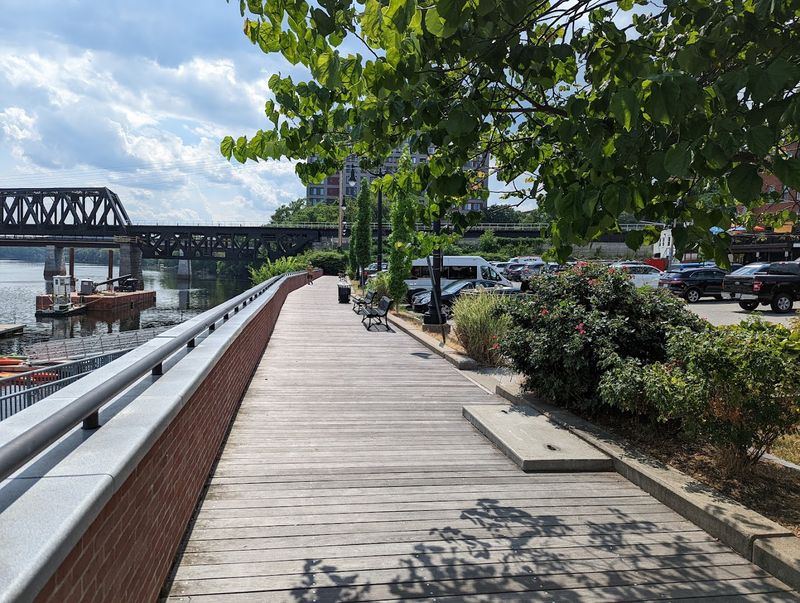
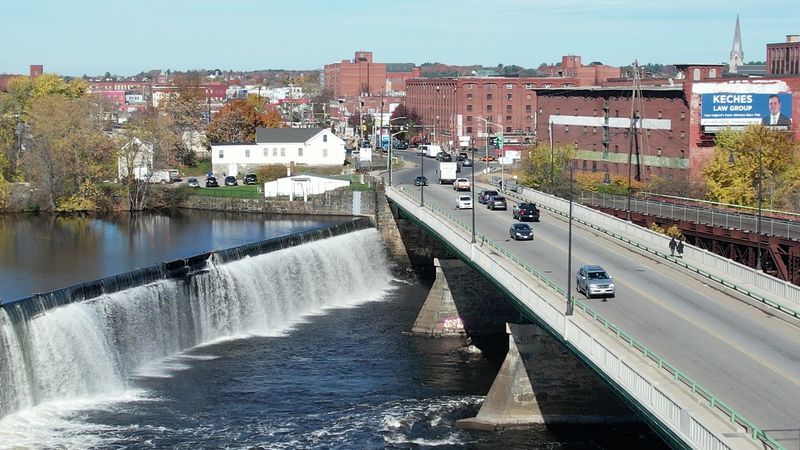
Haverhill has been quietly reinventing itself along the Merrimack River and the transformation is starting to turn heads. For much of its history, this city was synonymous with shoe manufacturing on a massive industrial scale.
The departure of that industry left empty factories, but the answer has been arriving one restaurant and cafe at a time. A new generation of restaurateurs has been drawn to the affordable real estate and the convenient location near the border.
This Massachusetts riverfront has become the focal point of development with new outdoor dining spaces and renovated historic buildings. Residents say the downtown now has a sense of momentum that has been missing for many decades.
The Bradford neighborhood adds a quieter charm to the mix with cafes that cater to a community eager for walkable streets.
A growing arts community also attracts food-focused businesses, creating a creative ecosystem that makes the neighborhoods more interesting.
The city is lacing up its new identity one delicious block at a time through adventurous menus and local pride. This steady revitalization is proving that even the most historic industrial towns can find a fresh and flavorful path forward.
Each new riverside terrace becomes a favorite spot for relaxing with local beers and innovative dishes. Haverhill is taking giant strides toward its status as a new gastronomic destination that no one should overlook.