12 Charming Small Towns In Massachusetts That Feel Quietly Timeless
Nobody warns you how fast Massachusetts gets under your skin. One weekend you are driving through some random small town, and suddenly you are Googling real estate prices and wondering if remote work could actually happen here.
The state has that effect on people. It hides these impossibly charming little places between its coastlines and old forests, towns where the same family has run the coffee shop for forty years and nobody seems to be in a hurry about anything.
I visited more than I planned to, and each one hit differently. Some were coastal and salty.
Some were leafy and quietly literary. All of them made me slow down in a way that felt almost rebellious.
If you think you know Massachusetts, these towns will prove you wrong.
1. Stockbridge
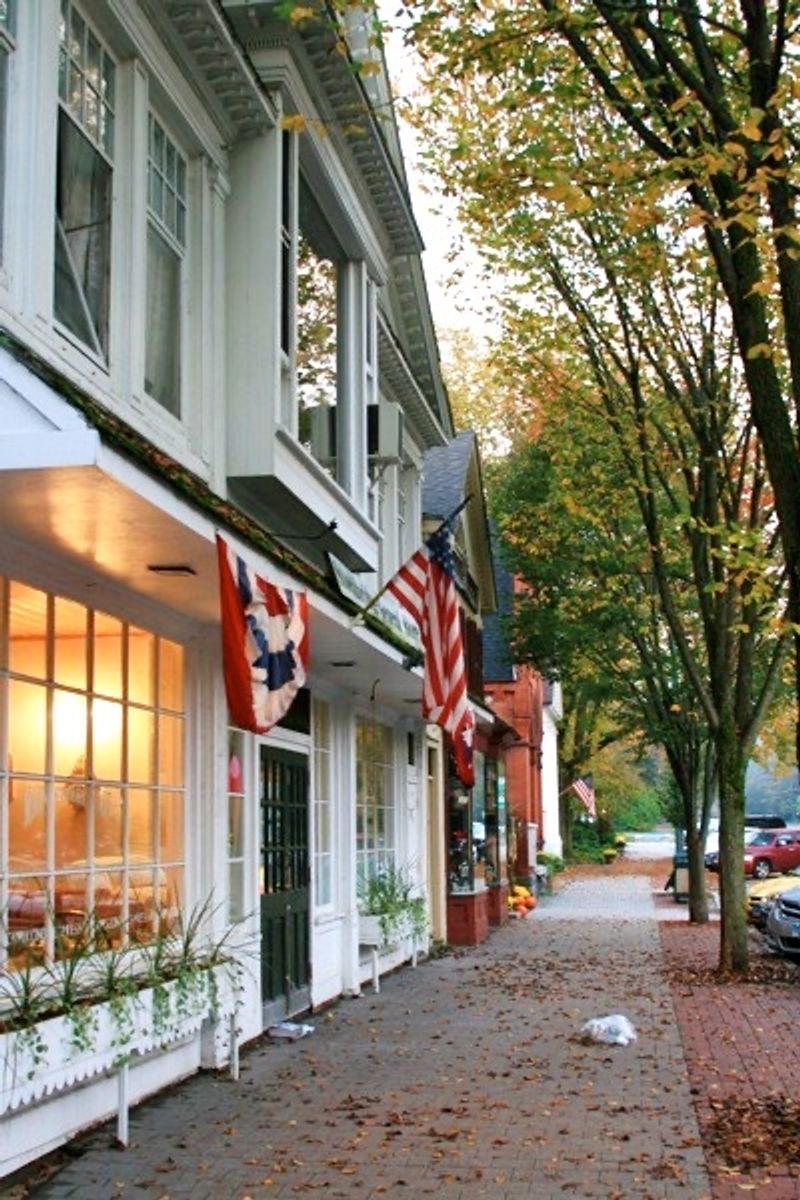
Some towns earn their reputation. Stockbridge built its legend one brushstroke at a time.
Norman Rockwell did not pick this Berkshires town by accident, and one look at Main Street tells you why. Wide porches, red maples, a streetscape so photogenic it almost feels staged.
The Norman Rockwell Museum at 9 Route 183 is the obvious starting point, and it genuinely delivers. Rockwell lived here for the last 25 years of his life.
The museum holds the largest collection of his original art anywhere in the world. Even if you are not a huge fan going in, you will leave with a different perspective.
Beyond the museum, Stockbridge punches above its weight on culture. The Chesterwood estate, once home to sculptor Daniel Chester French, is open for tours and sits on gorgeous grounds.
The Berkshire Botanical Garden is another quiet treasure worth a long afternoon.
The architecture here is equally compelling. Walking the streets feels like flipping through a history book, except the air smells like pine and woodsmoke.
The Red Lion Inn has been welcoming guests since 1773, making it one of the oldest continuously operating inns in America. Come in October when the foliage peaks, and Stockbridge becomes almost unreasonably beautiful.
2. Lenox
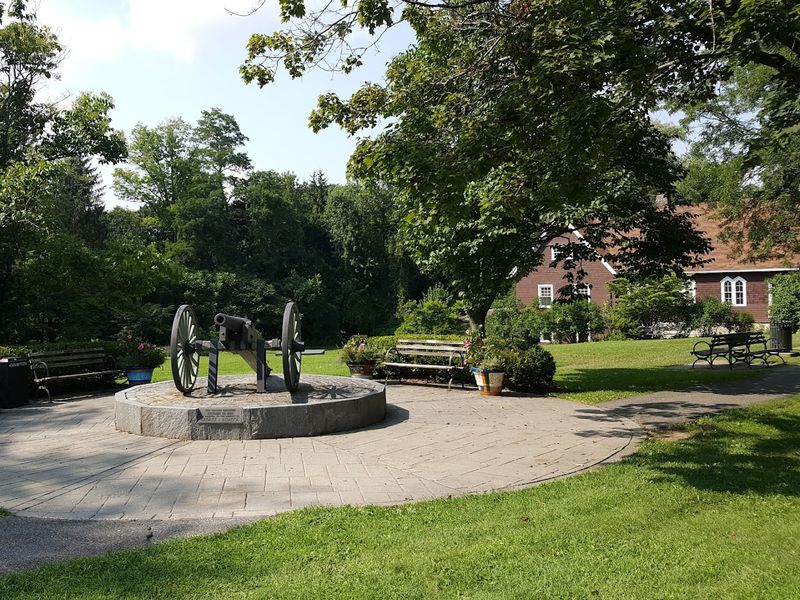
There are towns that try hard to impress, and then there is Lenox. It has been quietly getting things right for over a century.
Situated in the Berkshires, this small town carries a literary and artistic legacy that most cities twice its size would envy.
The Mount at 2 Plunkett Street is the real crown jewel. Built in 1902 by novelist Edith Wharton, the estate reflects her exacting standards for architecture and landscape design.
Touring it feels less like a history lesson and more like stepping into the mind of a brilliant, detail-obsessed writer.
Lenox is also home to Tanglewood, the summer home of the Boston Symphony Orchestra. Live performances on those sprawling grounds, with the Berkshire Hills rolling behind the stage, are genuinely hard to beat.
On warm evenings the music floats across the lawn in a way that feels almost cinematic.
The town center has excellent independent bookshops, antique stores, and restaurants that take food seriously without being pretentious. The streets are lined with well-kept historic buildings that give the whole place a composed, unhurried energy.
Book accommodations early if you visit in summer, because Lenox fills up fast during Tanglewood season. A weekend here is the kind of trip you spend months talking about afterward, not because anything dramatic happened, but because everything felt just right.
3. Newburyport
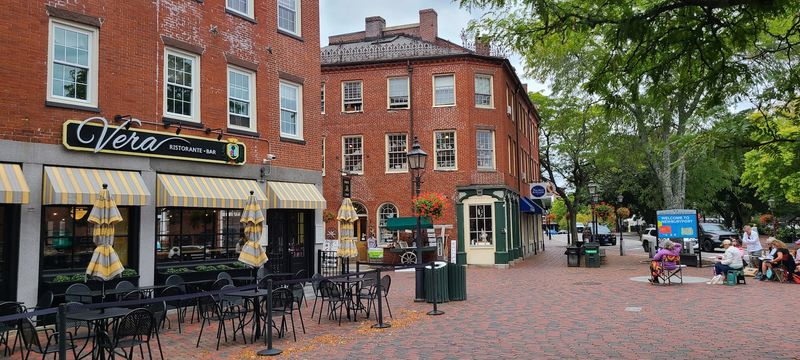
Few towns wear their history as well as Newburyport does.
The Federal-style brick buildings along Inn Street and State Street were built by shipbuilding merchants in the late 18th and early 19th centuries, and they have been kept in remarkable shape ever since.
The waterfront is the social center of town. The Merrimack River runs along the edge of downtown, and the boardwalk area has a relaxed, lived-in energy that feels genuinely local rather than curated for visitors.
Whale watching tours depart from the harbor during warmer months, and they are worth every minute of the boat ride.
Newburyport has a strong connection to American history. Newburyport is closely tied to the early history of the U.S.
Coast Guard. The Custom House Maritime Museum at 25 Water Street digs into the town’s seafaring past with exhibits that are more engaging than you might expect from a maritime museum.
The downtown shopping district is genuinely good, with independent boutiques, bookstores, and coffee shops filling the historic storefronts.
Parker River National Wildlife Refuge on Plum Island, just a short drive away, adds a wild coastal element to the visit with miles of barrier beach and excellent birding. Newburyport manages the rare trick of being both historically significant and completely fun to spend a Saturday in.
It never feels like a museum town, even though the history is everywhere you look.
4. Concord
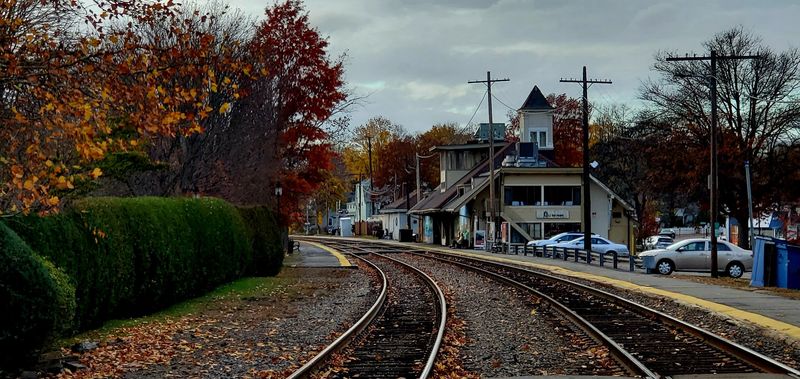
Concord carries more American history per square mile than almost anywhere else in the country. Somehow it still feels like a real, living town rather than a theme park.
That balance is genuinely hard to pull off.
The North Bridge is where the first shots of the American Revolution were exchanged in April 1775. It sits in a quiet meadow that feels almost too peaceful for such a dramatic backstory.
On a calm morning, it is easy to understand why writers and thinkers kept gravitating here for centuries.
Walden Pond at 915 Walden Street is where Henry David Thoreau spent two years living deliberately. The pond is beautiful in every season.
The replica of his cabin gives a surprisingly clear sense of how small and intentional his experiment actually was. It is a genuinely moving place.
The literary heritage runs deep beyond Thoreau. Louisa May Alcott wrote Little Women at Orchard House, still open for tours.
Ralph Waldo Emerson’s home is preserved and open to visitors. The Sleepy Hollow Cemetery is where all of these writers are buried together on Authors Ridge.
It is a quietly extraordinary place to spend an afternoon. Concord rewards slow, curious visitors more than almost anywhere else on this list.
5. Williamstown
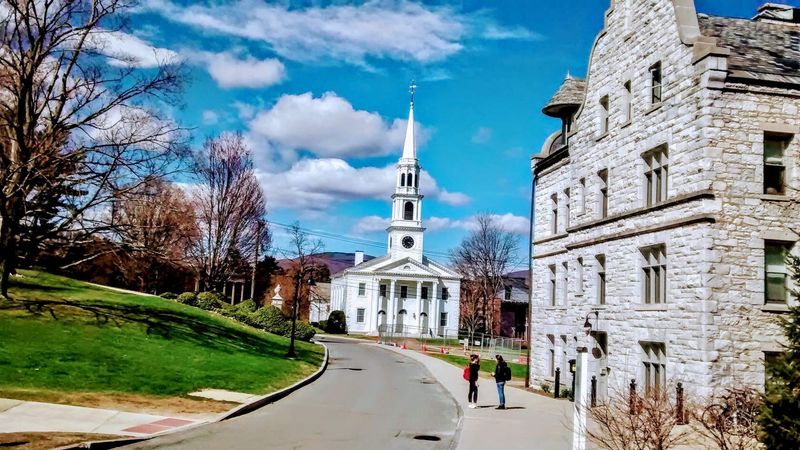
Most college towns borrow their identity from the school. Williamstown built something better.
Sitting in the far northwestern corner of the state, surrounded by the Berkshire Hills, it has the kind of effortless beauty that makes you question every life decision that kept you elsewhere.
Williams College dominates the town in the best possible way. The campus is handsome and open, giving Williamstown an intellectual energy that spills into the surrounding streets and shops.
The college also funds two of the best small art museums in New England.
The Clark Art Institute at 225 South Street is a major cultural highlight. French Impressionist paintings, American silver, and European masters fill a mix of historic and strikingly modern buildings set against rolling hills.
It punches well above its weight.
The Williams College Museum of Art is free and consistently presents thought-provoking contemporary exhibitions. Between the two museums, a single day here can feel like a complete cultural education.
The town itself has good independent restaurants and a warm community atmosphere that never feels manufactured. Route 2, running straight through town, is one of the most scenic drives in the state.
If you are already visiting the Berkshires, skipping Williamstown would be a genuine mistake.
6. Rockport
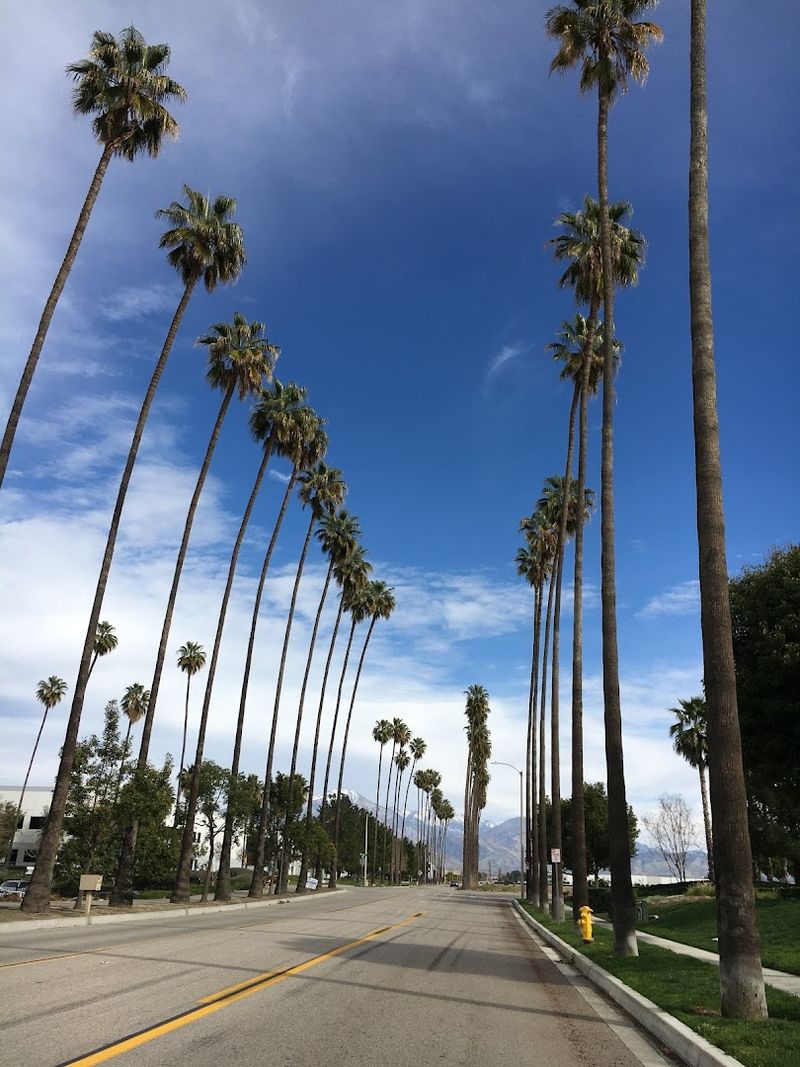
Rockport makes amateur photographers feel like professionals. Every corner of this Cape Ann village offers something worth framing, from lobster traps stacked along the docks to weathered shingles on century-old cottages.
Motif No. 1, a red fishing shack at Bradley Wharf, is reportedly the most painted building in America. That sounds like tourist-brochure fluff until you actually stand in front of it and understand why artists have been returning here for generations.
The light off the harbor hits it in a way that is genuinely special.
Beyond the famous shack, Rockport has a lively gallery scene packed into a very walkable downtown. Bearskin Neck, a narrow peninsula jutting into the harbor, is lined with art galleries, boutiques, and seafood spots serving seriously fresh catches.
Three hours pass there without you noticing.
Halibut Point State Park sits just north of downtown and delivers rugged granite quarry views and ocean panoramas that feel completely different from the harbor scene.
The contrast between the polished village and the raw coastline is part of what makes Rockport so compelling. About an hour north of Boston, it is close enough for a day trip but rewarding enough to deserve a full weekend.
Pack comfortable shoes and an empty memory card.
7. Edgartown
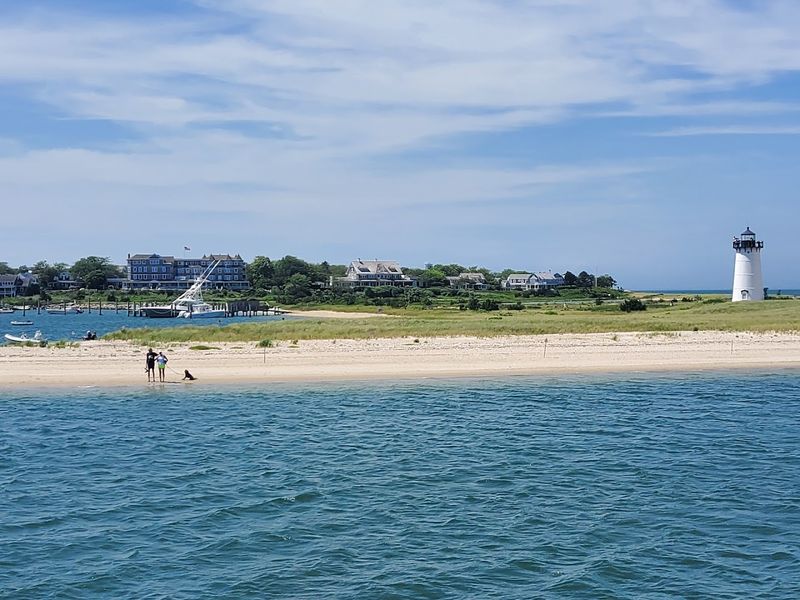
Edgartown has a composed, sun-bleached elegance that feels completely effortless. Someone worked very hard to keep it that way.
Located on Martha’s Vineyard, it is the most formal of the island’s six towns and also, arguably, the most beautiful.
The architecture alone is worth the ferry ride. Streets near the harbor are lined with white Greek Revival captain’s houses built by prosperous 19th-century whaling captains.
They are immaculately maintained and gorgeous in a way photographs cannot fully capture. Walking North Water Street on a quiet morning is one of the better free experiences in Massachusetts.
The Edgartown Lighthouse, originally built in 1828, stands at the end of a sandy spit with clear views across the harbor. It is a short walk from downtown and always worth it.
The Martha’s Vineyard Museum at 151 Lagoon Pond Road provides rich context for the island’s whaling and maritime history.
Downtown has excellent independent shops and restaurants along Main Street and Dock Street. The vibe shifts with the seasons.
Summer brings lively, upscale energy. Fall and spring offer something quieter and more personal.
The ferry from Woods Hole runs year-round, making Edgartown accessible even off-season. Visiting in September, after the summer crowds thin out, is probably the smartest move you can make.
8. Marblehead
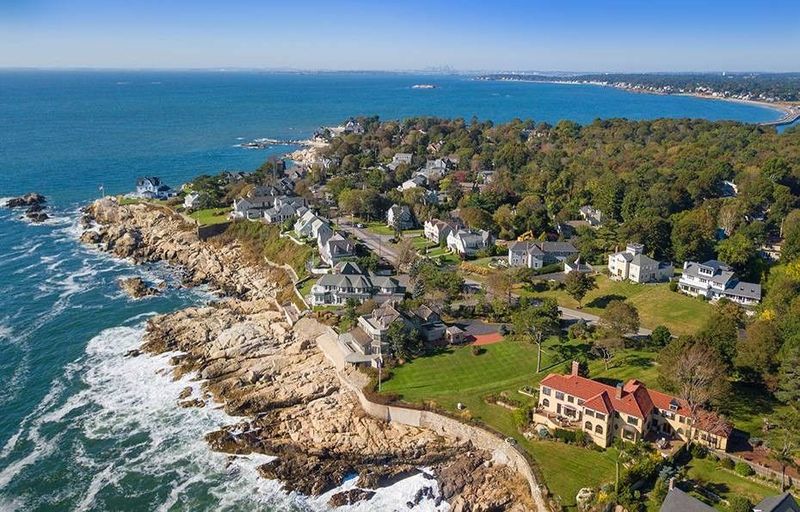
Marblehead is the kind of place that makes you feel slightly smug for knowing about it. Perched on a rocky peninsula north of Boston, it has one of the most dramatic natural harbors on the New England coast and a downtown that looks essentially unchanged from the 18th century.
The Old Town section is a genuine architectural time capsule. Streets like Washington Street and Hooper Street are lined with pre-Revolutionary War homes, many still privately owned and occupied.
The density of colonial-era buildings here is extraordinary, and the whole neighborhood is on the National Register of Historic Places.
Marblehead is widely regarded as the birthplace of the American Navy, with strong ties to the Revolutionary War maritime effort. Abbott Hall at 188 Washington Street houses the famous Spirit of ’76 painting, which is more impressive in person than in reproduction.
The building itself is worth a look.
Sailing is deeply embedded in the local culture. Marblehead Harbor fills with boats from late spring through fall, and the annual Race Week regatta is one of the oldest and most competitive sailing events in the country.
Fort Sewall, a colonial-era fortification at the tip of the peninsula, offers sweeping ocean views and a breezy spot to sit and watch the harbor traffic. The whole town rewards wandering without a plan.
Just pick a direction and start walking.
9. Northampton
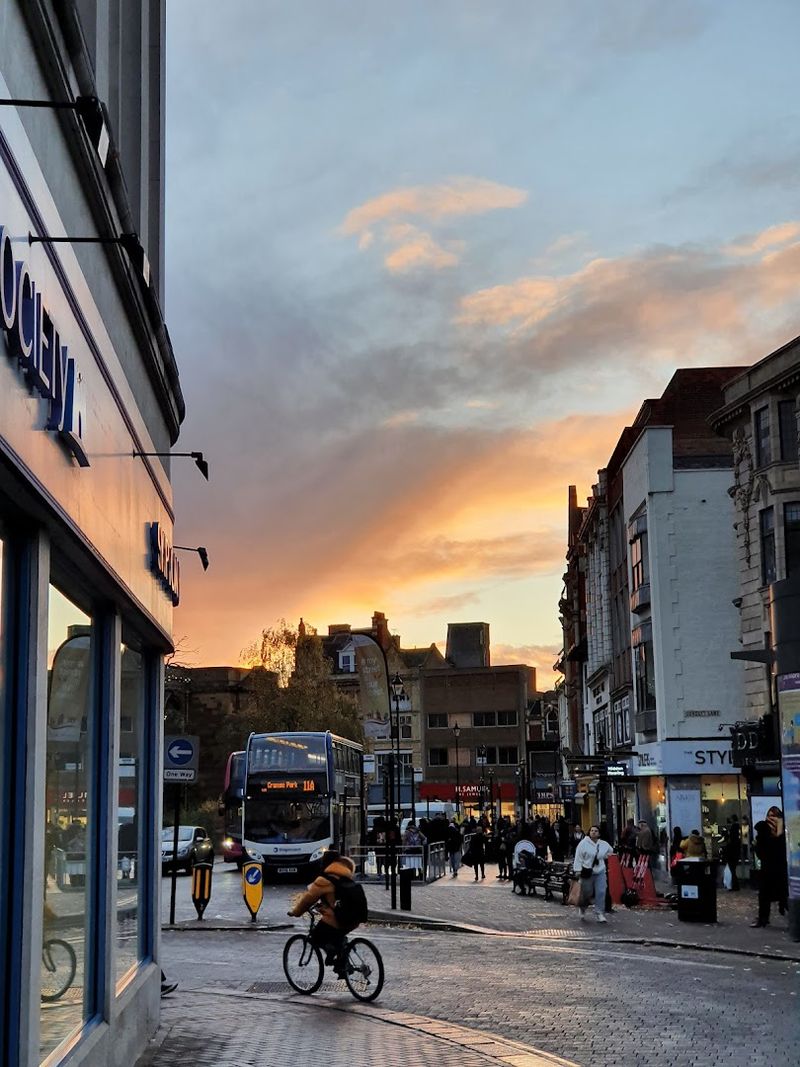
Northampton does not look or feel like most small towns in the state, and that is entirely the point. Known locally as Noho, it has a creative, independent energy that sets it apart from the more historically polished towns on this list.
The bookstore is enormous and the coffee is always good.
Smith College, one of the most prestigious liberal arts colleges in the country, anchors the town and gives it a constant intellectual current.
The Smith College Museum of Art at Elm Street and Bedford Terrace is free and genuinely excellent, with a collection that punches well above its weight.
Main Street is one of the most vibrant independent retail corridors in western Massachusetts. Record shops, independent theaters, art galleries, and restaurants representing a wide range of culinary traditions, all within easy walking distance.
The Calvin Theatre hosts national touring acts in a beautifully restored 1920s venue.
Northampton sits in the Pioneer Valley, surrounded by farmland and the Connecticut River. The natural scenery around town is surprisingly lovely.
The Norwottuck Rail Trail offers miles of flat, paved cycling and walking along the river corridor. If you are visiting the Berkshires or the Five College area, adding a day here is a very easy call.
It rewards curiosity in every direction.
10. Provincetown
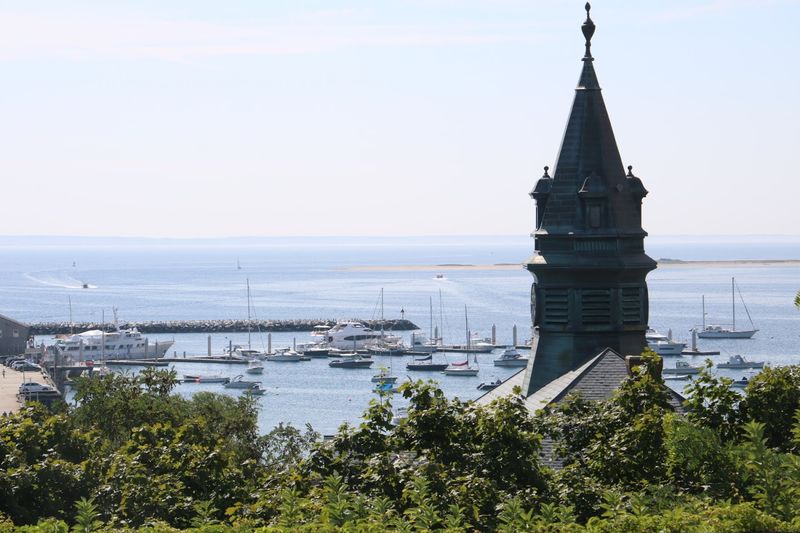
Provincetown sits at the absolute tip of Cape Cod, and it has always felt like a place that exists slightly outside of ordinary rules.
The Pilgrims landed here first, before Plymouth, in November 1620, which gives the town a historical claim that most visitors do not know about.
Commercial Street is the main artery of town, and it is one of the most lively and visually interesting streets in Massachusetts.
Galleries, restaurants, performance venues, and boutiques line both sides for nearly two miles, all within a few feet of the harbor on one side and historic homes on the other. It is best experienced on foot, slowly.
The Pilgrim Monument at 1 High Pole Hill Road is the tallest all-granite structure in the United States and offers panoramic views of the entire Lower Cape on clear days. The climb is 116 steps of ramps and stairs, and the view from the top is completely worth it.
The museum at the base covers both Pilgrim history and Provincetown’s own fascinating story.
Beech Forest, part of the Cape Cod National Seashore, offers a surprising inland hiking experience with ponds, migratory birds, and trails through pitch pine and beech trees just minutes from downtown. The National Seashore beaches are some of the most beautiful in the Northeast.
Provincetown works in every season, but late spring and early fall offer the best combination of good weather and manageable crowds.
11. Ipswich
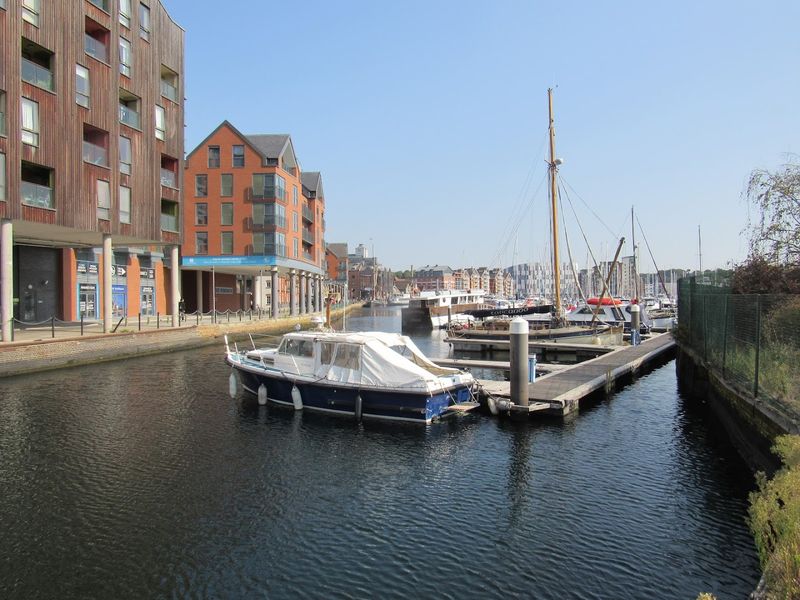
Ipswich does not announce itself. It just quietly delivers, every single time.
It also serves some of the best clams in the state, which around here is a serious claim.
Crane Beach at 290 Argilla Road is consistently ranked among the top beaches in the country. Four miles of white sand, rolling dunes, and the Crane Estate mansion visible on the hill above make for a setting that feels almost cinematic.
Managed by the Trustees of Reservations, it stays remarkably clean and well-maintained.
The surrounding Crane Wildlife Refuge adds thousands of acres of protected marshland, forest, and barrier beach. Kayaking through the Essex River estuary is one of the quieter outdoor pleasures in the region.
The birding is exceptional, especially during spring and fall migration.
Downtown Ipswich has more historic homes per capita than almost any other town in America. Over 50 structures dating from before 1725 still stand and are in active use.
The Ipswich Museum at 54 South Main Street does an excellent job contextualizing the town’s colonial history. Choate Island, accessible only by kayak or guided tour, adds another layer of adventure.
Ipswich is one of the most underrated towns in the entire state, and most people drive right past it.
12. Shelburne Falls
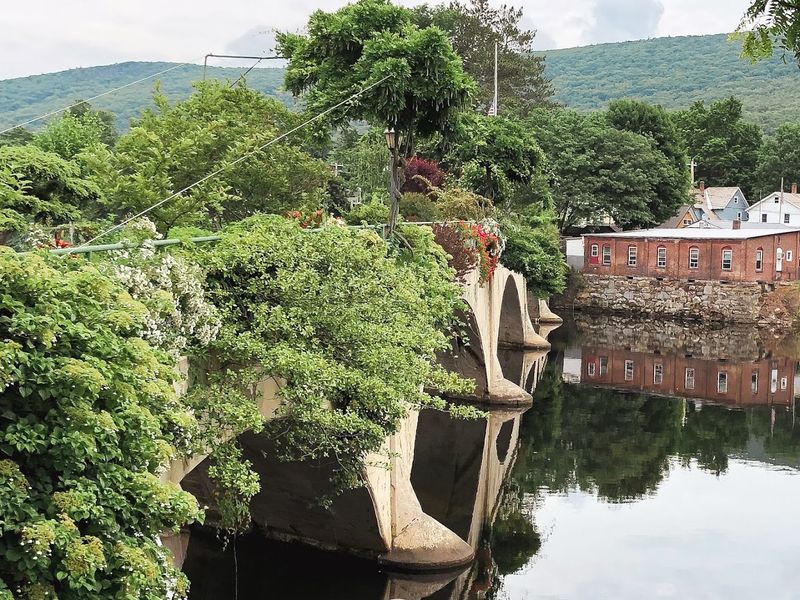
A flower-covered bridge and ancient glacial potholes in the same small town sounds like someone got carried away with the brochure. Shelburne Falls is completely real, and completely worth the drive.
Straddling the Deerfield River in the hills of western New England, it is small enough to explore in a few hours and interesting enough to fill a full day.
The Bridge of Flowers is the obvious centerpiece. A former trolley bridge built in 1908 was transformed in 1929 by the local garden club into a pedestrian walkway covered in hundreds of plant species.
They bloom in succession from April through October, maintained entirely by volunteers.
The result is one of the most genuinely charming attractions in the region.
Just downstream, the Glacial Potholes are a geological surprise most visitors do not expect. Perfectly rounded rock formations carved by glacial meltwater thousands of years ago sit right at the riverbank, accessible from Deerfield Avenue.
Some are large enough to stand in during low water.
The village has a small but lively arts scene, with galleries and studios clustered near the town center. McCusker’s Market on State Street is a beloved local institution for fresh sandwiches and locally sourced groceries.
Shelburne Falls sits along the Mohawk Trail, one of the most scenic drives in the state, making it a natural stop on any western road trip. Small, specific, and quietly unforgettable.