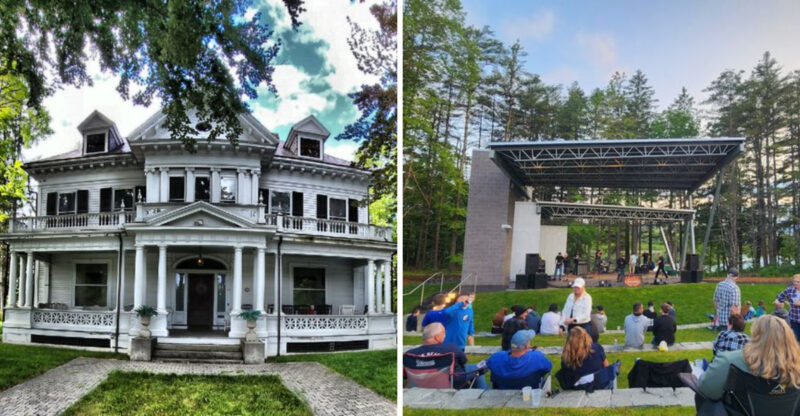
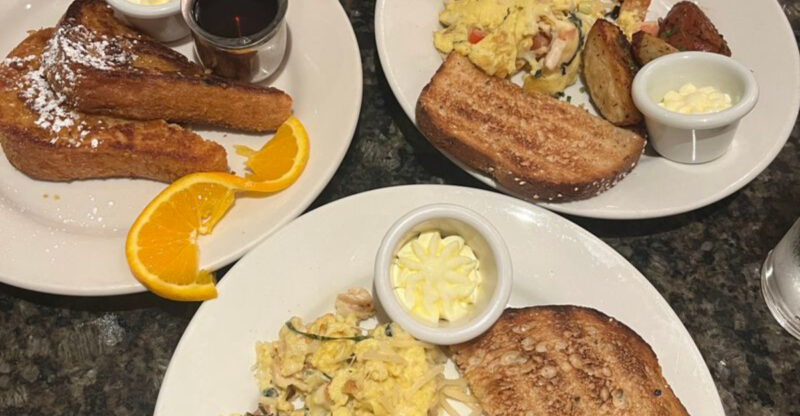
10 Massachusetts Restaurants Where The Dining Experience Feels Ahead Of Its Time
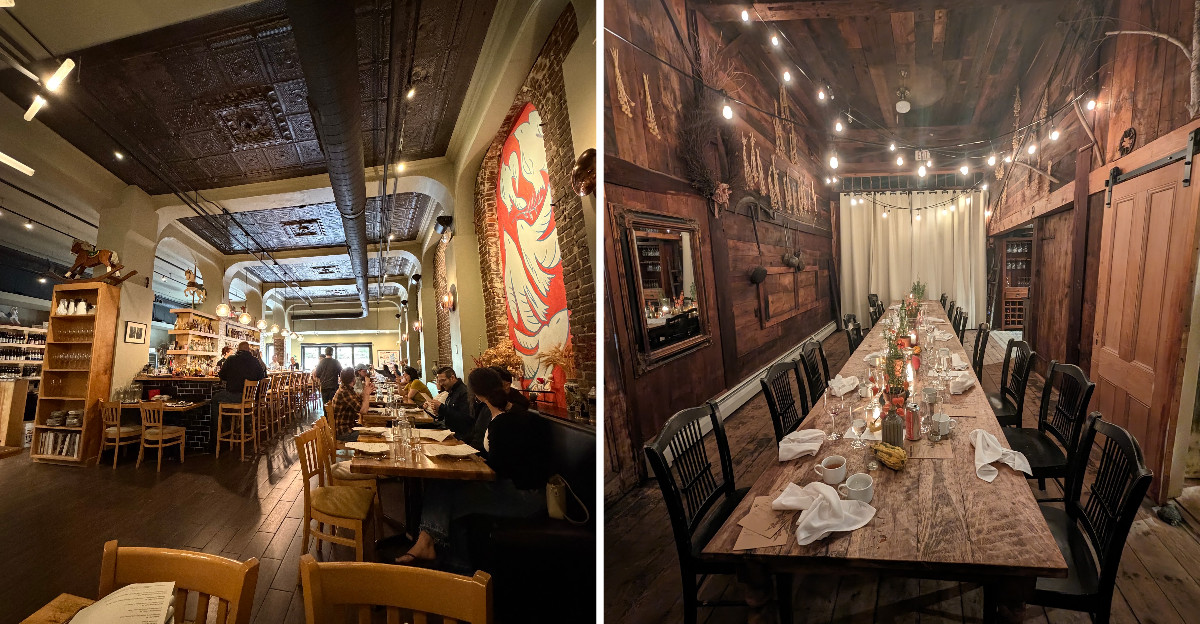
Here’s some odd advice: never stand between a robot and the table it’s trying to reach.
In Massachusetts, that warning actually makes sense, because one dining room sends drinks out on a robot server. Another sends food to your seat on a little express track.
The future shows up in quieter ways too.
One kitchen leans hard into fermentation. Another serves a multi-course dinner inside a working greenhouse, where strangers end up feeling like dinner party guests.
You might want to remember that bit about the robot. The meals ahead skip the usual script, and some of them ask you to trust the chef completely.
Ready to play along?
1. Kura Revolving Sushi Bar
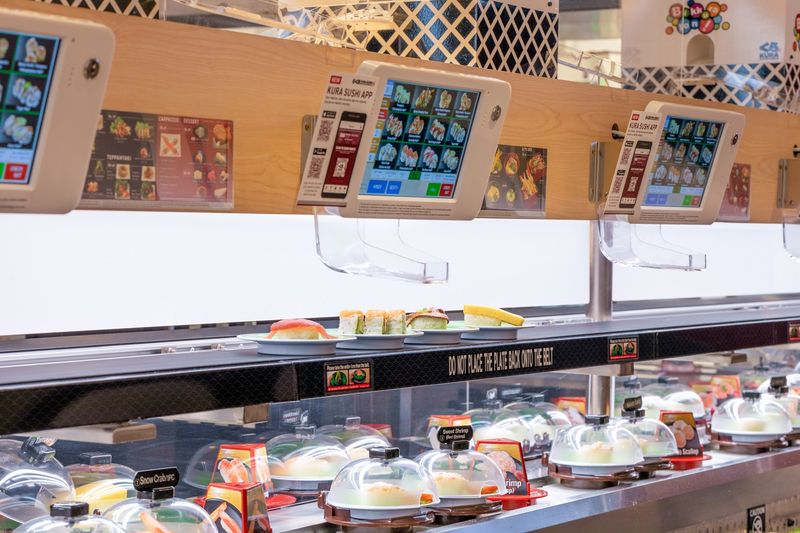
Somewhere in Watertown, a robot is carrying drinks to a table, and it doesn’t even ask for a tip. The Kurabots are part of an entertaining setup where technology handles more than an occasional delivery.
Sushi plates circulate beside the booths on a revolving conveyor. Diners lift whichever covered dish looks appealing, while an overhead express belt delivers special orders directly to their seats.
The table touchscreen makes requesting udon, rolls, or dessert nearly as easy as choosing a song. The table slot also clears used dishes automatically, keeping space open for whichever plate passes next.
There’s another surprise in the plate-return slot. After fifteen eligible plates go in, the Bikkura Pon system triggers an animated game and a small prize. The protective Mr. Fresh lids help shield dishes as they travel around the dining room.
Find this lively restaurant at 101 Bond Square, inside Watertown’s Arsenal Yards complex. Its menu ranges from salmon nigiri and crunchy rolls to shrimp tempura udon, takoyaki, and Japanese sweets.
The company follows its muten philosophy, preparing food without artificial sweeteners, preservatives, colorings, or seasonings.
The Watertown location opened in 2022 as the chain’s first in New England. Reservations and walk-ins are accepted, with an app-based waitlist offering another way to plan.
2. Nightshade Noodle Bar
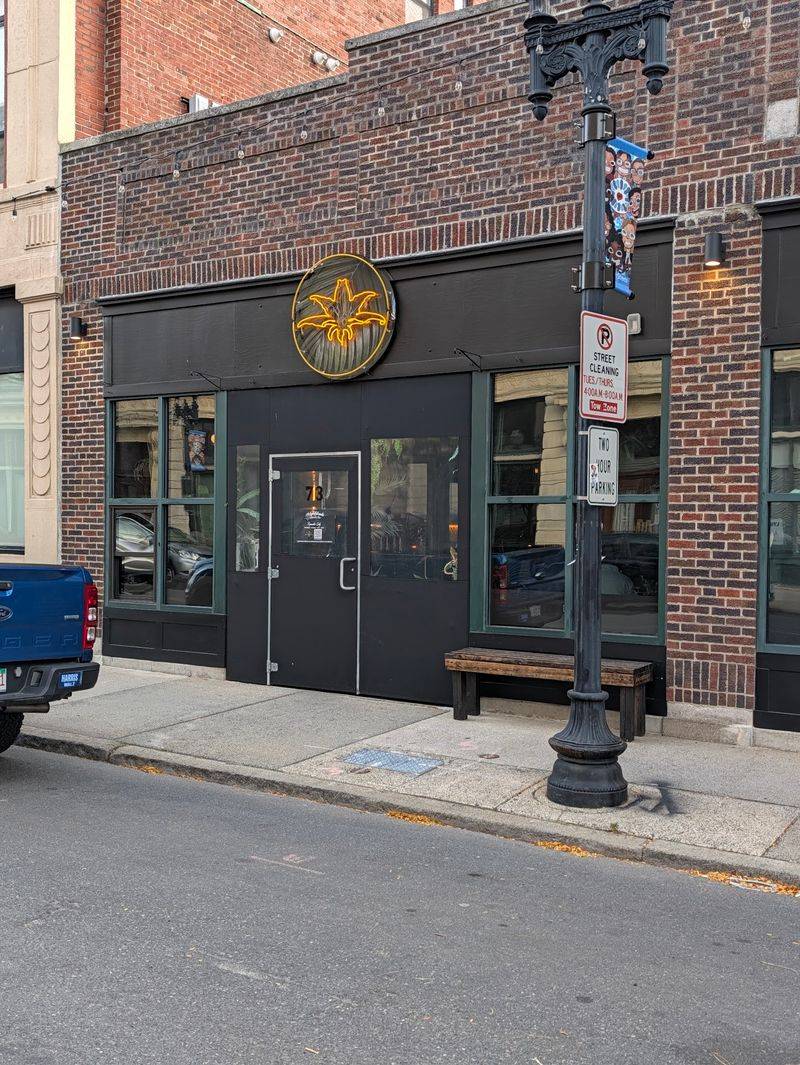
Ordering dinner without knowing most of what’s coming sounds risky, until you realize the surprise is exactly what makes Nightshade Noodle Bar interesting.
This Lynn restaurant builds a different blind tasting menu for each table, drawing heavily on Vietnamese and French cooking.
Rather than ordering individual starters and mains, diners choose between seven, nine, fourteen, twenty-one, or thirty courses. Two dishes can be selected from the evening’s offerings, and the kitchen develops the remaining sequence around the group.
Everyone at the table shares the same progression, with smaller portions allowing more discoveries as the course count grows. The experience rewards patience, because individual courses develop as a sequence rather than appearing together.
Housemade egg noodles might arrive with caramelized garlic, chili crisp, shredded beef, and peanuts.
Other possible creations draw on sea urchin, shellfish, aromatic sauces, and delicate custards. Those examples illustrate the cooking style rather than promising a fixed lineup.
The intimate room at 73 Exchange Street pairs dark, tropical-inspired decor with a lively soundtrack. It feels more like a carefully orchestrated evening than a conventional neighborhood noodle shop.
Dinner runs Thursday through Sunday, and reservations are required for both tables and counter seating. The seafood-focused menu cannot accommodate vegetarian or vegan diets, so dietary requirements should be discussed before booking.
For adventurous Massachusetts diners, this is a place where curiosity genuinely determines the meal.
3. Brassica Kitchen + Cafe
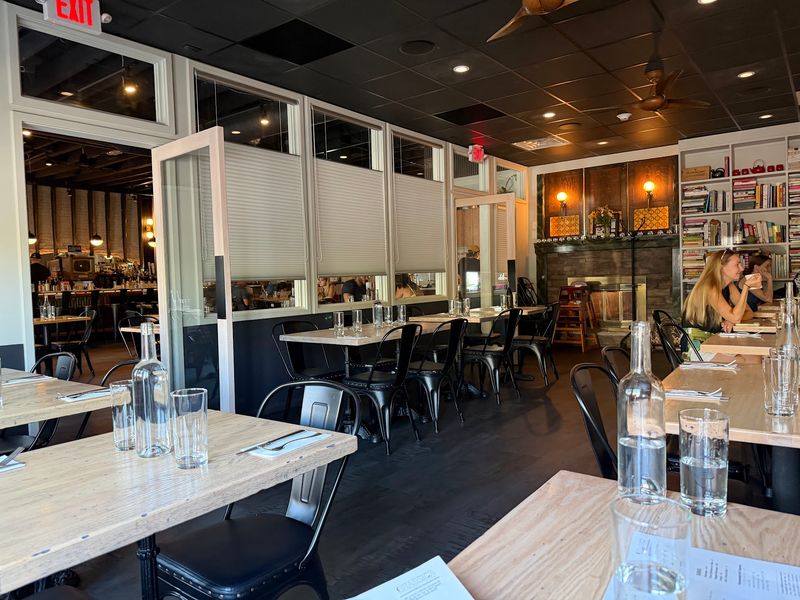
Mold might be the most underrated chef in Jamaica Plain. At Brassica Kitchen + Cafe, the kitchen makes fermentation a creative tool rather than a behind-the-scenes afterthought, and koji even appears in the risotto.
Koji is the cultured ingredient used in foods such as miso. Here, its savory qualities meet parmesan and a seasoning made from the same tradition.
The result fits a menu that pulls techniques from several cuisines without treating any single one as a rulebook.
The newer dining room occupies 3712 Washington Street, a larger space the restaurant moved into after outgrowing its previous home next door. It now has room for an expanded menu, including pizza.
Detroit-style tomato and mozzarella pies sit alongside roasted Brussels sprouts with miso, housemade focaccia, and the signature fried chicken.
Brunch keeps another side of the business alive, with homemade donuts, biscuits and gravy, pancakes, and other rotating morning choices.
The kitchen also offers a chef-guided tasting experience called The Ride for diners happy to surrender the ordering decisions.
Seasonal produce and reducing kitchen waste shape the cooking throughout the week. Even familiar dishes acquire new accents through house ferments, spice blends, and clever use of leftovers.
Dinner service runs Wednesday through Saturday, with brunch on Saturday and Sunday. The room feels like a neighborhood gathering place, but the dishes often behave like experiments with wonderfully edible results.
4. O Ya
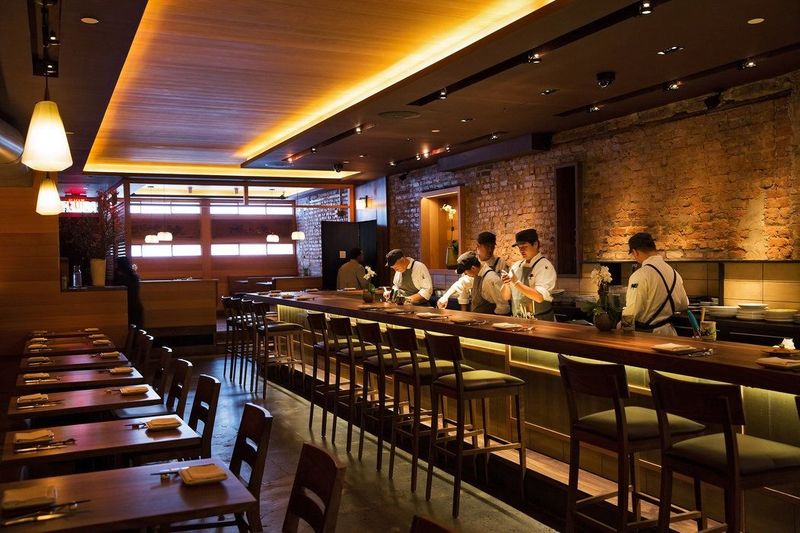
Firefighters once rushed out of this building, and now diners settle in for a long parade of small, carefully composed dishes.
O Ya occupies a former firehouse in Boston’s Leather District, where Japanese-inspired omakase takes a distinctly contemporary direction.
The meal is a chef-selected tasting experience, with the sequence shaped by the season and the ingredients available.
Rather than choosing rolls from a familiar sushi menu, diners encounter seafood, nigiri, warm preparations, and unexpected textures over a leisurely evening.
A bite might combine fish with an aromatic sauce or a surprising garnish. Other courses may explore sea urchin, carefully prepared tuna, vegetables, or richly marbled beef. The kitchen’s creativity matters more than any permanent list of signature dishes.
At 9 East Street, the dining room offers counter seats near the preparation team and more conventional table seating. Watching individual courses take shape provides a different perspective on the precision behind the menu.
The old firehouse gives the experience a remarkable backdrop, but the focus stays on each small plate and its careful assembly.
Vegetarian, vegan, and pescatarian tasting options can be arranged in advance, although plant-based menus are offered only at selected seating times.
Reservations are essential, and dinner takes place Tuesday through Saturday evenings. It’s the kind of restaurant where the surprise arrives in tiny, beautifully measured installments, rather than all at once.
5. Pammy’s
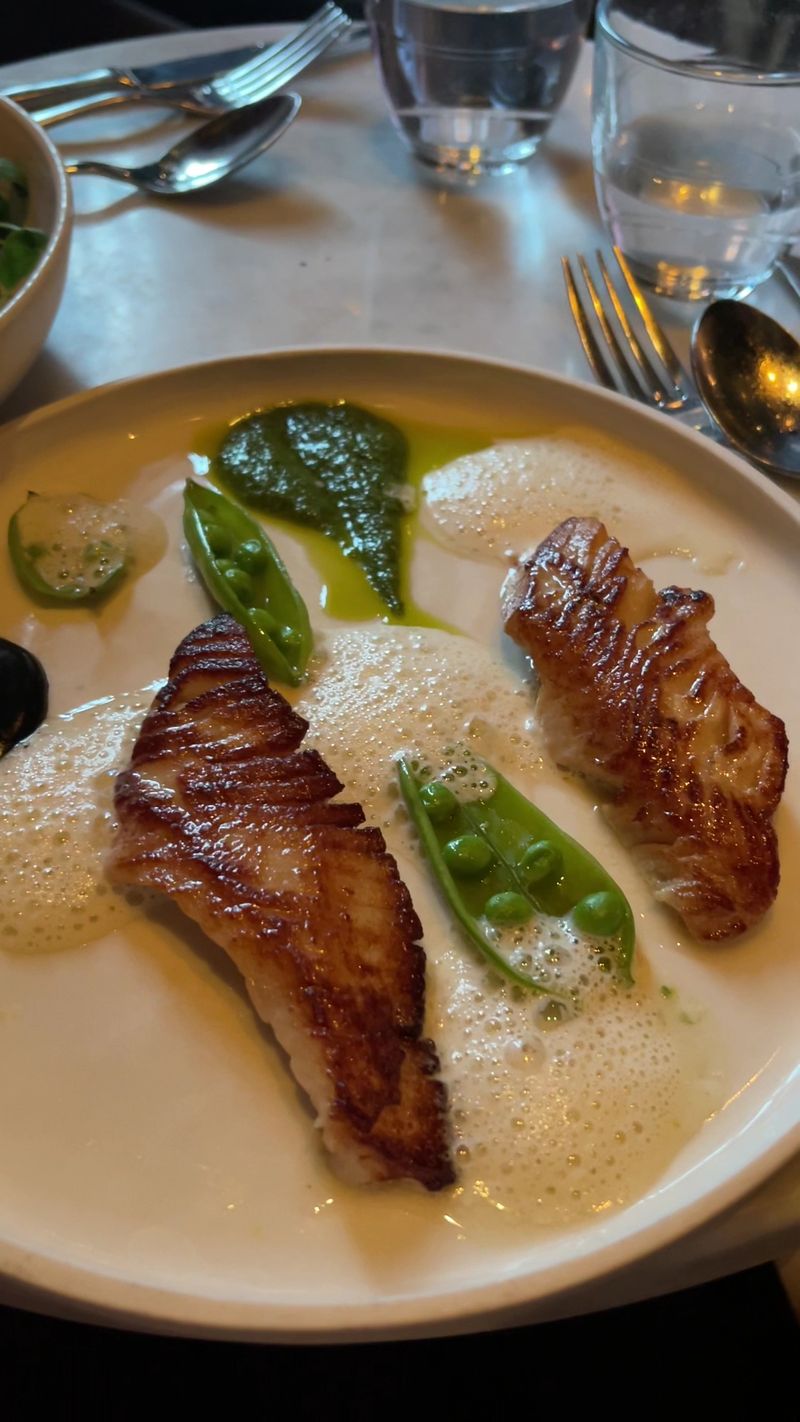
A fireplace and handmade pasta might sound old-fashioned, but Pammy’s gives the neighborhood Italian restaurant a playful contemporary twist.
The Cambridge dining room combines the comfort of a trattoria with cooking that freely borrows ingredients from elsewhere.
The centerpiece is a choose-your-own-adventure menu: each diner selects three dishes from a changing collection of starters, pastas, and larger plates.
An à la carte version is available in the lounge, so the evening needn’t follow exactly the same script for everyone.
Lumache, the little shell-shaped pasta, has appeared with a rich bolognese and gochujang. Mafaldine may pair with tripe and chili oil, while vegetable-focused choices include gnocchi with walnut pesto.
Fish, octopus, and pork Milanese demonstrate that the kitchen’s imagination extends beyond noodles.
The fireplace lends warmth to the room, while the menu keeps the experience modern and flexible.
The familiar room makes those adventurous combinations feel especially approachable. Unlike a traditional fixed progression, different people at one table can choose entirely different combinations and compare them as they arrive.
You’ll find Pammy’s at 928 Massachusetts Avenue, between Cambridge’s Central and Harvard Squares.
Reservations cover groups of up to five, and dinner is served Monday through Saturday. Street parking is limited, so the nearby Red Line and buses can be easier ways to arrive. Here, choosing your courses is part of the entertainment.
6. Field & Vine
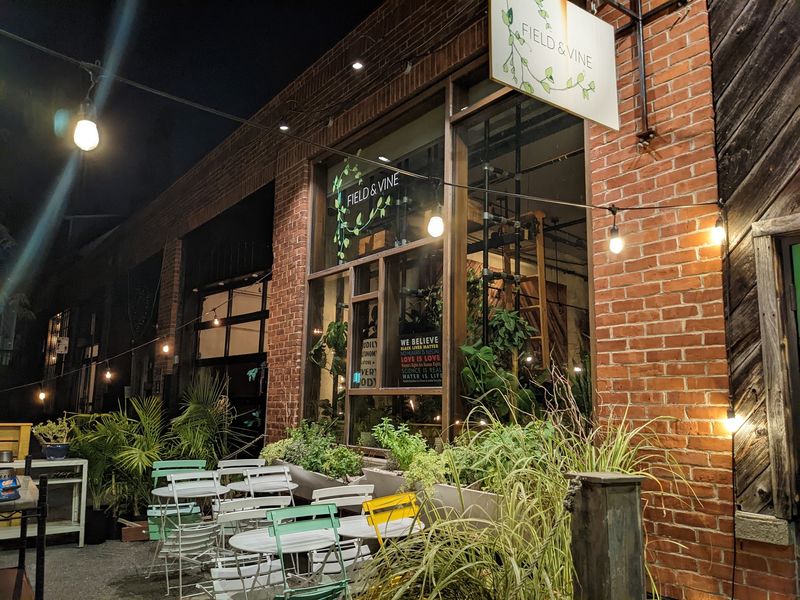
Butter gets its own supporting role at Field & Vine, and honestly, that tells you plenty.
The cheddar-scallion cornbread arrives with miso butter and spicy pickles, turning a familiar comfort food into something surprisingly layered.
This small Somerville restaurant takes seasonal sourcing seriously. Its shareable plates change with what farms, fisheries, and other suppliers can provide, allowing vegetables to take starring roles without making the menu exclusively plant based.
Current sample dishes include smashed cucumbers with ginger and sesame, grilled broccolini with stracciatella, and farm lettuces with coconut dressing.
Seafood might appear as striped bass aguachile or grilled swordfish, while housemade cavatelli can bring pea-green pesto and lemon ricotta to the table.
A short walk from Union Square, 9 Sanborn Court feels more intimate than a restaurant on a busy main road. The rustic dining room suits shared plates, and outdoor tables offer another option when the weather cooperates.
The menu is deliberately changeable, so those particular dishes are examples rather than guarantees. Even a modest cucumber dish becomes a reason to rethink what deserves center stage at dinner.
Reservations are available, with the restaurant allowing two hours for a table. Dinner runs Tuesday through Saturday, and the neighborhood has limited parking.
7. The Herb Lyceum At Gilson’s
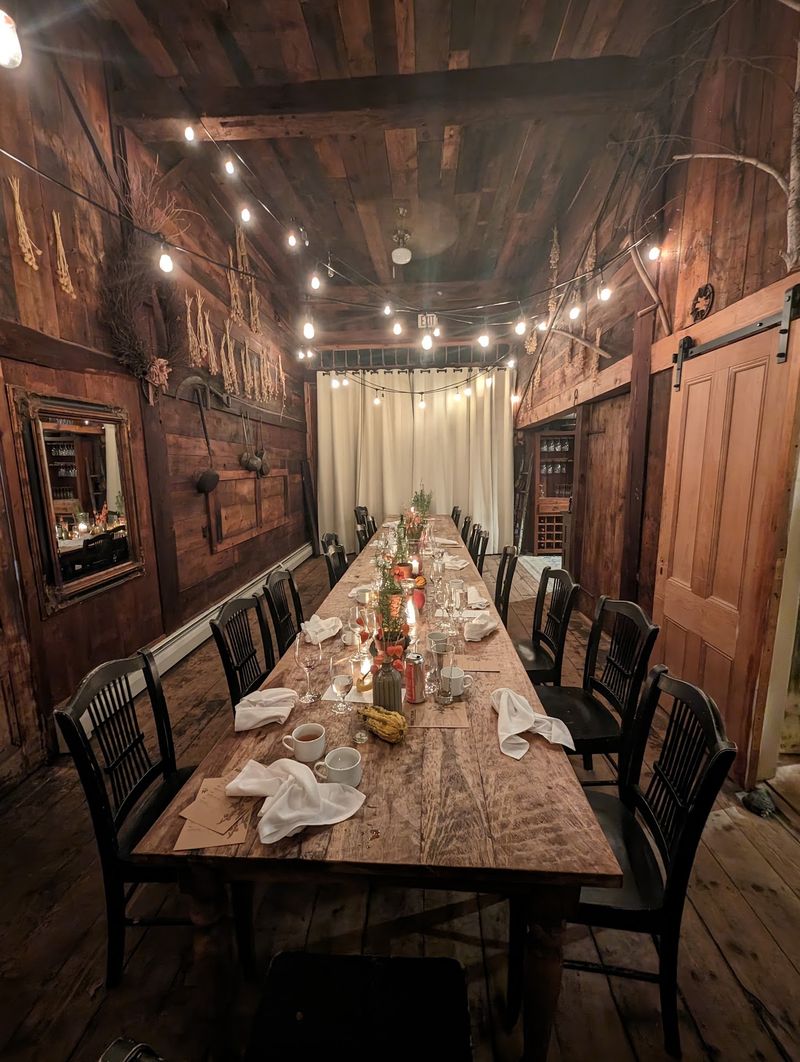
Dinner with strangers usually means a crowded food court, but Groton has a much more interesting version.
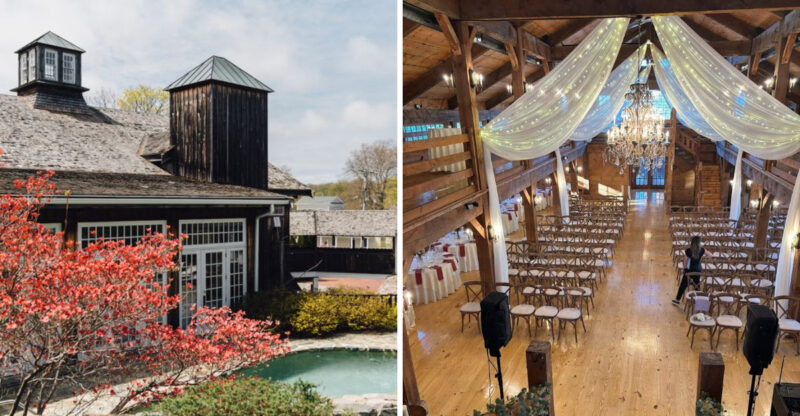
The Herb Lyceum turns a working herb farm into a setting for carefully planned communal meals and private celebrations.
The property spans four acres of gardens, greenhouses, and flowering trees.
In its converted greenhouse, long tables can bring guests together beneath softly glowing lights, with dishes inspired by the growing season and New England’s agricultural traditions.
A special greenhouse dinner in July 2026, for example, centered on native plants and pollinator-friendly gardening.
The evening began in the gardens and continued with a family-style meal. It’s a model of dining that makes the landscape part of the experience rather than scenery outside a window.
The farm at 368 Main Street also hosts gatherings and celebrations, including greenhouse events and outdoor meals.
Outside, paths among herbs and flowering trees connect the converted dining space with the farm’s everyday work. The historic family homestead adds another layer of rural Massachusetts character to the setting.
This isn’t a restaurant to visit expecting an open dining room every Thursday evening. Public meals are scheduled individually, while private events require arrangements in advance.
Menus vary with each gathering, and dietary requests should be raised when booking. When a greenhouse becomes the dining room, even the space between courses can feel like part of the occasion.
8. Deadhorse Hill
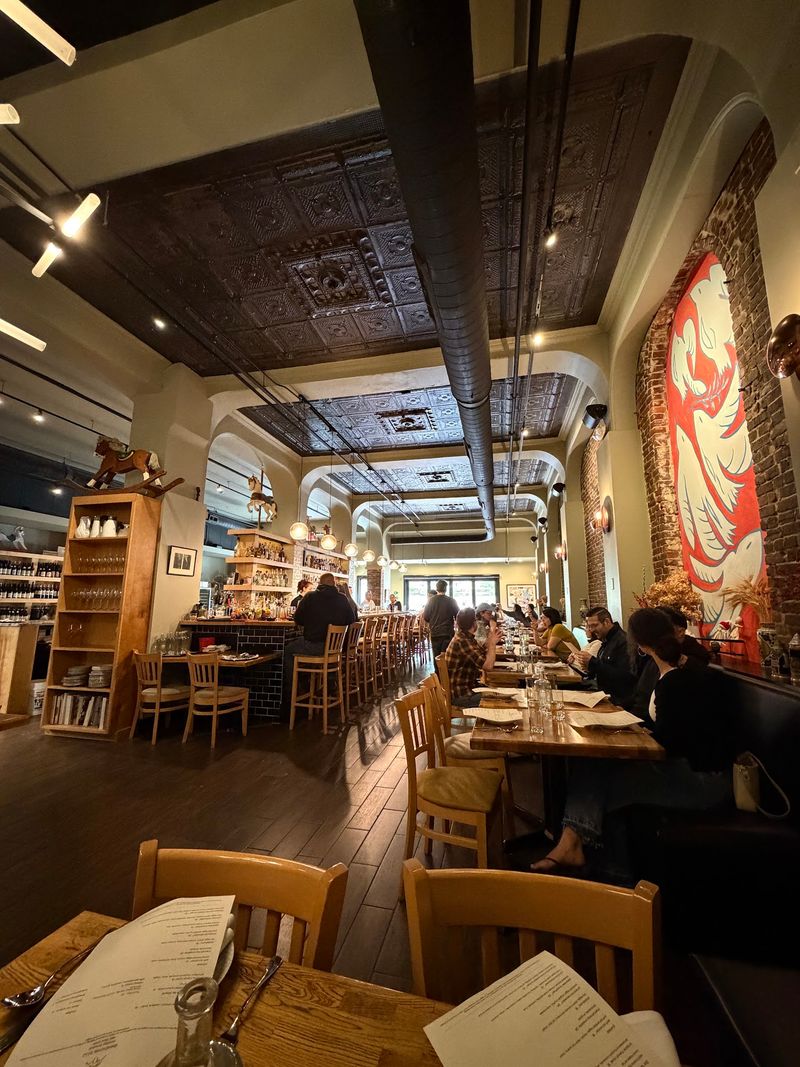
Old hotels sometimes become offices, but this Worcester address got a much tastier second act.
Deadhorse Hill occupies part of the former Bay State House hotel, bringing inventive seasonal cooking to a building with a distinctive past.
The hotel’s connection to the Worcester Automobile Club gives the restaurant its unusual name, a reference to an early local hill-climbing motoring event.
Inside, the mood blends historic character with a lively contemporary dining room. Cooking follows ingredients from New England farms and coastal fisheries.
The evening menu includes both individual dishes and a chef-selected tasting experience, giving diners the choice between directing their own meal and leaving the progression to the kitchen.
Housemade pasta and seasonal vegetables may share the menu with carefully prepared fish or meat.
Because the selection changes regularly, the pleasure lies in discovering the combinations offered that evening, rather than chasing an outdated signature plate.
Sunday has its own rhythm. Brunch runs from late morning into the afternoon, followed by a separate supper service, making the restaurant useful for more than weekend breakfast.
Find it at 281 Main Street in downtown Worcester, with dinner Wednesday through Saturday and both brunch and supper on Sunday.
Reservations are available, while some counter seating is reserved for walk-ins. The building’s history provides a memorable opening act; the kitchen supplies the reason to stay.
9. Spring Shabu-Shabu
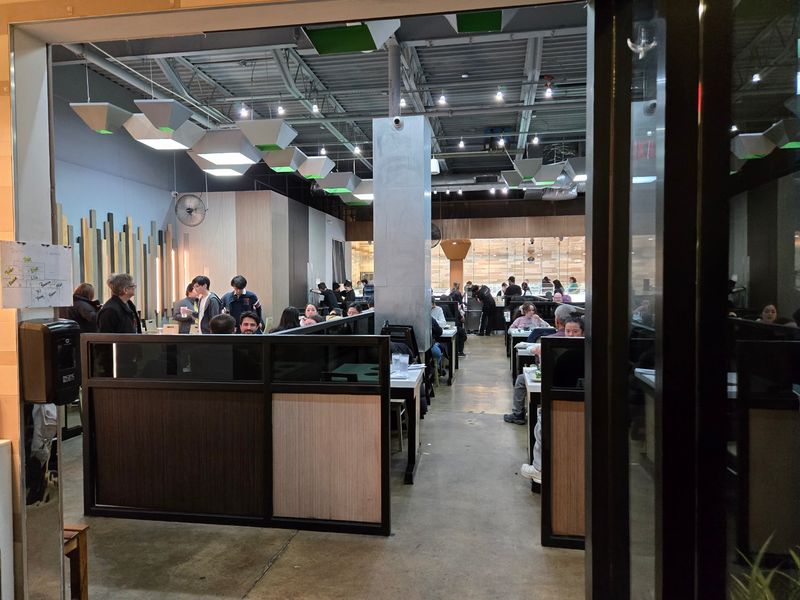
Here, you’re the chef, and nobody will judge you for adding a fifth fish cake. Spring Shabu-Shabu makes dinner a hands-on activity, with individual bubbling pots built right into the tables.
The Japanese hot-pot tradition involves briefly swishing ingredients through simmering broth.
Each diner selects a base and controls the cooking process, deciding whether the next addition should be mushrooms, leafy vegetables, noodles, or something from the seafood selection.
A buffet-style spread provides vegetables, noodles, dumplings, and other ingredients to build a custom bowl. Meat and seafood platters are ordered separately, so the experience can be tailored to different preferences at the same table.
The sauce station adds another level of experimentation. The whole setup encourages experimentation without needing a single fixed recipe.
Mixing several seasonings and condiments creates a different finish with every dip. A soft-serve dessert provides a cool contrast after a long session beside the steaming pot.
The restaurant’s Brighton dining room stands at 304 Western Avenue, with plenty of space devoted to the ingredient stations and cooking tables.
It has a welcoming, energetic atmosphere, especially when groups compare their improvised combinations.
Reservations aren’t accepted; seating is first come, first served. Weeknight service begins at 5 PM, while weekends and federal holidays begin at 11:30 AM. For anyone who likes to adjust every bite, this meal is practically an edible experiment.
10. Mikiya Wagyu Shabu House Boston 味喜屋
Unlimited Wagyu sounds like a dream someone made up during a long lunch meeting.
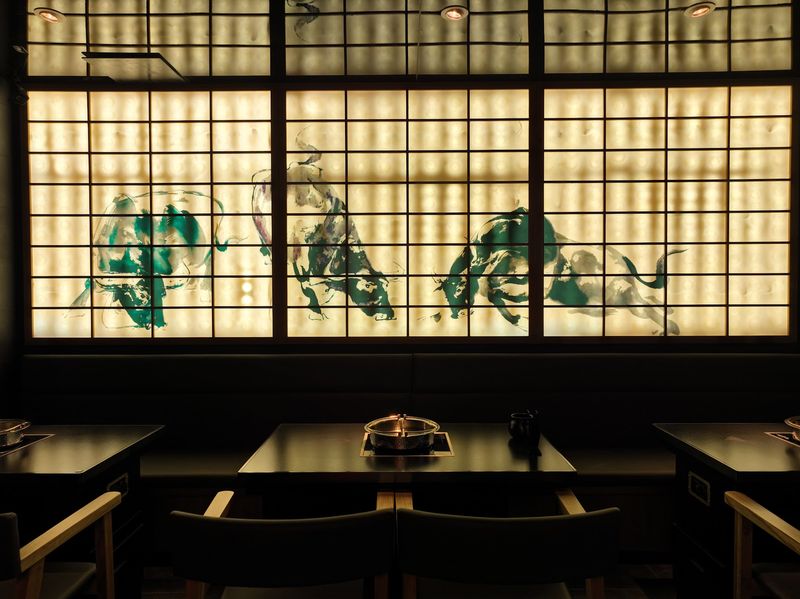
At Mikiya Wagyu Shabu House, it becomes an interactive meal built around thin slices of richly marbled beef and simmering broth. Diners choose from tiered sets and cook the meat themselves at their tables.
A quick swish through hot liquid is enough for delicate slices, while vegetables and other ingredients can stay in the pot longer. Sukiyaki, house broth, spicy miso, and Japanese tomato are among the available bases.
The menu offers Australian Wagyu cuts, with premium Japanese A5 selections available through higher tiers.
Other choices include pork, chicken, seafood, and specialty bites such as Wagyu nigiri, bone marrow, or sweet shrimp, depending on the selected set.
At 21 Hudson Street, Unit 101, in Boston’s Chinatown, each table becomes a little cooking station.
The restaurant’s all-you-can-eat format runs on a ninety-minute seating, with meat sliced to order and additional rounds requested throughout the meal.
The Chinatown location opens at noon daily and stays open later Thursday through Saturday. The shared pot makes the table interactive, even when everyone prefers a different broth or protein.
Walk-ins are a major part of its seating system, although a limited number of reservations are offered. For Massachusetts diners, it’s a particularly modern take on a centuries-old idea: the freshest bite is the one you cook yourself.