9 Massive Abandoned Buildings In Massachusetts Where Ghost Hunters Could Explore For Hours
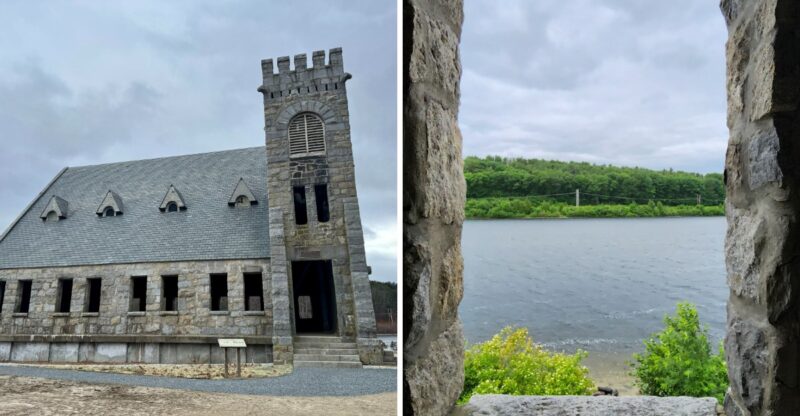
One stone church in Massachusetts still stands while most of its old neighborhood sits under a reservoir.
The water arrived so a growing Boston area could drink. The church just stayed put, which is a pretty stubborn move for a building.
Elsewhere, granite forts guard dark tunnels, and old hospital campuses sit boarded up behind quiet walking paths.
Several of these spots welcome visitors during set hours, so sneaking around at midnight isn’t required. Bring a camera, a buddy, and respect for posted signs.
Ghost hunters love places like this for a simple reason.
Big empty buildings give your imagination plenty of room, and your flashlight plenty of work, too.
1. Medfield State Hospital
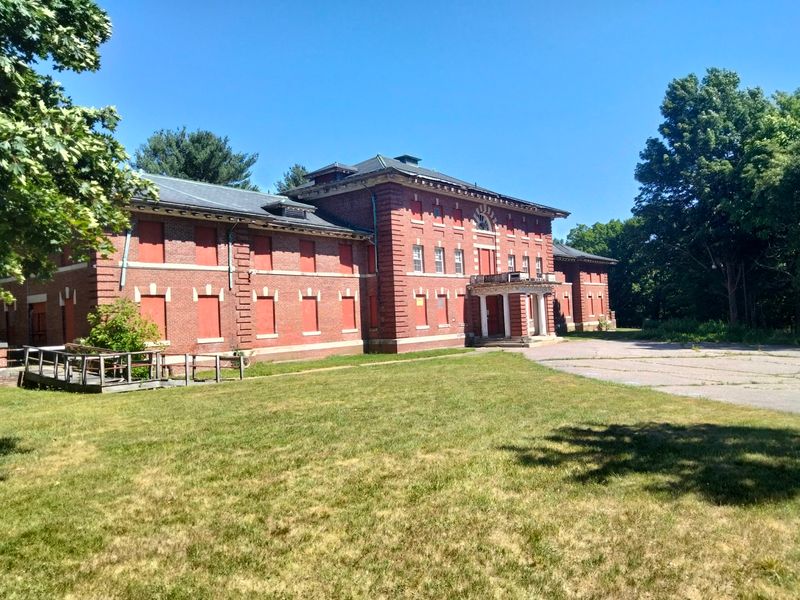
Hollywood picked this campus as a filming spot for Shutter Island, and one look at its long rows of brick buildings explains why. Medfield State Hospital resembles a quiet village more than a single institution.
The hospital opened in 1896 with a cottage plan that spread residential and service buildings across broad lawns. Its design favored separate structures, outdoor space, and a connected network of campus roads.
The facility closed in 2003. Productions including Shutter Island and Knives Out later used the historic setting, adding another chapter to its story.
For years, walkers could explore the grounds while remaining outside the boarded buildings. That changed in March 2026, when the town closed the campus to public access during infrastructure construction. A reopening hasn’t been confirmed.
The main historic property is associated with 45 Hospital Road, Medfield. Treat that as a location reference, not an invitation to cross the construction boundaries.
Redevelopment plans envision housing, cultural facilities, and preservation of important architecture. Much of the surrounding landscape also connects with the Charles River corridor and publicly managed trails.
The familiar brick facades remain fascinating, even while the property is inaccessible. If you’re drawn to abandoned architecture, follow the town’s access updates before planning any visit.
For now, the most respectful way to appreciate this Massachusetts landmark is through its documented history, not an unapproved walk between the buildings.
2. Metropolitan State Hospital
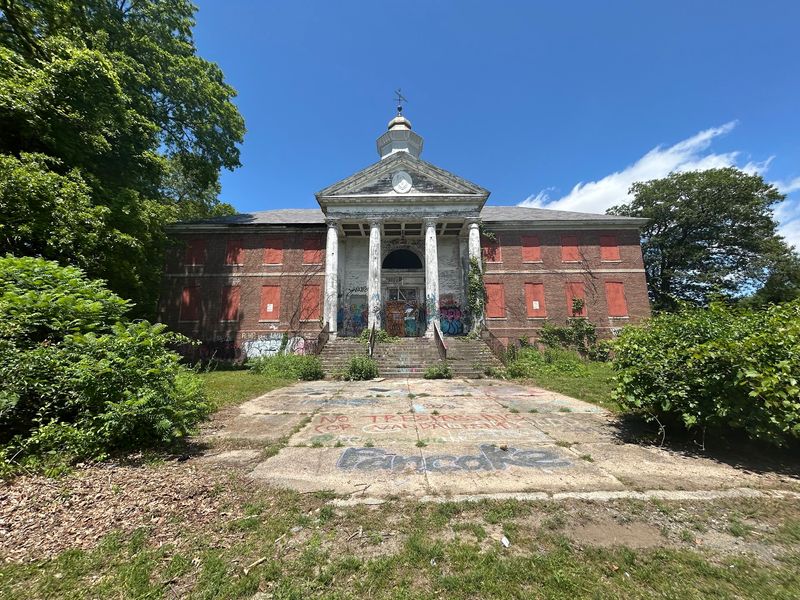
Most of this old hospital campus got a makeover into residences. One stubborn survivor refused to join the party, and that’s the former administration building near Waltham’s preserved open space.
Metropolitan State Hospital opened in 1930 on land crossing Waltham, Lexington, and Belmont. The sprawling complex once included patient buildings, service facilities, and landscaped grounds connected by internal roads.
Following its closure in 1992, many original structures were cleared or converted as the property took on new uses. The former administration building, with its formal brick architecture and graffiti-covered walls, remains a striking reminder of that earlier era.
Here’s the boundary worth respecting: the vacant building isn’t open for exploration. Fences and posted restrictions apply, and old interiors can contain serious hazards.
A better way to appreciate the broader setting is through Beaver Brook North Reservation. Public trails cross former hospital land, passing woods, wetlands, and open meadows.
For orientation, the historic complex is associated with 475 Trapelo Road, Waltham. Trail access is separate from the restricted administration building; use designated entrances and marked paths.
Some trails connect with the Western Greenway and nearby conservation areas, making a walk here worthwhile even without seeing the building up close.
What was once a large institutional landscape now holds both neighborhood life and natural spaces. The contrast is fascinating enough without entering a single locked doorway.
3. Rutland Prison Camp
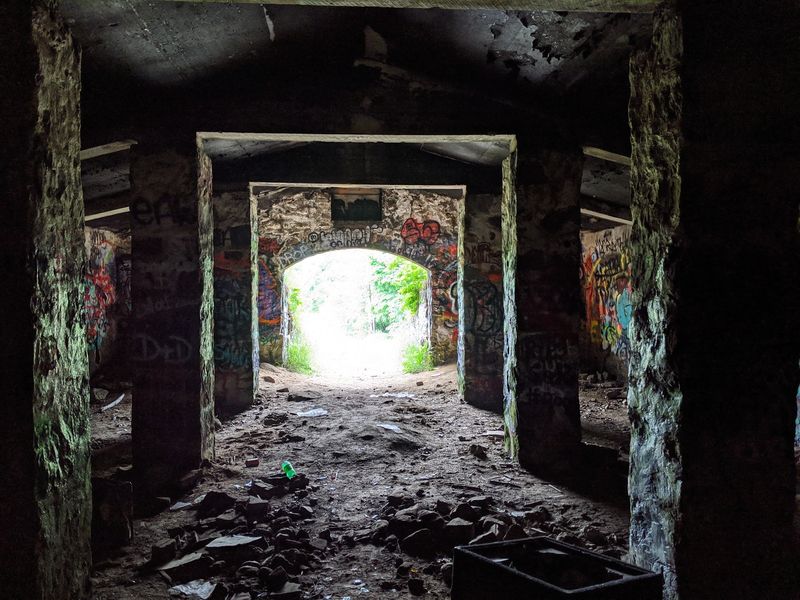
Few hikes end with a concrete cell block waiting in the woods. In Rutland, that surprise is the whole point of the walk.
The former prison camp opened in 1904 as a working agricultural institution. Residents cultivated crops and maintained farm operations on land that later became part of the Ware River watershed.
The camp closed in 1934, and trees slowly reclaimed the site. Today its surviving remains include a concrete cell structure, a root cellar, foundations, and fragments of the old farm complex.
Graffiti adds bright color to some gray surfaces, although the original masonry and surrounding forest are interesting enough on their own.
The usual approach begins near 299 Intervale Road, Rutland, following unpaved routes and woodland trails. Vehicle gates and seasonal restrictions can change access, especially during winter.
The Massachusetts Department of Conservation and Recreation manages the watershed property. Its access plan allows visitors in designated areas while seeking to prevent entry into unstable ruins.
In 2026, preservation discussions focused on the remaining cell block and root cellar, so individual structures may be fenced or altered as safety work proceeds.
Bring sturdy shoes, water, and time for the walk. This is a place to appreciate from accessible paths, rather than climb through old walls.
The woods are quiet, the surviving concrete is unusual, and the setting offers an unexpectedly thoughtful afternoon of local history.
4. Fort Warren
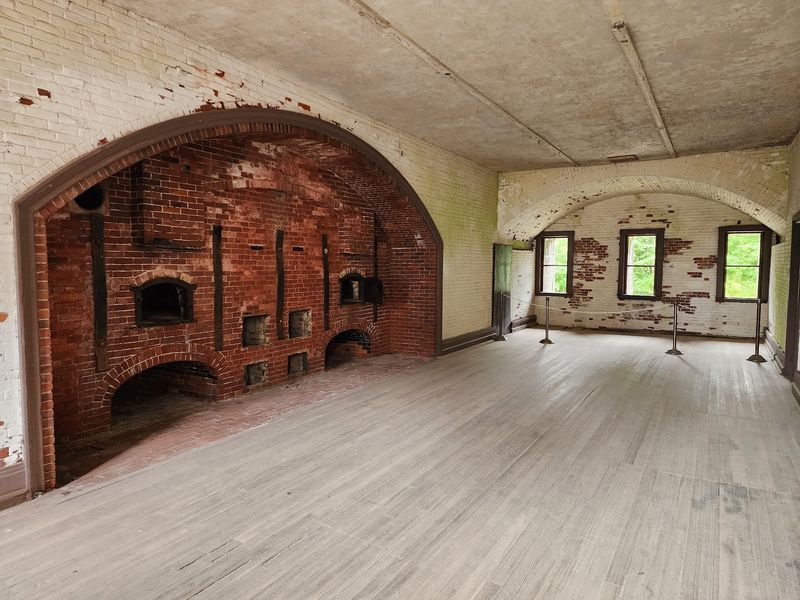
Any fort with its own famous ghost deserves a flashlight and a ferry ticket. Out on Georges Island, Fort Warren is linked to the legend of the Lady in Black.
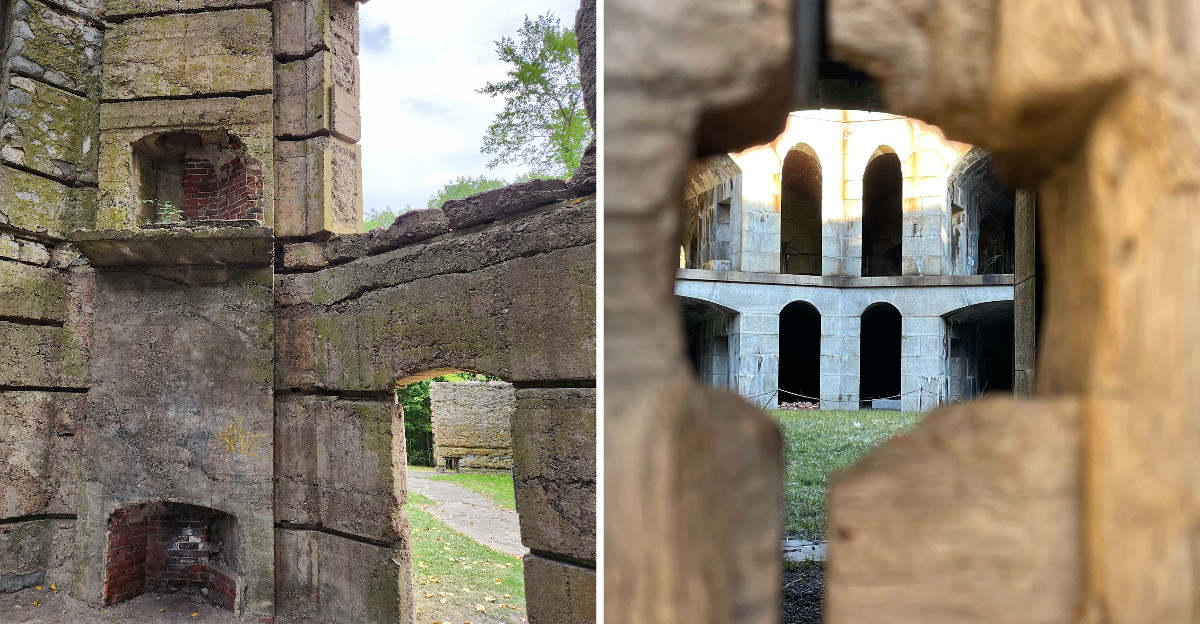
The enormous granite fortress was constructed during the nineteenth century to protect Boston Harbor. Its thick walls, arched passageways, and central parade ground still reveal the scale of the original design.
The ghost story belongs to local folklore, rather than documented events. That makes it entertaining to hear from a ranger without confusing legend with established history.
During the visitor season, public ferries carry passengers from Boston to Georges Island. The 2026 ferry season has ended, so plan this excursion for a future operating period.
Once the island reopens, explore permitted sections of the fort, including the bakery, parade ground, and the well-known Dark Tunnel when it is accessible. Follow posted closures inside the fort.
Georges Island, Boston is the destination; ferry departure points and schedules vary by season. Allow time for the round-trip boat ride, a guided program, and a picnic overlooking the harbor.
The island’s visitor center contains historical exhibits, and rangers offer tours on scheduled days. The view toward Boston adds another reason to linger.
Bring comfortable shoes and a flashlight for designated dim passages. A granite fort surrounded by water hardly needs a ghost to be memorable, although the legend adds a mysterious finishing touch.
5. Fort Andrews
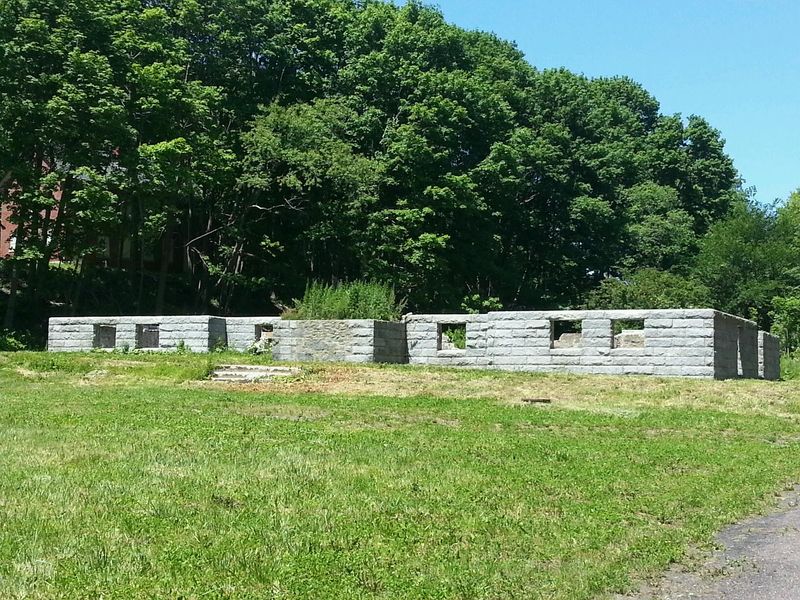
Rows of empty brick barracks on an island sound like the start of a mystery novel. On Peddocks Island, that’s simply what remains of Fort Andrews today.
The fort was completed in the twentieth century, when the island served as a military installation protecting Boston Harbor. Training facilities, living quarters, and other buildings once supported a community.
Fort Andrews was decommissioned in 1946. Several brick structures and concrete defenses still stand, giving the island historic character.
There is one important rule: most former military buildings and vacant cottages are closed to the public. Their floors and interiors can be unsafe, and visitors must remain on designated trails.
Fortunately, Peddocks Island offers outdoor exploration. Its paths pass historic structures, wooded areas, and shoreline viewpoints, with glimpses of nearby Hull and other harbor islands.
The destination is Peddocks Island, near Hull. The Fort Andrews visitor center occupies the old guardhouse beside the dock, where travelers can find basic island information.
The public ferry service for 2026 ended October 12. Future visits require checking seasonal boat schedules or arranging authorized private transport.
Pack water, snacks, and layers for the harbor breeze. Interpretive information is available at the visitor center when staffed.
The quiet barracks are best appreciated from outside. Between old brickwork and sweeping water views, the island offers an atmospheric outing without entering a single restricted structure.
6. Fort Revere Park
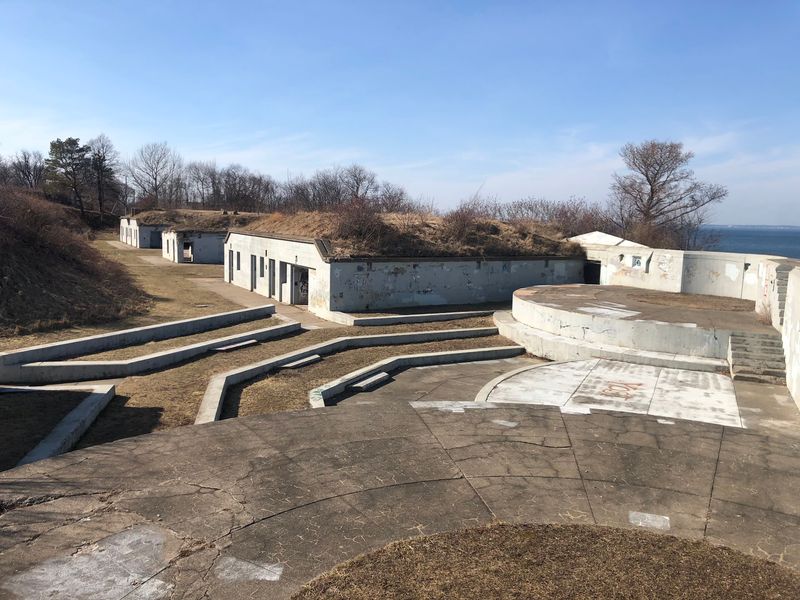
Underground bunkers with ocean views are a rare combo. Fort Revere Park in Hull hands you both, plus a grassy hilltop for a picnic afterward.
The historic defenses stand on Telegraph Hill, a commanding position overlooking Boston Harbor. The site saw successive fortifications over several centuries, with the surviving concrete structures reflecting later improvements.
The hill is also known for its tall water tower, constructed in 1903. Preservation work on that landmark continued into 2026, and access to its upper observation area is restricted.
Around the old fort are heavy concrete walls, former gun positions, and sections of earthwork. Some surfaces carry graffiti, giving the gray masonry an unexpected patchwork of color.
The park’s address is 60 Farina Road, Hull. From the elevated grounds, views stretch across the harbor toward islands and distant shorelines.
Public park areas invite a leisurely walk, but do not treat dark underground chambers as automatically open. Follow barriers and signs, and admire closed passages from a safe distance.
Afterward, settle onto the grass and enjoy the breeze. The landscape rewards photographers without squeezing through narrow spaces.
Bring sturdy shoes for uneven ground and check for restoration-related restrictions before setting out. Historic defenses and dramatic scenery make this Massachusetts site distinctive.
On a clear day, the harbor panorama is impressive enough to compete with the abandoned concrete structures for your attention.
7. Fort Rodman
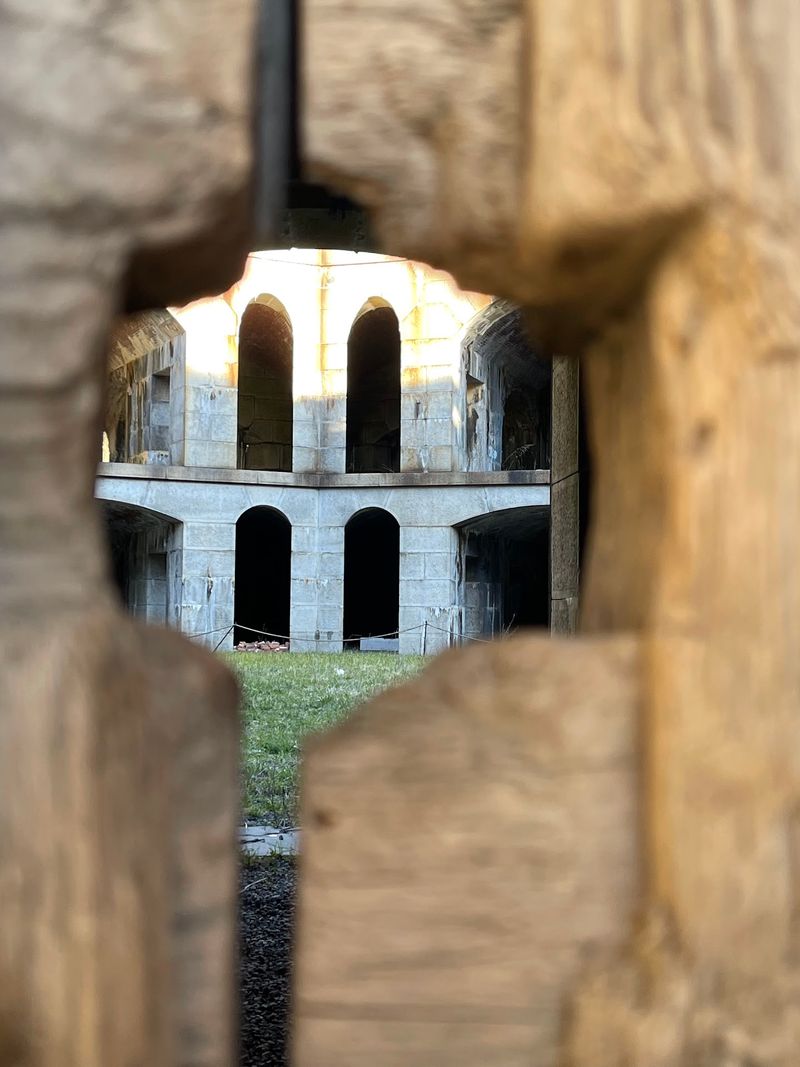
Creepy tunnels and a playground share the same waterfront park in New Bedford. That odd pairing makes the Fort Rodman area an interesting stop for families.
Fort Rodman stands within Fort Taber Park, where stone and concrete defenses overlook Buzzards Bay. The substantial coastal fortification was built during the nineteenth century and later joined by other military structures.
Its walls, former gun positions, and broad grassy surroundings provide plenty to examine from public areas. The original fort’s interior, however, has been closed to visitors for years.
Rather than seeking an entrance, explore the accessible park paths and look across the exterior stonework. You can also enjoy the waterfront promenade and open lawns, which make the visit feel more like a seaside outing.
Find the park near 1000 Rodney French Boulevard, New Bedford. The landscaped grounds cover roughly fifty acres, with more than a mile of waterfront.
For deeper history, the Fort Taber–Fort Rodman Military Museum opens Wednesday through Sunday, generally from 1 to 4 PM. Its exhibits preserve artifacts, uniforms, and photographs connected with regional military service.
A playground, picnic spots, and wide views across the bay add options for a longer stop.
Bring a jacket because the waterfront can get breezy, even on sunny days. This is one of the rare places where stone fortifications and an easy family walk fit naturally into the same afternoon.
8. Bancroft’s Castle
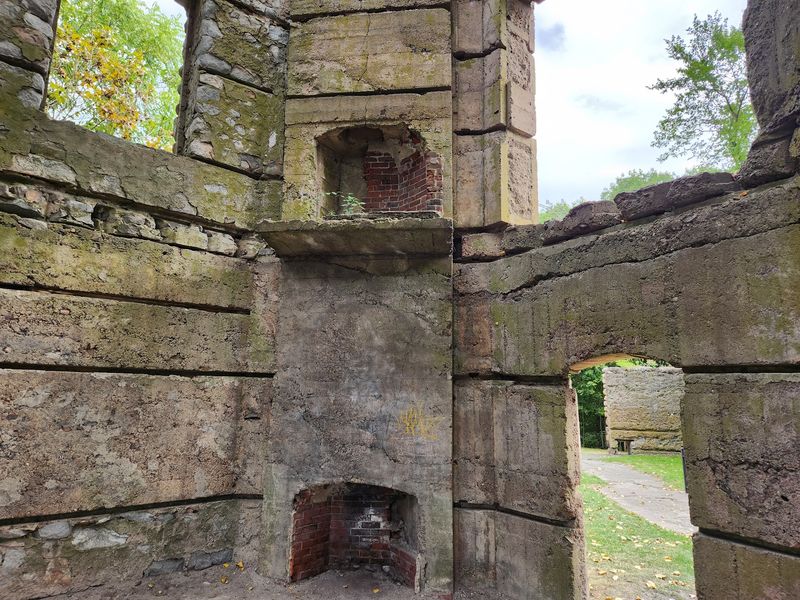
Castles aren’t common in New England, which makes a hilltop ruin in Groton extra fun. Bancroft’s Castle is the stone remnant of a former estate building overlooking rolling farmland.
Construction began in the early 1900s as part of a planned property developed by General William Bancroft. A much larger mansion was imagined, but that ambitious project was never completed.
Later, the hilltop building served different purposes before a fire in 1930 left its stone framework standing. Today openings frame trees, sky, and distant fields.
Reaching the ruin means a short but steep walk up Gibbet Hill. The marked trail begins near the Gibbet Hill Barn and restaurant property, off Lowell Road in Groton.
Owners welcome respectful visitors on designated paths. Use marked parking areas, stay on the trail, and avoid fragile masonry or fenced sections.
Panoramic scenery is central to the experience. On clear days, the view extends across Groton’s fields and countryside, sometimes with cattle grazing below.
Because the route climbs uphill, sturdy shoes are especially helpful after wet weather. Plan to visit in daylight; this is a working landscape with private-property boundaries.
You won’t find an enormous intact castle here. What remains is smaller and more peculiar, and that may be part of its charm.
Take a moment to appreciate how the old stone openings turn the countryside into a series of natural framed views.
9. Old Stone Church
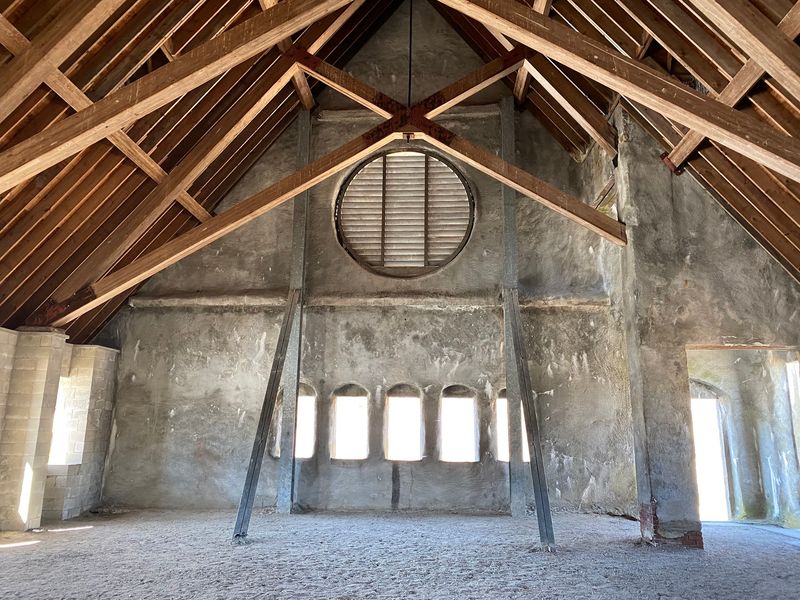
A whole neighborhood made way for water, but one church stayed behind. The Old Stone Church in West Boylston is a lonely survivor with a big story.
Built in the early 1890s, it replaced an earlier Baptist church. Soon afterward, the Wachusett Reservoir project reshaped the surrounding community, and many buildings were removed or relocated.
The stone structure remained because local preservation advocates believed it would become an important landmark. Today its roofless silhouette and surviving walls stand beside a broad expanse of water.
The church was listed on the National Register of Historic Places in 1973. Later restoration work reinforced its historic appearance, ensuring that its striking outline remained part of the shoreline.
The entrance is near 130 Beaman Street, West Boylston, with public access during daylight hours. Parking is available nearby, and the short approach offers lovely views of the reservoir.
Visitors can appreciate the masonry from public grounds, but access gates remain closed to vehicles. Reservoir protection rules also prohibit swimming and pets on the church grounds.
Seasonal history walks sometimes explore the old village and the engineering project that transformed it. These programs add context to the otherwise quiet setting.
Smaller than the hospital complexes elsewhere in Massachusetts, the church’s location is unforgettable.