15 Massive North Carolina Lakes That Feel More Like Oceans Than Inland Waters
North Carolina hides something remarkable among its mountains and pine forests, with lakes so vast it’s almost hard to believe they exist.
Some stretch for miles, with shorelines that vanish into the horizon, and water so wide you cannot see the other side.
These are not your average fishing ponds or quiet little swimming holes.
North Carolina is packed with massive reservoirs that lure boaters, kayakers, campers, and weekend explorers year after year.
Curious which lakes will leave you speechless on your next North Carolina adventure?
1. Lake Norman
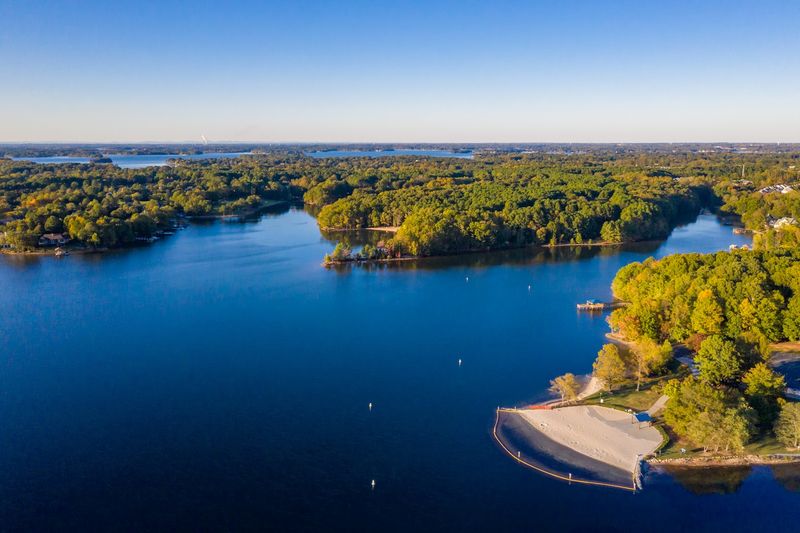
Lake Norman spans roughly 32,510 acres and is the largest man-made lake in North Carolina.
Near Mooresville in the Piedmont region, it was created in the 1960s when Duke Power dammed the Catawba River for electricity.
With over 520 miles of shoreline, the lake has grown into a full-blown destination packed with marinas, waterfront restaurants, and sprawling communities.
Boating here is almost surreal because the water stretches so far in every direction that land sometimes disappears from view entirely.
Sailing, wakeboarding, and jet skiing are all hugely popular activities throughout the warmer months.
Fishing enthusiasts come chasing largemouth bass, striped bass, and catfish in impressive numbers.
The town of Mooresville is just minutes from the water, offering easy access to shops, eateries, and lodging.
Fall is arguably the most stunning season at Lake Norman, when surrounding trees erupt in warm orange and red hues that reflect beautifully across the calm surface.
2. Jordan Lake
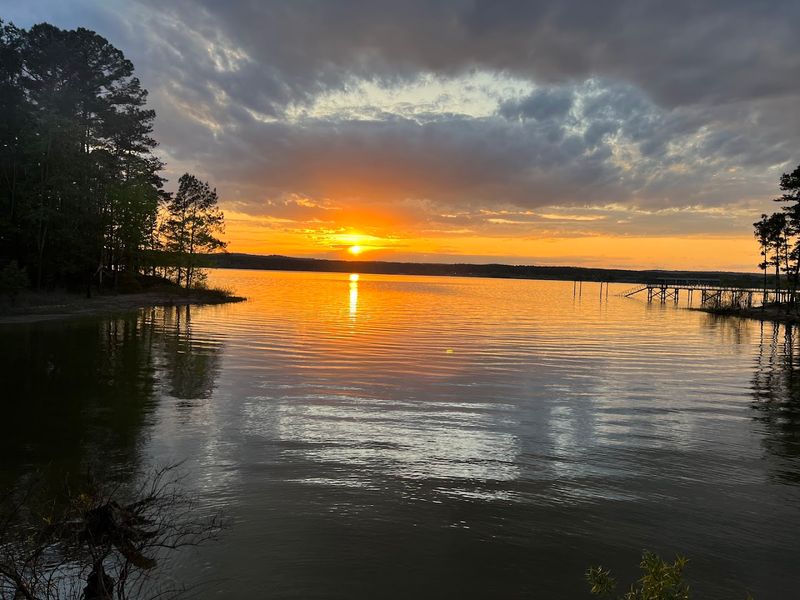
Jordan Lake, a massive reservoir near Apex in Chatham County, is alive with wildlife. Bald eagles circle overhead, and ospreys dive for fish.
The lake spans about 13,900 acres and was created by the Army Corps of Engineers in the 1970s. Since then, it has become one of the most visited recreation areas in the state.
The lake is officially known as B. Everett Jordan Lake, though most locals simply call it Jordan Lake.
Families flock here on summer weekends for swimming, picnicking, and paddling across its broad, glassy surface.
The surrounding state recreation area offers multiple boat ramps, campgrounds, and sandy beaches that fill up fast during July and August.
Birders particularly love this spot because it supports one of the largest nesting populations of bald eagles on the East Coast.
Kayakers enjoy exploring the quieter coves along the northern shoreline, where the water narrows and wildlife becomes even more visible.
Sunrise views from the main boat ramp area are absolutely worth arriving early to claim a good spot along the water’s edge.
3. Falls Lake
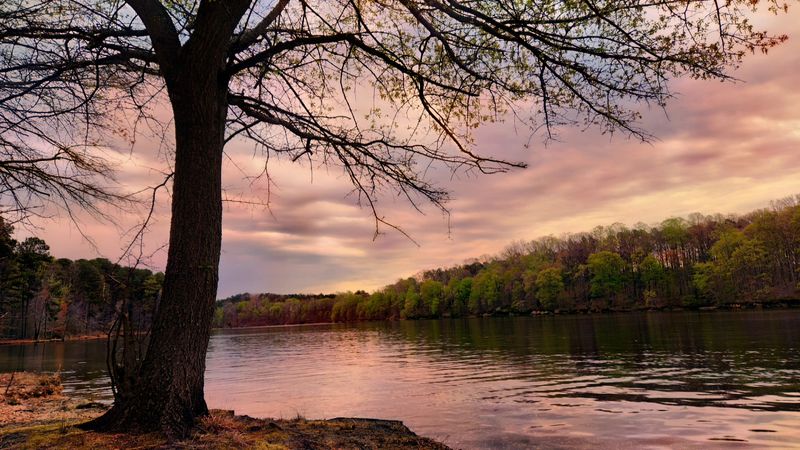
Just a short drive north of Raleigh, Falls Lake stretches across roughly 12,000 acres and serves as the primary drinking water source for much of the Triangle region.
Created in the 1980s by damming the Neuse River, this reservoir near Wake Forest has grown into a beloved outdoor playground for residents throughout central North Carolina.
The Falls Lake State Recreation Area wraps around much of the shoreline, providing hikers, mountain bikers, and paddlers with easy access to the water.
More than 26 miles of trails wind through the surrounding forest, making it a fantastic spot for anyone who wants to combine a lake day with a proper hike.
Bass fishing is exceptionally productive here, and the lake also holds crappie, bream, and catfish in solid numbers.
Canoe and kayak rentals are available at several access points, perfect for beginners who want to explore without owning their own gear.
Camping along the shoreline puts you right in the middle of the action, with morning mist rising off the water creating an almost dreamlike atmosphere.
4. Lake Gaston
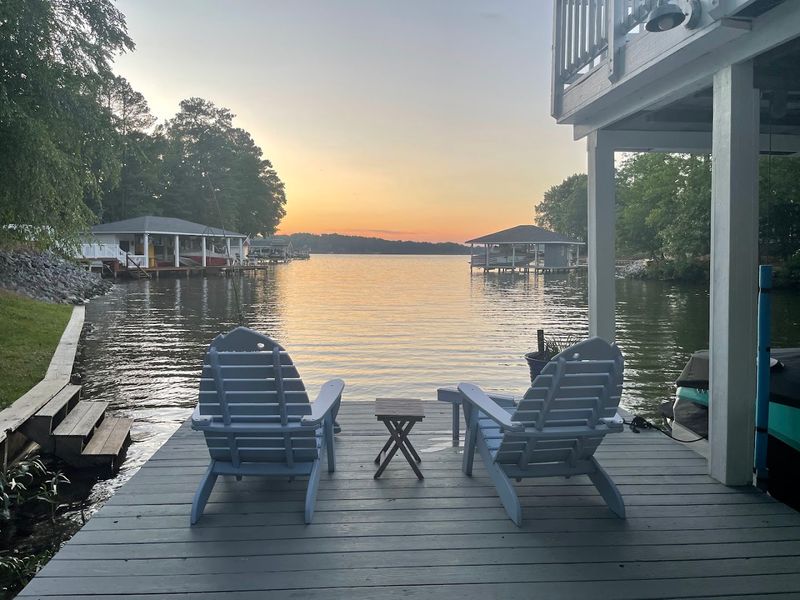
Lake Gaston straddles the border between North Carolina and Virginia. It is a long, winding reservoir stretching about 34 miles and covering roughly 20,300 acres.
Near the small town of Littleton on the North Carolina side, the lake feels refreshingly uncrowded. This makes it a peaceful alternative to more heavily developed reservoirs near major cities.
Created in the 1960s by Dominion Energy, Gaston is the sister lake to Kerr Lake just upstream and shares a similarly relaxed, community-centered atmosphere.
Boating is the main attraction here, and the wide main channel offers plenty of room for water skiers and pontoon cruisers to share the surface peacefully.
Fishing tournaments are held regularly throughout the year, targeting largemouth bass, striped bass, and white perch.
Several marinas along both the North Carolina and Virginia shores offer fuel, supplies, and slip rentals for seasonal visitors.
Waterfront cottage rentals are popular in summer, giving families a full week of lake life without the crowds of larger destinations.
The sunsets over Lake Gaston have a quiet, unhurried quality that makes it easy to understand why so many people return here summer after summer.
5. Fontana Lake
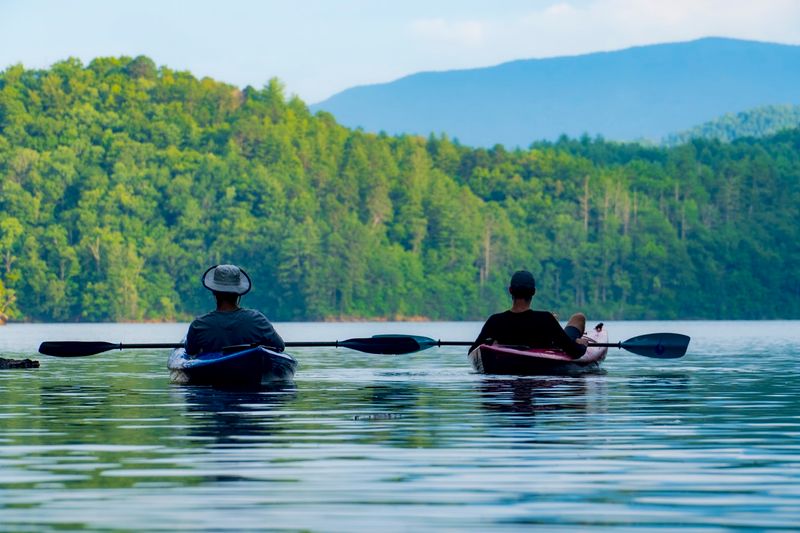
Fontana Lake near Bryson City lies within the southern edge of Great Smoky Mountains National Park. It is one of the most dramatically beautiful lakes in the southeastern United States.
The lake was created during World War II when the Tennessee Valley Authority built Fontana Dam. The dam remains the tallest east of the Rocky Mountains at 480 feet.
Covering about 10,530 acres, the lake lies at the base of towering ridges, creating an almost otherworldly view. Houseboats are popular since many coves and inlets are only reachable by water.
The Appalachian Trail crosses directly over Fontana Dam, making it a landmark stop for long-distance hikers passing through the region.
Kayaking along the northern shore brings you right up to the national park boundary, where wildlife sightings including black bears and white-tailed deer are surprisingly common.
Fall foliage season transforms the surrounding mountains into a patchwork of gold, crimson, and amber that reflects in the lake’s surface.
6. High Rock Lake
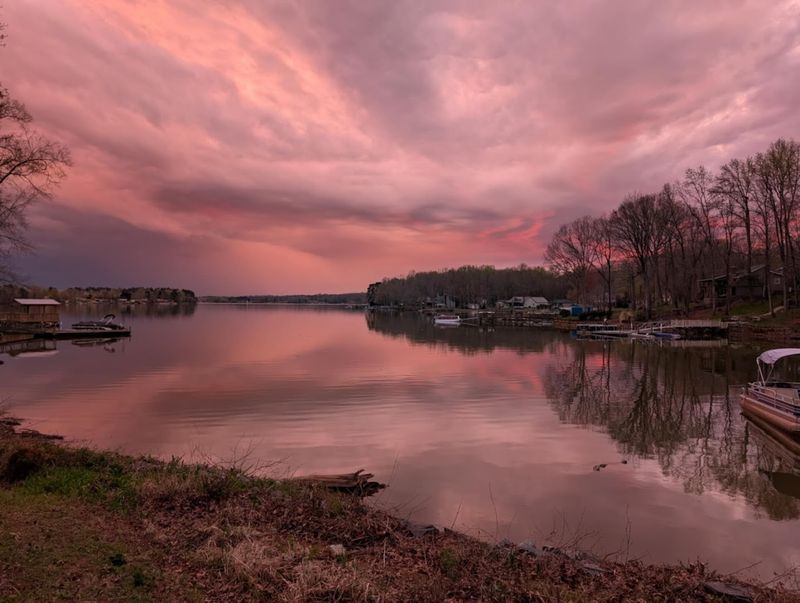
High Rock Lake near Lexington has earned a strong reputation among fishing communities across the Carolinas. One afternoon on the water quickly shows why.
Lake covers about 15,180 acres, and the Yadkin River reservoir is consistently ranked among the top bass fishing lakes in the state. Anglers travel from hundreds of miles away during tournament season to fish here.
The lake was created in the 1920s when Alcoa built High Rock Dam, making it one of the older man-made reservoirs in North Carolina.
Its irregular shoreline is packed with shallow coves, submerged timber, and grassy flats that create ideal habitat for largemouth bass, crappie, and catfish.
Beyond fishing, the lake offers solid opportunities for recreational boating and water skiing across its broad main channel.
Several public boat ramps provide easy access for day visitors, and the surrounding area near Lexington is known for its world-famous barbecue restaurants. You can combine a morning on the water with an unforgettable afternoon meal.
Birdwatching is also rewarding here, particularly during spring migration when herons, ospreys, and various waterfowl congregate around the quieter coves.
7. Lake James
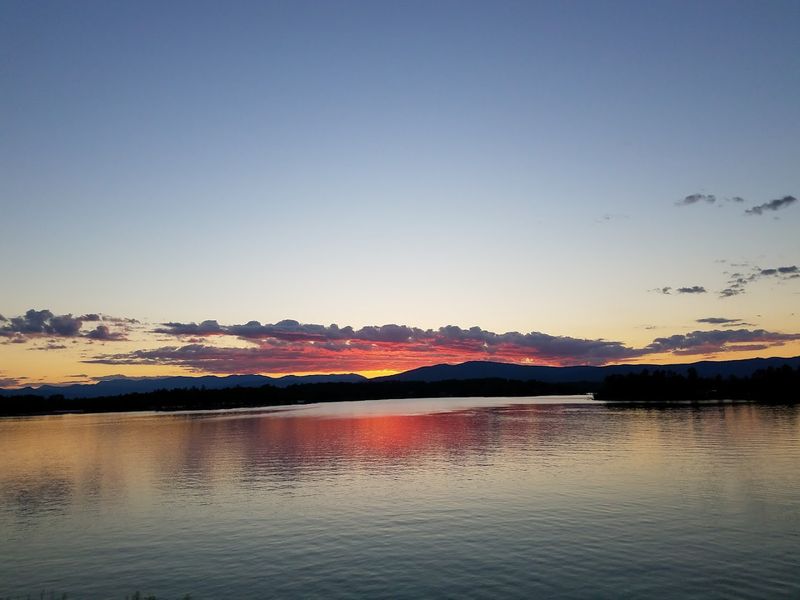
Lake James near Nebo is framed by the rugged peaks of the Linville Gorge Wilderness and the South Mountains.
Spanning roughly 6,510 acres, this reservoir was formed in the 1920s by Duke Power and is at an elevation that keeps the water noticeably cooler than piedmont lakes throughout the summer.
Lake James State Park surrounds much of the shoreline, providing well-maintained hiking trails, canoe launches, and swimming areas that attract outdoor enthusiasts from across the region.
The park’s Catawba River section and Canal Bridge section each offer different landscapes and experiences worth exploring separately.
Paddleboarding and kayaking are especially rewarding at Lake James because the water clarity is exceptional compared to many other North Carolina reservoirs.
Anglers target largemouth and smallmouth bass, along with walleye, which is a species not commonly found in many other lakes in the state.
Camping inside the state park puts you right at the water’s edge with mountain views that make early mornings hard to leave. Lake James makes you seriously reconsider your entire life plan and wonder why you ever lived anywhere else.
8. Lake Wylie
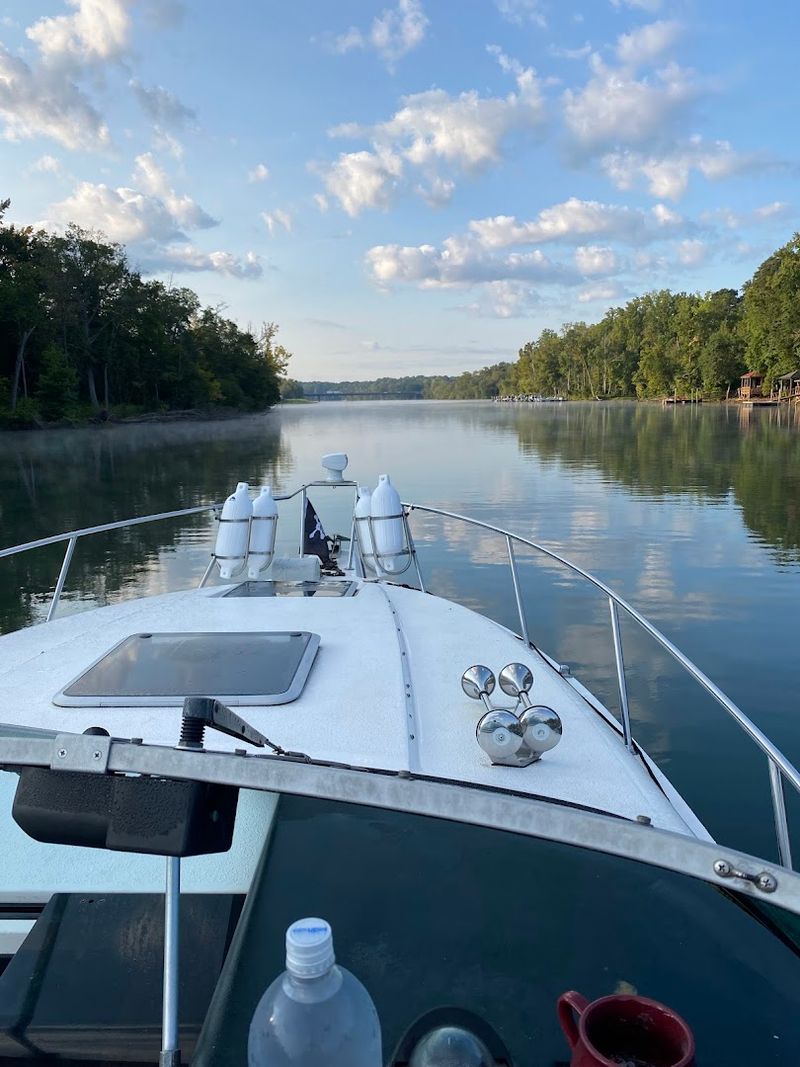
Shared between North Carolina and South Carolina, Lake Wylie sits just southwest of Charlotte. It has evolved into one of the most densely developed recreational lakes in the entire region.
This lake covers approximately 13,443 acres, the reservoir was created by Duke Energy on the Catawba River. It stretches across both states, making it a cross-border destination.
The Charlotte side of Lake Wylie offers easy access from one of the fastest-growing metro areas in the country. That means the lake can get lively on summer weekends.
Marinas, restaurants, and private communities line the shore, giving the lake a resort-like appeal for visitors and residents.
Water sports are enormously popular here, including wakeboarding, tubing, and sailing. The lake also has a dedicated following of bass anglers who work the rocky points and shallow coves year-round.
Crowders Mountain State Park sits nearby, providing hiking trails with elevated views that look out over the surrounding landscape.
For anyone based in Charlotte looking to escape the city without driving more than 30 minutes, Lake Wylie serves as the perfect pressure valve.
9. Kerr Lake
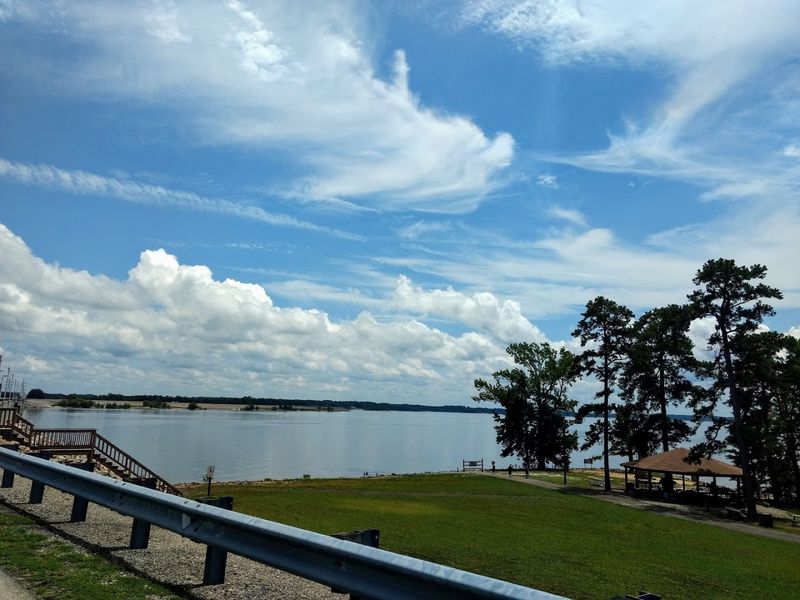
On the border of North Carolina and Virginia, Kerr Lake, also widely known as Buggs Island Lake, is one of the largest reservoirs on the entire East Coast.
Covering an impressive 50,000 acres, it offers a sense of open-water freedom that surprises first-time visitors near Henderson.
The Army Corps of Engineers created Kerr Lake in the late 1940s by constructing John H. Kerr Dam on the Roanoke River.
The reservoir quickly became a major recreation hub for both states.
Striped bass fishing is the main draw for serious anglers, and Kerr Lake is widely considered one of the premier striper fisheries on the entire East Coast.
Multiple state recreation areas on both the North Carolina and Virginia shores provide campgrounds, boat ramps, swimming beaches, and picnic areas spread across hundreds of miles of shoreline.
Sailing is popular on the open main basin, and the sheer size of the lake means you can spend an entire day on the water without retracing your route.
Kerr Lake’s size, accessibility, and beauty make it a rewarding destination for families, anglers, and lovers of open water.
10. Lake Hickory
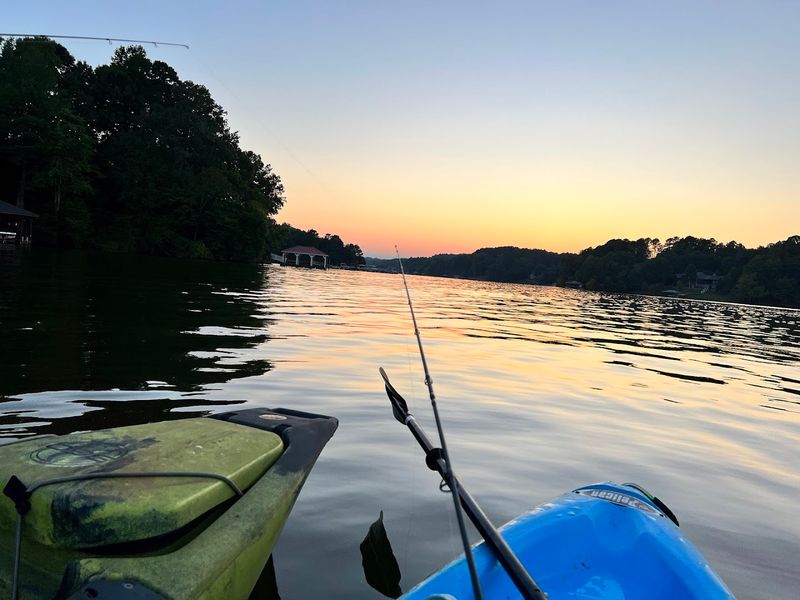
Through the foothills of western North Carolina just outside the city of Hickory, Lake Hickory covers about 4,223 acres.
This lake serves as both a water supply reservoir and a beloved recreational destination for Catawba County residents.
Created by Duke Power in the early 1900s, it is one of a chain of Catawba River reservoirs that stretches from the mountains toward the coast.
The lake has a narrow, river-like shape in many sections, which gives it a more intimate character than the sprawling piedmont reservoirs farther east.
This shape also creates a surprising number of quiet coves and backwater areas that are ideal for kayaking and canoe exploration.
Fishing is consistently productive at Lake Hickory, with largemouth bass, catfish, and crappie among the most commonly targeted species.
The city of Hickory itself is just minutes away, offering a full range of restaurants, shops, and cultural attractions including the Hickory Museum of Art.
Sunrise on the lake is a particularly magical experience when morning fog rolls across the glassy surface and the surrounding hills are still wrapped in shadow.
11. Lake Chatuge
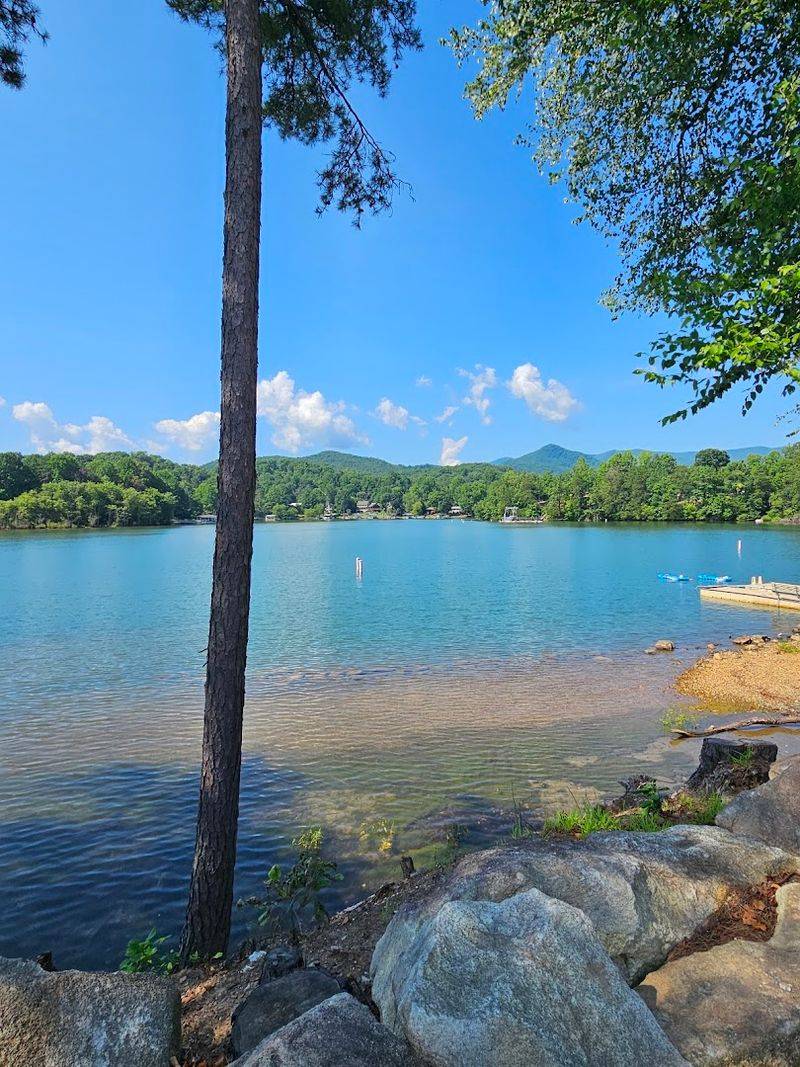
Shared between North Carolina and Georgia, Lake Chatuge near Hayesville is at the southern end of the Appalachian highlands. It is widely regarded as one of the most scenically beautiful lakes in the entire southeastern United States.
Covering approximately 7,050 acres, the reservoir was created by the Tennessee Valley Authority in the 1940s and quickly became a crown jewel of mountain recreation.
The surrounding peaks of the Nantahala National Forest and the Blue Ridge rise dramatically around the shoreline. That creates a visual backdrop that photographers and painters have been chasing for decades.
The Georgia side adds to the experience with small communities and marinas that enhance the laid-back lake culture.
Fall foliage season at Lake Chatuge is spectacular, drawing leaf-peepers from across the region to see the mountains reflected in the calm water.
Kayaking, sailing, and paddleboarding are all popular activities during warmer months, and the relatively high elevation keeps summer temperatures refreshingly cool.
The town of Hayesville, North Carolina, is just minutes from the water and hosts a charming arts scene along with excellent locally owned restaurants.
12. Lake Glenville
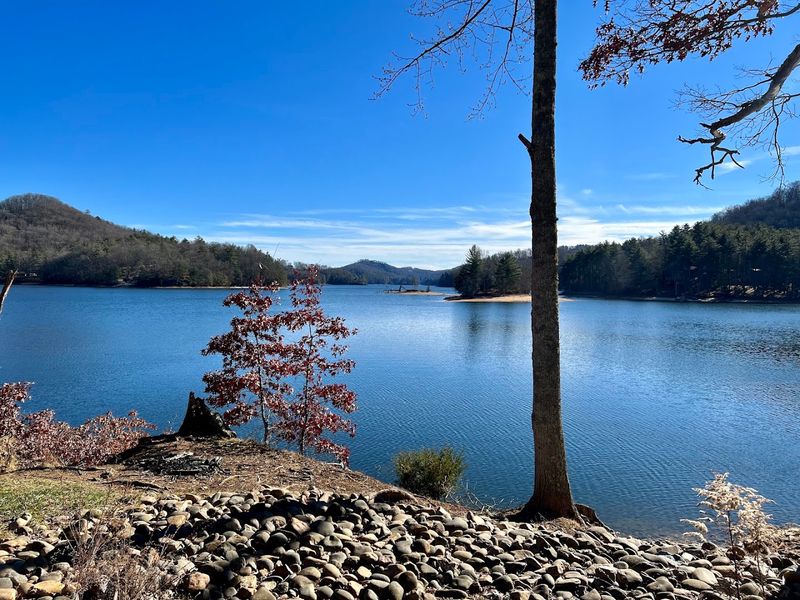
At an elevation of roughly 3,500 feet above sea level, Lake Glenville near Cashiers is high in the mountains. It is considered one of the highest major reservoirs east of the Rocky Mountains.
The views from its shoreline are nothing short of extraordinary.
Covering approximately 1,460 acres, it is smaller than many lakes on this list, but its mountain setting more than compensates for its modest size.
Created in the 1940s, Lake Glenville provides hydroelectric power and serves as a popular summer retreat for Cashiers residents.
The water is remarkably clear and cold, with a deep blue color that looks almost Caribbean in photographs but is decidedly chilly to the touch even in July.
Swimming, kayaking, and fishing are all popular activities. The surrounding forested slopes create a natural amphitheater of greenery that deepens in color through spring and early summer.
Waterfall enthusiasts will want to seek out Schoolhouse Falls and other cascades in the nearby Panthertown Valley, which pairs beautifully with a morning on the lake.
Cashiers itself is a charming mountain village with boutique shops and excellent dining options.
13. Lake Lure
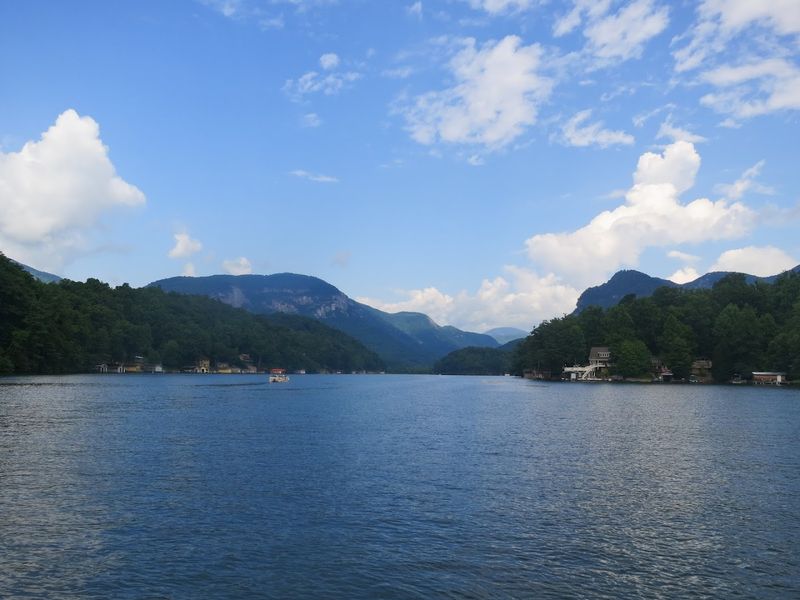
Few lakes in North Carolina carry as much cinematic history as Lake Lure, a 720-acre reservoir placed into a dramatic gorge in Rutherford County.
The town of Lake Lure shares its name with the water, and together they form one of the most photographed destinations in the western part of the state.
Chimney Rock State Park looms directly above the lake, with its famous granite outcropping visible from the water and offering some of the most breathtaking elevated views in all of western North Carolina.
The lake itself was created in the 1927 by Chimney Rock Company, making it one of the older recreational reservoirs in the region.
Boat tours are a popular way to experience Lake Lure without owning your own vessel, and the narrated cruises provide fascinating local history along with stunning scenery.
The lake gained international fame when the 1987 film Dirty Dancing was filmed in the surrounding area, and fans still visit specifically to connect with that cultural landmark.
Swimming, paddleboarding, and fishing for bass and trout are all available throughout the warmer months.
The combination of mountain drama, clear water, and small-town character makes Lake Lure one of the most memorable stops on any North Carolina road trip itinerary.
14. Lake Nantahala
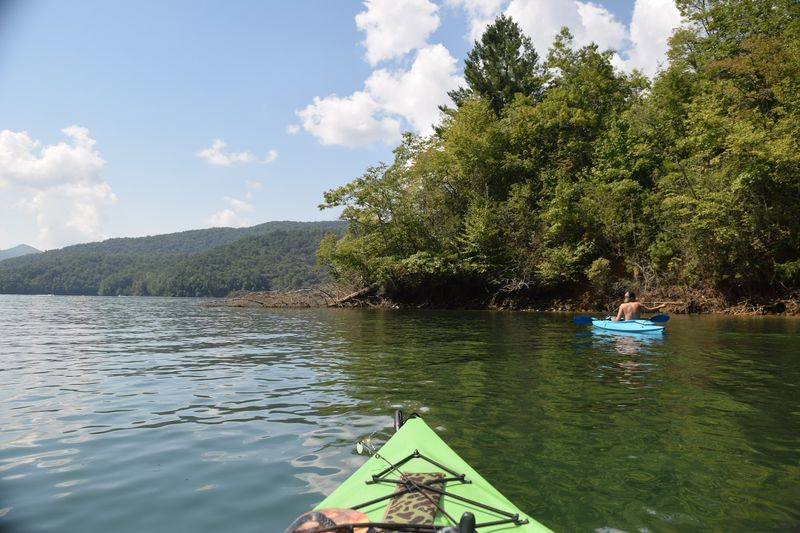
Deep inside the Nantahala National Forest near the tiny community of Topton, Lake Nantahala is one of the most remote and least-visited large reservoirs in western North Carolina.
Covering around 1,600 acres, the lake is at an elevation of about 3,000 feet, giving its water a distinctive deep emerald color that feels almost otherworldly on overcast days.
Created in the 1940s by Nantahala Power and Light, the reservoir is surrounded almost entirely by national forest. That means development along the shoreline is minimal and the sense of wilderness is refreshingly intact.
In order to get there, navigating narrow mountain roads that wind through dense forest is required. That naturally filters out casual visitors and rewards those willing to make the effort.
Fishing for rainbow trout, smallmouth bass, and walleye is the primary draw for most visitors who find their way to Lake Nantahala.
Kayaking on the open water is a peaceful, meditative experience given the near-total absence of motorboat traffic on most weekdays.
The surrounding forest trails connect to broader networks within the Nantahala National Forest, making it easy to combine a morning paddle with an afternoon hike.
Lake Nantahala is the sort of a lake that feels like a personal discovery every single time you visit.
15. Lake Mattamuskeet
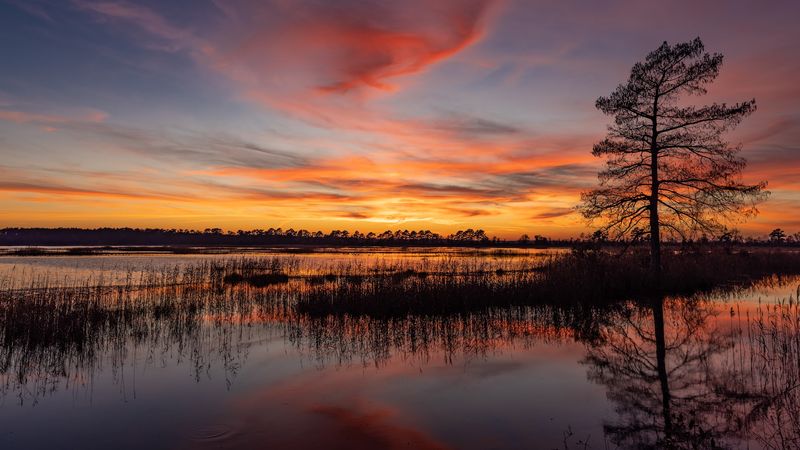
Lake Mattamuskeet is located on the Albemarle‑Pamlico Peninsula in Hyde County. It’s the largest natural lake in North Carolina, stretching roughly 18 miles long and 7 miles wide with a very shallow depth of only about 2–3 feet.
The lake lies within the Mattamuskeet National Wildlife Refuge, a protected area established in the 1930s that covers over 50,000 acres of open water, marshes, timber, and grasslands.
Because of its shallow water and location along the Atlantic Flyway, Lake Mattamuskeet serves as a crucial wintering site for migratory waterfowl.
Species such as tundra swans, northern pintail, green‑winged teal, and Canada geese draw birdwatchers and photographers from across the region.
Fishing is popular here too, with anglers targeting largemouth bass, striped bass, catfish, and crappie along the lake’s shoreline and canals.
The refuge also supports diverse wildlife, including deer, bobcats, and many songbird species.
In addition to wildlife viewing and fishing, the area offers walking and biking opportunities through marsh and upland habitats.