Meteor Watchers Head To These 6 Dark Florida Parks As The Geminids Peak Next Month
The Geminids come from a rocky asteroid called 3200 Phaethon, not an icy comet like most meteor showers. I love that oddball detail.
Under truly dark skies, this shower can throw out more than 100 meteors an hour at its peak. Many of them glow bright and move slowly enough to point at.
Florida has a sneaky advantage here. Mid-December nights are cool, the bugs ease up, and some parks still hold onto real, deep darkness.
All you need is a blanket, a thermos of cocoa, and a spot far from the glow of the nearest shopping plaza. So which patch of Florida sky deserves your night?
1. Kissimmee Prairie Preserve State Park
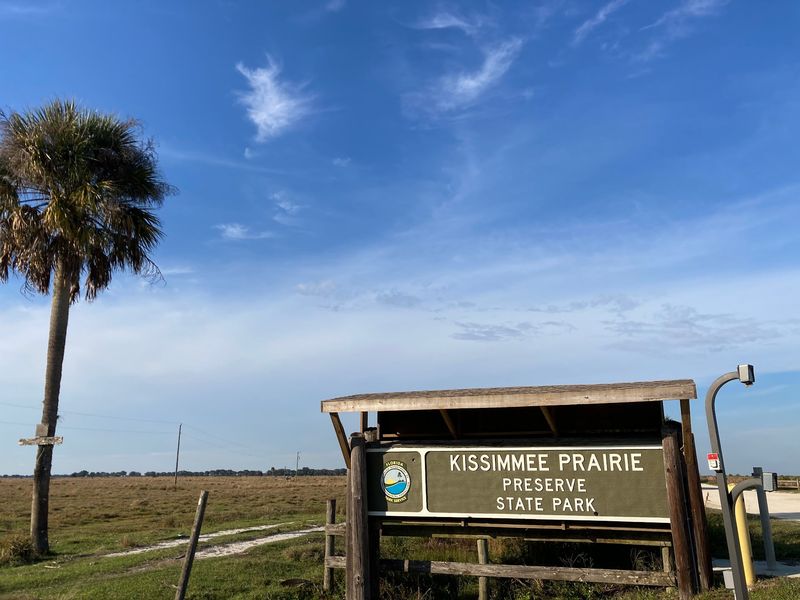
Out here, the grass stretches flat to the horizon, and the sky gets the whole stage. Few places in Florida feel this wide open after dark.
The park protects a huge sweep of dry prairie north of Lake Okeechobee. That means very little stands between you and the stars, and almost no light pollution sneaks in.
Stargazing ranks right up there with birdwatching as a favorite activity here. The night views are a big part of why people make the long, rural drive.
You don’t have to hike far for the good stuff, either. A short walk from camp to an open field can put meteors, twinkling stars, and nighttime critters all around you.
Families will find kid-friendly hikes, picnic tables, and grills for an early cookout before the show. Dogs are welcome too, so your four-legged buddy can join the stakeout.
Camping is the smart play for Geminids night, since day-use gates close in the afternoon. Book early and check park rules before you drive out.
Bring a red flashlight and a reclining chair. Your neck will thank you around the third hour of staring straight up.
Address: 33104 NW 192nd Ave, Okeechobee, Florida 34972
2. Big Cypress National Preserve
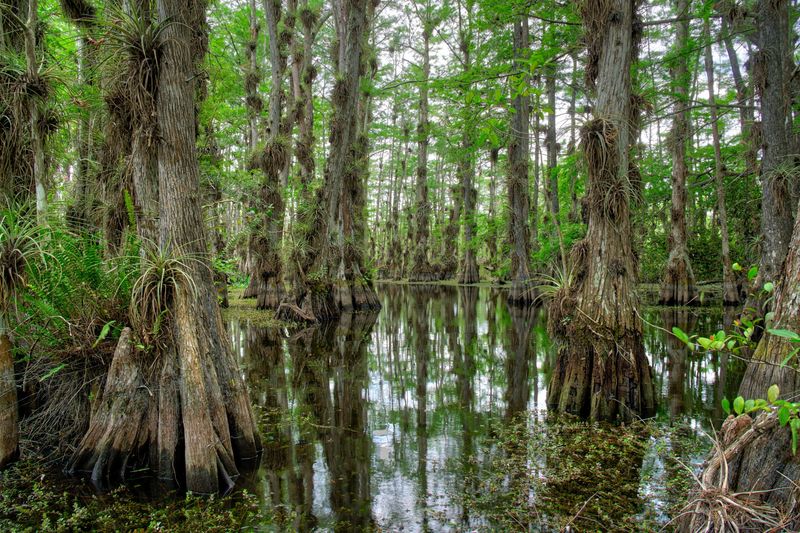
Cypress trees make surprisingly good frames for a shooting star. At this South Florida preserve, the swamp goes quiet and the sky takes over.
The preserve sits between the Gulf and Atlantic coasts, far from most city glow. On clear nights, you can spot the Milky Way stretching overhead.
Skywatchers have pulled off photos here of constellations, several planets, and even the Orionid meteor shower. That’s a solid track record for Geminids hopefuls.
Here’s a bonus most parks can’t match. The preserve stays open around the clock, so you aren’t racing a closing gate at midnight.
Visiting costs nothing, and you’ll find multiple visitor centers plus scenic routes like the 24-mile Loop Road. Daytime brings tropical plants, hiking trails, and plenty of alligators.
Ranger-led programs add another layer if you want to learn before the meteors start. Check the schedule before you go, since offerings change.
Pack bug spray even in December, along with snacks and a full tank of gas. Services out here are spread thin, and gators don’t sell candy bars.
Keep your eyes on the road at night, too. Wildlife wanders freely after sundown.
Address: 33100 Tamiami Trail E, Ochopee, Florida 34141
3. Lake Kissimmee State Park
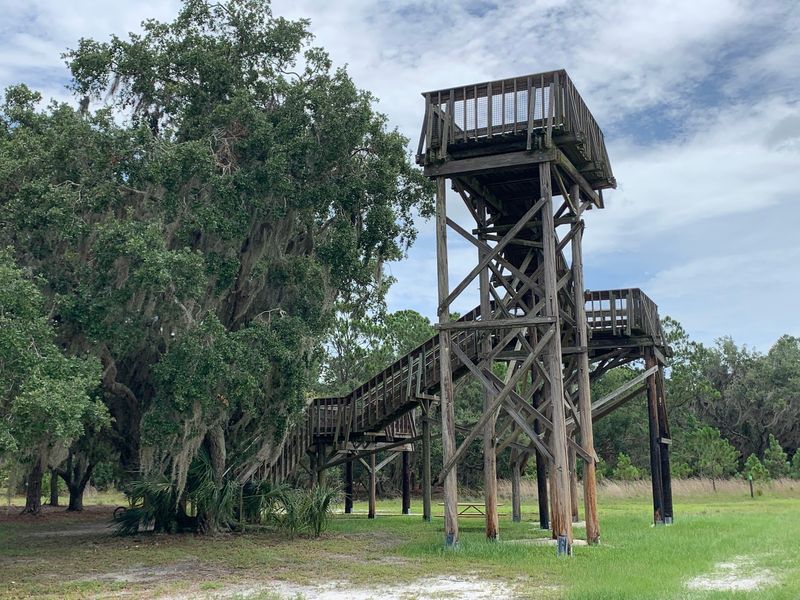
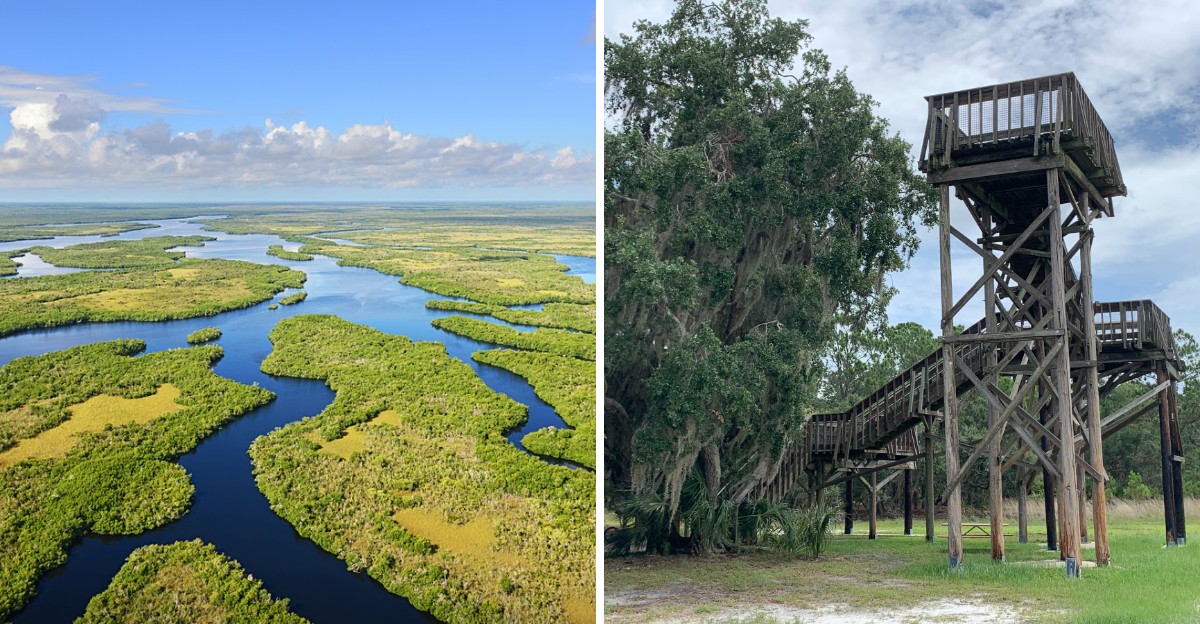
Want a little extra height for your sky show? This central Florida park comes with its own observation tower.
That elevated perch delivers lovely nighttime views and makes a fun vantage point for stargazing. Light pollution stays minimal, which is impressive for a spot within reach of Orlando and Tampa.
The park also brings serious daytime charm. Well-marked trails wind through classic Florida scrub and lead to a cow camp, a nod to the state’s cattle-ranching past.
Families will appreciate the playground, swings, slides, and even a volleyball court. Burn off the kids’ energy early, and they might actually sit still for meteors later.
Boaters can use the launch onto the lake, and anglers have plenty of water to work. Picnic tables and grills cover dinner duty before sunset.
For the Geminids, the campground is your best bet. It offers clean bathrooms and showers, plus some private sites if you prefer neighbors at a distance.
Day-use hours end in the evening, so plan an overnight stay. Confirm tower access after dark before you build your plan around it.
Address: 14248 Camp Mack Rd, Lake Wales, Florida 33898
4. Everglades National Park
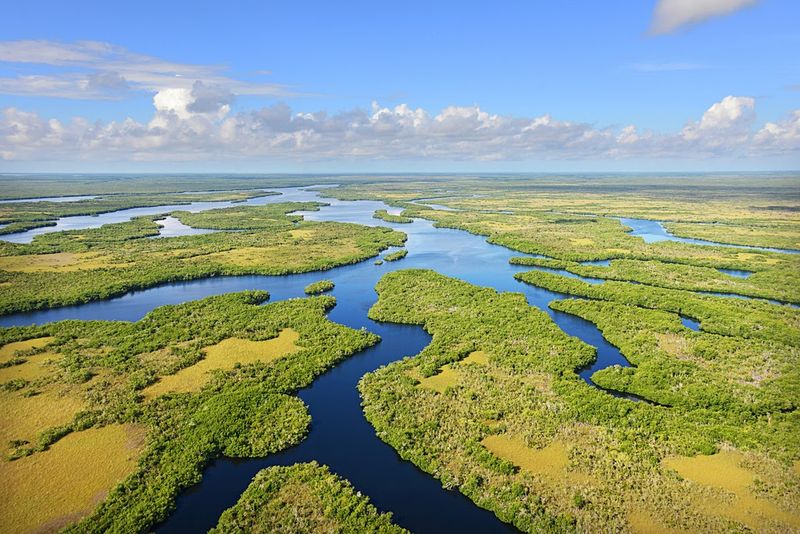
Gators get the daytime headlines, but the Everglades saves a second act for after sunset. Its night skies sparkle with stars over miles of open wetland.
The farther you travel from the developed coast, the darker it gets. The long drive to Flamingo takes a while, yet that remoteness is exactly what skywatchers want.
Flamingo also rewards you before dark. Canoeists sometimes spot manatees tugging up grass near the boat dock, and the visitor center makes a worthy stop.
Closer to the main entrance, the Anhinga Trail and Mahogany Hammock offer easy walks through classic Everglades scenery. Endangered birds, reptiles, plants, and fish all rely on the slow flow of fresh water here.
Camping turns a day trip into a full Geminids night. Kayaking and hiking fill the hours until the sky is ready.
Free parking lots, picnic tables, and grills keep logistics simple. A playground helps if younger stargazers come along.
Bring layers, because open wetland can feel chilly on a December night. Pack serious mosquito repellent too, since the locals here are famously hungry.
Address: Everglades National Park, Homestead, Florida
5. Manatee Springs State Park
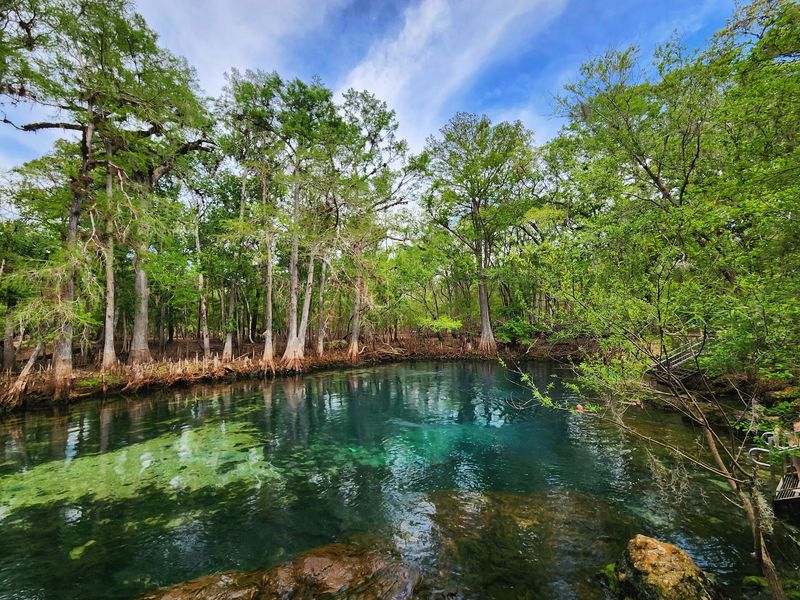
Crystal-clear springs by day, a crystal-clear sky by night. Few parks pull off that double feature quite like this one near Chiefland.
The rural setting in north-central Florida keeps light pollution very low. On a clear evening, stars pop overhead with impressive sharpness.
Winter is also manatee season here. West Indian manatees head into the warm spring water, so a December trip can stack two bucket-list sightings into one weekend.
The spring is a favorite with snorkelers and scuba divers when conditions allow. Keep an eye out for fish, turtles, sturgeon, deer, and red-headed woodpeckers too.
Families get a playground with swings and slides, plus picnic tables and grills. Cycling lanes add an easy way to explore before sunset.
Weekends draw the biggest crowds, especially Saturday and Sunday afternoons. A weekday visit can feel noticeably calmer.
Day-use hours run into the evening, so camping is the way to catch the late-night peak. Check availability and current rules before you head out.
Bring binoculars for the manatees and a blanket for the meteors. That’s one tidy packing list.
Address: 11650 NW 115th St, Chiefland, Florida 32626
6. Bill Sadowski Park
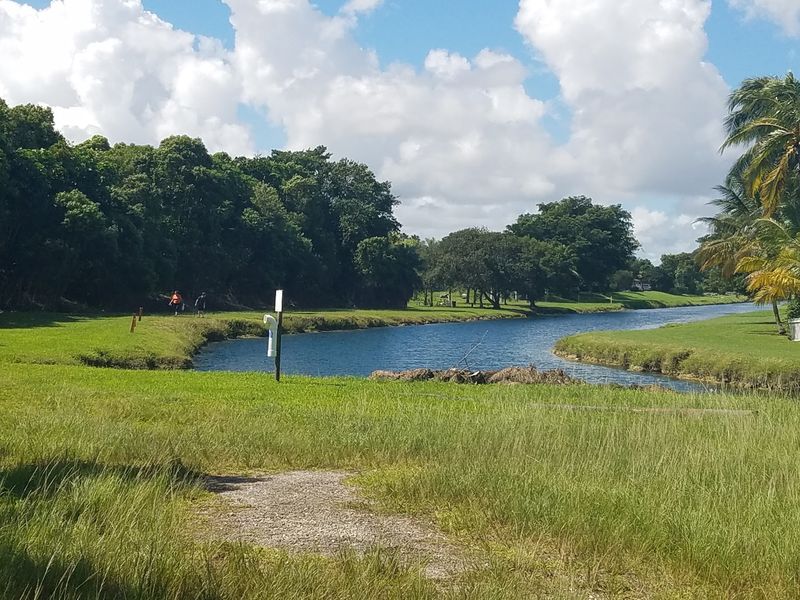
Who says you need to escape Miami-Dade entirely to see the heavens? This Palmetto Bay park has a telescope pad and a stargazing tradition.
On clear Saturday nights, astronomy fans set up telescopes and share views of planets and deep space objects. Families can bring kids for a peek through the eyepiece.
That community feel sets this spot apart from the remote parks on this list. You get fellow sky lovers ready to point out what you’re seeing.
City glow will mute the fainter meteors here, so manage expectations. Bright Geminids can still punch through, and the telescope views make up the difference.
Daytime offers its own appeal. Nature trails wind through the park, and a canoe launch gives kayakers and anglers access to the canal.
A playground, picnic tables, and free parking make it an easy family outing. Dogs are welcome too.
Regular hours end in the afternoon, so check the schedule for stargazing nights before you drive over. Weather and events can shift plans quickly.
Consider it the perfect warm-up act. Practice your meteor spotting here, then chase darker Florida skies.
Address: 17555 SW 79th Ave, Palmetto Bay, Florida 33157