Meteorites, Glowing Rocks, And Gold Rush Tales Fill This Little Idaho Museum Beside An Old Prison
Actual meteorites sit on display a short stroll from an old prison yard in Idaho. That alone got my attention.
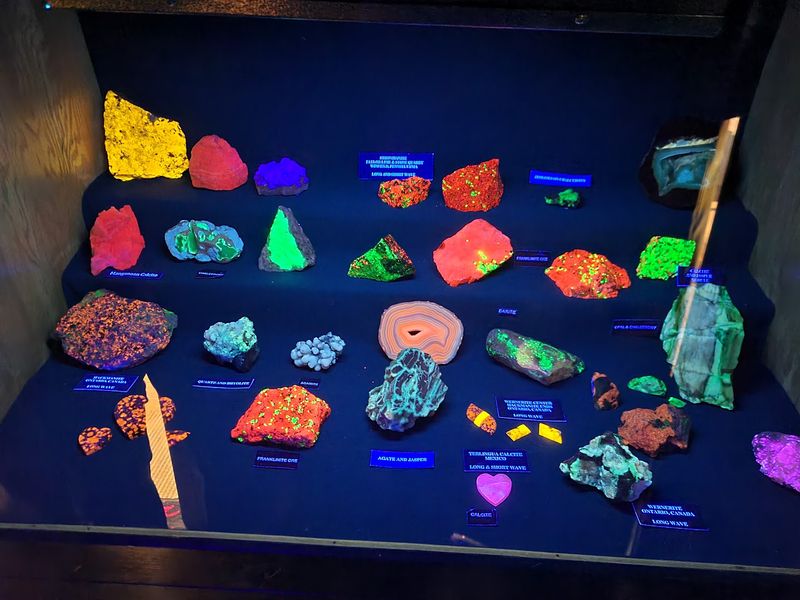
Then I learned there’s a room where ordinary-looking rocks glow under black light.
The treasures keep stacking up. There are fossils, gems, mining tools, and a giant wall map of the state carved in bold 3D relief.
A resident geologist even helps identify mystery rocks people carry in from their backyards.
I like how small this place is. You can see nearly everything in about an hour, so it never feels like homework.
Kids get hands-on displays, while grown-ups get the real stories behind the state’s mining towns.
I believe every Idahoan has a rock in a drawer somewhere with no name. Wouldn’t it be fun to finally learn what it is?
A Small Museum With A Whole State Underground
Idaho has a nickname for a reason, and the Idaho Museum of Mining and Geology puts the Gem State’s rocky story in one compact building. It sits on the east edge of Boise, close to the foothills that frame the city.
The museum focuses on two big ideas. One is how Idaho’s mountains, valleys, and plateaus formed, and the other is how people pulled riches out of them.
Don’t expect a sprawling marble hall. The space is tiny but very well organized, so every shelf and case earns its spot.
That size works in your favor. You can see the collection without sore feet, then still have energy for the neighboring attractions.
Exhibits cover a surprising range for the square footage. Earthquakes, prehistoric geography, fossils, gems and minerals, rock cycles, and mining history all share the floor.
Volunteers keep the place running and greet you near the door. They’re happy to explain displays, though you’re free to wander on your own pace.
Think of it as a field guide to Idaho that you can walk through. It just happens to have meteorites in it.
Your Neighbor Is A Famous Old Prison
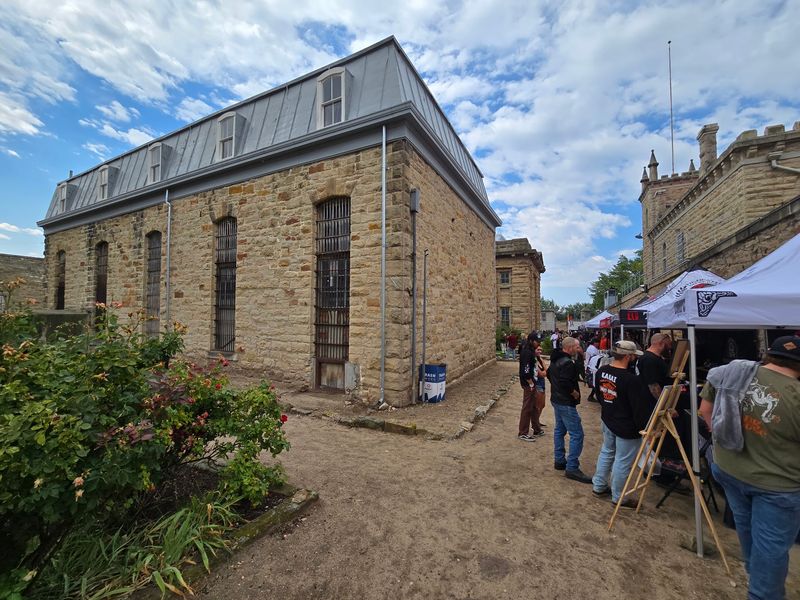
Location matters here, and this one comes with built-in bonus points. The museum stands right next to the Old Idaho Penitentiary site on the east side of Boise.
You’ll find it at 2455 Old Penitentiary Rd, Boise, ID 83712. The museum sits next to the main entrance, so look for it as you approach the old prison grounds.
Plenty of folks discover it by accident. They come for a penitentiary tour, spot the rock museum next door, and add a second stop to the day.
That pairing makes a smart outing plan. Tour the historic prison first, then trade cellblock stories for crystals and gold rush history.
The setting also connects nicely to the subject. Those same foothills are part of the geologic story you’ll learn about inside.
Table Rock rises above the area too. Some school groups have even paired a museum visit with a climb up that well-known landmark.
Parking can involve a short walk of about half a block. Wear comfy shoes, and you’ll barely notice it on the way to the meteorites.
The Giant 3D Map That Explains Everything
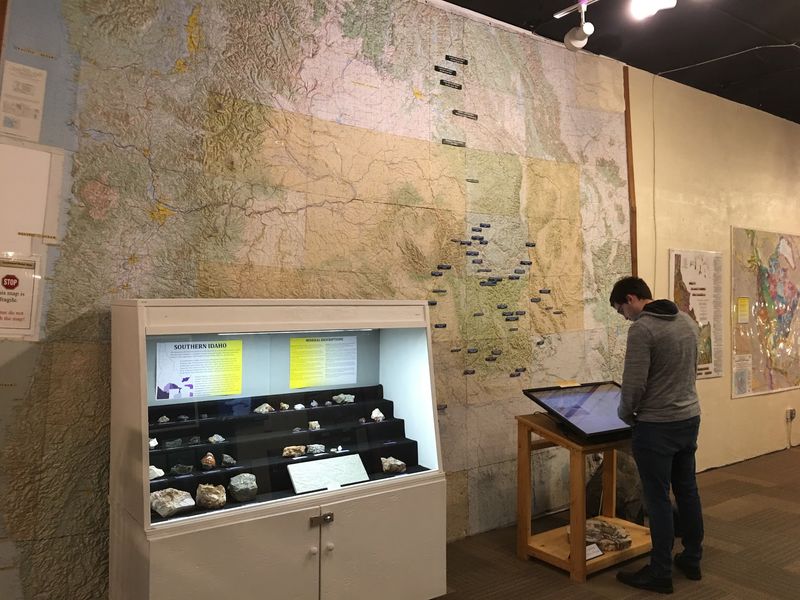
Ever tried to explain Idaho’s shape to an out-of-state cousin? The huge wall map inside does the job better than any hand gestures.
It shows the whole state in bold 3D relief. Mountains pop off the wall, valleys sink, and the Snake River Plain stretches across the south like a giant smile.
Maps are a big theme throughout the museum. Several displays use different media to show hills, plateaus, and faults in ways that make sense quickly.
Seeing the terrain raised up changes how you read it. Suddenly the Sawtooths, the Panhandle, and the Magic Valley make physical sense side by side.
Kids tend to point and hunt for places they know. Adults usually do the same thing, only with less shouting.
The map also sets up the rest of your visit. Once you see where the mountains are, the mining districts suddenly feel less random.
It’s a great spot to start. Find your hometown, trace your favorite road trip, and then head off to see what’s buried underneath it all.
Tapping Your Way Through Old Mining Districts
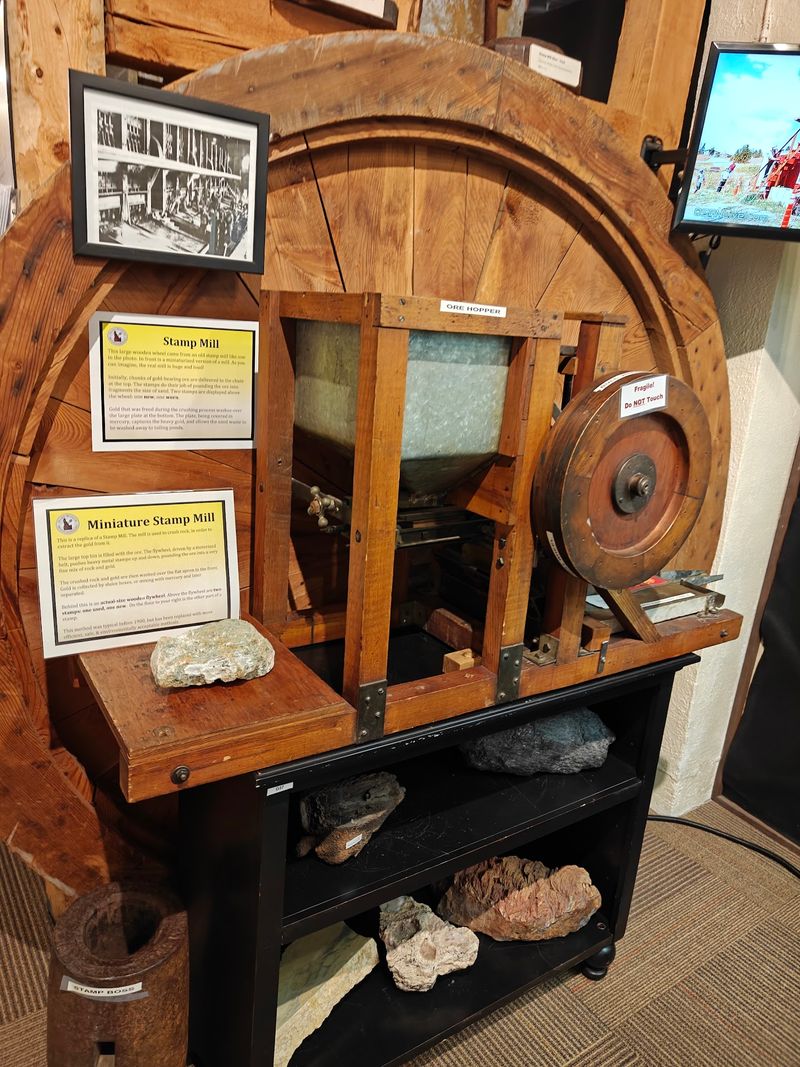
A touch screen might seem modern for a mining museum. Yet one of the best displays here is exactly that, and it’s packed with old history.
The interactive screen starts with an overview of the state. From there, you can zoom down into individual mining districts and even specific mines.
Old photographs make it come alive. You’ll see the buildings, the people, and the equipment they used in those rugged camps.
That detail is the fun part. It’s one thing to hear about a boom town, and another to see the faces that worked there.
If your family came from the Silver Valley or the Boise Basin, this might get personal. Plenty of Idaho families have a miner somewhere up the tree.
The screen is easy enough for kids to steer. Still, grown-ups tend to linger longest, scrolling through one dusty district after another.
Give yourself a few extra minutes at this station. It’s the kind of display that quietly eats your schedule, and you won’t mind one bit.
Rocks That Arrived From Outer Space
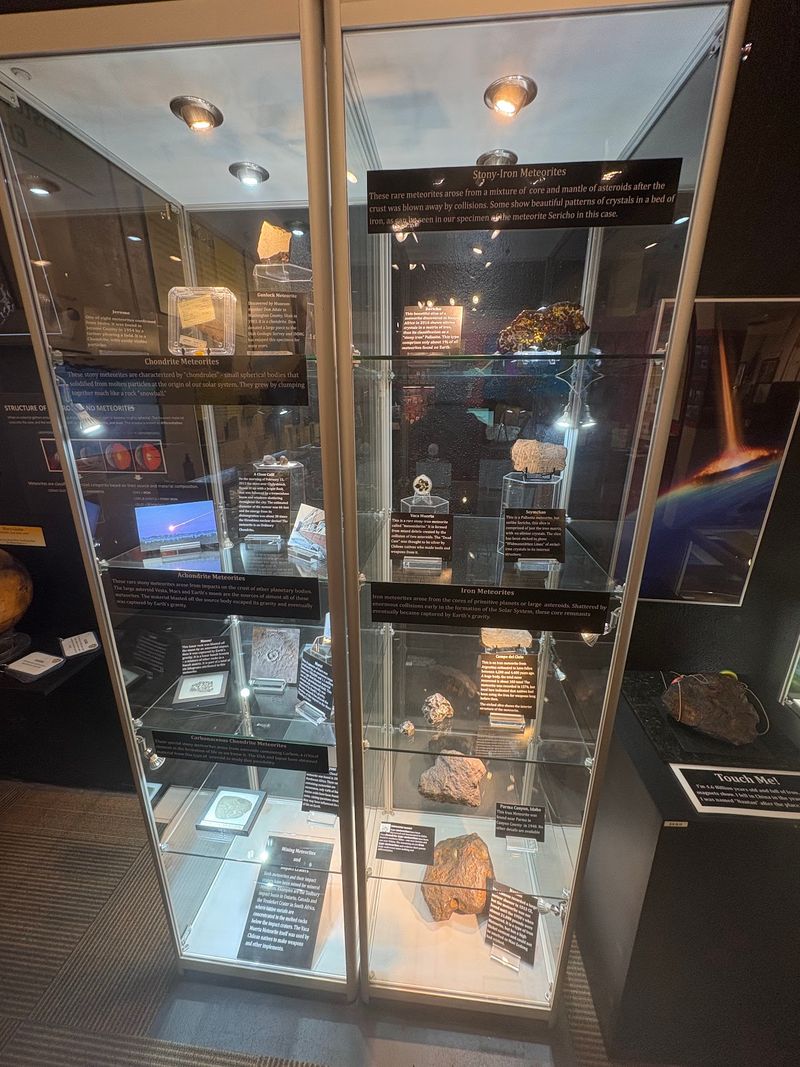
Some rocks traveled a very long way to land in Boise. The museum displays meteorites, and they’re among the most talked-about pieces in the building.
Meteorites are chunks of space rock that survived a fiery trip through the atmosphere. Seeing one up close feels a little like meeting a celebrity.
They don’t look flashy at first. Many are dark and heavy-looking, nothing like the glittering crystals nearby.
That plain look is part of the fun. It makes you wonder how many space rocks are sitting unnoticed in fields across Idaho right now.
Kids love the meteorites for obvious reasons. Anything that fell from the sky automatically beats anything that stayed on the ground.
Rock collectors appreciate them too. Even folks who’ve gathered stones their whole lives tend to be impressed by this part of the collection.
Take a moment and read the labels. Then try explaining to your kids why this lump is cooler than the shiny amethyst, and watch them slowly agree.
Flip Off The Lights And The Rocks Start Glowing
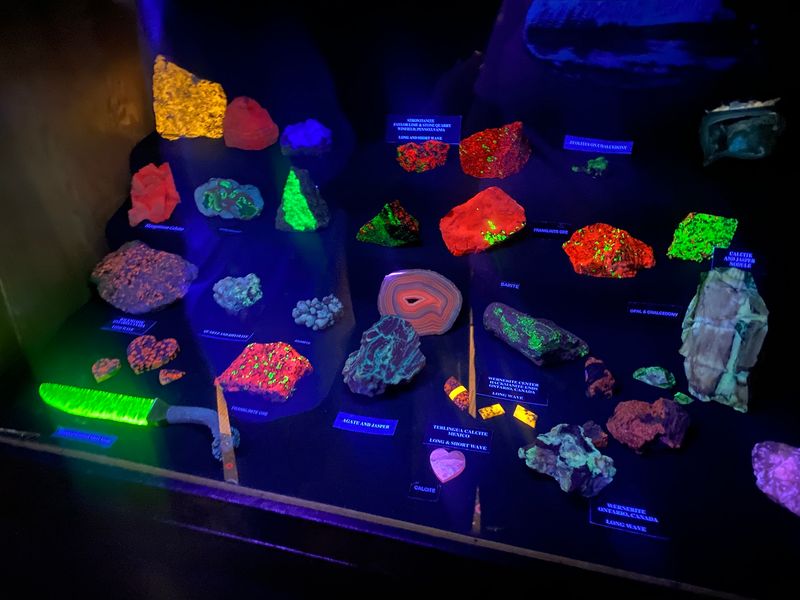
Plain gray rocks can hide a secret talent. In the museum’s black light room, certain minerals glow in bright, surprising colors.
This is fluorescence, and it’s pure science that looks like a magic trick. Under ultraviolet light, some minerals shine in greens, oranges, and purples.
The room shows how rocks appear in the dark. It’s one of those displays that turns casual visitors into curious ones.
Even people who don’t care much for geology tend to like it. The glow wins over skeptics faster than any lecture could.
Little kids especially enjoy this stop. A dark room with glowing rocks feels like a secret clubhouse built just for them.
It also teaches a neat lesson. A rock’s everyday look doesn’t tell its whole story, which is true of a lot of things in Idaho.
Snap a mental picture before you leave the room. Your eyes will need a second to adjust back to normal light, and the rocks will look boring again.
Fossils, Dinosaurs, And A Surprise Shark
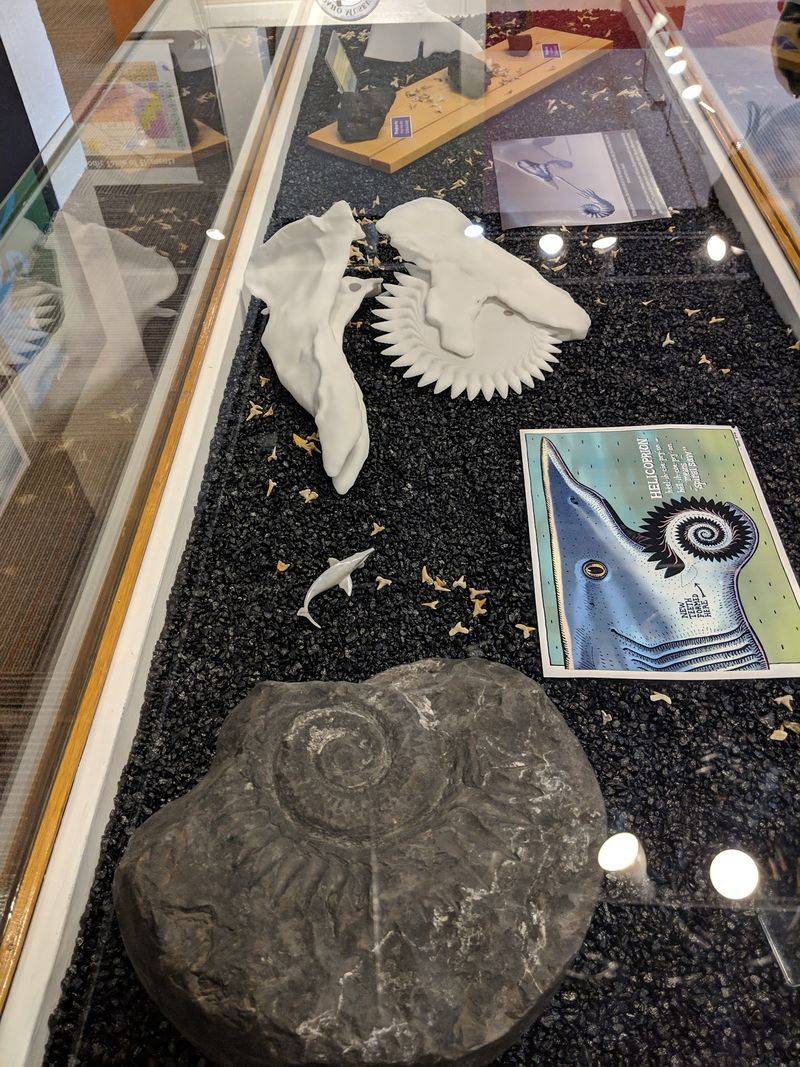
A shark in Idaho sounds like a tall tale. Yet the museum’s collection includes shark material alongside dinosaurs and plenty of other fossils.
Fossils help tell the story of prehistoric Idaho. Long before potatoes and pickup trucks, this land looked very different.
The displays connect those ancient creatures to the rock record. You start to see how layers of stone hold clues about lost seas and old landscapes.
Native American artifacts are part of the collection too. They add a human chapter to the long timeline of this place.
Families with young fossil fans will find a lot to point at here. Dinosaurs remain undefeated as a kid magnet, and that rule holds strong.
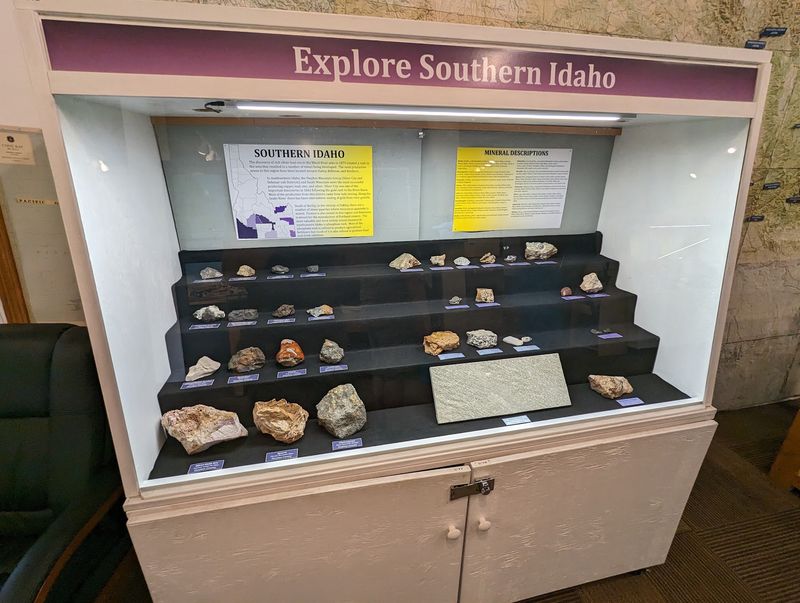
There’s a wide range of rock and fossil samples throughout the rooms. Each case adds another clue about how Idaho came to be.
Spend time reading how old some of these pieces are. The numbers are so huge they almost stop making sense, which is part of the thrill.
The Ground Under Idaho Still Moves
Earthquakes aren’t just a California thing. Idaho has felt the ground shift too, and the museum explains why.
Exhibits cover earthquakes and the movements of the earth’s crust. They show how those shifts have reshaped the surrounding areas over time.
A seismology graph is one of the displays that catches people’s interest. Those squiggly lines turn invisible shaking into something you can actually see.
Fault lines appear in the museum’s maps as well. Once you spot them, the mountains and valleys look a lot less peaceful.
This section is great for curious older kids. It answers the big question of why the land looks the way it does.
Adults may find it eye-opening too. Many longtime Idahoans don’t realize how active the state’s geology really is.
Don’t worry, the museum makes it fascinating rather than scary. You’ll leave with a better appreciation for the restless rock under your feet.
Your House Is Full Of Minerals, Apparently
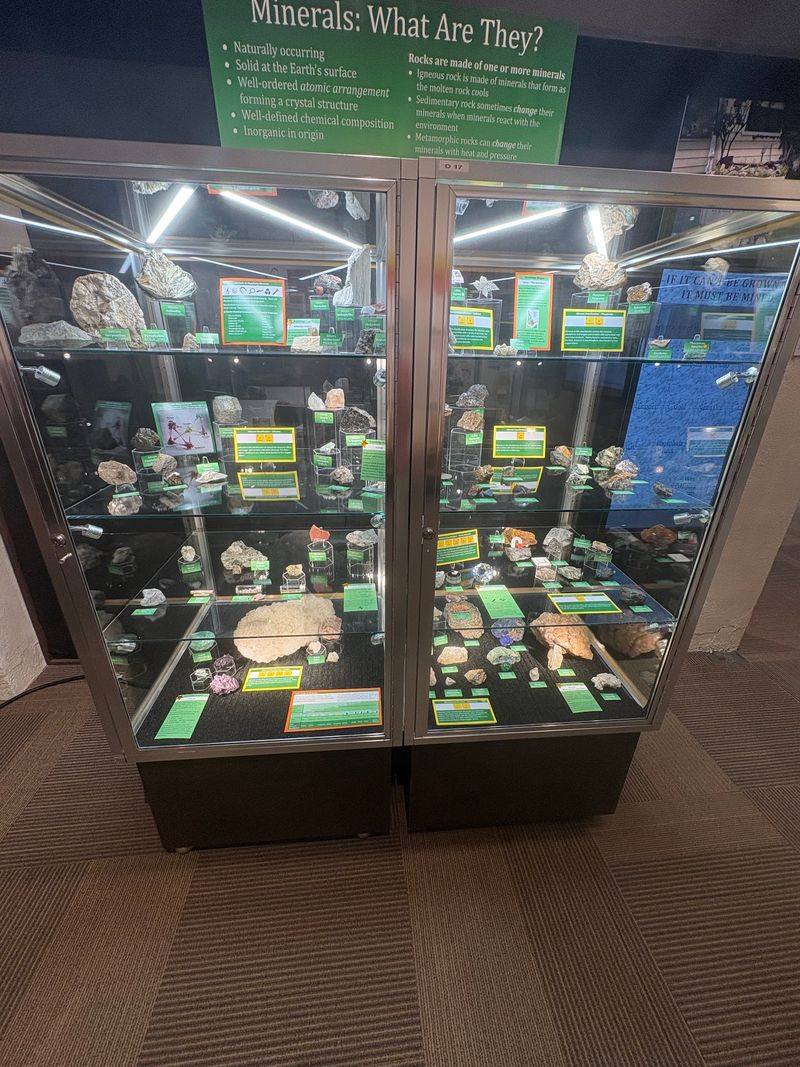
Look around your kitchen, and you’re surrounded by mined materials. A display about minerals in your everyday life makes that point clear.
It connects rocks to ordinary household stuff. The idea is simple and sticky, which is exactly why it works.
Some of the content is delightfully old-school. One display even mentions asbestos that once ended up in walls, a reminder of how times have changed.
That vintage feel adds character. It’s a little like flipping through a science textbook your grandparents might have used.
This exhibit helps kids understand why mining matters. Rocks suddenly connect to their phones, pencils, and the walls around them.
It also gives adults a fresh angle on Idaho’s mining past. Those remote camps fed materials into everyday life across the country.
Odds are you’ll go home and start eyeing your countertops differently. Don’t be surprised if someone in the car starts naming minerals on the drive back.
Gold Seekers, Hard Workers, And Women Miners Too
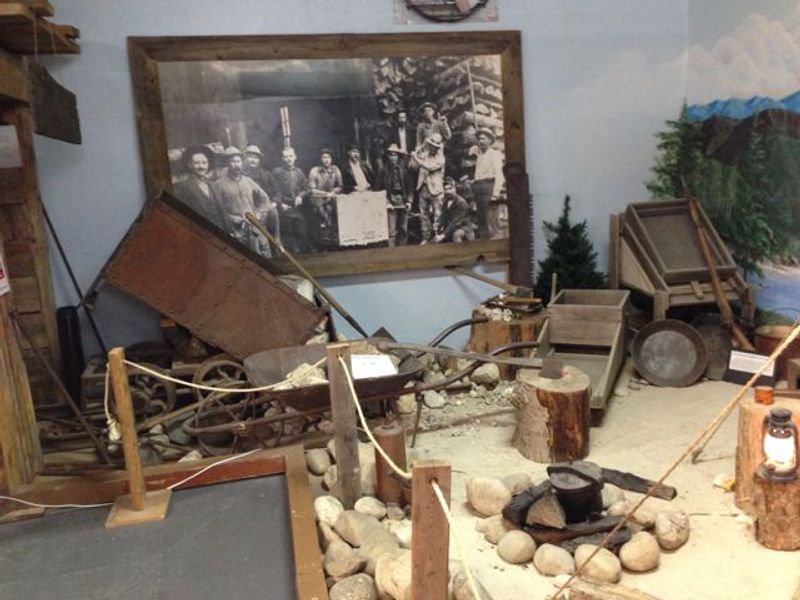
Mining history usually gets told through bearded prospectors. This museum widens the story by including information about women miners as well.
Early Idaho miners faced brutal work in rough country. The exhibits show the activities involved in mining and the tools that made it possible.
You’ll also learn about the enormous wealth pulled from the earth’s crust. Those riches helped shape towns, roads, and fortunes across the state.
The history is detailed without feeling dry. Displays mix tools, photos, and explanations so the past feels real.
Anyone with family roots in a mining town may feel a tug here. Names like the Silver Valley carry a lot of pride for good reason.
It’s also a helpful reality check. Behind every shiny specimen in the cases, someone often worked very hard to find it.
Read the stories slowly in this section. They give the gems and minerals elsewhere in the museum a much deeper meaning.
Bring That Mystery Rock From Your Junk Drawer
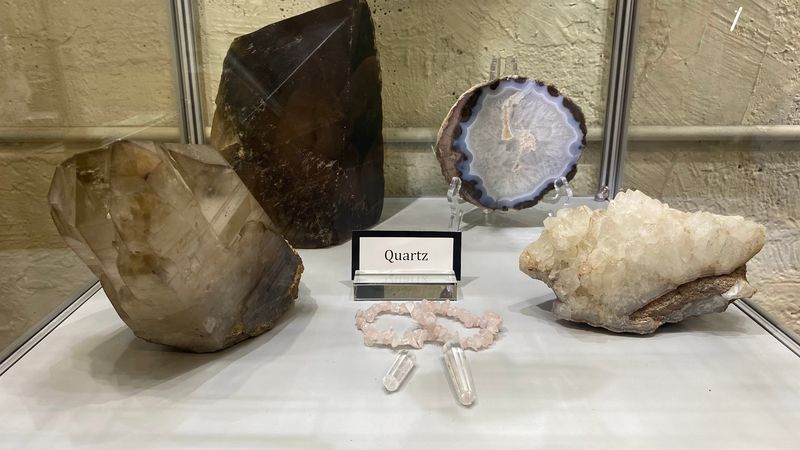
Every family seems to own one unnamed rock. At the Idaho Museum of Mining and Geology, you can finally get some answers about it.
The museum has a resident geologist known as Coyote. He has a reputation for knowing his stuff and explaining rock details clearly.
Rock identification is one of the services people mention most. Volunteers have offered to look at unknown specimens visitors bring in from their own collections.
Another volunteer, Shirley, has also been named as a helpful guide for rock identification. Together, the team turns guessing games into real answers.
This is a dream for rockhounds. Lifelong collectors and brand-new hobbyists can both learn something at the counter.
The volunteers clearly enjoy sharing what they know. Questions are welcome, so don’t feel shy about asking the basic ones.
Staffing can change, so check ahead if you’re hoping for an identification session. Then pack your mystery stone and prepare to finally learn its name.
Field Trips Take The Lessons Outdoors
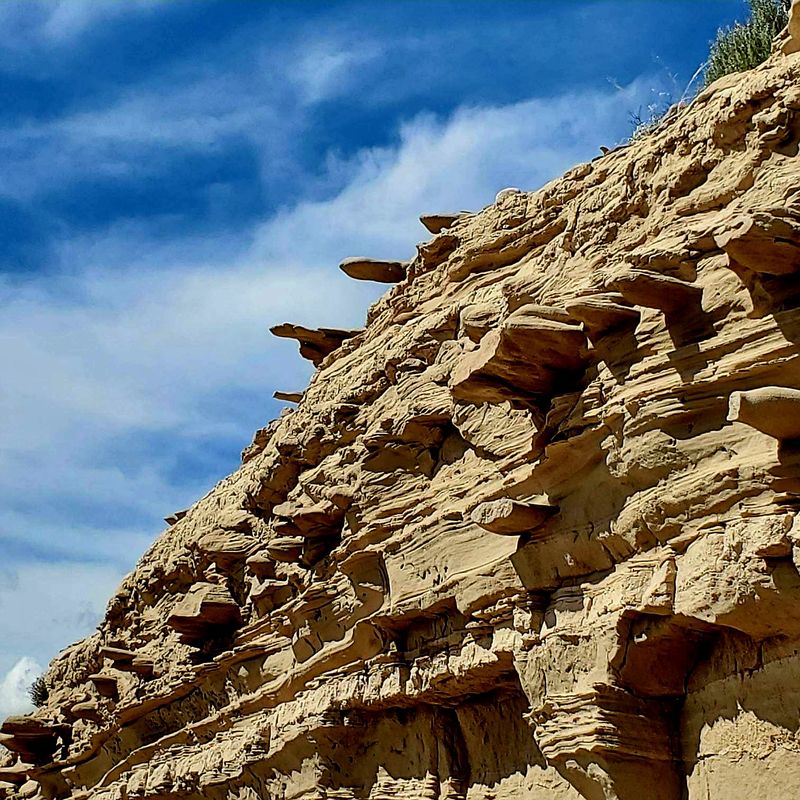
Displays are great, but rocks look even better where they actually live. The museum organizes guided field trips into the Idaho landscape.
One trip has visited pegmatite outcrops. Pegmatites are coarse rocks that can hold large crystals, which makes them a rockhound favorite.
These outings turn learning into a small adventure. You see the geology in place instead of behind glass.
Annual membership can be a smart move for regulars. Members can join the organized field trips at no extra cost.
Non-members can still go, usually for a small fee. Details may change, so it’s wise to confirm before planning around a trip.
Homeschool groups and classes have found the museum useful too. Guided tours are available for groups that want a more structured visit.
If your family gets hooked, this is the next step. A day outdoors with knowledgeable guides beats any rock poster on a bedroom wall.
Kids Get Hands-On Fun And A Tiny Gift Shop
Kids who love rocks may never want to leave. Several interactive children’s activities and hands-on displays keep little ones busy.
Children around ten to twelve seem to hit the sweet spot. They’re old enough to read the displays and young enough to stay amazed.
Younger kids enjoy it in their own way. Sometimes they just like running from case to case looking at rocks, and that counts too.
Plan on about an hour, give or take. It’s a satisfying stop without being an all-day commitment.
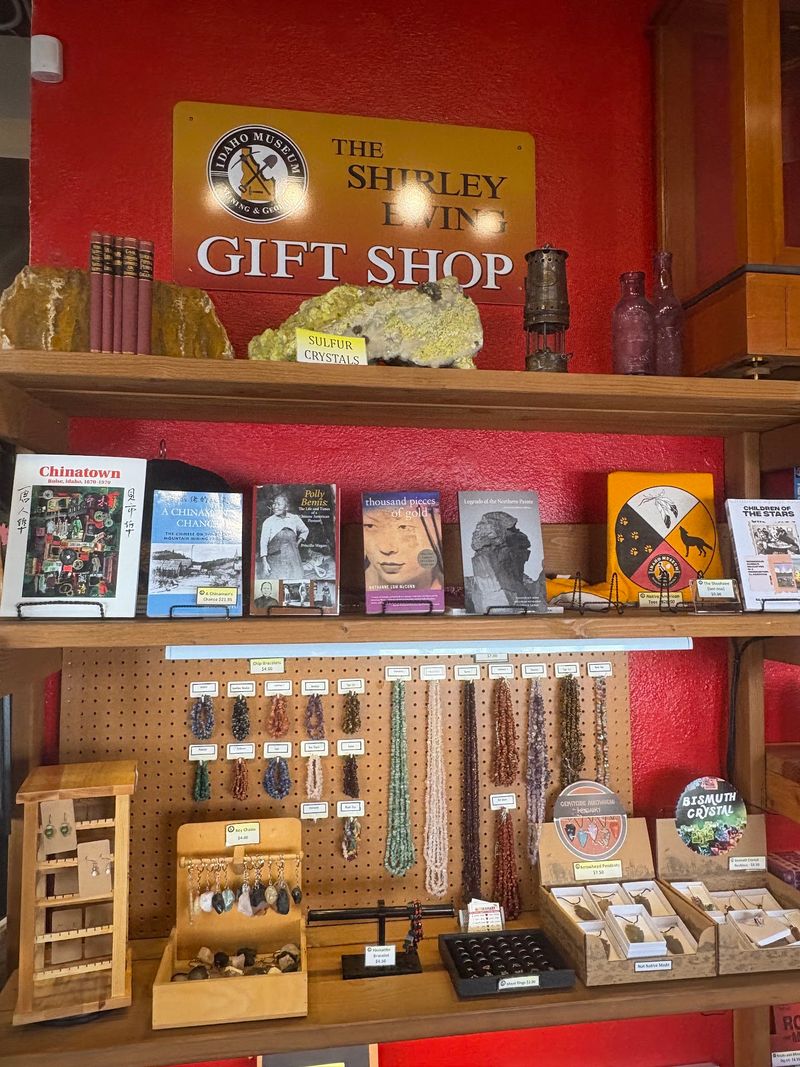
The gift shop is small but well organized and inviting. Prices are known for being reasonable, which parents will appreciate.
Polished stones and rocky souvenirs make easy keepsakes. A small treasure from here can spark a whole new hobby at home.
Because the visit is short, pair it with the penitentiary or the foothills. That way, everyone gets a full day out of the trip.
Check The Calendar, Then Go Rock Out
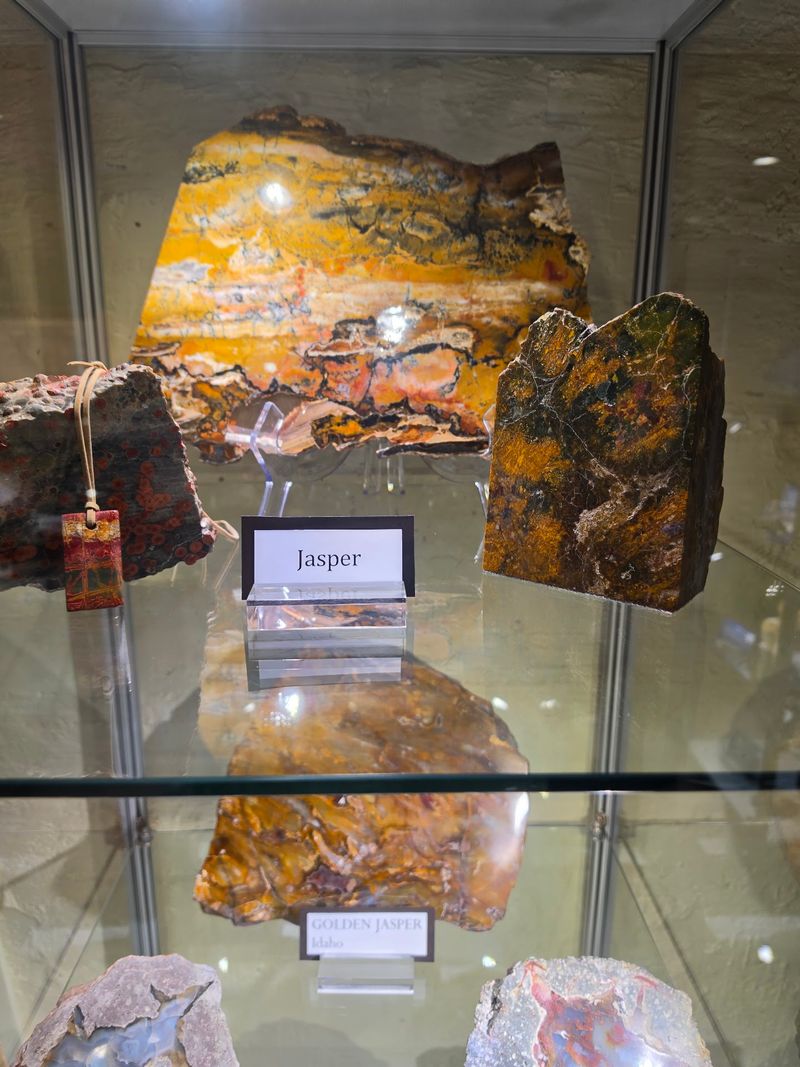
Timing is the one tricky part. The Idaho Museum of Mining and Geology keeps limited days and hours, typically on weekend afternoons.
Schedules have shifted over the years. Check before driving, because nobody wants to stare at a locked door after a road trip.
Admission has generally been free, with donations welcome. Group tours and special programs may work differently, so confirm details ahead.
Your donation helps a volunteer-driven place keep going. It’s a small way to thank folks who obviously love what they do.
So who should go? Rockhounds, curious kids, homeschool families, and anyone who has ever pocketed a pretty stone on a hike.
Even people who don’t think they like geology may be surprised. The glowing rocks alone have won over a few doubters.
It’s small, friendly, and genuinely Idaho through and through. Grab that mystery rock, plan a penitentiary pairing, and let the Gem State show you what it’s made of.