Hunters Left Mammoth Bones In This Idaho Cave Over 12,000 Years Ago And You Walk Right Up To The Entrance
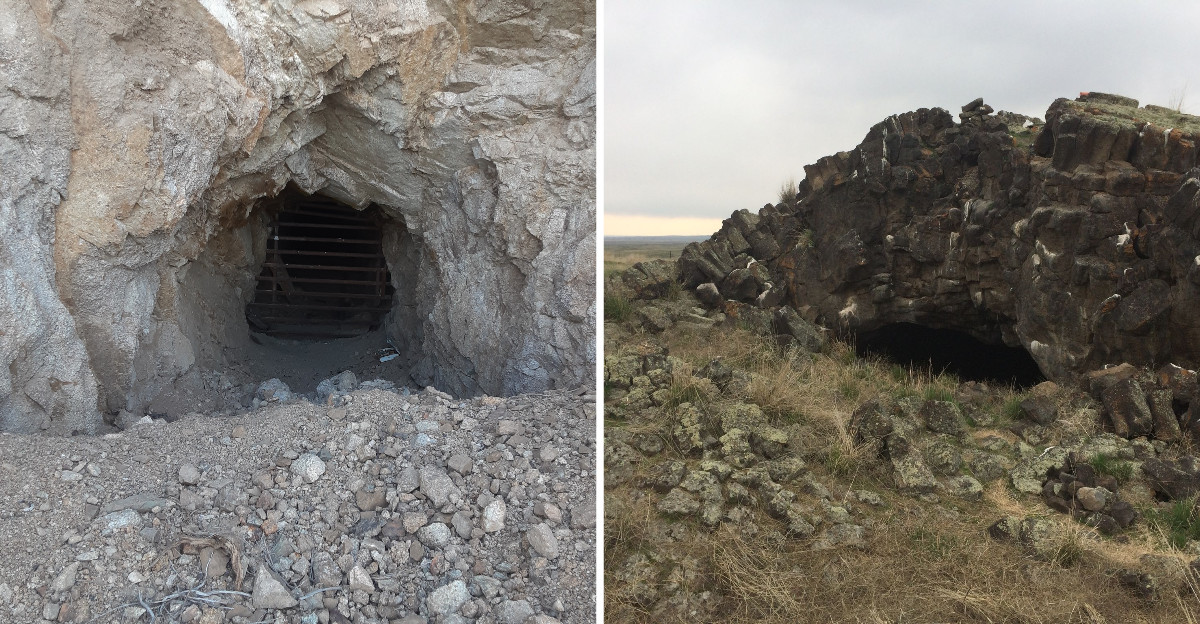
A camel bone with stone tool marks came out of a lava cave in the middle of a sagebrush flat.
Yes, a camel, and yes, in Idaho. Radiocarbon dating put that bone at more than 15,000 years old.
The cave isn’t carved into a cliff. It sits inside a rounded lava bubble that rises from flat ground like a giant blister.
Early hunters used it as shelter while horses and camels still roamed nearby.
I love that nobody built a gift shop here.
You park, walk up, and stand at the same opening those first people used. Bring a flashlight, because the inside stays dark.
I can’t imagine a more direct link to the deep past in the whole state.
So how did a camel end up in a desert cave?
A Lava Blister Out On The Open Snake River Plain
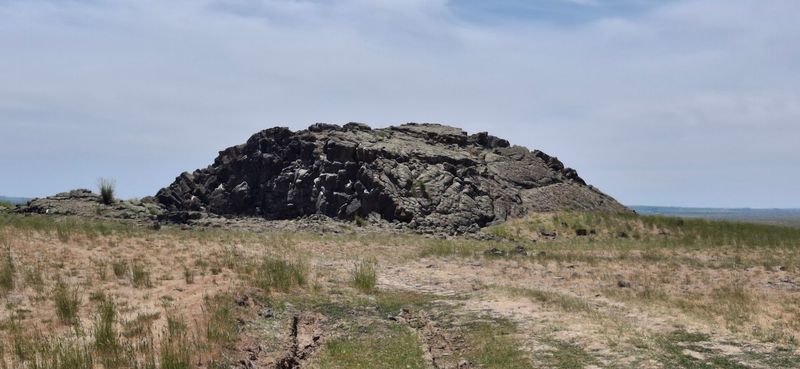
Out in Jerome County, a lone bump of black rock breaks up miles of sagebrush. That bump is Wilson Butte Cave, and it holds one of the oldest records of people in North America.
The site sits on the Snake River Plain in south-central Idaho. It lies northeast of Twin Falls and southeast of Shoshone, far from any town noise.
The Bureau of Land Management looks after the land. There’s no visitor center, no ticket booth, and no paved parking lot waiting for you.
What you get instead is raw ground and a cave opening in the side of the butte. It feels more like a field trip than a tourist stop.
Plenty of Magic Valley folks drive past this region without knowing the cave exists. That’s a shame, because the story inside is wild.
Think camels, ancient horses, and hunters working with stone tools. All of it happened right here in Idaho, long before anyone drew a state line.
The best part might be how simple a visit is. You drive out, walk up, and look in.
How Molten Rock Built A Natural Shelter
Lava did the construction work long before any person showed up. The butte formed as a rounded bubble, or pressure ridge, on an old basalt flow.
Picture molten rock cooling on top while pressure pushed up from below. The surface swelled and cracked, leaving a hollow space under the dome.
Geologists call features like this lava blisters or pressure ridges. Southern Idaho has plenty of volcanic rock, yet this one earned special fame.
Why? Because people moved in and left evidence behind for archaeologists to find thousands of years later.
The butte stands out against the flat plain around it. That shape likely caught the eye of early hunters scanning the land for cover.
A dome of solid basalt makes a sturdy roof. It blocks wind, sun, and snow better than anything a traveler could build quickly.
So the cave you’ll visit is part geology lesson and part history lesson. It’s tough to say which half is cooler, and you don’t have to choose.
Either way, the rock itself is the first exhibit.
National Register Status For A Hole In The Ground
Not every cave gets a spot on the National Register of Historic Places. Wilson Butte Cave did, and for good reason.
The listing recognizes its value to archaeology. Few sites anywhere on the continent hold such early signs of human life.
That status means the cave is protected by law. Digging, collecting, or moving anything is off the table for visitors.
It also means scientists still treat this spot as a reference point. Talk about early people on the Snake River Plain, and this cave comes up fast.
Here’s what I like about it. A place this important is still open for regular families to see in person.
Many major sites around the country sit behind fences or guided tour schedules. Out here, the main barrier is a rough road.
The Bureau of Land Management treats it as a heritage site to respect rather than a playground. Keep that in mind, and you’ll fit right in.
Honestly, standing beside a nationally listed treasure with nobody else around is a pretty rare Idaho moment.
The Archaeologist Who Dug Twice
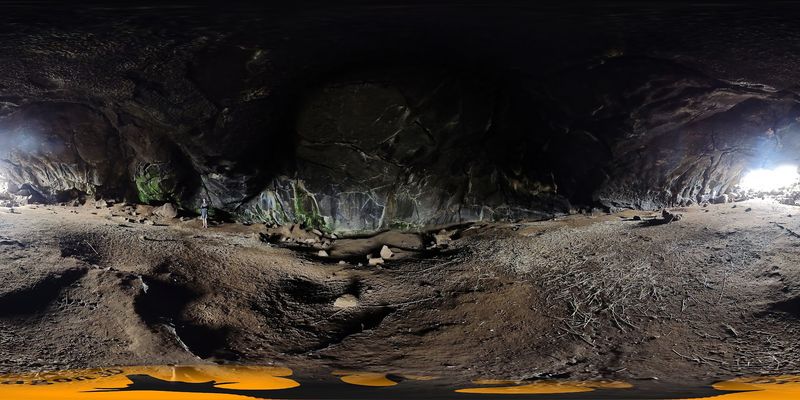
Ruth Gruhn’s name is tied to this cave for good reason. She led excavations here in 1959 and 1960.
Then she came back in 1988 and 1989 for another round. Few researchers return to the same hole in the ground nearly thirty years later.
Her teams worked down through layers of dirt, one slice at a time. Each layer held clues from a different stretch of time.
The upper levels showed more recent visitors. The deeper levels reached back toward the end of the last Ice Age.
Findings pointed to human use going back at least 10,000 years. Some evidence suggests people arrived as early as 14,000 to 15,000 years ago.
Those early dates got plenty of attention in the archaeology world. They place the cave among the oldest known spots of human presence in North America.
Not bad for a dome of lava that most drivers never notice. When you stand at the entrance, you’re looking at the same floor those crews carefully studied.
Patience paid off big here, twice.
Giant Creatures On Familiar Ground
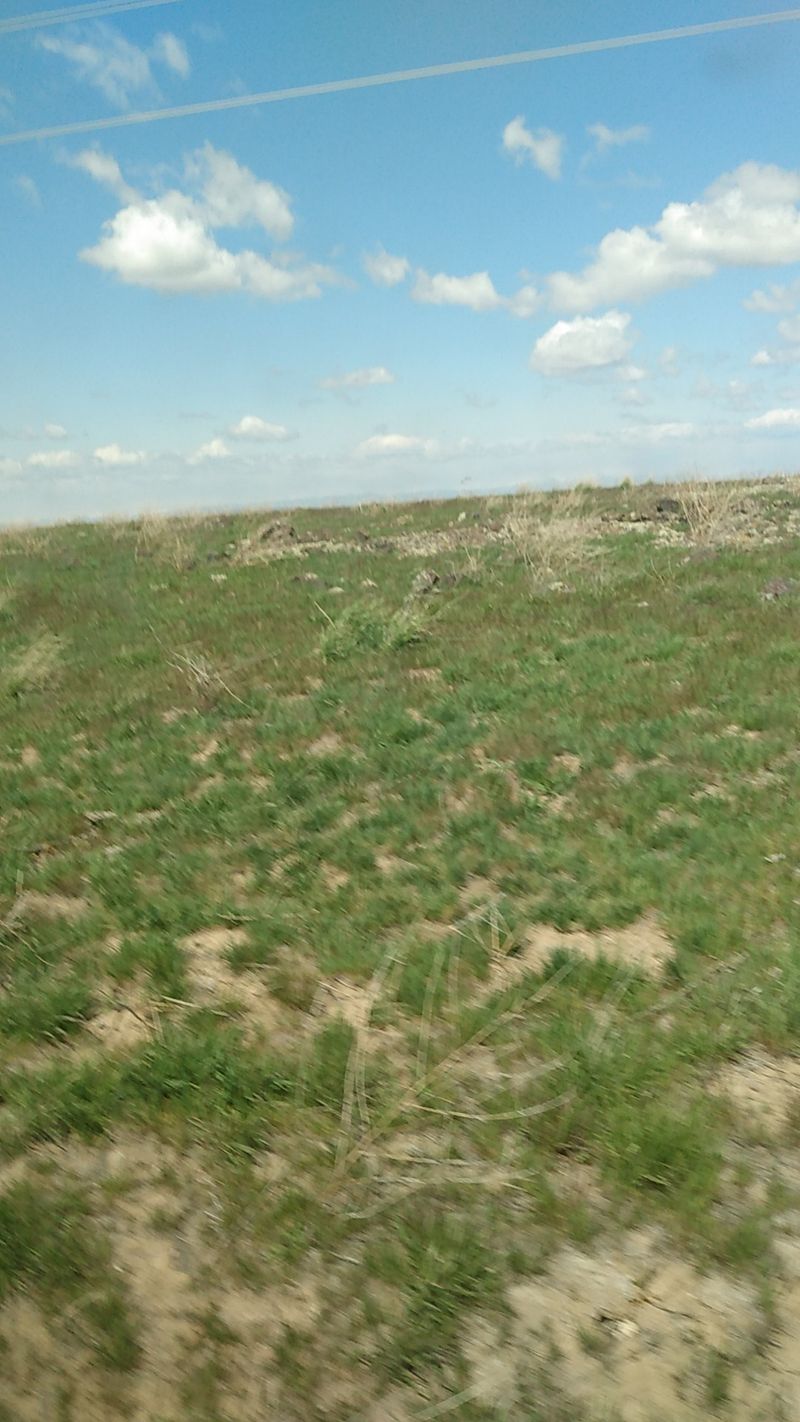
The plants around the cave haven’t changed all that much. The animals sure have.
Thousands of years ago, the Snake River Plain held creatures like camels and giant ground sloths. Ancient horses grazed the same open ground.
Sagebrush country looked roughly familiar back then. Swap in a few oversized beasts, and you get a very different scene.
Early hunters had to read that land carefully. Water, shelter, and herd movement shaped where they went.
A lava cave on a flat plain makes sense in that world. It offered a dry, shaded spot to rest and work.
I find it oddly comforting that the view hasn’t totally changed. Look out from the butte, and the horizon still stretches long and quiet.
The difference is mostly what’s missing. No sloths, no camels, and no herds of Ice Age horses.
Still, the cave lets you connect those two worlds without a museum glass case. You’re on the actual ground where it happened in Idaho.
That’s a time machine with no batteries required.
Bison Hunts And A Long Line Of People
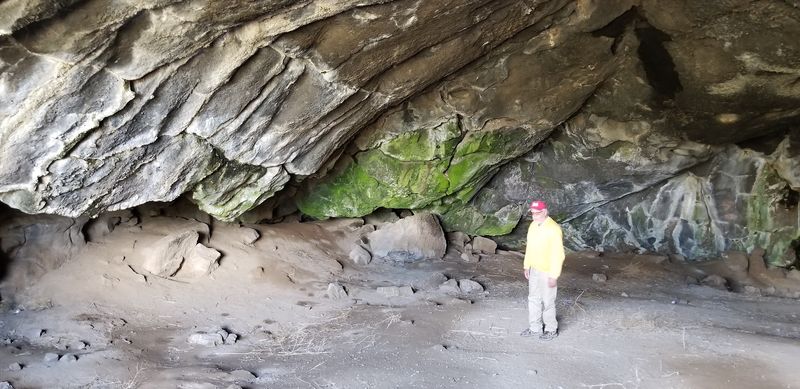
Researchers believe the cave served as a base for hunting bison. Hunters likely brought their game back to this shelter.
That makes the butte a kind of ancient workshop. Tools, bones, and leftovers built up on the floor over many visits.
The use didn’t stop with the earliest hunters. Later layers connect to cultures like the Fremont and the Shoshone people.
That’s a long line of people choosing the same spot. Good shelter clearly never went out of style.
I like how the cave tells a story in stacked chapters. Each layer of soil marks a different group passing through.
For the Shoshone, this region remains part of a deep homeland. The cave is one small piece of a much larger history in southern Idaho.
Thinking of it as sacred ground feels right when you stand there. It’s not just a science site but a place tied to living cultures.
So walk softly, look closely, and give the site the respect it has earned over many thousands of years.
Black Boulders Frame The Way In
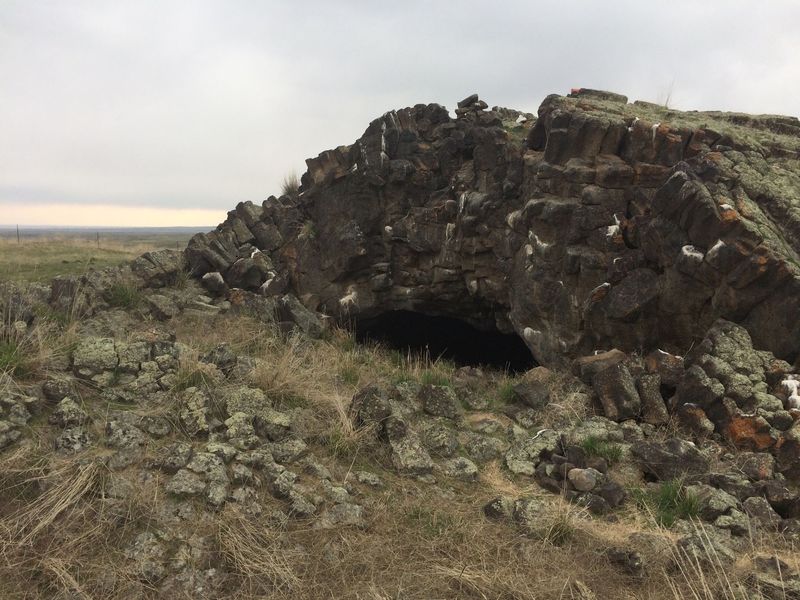
Big black boulders guard the opening. They give the entrance a dramatic, slightly moody look.
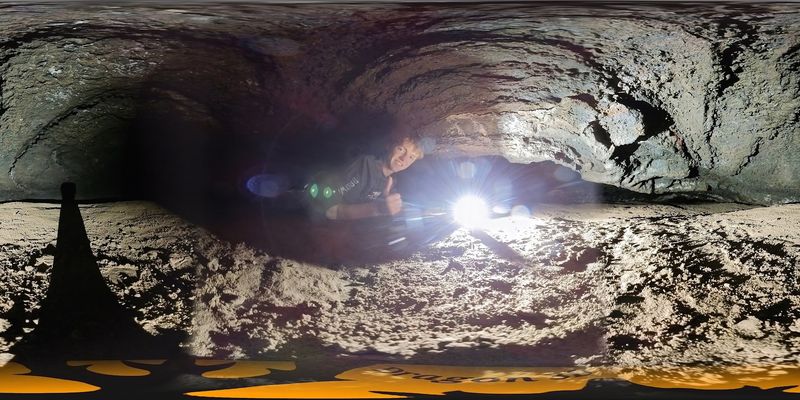
Beyond them, the cave opens into a large, cool cavern. It’s the kind of space that instantly explains why people sheltered here.
Temperatures inside stay comfortable even on hot summer days. One recent visitor noted a pleasant chill while it was 85 degrees outside.
Birds use the cave too, so don’t be startled by wings flying past. Their presence also means the air can get a little stinky.
Consider that part of the authentic package. Wild caves don’t come with air fresheners.
The interior is dark, so light matters. A headlamp or flashlight lets you see the walls and floor safely.
Watch your footing on the rock. Basalt can be uneven and sharp in spots.
Once your eyes adjust, the scale sinks in. This dome sheltered people when giant animals still roamed.
Standing at that threshold beats any photo. You’ll probably catch yourself going quiet for a minute without even meaning to.
Finding The Butte Takes Some Planning
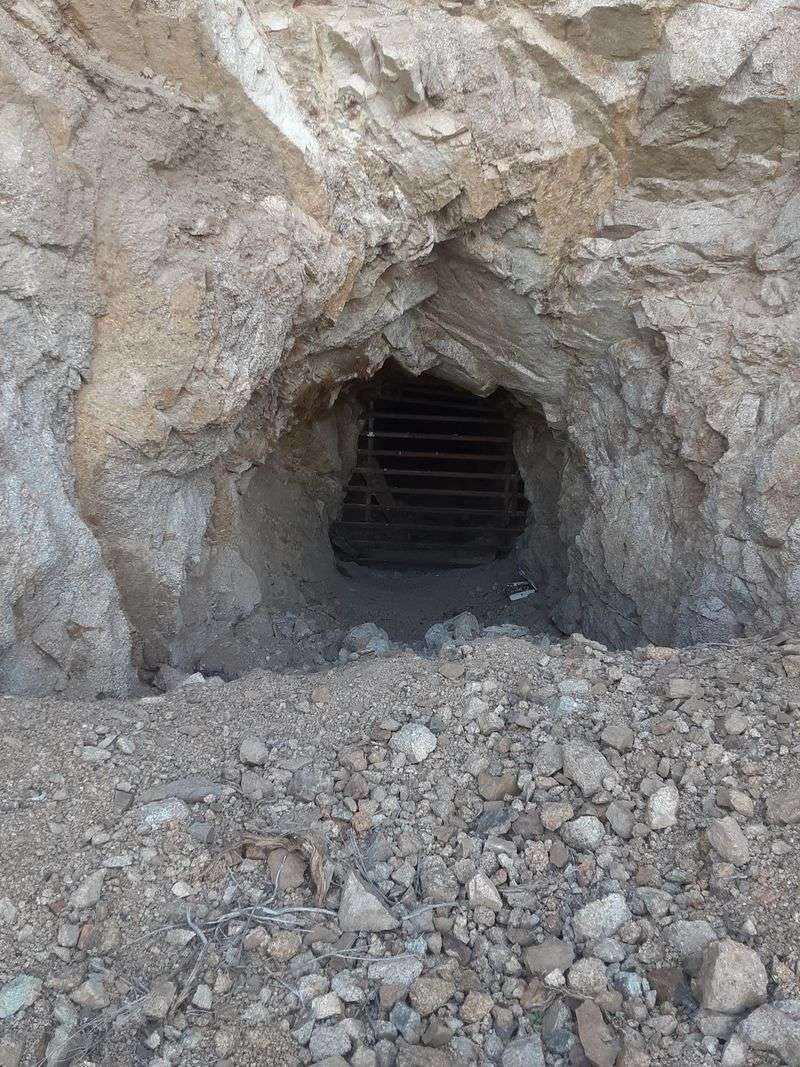
GPS can be a little sneaky out here. Map apps may lead you past the cave toward a different geological site up a hill.
That spot is interesting too, but it’s not the cave. Double-check your route before losing cell signal.
The cave sits in Jerome County with the listed address Idaho 83338. Access usually comes by way of Hunt Road northeast of Twin Falls.
Pavement eventually gives way to dirt and large rocks. A truck or vehicle with good clearance makes the final stretch much easier.
Winter is the real challenge. Snow and mud often make the roads impassable during the cold months.
Spring through fall gives you the best odds. Even then, check weather and road conditions before driving.
The site is generally open during daylight hours for most of the year. Visiting is free, which feels generous for a place this old.
The Bureau of Land Management Twin Falls District office can help with current access questions. It’s worth a quick check before you head out.