This Idaho Hot Spring Has Bubbled At The Same Temperature For Over 100 Years Beside A Highway Pullout
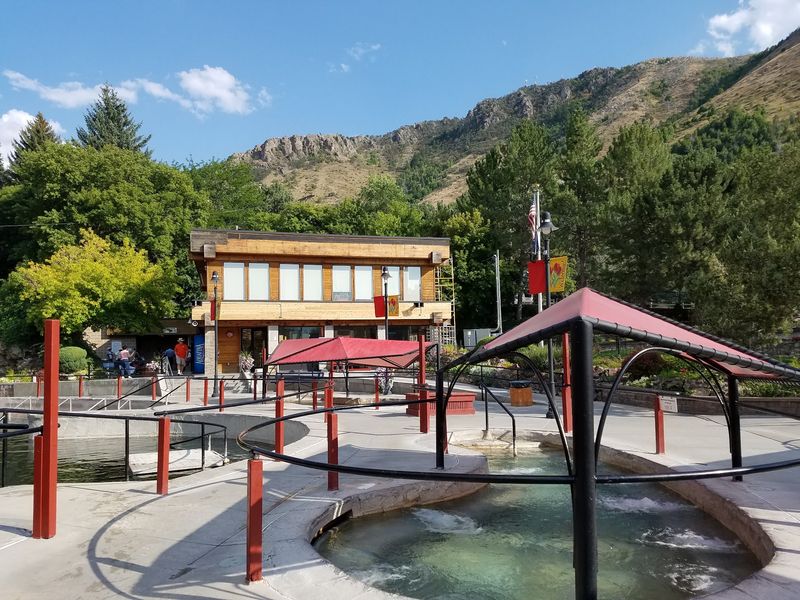
Hot mineral water rises from the ground here without the rotten-egg smell most people expect from a hot spring. That alone makes me curious.
The pools sit so close to the highway that you can practically pull over and start soaking.
The water has warmed travelers for generations. Native people used these springs long before any road arrived.
Later, the federal government handed the springs to the state, and the public has soaked here ever since.
I like how ordinary the setting feels at first. A small river town, a two-lane highway, and steam drifting up beside the pavement.
Then you notice the people floating in steaming pools under an open Idaho sky.
So how does a town this small keep a steady, steaming promise like that for more than a century? The answer starts with a river and a gift.
A Steaming Little Town On The Portneuf River
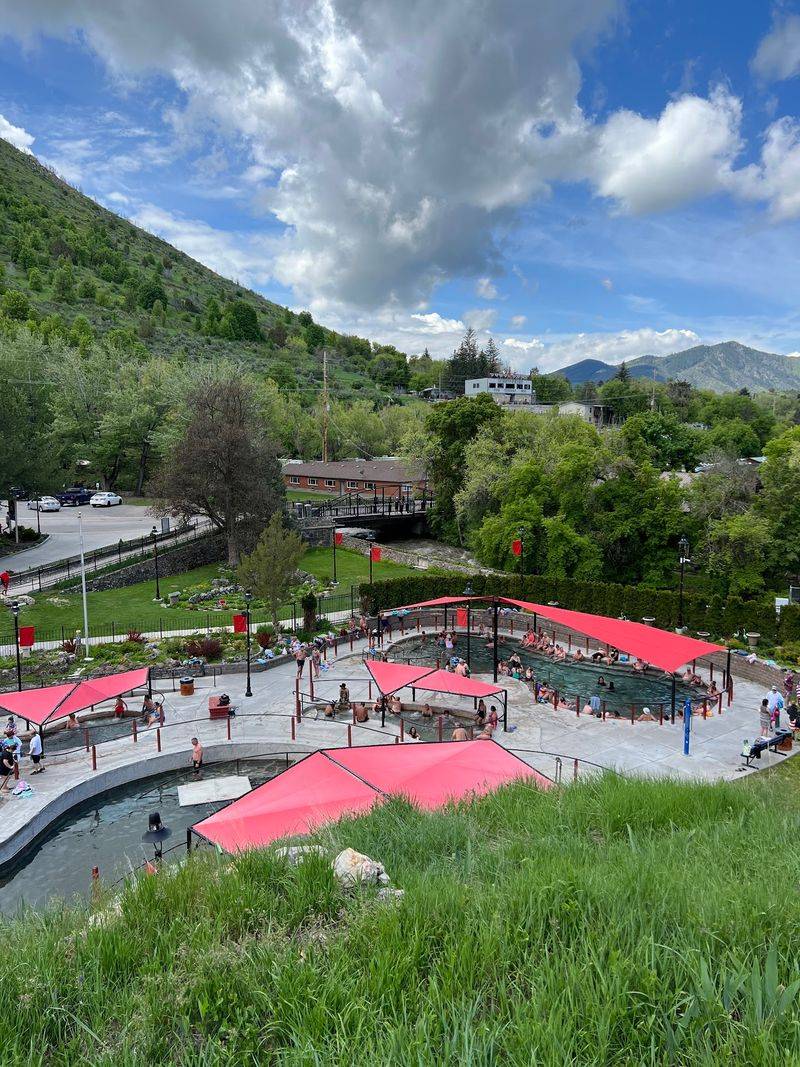
Lava Hot Springs is a city along the Portneuf River in eastern Bannock County, Idaho. It counted just 358 residents at the 2020 census.
That number surprises people who know the name. Plenty of Idahoans have heard of this place long before they could find it on a map.
The town sits inside the Pocatello metropolitan area, yet it feels nothing like a suburb. Hills rise on both sides, and the river runs right through the middle of things.
Steam is the clue that gives the town away. Hot water rises here naturally, and the whole community grew up around it.
I can’t think of many Idaho towns where the main attraction is literally bubbling out of the ground. Most places build their identity on a mill, a mine, or a railroad.
Here, the identity came first and stayed put. The springs are the reason people stop, the reason families return, and the reason the town name needs no explanation.
Small population, big reputation. That combination makes Lava Hot Springs one of the more unusual stops in southeast Idaho, and it sets the stage for everything else worth knowing.
Water That Refuses To Cool Off
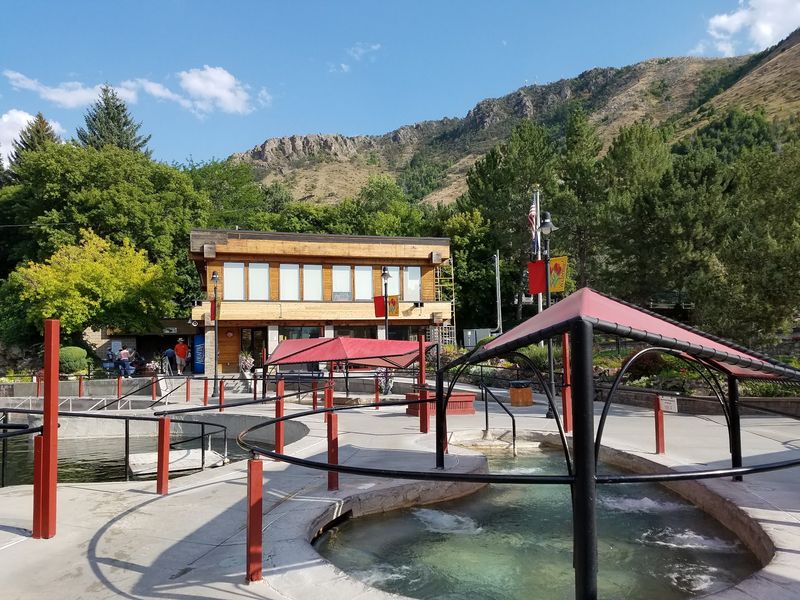
Most things in life cool down eventually. The water at Lava Hot Springs apparently never got that memo.
The hot pools here run warm year after year, fed by mineral water rising from deep underground. Soakers have relied on that steady heat for well over a century.
Temperatures across the pools generally range from very warm to properly hot. Some spots feel like a relaxing bath, while others ask for a slower, more careful entry.
That range is part of the fun. You can move from one pool to another until you find the heat that suits your mood.
Consistency matters more than people think. A hot spring that changes wildly would be hard to build a town around, let alone a state-run soaking complex.
Here, the water simply keeps showing up, warm and ready, whether the calendar says July or January. Geology handles the heating bill.
I believe that dependability explains why families keep coming back across generations. Grandparents who soaked here as kids can bring grandkids to the same warm water today, and that feels pretty special for a small Idaho town.
Long Before The Highway, People Knew About These Pools
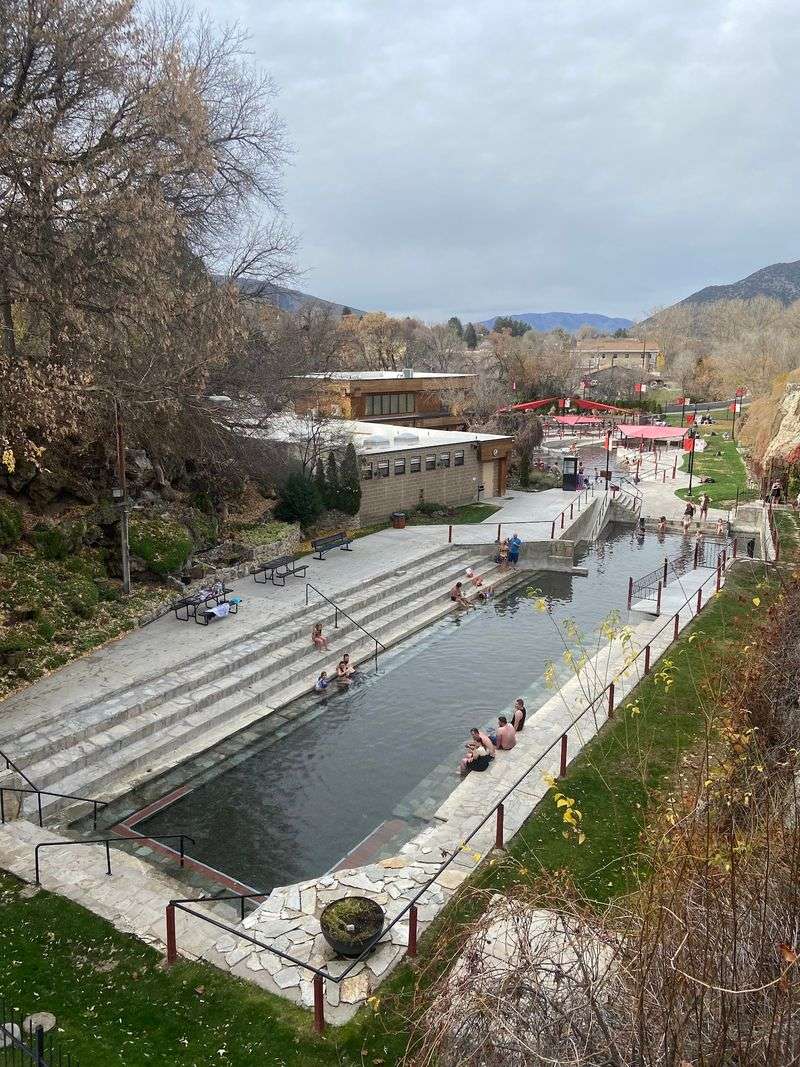
History here runs deeper than the pavement. Shoshone and Bannock people used these warm springs long before settlers arrived in the valley.
The springs were a known gathering spot, a place of warmth in a landscape that can turn brutally cold. That use stretches back far beyond any written record.
Later, the land passed into federal hands. In 1902, the federal government granted the springs to the State of Idaho.
That transfer shaped everything that followed. Instead of becoming a private resort, the springs stayed tied to the public.
I like that detail a lot. A natural wonder could easily have ended up behind a fence, but this one became a shared resource for anyone passing through.
The town grew up around that decision. Visitors came for the water, and businesses followed the visitors.
So when you lower yourself into a pool at Lava Hot Springs, you’re joining a very long line. People have been doing the same thing in this canyon for countless generations, and the water has stayed warm for all of them.
Who Runs The Hot Pools? The State Of Idaho
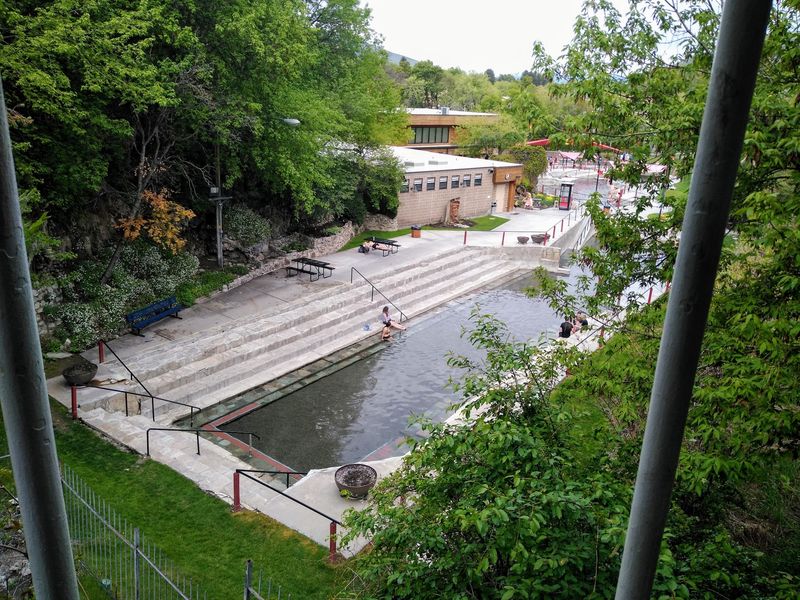
Here’s a fun bit of trivia for your next road trip. The main hot pools in Lava Hot Springs are operated by a state agency, the Lava Hot Springs Foundation.
That arrangement grew directly out of the 1902 land grant. The State of Idaho kept the springs in public hands and created a way to manage them.
The result is a developed soaking area rather than a muddy hole beside the road. Pools are shaped, maintained, and set up so visitors can soak comfortably.
For families, that structure is a relief. You get the natural mineral water without having to scramble down a riverbank to reach it.
The Foundation also oversees a separate swimming complex in town. That area leans more toward cooler water and summer fun than slow, steamy soaking.
Fees apply, though the exact amounts change, so check before driving. Hours also shift with the seasons.
I appreciate how this setup keeps the springs accessible. A small town of a few hundred people gets to share its best feature with all of Idaho, and the state keeps the whole thing running.
Mineral Water Without The Rotten-Egg Smell
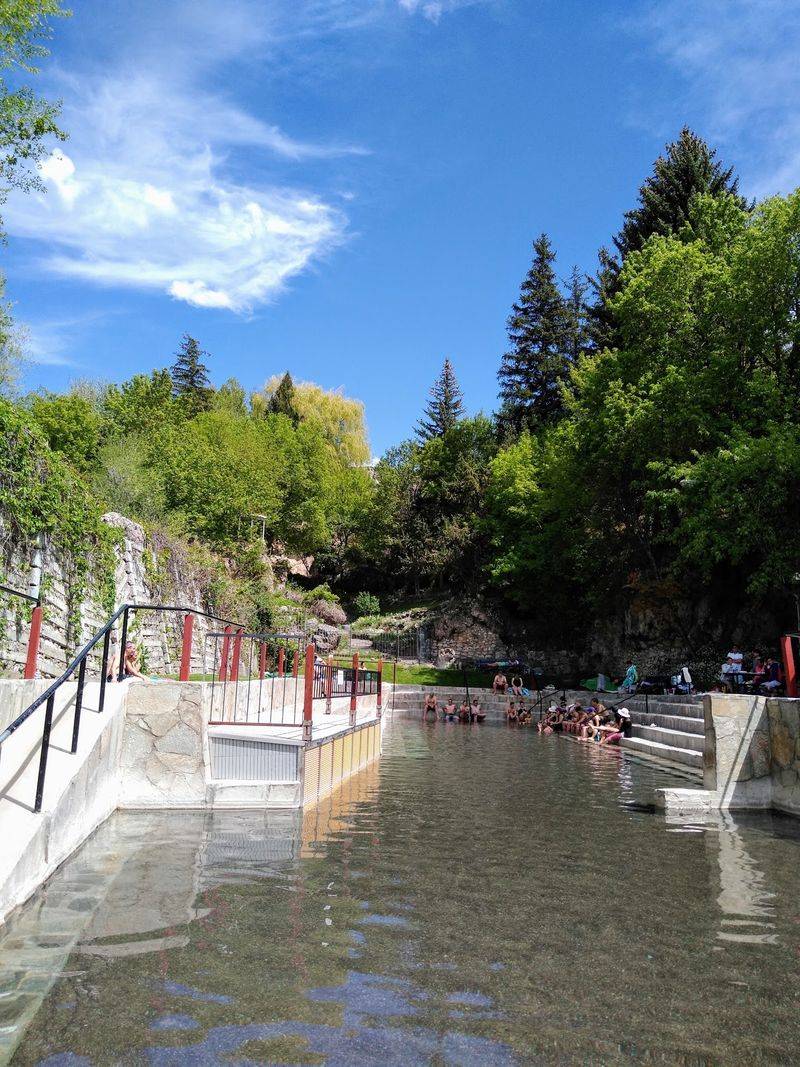
Anyone who has visited a sulfur spring knows the smell. It lingers on towels, swimsuits, and occasionally your dignity.
Lava Hot Springs takes a different route. The water here is known for having no sulfur odor, which surprises first-time soakers.
Instead, the water carries dissolved minerals from deep underground. That mineral content is a big part of the appeal for people who come to relax.
The clarity helps too. Clean, clear water makes a pool feel inviting rather than mysterious.
I can’t imagine a better selling point for a hot spring near a busy road. Travelers can stop, soak, and climb back in the car without carrying a souvenir scent for the next hundred miles.
That small detail matters to families especially. Kids are honest critics, and a stinky pool would end the fun fast.
So if past hot spring trips left you wrinkling your nose, this one deserves a second chance. The warmth stays, the minerals stay, and the smell simply never shows up in the first place.
Steam Rising Right Beside The Road
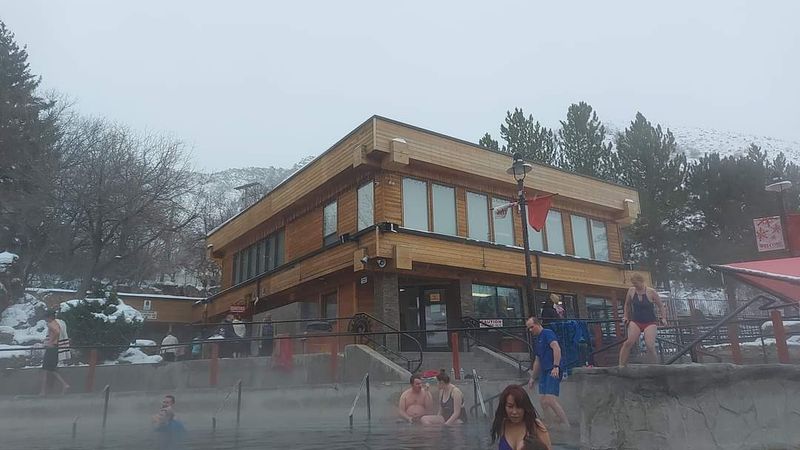
Few hot springs make it this easy. In Lava Hot Springs, the pools sit right along U.S.
Highway 30 as it runs through town.
Drivers can spot steam before they even slow down. On a chilly morning, that drifting cloud works better than any billboard.
Most Idaho hot springs require a hike, a rough dirt road, or a stubborn vehicle. This one asks for a turn signal and a parking spot.
That convenience changes who can enjoy it. Older visitors, young families, and anyone with limited mobility can reach warm water without a trek.
The roadside setting also makes it a natural break on longer drives across southeast Idaho. A soak beats a gas-station stretch by a wide margin.
Good luck ignoring that steam once you see it. Plenty of road trips have probably gained an unplanned stop right here.
I like how the springs refuse to hide. They sit in plain view, warm and steady, practically waving at every passing car to pull over and stay a while.
The Portneuf River Brings Its Own Kind Of Fun
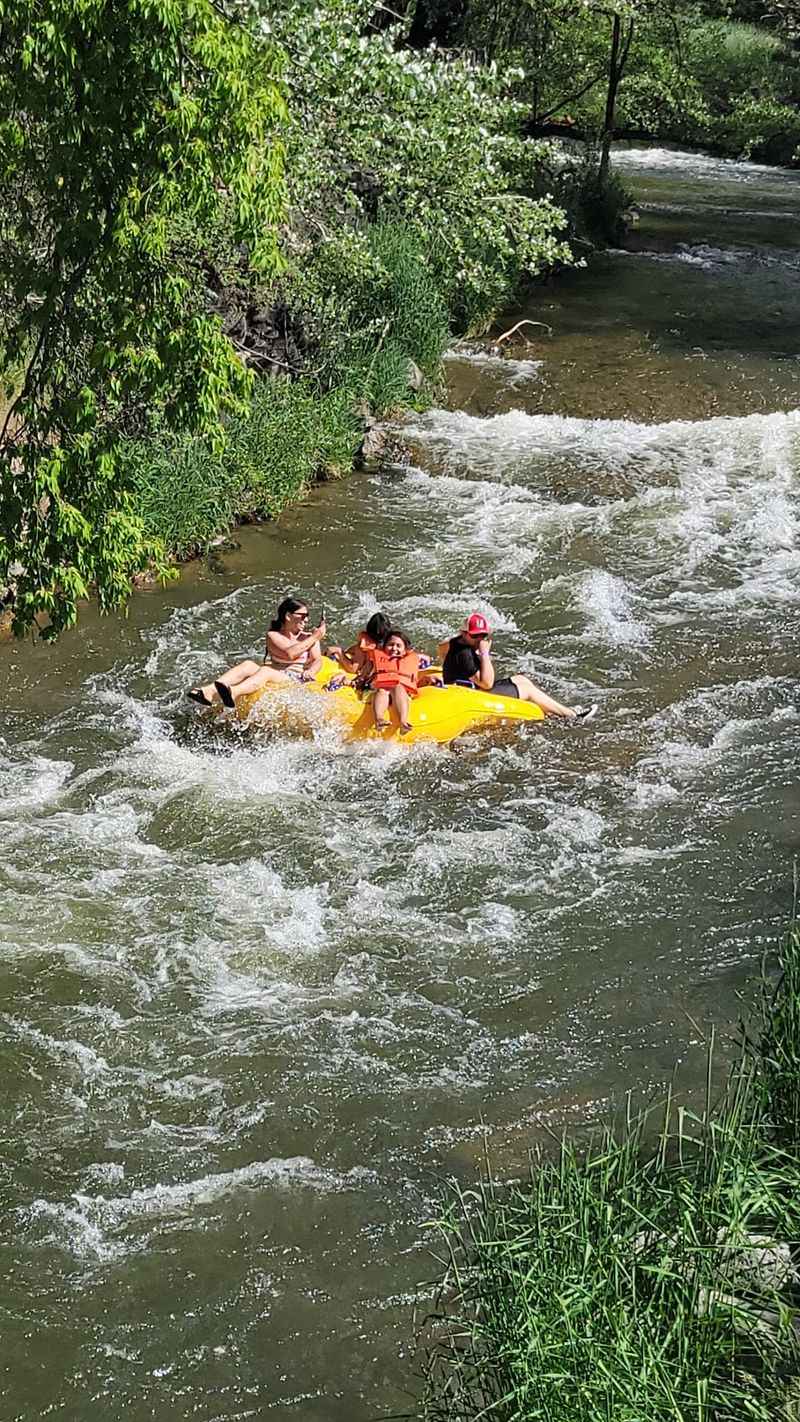
Hot water gets the headlines, but the river deserves its own moment. The Portneuf River flows straight through Lava Hot Springs.
In warmer months, tubing on the river is a popular summer activity in town. Floaters drift past backyards, bridges, and rocky banks.
That gives the town a nice balance. You can cool off on the river, then warm back up in the hot pools.
River conditions change with snowmelt and weather, so timing matters. Early season water can run fast and cold.
Families often treat tubing as the main event of a summer visit. The hot pools then become the reward afterward.
I believe the river is what keeps this town from feeling like a one-trick stop. It adds motion, sound, and a little splash to a place known for sitting still in warm water.
Check conditions locally before heading out, and follow posted safety guidance. Then enjoy watching the canyon slide by from the seat of an inner tube, with the promise of a hot soak waiting downstream.
Small Town Size, Big Weekend Energy
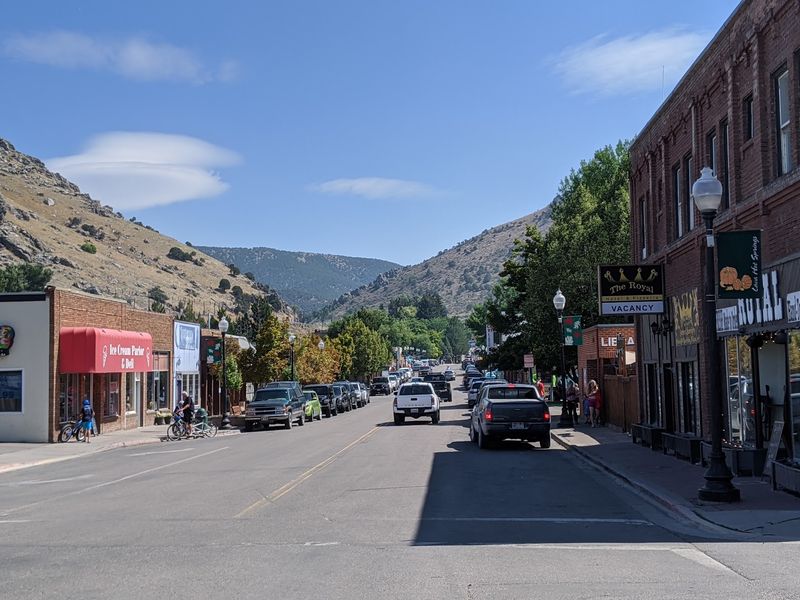
Only 358 people called Lava Hot Springs home at the 2020 census. On a busy weekend, the visitors can easily outnumber the locals.
That contrast gives the town a lively feel. A quiet canyon community suddenly fills with families, road trippers, and soakers.
The downtown area is compact and walkable. You can park once and reach a lot on foot.
Lodging and small businesses have grown up to serve all those visitors. The town clearly understands its role as a getaway.
Still, it never stops being small. There’s no sprawling resort strip, just a modest town wrapped around warm water and a river.
I like that balance between busy and cozy. It feels like a place that welcomes crowds without losing its hometown character.
For Idahoans in Pocatello, Idaho Falls, or the Magic Valley, it makes an easy weekend escape. You get the feeling of a real trip without needing a plane ticket or a week of vacation days to pull it off.
Winter Might Be The Best Time To Soak
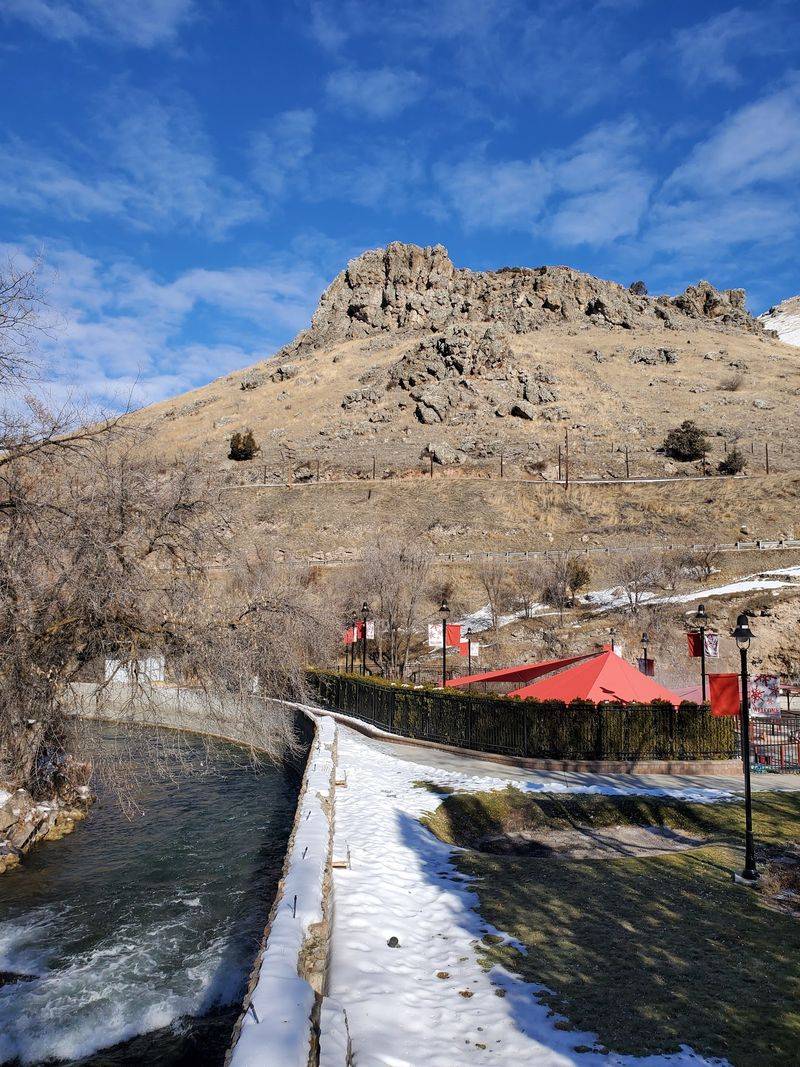
Snow on the hills, steam on the water, and cold air on your face. That might be the ideal hot spring combination.
Southeast Idaho winters can bite hard. Warm mineral pools turn that chill into part of the experience.
The contrast is the whole point. Your shoulders feel the cold air while the rest of you stays toasty underwater.
Steam also looks dramatic in winter. Clouds rise thicker when the air drops, giving the pools a moody, almost magical look.
Roads in winter can get slick, so check conditions before driving. Highway 30 is well traveled, but weather still deserves respect.
Pack warm layers for the walk between car and pool. A hat and quick-dry towel make the exit much less dramatic.
I can’t imagine a better cure for a gray January weekend in Idaho. The water stays warm no matter what the thermometer says, and that steady heat makes even the coldest day feel worth getting out of the house for.
Grandparents, Toddlers, And Everyone In Between
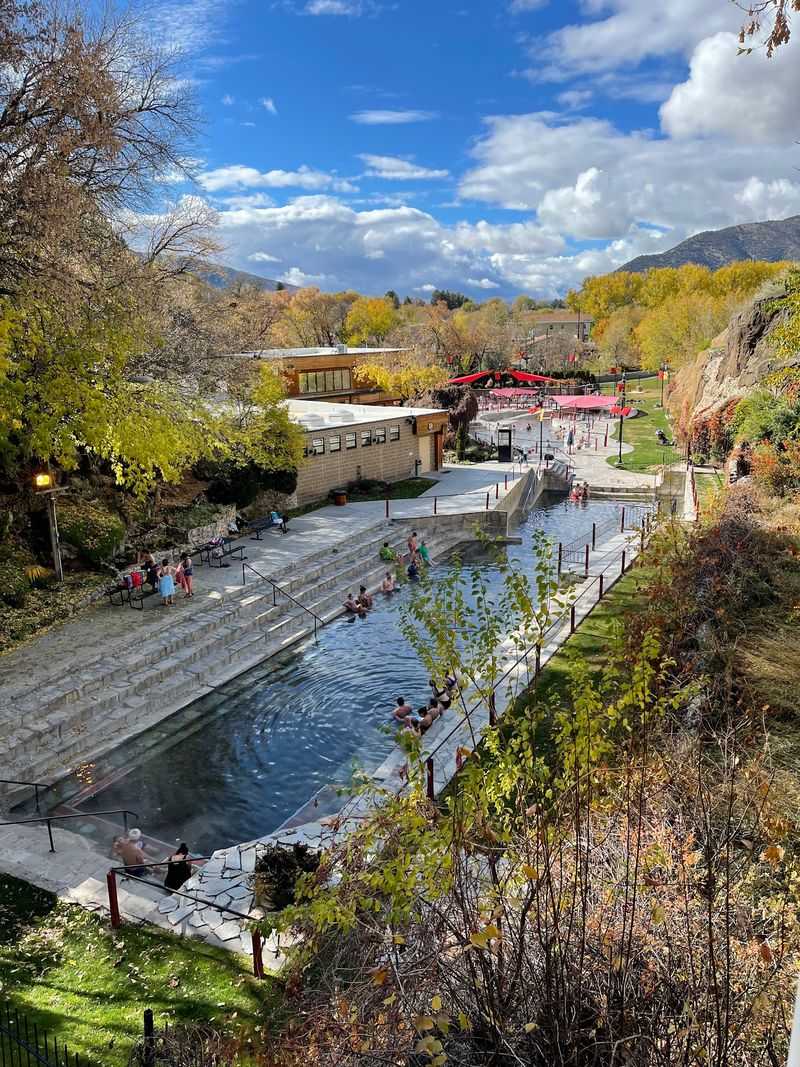
Not every outdoor adventure works for a whole family. Lava Hot Springs comes impressively close.
The developed pools mean nobody has to hike a rugged trail or wade through mud. That alone opens the door for older visitors.
Kids get a fun, warm place to splash, and the separate swimming complex adds more summer options. Parents get to sit down for once.
Near-retirees often look for low-key outings that still feel special. A warm soak with mountain views checks both boxes.
The mix of temperatures helps too. Little ones can stick to milder water while adults chase the hotter pools.
Couples will find plenty to like as well. A quiet evening soak followed by a stroll through town makes an easy date.
I believe that broad appeal is the town’s real superpower. Few Idaho destinations can satisfy a five-year-old and a seventy-five-year-old on the same afternoon, yet this little river town pulls it off without much fuss.
Finding Your Way To ZIP Code 83246
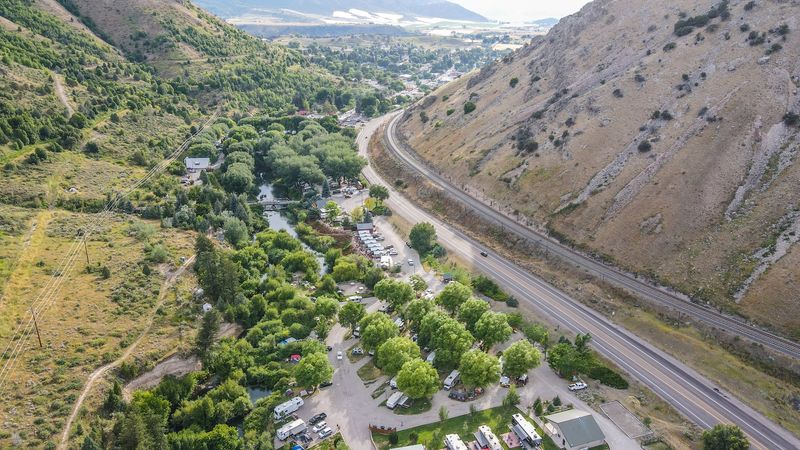
Getting there is refreshingly simple. Lava Hot Springs sits in eastern Bannock County, Idaho 83246, along the Portneuf River.
U.S. Highway 30 runs right through town.
That road connects travelers coming from Interstate 15 and points east.
From Pocatello, the drive takes well under an hour. That makes it a natural half-day or day trip for anyone in the area.
Visitors from Idaho Falls, the Magic Valley, or even the Treasure Valley often turn it into a weekend. Longer drives pair nicely with an overnight stay.
Parking is available near the pools and around downtown. Busy summer weekends can fill things up faster.
Hours and fees for the hot pools shift with the seasons. Check before driving so the trip ends with a soak, not a locked gate.
I like that the directions fit on a sticky note. Find Highway 30, follow the canyon, and watch for steam rising beside the road like a friendly wave telling you that you’ve arrived.
Smart Moves Before You Pack The Swimsuit
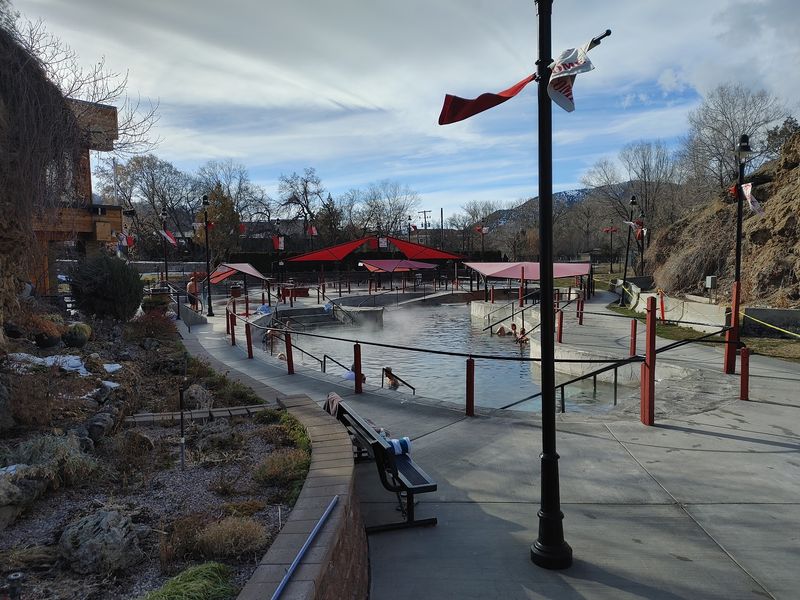
A little planning goes a long way. Hot water feels amazing, but it also asks for some common sense.
Bring water to drink. Soaking in heat can leave you thirsty faster than you expect.
Take breaks between hotter pools. Climbing out to cool down keeps the experience comfortable.
Pack sandals for walking around wet surfaces. Rocks and pool decks can get slippery.
Seasons shape the whole trip. Summer brings river tubing and busier weekends, while winter offers steamier soaks and quieter moments.
Check hours and admission before driving, since both can change. That’s especially true around holidays.
Lodging fills up on popular weekends, so book early if you plan to stay overnight. Waiting until Friday afternoon can be risky.
I believe the best visits feel unhurried. Give yourself time to try several pools, wander downtown, and watch steam drift across the canyon, because rushing a hot spring kind of defeats the purpose of going.
Why This Steady Old Spring Still Deserves The Detour
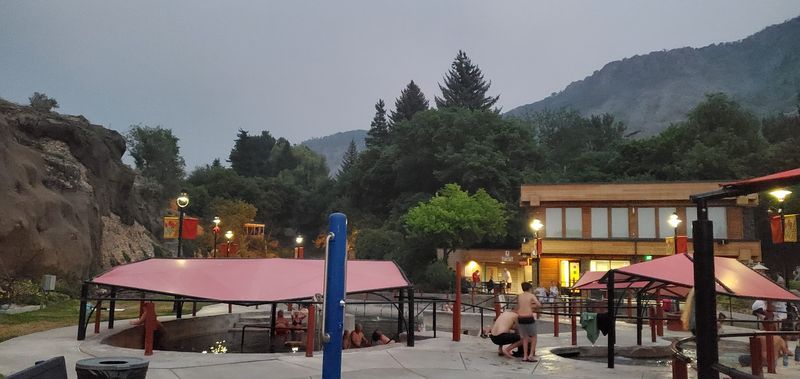
Some road trip stops fade from memory by the next exit. Lava Hot Springs has a habit of sticking around.
The formula is simple. Warm mineral water, a friendly river, and a tiny Idaho town that knows exactly what it does well.
The history adds weight to every soak. Native people used these springs, the state took them over in 1902, and the public still enjoys them today.
The convenience seals the deal. Steam rising beside Highway 30 makes it easy to turn a long drive into something memorable.
It suits families, couples, retirees, and anyone who needs a warm break from an Idaho winter. Few places stretch that wide.
I can’t promise every visit will be quiet. Busy weekends happen, and summer brings plenty of company.
Still, the water keeps doing its thing, warm and steady, just like it has for generations. That kind of reliability feels rare, and it makes this little canyon town worth a stop the next time southeast Idaho is on your route.