9 Michigan Hiking Trails Locals Skip In September Because The Rattlesnakes Are Very Active
I heard the rattle before I saw anything move. My boot froze mid step, and every hiking tip I’d ever learned left my brain at once.
That sound belongs to the Eastern Massasauga, the only venomous snake in Michigan, and September is exactly when it gets restless. Warm afternoons pull these snakes out of wetlands and onto sunny paths, right where hikers like to walk without looking down.
Locals in Michigan know which trails to avoid this time of year, and they rarely explain why to visitors. I found out the hard way, standing perfectly still while my heart tried to escape my chest.
Nothing happened. Nothing needed to.
One encounter was enough to change how I plan every fall hike since. Some lessons come from books.
This one came from a very quiet, very close call.
1. Waterloo State Recreation Area
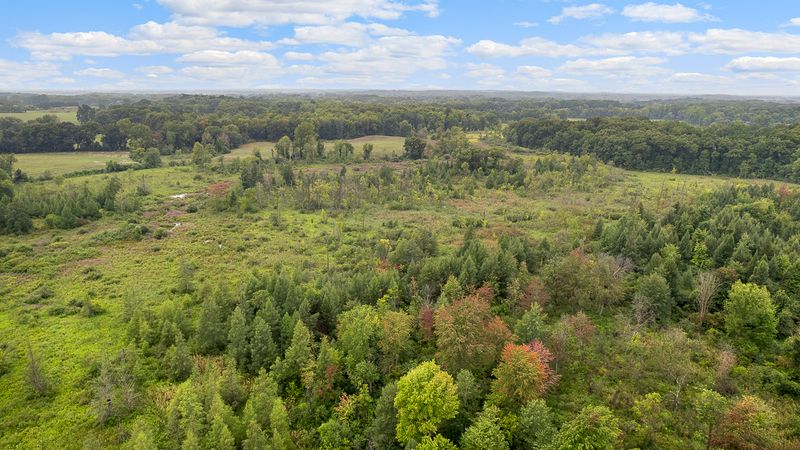
Bragging rights first: this is the largest state park in the Lower Peninsula. All that acreage means room for wildlife that needs space, including a federally threatened rattlesnake.
Prairie fens are the headline feature here. These rare, spring-fed wetlands are prime Massasauga real estate, and the park has plenty of them.
Researchers survey for the species inside park boundaries. That tells you the snakes are not rumors, they are documented residents.
The Eddy Discovery Center sometimes hosts programs about these reptiles. Learning the facts beats guessing every time.
Hiking trails here roll over hills, then drop into damp lowlands without much warning. Those transition zones are exactly where a snake might be sunning.
Boardwalk sections help enormously. Staying on them keeps your ankles far from hidden grass tunnels.
The park office address is 16345 McClure Rd, Chelsea, MI 48118, and rangers there track recent sightings. A two minute conversation can reshape your route.
Mornings run cool in September, which slows snakes down considerably. Late afternoon sun is when basking peaks.
Leashing pets is more than a rule here. Curious dogs investigate rustling grass, and that is the one encounter worth preventing.
Trade the shortcut through the meadow for the marked path. The views are better anyway, and your hike stays uneventful in the best way.
2. Proud Lake Recreation Area
Documentation beats speculation, and this park has it. A rattlesnake bite was recorded here in July 2026, confirmed by the Oakland County Sheriff’s Office.
Rare incidents like that grab attention for a reason. Bites are unusual, and they typically happen when a snake gets provoked or accidentally handled.
Massasaugas stay active around this property from April through late October. September sits comfortably inside that stretch.
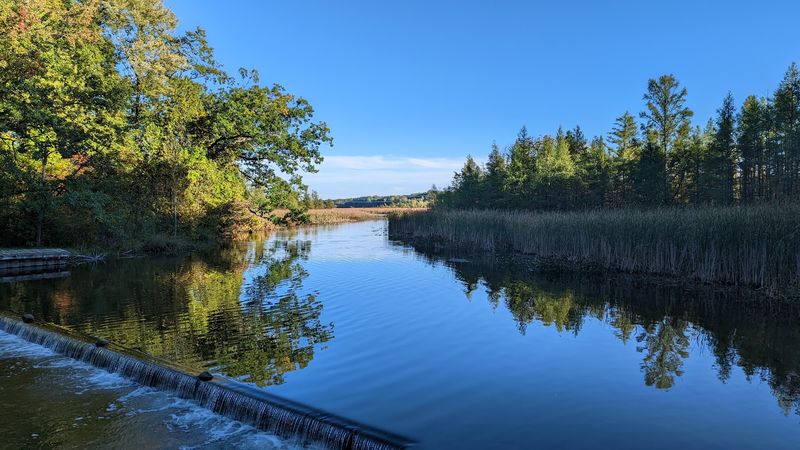
The Huron River threads through the park, spreading into marshy banks and reedy pockets. Those wet zones are exactly the winter destination snakes head toward each fall.
Boardwalks carry hikers over the softest ground. They also keep feet elevated above the places snakes prefer.
Fishing and paddling draw crowds here, which means river edges see plenty of foot traffic. Stepping down a bank is when awareness matters most.
Sandals feel great in September. Closed shoes make far more sense on these trails.
Respect works both directions. Give a snake a few yards of space and it will happily disappear into the reeds.
3. Indian Springs Metropark
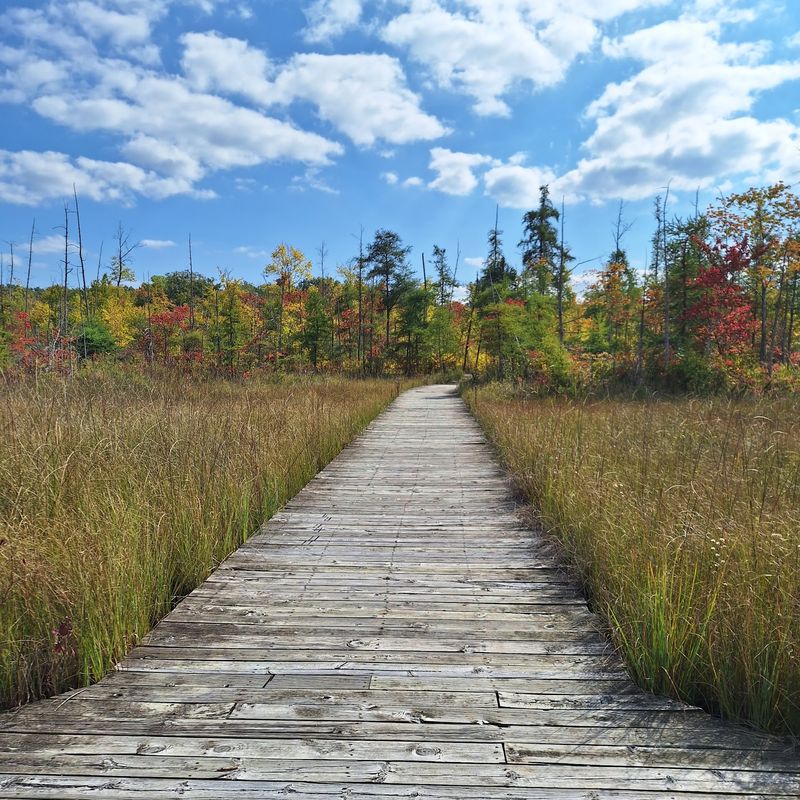
Nicknames tell you plenty. The Massasauga is often called the swamp rattler, and this park is close to ideal territory for it.
Snakes spend summer in the rolling uplands here, hunting small prey among the grass. Come September, they begin the return trip toward wetlands for hibernation.
Paved trails complicate that commute. Warm asphalt holds heat beautifully, so a snake may stretch out on it during the late afternoon.
Cyclists and stroller-pushing families use those same paths. Scanning ahead rather than staring at your shoes prevents nearly every surprise.
Population surveys happen inside the park, giving researchers real data on how the species is doing. Conservation work here is ongoing, not decorative.
Signage asks visitors to stay on trails and keep pets leashed. Both requests exist specifically because of this snake.
The Environmental Discovery Center explains snake conservation in plain language. Kids often leave less nervous than when they arrived.
Park address is 5200 Indian Trail, White Lake, MI 48386, and the headwaters of the Huron River begin nearby. Wet ground is the defining feature.
Curiosity is fine, contact is not. Photograph from a distance and let the little rattler continue its journey undisturbed.
4. Seven Lakes State Park
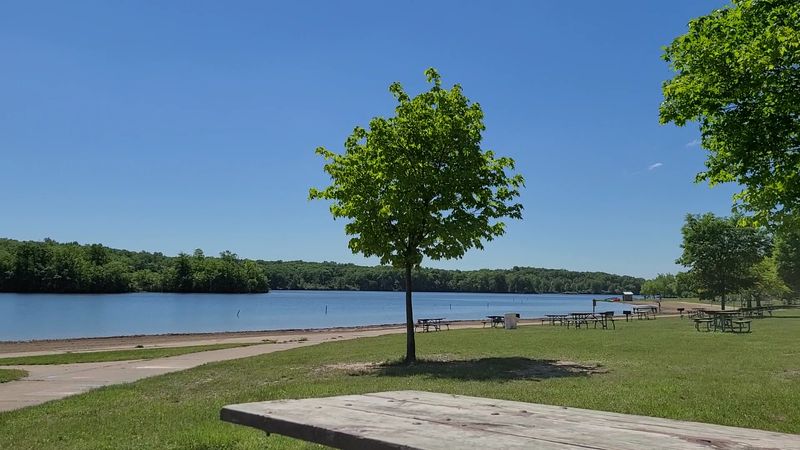
Numbers set the scene nicely. This park protects 1,434 acres of woods, wetlands, and more than 230 acres of water.
All that variety is precisely what a threatened rattlesnake needs. Connected wetland and upland habitat lets the species move safely through the seasons.
Park managers treat that connection as a priority. Fragmented land is one of the biggest challenges the Massasauga faces.
Advisory signs about rattlesnakes are posted for visitors. Sightings have been reported here, so the notices are practical rather than theoretical.
Trails wander between lakes, and the shorelines stay damp well into fall. Those margins are where snakes are most likely to be resting.
Fishing spots pull people off the beaten path toward tall grass. Slow down in those stretches and watch the ground.
The park is located at 14390 Fish Lake Road, Holly, MI 48442, within easy driving distance of several nearby communities.
September color starts creeping into the maples here early. Photographers get rewarded, especially near the water.
A little caution costs nothing. Boots, long pants, and eyes on the trail turn any worry into a pleasant walk with excellent scenery.
5. Independence Oaks County Park
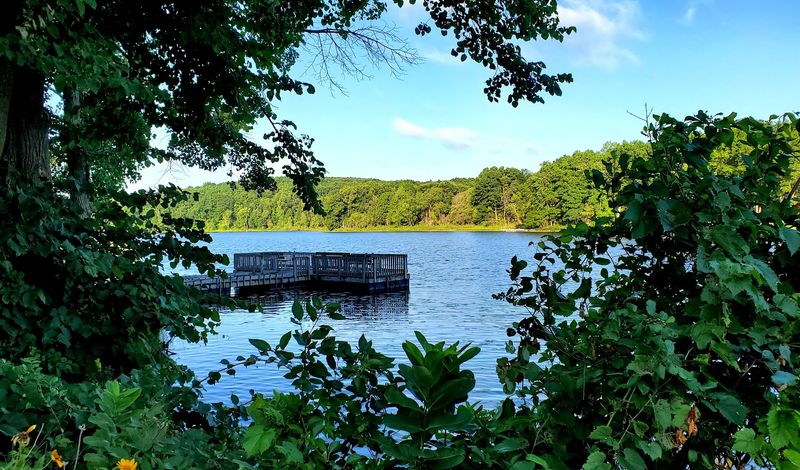
Posted signs usually mean someone learned something the hard way. Here, advisory notices alert visitors that rattlesnakes may be present, and rangers update them as sightings come in.
The park is home to these discreet reptiles. They keep to themselves, which is why most hikers never notice them at all, even on trails they walk every week.
Crooked Lake anchors the property, ringed by marshy edges and boardwalk segments. Wet ground plus warm September sun equals prime basking conditions, especially where the boardwalk meets open shoreline.
Trails range from wide crushed stone to narrower dirt tracks. The narrow ones brush close against grass, so pace yourself and watch where you place each step.
You can find the park at 9501 Sashabaw Rd, Clarkston, MI 48348, with well-marked lots and a nature center on site. Staff keep current information handy and can point out recent activity near specific trail sections.
Families flock here for easy loops and playground time. Teaching kids to admire wildlife from a distance sticks with them for years, turning a simple walk into a real lesson.
Massasaugas are small, often mistaken for other harmless snakes. Their gray-brown blotches blend perfectly into leaf litter, making them easy to miss until they move.
The right response is simply stopping. Back up a few steps and give the animal room to leave on its own, without any sudden noise or motion.
Fall birding here is excellent, especially near the water. Keep binoculars up and feet on the path, and you get the best of both worlds.
6. Paint Creek Trail
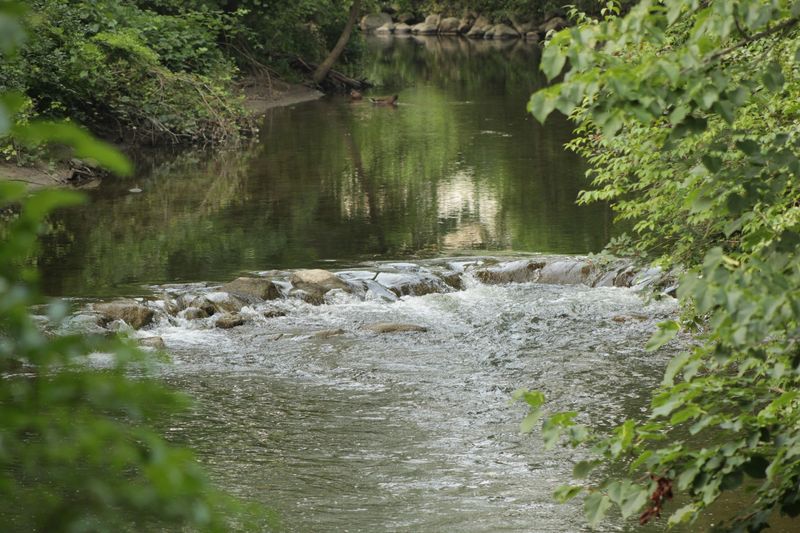
Any trail whose annual 5K is called the Rattlesnake Run has clearly made peace with its reputation. Runners show up in numbers every year, undeterred, and some wear rubber snake costumes as a nod to the name.
The name is not marketing whimsy. Snake activity along this corridor is well documented, and local wildlife groups have tracked sightings here for years.
Built on an old rail line, the route runs flat and straight through Rochester and beyond. Crushed limestone holds heat, which appeals to a cold-blooded traveler looking for an easy place to warm up between shaded patches.
Creek-side sections stay green and damp deep into fall. Those stretches match Massasauga habitat almost perfectly, offering cover, moisture, and plenty of small prey.
Cyclists move fast here, so audible warnings help. A quick call before passing keeps everyone alert to what is ahead, especially where the trail narrows near the water.
Access is easy at 4480 Orion Rd, Rochester, MI 48306, one of several trailheads along the route. Parking is straightforward, and the lot fills quickly on weekend mornings.
Tall grass grows right up to the trail shoulders. Stepping aside to let others pass is when awareness pays off, since snakes often rest just off the packed path.
Late afternoon carries the highest chance of spotting a basking snake. Morning walks tend to be completely uneventful, with most activity picking up once the pavement warms.
Should you see one, take the win. Snap a photo from several feet back, then continue and let the trail keep its famous name honestly earned.
7. Pinckney State Recreation Area
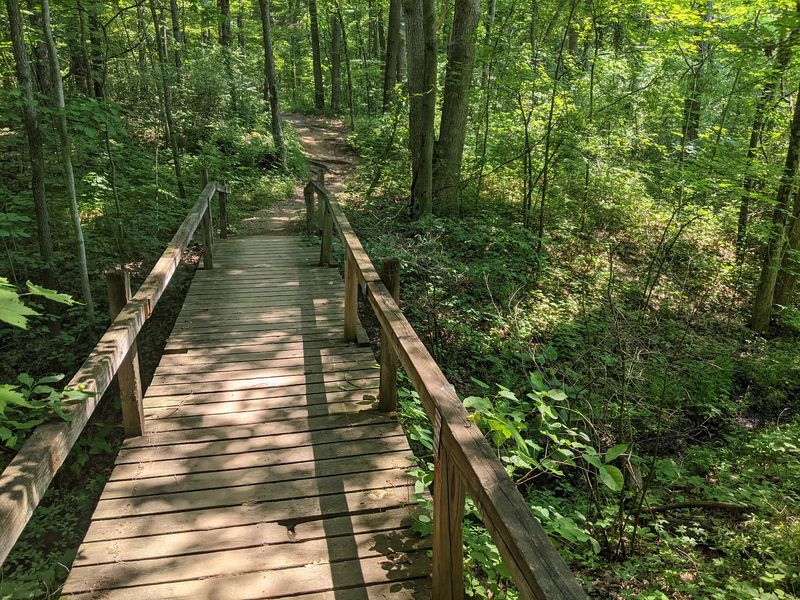
Connectivity is the whole story at this spot. The Waterloo-Pinckney Trail ties two huge recreation areas together, creating one long habitat corridor.
Wildlife uses corridors like commuters use highways. Massasaugas travel these linked wetlands and uplands with no idea they crossed a park boundary.
Spread across Livingston and Washtenaw counties, the land sits inside a recognized southeast sighting cluster for the species. Reports come in regularly from the Waterloo, Pinckney, and Brighton areas.
Mountain bikers love the singletrack here, and that is worth remembering. A fast rider covers ground quicker than a snake can react.
Trail surfaces vary from packed dirt to root-tangled dips. Shadows play tricks, so a stick on the path deserves a second glance.
The Silver Hill entrance at 8555 Silver Hill Rd, Pinckney, MI 48169, opens onto some of the most popular loops. Parking fills quickly on bright weekends.
Kettle lakes dot the property, ringed by soggy margins. Snake activity concentrates near those damp edges as fall arrives.
Anyone hiking with children should set one simple rule. Look before stepping over logs, and never reach into grass.
Encounters end quietly almost every time. A Massasauga typically holds still or slips away, hoping you simply keep walking.
8. Matthaei Botanical Gardens
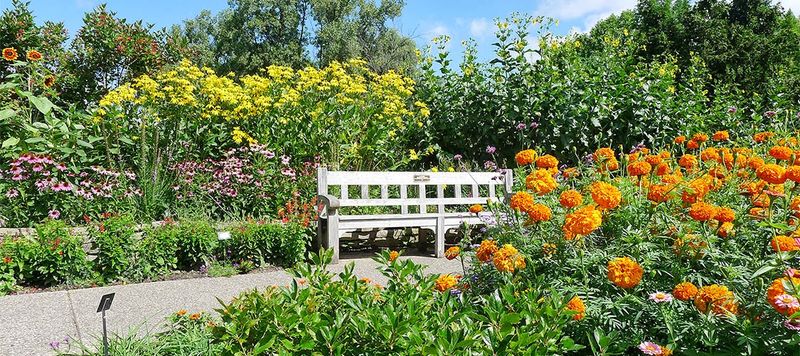
Gardens sound tame until you read the signage. These grounds are natural habitat for the Eastern Massasauga, and staff say so plainly.
Notices placed around the property inform guests about the snakes. Visitors are asked to wear closed-toed shoes, stay on paths, and keep looking around.
The property has celebrated baby Massasaugas being born, a genuine conservation milestone. Habitat restoration is central to the work happening here.
Prairie and wetland areas sit right beside cultivated beds. That mix is unusual and it is precisely why the species thrives.
Outdoor trails stretch well beyond the conservatory. Once you leave the pavement, native plantings take over completely.
The gardens are located at 1800 N. Dixboro Rd, Ann Arbor, MI 48105, with clear maps at the entrance.
Following the marked routes is genuinely the point.
September brings goldenrod and asters in waves of color. Pollinators swarm, and the whole place hums.
Seeing a rattlesnake here is a rare treat, not a crisis. These animals are timid and typically hold still or retreat.
Learning happens fast in a spot like this. You arrive expecting flowers and leave respecting a small, threatened snake that belongs here just as much.
9. Stony Creek Metropark
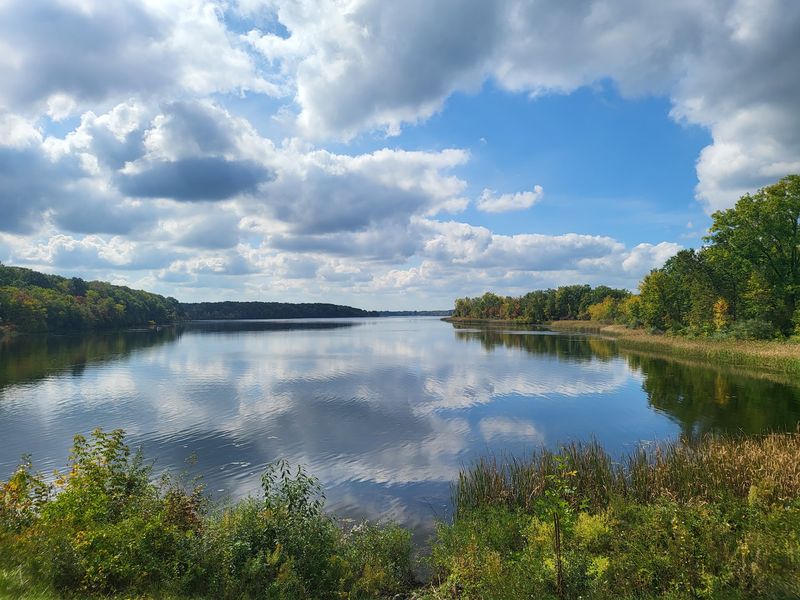
Timing is everything with this park. Massasaugas use the property for seasonal movement between overwintering wetlands and summer uplands.
September is exactly when that travel happens. Snakes are on the move, crossing trails they normally avoid.
History backs it up. In September 2013, a 13-year-old was bitten here by an Eastern Massasauga.
Sightings have been reported across this park for decades. The population is long established and well known to staff.
Paved paths loop for miles, popular with cyclists, walkers, and skaters. Smooth warm surfaces attract basking snakes in the afternoon.
Meadow and marsh borders line much of the route. Those edges are the transition zones snakes prefer.
The park address is 4300 Main Park Rd, Shelby Township, MI 48316, with multiple entrances and plenty of parking. Trail maps are posted at most lots.
Picnic areas sit near grassy fields, so kids running off-path deserve a heads-up. One simple rule handles it: stay on the pavement.
Golf, swimming, and disc golf all share this space. Awareness costs nothing and adds nothing to your effort.
Fall here is genuinely beautiful, with wide water views and thick color. Walk with your eyes open and the season delivers everything you hoped for.