19 Mississippi Sofa Colors Losing Their Charm In 2026
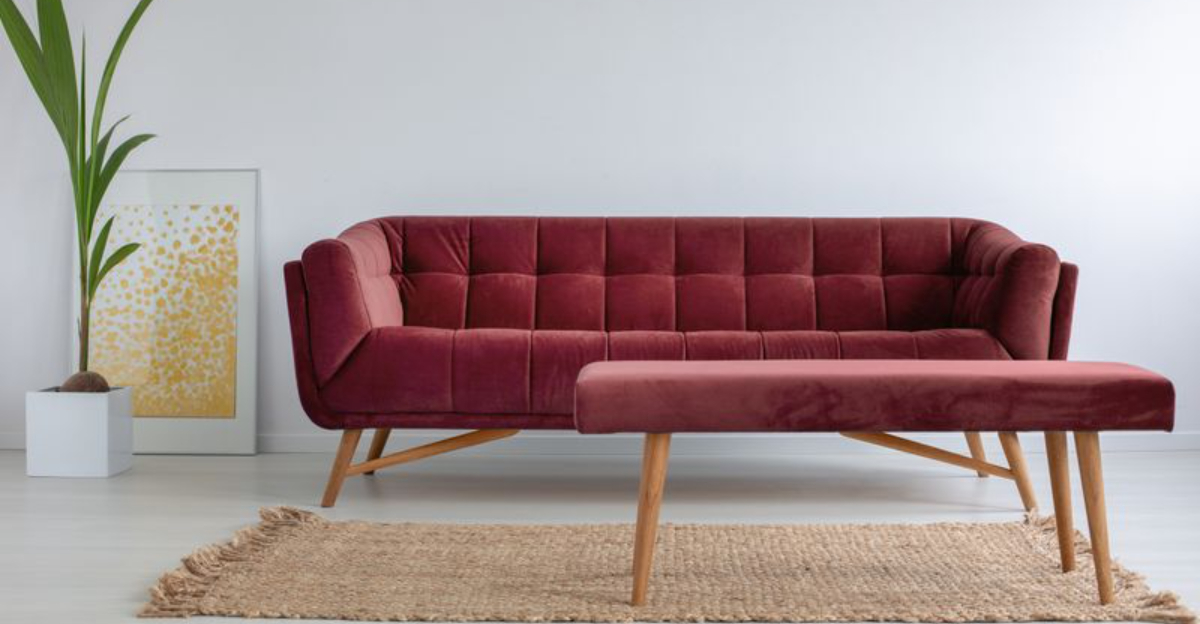
Sofas are the centerpiece of many living rooms, setting the tone for the entire space. Over the years, certain colors have come and gone, each reflecting the trends of its time.
As the world shifts toward more sustainable and timeless design, the once-popular hues that dominated homes now feel out of place.
In Mississippi, where warmth and comfort are key to home design, many homeowners are realizing that some sofa colors no longer fit the easy, inviting atmosphere they cherish.
What was once considered stylish is now being swapped out for tones that offer more versatility and a lasting appeal.
The era of bold, fleeting colors is fading, and a more subtle, enduring palette is taking over.
1. Cool Gray
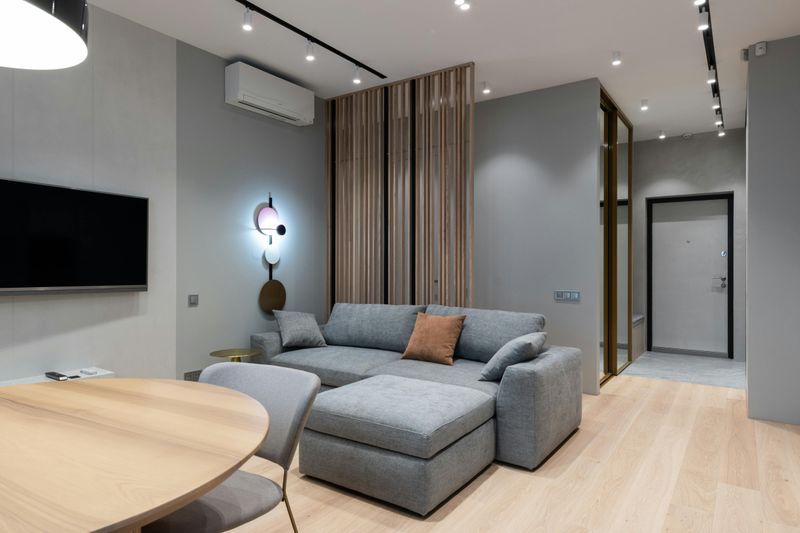
Cool gray sofas have dominated minimalist Mississippi living rooms for years, but their reign is ending.
The shade often feels cold and unwelcoming, especially in homes that crave Southern warmth and hospitality.
Rooms filled with cool gray furniture can appear sterile, almost clinical, lacking the cozy charm that makes a house feel like home.
Families in Jackson and Tupelo are swapping these pieces for warmer neutrals that invite conversation and comfort.
The shift reflects a broader desire for spaces that feel lived-in rather than staged.
Cool gray may work in corporate offices, but Mississippi living rooms deserve better.
2. Stark White
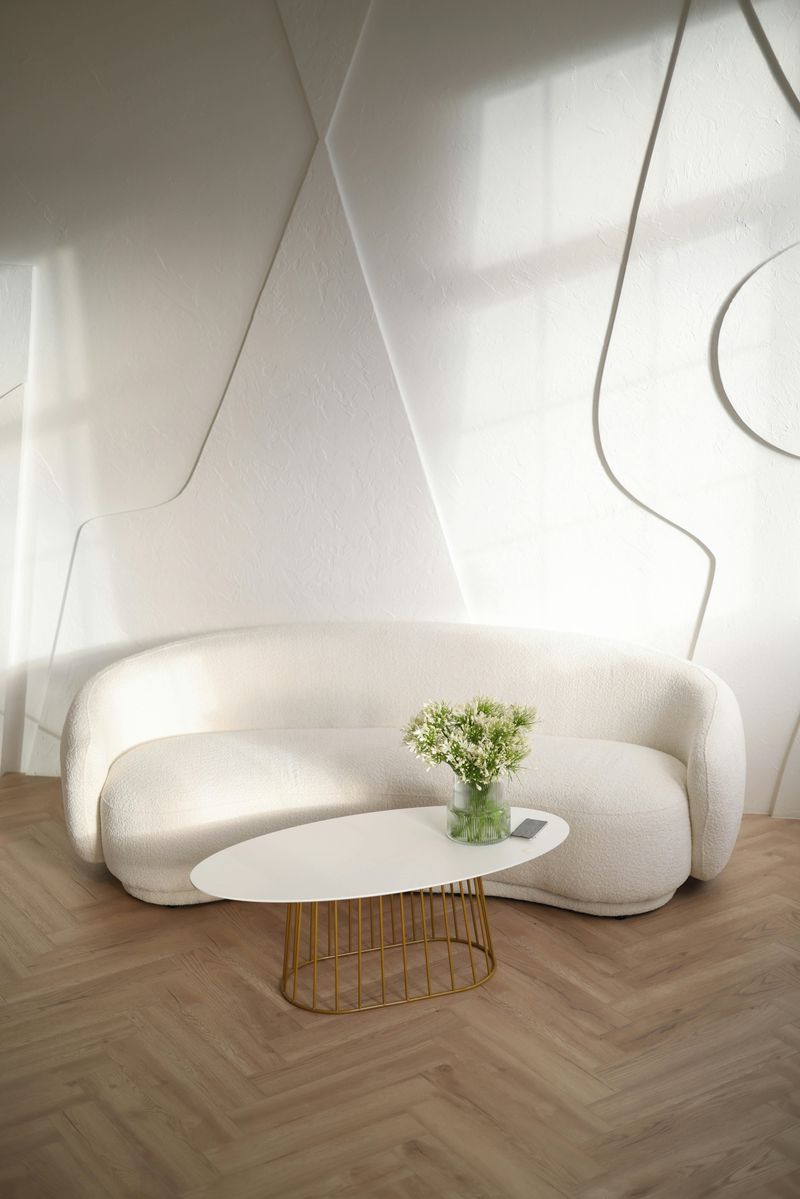
Crisp, blue-based white sofas once symbolized clean, contemporary style across Mississippi homes.
However, these stark whites now make spaces feel cold and uninviting, especially under the state’s abundant natural light.
The brightness can be harsh on the eyes and shows every speck of dirt, making maintenance a constant headache.
Homeowners in Biloxi and Hattiesburg are gravitating toward warmer whites with cream or beige undertones instead.
These softer shades still feel fresh but add a layer of comfort and approachability.
Stark white belongs in galleries, not family rooms where life happens daily.
3. Navy Blue
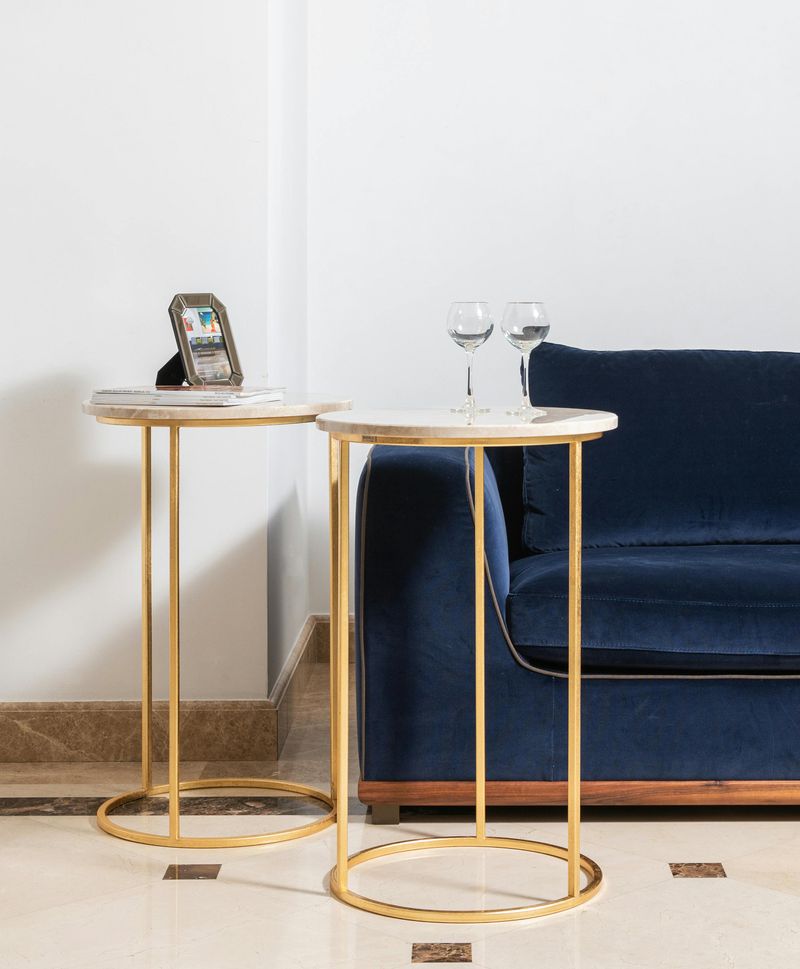
Deep navy sofas once seemed timeless and elegant in Mississippi parlors and dens.
Yet this heavy hue now feels overly formal and can make smaller rooms feel cramped and dark.
The color absorbs light rather than reflecting it, creating a closed-in atmosphere that contradicts the open, airy feel many homeowners desire.
Residents in Meridian and Oxford are choosing lighter blues or soft greens that maintain sophistication without the weight.
Navy can overwhelm a space, especially when paired with darker wood furniture common in Southern homes.
The trend is shifting toward colors that breathe and expand rather than close in.
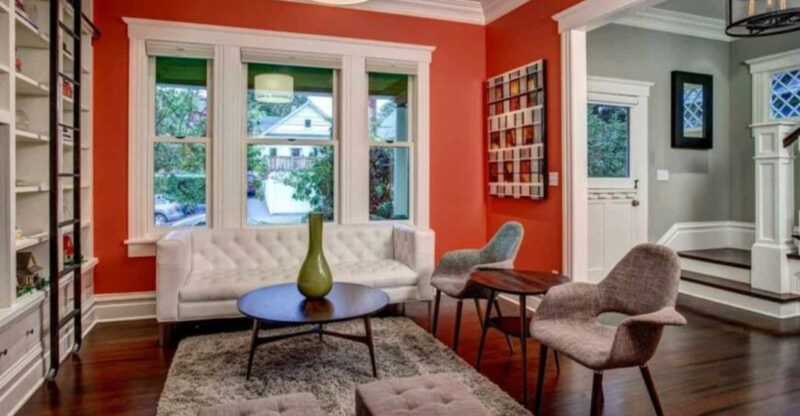
4. Bright Red
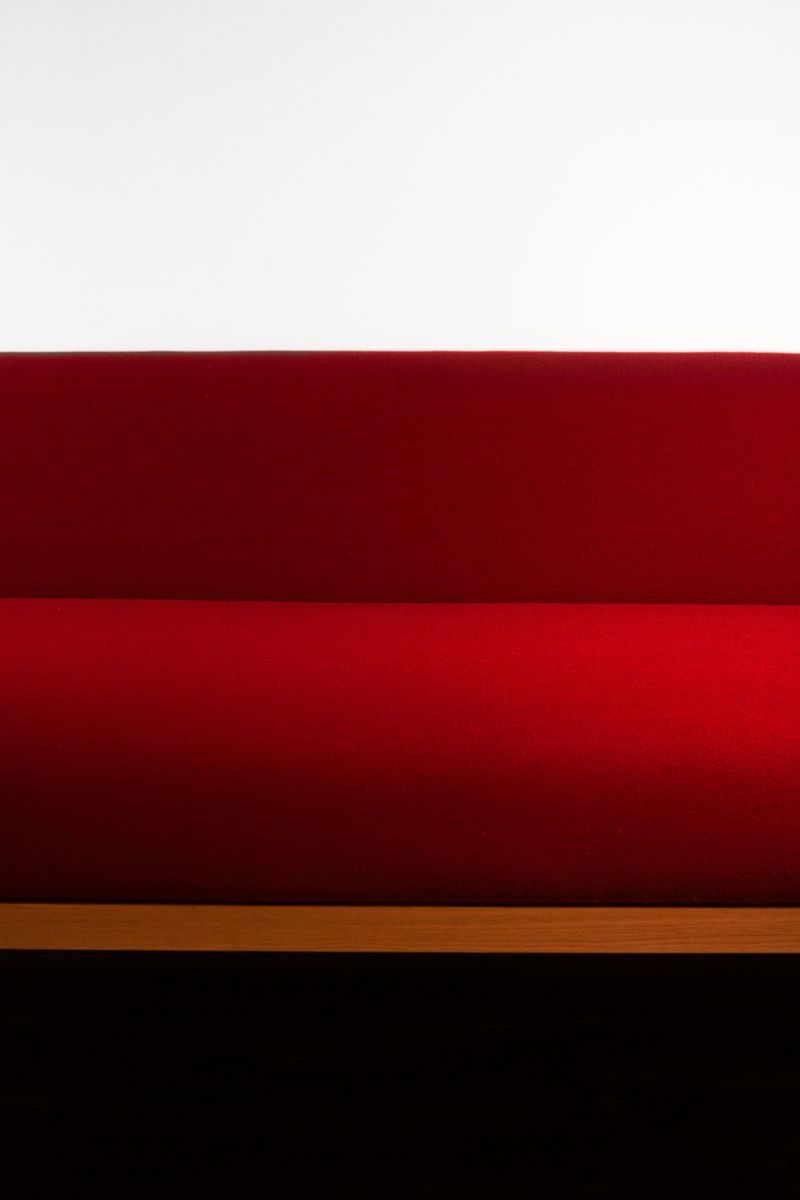
Vibrant red sofas made bold statements in Mississippi homes seeking drama and energy.
But their intensity often overwhelms rooms, clashing with other design elements and dominating the visual space.
Red demands attention in ways that can feel exhausting over time, making relaxation difficult in spaces meant for unwinding.
Homeowners in Gulfport and Southaven are replacing these pieces with softer terracottas or muted burgundies that offer warmth without the visual aggression.
Bright red works as an accent, perhaps in throw pillows, but as a sofa color it’s simply too much.
The goal is comfort, not constant stimulation.
5. Mustard Yellow
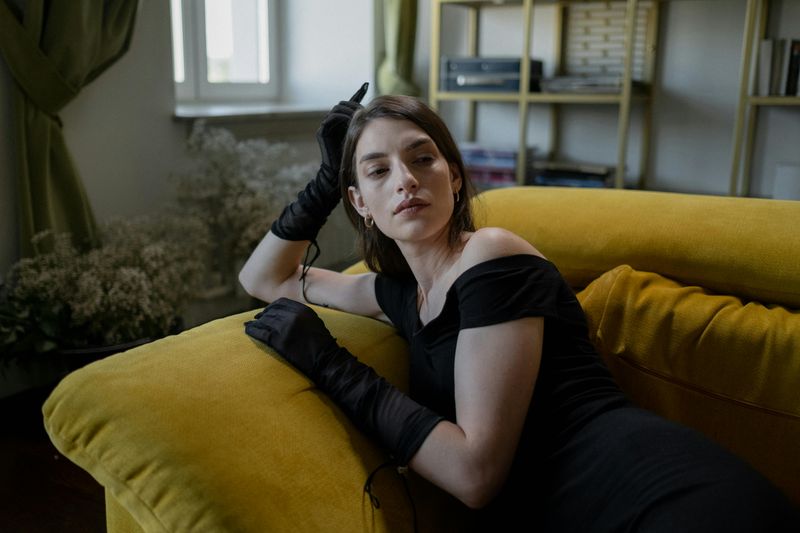
Mustard yellow sofas rode the wave of retro revival throughout Mississippi living rooms.
This specific shade now feels dated, tied too closely to a particular design era that’s already passing.
The color can appear muddy in certain lighting and doesn’t pair well with the earthy, natural tones gaining popularity.
Families in Columbus and Starkville are moving toward cleaner golds or soft buttery yellows that feel fresh and timeless.
Mustard yellow’s moment has come and gone, leaving behind a color that screams temporary trend rather than lasting style.
Better choices exist for those wanting warmth without the dated baggage.
6. Millennial Pink
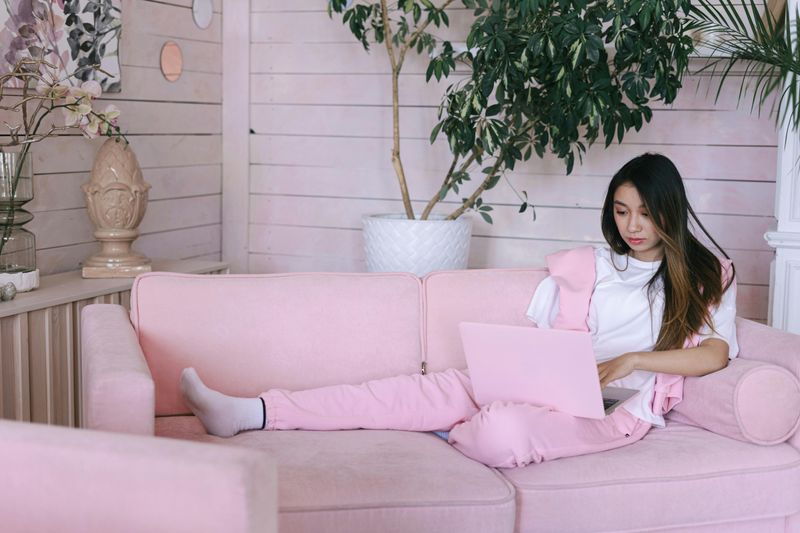
Millennial pink sofas brought a playful, youthful energy to Mississippi apartments and starter homes.
However, this trendy shade now feels juvenile and overly tied to social media aesthetics rather than genuine design preferences.
The color can clash with traditional Southern decor and often feels out of place in family homes.
Residents in Madison and Clinton are opting for dusty roses or blush tones that offer sophistication without the Instagram-driven trendiness.
Millennial pink had its moment, but that moment is firmly in the past.
Homeowners want colors that grow with them, not shades that announce a specific generation or era.
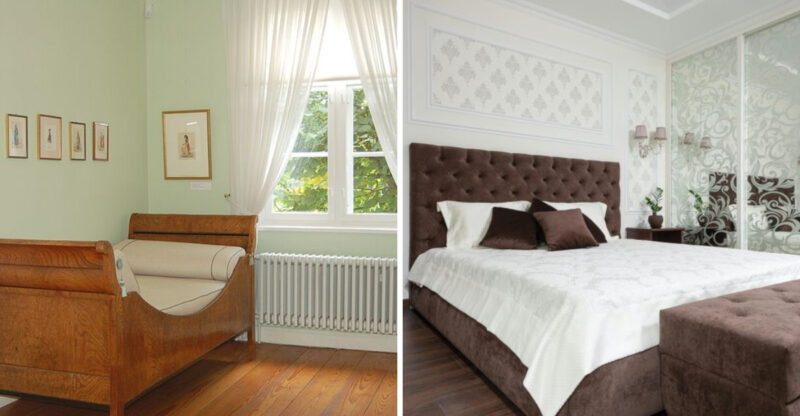
7. Chocolate Brown
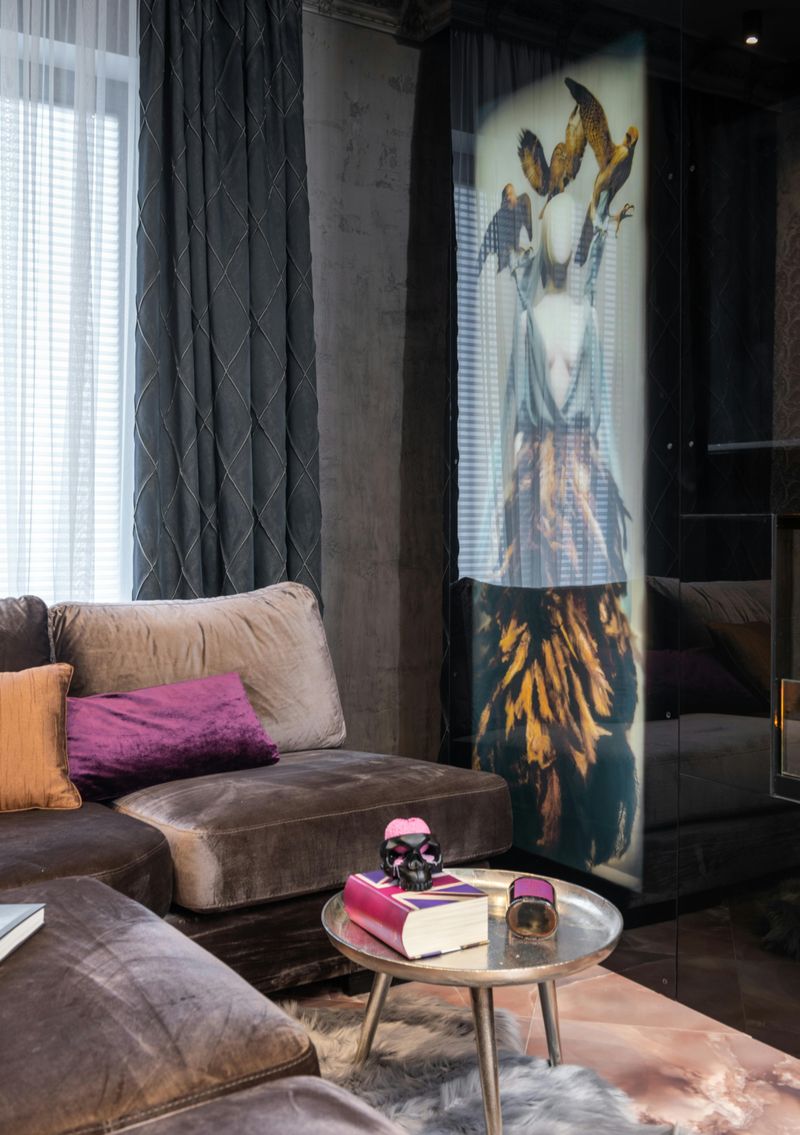
Chocolate brown sofas were once the go-to choice for Mississippi family rooms seeking durability and practicality.
Yet this heavy shade now makes spaces feel dark and dated, reminiscent of early 2000s design trends.
The color absorbs light and can create a cave-like atmosphere, especially in rooms with limited natural light.
Homeowners in Vicksburg and Greenville are choosing lighter taupes or warm beiges that maintain the earthy feel without the darkness.
Chocolate brown worked when paired with orange accents and heavy wood, but those combinations feel tired now.
Lighter alternatives provide the same warmth with a fresher, more open feel.
8. Lime Green
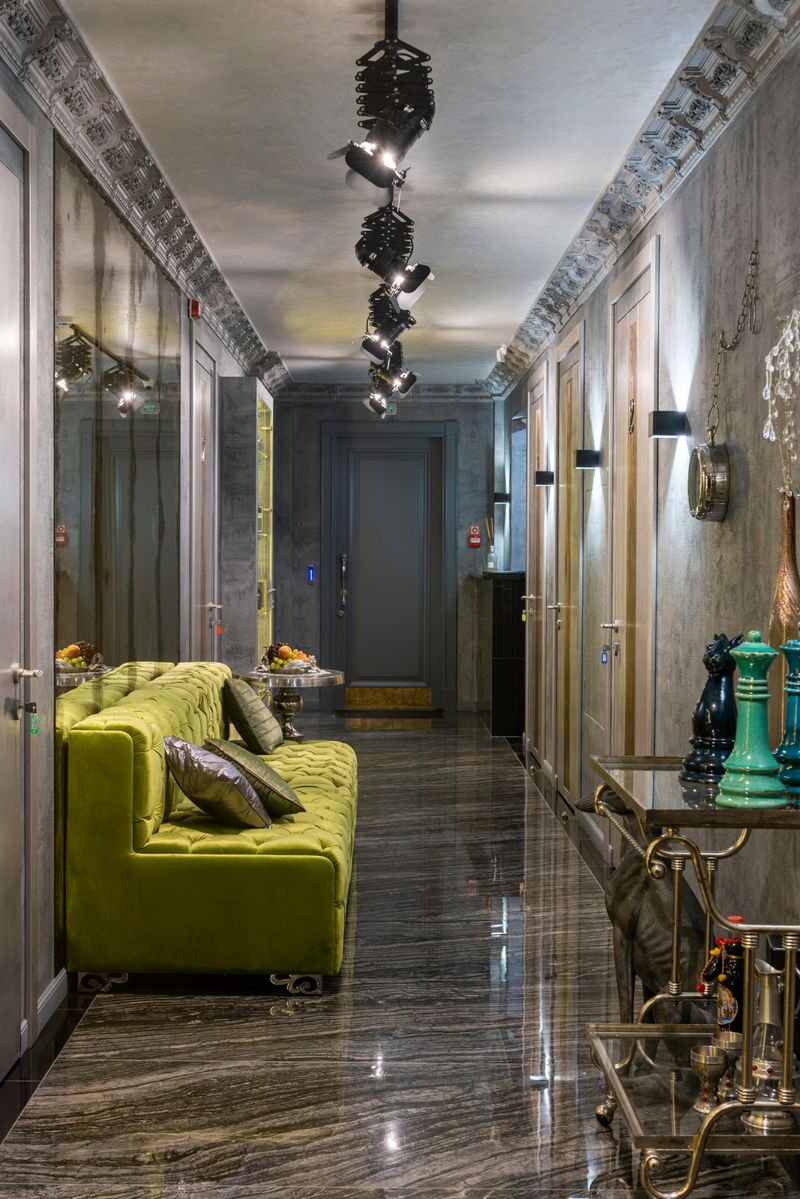
Lime green sofas represented bold, contemporary choices in Mississippi homes wanting to make a statement.
This electric shade now feels overwhelming and difficult to incorporate into cohesive design schemes.
The color demands constant attention and can quickly tire the eyes, making relaxation challenging in living spaces.
Families in Laurel and Brookhaven are replacing these pieces with sage greens or olive tones that offer natural, calming vibes.
Lime green works better in small doses, like artwork or accessories, rather than as a dominant furniture piece.
The trend toward nature-inspired colors leaves little room for such artificial, jarring hues.
9. Hot Pink
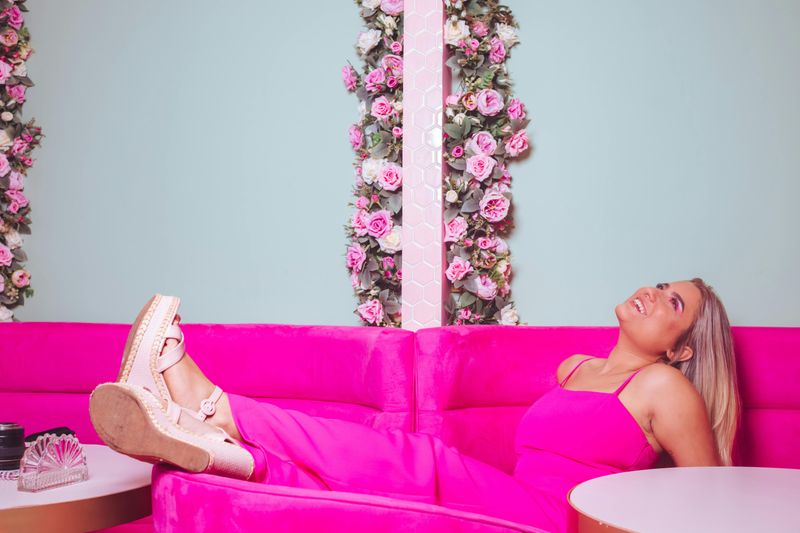
Hot pink sofas pushed boundaries in Mississippi homes embracing maximalist design and bold self-expression.
But this intense shade proves exhausting over time, creating visual fatigue rather than energizing spaces.
The color clashes with most traditional Southern decor and limits flexibility when redecorating or updating other elements.
Homeowners in Ridgeland and Brandon are choosing softer pinks or even coral tones that provide personality without the overwhelming intensity.
Hot pink might work in a fashion boutique, but living rooms need colors that support relaxation and conversation.
The shade’s boldness becomes its downfall when you’re living with it daily.
10. Tangerine Orange
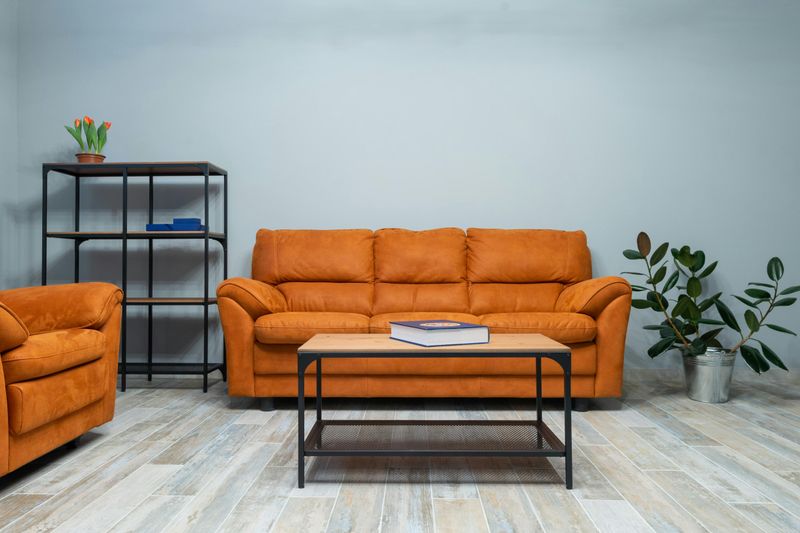
Tangerine orange sofas brought sunshine and energy into Mississippi homes seeking vibrant, happy spaces.
However, this particular shade now feels dated and overly specific to mid-2010s design trends.
The color can overwhelm rooms and makes coordinating with other furniture and decor extremely challenging.
Residents in Olive Branch and Horn Lake are moving toward burnt oranges or terracotta shades that offer warmth with more sophistication.
Tangerine demands to be the center of attention, which works against creating balanced, harmonious living spaces.
Better orange options exist that feel both timeless and easier to live with long-term.
11. Charcoal Gray
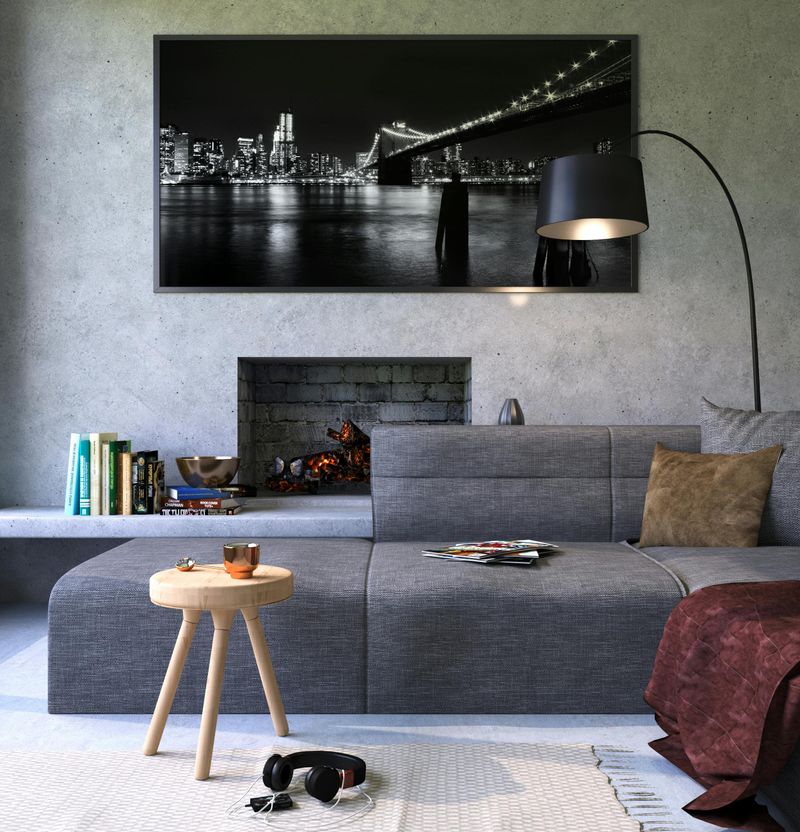
Charcoal gray sofas became popular in Mississippi homes embracing industrial and modern farmhouse styles.
This dark shade now feels heavy and can make rooms feel smaller and less inviting than intended.
The color lacks the warmth Mississippi homes traditionally embody, creating spaces that feel more urban loft than Southern comfort.
Families in Pearl and Flowood are choosing lighter grays with warmer undertones that maintain sophistication without the weight.
Charcoal works in certain commercial spaces, but homes need colors that welcome rather than impose.
The shift reflects a desire for lightness and airiness in everyday living spaces.
12. Turquoise
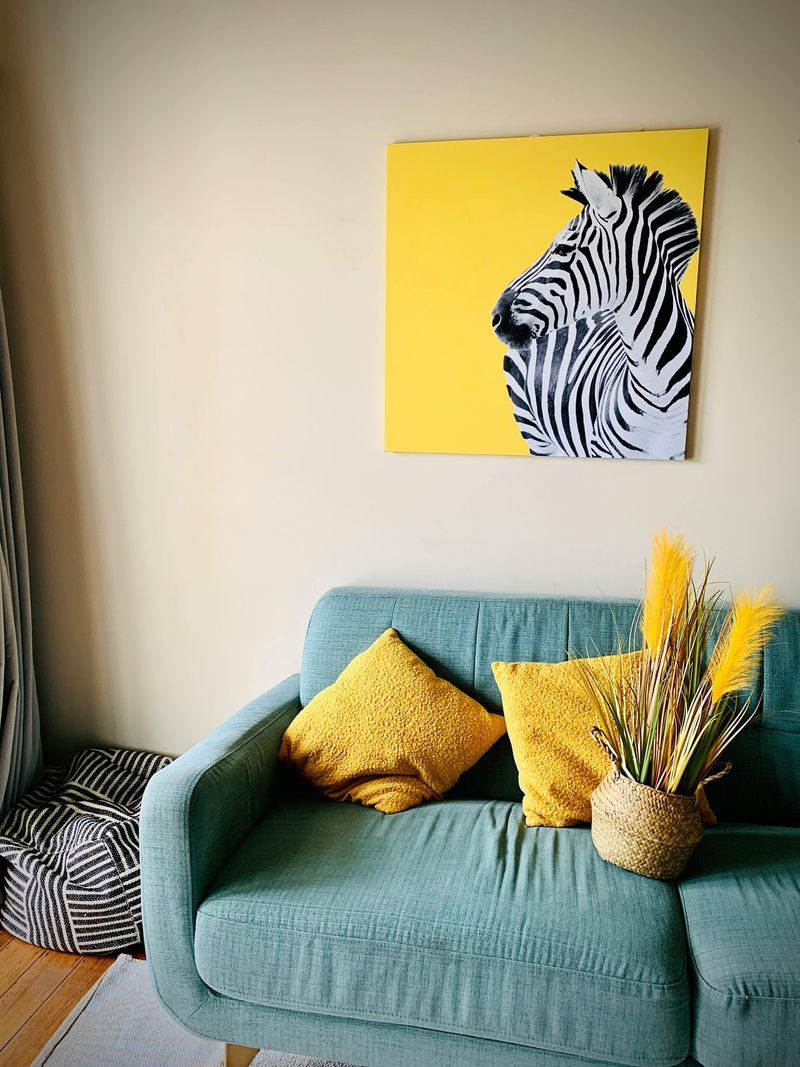
Turquoise sofas captured the coastal spirit in Mississippi Gulf Coast homes and beach-themed interiors.
Yet this specific shade now feels too theme-oriented, limiting design flexibility and feeling dated.
The color can appear juvenile or overly vacation-like rather than suitable for everyday living.
Homeowners in Ocean Springs and Pass Christian are opting for softer aquas or muted teals that suggest coastal living without screaming beach house.
Turquoise works beautifully as an accent, but covering an entire sofa in this shade creates a one-note design that grows tiresome.
Subtlety serves coastal aesthetics better than bold declarations.
13. Burgundy
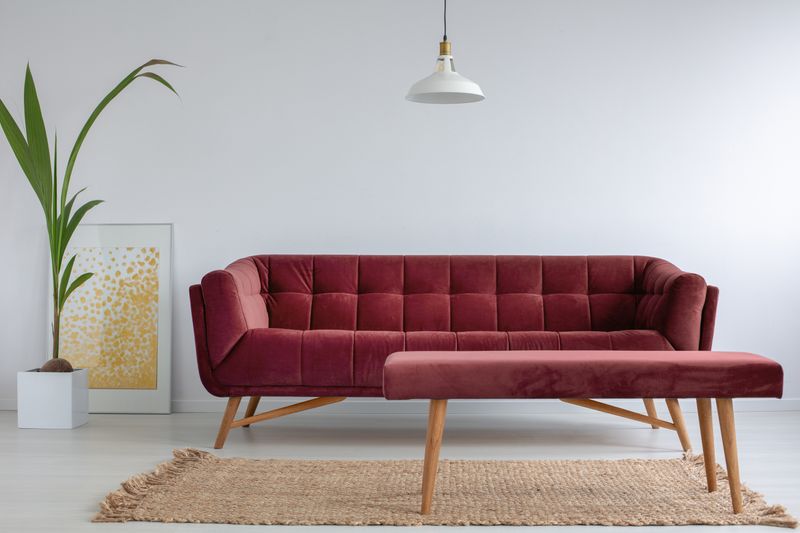
Burgundy sofas represented classic elegance in Mississippi homes honoring traditional Southern design.
This rich shade now feels heavy and overly formal, reminiscent of outdated parlor rooms rather than comfortable living spaces.
The color absorbs light and can make rooms feel closed-in and stuffy, working against modern preferences for bright, airy interiors.
Residents in Natchez and Yazoo City are choosing lighter berry tones or dusty mauves that maintain sophistication without the weight.
Burgundy belongs to a different era of Southern design, one that prioritized formality over the relaxed comfort today’s families prefer.
Lighter alternatives offer elegance without the oppressive darkness.
14. Neon Yellow
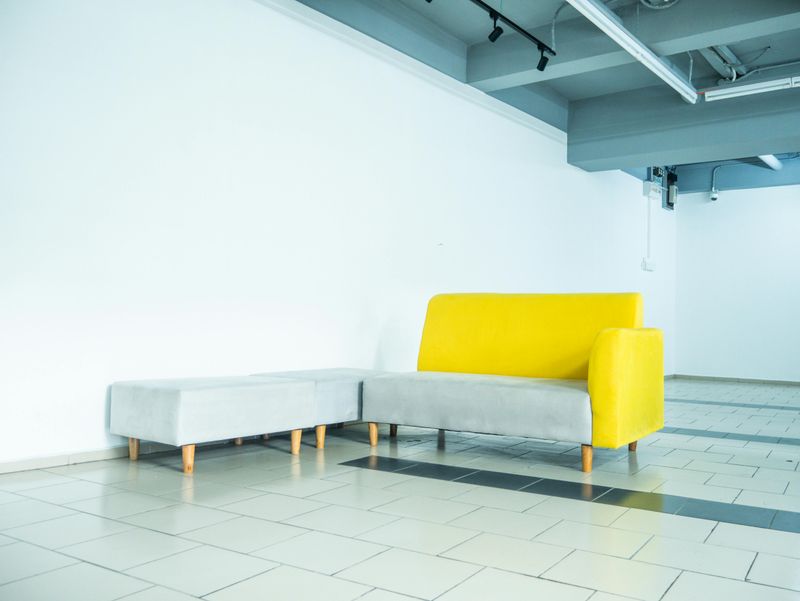
Neon yellow sofas made daring statements in Mississippi homes embracing cutting-edge, contemporary design.
But this electric shade proves too intense for daily living, creating visual stress rather than comfort.
The color clashes with nearly everything and limits decorating options, boxing homeowners into very specific design schemes.
Families in Tupelo and Corinth are replacing these pieces with softer yellows or creamy golds that brighten spaces without the jarring intensity.
Neon yellow might grab attention, but living rooms need colors that support relaxation and conversation, not constant stimulation.
The shade’s boldness becomes a design liability rather than an asset over time.
15. Forest Green
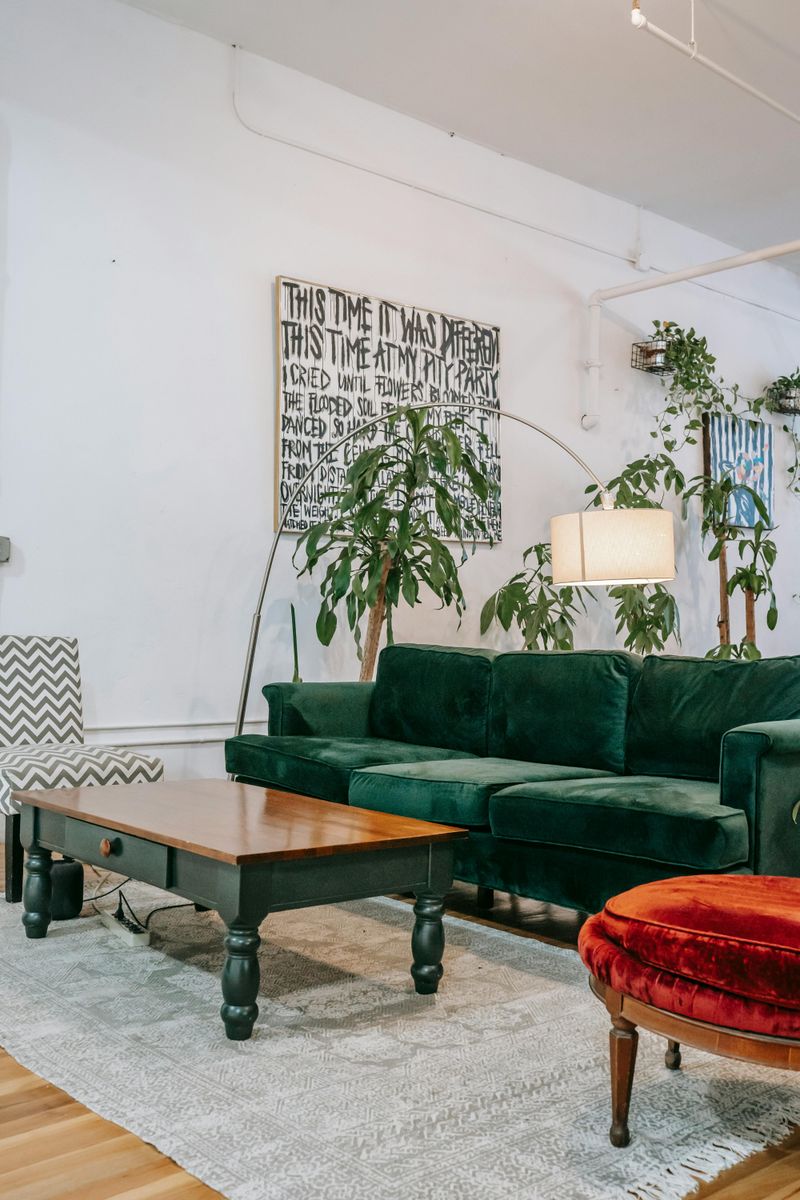
Forest green sofas brought natural elegance into Mississippi homes seeking earthy, grounded color palettes.
However, this deep shade now feels too dark and heavy, especially in smaller living rooms common throughout the state.
It can make spaces feel closed-in and dated, reminiscent of 1990s design trends that haven’t aged well.
Homeowners in Canton and Senatobia are choosing lighter sage greens or olive tones that maintain the natural connection without the darkness.
Forest green works better as an accent wall color than as upholstery for large furniture pieces.
Lighter greens provide the same earthy feel with a fresher, more contemporary appeal.
16. Purple Plum
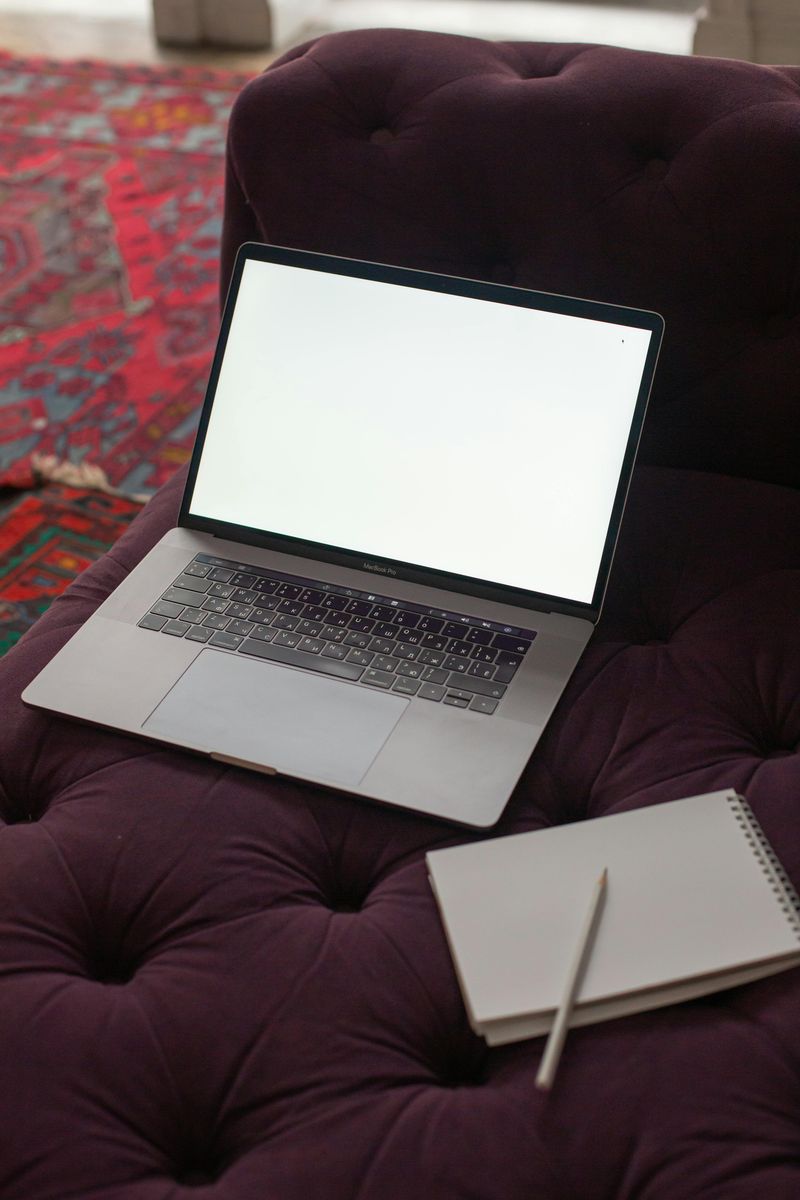
Purple plum sofas offered rich, luxurious color in Mississippi homes seeking dramatic, sophisticated statements.
Yet this intense shade now feels overwhelming and difficult to incorporate into flexible, evolving design schemes.
The color can appear dated and limits options when updating other room elements or seasonal decor.
Residents in Hernando and Clarksdale are moving toward softer lavenders or dusty purples that provide personality without the heavy drama.
Purple plum demands to dominate a room, which works against creating balanced, harmonious living spaces.
Lighter purple options offer sophistication without boxing homeowners into rigid design constraints.
17. Bright Teal
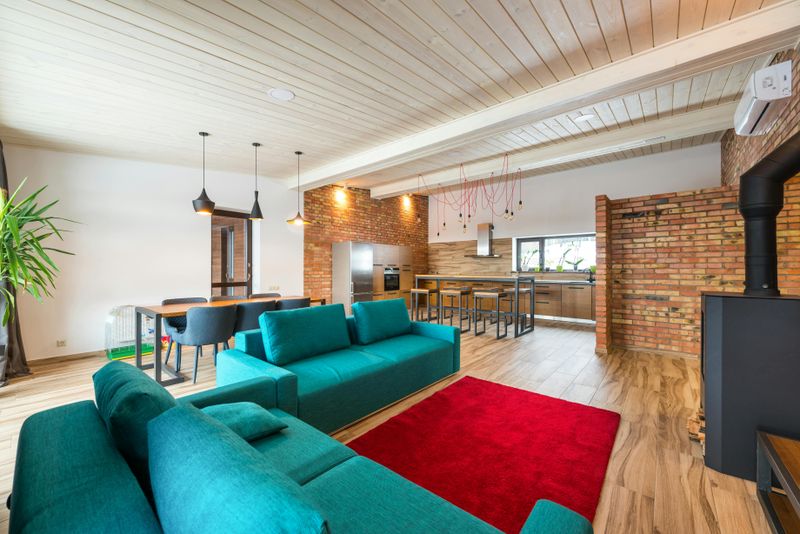
Bright teal sofas brought vibrant energy into Mississippi homes blending coastal and contemporary styles.
This bold shade now feels too trendy and specific to a particular design moment that’s already passing.
This color can overwhelm spaces and clashes with the warmer, earthier tones gaining popularity across the state.
Families in Gautier and Long Beach are choosing muted teals or soft blue-greens that suggest coastal living without the aggressive brightness.
Bright teal works as an accent pillow or throw, but covering an entire sofa creates visual fatigue.
Subtler shades provide the same refreshing feel with greater longevity and flexibility.
18. Beige With Yellow Undertones
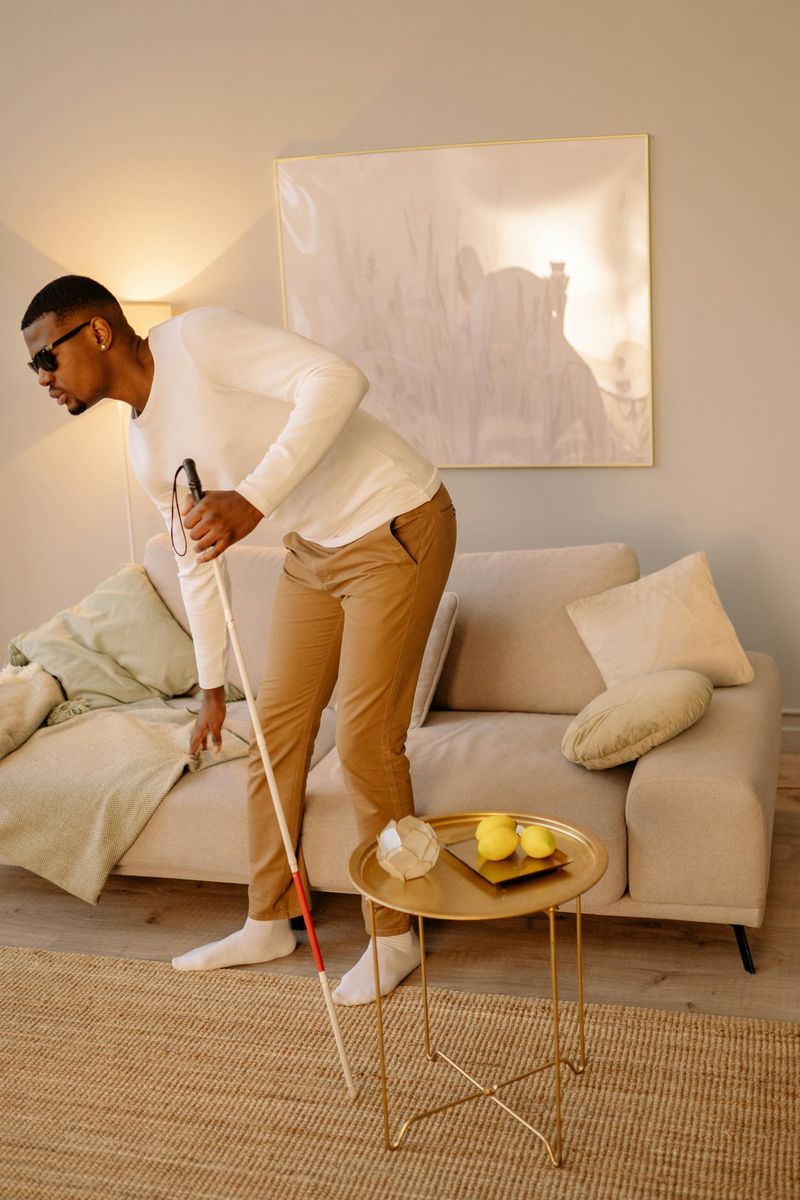
Beige sofas with yellow undertones were once safe, neutral choices throughout Mississippi homes.
However, this particular shade now appears dingy and dated, lacking the warmth of newer neutral options.
The yellow cast can make rooms feel sallow and tired, especially under certain lighting conditions common in Southern homes.
Homeowners in Petal and Picayune are choosing grays with warm undertones or true beiges without the yellow tint.
The old beige feels like a relic of builder-grade design, lacking personality and sophistication.
Modern neutrals offer warmth and versatility without the dated, yellowish cast that ages poorly.
19. Electric Blue
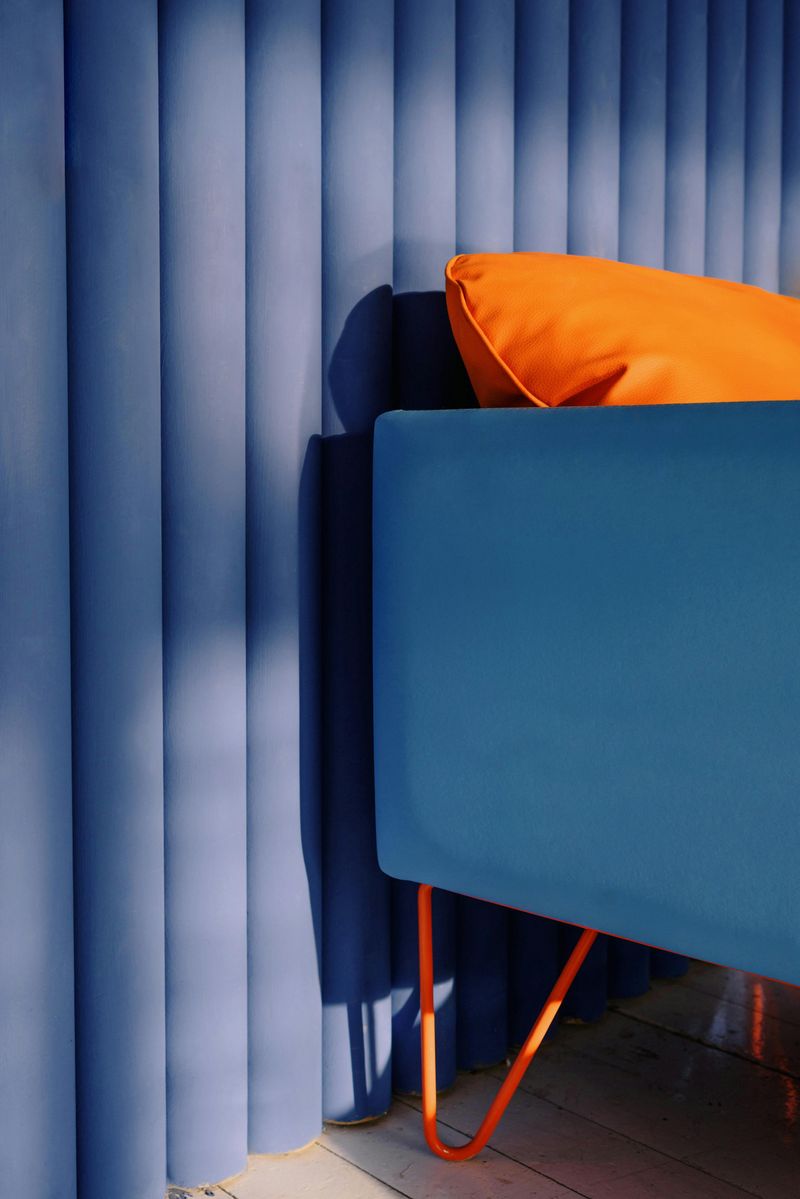
Electric blue sofas made striking statements in Mississippi homes wanting bold, memorable living spaces.
Yet this intense shade proves too stimulating for rooms meant for relaxation and family time.
The color demands constant attention and can create visual fatigue, making it difficult to unwind after long days.
Residents in Southaven and Olive Branch are replacing these pieces with softer blues or blue-grays that provide color without the intensity.
Electric blue might energize an office space, but living rooms need colors that support calm and comfort.
The shade’s boldness works against the fundamental purpose of home gathering spaces.