Moose Wander Through The Willows At This Idaho Refuge All Winter Long
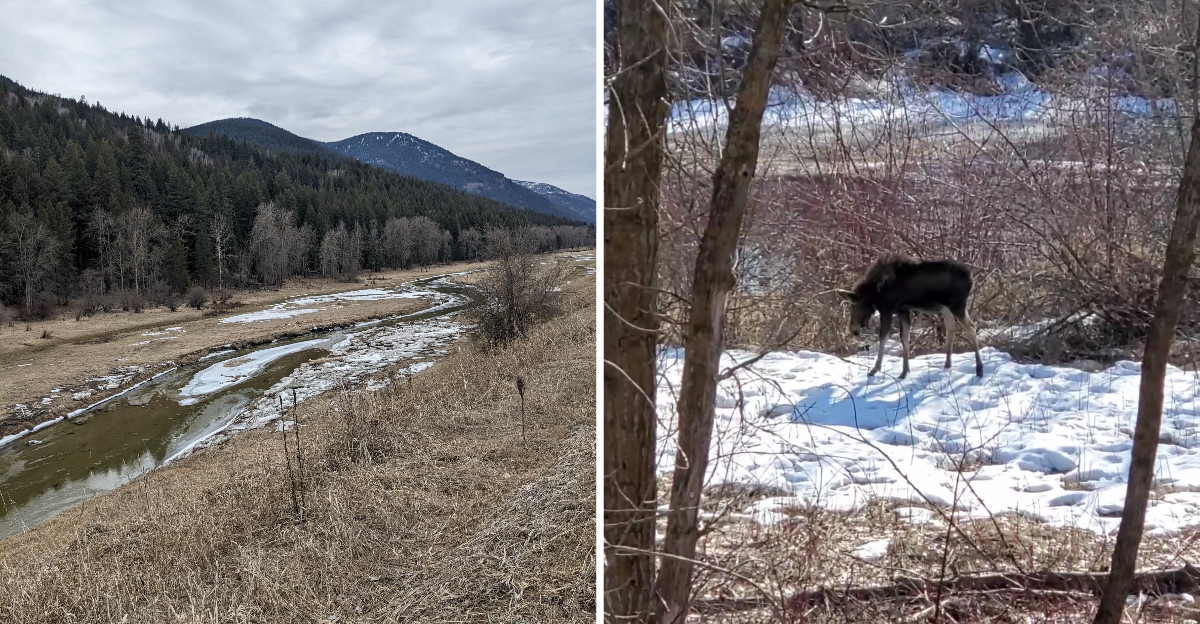
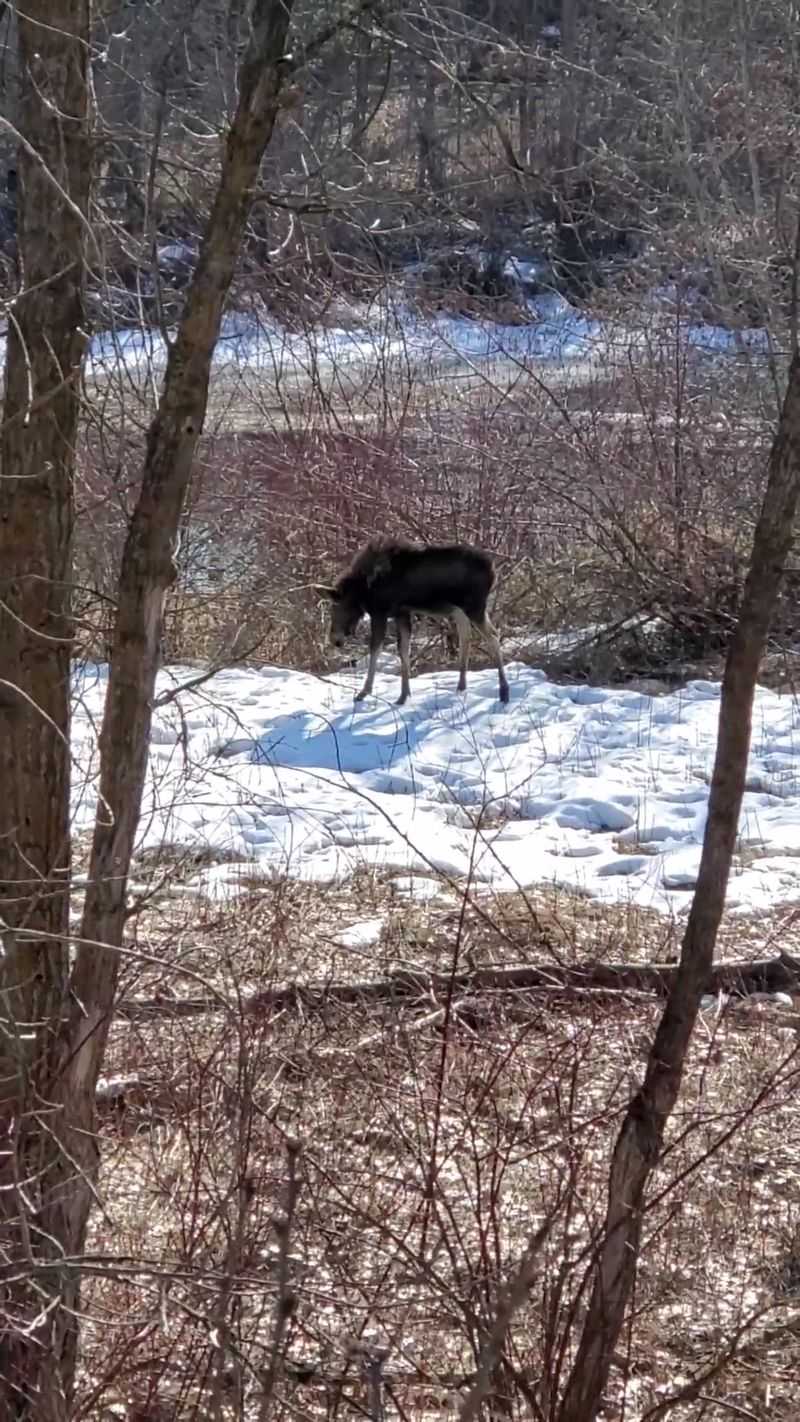
Moose wade into shallow ponds to feed here, even when snow blankets everything around them.
They browse willows and cottonwoods along the creeks while most of the valley sits quiet.
The same ground shelters more than 300 vertebrate species.
Bald eagles live here year-round, and thousands of ducks drop in from the north as the cold settles over Idaho.
I like how the whole place works as a safe harbor rather than a show. Nobody puts on a performance.
The animals simply go about their winter business, and you get to watch from the edges.
There’s even a waterfall in the woods and a quiet road that turns into a ski path once the cars disappear.
I can’t imagine a calmer way to spend a cold afternoon. So where exactly do these moose spend their winter?
A Panhandle Valley Where Moose Spend The Cold Months
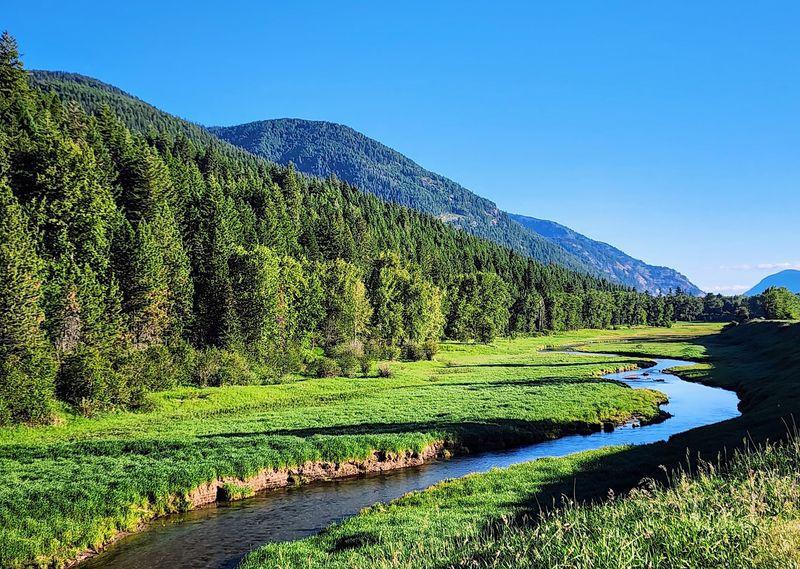
Five miles west of Bonners Ferry, the Kootenai National Wildlife Refuge spreads across the valley floor in Idaho’s far northern Panhandle. Wetlands, meadows, and forests climb from the Kootenai River toward the Selkirk Mountain foothills.
Moose are a common sight here, especially around the ponds. They wade into shallow water to feed, which makes them easier to spot than you might expect.
Winter is when the refuge really earns its reputation. The willows and cottonwoods along the riparian areas offer food and cover through the coldest stretch of the year.
Picture a big, dark shape moving slowly against fresh snow. That shape weighs more than your car’s engine, so give it plenty of space.
The refuge is managed by the U.S. Fish and Wildlife Service.
More than 300 vertebrate species have been recorded on its grounds, including 45 kinds of mammals.
Moose may headline the winter lineup, but they are far from the only residents. Eagles, ducks, deer, and elk all share this patch of the Panhandle.
Bring binoculars and a patient attitude. The willows reward people who scan slowly and expect nothing in particular.
How A Bird Sanctuary Became A Winter Home For Big Mammals
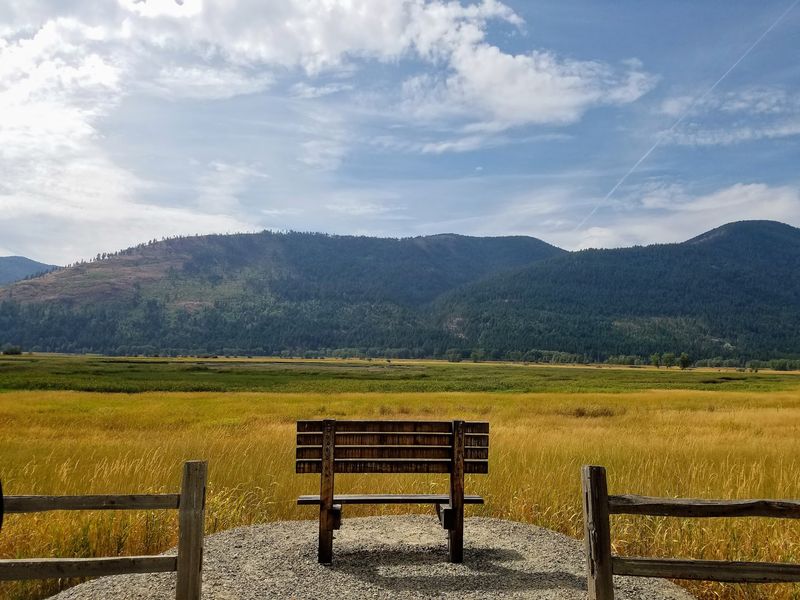
June 24, 1964, is the date that set everything in motion. That’s when the refuge was established, after the Migratory Bird Conservation Commission approved buying land for waterfowl.
The original goal was simple. Give migrating birds a safe place to rest, feed, and breed along their long journeys.
The first purchase protected 2,774 acres of valley habitat. That might sound modest, but it captured a rich mix of water, field, and forest.
Managers still farm some fields on purpose. The grain crops feed birds that spend the winter here, which is a pretty generous hospitality plan.
Moose were never the original reason for the refuge. Still, the same wetlands and creekside trees that serve ducks also feed large browsing animals.
So the mammals quietly became winter regulars. Good habitat tends to attract more guests than the invitation list suggests.
I believe that’s the best part of the story. A plan built for birds ended up protecting an entire valley’s worth of Idaho wildlife.
Every pond and cottonwood grove you see today traces back to that early decision. Conservation choices from decades ago are still paying off each winter.
Cascade Pond Is Worth Every Slow Step
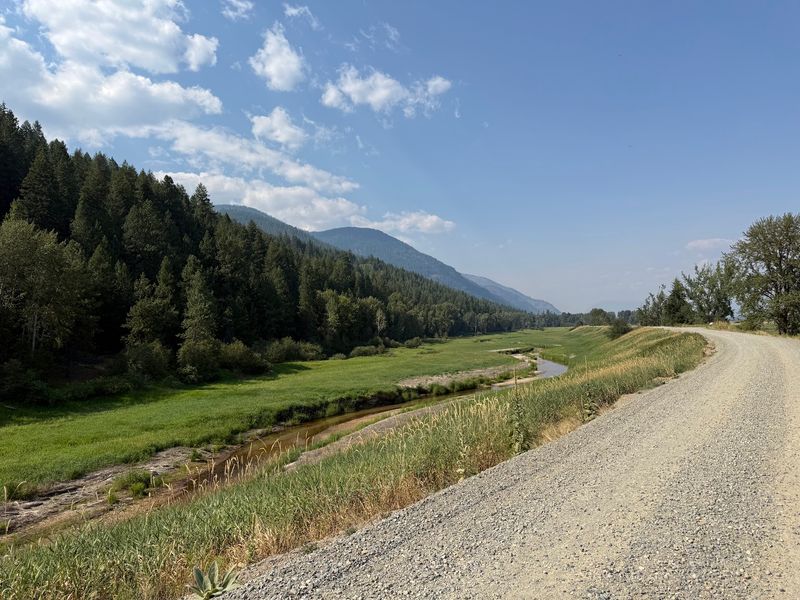
Roughly 1.8 miles along the Auto Tour Route sits Cascade Pond. It’s a well-known spot for watching moose wade and feed.
The full route runs 4.5 miles in one direction. It winds past wetlands, cottonwood groves, and open meadows, with the Selkirk Mountains filling the skyline.
Here’s the winter twist. The route closes to vehicles during winter and whenever road conditions turn unsafe.
That closure opens a different door. Cross-country skiers and snowshoers can glide along the quiet road instead of driving it.
Moving under your own power changes the pace completely. You notice tracks, hear birds, and stop wherever a shape in the brush catches your eye.
The route also follows Myrtle Creek for part of its length. Water, willows, and open sky make for strong wildlife photography, even without a car window to lean on.
Cascade Pond makes a natural goal for a winter outing. Ski or snowshoe out, scan the edges carefully, and enjoy the stillness while you wait.
Some days the pond is empty. Other days a moose is knee-deep in it, completely unbothered by your excitement.
Bald Eagles Stick Around When Everyone Else Heads South
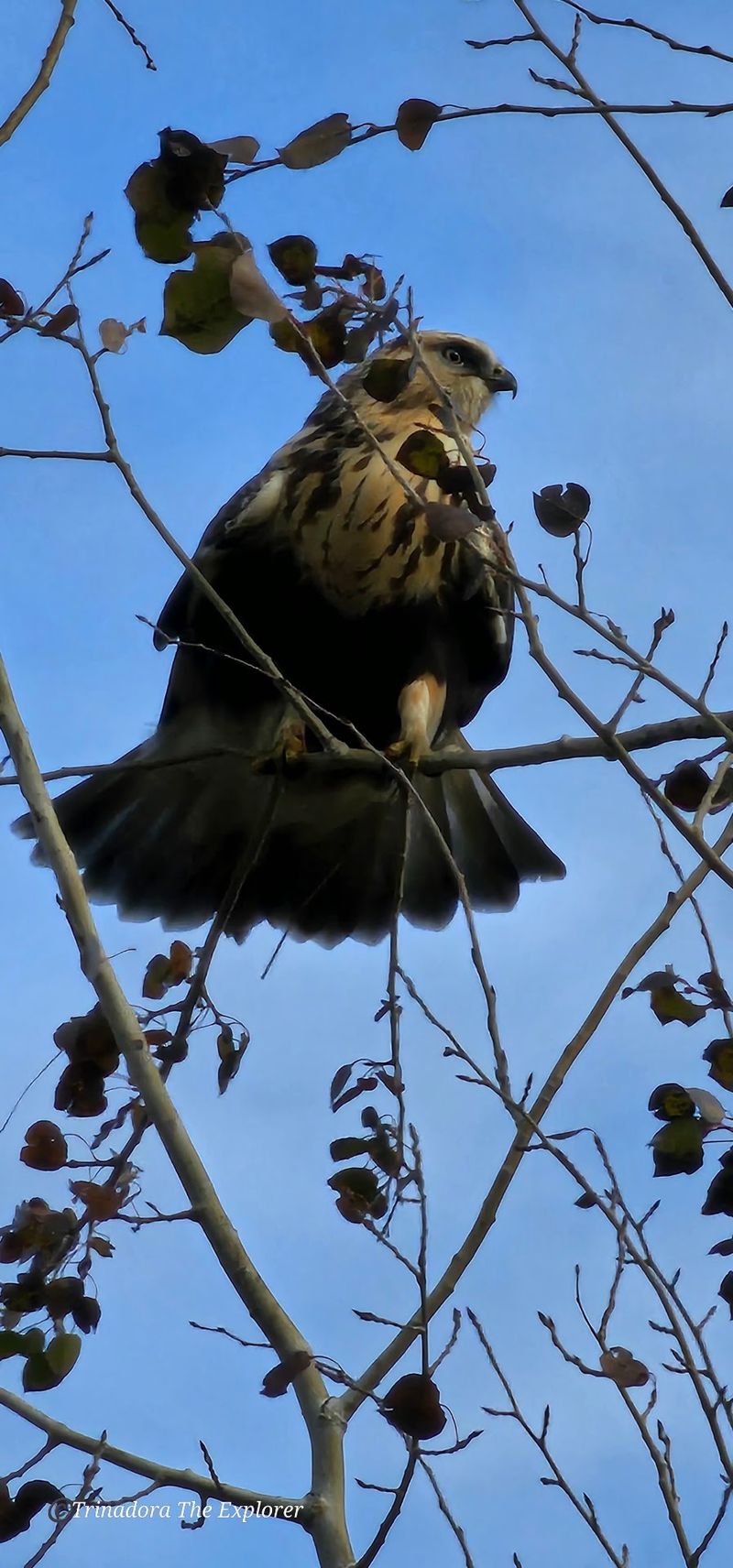
Bald eagles don’t take winter vacations here. They live at the refuge all year and often gather near flocks of ducks.
The refuge sits along the Pacific Flyway, one of North America’s major migration routes. Spring and fall bring the biggest crowds of birds.
Winter still delivers plenty of action. Thousands of ducks drop in from the north when the cold arrives.
Watch the open-water ponds and seasonal marshes closely. Canada geese, mallards, pintails, and teal are common sights there.
More than 220 bird species have been recorded across the refuge. Wetlands, grain fields, and riverside forests give each group its own preferred corner.
Ospreys, hawks, and other raptors also patrol the valley. Trumpeter swans and cranes show up on the refuge’s bird list too.
Spotting scopes near the restrooms help with distant views across the open areas. Your own binoculars are still a smart thing to pack.
Birding here feels a little like a treasure hunt. The eagle might be on a snag right above you, or it might be a white dot across the marsh.
Otters, Elk, And A Few Furry Surprises
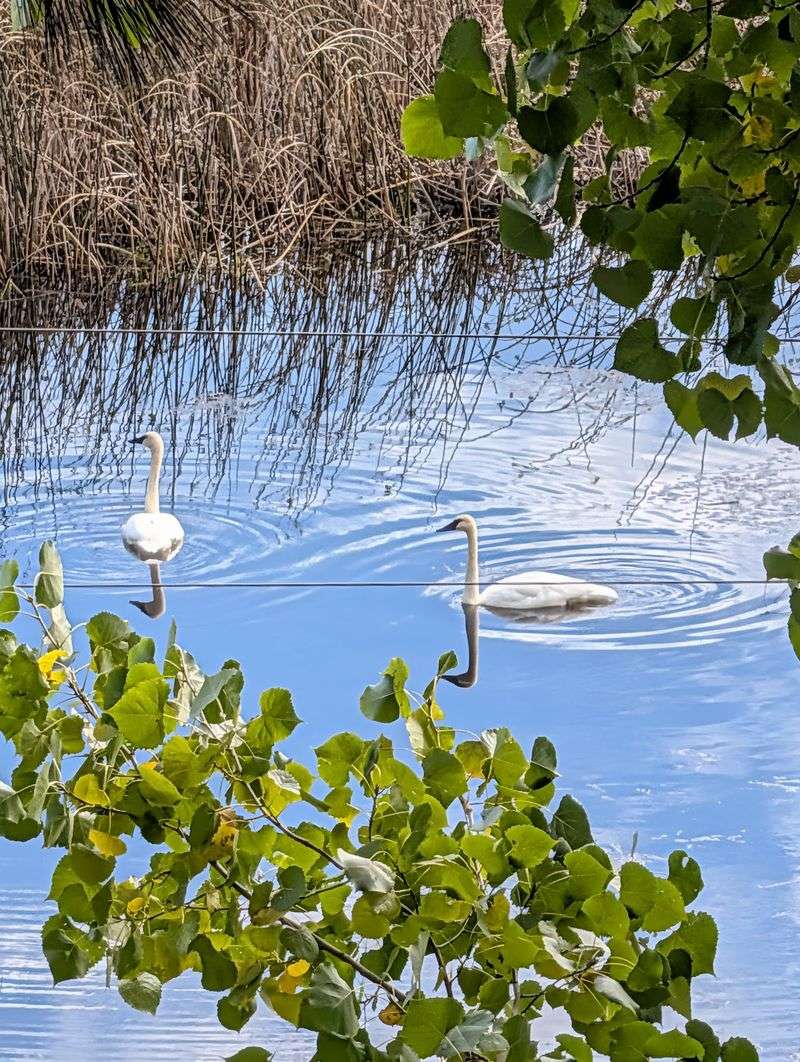
Forty-five mammal species call this valley home at some point. That’s a lot of possible surprises for one winter walk.
White-tailed deer often move through the meadows. Elk tend to stick closer to the forest edges.
River otters and beavers live in the ponds and creeks. A sharp eye might catch one from the Auto Tour Route.
Turtles show up in warmer months as well. Winter, of course, sends them into a much quieter routine.
Black bears live here, and grizzly bears pass through occasionally. That’s a real part of life in the Idaho Panhandle.
Carry bear spray and stay alert while hiking. It’s a simple step that keeps everyone, furry or not, a little more comfortable.
The variety comes from the layout. Wetlands, meadows, and forest climb toward the Selkirk foothills, giving each animal its own neighborhood.
No two visits look alike. One afternoon might bring a beaver lodge, while the next brings a herd of deer crossing the snow.
That unpredictability keeps people coming back. You never know which neighbor will be home.
A Short Climb Leads To Myrtle Falls
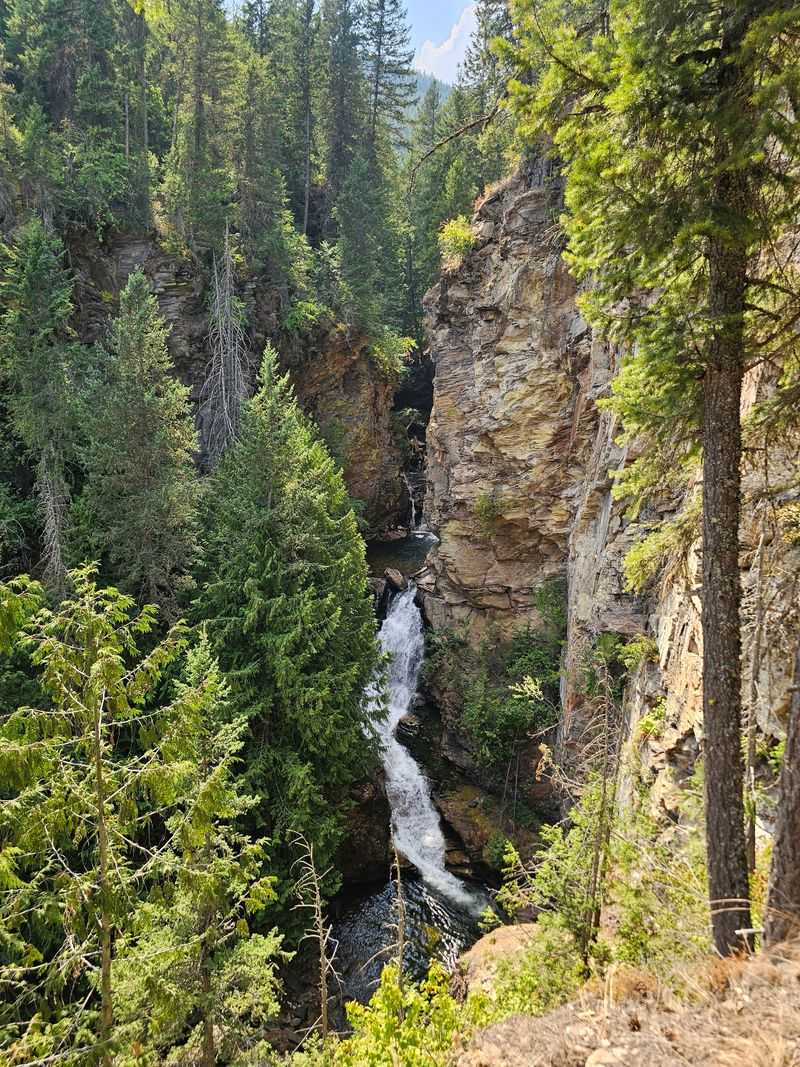
Myrtle Creek is described as spectacular in the winter. The trail to see it is short enough to fit into almost any visit.
The hike to the Myrtle Falls Overlook covers about 0.9 mile. It’s mostly smooth, with a few steeper uphill pushes through the woods.
Families tackle it often. Expect a modest workout rather than an all-day expedition.
Trees partly frame the falls, so the view feels a bit tucked behind branches. That just makes the payoff feel earned.
The waterfall is easily the refuge’s most talked-about feature. It gives moose a run for their money in the popularity department.
Construction has affected access to the falls in recent seasons. The refuge said access would return once road work wrapped up, so check before driving.
In winter, wear boots with real grip. Snowy slopes can get slick, even on a short trail.
Pair the falls with a stop at the ponds afterward. You get rushing water and quiet wildlife in one afternoon.
Easy Trails For Little Legs And Slow Mornings
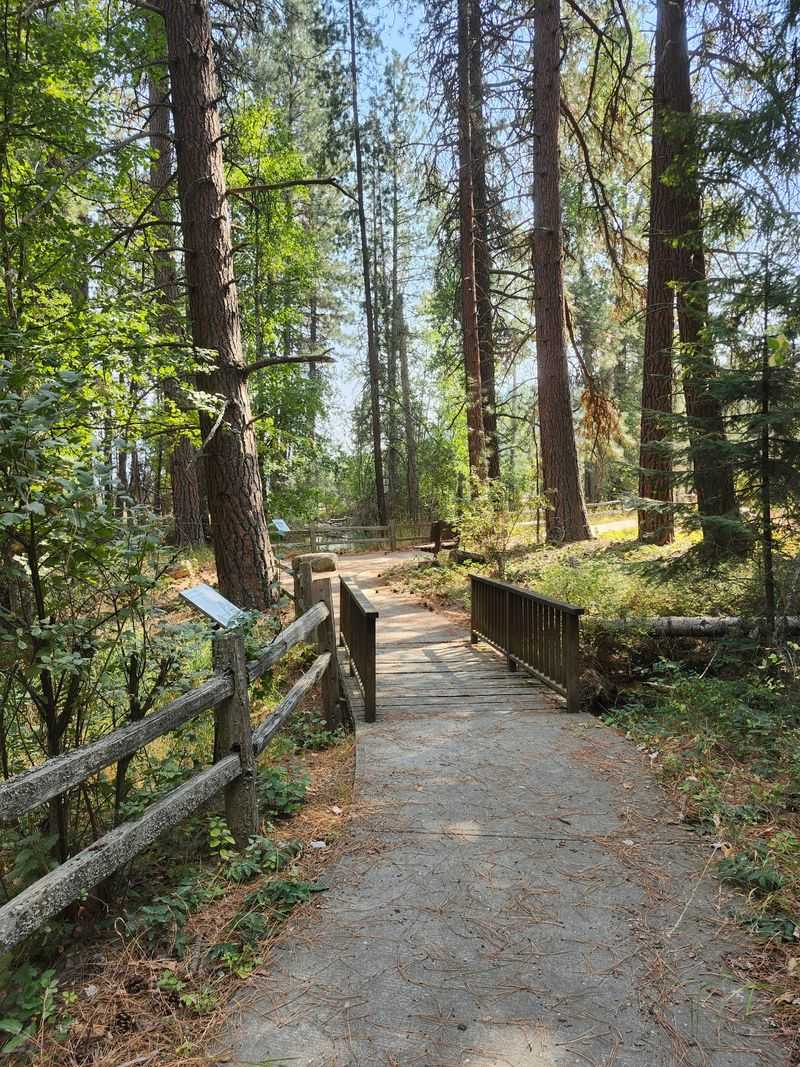
Not every outing needs a summit. The Chickadee Trail near headquarters is a short, paved loop for quick strolls.
It works well for younger kids, grandparents, or anyone easing into the cold. Accessible paths mean more people get a shot at seeing wildlife.
Several refuge trails stay open year-round. That gives winter visitors options beyond the closed Auto Tour Route.
Quiet walking pays off here. Deer, elk, and raptors are easier to spot when you aren’t crunching loudly through the snow.
Picnic tables near headquarters make a handy lunch stop. Public restrooms sit close by too, which matters a lot to small children.
A fun trick for kids is turning the walk into a spotting game. Ducks, eagles, and deer tracks can all count as points.
Dress in layers before you head out. Northern Idaho winters can feel colder in the open marsh than they do in town.
Short trails also leave room for more stops. Walk a loop, warm up in the car, then try the ponds again.
Getting There Without Getting Lost
You’ll find the headquarters at 287 West Side Rd, Bonners Ferry, ID 83805. It’s an easy drive from town once you know the turns.
From Highway 95 in Bonners Ferry, head west on Riverside Road for about six miles. The road follows the dike along the Kootenai River.
After crossing Deep Creek, watch for the welcome sign. Keep going about two more miles, then bear right onto West Side Road.
Headquarters sits a quarter mile ahead on the right. Restrooms and a picnic area are close by.
Visiting the refuge is free, with no entrance fee. That makes it an easy pick for a budget-friendly Idaho day trip.
The headquarters office keeps daytime hours, while the grounds open from dawn to dusk. Times can shift, so check before driving.
Road work on Riverside Road has affected access recently. Winter weather can also close sections without much warning.
Calling ahead saves a wasted trip. A quick check on road and trail conditions makes the drive worth it.
Bundle Up For The Quietest Show In North Idaho
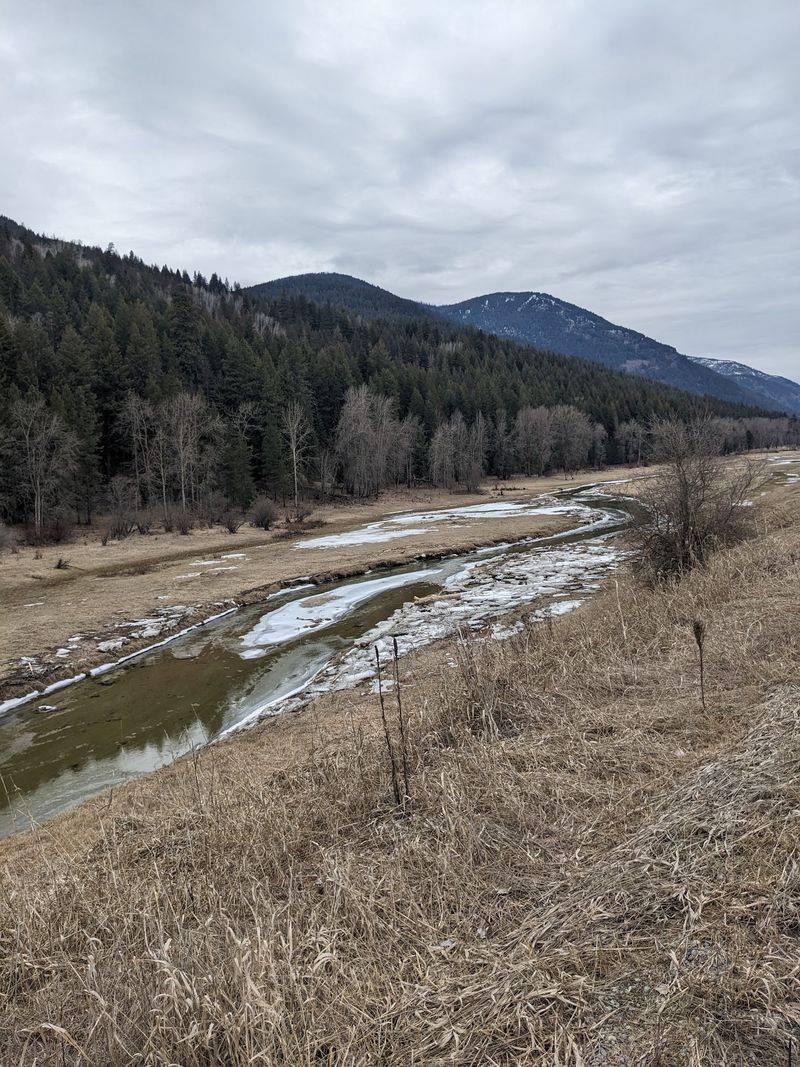
Snow does something wonderful to sound. Out here it softens the whole valley until a duck call feels loud.
Fewer people visit in winter. That leaves plenty of room to ski, snowshoe, or simply walk at your own speed.
The Kootenai National Wildlife Refuge suits patient people. Photographers, birders, and families who enjoy a slow hunt for antlers will feel right at home.
It probably won’t suit anyone who wants guaranteed sightings. Wild animals keep their own schedules, and moose don’t answer texts.
That uncertainty is half the fun. Each trip becomes a fresh chance at an eagle, an otter, or a moose standing calmly in the willows.
Pack warm layers, binoculars, and bear spray. Then add a thermos of hot cocoa for good measure.
I think this refuge belongs on every Idaho winter list. It’s free, close to Bonners Ferry, and full of quiet moments.
Go when the snow is fresh and the air feels sharp. The willows might just be hiding a very large neighbor waiting for you to notice.