Pilgrims Have Climbed This Idaho Hill To A 1920s Monastery Bakery For Decades
Breakfast at one Idaho guesthouse comes with bread and jam made by Benedictine sisters.
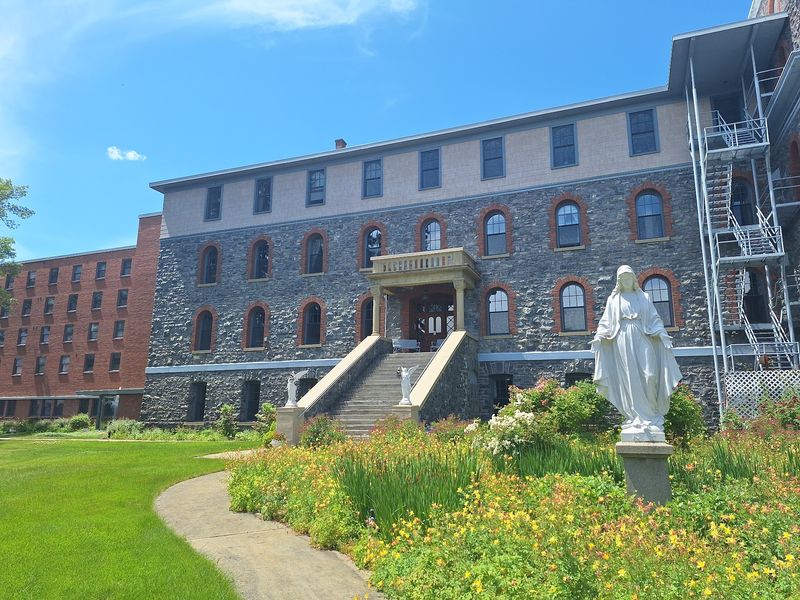
The kitchen sits inside a stone building finished in the 1920s, built from rock found in the nearby hills.
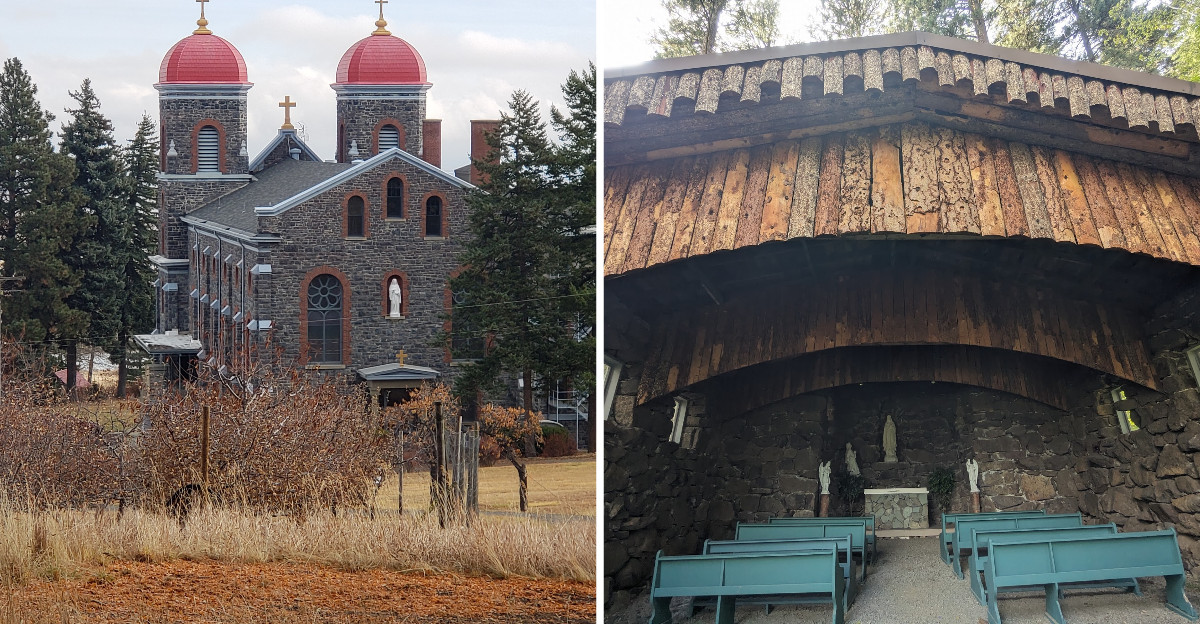
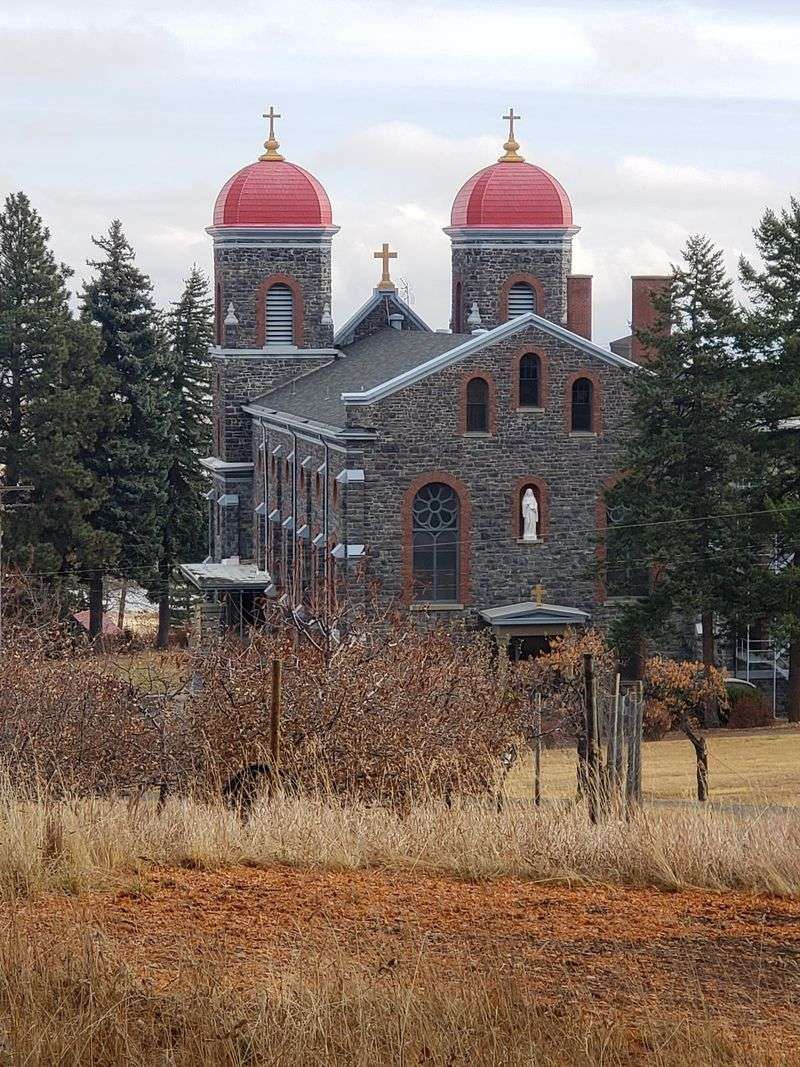
The chapel walls are two feet thick. Its twin towers rise 97 feet over a wide farm prairie, which feels a little unreal out here.
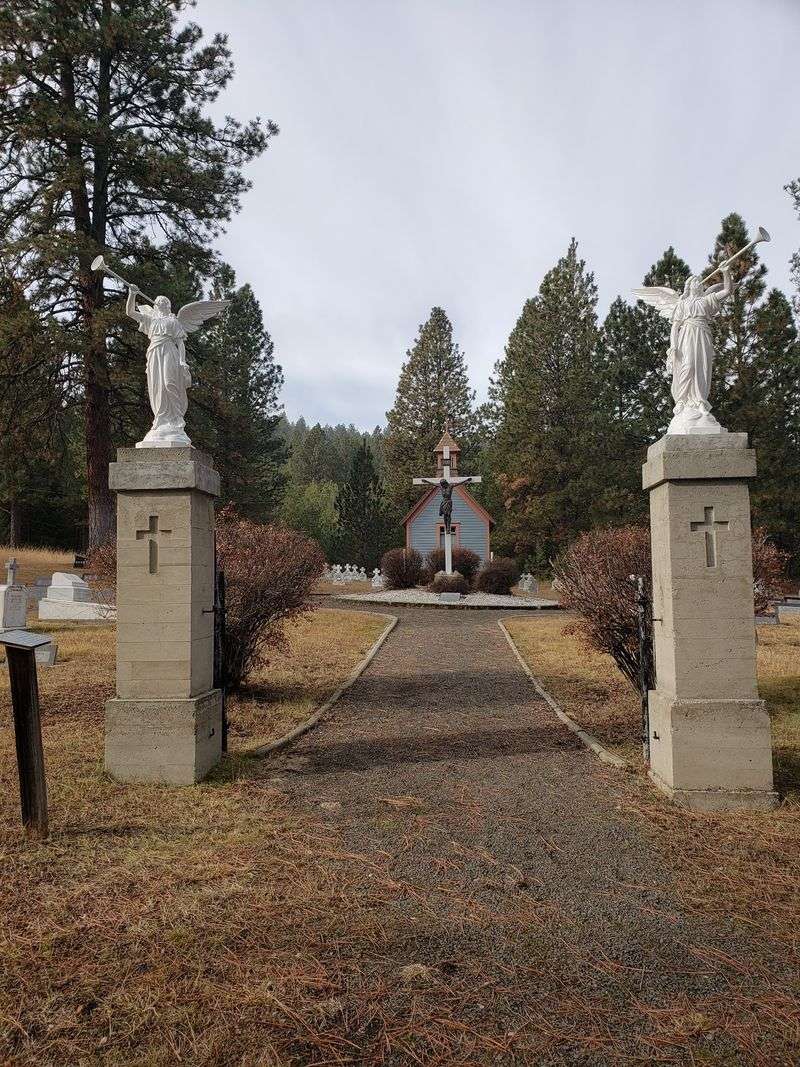
Then there’s the hill. A path lined with Stations of the Cross has pulled visitors upward since 1910.
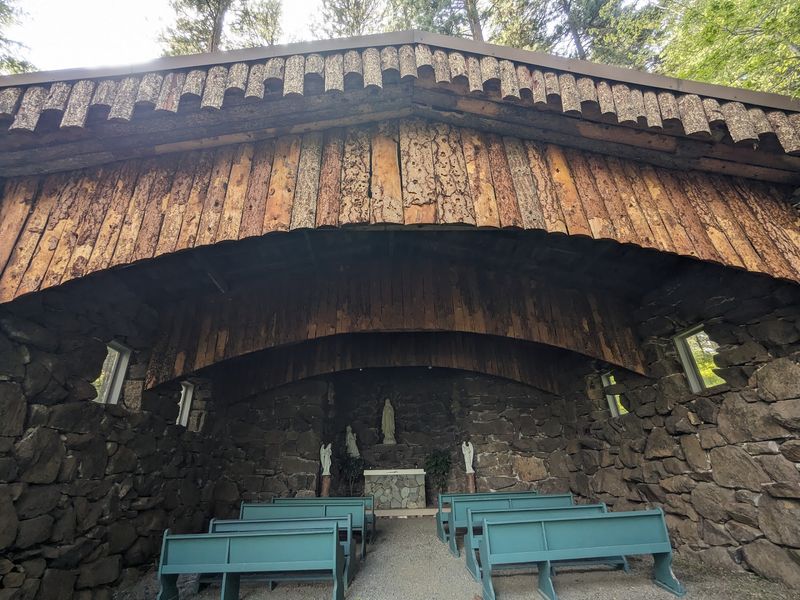
It passes a stone grotto chapel built in 1912. I like how the walk makes you slow down before the view pays you back.
I can’t imagine a better mix of history, quiet trails, and homemade bread in one stop.
So who were the Swiss sisters behind all this, and how did they land on a hilltop in north central Idaho?
A Stone Monastery Rising Above The Camas Prairie
Out on the edge of the Camas Prairie, the Monastery of St. Gertrude looks like it wandered over from a European hillside. The Benedictine community calls it home, and its doors stay open to visitors year-round.
Officially, you’ll also see it named the Center for Benedictine Life at the Monastery of St. Gertrude. That longer title makes sense once you see how much happens on the grounds.
There’s a working community of sisters, a historic chapel, and a museum. There’s also an inn with homemade bread, plus a retreat center devoted to Benedictine spirituality and the arts.
The setting does a lot of the heavy lifting. Forested hills wrap around the buildings, and the prairie stretches out below in a patchwork of fields.
It sits just outside the small town of Cottonwood in north central Idaho. You reach it with a short drive off US 95, then a climb into the trees.
Most people come for one piece of the place and leave having found three more. That’s a pretty good return on a detour.
Three Swiss Sisters And A Very Long Road To Idaho
Back in 1882, a small group of Swiss Benedictine sisters crossed the ocean to start a new life in America. They were looking for a place where their community could grow freely.
Their first years were spent in Oregon. From there, the sisters started schools and missions across the region, which kept them busy and moving.
The Camas Prairie entered the story in 1907. That’s when the community settled near Cottonwood and began putting down roots that would last more than a century.
Local families played a part too. Land donated by a local man whose daughters had joined the order helped shape the site into the community’s motherhouse.
Picture the scale of that commitment for a moment. These women chose a quiet Idaho prairie and decided to build something permanent on it.
The museum on the grounds tells this story in far more detail than any article can. Fair warning, though, it’s the kind of history that makes you want to read every display case slowly.
Blue Porphyry Walls Built To Outlast Everyone
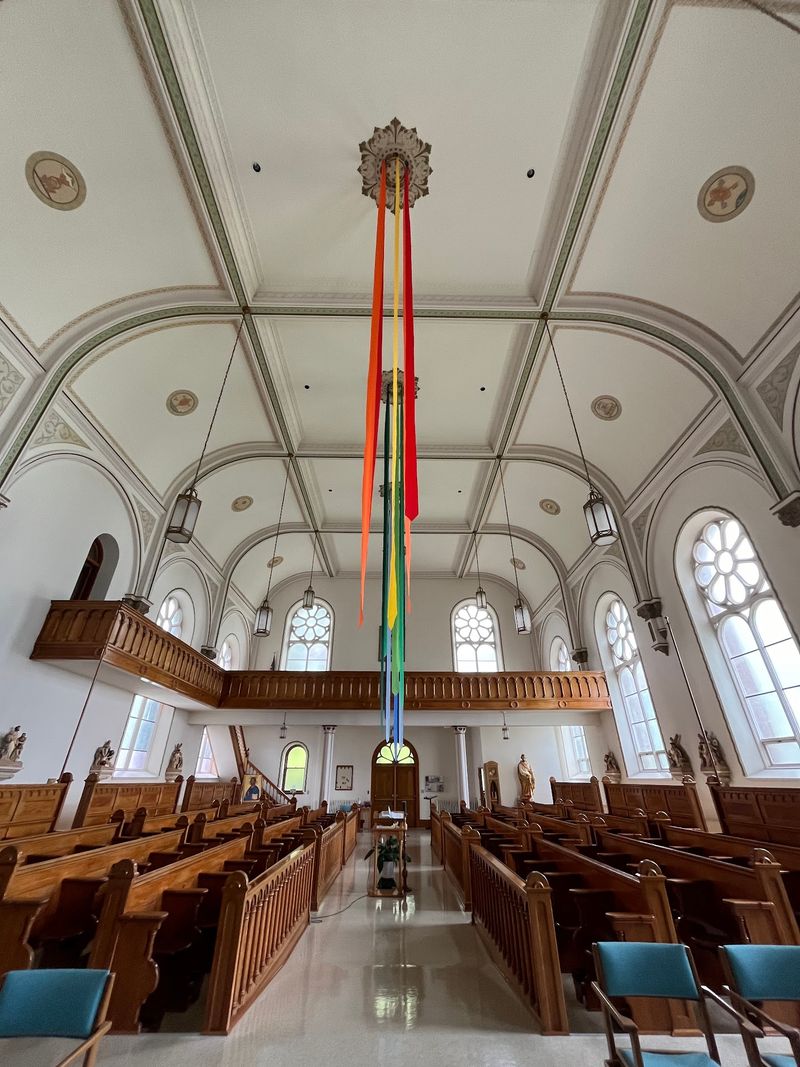
Two feet. That’s how thick the chapel walls are, and every block came from local blue porphyry stone.
Construction ran from 1919 to 1924. Five years of hauling, cutting, and stacking stone on a hill in rural Idaho is a serious act of patience.
The result is a Romanesque Revival chapel with two corner towers. Each one rises 97 feet, so you’ll spot them long before you park.
The building earned a spot on the National Register of Historic Places. Honestly, it would be hard to argue it didn’t deserve one.
The stone gives the whole structure a cool, gray-blue tone that shifts with the light. On a bright day, the towers stand out sharply against the forested hills.
It’s worth walking the full exterior before heading inside. The craftsmanship shows up in the corners, the arches, and the sheer weight of everything.
Few buildings anywhere on the prairie look like this. That alone makes the drive feel justified before you’ve even reached the front steps.
Hand-Carved Details Wait Inside The Chapel
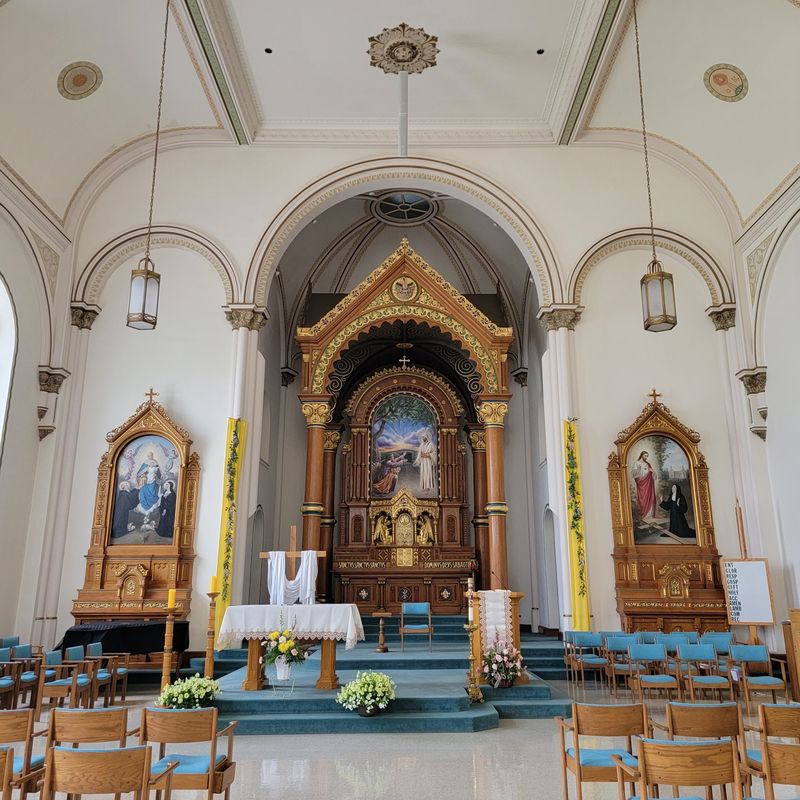
Step through the doors and the mood changes fast. The interior is richly decorated, with hand-carved pieces that reward anyone willing to look closely.
The chapel is open daily for self-guided tours whenever the sisters aren’t gathered for prayer. A little flexibility on timing goes a long way here.
The altar is the obvious focal point. Statues and Stations of the Cross line the space too, so your eyes never quite run out of things to study.
A friendly tip makes the visit richer. If a sister is nearby, ask about the symbolism in the carvings, because those stories add real depth.
Families are welcome, even the tiny ones who discover how well sound carries under a stone ceiling. Just keep in mind it’s an active place of worship.
Quiet voices and slow steps fit the room best. The space feels made for lingering, and the details seem to multiply the longer you stay.
For anyone who loves liturgical art or old craftsmanship, this room alone could fill an afternoon at the Monastery of St. Gertrude.
The Pilgrim Path Up The Hill Since 1910
Long before the chapel towers went up, people were already climbing this hill. The Stations of the Cross along the path were donated in 1910.
Two years later, in 1912, a stone grotto chapel joined the route. That makes the walk older than the main monastery building itself.
The path winds uphill through the trees, stopping at each station along the way. It’s part prayer walk, part gentle workout, and entirely peaceful.
The grotto garden is a favorite stop for many. Its stonework and quiet setting make it easy to pause longer than planned.
Wear decent shoes, since some of the hillside gets steep. Your calves will notice, and your lungs might file a mild complaint too.
The reward is the view from higher up. The Camas Prairie spreads out below, and the forest closes in around you.
For more than a century, visitors have made this climb for faith, reflection, or simple curiosity. Any of those reasons works just fine today.
Monastery-Made Bread And Jam At The Inn
Homemade bread baked by a monastery community is a pretty great reason to wake up early. At the Inn at St. Gertrude, it shows up at breakfast with monastery-made jam.
Evenings bring fresh desserts as well. Nobody needs to twist your arm on that part of the schedule.
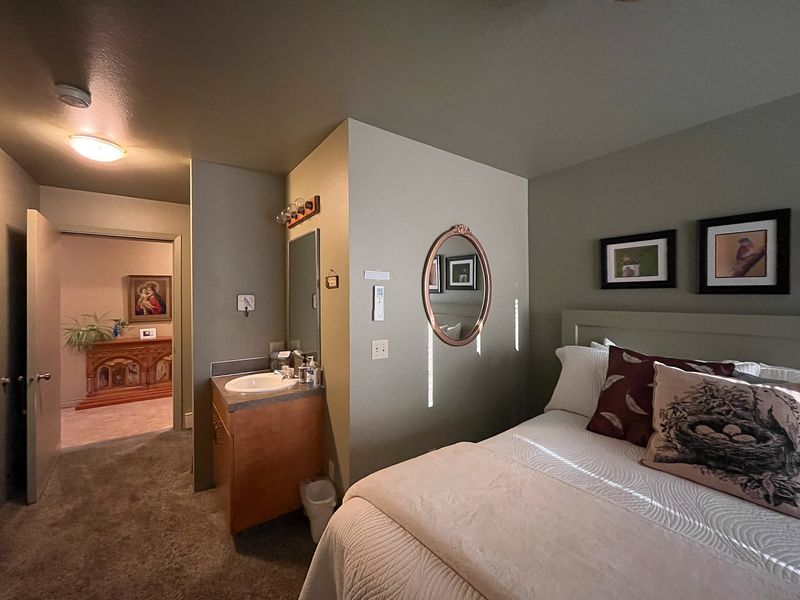
The inn is a bed and breakfast with four guest rooms. Each one is air-conditioned and has a private bath, which matters on hot prairie summer days.
Antique furnishings give the rooms a warm, lived-in charm without feeling fussy. Windows look out on either the Camas Prairie or the forested hills.
With only four rooms, the inn stays small and quiet. That’s great for rest, though it means booking ahead is a smart move.
Staying overnight changes the whole visit. You get the grounds in early morning light and again at dusk, after the day visitors head home.
And yes, the bread alone feels like a fair reason to stay. Idaho has plenty of lodging, but very little that comes with a monastery kitchen attached.
One Of Idaho’s Oldest Museums Lives Right Here
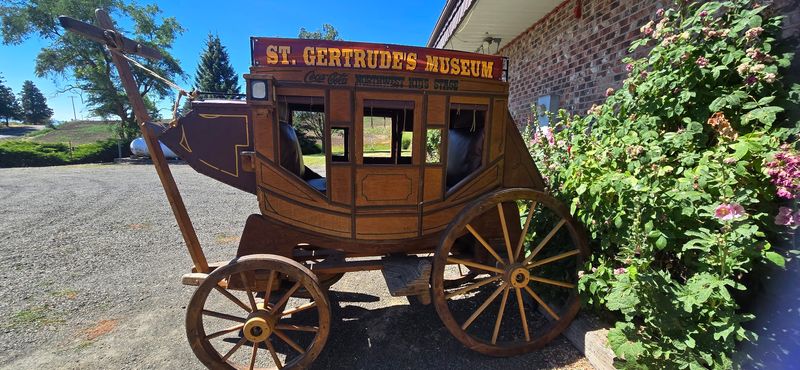
History buffs, this is your corner of the grounds. The Historical Museum at St. Gertrude ranks among the oldest museums in Idaho.
Its collection covers the monastery’s own story and the wider Camas Prairie. Expect pioneer history, regional artifacts, and plenty of reasons to slow down.
One exhibit focuses on Polly Bemis, a well-known figure in Idaho history. Her story alone makes the museum worth a stop.
Admission comes with a small fee, just a few dollars. Restrooms are available here too, which is handy after a hill walk.
Don’t skip the gift shop on your way out. It carries handcrafted items made by the sisters and by local artisans.
That makes it a great place to grab a gift with a real story behind it. A shelf souvenir from a monastery beats a generic magnet any day.
Give yourself time here, since the museum is larger than many expect. Rushing through would mean missing half the good stuff.
Plan Three Unhurried Hours And Check Before You Drive
Getting there is simple enough. Take US 95 to Cottonwood, then head up into the forested hills toward the monastery.
The address is 465 Keuterville Rd., Cottonwood, ID 83522. Plug it in before you lose signal on the prairie.
Daytime visiting hours run most of the week, but the monastery is closed on Sundays. Hours can change, so check before driving.
The chapel opens for self-guided tours when the sisters aren’t in prayer. Arriving with a little wiggle room helps you catch it.
Plan on around three hours to see the chapel, museum, and grounds properly. Add more if you want the hill walk or a picnic-style pause.
The museum charges a small fee, and a donation box sits inside. Overnight guests should book the inn or Spirit Center ahead of time.
So is the Monastery of St. Gertrude worth the trip? For homemade bread, century-old trails, and stone towers above the Camas Prairie, it’s one of Idaho’s easiest yeses.