More Than 7,000 Quilts Live Inside This Nebraska Museum Built Just For Them
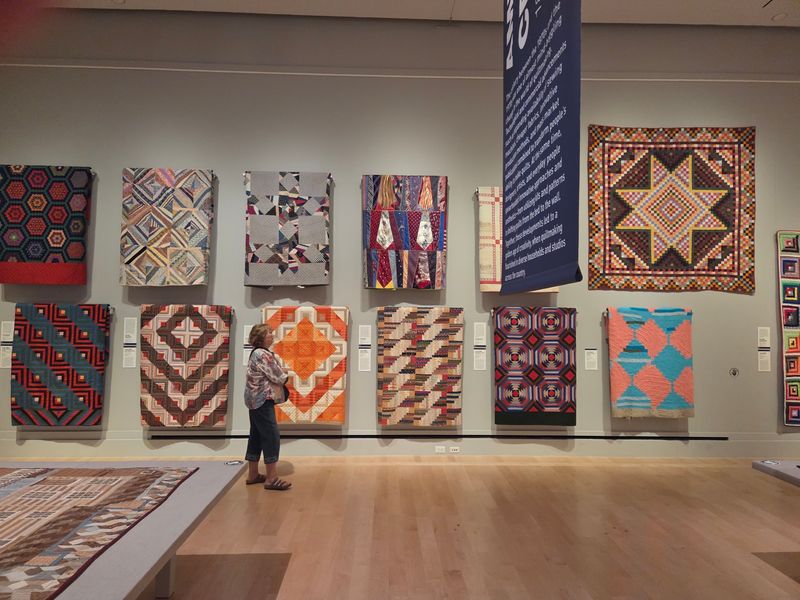
I went in expecting a few old bedspreads behind glass and maybe twenty quiet minutes. Instead, a Nebraska building shaped around fabric kept me wandering for most of an afternoon.
Quilts here turn out to be history books, art pieces, and family stories all stitched into one. If you have ever slept under a homemade quilt, this place will make you look at it very differently.
A Museum of Cloth on Lincoln’s East Campus
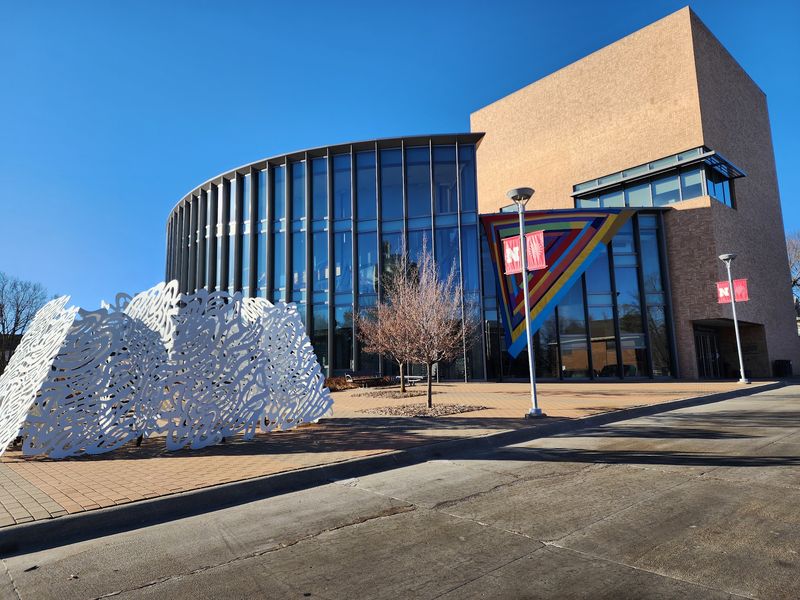
Picture a quiet stretch of the University of Nebraska-Lincoln’s East Campus, with trees, wide lawns, and students cutting across the grass. Right there, at 1523 North 33rd Street, stands the International Quilt Museum.
It holds the largest publicly held quilt collection in the world.
That claim sounds big, and it is. The collection has grown well past the 7,000 mark and now tops 10,000 quilts and quilt-related objects.
Pieces come from more than 65 countries, and the oldest date back to the 1600s, while the newest were finished in recent years.
So what makes the place different from a general history museum? Everything inside revolves around one craft.
You will find faded farm quilts made from feed sacks, bold modern art quilts that look like paintings, and textiles from places most of us have only seen on a map.
The museum’s stated mission is to build a global collection and audience that celebrates the cultural and artistic value of quilts. In plain words, it treats quilting as serious art and serious history at the same time.
For a state that prizes practical, homemade things, that feels like a fitting match.
How Two Nebraskans Started It All
Nearly 950 quilts. That was the gift Ardis and Robert James, both native Nebraskans, handed to the University of Nebraska-Lincoln in 1997.
Their donation launched what was first called the International Quilt Study Center.
For about a decade, the collection lived without a true home of its own. Then, in March 2008, it moved into a dedicated 37,000-square-foot building.
The project was privately funded, with major support from the James family and more than 130 quilt guilds chipping in.
Think about that last detail for a second. Groups of quilters, many of them meeting in church basements and community rooms, helped pay for a building to honor their craft.
It is hard to imagine a more grassroots way to raise a museum.
Growth kept coming. A 13,000-square-foot addition opened in 2015 and doubled the space for galleries and storage.
In July 2019, the name officially changed to the International Quilt Museum, which better described what visitors were already experiencing.
From one couple’s passion to a world-class collection, the timeline reads like a classic Nebraska story: start practical, work steadily, and end up with something nobody else has.
Architecture Stitched Together Like a Quilt
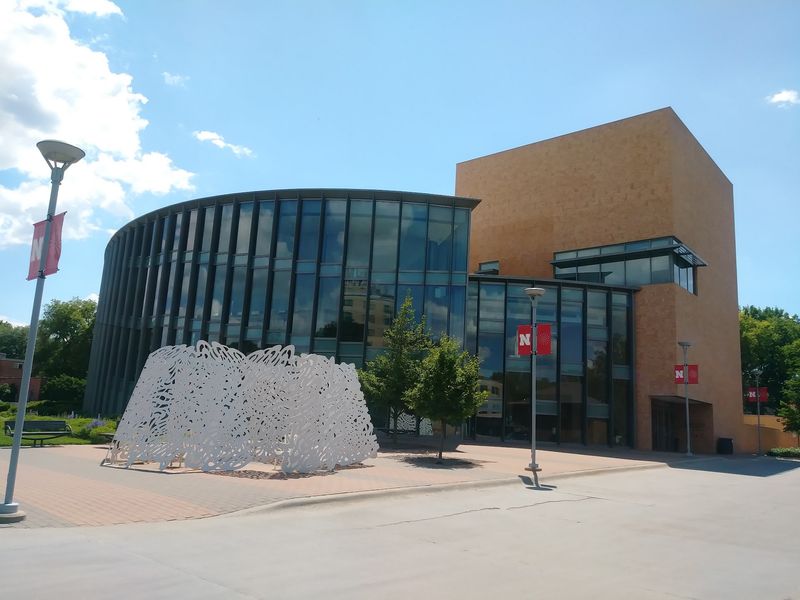
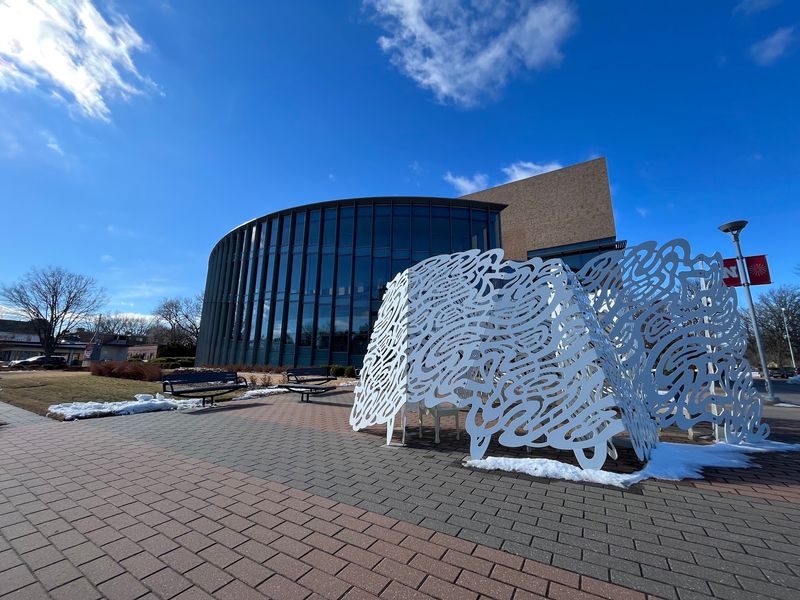
Does a building’s architecture tell a story? Here, the answer is yes, and the story is about layers.
Robert A. M.
Stern Architects designed the museum with Alley Poyner Macchietto Architecture, and they built the whole structure like a quilt.
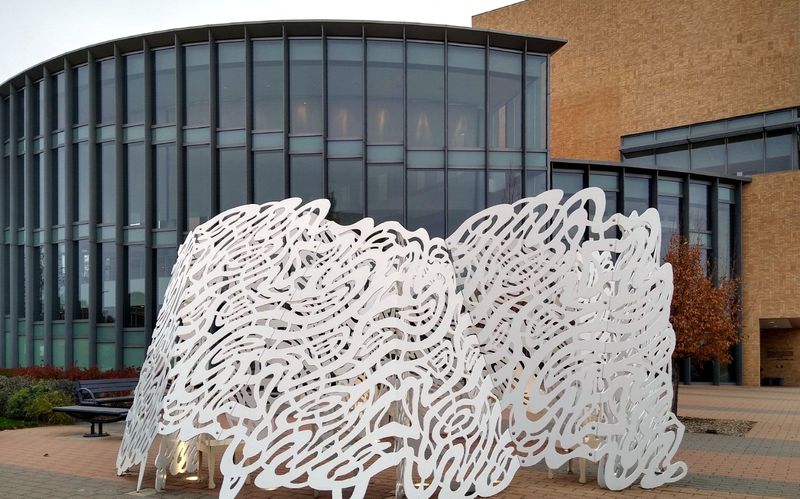
The glass windows on the front stand in for the quilt top, the colorful layer everyone sees first. Behind them, the galleries act as the batting, that soft middle layer that gives a quilt its warmth.
Offices sit at the back, playing the role of the backing fabric.
Even the reception hall joins the theme. Its shape copies the eye of a needle, a sly nod most people walk right through without noticing.
Once you know, it is impossible to unsee.
Inside, the space feels bright, clean, and calm. Stairs are easy to manage, and an elevator is available for anyone who prefers it.
Benches sit in many of the galleries, which helps when a large piece deserves a long, slow look.
The building also earned a LEED Silver Rating in 2009 for its environmentally friendly construction. Thrifty, thoughtful, and a little clever: that sums up the design nicely.
The Reconciliation Quilt and Other Treasures
In 1867, a woman named Lucinda Ward Honstain finished a quilt that still holds attention today. Called the Reconciliation Quilt, it fills its blocks with pictures from her life in the years right after the Civil War.
Each square works like a small scene. Looking at it feels a bit like flipping through a family photo album, except every image was cut, pieced, and stitched by hand.
It shows how quilts often recorded daily life long before cameras were common in homes.
Value is another eye-opener. One pre-Civil War quilt connected to the museum’s story sold for more than $260,000, a number that makes most of us glance nervously at the blanket on the back of the couch.
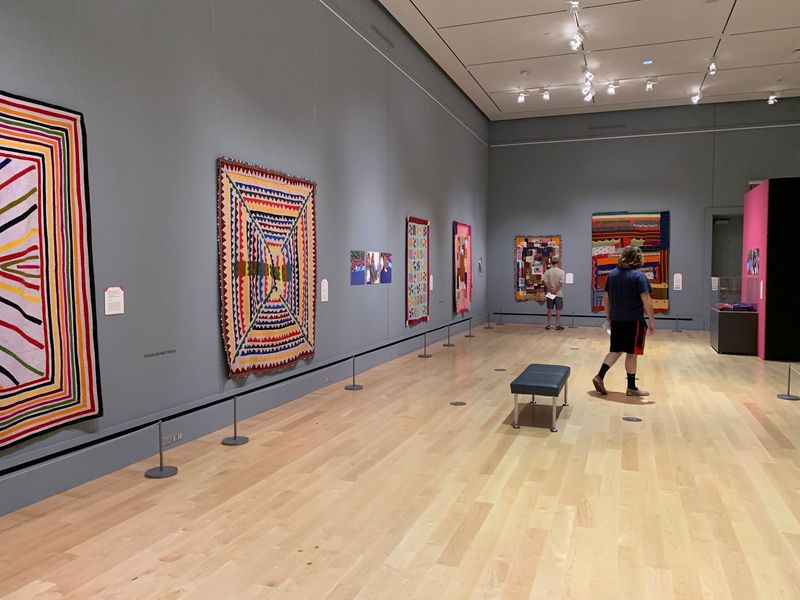
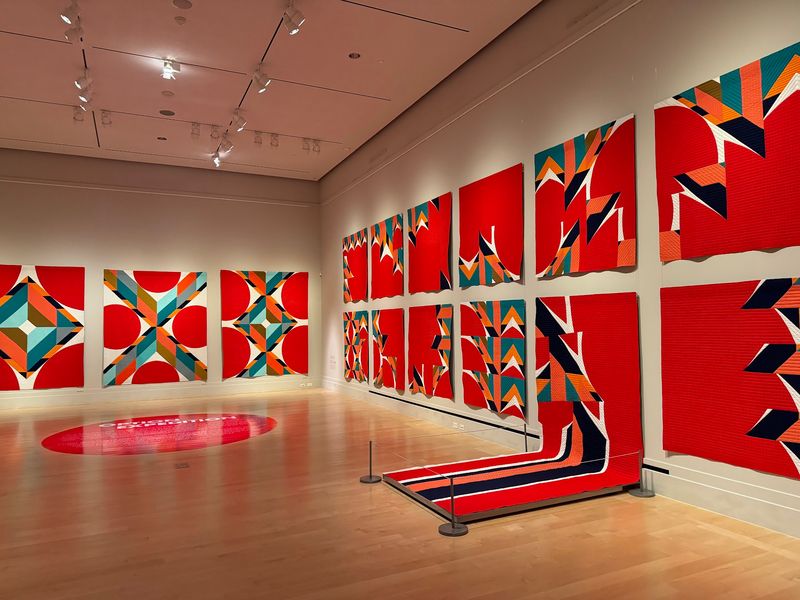
Beyond the famous names, the collection spans an enormous range. Traditional restored pieces hang near modern art quilts with bright colors and unusual shapes.
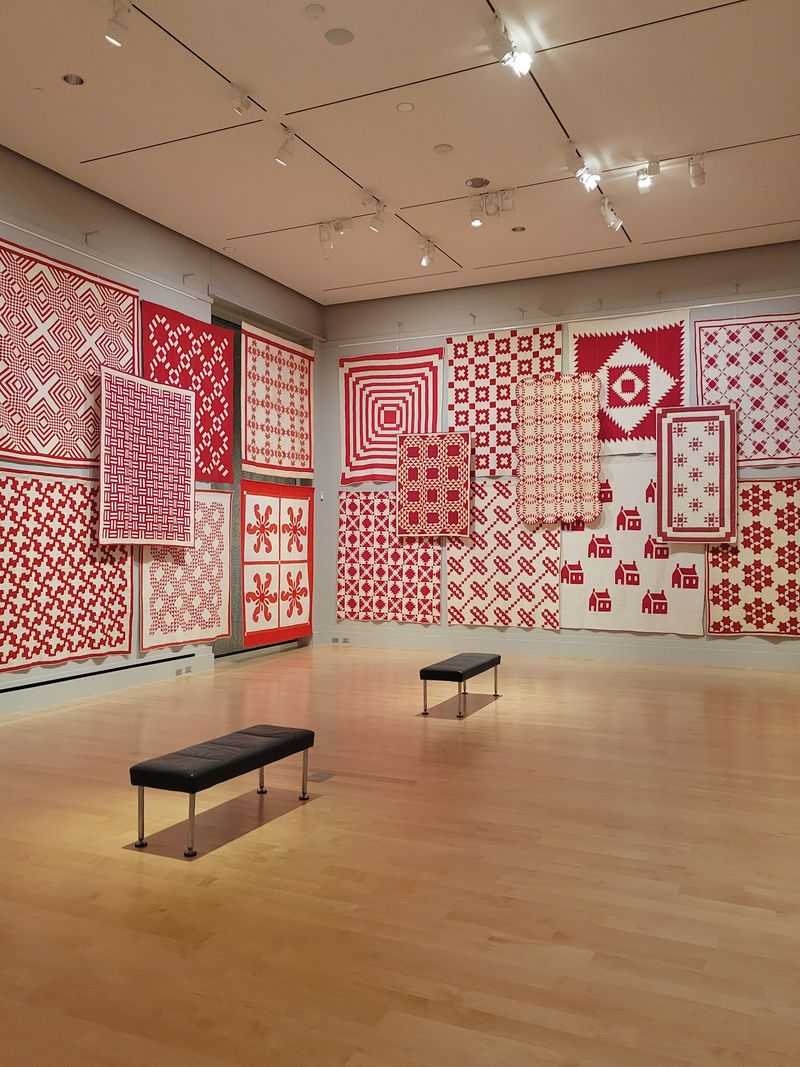
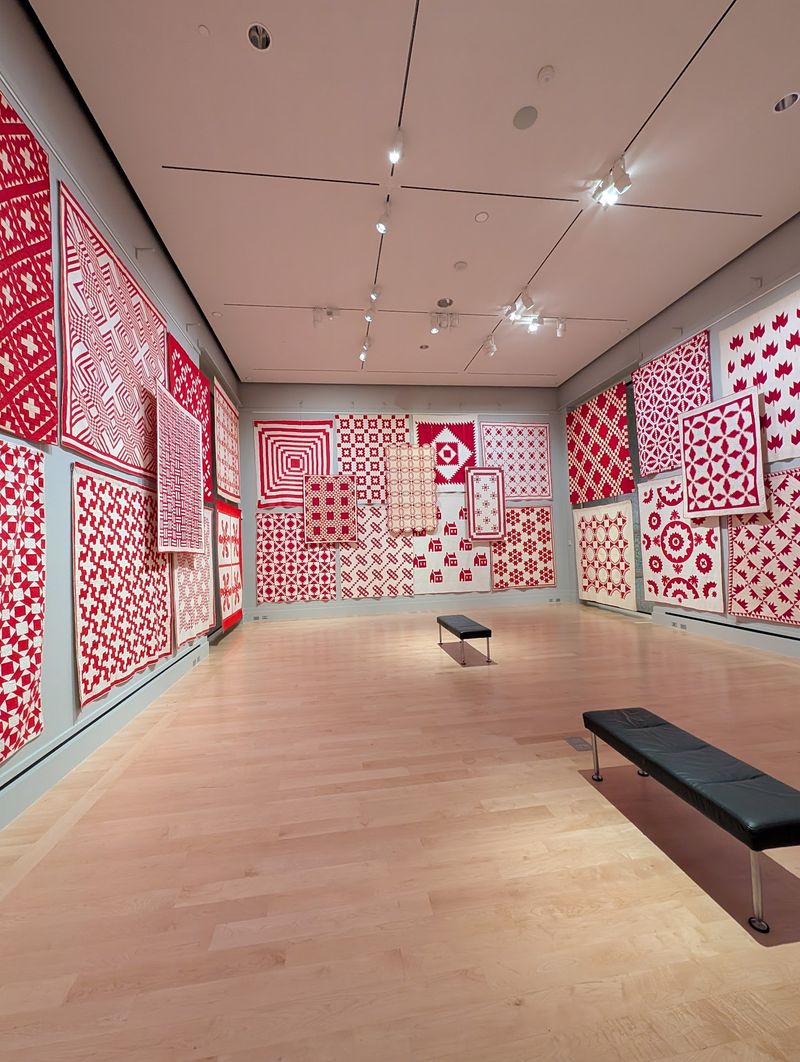
A room full of red and white quilts can feel like walking into a giant, cheerful pattern.
Not every treasure is on view at any given moment, which is part of the fun. Come back a year later, and an entirely new group of standouts may be waiting.
Why Only a Few Hang at Once
Sunlight is a quilt’s quiet enemy. Over time, light fades colors and weakens old threads, so the museum keeps a strict rule: a quilt goes on display for no more than one year out of every ten.
That means the vast majority of the collection rests in storage at any moment. Thousands of quilts wait in careful darkness while a smaller selection fills the galleries.
Expecting to see all 10,000 at once would be like expecting a library to stack every book on one table.
Care goes even further behind the scenes. Stored quilts get refolded on a regular schedule so permanent creases do not form.
Pieces coming off display are isolated first, which keeps any tiny pests from sneaking into storage.
Here is a detail many people miss. A workroom with an observation window lets you watch curators inspect and refold pieces, turning preservation into something you can actually see.
Rules on the gallery floor support the effort too. Touching is off limits, and flash photography is not allowed.
It might feel strict, yet those small limits are exactly why a quilt from the 1800s can still look so vivid today.
Galleries That Never Sit Still
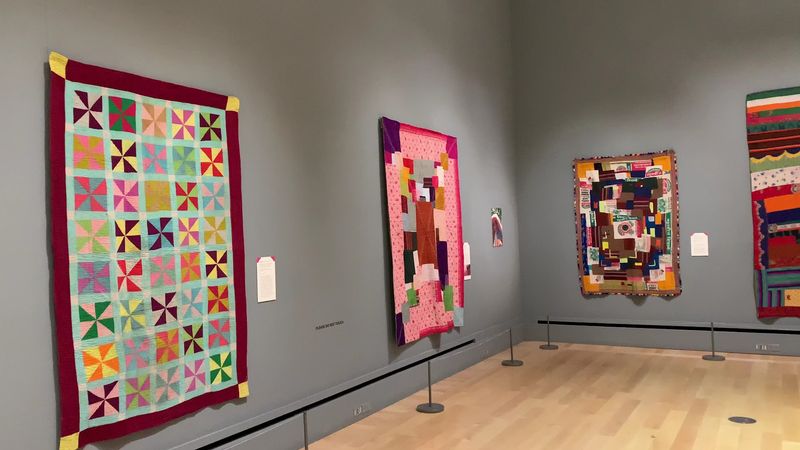
Two large galleries and a smaller space on the third floor carry the main exhibits, and they change often. A return trip can feel like visiting a different museum altogether.
Some shows pull from the museum’s own deep storage. Others arrive as traveling exhibitions from elsewhere.
One past exhibit featured quilts from the private collection of Ken Burns, the Emmy Award-winning documentary filmmaker.
Variety is the real draw. A display of Japanese Boro textiles, patched and mended over many years, has shared the calendar with a state fair exhibit celebrating the ribbon-winning quilts so many Nebraska families know well.
Contemporary pieces sometimes take on social and political themes, and those works can spark strong feelings.
Timing matters a little here. Exhibits occasionally close while new ones are being installed, so a gallery might be dark during a switch.
Checking ahead before a long drive is a smart move.
On a good day, though, the mix covers centuries and continents within a few rooms. You might move from a 19th-century farmhouse quilt to a bold abstract piece in a dozen steps, and that jump is exactly the point.
Building Blocks, Books, and a Room for Kids
Head up to the top floor and the mood shifts from quiet gallery to hands-on workshop. A kid-friendly room offers interactive displays about how quilts are made and where the craft came from.
The star attraction might be the pattern blocks. Children, and plenty of grown-ups, slide colorful pieces around to design their own quilt layouts.
It turns a complicated art into a puzzle anyone can try, no needle required.
Bookworms get their own reward on the upper floor. A library of quilt-related books gives sewing fans a place to linger, flip through patterns, and learn the history behind techniques they may already use at home.
Families planning a day out will appreciate how the space balances things. Younger kids burn off curiosity upstairs while adults finish reading the placards below.
Nobody has to rush.
Before leaving, the gift shop deserves a stop. It carries fabric-themed finds that work well as presents for the quilter in your life, or for yourself if the galleries sparked a new hobby.
Plenty of people walk out planning their first project before they even reach the parking lot.
Planning a Trip to Lincoln’s Quilt Museum
Mark your calendar for a weekday or Saturday. The museum opens Tuesday through Saturday during daytime hours and stays closed on Sundays and Mondays, so a Monday road trip will end at a locked door.
Admission is modest, the kind of ticket price that fits easily into a family budget. On the First Friday of each month, free passes are offered, and a special program often runs that day.
Active military members and their families get free admission from Memorial Day through Labor Day through the Blue Star Museums program.
How long should you plan? Somewhere between one and two hours covers the galleries at a comfortable pace, and longer if you read every placard.
Arriving late in the day makes for a rushed walk-through.
Guided docent tours add a lot of depth, sharing preservation secrets and stories you would never guess from the quilts alone. Can’t make it in person?
Weekly Textile Talks and online tours let you explore from home.
Getting there is simple. The museum sits on East Campus in northeast Lincoln, an easy drive for anyone coming from Omaha or elsewhere across Nebraska.
A Patchwork Afternoon Worth Planning Around
Some museums ask you to care about things far away. This one starts with something nearly every Nebraska family already owns: a quilt folded in a closet, draped over a chair, or saved from a grandmother’s cedar chest.
From there, the galleries widen the view. Those familiar stitches connect to Japanese mending traditions, modern art studios, and a Civil War-era woman telling her life story one block at a time.
Suddenly the blanket at home feels a lot more important.
It suits a wide range of people. Serious quilters will find techniques to study for hours, while families get a hands-on room upstairs and a reasonable ticket.
Even someone who has never threaded a needle can admire the sheer patience on display.
Keep expectations grounded about numbers. You will see a carefully chosen selection, not the full collection, and that selection changes regularly.
Each return visit offers something new.
For a state that values handmade work and long family memories, it makes sense that the world’s largest public quilt collection landed in Lincoln. Pick a free First Friday or a quiet Saturday, and give yourself the afternoon.