9 Mountain Towns In Connecticut That Don’t Feel As Quiet As They Used To
Mountain towns sound like places where you can count on peace and elbow room. That gets a little harder when everyone else has the same idea.
Scenic weekends can bring a noticeable rush of visitors. Main streets get busier. Parking becomes more competitive than anyone wants it to be.
Even in Connecticut, mountain communities can feel surprisingly crowded once good weather starts pulling people toward the hills.
The views are still worth the trip. So are the local shops and easy outdoor escapes.
You just may be sharing them with far more people than expected.
That extra traffic changes the rhythm of the day. A quiet stroll can turn into a steady stream of visitors before you know it.
None of that erases what makes these towns appealing. It simply means their popularity is getting harder to ignore.
Peaceful mountain getaway? Yes. Completely quiet? Maybe not anymore.
1. Kent
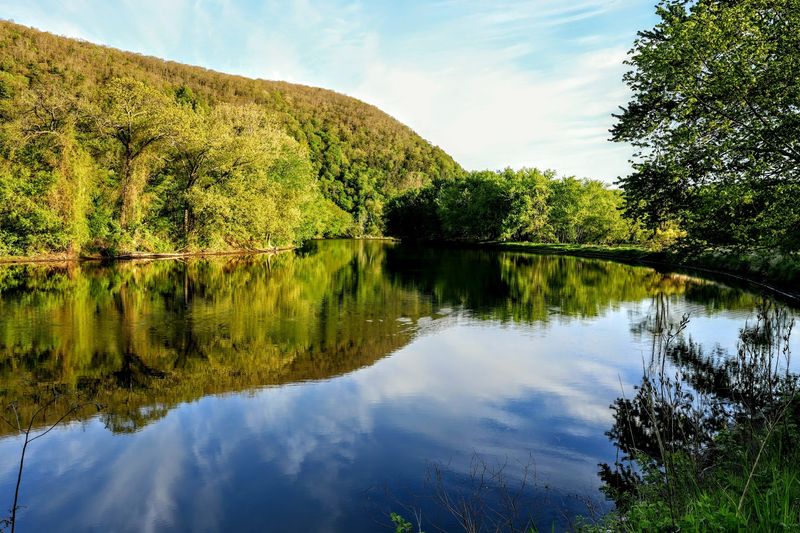
Mountain scenery, waterfalls, galleries, and a historic downtown give Kent plenty of personality without making the town feel overly busy.
The Litchfield Hills rise around the area, while Main Street offers an easy mix of independent shops, art spaces, and places worth browsing between outdoor stops.
Kent Falls State Park supplies the biggest splash of scenery. Water from Falls Brook cascades roughly 250 feet through a wooded setting before continuing toward the Housatonic River.
A paved accessible path reaches the lower viewing area, while trails and stone steps continue alongside the falls for visitors interested in seeing the cascades from higher points. The park entrance is along 462 Kent Cornwall Road.
Another memorable stop waits near the Housatonic River at Bull’s Bridge. Built in 1842, the covered wooden bridge remains open to vehicle traffic and was added to the National Register of Historic Places in 1972.
Nearby paths reveal river views, rushing water, and rocky scenery.
Spring brings stronger waterfall flow, while autumn transforms the surrounding hills with color. Between those seasons, summer offers plenty of reasons to combine downtown wandering with time outdoors.
2. Salisbury,
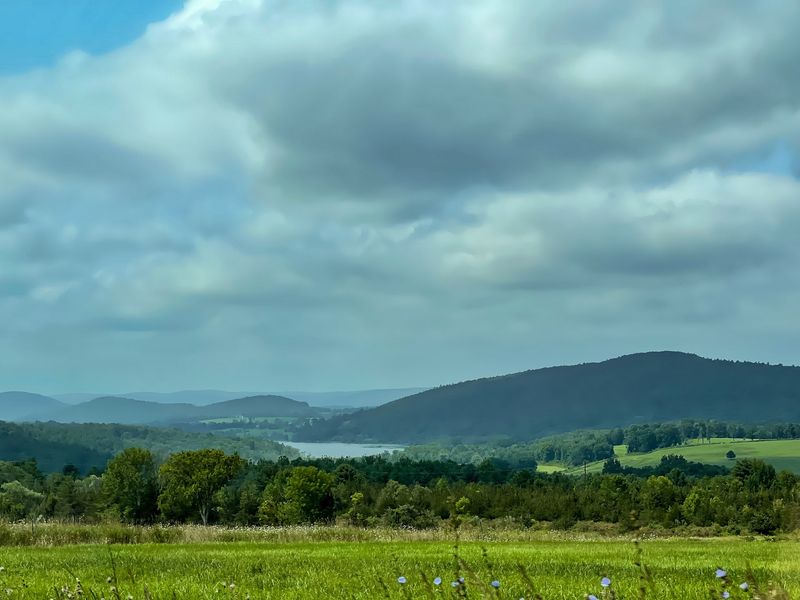
Salisbury sits at the northwestern corner of the state, pressed up against the Taconic Mountains and just a short drive from the highest peak in the state, Bear Mountain.
The town has long attracted visitors who appreciate the combination of rugged outdoor access and a surprisingly refined village center.
What feels different now is the pace of activity, with more foot traffic along its main street and a growing number of people discovering what longtime locals have always known.
Outdoor enthusiasts tend to gravitate toward the trails in and around Salisbury, many of which connect to the Appalachian Trail. The terrain here is more demanding than what you might find elsewhere in the state, rewarding hikers with sweeping views across three states on clear days.
The physical effort involved tends to filter out casual visitors, giving the trails a slightly more serious atmosphere.
Back in the village, small independent shops and a handful of well-regarded eateries create a comfortable base for recovery after a day on the trails. The town has a quiet but unmistakable confidence about it, rooted in its natural setting and the community that has built up around it.
Visiting during the shoulder seasons of late spring or early October tends to strike a good balance between pleasant weather and manageable crowd levels in Salisbury.
3. Cornwall
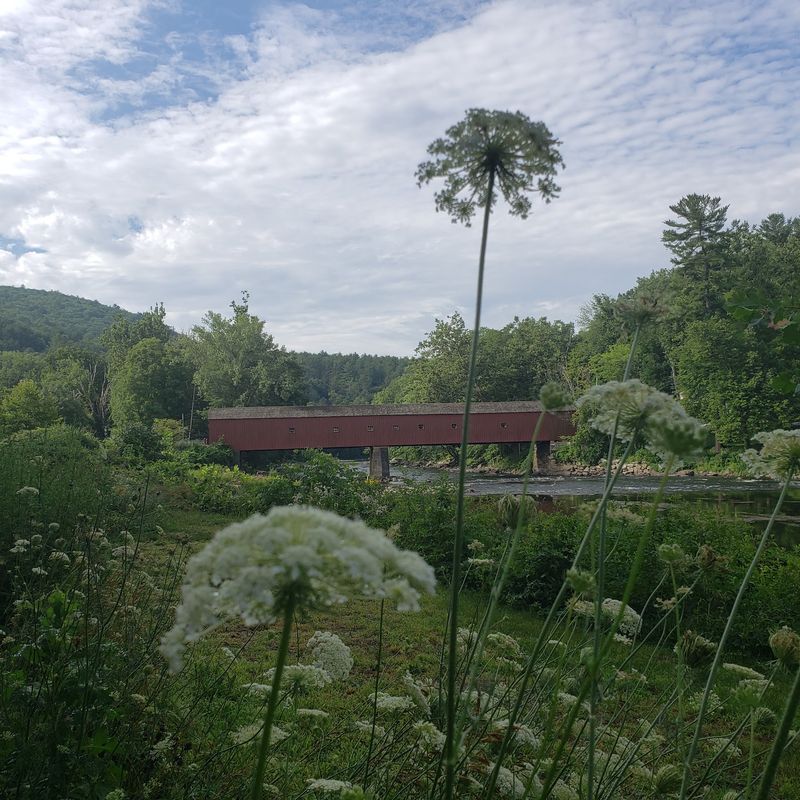
Slow roads, river views, and small villages give Cornwall a rhythm that encourages wandering rather than rushing between stops. Cornwall Bridge, West Cornwall, and Cornwall Hollow each add their own character, so even a simple drive through town can feel surprisingly varied.
The Housatonic River shapes much of the outdoor experience. Warm-weather visitors come for paddling, fishing, and time beside the water, while nearby stretches of the Appalachian Trail open the door to longer hikes through the Litchfield Hills.
The landscape changes dramatically with the seasons, making summer greenery, autumn color, and quieter spring scenery feel like entirely different trips.
West Cornwall brings the town’s most recognizable landmark into view. Its red covered bridge carries Route 128 across the Housatonic and remains open to vehicles.
The historic span is listed on the National Register of Historic Places and has served the community since the 19th century.
Creative energy adds another layer beyond the scenery. Local artists, galleries, exhibitions, and recurring community events keep Cornwall’s cultural side active throughout the year.
Spending time here works best without an ambitious schedule. Follow a winding road, pause near the river, explore the villages, and let the day unfold at its own pace.
4. Norfolk
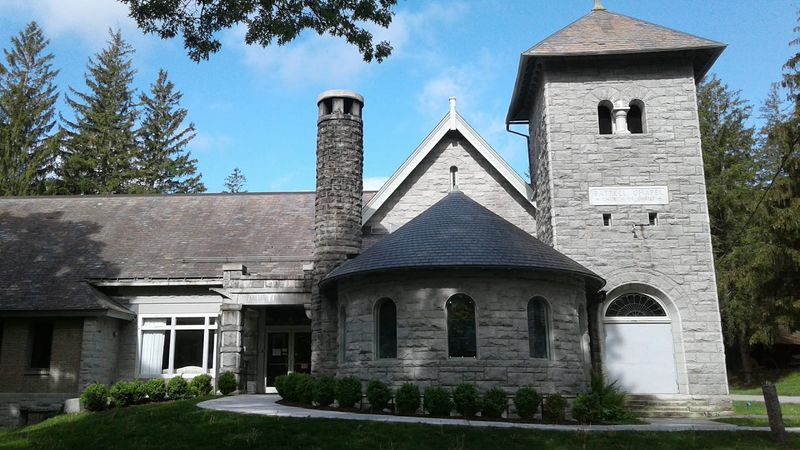
At an elevation that places it among the cooler and snowier corners of the state, Norfolk has a climate and character all its own.
The town sits in the northwestern hills and tends to feel a few degrees colder than the rest of the state, which gives it a distinctly Alpine quality during winter and a lush, almost theatrical green in summer.
That seasonal drama has long made it a draw for artists, musicians, and nature lovers alike.
The Norfolk Chamber Music Festival, held each summer at the Ellen Battell Stoeckel Estate, brings world-class performances to an intimate outdoor setting that feels completely at odds with the surrounding rural quiet.
The estate grounds and the historic Music Shed create an atmosphere that is hard to replicate anywhere else in the region.
Tickets tend to sell out for popular performances, so planning ahead is advisable for anyone hoping to attend during peak summer weeks.
Beyond the music, Norfolk offers access to Haystack Mountain State Park, where a stone tower at the summit rewards a moderate hike with panoramic views of the surrounding hills.
The village green, framed by historic architecture and mature trees, gives the town center a postcard-like quality that photographs well in every season.
Norfolk manages to feel both genuinely remote and quietly cultured, a combination that continues to attract visitors who value depth over convenience.
5. Litchfield
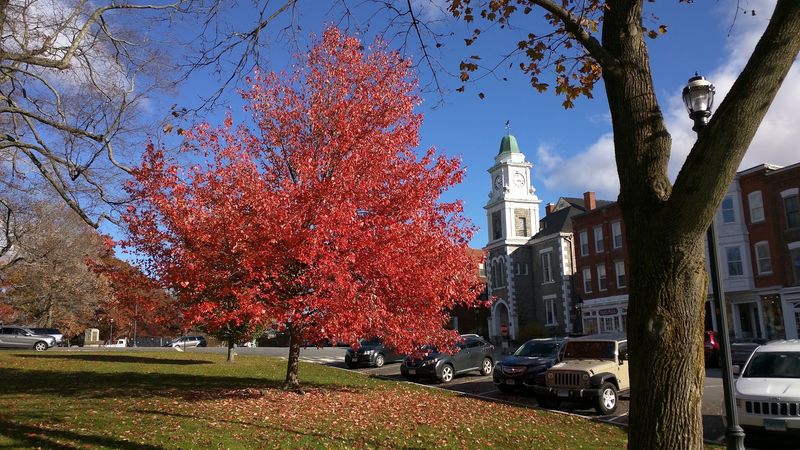
Spend an afternoon around Litchfield and the appeal becomes obvious without much effort.
The village green anchors a historic center where Colonial and Federal-era buildings still shape the streetscape, while independent businesses keep the area feeling active rather than preserved behind glass.
The town is considered one of New England’s best surviving examples of a late-18th-century community.
Nature quickly takes over once you leave the center. White Memorial Conservation Center is part of a 4,000-acre property extending through Litchfield and Morris, with forests giving way to wetlands and open fields.
Its extensive trail system includes roughly 40 miles of routes, so visitors can choose an easy wander or spend much longer exploring. A natural history museum adds context about local wildlife and ecology.
Back near the green, shops and cafes make it easy to stretch a quick stop into an afternoon. Recent years have also brought renewed attention to the town’s architecture, including its surprising collection of midcentury modern buildings alongside much older homes.
Weekends can bring more activity around the village center, especially during warmer months and foliage season. Visiting earlier in the day leaves more room to wander at an easy pace and notice how naturally the town’s historic character blends into everyday life.
6. Washington
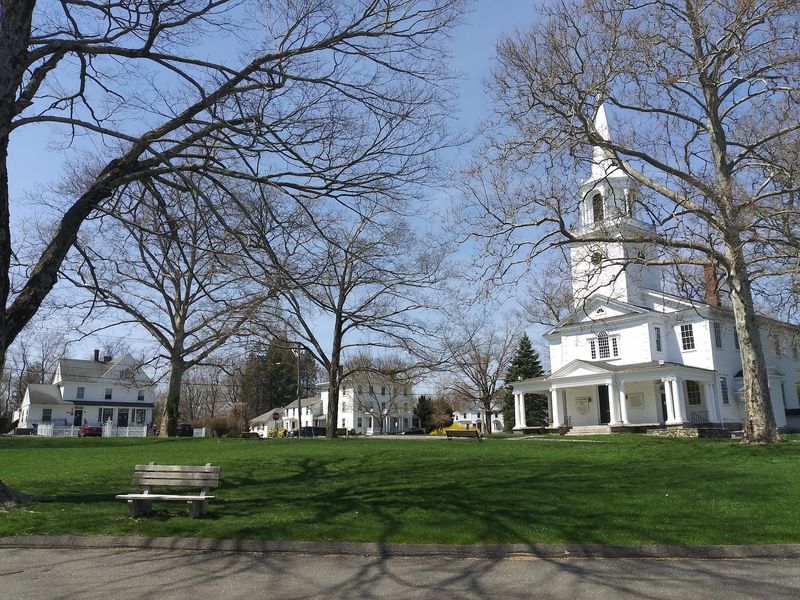
Washington tends to fly slightly under the radar compared to some of its Litchfield Hills neighbors, but that low profile is part of what makes it interesting.
The town is divided into several distinct areas, with Washington Depot serving as the more commercially active hub and the village of Washington itself sitting on a hill above, home to a classic New England green and the Gunn Memorial Library and Museum.
The contrast between the two areas gives the town an unusual layered quality.
The Steep Rock Preserve and the Macricostas Preserve together offer some of the most varied trail networks in the region, with routes that wind through river valleys, across open ridges, and past geological formations that feel genuinely surprising given the relatively modest elevation.
The Shepaug River runs through the lower portions of the trail system, adding a water element that makes the hiking experience feel more dynamic throughout the warmer months.
Washington Depot has seen a quiet but steady increase in small businesses over recent years, including specialty food shops and a handful of design-oriented retailers that attract visitors from well beyond the immediate area.
The overall atmosphere remains calm and residential rather than overtly touristy, which suits the town well.
Washington rewards visitors who take time to explore both its lower village commercial area and the more contemplative hilltop green without rushing between the two.
7. New Hartford
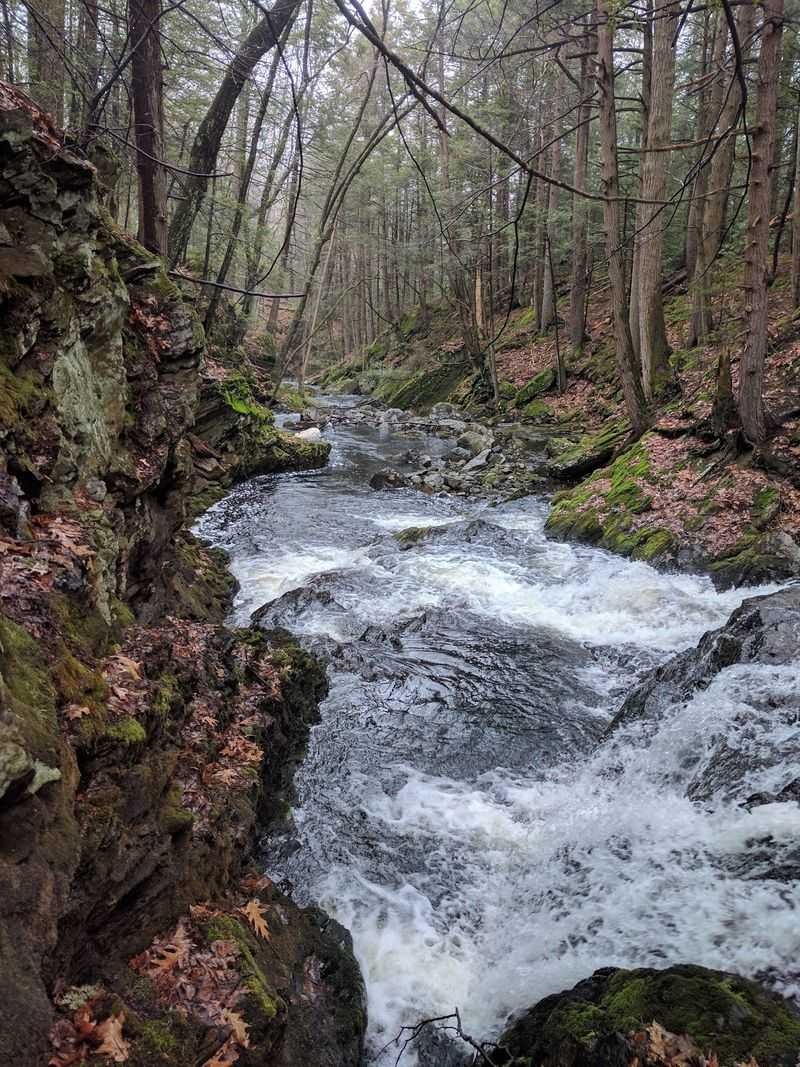
Cool water gives this Litchfield Hills town much of its summer personality. The Farmington River runs through New Hartford, and part of its upper stretch belongs to the National Wild and Scenic Rivers System, protecting scenery and recreational value that have long drawn people outdoors.
Tubing is one of the easiest ways to experience the river when temperatures rise. Satan’s Kingdom State Recreation Area provides access to a 2.5-mile tubing route where the current moves through a narrow gorge and includes sections of Class I, II, and III rapids.
Conditions vary with rainfall and river levels, so each trip can feel a little different. The state notes that the recreation area can become congested during the summer tubing season, making a weekday visit an appealing choice.
Fishing and paddling also have a strong presence here, but the river does not have to define the entire day. New Hartford maintains several preserves with hiking paths, while nearby Nepaug State Forest adds more terrain to explore on foot or by mountain bike.
Downtown remains compact and community-focused, giving visitors an easy place to slow down after time outside. What makes New Hartford memorable is the way the river stays close to everyday town life.
Spend a morning on the water, wander through the center later, and the transition feels completely natural rather than like two separate experiences.
8. New Milford
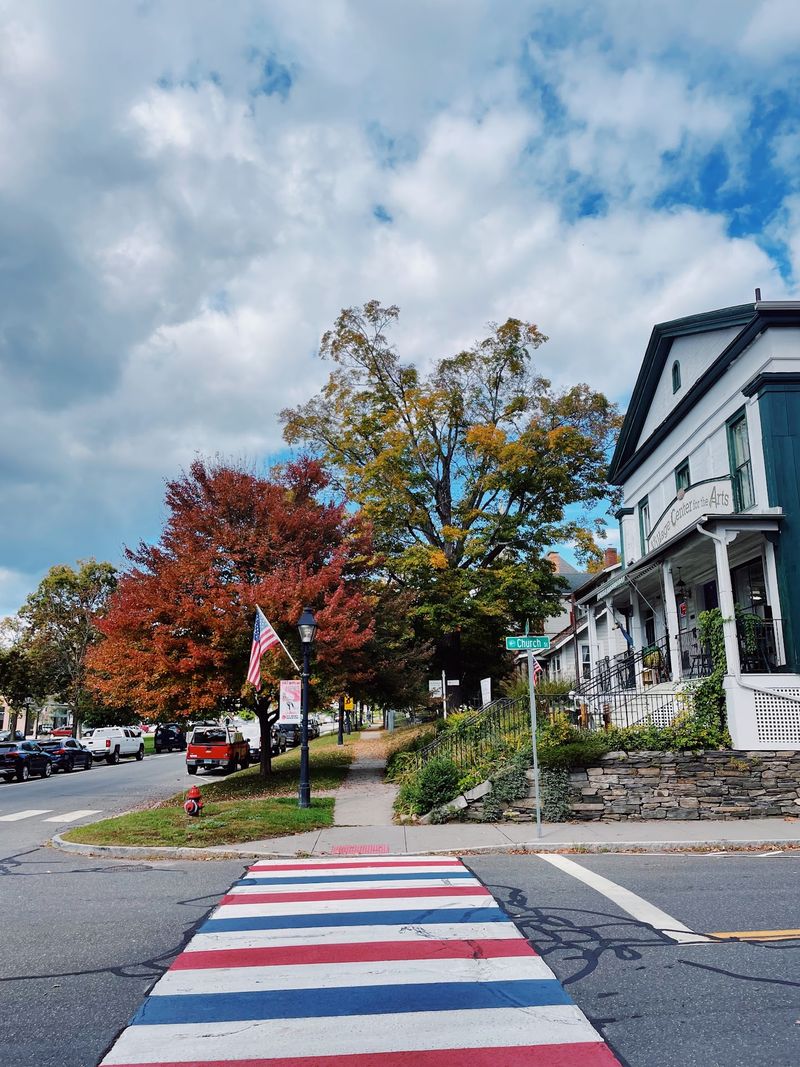
New Milford anchors the southern end of the Litchfield Hills region with a town green that holds the distinction of being one of the longest in New England.
The green itself is a genuine gathering place rather than just a decorative feature, with local events, farmers markets, and casual foot traffic giving it an active quality throughout the warmer months.
The surrounding streetscape has seen steady investment in recent years, with new businesses filling storefronts alongside longtime local fixtures.
The Housatonic River runs along the eastern edge of town, offering fishing access and scenic views that complement the more commercial activity in the village center.
Kent Falls and other natural attractions in the broader region are easily reachable from New Milford, making it a practical base for exploring the surrounding hills and river valleys.
The town’s location along Route 7 means it sees a fair amount of through traffic, which has helped sustain a variety of retail and dining options over time.
Candlewood Lake, the largest lake in Connecticut, sits just to the east of New Milford and provides boating, swimming, and waterfront recreation options that extend the town’s appeal well beyond its walkable center.
The combination of a lively town green, river access, and proximity to a major lake gives New Milford an unusually broad range of things to do across different seasons and visitor preferences without requiring a long drive between attractions.
9. Sharon
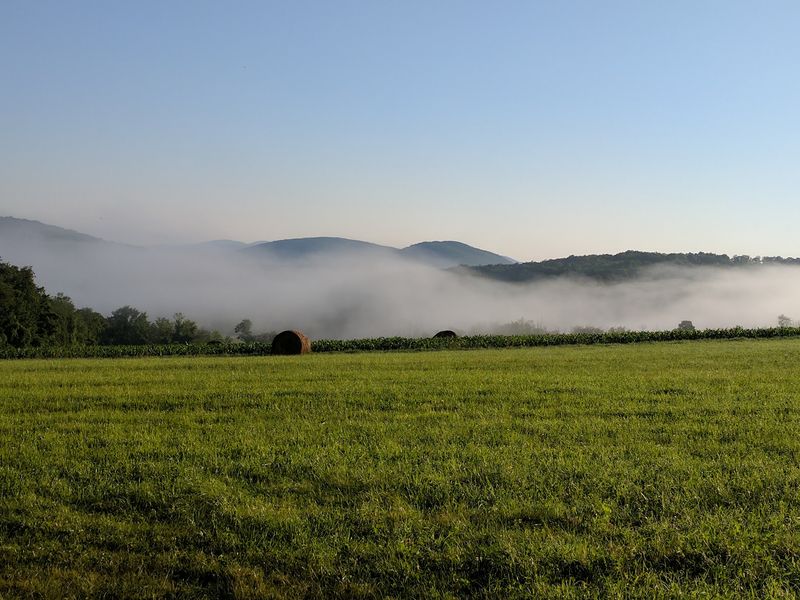
Quiet corners of the Litchfield Hills do not get much more understated than this. Sharon sits near the New York border, surrounded by the broader Taconic landscape, and its slower pace gives the town a residential feel rather than the energy of a heavily visited destination.
Much of its outdoor appeal centers on the Sharon Audubon Center. The sanctuary offers miles of trails that pass through changing natural habitats, with gardens and aviaries adding more to explore along the way.
Birding is especially rewarding during migration periods, and the center also hosts educational programs throughout the year. Its trails are currently open from sunrise to sunset.
The village center keeps things simple, with historic buildings surrounding a traditional green and very little visual clutter. That small scale suits the town well, especially if the goal is wandering without a packed schedule.
Mudge Pond adds another peaceful outdoor option nearby. The 207-acre waterbody has a state boat launch at 90 Silver Lake Shore Road, with fishing access and limited motorboat use.
Sharon works best when you stop trying to fill every hour. Spend time on a trail, circle back through the village, and let the quieter stretches of the day become part of the experience.