10 Museums In Arizona Hold Stories Most History Books Completely Skip
Your history textbook had a chapter on the Southwest. It was probably about four pages long.
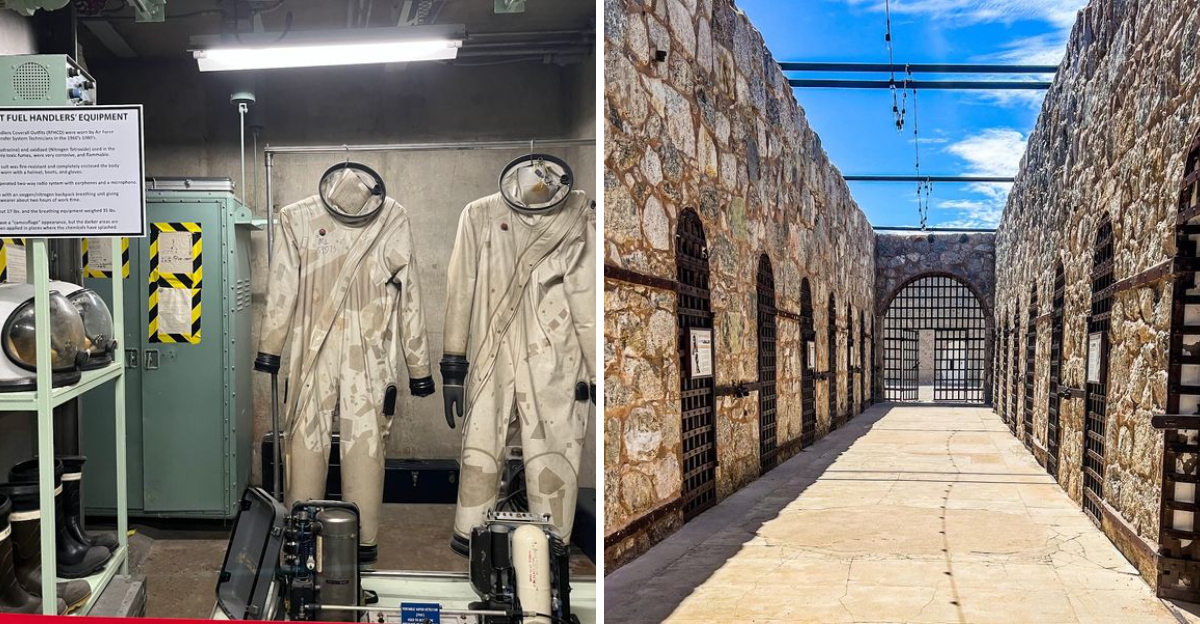
Arizona has been quietly filling in the rest. There is a Cold War missile silo you can descend into, still holding the only Titan II left in the country.
There is a trading post that has been operating since eighteen seventy eight, where a weaver works on site most days. There are ruins in the middle of Phoenix that predate anything you were taught to think of as old.
Some of these places take an afternoon. Others take twenty minutes and stay with you considerably longer.
A few are free, which is a rare thing these days. Several sit hours from the nearest interstate.
Check the hours before you go. Half of them close on days you would not expect.
1. Heard Museum
Some museums whisper. This one hands you a story and refuses to let go until you finish it.
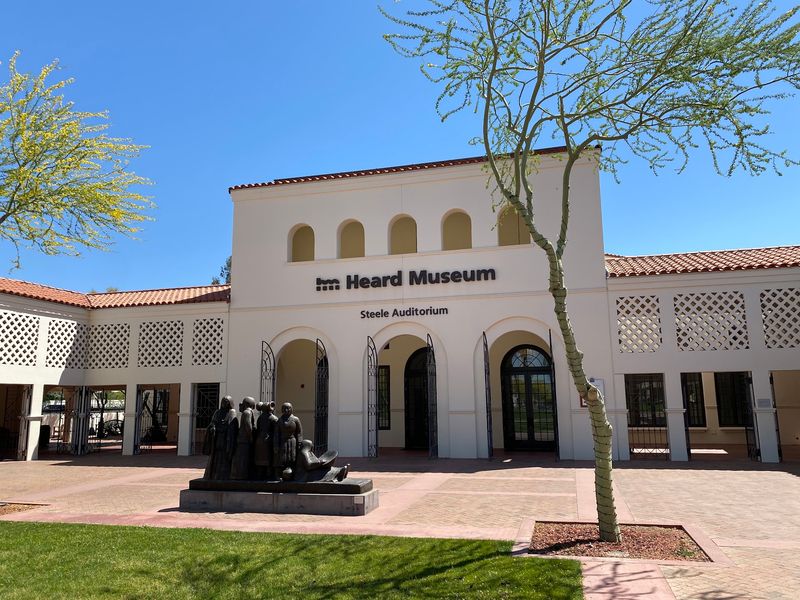
Founded in 1929 by Dwight and Maie Heard, the museum focuses on American Indian art and culture. It sits at 2301 N Central Ave in Phoenix, right along the light rail line.
The boarding school exhibit changed how I understood Arizona. It shares firsthand accounts from Native students sent far from their families.
Most textbooks give that chapter a sentence, maybe two.
Galleries hold thousands of works, from Hopi katsina dolls to contemporary paintings that feel wildly current. The collection spans centuries without ever feeling dusty.
Outdoor courtyards offer shade, sculptures, and a place to sit when your brain needs a break. I spent twenty minutes there just watching light move across the walls.
Living artists demonstrate their work throughout the year. Talking to a weaver about her materials beats reading a label every single time.
The gift shop is genuinely excellent, stocked with pieces made by Native artists. Prices reflect real craftsmanship, so budget accordingly.
Go early on a weekday if crowds bother you. Mornings feel quiet, and the staff have more time to talk.
2. S’edav Va’aki Museum
There is a 1,500 year old village inside Phoenix city limits. Most residents drive past it without a clue.
Formerly known as Pueblo Grande, the site was renamed S’edav Va’aki to honor the O’odham language. The change reflects a deeper respect for the people connected to the land.
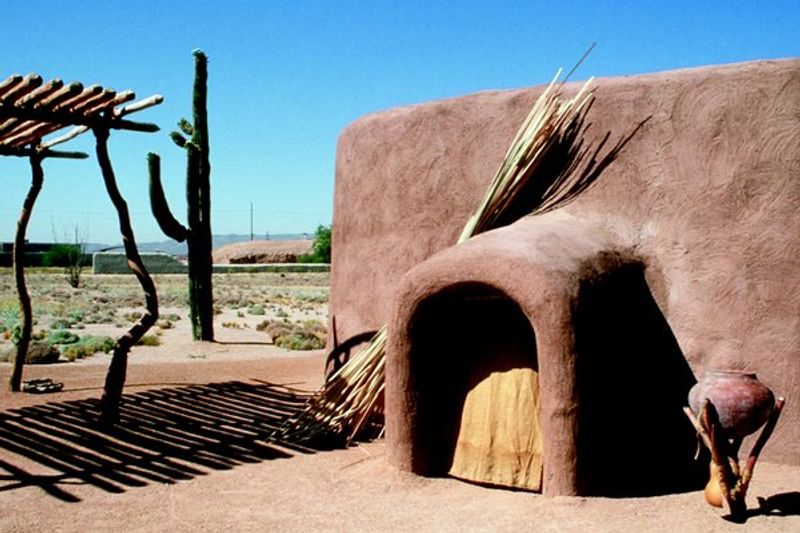
A large platform mound anchors the site, built by the Hohokam. They engineered canal systems that watered the valley long before modern Phoenix existed.
Walking the outdoor trail felt strange in the best way. Planes pass overhead while you stand beside ancient earthen walls.
Replica houses show how families actually lived here. You can step inside and feel how the thick walls held cool air.
Indoor galleries display pottery, shell jewelry, and tools recovered from the site. Labels explain the trade routes that stretched to the Pacific coast.
The address is 4619 E Washington St, easy to reach and close to Sky Harbor. Some visitors stop by between flights.
Bring a hat and water for the trail. Shade is limited, and Arizona sun does not negotiate.
Admission stays affordable, and the whole visit takes about ninety minutes. Few places pack that much history into so little time.
3. George Washington Carver Museum
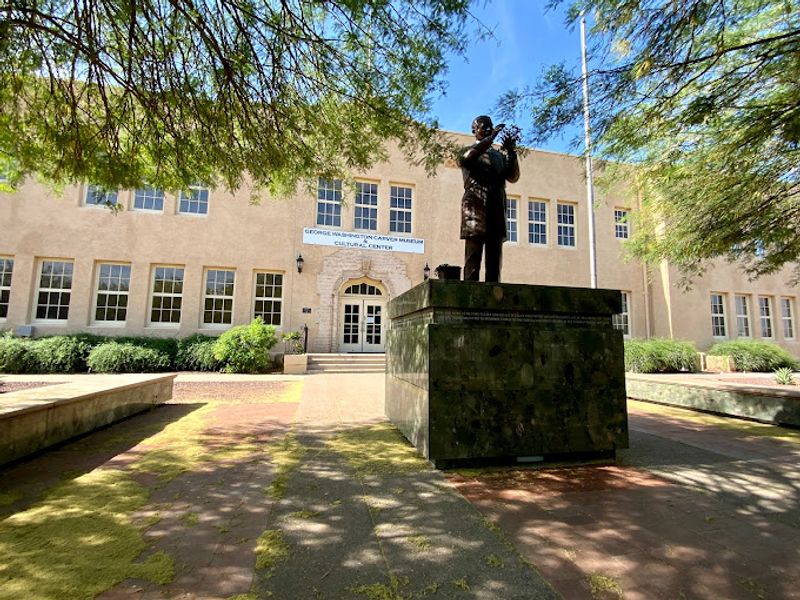
A high school saved from demolition became one of Phoenix’s most meaningful museums. That rescue story alone deserves a chapter.
The building opened in 1926 and served Black students during segregation. It later closed, sat empty, and was nearly lost before community members purchased it.
Inside, exhibits trace African American life across Arizona. Photographs, yearbooks, and personal items fill rooms that once held classrooms.
I did not expect to be moved by a school trophy case. Seeing the names and faces of former students made the history feel immediate.
Displays cover Buffalo Soldiers, local business owners, musicians, and civil rights organizers. Each contributed to a state that rarely credits them.
Volunteers often lead the tours, and several attended schools nearby. Their memories add details no plaque could capture.
Find it at 415 E Grant St, just south of downtown Phoenix. Parking is simple, which is a small miracle in that area.
Hours can vary, so call before making the trip. The staff is small and events sometimes fill the calendar.
Plan for an hour minimum. I stayed longer because a conversation started and kept going.
4. Amerind Museum
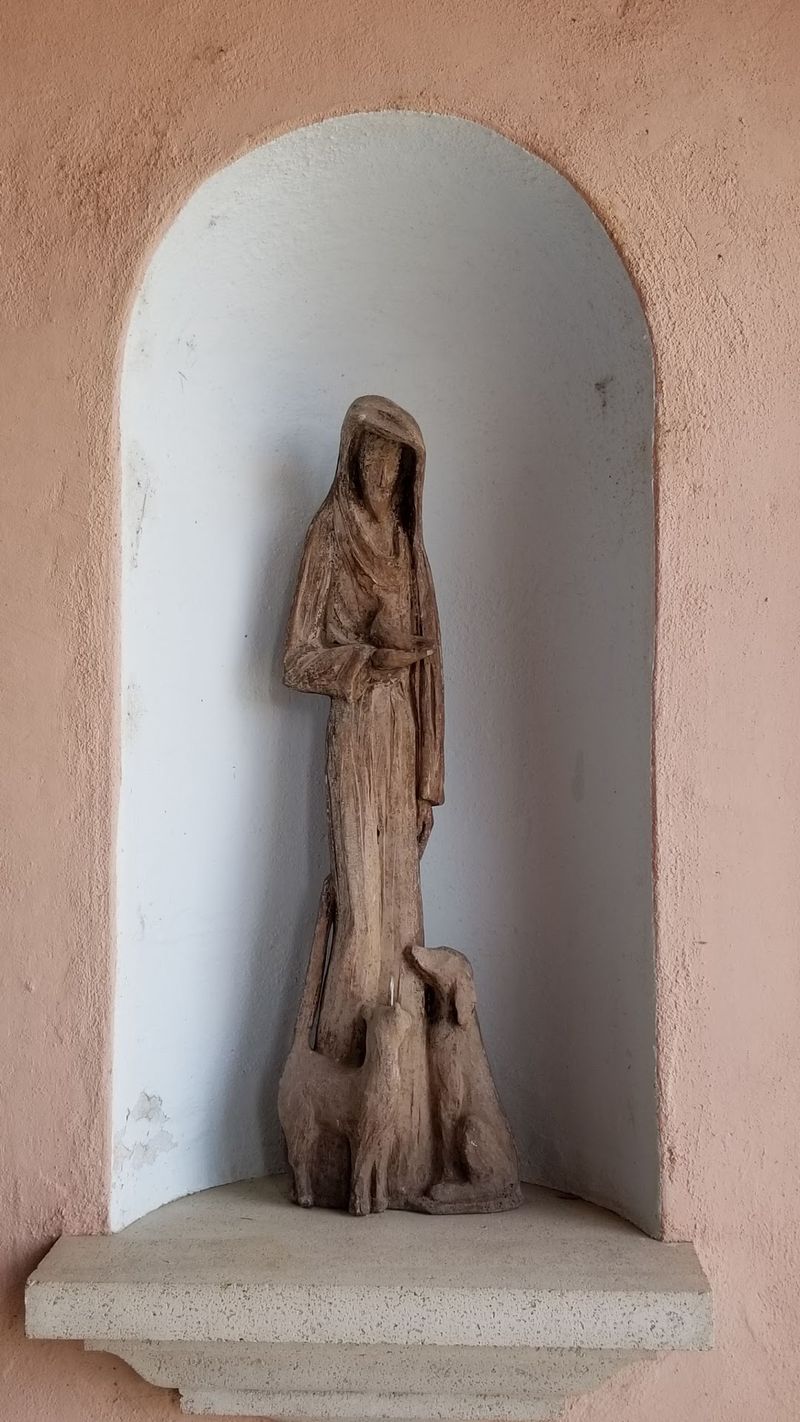
Picture a Spanish Colonial building dropped among giant granite boulders. That is Texas Canyon, and the drive alone earns the gas money.
The Amerind Foundation was established in 1937 by William Shirley Fulton. He was an amateur archaeologist who turned a private passion into a serious research center.
Collections cover Native cultures across the Americas, not just the Southwest. Pottery, basketry, and textiles fill galleries that stay pleasantly uncrowded.
Located at 2100 N Amerind Rd in Dragoon, it sits just off Interstate 10. Thousands of drivers pass the exit daily and keep going.
An art gallery holds Western paintings and sculpture, which surprised me. The mix of fine art and archaeology works better than it sounds.
Boulders outside look stacked by hand. They are natural, shaped by millions of years of weathering.
Picnic tables sit under oak trees near the parking area. Pack lunch and stay a while.
The museum stays cool inside, a genuine relief in summer. Staff are quick to point out favorites in the collection.
Cell service gets spotty in the canyon. Download directions before you leave the highway.
5. Titan Missile Museum
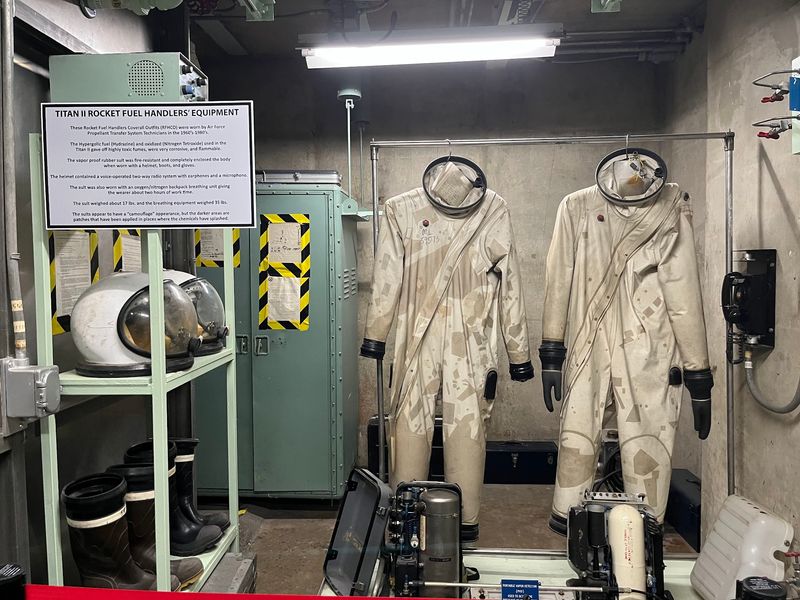
Descending fifty-five steps into a concrete silo is an odd way to spend a morning. It is also unforgettable.
The site preserves the only remaining Titan II complex open to the public. Fifty-four of these once stood across the country.
Guides walk you through the launch control center, where blast doors weigh several tons. The engineering still impresses decades later.
Standing beside the missile itself gives you a sense of scale that photos flatten. It fills the silo like a metal skyscraper turned upside down.
Many guides worked at similar sites. Their stories about daily routines below ground make the place feel lived in.
The address is 1580 W Duval Mine Rd in Green Valley, south of Tucson. It sits in open desert with mountain views.
Tours run on a schedule and fill fast during winter months. Reserve online rather than hoping for a walk-up slot.
Wear closed shoes for the stairs and metal grating. An elevator exists for visitors who need it.
Above ground exhibits explain Cold War history in plain language. Kids old enough to follow along usually love the whole thing.
6. Yuma Territorial Prison State Historic Park
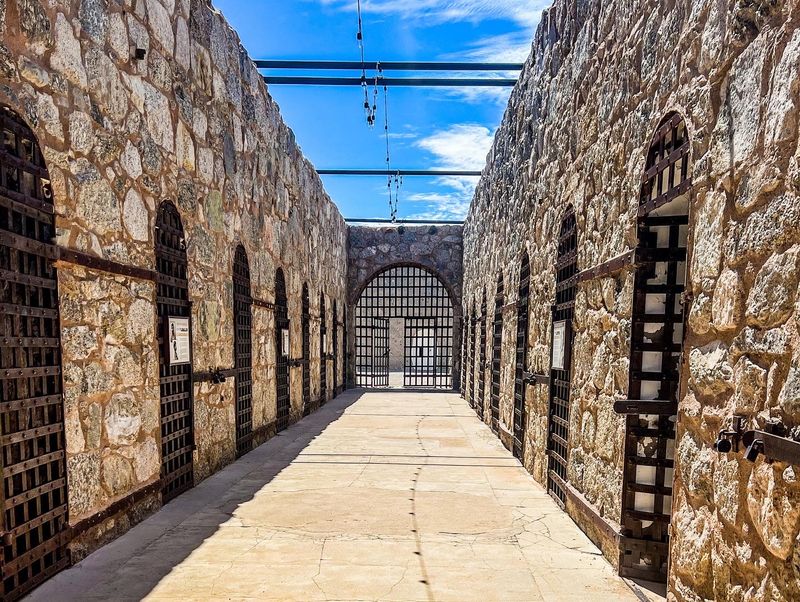
Built in 1876, this hilltop compound overlooks the Colorado River. The view is gorgeous, which feels slightly ironic.
The first inmates actually constructed their own cells. That detail sticks with you as you walk the stone corridors.
What surprised me most was the library. The prison held one of the largest collections in the territory at the time.
More than 3,000 prisoners passed through Yuma Territorial Prison, including 29 women.
After closing, the buildings served as a high school for several years. Local sports teams reportedly kept the nickname Criminals.
You will find it at 220 Prison Hill Rd in Yuma, right off the interstate. Signs are clear once you exit.
Iron cell doors and thick adobe walls remain intact. Photographers show up early for the light.
Summer heat here is serious business. Visit between November and March if you have the choice.
The museum building holds mug shots, letters, and personal belongings. Reading the handwriting makes these people feel real rather than historical.
Allow ninety minutes and wear a hat. Shade is scarce on the grounds.
7. Hubbell Trading Post National Historic Site
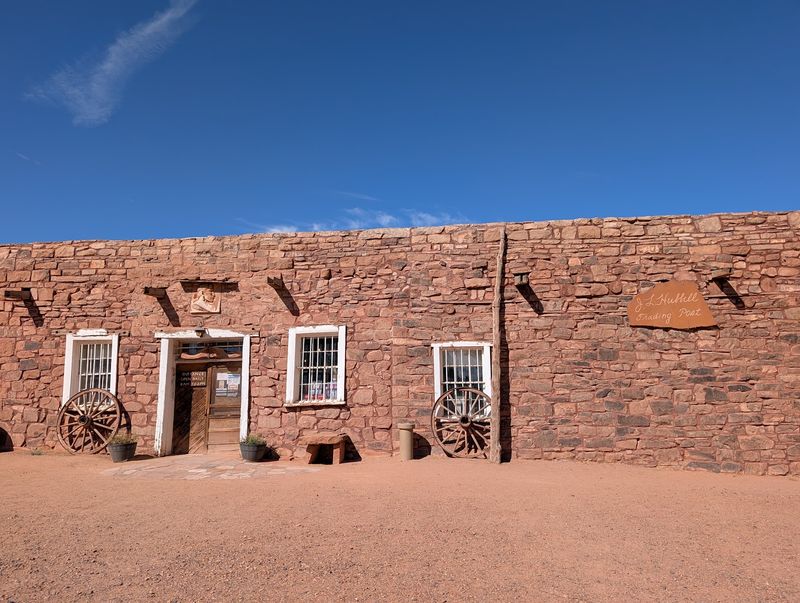
Here is a museum where you can still buy groceries. The trading post has operated since 1878.
John Lorenzo Hubbell ran it for decades on the Navajo Nation. His family kept it going until the National Park Service took over in 1967.
The rug room holds stacks of Navajo weavings, folded and ready to examine. Rangers will unfold them if you ask politely.
Wooden floors creak underfoot and the ceiling is hung with baskets. It smells like old wood and coffee.
Weavers sometimes demonstrate on-site, working at upright looms. Watching the pattern emerge row by row is oddly calming.
The Hubbell home is available on guided tours. Paintings and Native art cover nearly every wall inside.
Located on Highway 191 in Ganado, it sits between Window Rock and Chinle. Many people stop on the way to Canyon de Chelly.
Prices for authentic rugs reflect months of labor. Even if you only browse, ask about the regional styles.
Bring cash for small purchases at the counter. Cell coverage out here can be unreliable.
Give yourself two hours. Rushing this one misses the point entirely.
8. Navajo Nation Museum
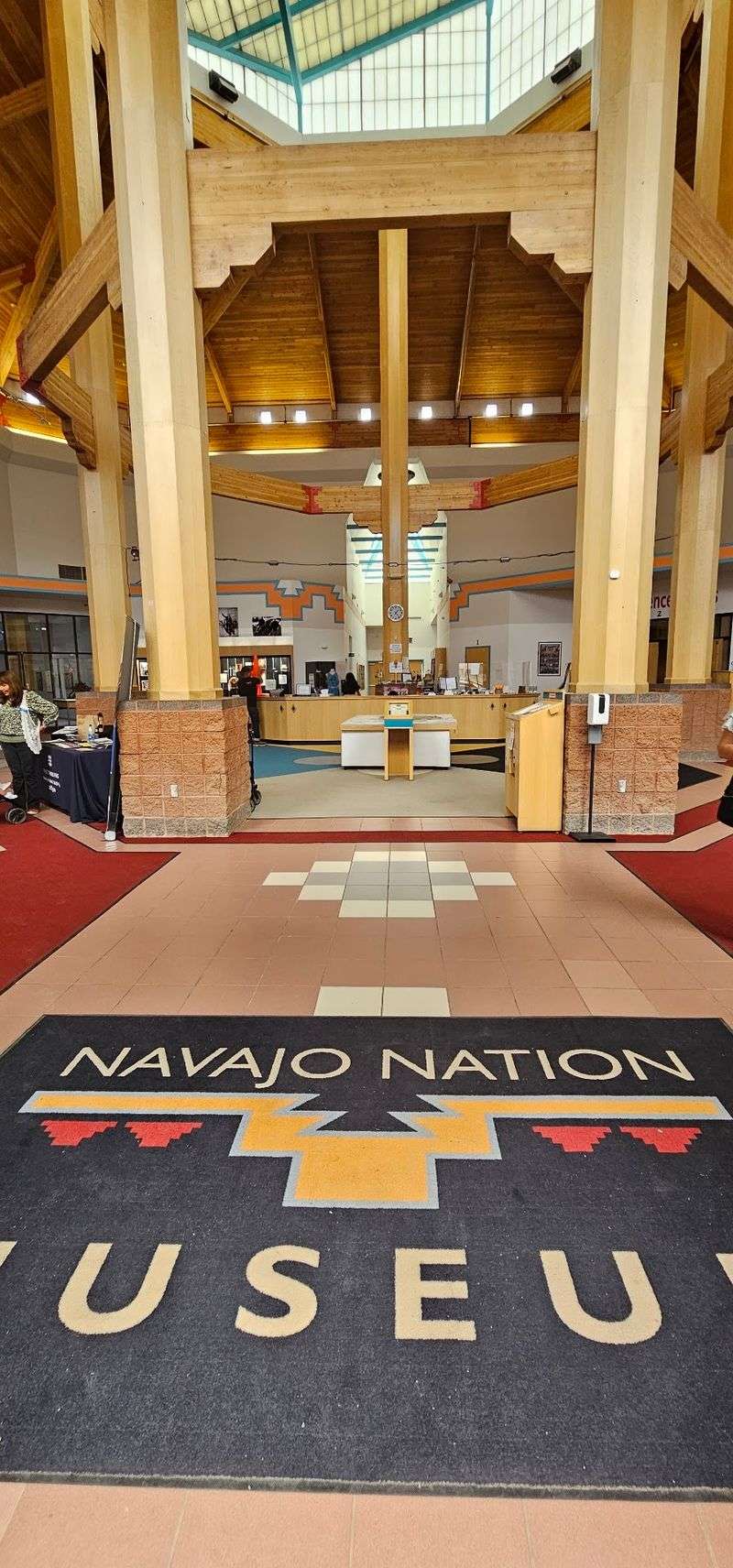
Red sandstone cliffs frame the parking lot. The building itself borrows its shape from a traditional hogan.
Opened in its current form in 1997, the museum tells Navajo history from a Navajo point of view. That perspective shift changes everything.
Exhibits cover the Long Walk, the Code Talkers, and modern life on the Nation. The storytelling is direct and unfiltered.
I noticed how much space is given to living culture. Contemporary artists get as much attention as historical artifacts.
Rotating shows mean repeat visits stay interesting. Photography, weaving, and painting exhibits change through the year.
Find it at Highway 264 and Loop Road in Window Rock, the Navajo Nation capital. The famous rock formation sits nearby and deserves a stop.
Admission is typically free, though donations help. The gift shop carries books you will not find elsewhere.
A library on site holds archives and oral history recordings. Researchers use it regularly.
Time zones can trip up visitors. The Navajo Nation observes daylight saving while most of Arizona does not.
Check hours before driving. Distances out here are long and gas stations are spread thin.
9. Bisbee Mining & Historical Museum
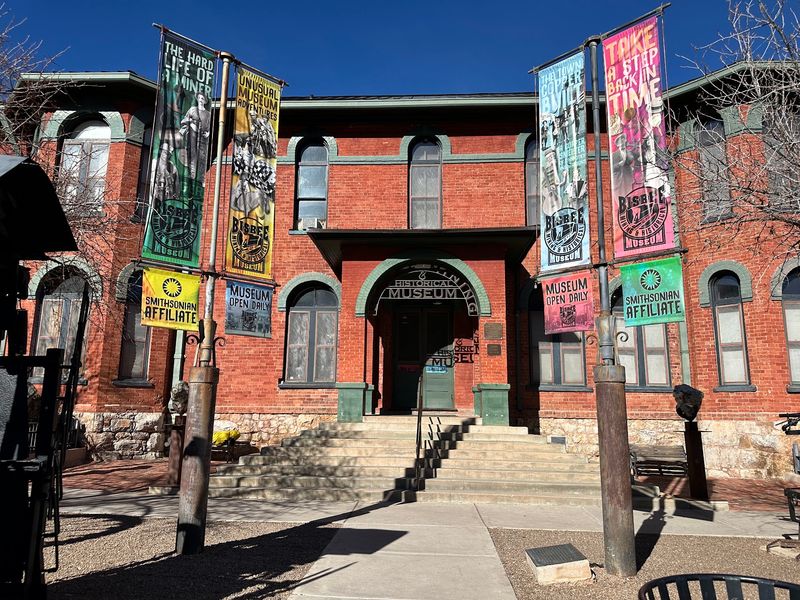
The building once served as headquarters for a major copper company. Now it holds the story of the town that grew around the ore.
It became the first rural affiliate of the Smithsonian Institution in 1999. That is a serious credential for a small mountain town.
Copper from Bisbee helped wire America. Exhibits explain how ore moved from the ground to the world.
The mineral display stopped me cold. Azurite and malachite specimens glow in shades of blue and green you rarely see.
Upstairs, photographs show Bisbee in its boom years. Streets packed with people, hillsides covered in houses.
Located at 5 Copper Queen Plaza, the museum anchors the historic downtown. Steep streets and old staircases surround it.
Afterward, wander the shops and galleries nearby. Artists moved in when mining slowed, and the town kept its character.
Parking downtown is tight. Use the public lots and walk, since everything sits close together.
Combine your visit with the underground mine tour a short distance away. Together they make a full and satisfying day.
Bisbee sits at 5,500 feet, so temperatures run cooler than Tucson.
10. Sharlot Hall Museum
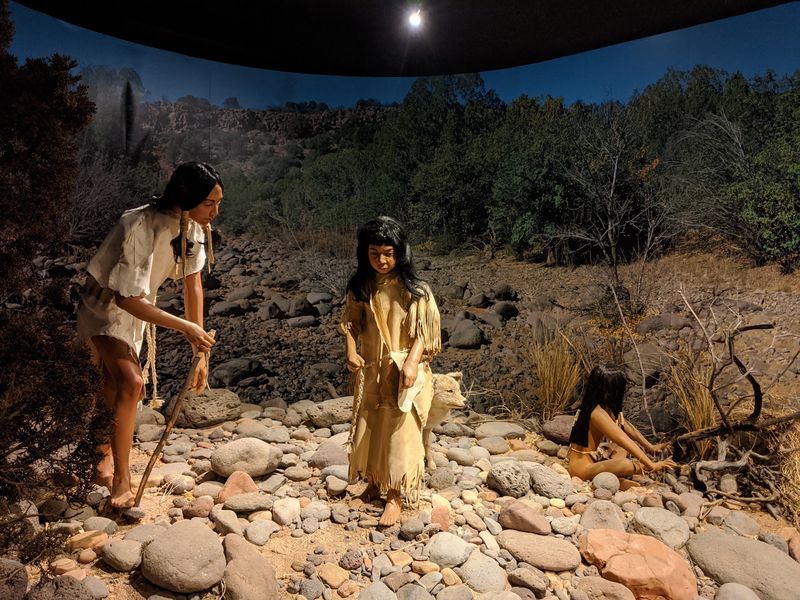
One determined woman saved this place. Sharlot Hall was a poet and historian who refused to let Arizona’s territorial past disappear.
She opened the museum in 1928 inside the old Governor’s Mansion. The log building dates to 1864.
Today the campus holds several historic structures spread across green lawns. You move between buildings instead of down hallways.
A rose garden honors Arizona women who shaped the state. Reading the names taught me more than any timeline could.
Costumed interpreters appear during special events. They demonstrate blacksmithing, cooking, and other daily skills.
The address is 415 W Gurley St in Prescott, walking distance from the courthouse square. Downtown restaurants sit two minutes away.
Sharlot Hall herself served as territorial historian, a first for a woman in Arizona. She traveled the state by wagon collecting stories.
Exhibits inside the main building cover ranching, mining, and Yavapai culture. The pacing feels thoughtful rather than crammed.
Shade trees make summer visits comfortable. Bring a blanket if you catch an outdoor concert.
Allow two hours minimum. The grounds invite slow walking, and rushing would waste them.