Nearly 1,000 Sandhill Prairie Acres Surround The Bison Herd At This Nebraska Preserve
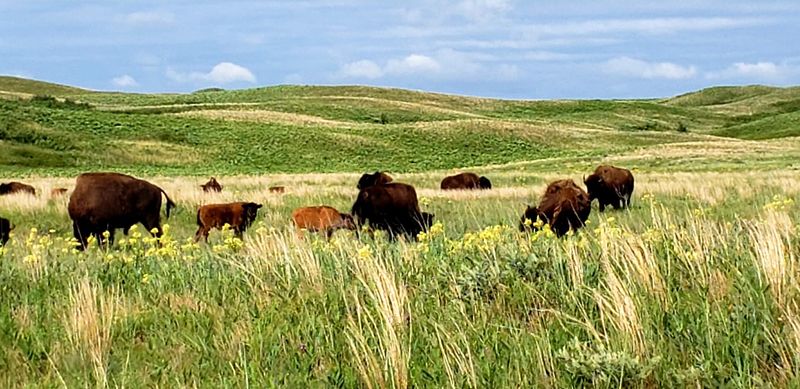
The plan was just a long drive through northern Nebraska with a sack of gas station snacks and no set destination. Then a few dark shapes appeared on a green hillside, and the car slowed almost on its own.
Bison, a whole herd of them, were grazing in grass that rolled toward a river valley lined with oak trees. What started as a quick pull-over turned into an afternoon spent learning how this prairie stays wild.
A Nebraska Preserve at the Edge of the Niobrara Valley
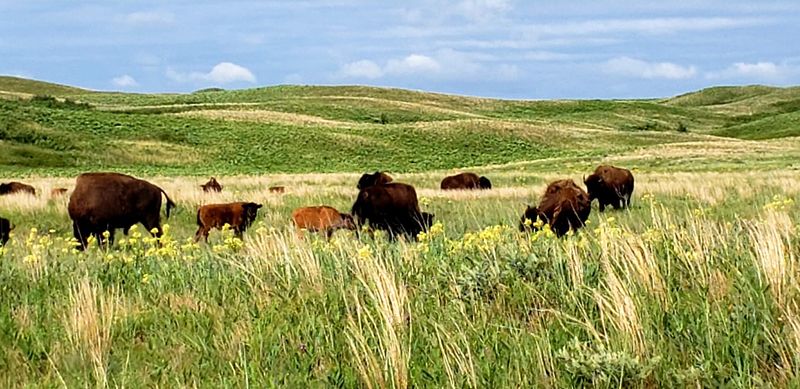
Johnstown sits in north-central Nebraska, and the Niobrara Valley Preserve spreads out from an address on Morel Road just outside town. The preserve is managed as a nature reserve, which means the land is kept for wildlife, plants, and water first.
People come second, and the whole place feels arranged that way.
So what does that look like on arrival? Rolling Sandhills grass, river bluffs, stands of trees along the water, and a bison herd grazing somewhere across the view.
There is no ticket booth, gift shop, or boardwalk crowd, and the quiet hits before anything else does.
Picture pulling off a two-lane highway with nothing but fence posts and hay meadows for miles, then catching the dark shapes of bison on a distant hill. That moment explains the preserve better than any sign could.
Plenty of Nebraska parks are built around campgrounds and swimming beaches. This one is built around the land itself, with bison, birds, and native grasses doing the heavy lifting, while humans are invited to watch, learn, and pitch in when they can.
The Nature Conservancy’s Long Game
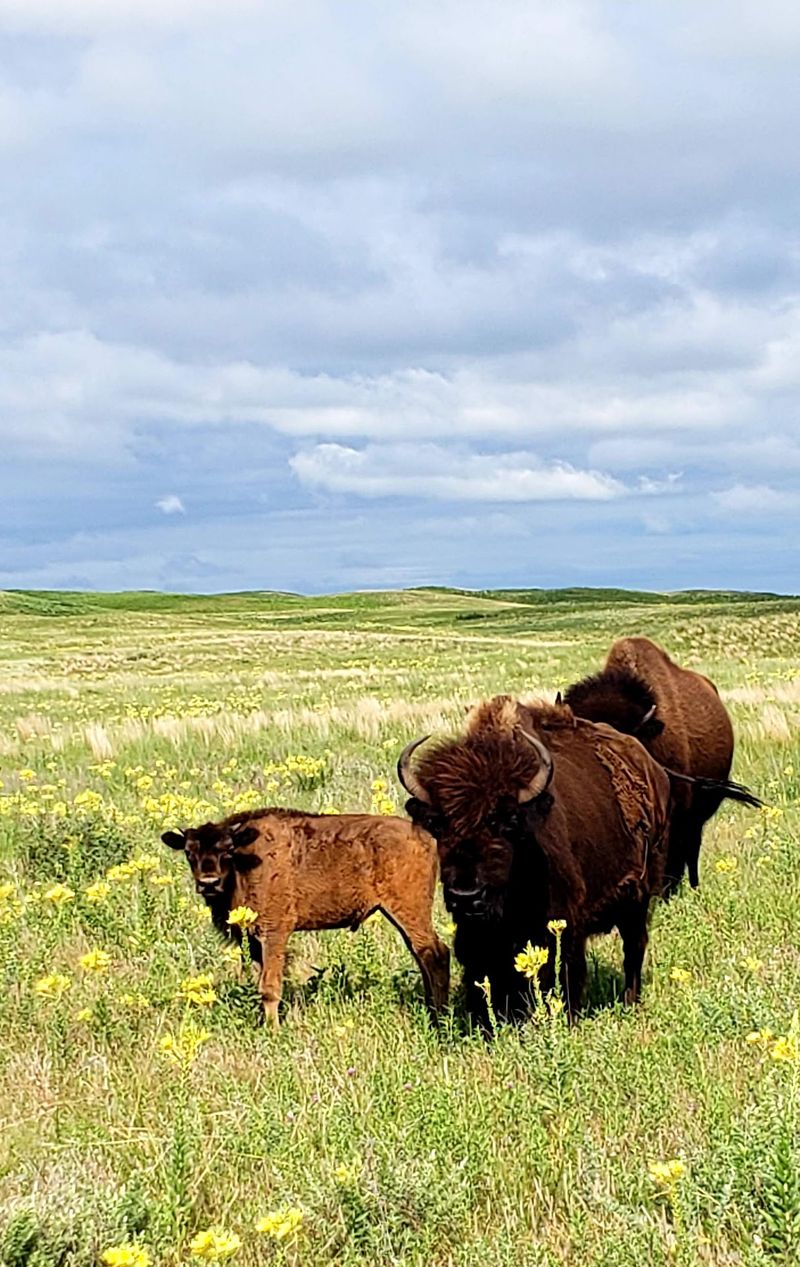
Wind moving through tall grass makes a steady hush, and protecting that sound is part of the job here. The Nature Conservancy runs the Niobrara Valley Preserve under a simple mission: conserve the lands and waters that all life depends on.
Why does a national conservation group care so much about a stretch of north-central Nebraska? Because intact grassland is rare.
Much of the country’s native prairie has been plowed, paved, or broken up, and large unbroken pieces like this one hold plants and animals that struggle elsewhere.
The work mixes old tools with new ones. Grazing, careful land management, and ongoing research all play a part, and staff treat the preserve as a working landscape rather than a museum piece.
Imagine a group discussing grass health while bison graze all around them. Conversations like that happen on tours here, and they turn a scenic outing into a lesson on how prairie stays alive.
Fancy visitor centers draw crowds, but the Conservancy’s approach is quieter. The payoff shows up in the grass, the birds, and the herd rather than on a marquee.
Where Several Ecosystems Meet at One River
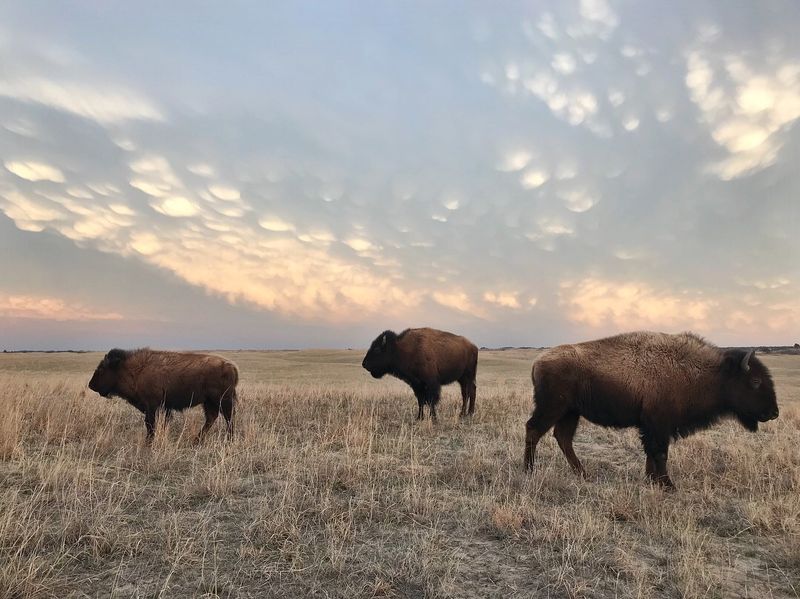
Most places belong to one kind of landscape. The Niobrara Valley Preserve sits at a biological crossroads, where several ecosystems overlap within the same river valley.
Oak woodlands crowd the river bottoms, while Sandhills grasslands roll across the higher ground. Those two worlds rarely share a zip code, and seeing them side by side is one of the preserve’s great surprises.
What happens when forest and prairie meet like that? Species from different directions end up as neighbors.
Birds, plants, and insects that usually live far apart cross paths here, which makes the valley valuable to scientists and entertaining for anyone with binoculars.
Down in the bottoms, the air feels cooler under the oak canopy, and the smell shifts from dry grass to damp leaves and river water. Climb back up, and the wind returns along with the wide sky.
A short walk can feel like crossing a few counties. One minute there are shady trees and the sound of water, the next there is nothing but grass to the horizon and maybe a bison or two watching from a ridge.
Bison on the Sandhill Grass
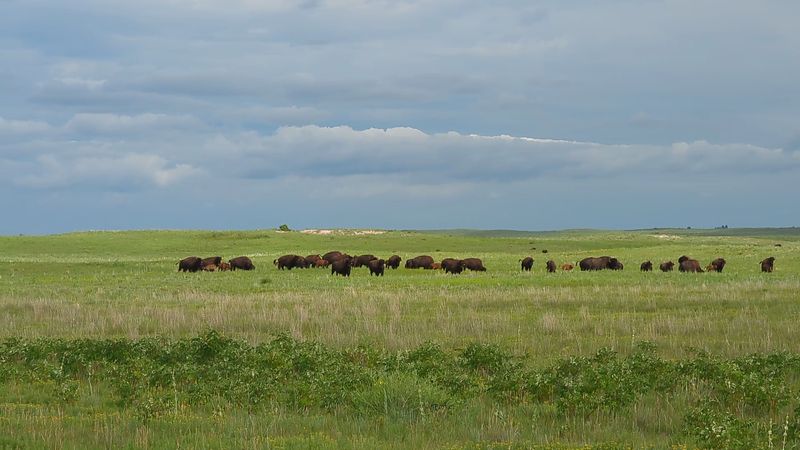
A herd moves slowly across a green slope, heads down, tails flicking in the breeze. Bison are the headline at the Niobrara Valley Preserve, and the prairie around them is the reason they matter.
Bison evolved alongside grassland, and their grazing shapes it. They crop some areas short and leave others tall, creating a patchwork that different birds and plants depend on, so the herd is part of how prairie health is managed here.
Can the herd be seen without a formal tour? Often, yes.
Bison grazing near the road can be spotted on a drive past, and a car full of curious kids can turn into a rolling conversation about wildlife and conservation, so keep a respectful distance and stay in the vehicle when the animals are close.
Zoo enclosures put animals behind glass. Here, the herd roams open grassland, which means sightings take patience and a little luck, and nothing is guaranteed.
Fun fact: the Lakota word for bison is tatanka, a name that still carries weight across the Plains. Hearing low grunts drift across the grass makes that respect easy to understand.
Guided Bison Tours With the People Who Know the Herd
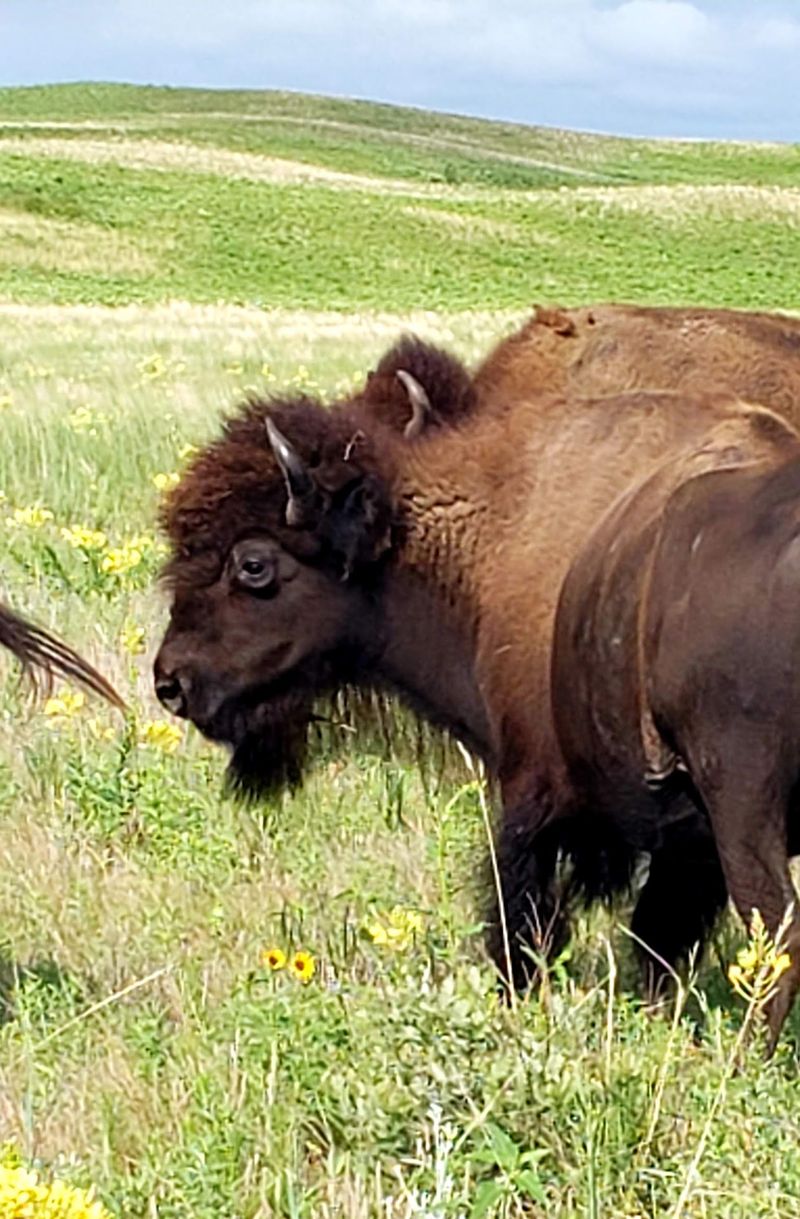
How close does a guided tour get? Close enough that conversations about prairie management happen while bison surround the vehicle.
Staff at the preserve lead bison tours that pair wildlife viewing with plain-spoken explanations of how the land is cared for. Guides explain the herd’s role, the pastures, and the reasoning behind management choices.
Picture a truck idling on a Sandhills track, windows down, a guide pointing out grass species while a bull ambles past the bumper. Nobody talks for a minute.
Then the questions start pouring out.
Self-guided drives offer freedom, but a tour offers context. Knowing why a pasture looks the way it does changes how the whole view reads, and the landscape starts to make sense in a new way.
Dust, wind, the creak of a gate, and the heavy breathing of animals nearby all add up to something a photo cannot hold.
Tours are not an everyday walk-in affair. Calling ahead to ask about scheduled tours or special programs during a planned trip is the smart move, since staff can share what is happening and when.
Oak Bottoms and Trails on Foot
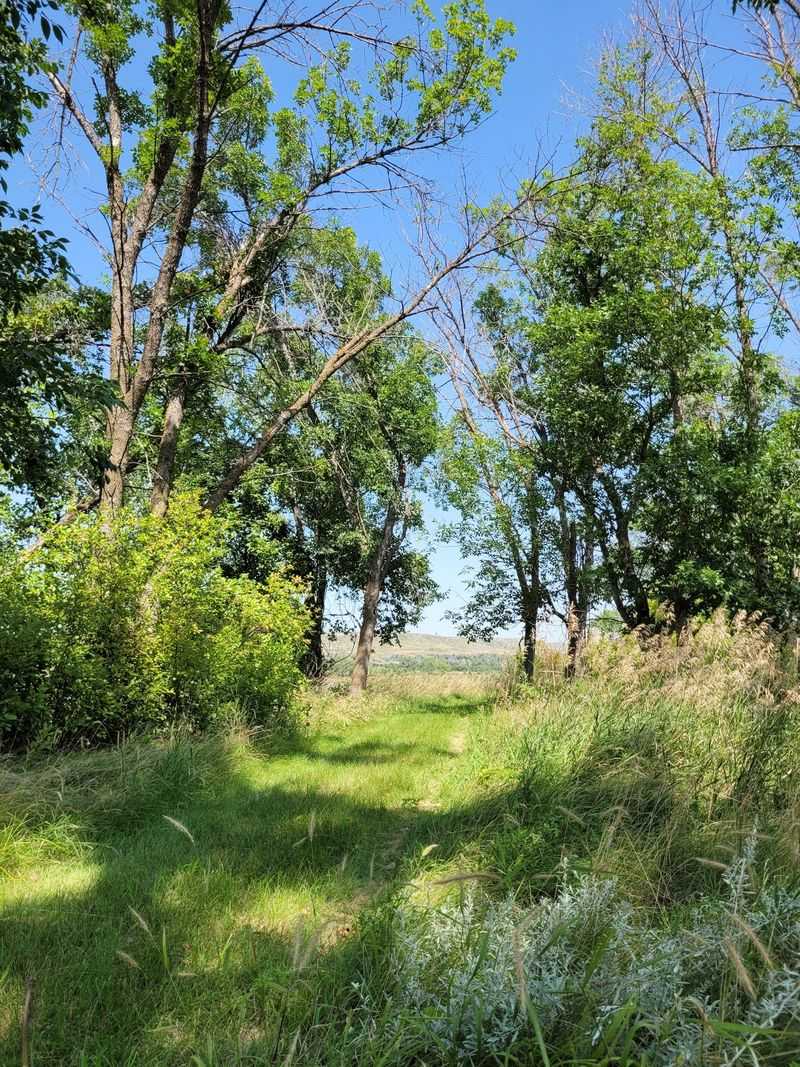
Leaves crunch underfoot, and river sound drifts through the trees on the lower ground of the preserve.
Hiking trails give a slower look at the valley, letting walkers experience its mix of shaded river bottoms and open grass at their own pace. It’s a different preserve on foot than from behind a windshield.
Why hike when the bison are visible from the car? Because the small things vanish at highway speed.
Wildflowers, animal tracks, beetles on grass stems, and bird calls in the canopy only show up for people moving slowly.
Summer sun on open prairie can feel intense, yet the river bottoms stay shadier. Planning a hike to take advantage of both makes for a more comfortable outing.
Imagine stopping on a rise, catching your breath, and seeing the Niobrara curving below with trees tracing its banks. That view makes a water bottle and sturdy shoes feel like the best packing decisions of the day.
Trails here are natural, not paved. Bring water, sun protection, and directions picked up from staff, since the phone in your pocket may not be much help.
Birdwatching Under an Enormous Sky
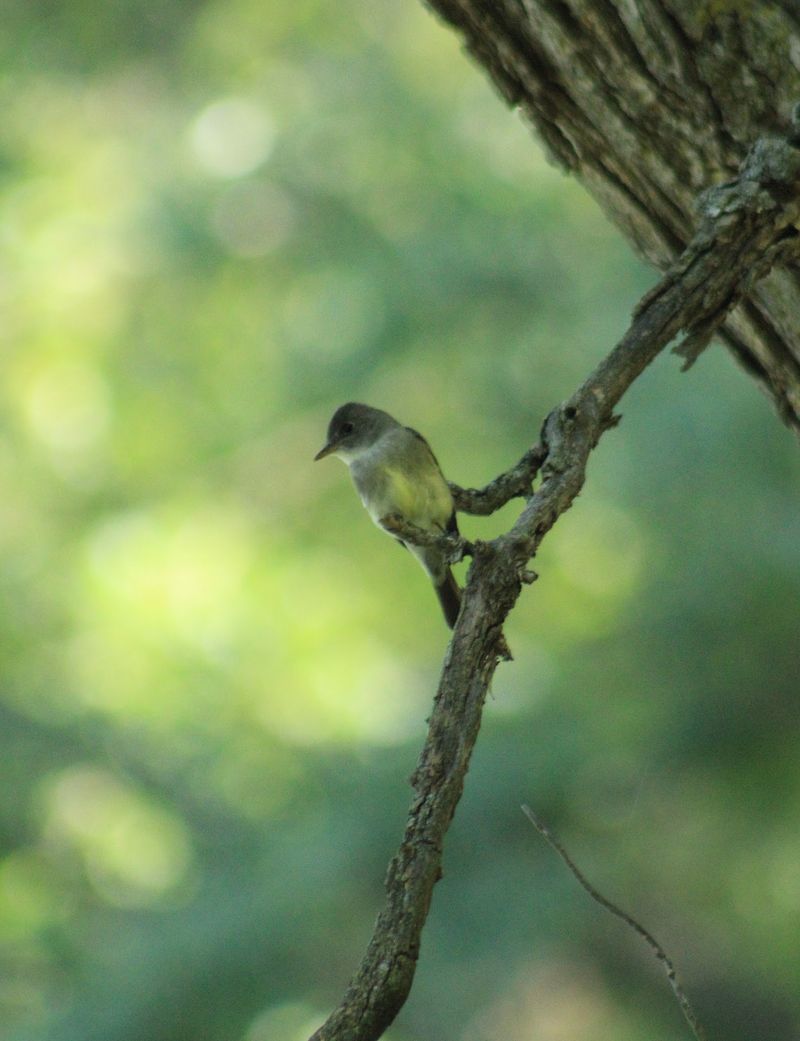
Ever tried counting bird species in a place where forest and prairie overlap? Keep a notebook handy, because the list grows fast.
Birdwatching at the Niobrara Valley Preserve is excellent thanks to the valley’s mix of habitats. Woodland birds use the river bottoms, grassland birds claim the open hills, and edge species work the boundary between them.
Early morning brings the loudest chorus. Songs drift out of the oaks while meadow calls rise from the grass, and the two blend into a soundtrack that shifts with every step.
City birding often means scanning a small park surrounded by traffic. Out here, the only background noise is wind, and a bird can be heard long before it is seen.
Imagine a folding chair at the edge of a trail, binoculars resting on a knee, a thermos of coffee cooling in the grass. Hours slip by without anyone noticing.
A field guide and binoculars cover the basics. Staff can point toward programs or seasonal highlights, so asking ahead may help line up a trip with the most rewarding activity.
Prairie Science in the Research Plots
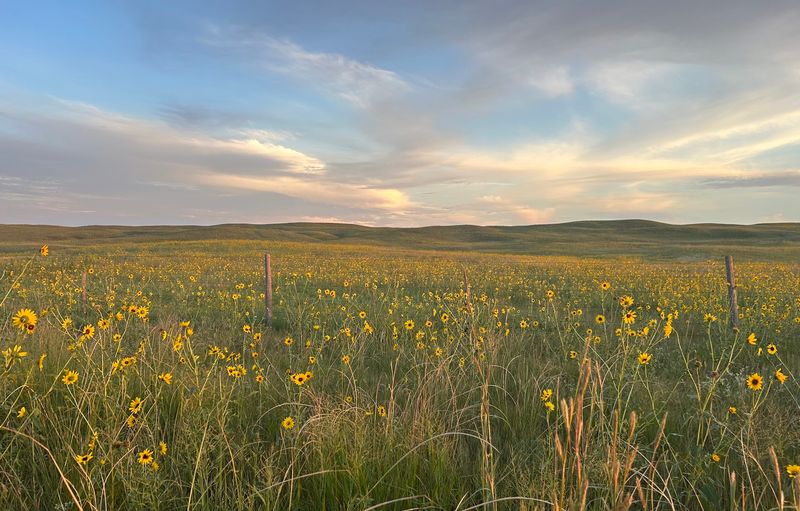
Somewhere out on the grassland, a researcher could be kneeling beside a marked patch of ground, counting plants stem by stem.
The preserve holds a well-regarded research plot, and science is woven into how the land is managed. Questions about grazing, grass growth, and habitat help shape decisions about the herd and the pastures.
Why should a casual visitor care? Because the research is what keeps the scenery looking the way it does.
Healthy prairie does not happen by accident, and the information gathered here guides the choices that protect it.
Lab science happens behind closed doors. Field science happens in the wind and sun, with muddy boots and sunburned necks.
Professional meetings and workshops are held at the preserve too, bringing land managers and researchers together to talk shop in the middle of the landscape they study.
There is something satisfying about hearing a discussion of grass species while the grass itself brushes against your legs. Theory turns concrete fast when the subject is right there, rustling in the breeze, with bison grazing nearby as living proof of the ideas in play.
Master Naturalist Classes and Volunteer Days
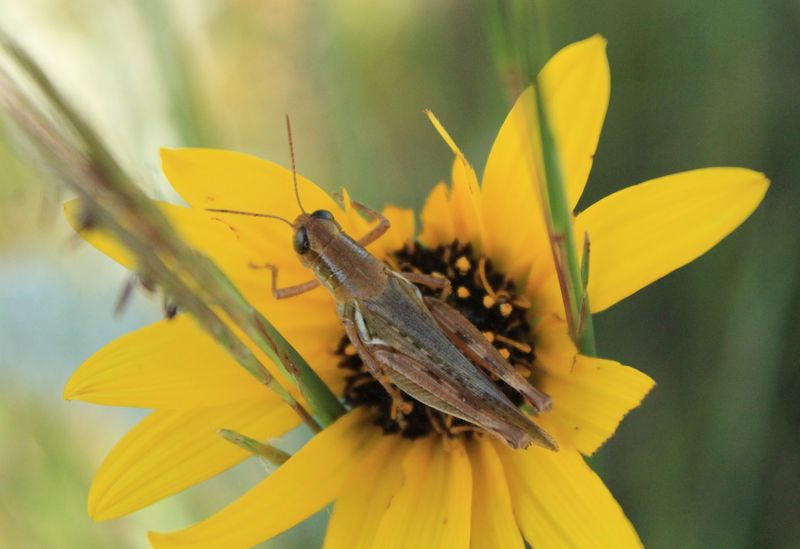
What better classroom for a budding naturalist than a valley where multiple ecosystems overlap?
The preserve has hosted Master Naturalist certification training, an in-depth program that teaches participants to identify plants and wildlife, understand ecosystems, and share that knowledge with others. The setting makes every lesson hands-on.
A group gathers at a trailhead with hand lenses and notebooks, crouching to study a single wildflower before moving on to animal tracks in the sand. Sandhills soil makes a great canvas for footprints.
Classroom slides can only go so far. Out here, the lesson plan might change because a hawk lands nearby or the bison drift over a hill.
Volunteer work is another way in. Helping with projects on the preserve blends adventure with education, and the hours tend to fly by.
Friendly staff make newcomers feel welcome from the first handshake.
Sun-warmed grass, gloves stiff with dust, and the satisfaction of a job finished outdoors make volunteer days memorable. Reaching out to staff ahead of time is the best way to learn what opportunities exist during a planned visit.
Modern Meeting Rooms and Rustic Crew Quarters
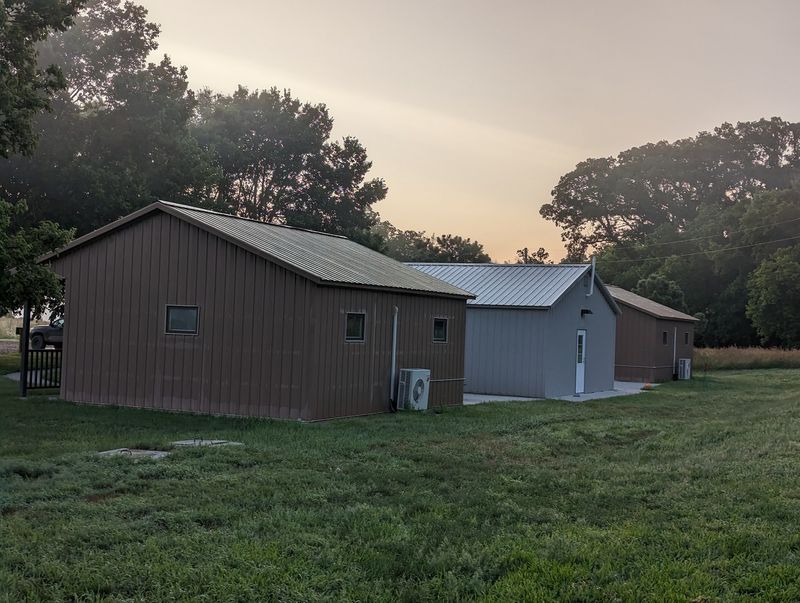
Newer facilities at the preserve are clean and modern, set up well for professional gatherings and meetings.
The crew quarters tell a different story. Accommodations are basic, and the lack of air conditioning can make an August night feel long.
Box fans hum in the windows, pulling in cool night air after the heat of the day. By early morning, the temperature drops enough for decent sleep, and the sounds outside take over.
Who stays in the quarters? They are geared toward working groups, researchers, and program participants rather than vacationers.
It’s not a hotel, and it doesn’t pretend to be one.
Imagine finishing a day of fieldwork, eating supper with colleagues, and stepping outside to a sky crowded with stars far from any city lights.
Anyone booking through a program or meeting should pack light layers, a personal fan if possible, and earplugs for light sleepers. Comfort takes a little planning in a remote spot.
Rough edges aside, the setting makes up for plenty. Few conference rooms come with bison grazing outside the door and prairie management demonstrated in real time.
Hours, Cell Service, and the Road to Johnstown
When is the office open? The preserve keeps weekday hours starting in the morning, with an early close on Friday and no weekend hours at all.
Cell service inside the preserve ranges from weak to nonexistent. Download maps, save directions, and share travel plans with someone before heading out.
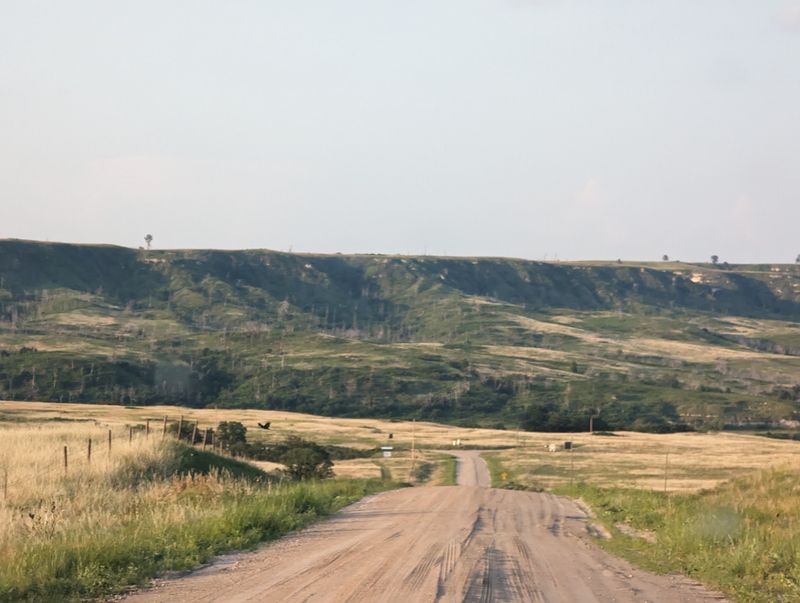
A car rolls north on a quiet highway through hay meadows and grass-covered hills, the radio fading to static somewhere past the last town. That’s the drive in a nutshell.
Remote does not mean hard to find, but it does mean being prepared. The address on Morel Road near Johnstown is the target, and the drive through north-central Nebraska is part of the experience.
Program schedules and access can change, so calling ahead before the trip is the surest way to confirm tours, events, and what is open. Staff are glad to share what is happening.
Weekday trips line up best with staff availability.
Pack snacks, water, sunscreen, and a full tank of gas. Towns are spread out, and running low in the Sandhills is no fun at all.
A paper map in the glove box adds peace of mind.
A Soft Verdict From the Grass
Is it for everyone? Not quite.
Anyone wanting souvenir shops, paved paths, and snack bars will find the Niobrara Valley Preserve pretty bare.
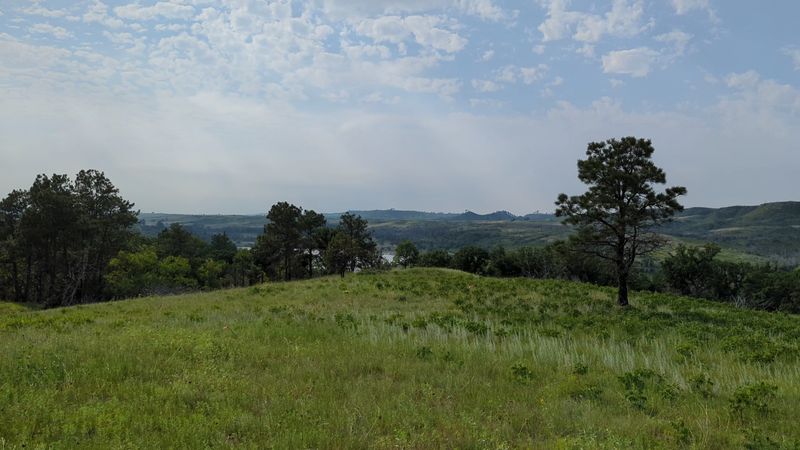
For people who love wide spaces, wildlife, and a good lesson hidden inside a scenic drive, it delivers. Bison on open grassland, oak shade along the river, and birdsong in every direction make up the main attractions.
A family pulls over at the fence line, kids pressing faces to the window, and the talk turns to why animals like these need room to roam. Moments like that stick.
Big-name parks can feel rushed and crowded. Here, time slows to the pace of a grazing herd.
Nobody hurries a bison, and nobody needs to hurry here either.
Wind, grass, open sky, and the low rumble of hooves. That’s the whole menu, and it’s plenty.
Plan around weekday hours, prepare for no signal, and call ahead about tours or programs. A little homework unlocks one of the most rewarding corners of Nebraska for nature lovers, researchers, and curious families alike.