This Nebraska Museum Lets You Walk Through A Whole Hall Of Fossilized Mammoth Skeletons For Cheap
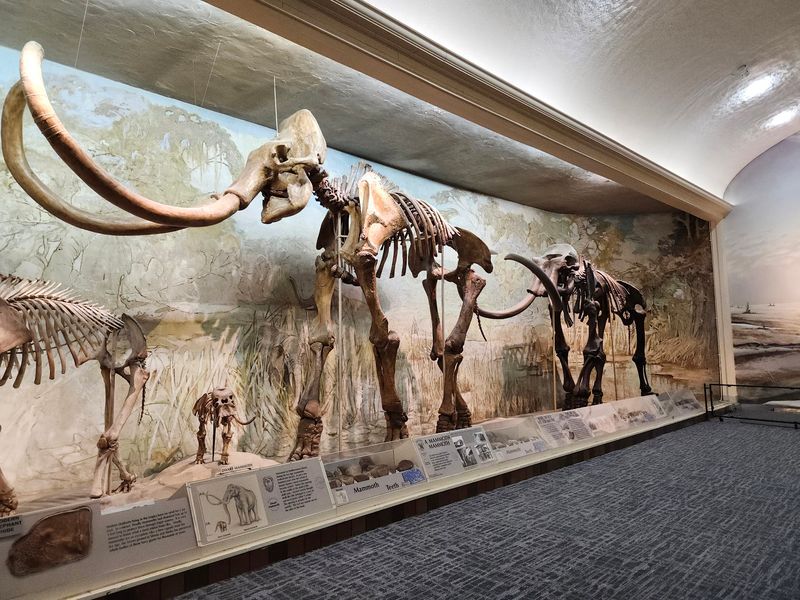
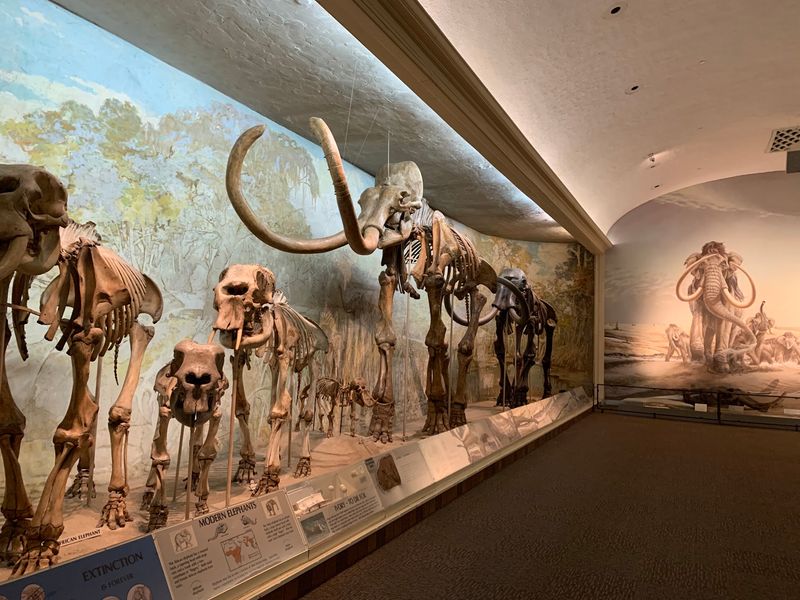
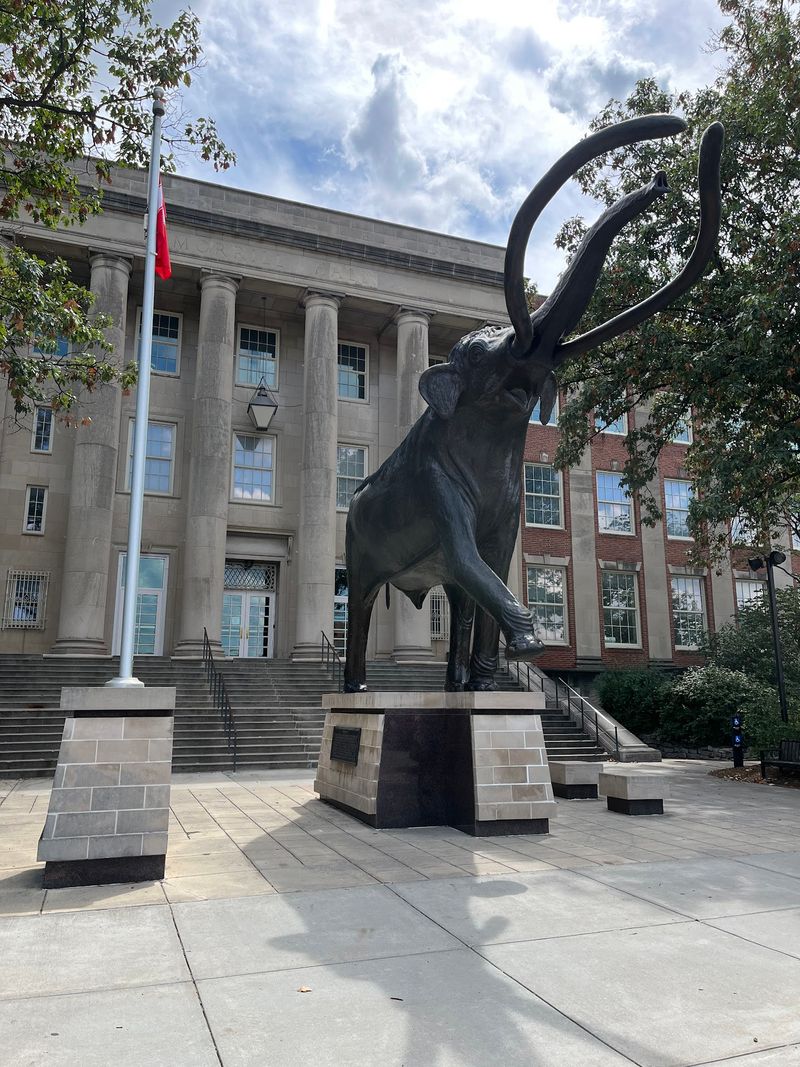
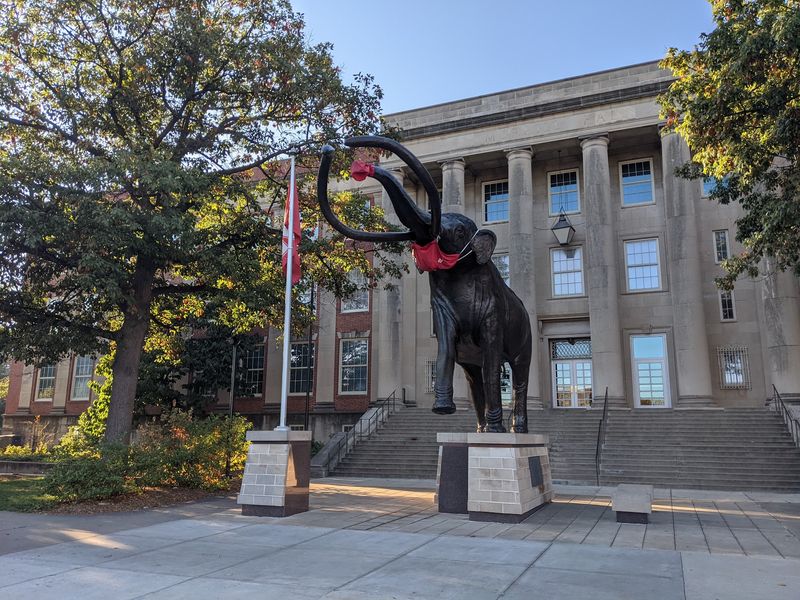
A mammoth named Archie stands near the front of a Nebraska museum, and he does not do small. Behind him waits an entire hall of fossil elephants, lined up like a family reunion from the Ice Age.
The skeletons are just the opening act. There are glyptodonts, which look like armored cars with tails.
There are gomphotheres, elephant cousins with tusks in places you would not expect. Upstairs, you can pull open specimen drawers and study bugs and fossils under microscopes.
I like how the whole thing sits on a college campus, almost daring you to notice it. The tickets cost about what a fast-food lunch does.
I can’t imagine a cheaper way to stand face to face with a creature taller than a moving truck.
So how did one building end up with this many giants?
A Natural History Treasure Chest Parked On A College Campus
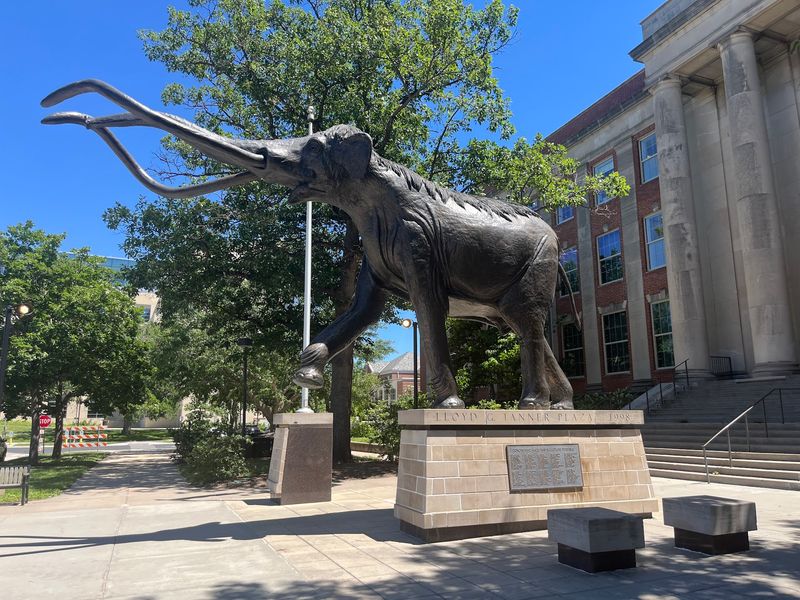
Most college buildings hold lecture halls and vending machines. The University of Nebraska State Museum – Morrill Hall holds mammoths, meteor-sized curiosity, and four floors of natural history.
The museum sits right on the University of Nebraska-Lincoln city campus. Its roots go all the way back to 1871, which makes it older than a lot of Nebraska towns.
Morrill Hall tells the natural and cultural story of the state. That means fossils, wildlife, rocks, plants, and the people connected to this land across a very long timeline.
It’s a real research museum, not a small hallway display. University scientists study the collections, and the public gets to enjoy the payoff.
Plenty of folks are surprised by the size. The building runs across multiple floors, including a level below the main entrance that is easy to miss.
That hidden floor matters, so keep it in mind. Some of the newest and most hands-on exhibits live down there and upstairs.
For a museum this packed, admission stays pleasantly light on the wallet. It is the kind of place where a modest ticket buys several hours of wandering and wondering.
Why Everyone Calls It Elephant Hall
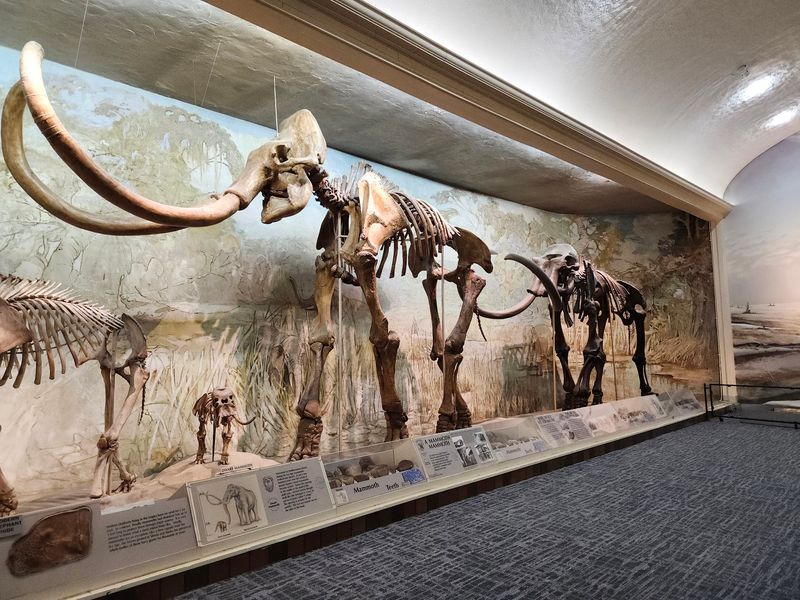
Nicknames usually come from a joke or a quirk. This one comes from a room full of fossil elephants, which feels a lot more earned.
The museum is widely known as Elephant Hall. The name comes from its famous gallery of elephant relatives, one of the signature collections in the building.
Nebraska was once prime territory for these giants. Long before cornfields and highways, mammoths and their cousins roamed across what is now the Great Plains.
Their bones stayed in the ground for ages. Scientists dug many of them up, and Morrill Hall gives them a second career as showstoppers.
The hall works like a walk-through timeline. You move past skeleton after skeleton, and the changes from one species to the next start to make sense.
Some are huge, some are oddly shaped, and some have tusks that seem to break the rules. It’s basically a family photo album, only every relative is several tons and made of fossil.
Kids tend to point and stare here. Adults usually do the same thing, just a little more quietly.
Say Hello To Archie Before Anything Else
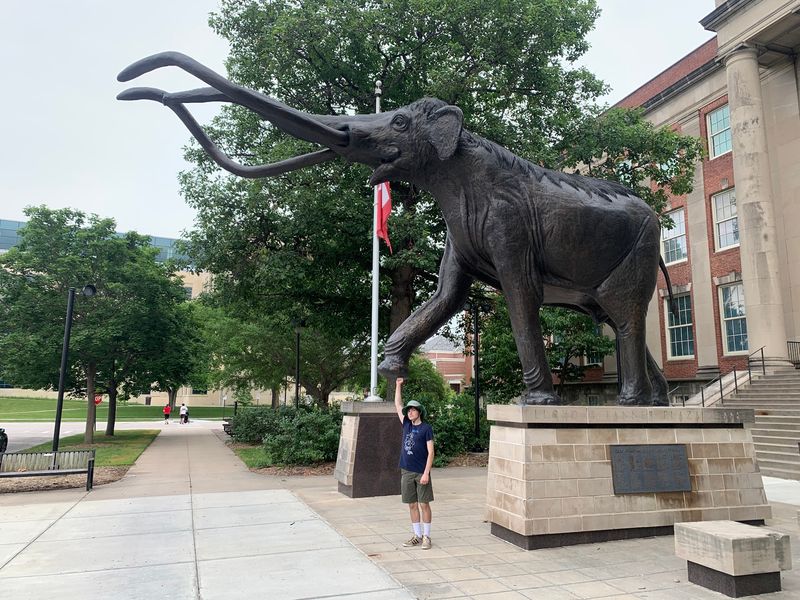
Every great museum needs a mascot. At Morrill Hall, that job belongs to a mammoth named Archie, and he takes up serious space.
The mammoth collection greets you near the entrance. There’s no long buildup, no maze of hallways, just towering bones almost right away.
Archie is the one to look for. His sweeping tusks and sheer height make even tall grown-ups feel like kindergartners on a field trip.
Seeing a mammoth in a book is one thing. Standing next to a real fossil skeleton changes your sense of scale in about two seconds.
Mammoths were not cartoon creatures. They were working animals of the Ice Age, built for cold weather and long walks across open land.
Nebraska turns out to be excellent mammoth country. The state has yielded so many fossils that the mammoth became a proud symbol for scientists here.
Take a few minutes with Archie before moving on. Look at the curve of the tusks, the size of the ribs, and the feet that once carried all that weight.
Then try to picture him walking past your house. Good luck forgetting that image.
Gomphotheres, Glyptodonts, And Other Names Worth Practicing
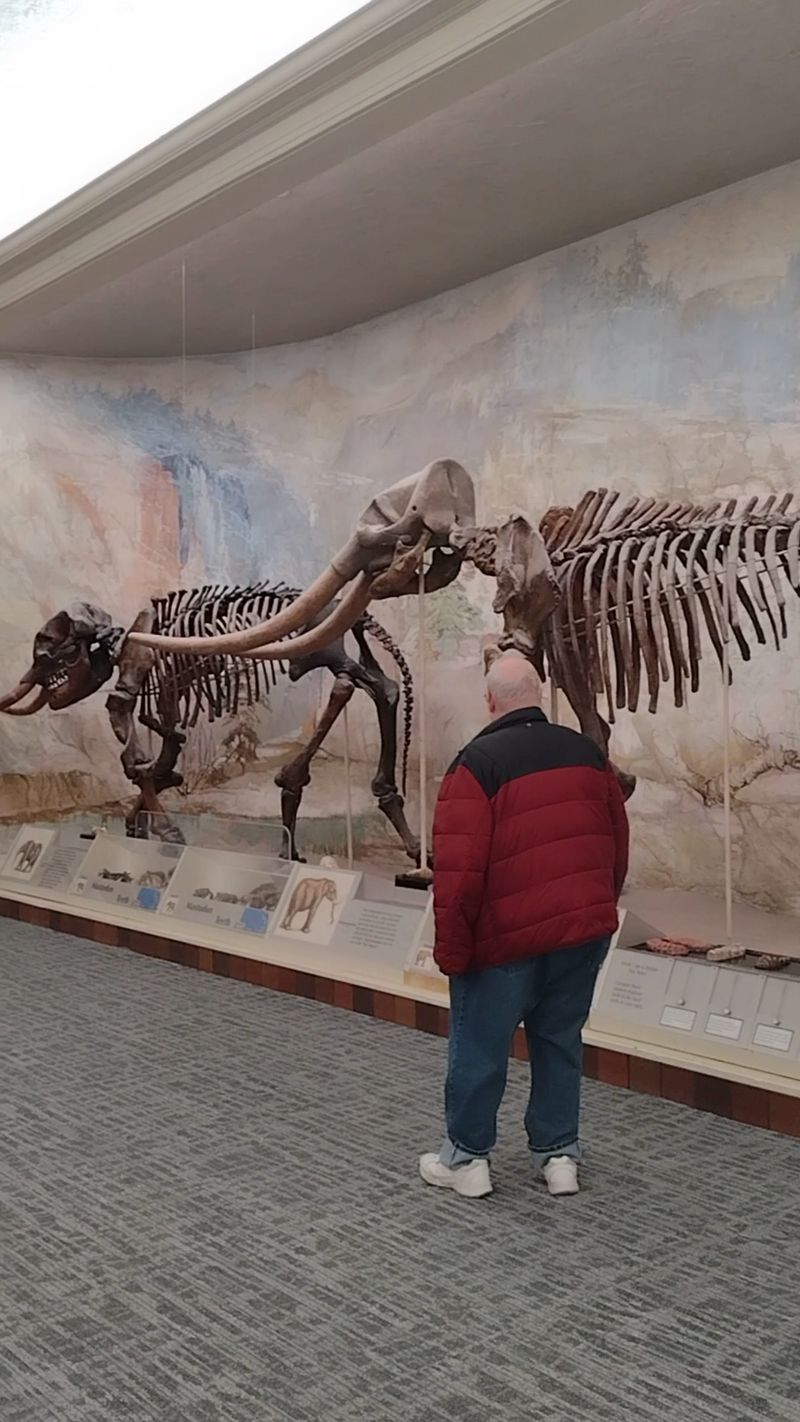
Try saying gomphothere three times fast. Now try picturing an elephant cousin with tusks sticking out of both its upper and lower jaws.
Gomphotheres are some of the stars in the Hall of Elephants. They show how Nebraska’s elephant family tree branched out in strange and wonderful directions.
The hall lays out an evolutionary history of elephants found in the state. It’s a story of change, told through bones instead of paragraphs.
Then there are glyptodonts. These were giant armored relatives of modern armadillos, wearing a shell like a rolling dome.
Honestly, a glyptodont looks like something a kid would invent on a rainy afternoon. Yet these animals were real and walked the ancient Americas.
Exhibits like these make the past feel weird in the best way. Animals were bigger, bolder, and far more creative with body design.
You don’t need a science degree to enjoy it. Read a label or two, compare the skulls, and let the differences do the talking.
By the end, the word gomphothere might roll off your tongue. Your family may not be impressed, but you will be.
Dinosaurs Posed Like It’s Still The Old Days
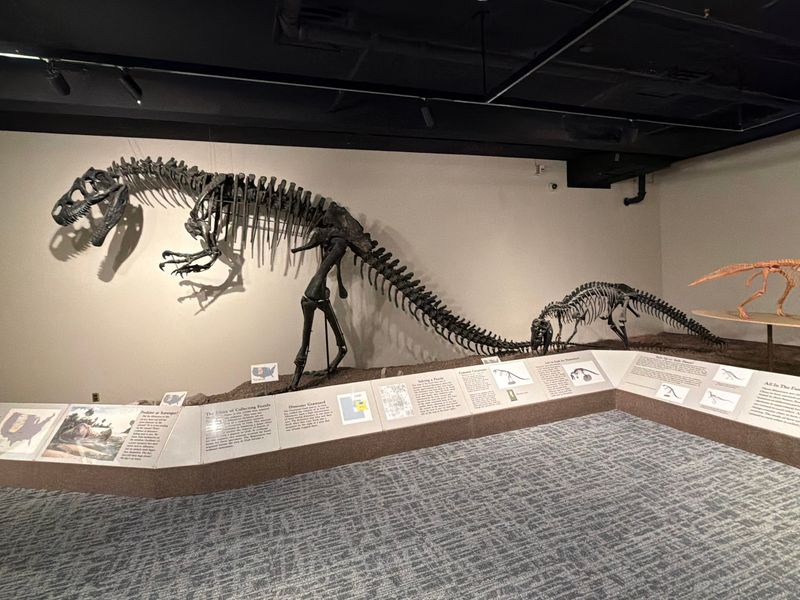
Dinosaur science has changed a lot over the years. The Mesozoic Gallery at Morrill Hall keeps a little of that history on display, and it’s oddly delightful.
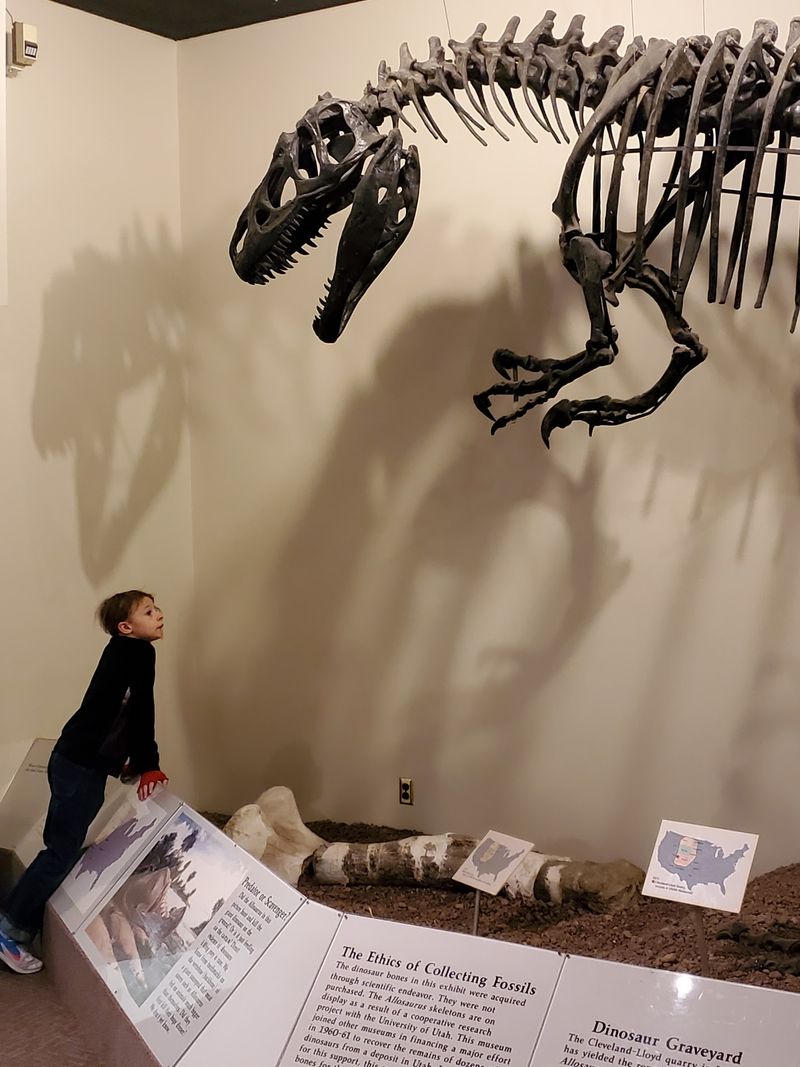
Replica skeletons of a Stegosaurus and an Allosaurus stand in the gallery. Their older poses reflect an earlier era of thinking about how these animals moved.
Look up and around, too. Murals by paleoartist Mark E.
Marcuson, dating to the mid-1990s, give the room a painted prehistoric backdrop.
Those murals carry real nostalgia for anyone who visited as a kid. They feel like a snapshot of how a whole generation first imagined the age of dinosaurs.
The gallery also holds some vintage exhibit technology. Keep your eyes open, because these little throwback touches are part of the fun.
It’s a nice reminder that museums have their own history. Science keeps updating, and you can spot traces of earlier chapters right here.
Kids still love the big teeth and spiky tails. Grown-ups who came here decades ago may feel a happy jolt of recognition.
Either way, the dinosaurs remain huge crowd-pleasers. Old poses or not, a Stegosaurus never really goes out of style.
Rocks That Deserve A Closer Look Than You’d Expect
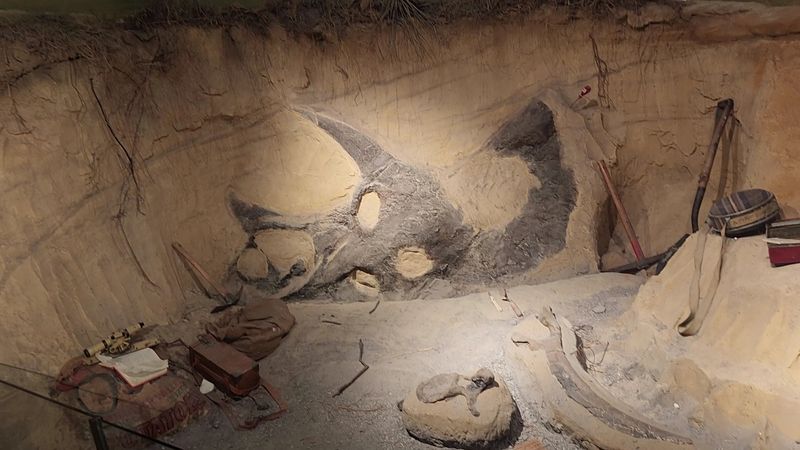
Rocks rarely get top billing over mammoths. On the second floor, though, they put up a pretty strong fight for your attention.
The museum displays a wide range of rocks and minerals. There are crystals, colorful specimens, and enough variety to turn a casual glance into a long stop.
Grandparents and grandkids often bond over this kind of thing. A shiny crystal is one of those rare objects that impresses every age group equally.
The collection shows how different the ground beneath our feet can be. Some pieces look polished and glassy, while others look rough and almost alien.
Nearby, hands-on science displays add a little action. It’s a good spot for curious kids who need to touch, test, and figure things out.
Geology also ties back to the fossils downstairs. The layers of earth are what kept those ancient animals preserved for so long.
So when you pass a case of minerals, slow down a bit. These quiet displays explain a lot about the louder exhibits elsewhere in the building.
And yes, someone in your group will probably pick a favorite crystal. That’s half the fun.
The Floor That Celebrates Nebraska Up Close
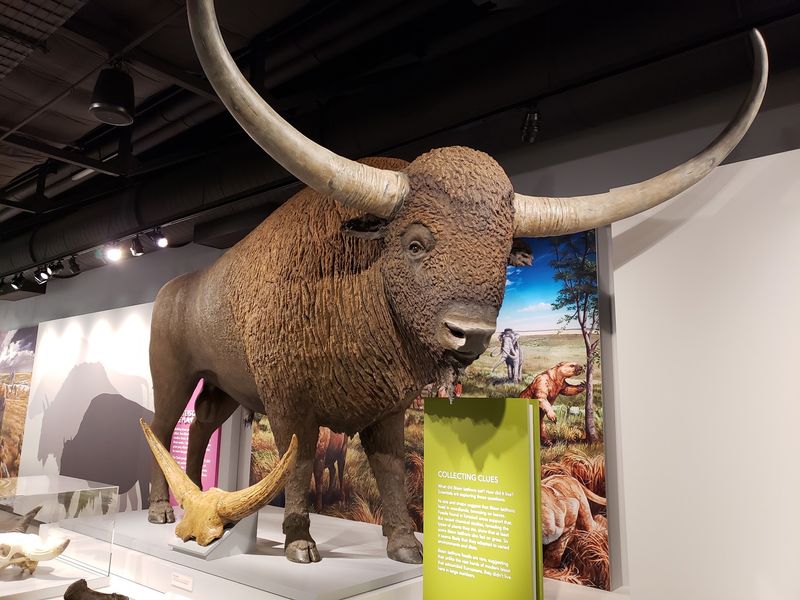
Some exhibits feel frozen in time. The Cherish Nebraska exhibit on the fourth floor feels bright, modern, and very much current.
It opened in the spring of 2019 after a renovation. The space focuses on the state’s natural world, from prairie life to the plants and animals that call it home.
Touch screens and interactive displays fill the area. Colorful artwork and updated information make it easy to explore at your own pace.
It’s a smart counterpoint to the ancient fossils below. Down there, you see Nebraska’s deep past, and up here, you meet its living landscape.
Specimen displays show off the variety of wildlife and nature across Nebraska. Plenty of people leave realizing their home state is far more diverse than they thought.
That’s the real charm of this floor. It turns familiar sights like grasslands and rivers into something worth studying.
Families who visit often make a point to come back here. The newer design also helps the space feel accessible and easy to navigate.
Save some energy for the climb. Skipping this floor would be like leaving a Husker game at halftime.
Drawers Full Of Bugs Just Waiting To Be Opened
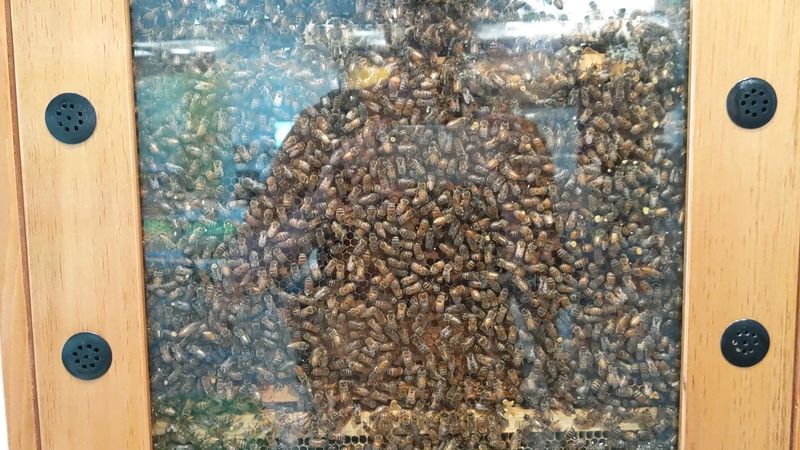
Opening a drawer usually reveals socks. In the Science Exploration Zone, it might reveal beetles, fossils, or pressed prairie plants.
Visitors of all ages can pull open specimen drawers here. You can take out bugs, fossils, and plants, then study them under microscopes.
That level of access feels a little like being handed the keys. Instead of staring through glass, you get to zoom in on the tiny details yourself.
The zone also includes some playful spaces. There’s a prairie dog burrow, a cottonwood log, and a rattlesnake den that visitors can crawl through.
Don’t worry, the rattlesnake den is all about learning, not surprises. It’s a clever way to show how animals live in Nebraska habitats.
Kids with restless legs will find plenty to do. Adults who love details may end up hogging the microscopes, which is completely understandable.
This area makes the museum feel active rather than quiet. It invites questions, and it rewards anyone willing to look twice.
Plan for extra time on this floor. Drawers have a sneaky habit of leading to just one more drawer.
Parasites, Fossil Prep, And The Delightfully Strange Stuff
Parasites are not anyone’s first guess for a museum highlight. Yet the digital parasite table on the top floor ranks among the building’s favorite stops.
The museum has a strong parasitology collection, and the interactive table puts it right at your fingertips. It’s gross, fascinating, and impossible to ignore.
Science museums are at their best when they make you squirm a little. This exhibit does exactly that while teaching a lot along the way.
Morrill Hall also gives glimpses of real fossil work. Visitors have been able to watch fossil casts and specimens being prepared in a lab setting.
Volunteer paleontologists sometimes work where the public can see. Some have shown visitors tiny fossils freshly found in sediment millions of years old.
That connection to active research makes the place feel alive. These aren’t just props, they’re pieces of an ongoing scientific story.
It’s a reminder that discovery still happens here. Someone might be uncovering a new clue about ancient Nebraska while you walk by.
So peek through any lab windows you pass. You might catch a scientist at work, and that’s a scene no textbook can match.
A Dome Of Stars For A Small Add-On
After a few hours with mammoths, looking up at the night sky feels like a nice change of scenery. Morrill Hall makes that easy with its own planetarium.
The Mueller Planetarium sits inside the museum. Shows require a small extra ticket on top of regular admission.
Stars and planets give the visit a different rhythm. You go from ancient life on Earth to the vastness of space in the same afternoon.
The planetarium tends to work especially well for younger visitors. Little stargazers get a comfortable seat and a big sky full of wonder.
Topics and show schedules vary over time. Checking the lineup before you go helps you pick the best fit for your group.
It also makes a great break for tired legs. A sit-down show in a dark dome can reset the energy of an entire family.
Think of it as dessert after a hearty museum meal. It isn’t required, but it rounds things out nicely.
Not every natural history museum offers this kind of bonus. Having it under the same roof is a real perk for a Lincoln outing.
Room For Little Explorers, With More On The Way
Families with young kids, mark your calendars. The all-new Marx Discovery Center is slated to open in early summer 2026.
The center is the space many families think of as the main kids’ play area. While its home gets a full renovation, a smaller version operates temporarily on the second floor.
That means little ones still have a place to explore right now. And the wait for the refreshed space is almost over.
Monthly events add even more for children. The education team hosts kid-friendly, hands-on activities tied to each event’s theme.
The museum aims to appeal to both kids and grown-ups. Exhibits stay interactive without feeling like a playground, so adults won’t get bored.
School groups visit often, so you may share space with a field trip. The layout tends to leave enough room for everyone to get a good look.
Restrooms and public areas are kept clean, which parents notice fast. Small comforts like that make a long visit with kids much easier.
Between the drawers, the burrows, and the coming discovery center, children have plenty to chase. Napping on the drive home seems very likely.
Getting There, Parking Smart, And Why The Trip Pays Off
Planning ahead takes about two minutes. You’ll find the museum at Morrill Hall, 645 N 14th St, Lincoln, Nebraska 68588.
The museum opens Tuesday through Sunday, with shorter afternoon hours on Sundays. It’s closed on Mondays, so don’t plan a long weekend around that day.
Parking right outside is limited. A nearby parking garage sits a short walk away, and knowing your license plate number can help with campus parking systems.
Admission stays budget-friendly for the hours of exploring you get. UNL students get in free, and members of the ASTC Passport program can also enter at no charge.
Give yourself plenty of time. Four floors of fossils, wildlife, rocks, and hands-on science fill an afternoon fast.
Remember the floor below the main entrance, too. Missing it would mean skipping some of the best exhibits in the building.
So is the University of Nebraska State Museum – Morrill Hall worth the drive? For mammoths, gomphotheres, starry domes, and bug drawers at a modest price, the answer feels easy.
Archie has been waiting a very long time. He can probably wait one more weekend, but why make him?