This Nebraska Riding Academy Pairs Kind-Hearted Horses With Kids, Veterans, And Families
A gravel road outside a growing Nebraska suburb does not look like the start of anything special. Then a barn comes into view, a miniature horse peeks over a gate, and a donkey watches the parking lot with calm interest.
Inside that quiet setting, horses help children build confidence, veterans find steady ground, and volunteers learn more than they ever expected. It is the kind of place that changes how you think about what a horse can do for people.
A Horse Barn With a Bigger Purpose on the Edge of Gretna
Picture open pasture southwest of Omaha, fences stretching toward the horizon, and a working barn that hums with purpose. Heartland Equine Therapeutic Riding Academy, better known as HETRA, sits on South 222nd Street near Gretna, an easy drive from the metro.
From the road, it passes for an ordinary horse property. The difference is what happens inside the arena.
HETRA is a non-profit that uses horses as partners in therapy, riding lessons, and life-skill building for people who benefit from something beyond a standard office visit.
Who comes here? Children with special needs, including kids on the autism spectrum, make up a big part of the rider roster.
Veterans, first responders, and their families have their own programs, and adults dealing with trauma or other mental health challenges find a place too.
The idea is simple even if the work is careful. Horses respond to body language, patience, and calm, so riders learn those skills naturally while grooming, leading, or sitting tall in the saddle.
Progress shows up as posture, focus, and a quiet kind of pride that carries home long after the lesson ends.
It is a Nebraska farm doing therapy, one stride at a time.
Minis, Big Horses, and a Few Donkeys
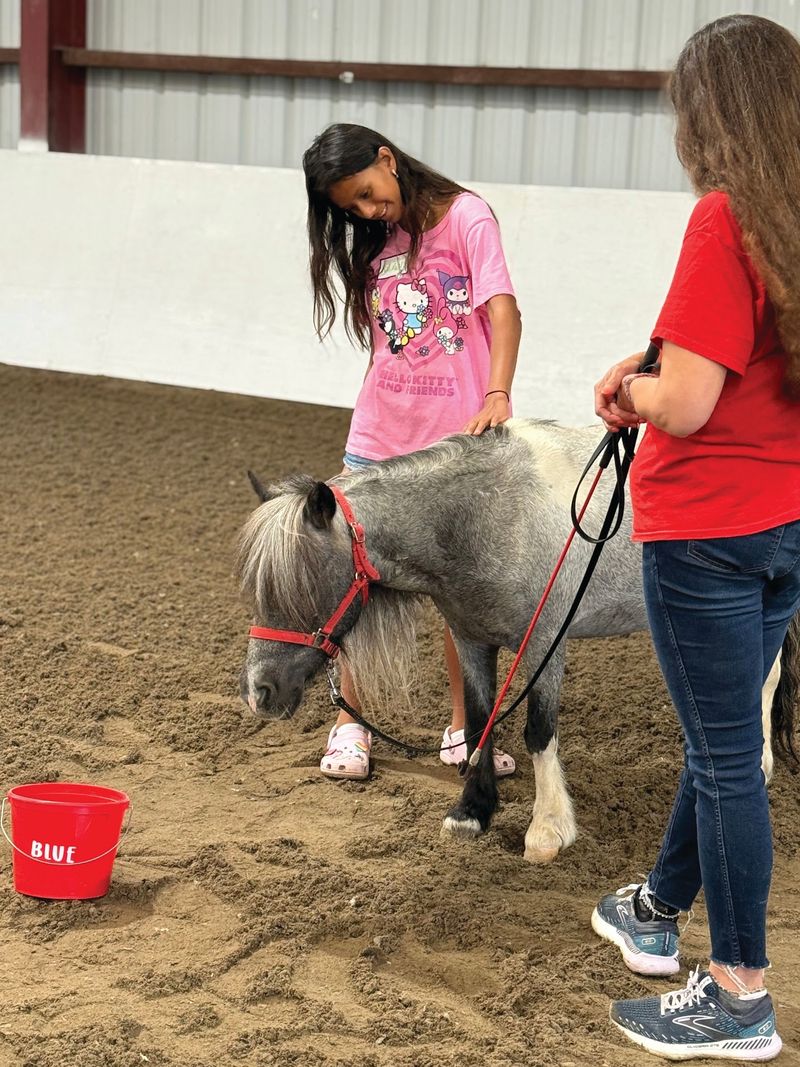
Size varies wildly in the HETRA herd. Tiny miniature horses share the property with full-sized riding horses, and donkeys round out the crew with their long ears and patient stares.
That range matters. A nervous child might start by brushing a mini at ground level, where nothing feels towering or scary.
A confident rider can graduate to a taller mount once trust is in place. Donkeys bring their own steady temperament, often slower and more deliberate than their horse neighbors.
Each animal carries a distinct personality. Some are affectionate and lean into a good scratch.
Others are more reserved and teach riders to read subtle signals like an ear flick or a shifted hoof. Matching a rider to the right horse is part of the craft here, and staff take it seriously.
Care for the animals shows everywhere. The stables are clean, the horses look well kept, and safety for both people and animals stays front and center during every session.
Did you know? Horses can pick up on changes in human heart rate and tension, which is one reason they make such honest partners in therapy.
A calm rider usually means a calm horse.
Therapy That Happens in the Saddle
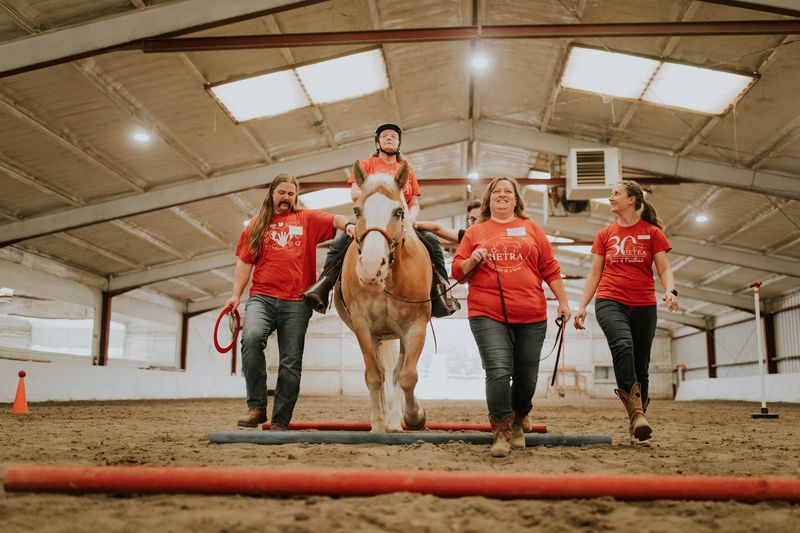
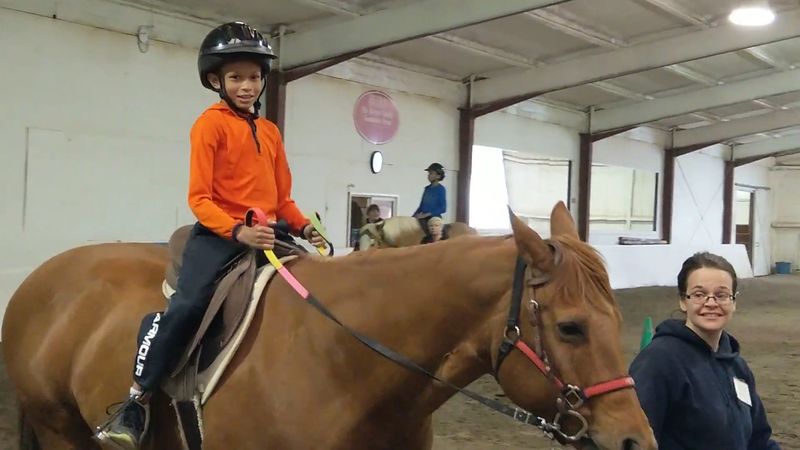
Forget the waiting room with stacks of old magazines. At HETRA, a session might begin with a helmet check, a walk to the stall, and a few minutes of brushing before anyone climbs aboard.
The motion of a walking horse moves a rider’s hips in a rhythm close to human walking. For kids working on balance, core strength, or coordination, that gentle sway can do a lot of quiet work.
Meanwhile, simple tasks like steering around cones or following directions build focus and problem solving.
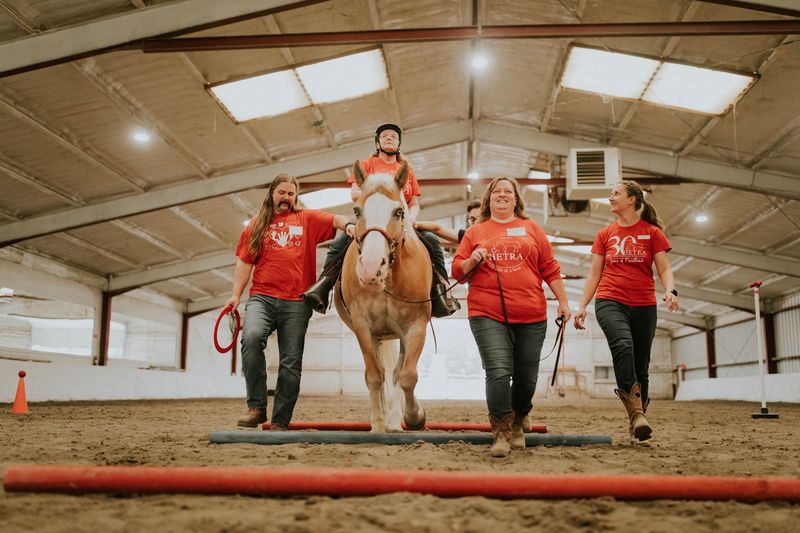
Programs adapt to the person in the saddle. Staff can adjust plans on the spot when a child needs a different approach, and volunteers often walk alongside to keep everything steady and safe.
Therapists bring a relaxed, conversational style that feels far removed from a clinical setting.
Results tend to look small at first. A child who would not make eye contact might start giving commands to the horse.
A shy rider may begin chatting with the side walkers.
Over months, those moments add up to better confidence, stronger life skills, and families who look forward to lesson day. Not every approach fits every person, and asking about goals early helps set clear expectations.
Programs Built for Veterans and First Responders
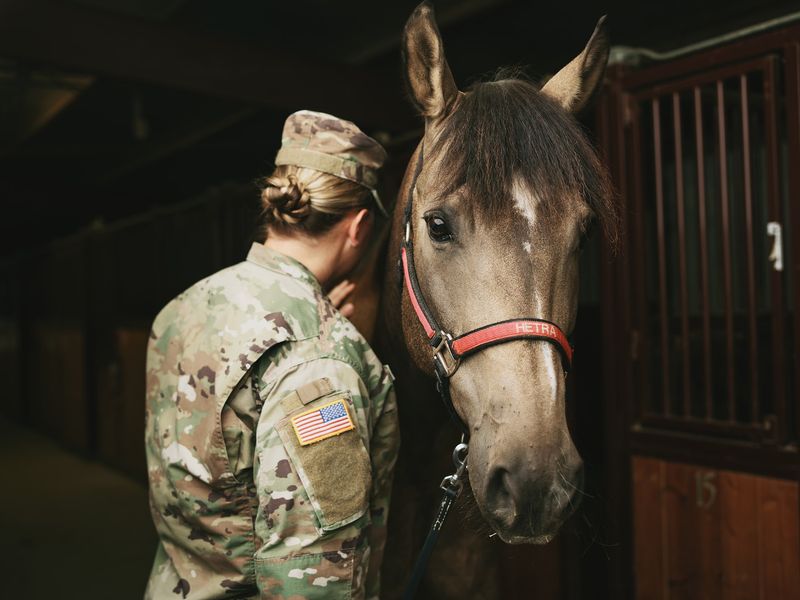
Some people carry heavy loads home from their jobs. HETRA offers veterans, first responders, and their families a chance to connect with horses and, through them, with each other.
There is no pressure to talk the whole time. Grooming a horse, leading it around the arena, or simply standing beside a large, calm animal can loosen tension in ways words sometimes cannot.
Horses do not judge, and they respond best to people who slow down and breathe.
Families can join in too. Group and family events give spouses and children a way to share the experience instead of watching from the sidelines, which can make healing feel like a team effort.
Military families facing loss find support here as well. The combination of patient staff, relaxed therapy sessions, and horses with big personalities can rebuild confidence that seemed out of reach.
How does a horse help with stress? Much of it comes down to presence.
A horse lives entirely in the moment, and spending an hour matching its pace pulls the mind away from worry.
For anyone who served or answered emergency calls, it is a practical, hands-on option worth asking about.
Carriage Driving for Riders Who Stay on Wheels
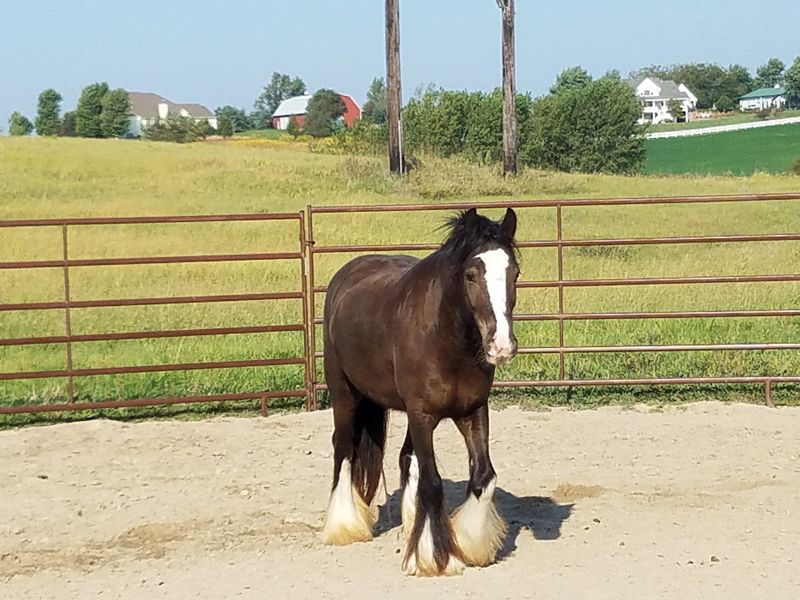
Not everyone can or wants to sit on a horse’s back. HETRA answers that with carriage driving, a program that lets participants guide a horse from a cart instead of a saddle.
It opens the door wider. Riders with mobility limits, balance concerns, or simple preference can still hold the lines, give cues, and feel that connection with a moving horse.
The experience teaches communication, timing, and patience just like mounted work does.
There is something old-fashioned and delightful about it, too. Rolling along behind a horse feels a bit like a scene from a prairie storybook, and the view from the seat takes in fences, fields, and big Nebraska sky.
Instructors walk participants through safety basics first. From there, drivers learn to steer, stop, and read the horse’s mood through the reins.
Fun fact: carriage driving is a recognized equestrian discipline with its own competitions around the world, so participants are learning a real skill with a long history.
For families whose loved one has been told riding is off the table, this option can be a welcome surprise. Ask about it during a tour to see how it might fit.
Volunteers Who Keep Every Lesson Moving
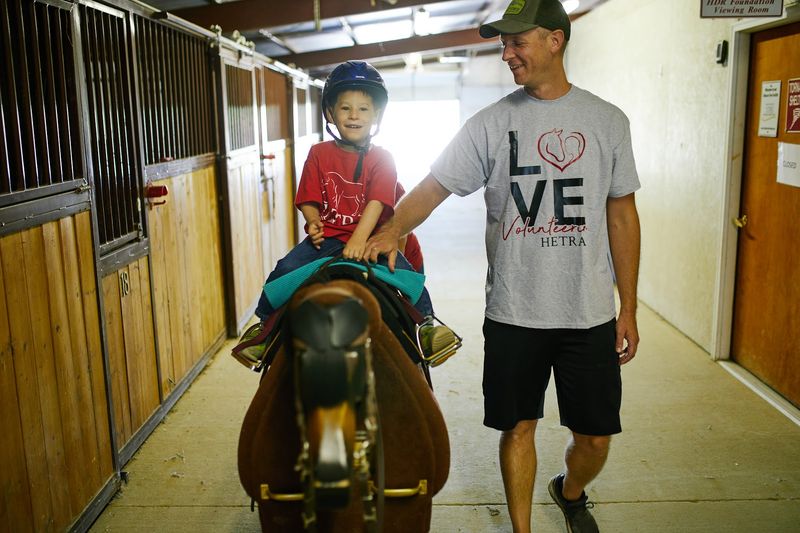
Behind every rider, you will usually find a small team. Volunteers lead horses, walk beside riders for support, groom animals, and help with the everyday chores that keep a barn running.
The volunteer program is one of HETRA’s biggest strengths. Horse lovers get regular time with animals without needing to own one.
People who enjoy working with kids get to watch real progress up close, week after week.
No deep horse background? That is fine.
Training covers the basics, and there are many ways to get involved, from arena work to event help.
Volunteering here tends to become a habit. It is common for people to start with one shift and end up coming back for years, building friendships with staff, riders, and certain four-legged favorites along the way.
Some participants even move from receiving therapy to volunteering themselves, which says a lot about the sense of belonging the place creates.
For teens looking for meaningful service hours, retirees wanting a purposeful routine, or anyone who misses being around horses, this is a solid Nebraska option. Plan on dusty boots and a full heart by the end of a shift.
HETRA University and Skills for Life
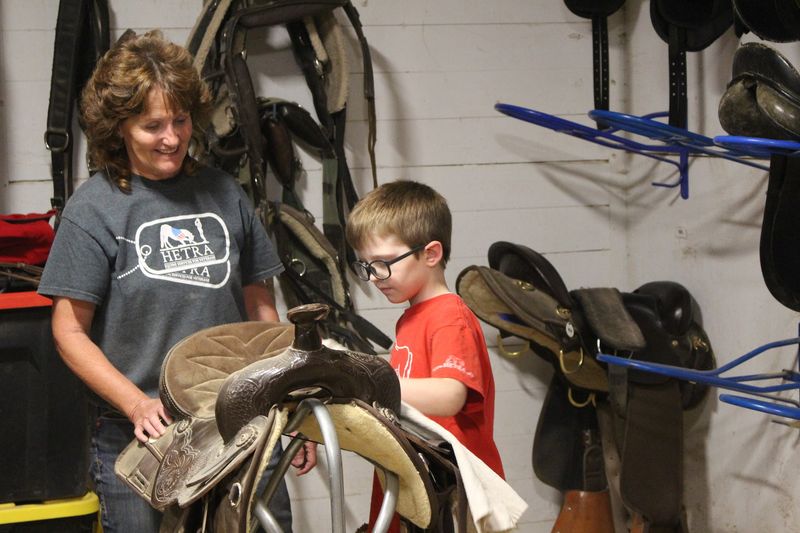
Learning at HETRA does not stop at the arena fence. The organization runs HETRA University, a program aimed at helping people grow in the workforce and in everyday life.
It fits the larger mission. Horses teach responsibility, routine, and clear communication, and those lessons translate well to jobs and relationships.
A program built around that idea gives participants a structured way to carry barn skills into the wider world.
Staff development is part of the picture too. The team keeps working to sharpen its own skills and improve the experience for everyone who walks through the door, which shows in the professional, organized feel of the place.
Here is a thought: caring for a horse means showing up on time, paying attention to details, and staying calm when things change. Employers value exactly those traits.
For young adults or anyone looking to build confidence before stepping into a new job, the program adds a practical layer to what HETRA offers. Details on schedules and enrollment are best confirmed directly with the staff, since offerings can shift over time.
It is a smart extension of a farm that already treats every interaction as a chance to learn.
Clean Stables, Open Pasture, and a Calm Feel
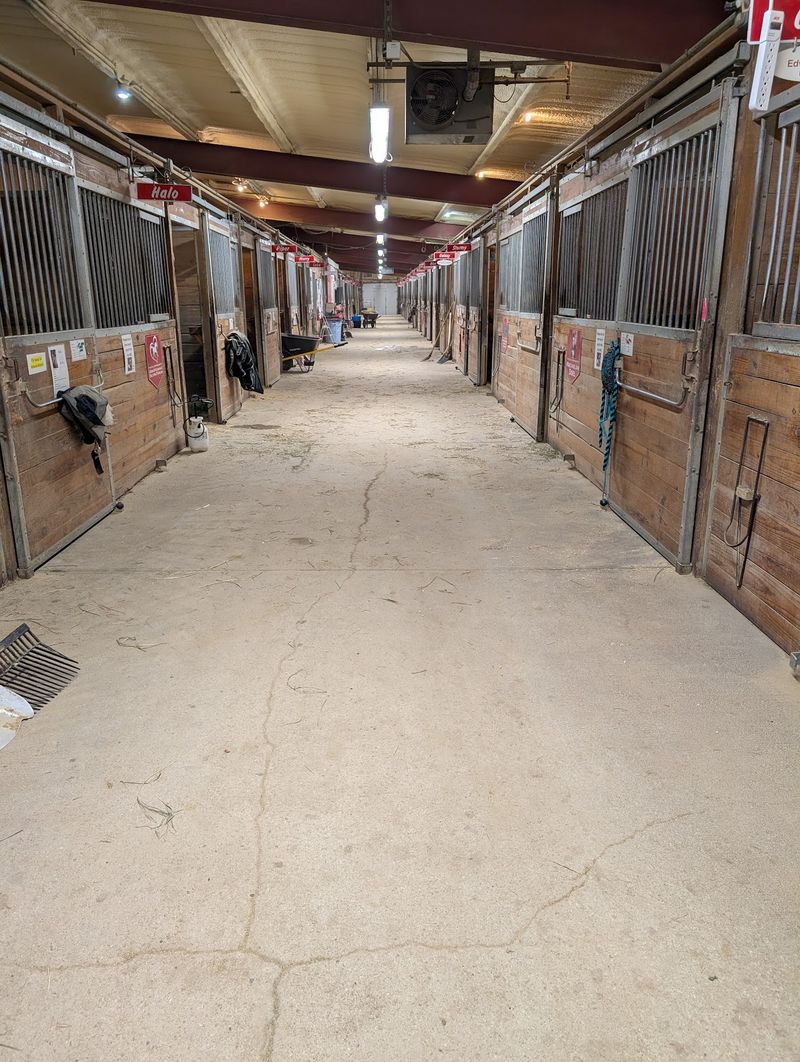
Swept aisles. Neat stalls.
Fresh air rolling in off the pasture. First impressions at HETRA center on how cared for everything looks.
The property itself is pretty, with open ground typical of the countryside around Gretna. That setting does real work in therapy.
Wide spaces and quiet surroundings help riders who feel overwhelmed by noise or crowds settle down faster.
Inside, the barn and arena are set up for safety. Tidy spaces reduce tripping hazards, and organized tack means lessons start smoothly.
It all adds up to an environment where nervous first-timers can relax.
The mood is warm without being loud. Staff greet riders by name, volunteers chat while they work, and horses nicker at familiar faces.
Compared with a sterile clinic hallway, the contrast could not be sharper. Here, therapy smells like hay and sounds like hooves on dirt.
Families with children who struggle in busy places will appreciate the steady pace. Adults seeking a fresh approach to healing often find the relaxed setting makes it easier to open up.
It is a farm first, and that is exactly the point.
Planning a Tour or First Visit
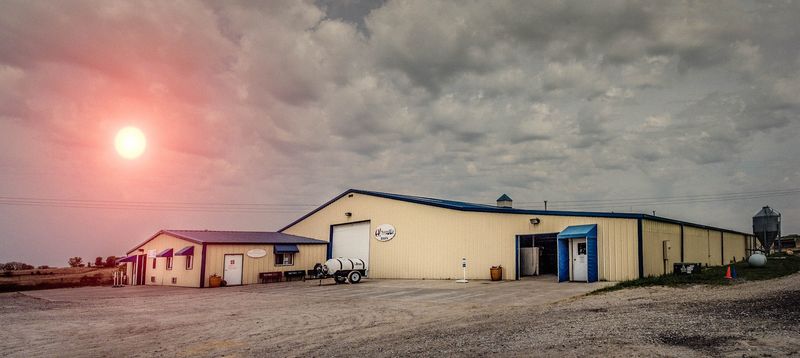
Getting there is straightforward. The farm sits at 10130 South 222nd Street near Gretna, reachable by a short drive from Omaha and the surrounding suburbs, with the last stretch on rural roads.
Office hours run during the workday on weekdays, and the facility is closed on weekends. Calling ahead or checking the organization’s website before heading out is the best way to line up a tour, since lessons follow a set schedule.
Tours are a smart first step. Families considering therapy for a child and veterans exploring programs can see the horses, meet staff, and ask questions about goals and timelines before committing.
What to wear? Closed-toe shoes are a must around horses, and clothes that can handle a little dust make sense.
Weather in eastern Nebraska swings fast, so a layer helps in spring and fall.
Rates for services are reasonable for this kind of specialized care, and as a non-profit, HETRA relies on community support. Ask about specifics during your visit, including what a typical session plan looks like.
Would-be volunteers can use the same visit to learn about training and shift options.
Why This Gretna Farm Leaves a Mark
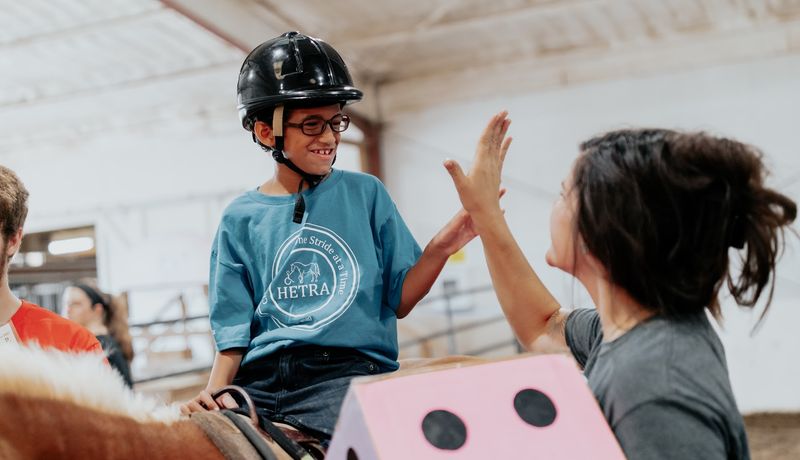
A child sitting a little taller in the saddle. A veteran laughing while a mini nudges for treats.
A volunteer who planned on one shift and stayed for years. Those snapshots sum up HETRA better than any brochure.
The farm proves horses have more to offer than rides and ribbons. Here they serve as teachers, listeners, and steady partners for people working through hard things.
It will not be the right fit for everyone, and clear conversations about goals at the start help set honest expectations. For many families, though, it has become a weekly highlight and a source of real growth.
Nebraska has no shortage of horse country, yet few barns carry this kind of purpose. Supporting it can mean signing up for a program, giving time as a volunteer, or simply telling a friend who might benefit.
Next time you drive the back roads near Gretna and spot horses grazing, consider that some of them might be doing the most important job in the state.
A tour costs nothing but an afternoon, and it may change how you see these animals for good.