12 Nebraska Historic Downtowns That Are Actually Fun To Explore On Foot
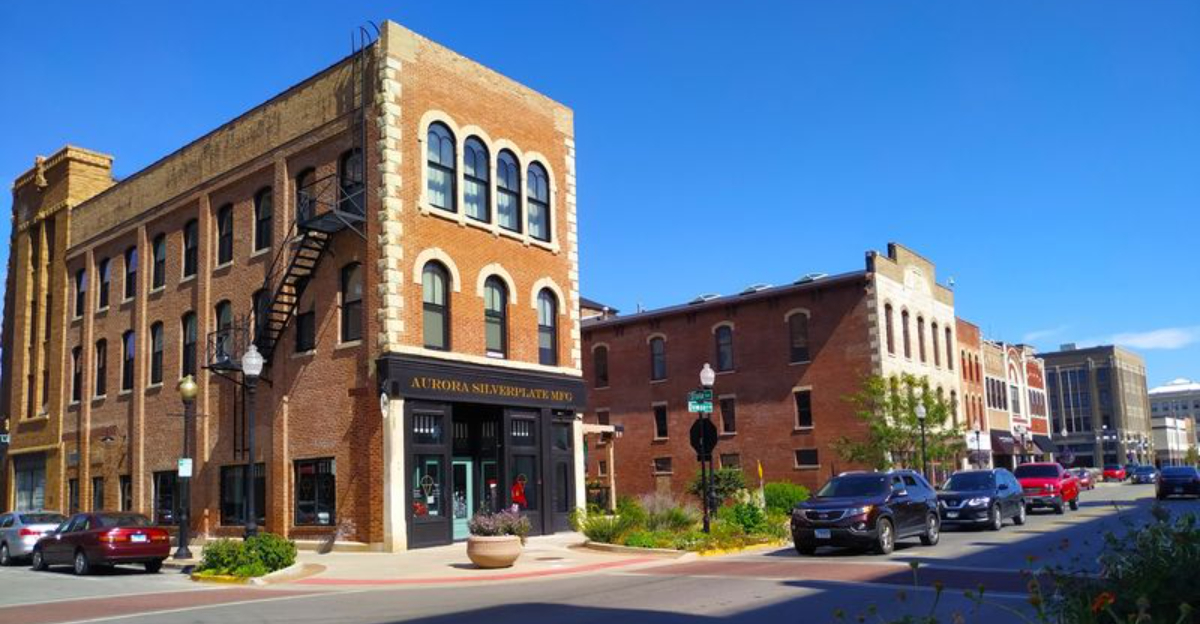
Historic downtowns can be tricky.
Some look great from the car and then give you exactly three minutes of entertainment. Others actually reward the walk.
You park once, start wandering, and the details begin to stack up.
A painted sign here. A courthouse square there.
Maybe a shop window pulls you in before you even remember what you were looking for.
Walking through a Nebraska downtown can turn history into something you can actually use for an afternoon.
Not homework. Not a plaque-reading marathon.
Just brick storefronts, local cafés, antique shops, murals, and enough personality to keep the stroll moving.
That is what makes these places fun.
They do not ask you to admire them from a distance. Instead, they invite you to cross the street and let the town unfold at sidewalk speed.
1. Old Market District, Omaha
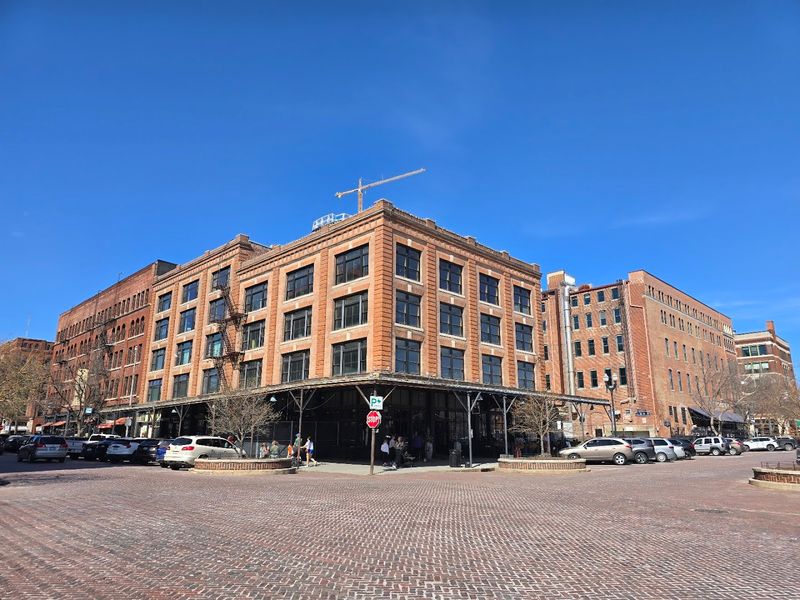
Cobblestone streets and century-old brick warehouses set the tone the moment you step into Omaha’s Old Market, and the energy here is hard to match anywhere else in Nebraska.
The district sits in the heart of downtown Omaha and packs an impressive amount of variety into a walkable few blocks.
Locally owned restaurants, art galleries, candy shops, boutiques, and antique stores line the streets in a way that feels organic rather than manufactured.
Ted and Wally’s ice cream parlor is a beloved stop for handmade frozen treats, and Hollywood Candy draws in visitors with its nostalgic candy selection and vintage toy displays.
The KANEKO gallery offers rotating art and cultural exhibitions worth checking out if the timing lines up.
Horse-drawn carriage rides give the neighborhood a festive atmosphere, especially on weekends when foot traffic picks up noticeably.
The Durham Museum sits nearby and adds a historic anchor to the experience with its stunning Art Deco interior and rotating exhibits.
Walking tours are available in podcast form, so visitors can explore at their own pace with solid historical context.
The whole district rewards slow wandering more than rushing, so plan to spend at least a couple of hours here.
2. Railside District, Grand Island
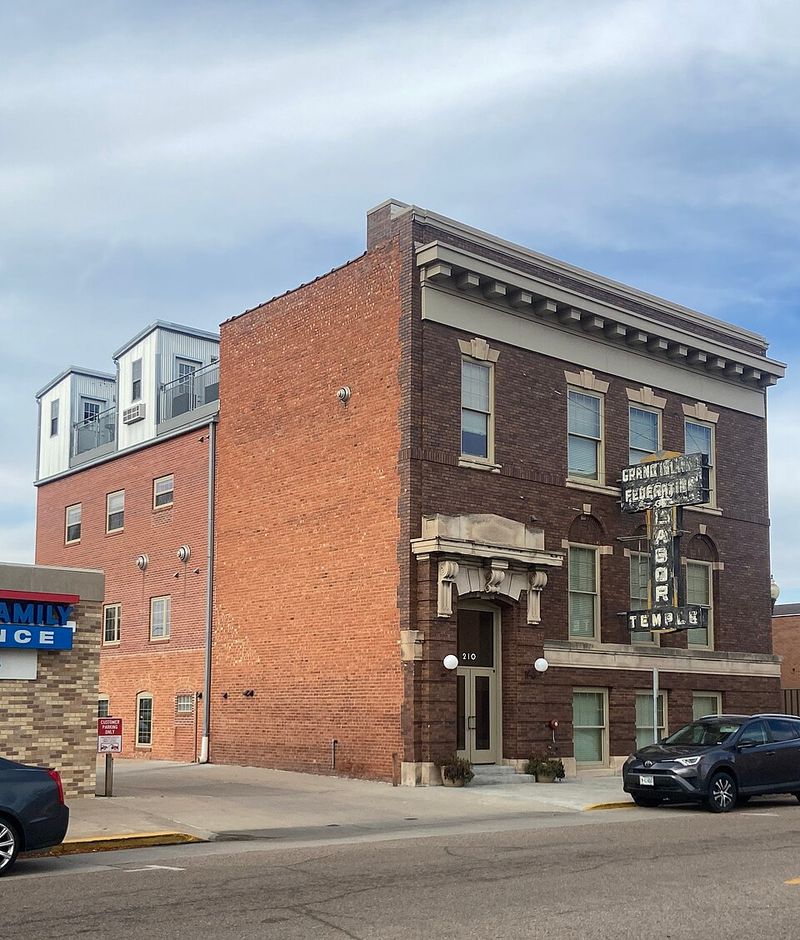
Grand Island’s Railside District has a quietly impressive distinction that not every Nebraska downtown can claim: it holds a spot on the National Register of Historic Places, and it earns that recognition with genuine architectural character along Third Street.
The district blends specialty dining, local boutiques, antique stops, and art spaces into a compact and walkable stretch that rewards a relaxed afternoon stroll.
The renovated Grand Theatre is one of the standout landmarks here, offering movies and live events in a beautifully restored historic venue.
J. Elizabeth features unique art pieces that make for an interesting browse even without a purchase in mind.
The Hear Grand Island Concert Series and the Prairie Lights Film Festival bring seasonal energy to the district and give visitors a reason to time their trip around local events.
Antique hunters tend to enjoy the variety of shops available here, and the mix of old and new businesses gives Railside a lived-in feel rather than a polished tourist corridor vibe.
Foot traffic is manageable enough that the streets never feel overwhelming, but busy enough to keep the atmosphere lively.
3. Downtown Beatrice
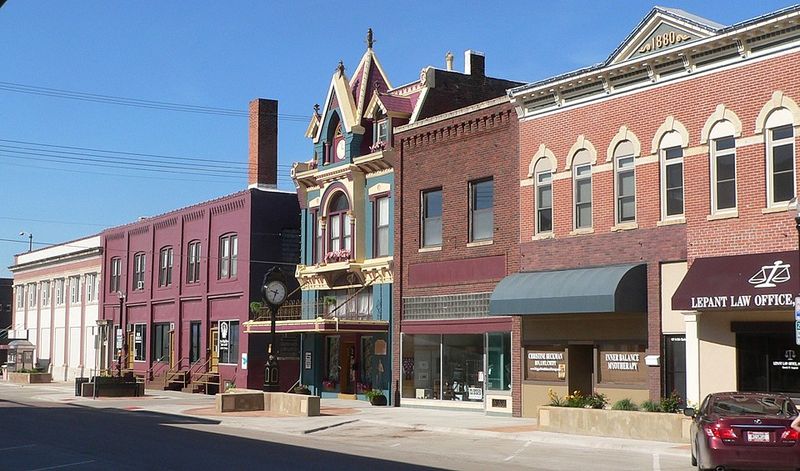
Beatrice punches well above its size when it comes to walkable downtown character, and the Creative District designation it carries is more than just a title.
The downtown area combines local shops, public art installations, live performance venues, and a farmers market scene into a district that feels genuinely community-driven rather than curated for tourism.
The Building Beatrice mural is a standout public art piece that depicts historic structures from the area and gives the district a strong visual identity.
The Mercantile Building is worth a stop on its own, housing multiple businesses under one roof including shops and entertainment options that fill up the evening hours nicely.
Stone Hollow Brewery operates inside the same building, and The Mechanical Room adds a speakeasy-style atmosphere to the mix for those interested in the entertainment side of the district.
MainStreet Beatrice actively promotes nearly 20 dining and treat spots in the downtown area, which means there are plenty of options for a casual lunch or an afternoon snack break.
The Chief Standing Bear Trail and Homestead Trail both converge downtown, so walkers and cyclists often pass through the area.
4. Canteen District, North Platte
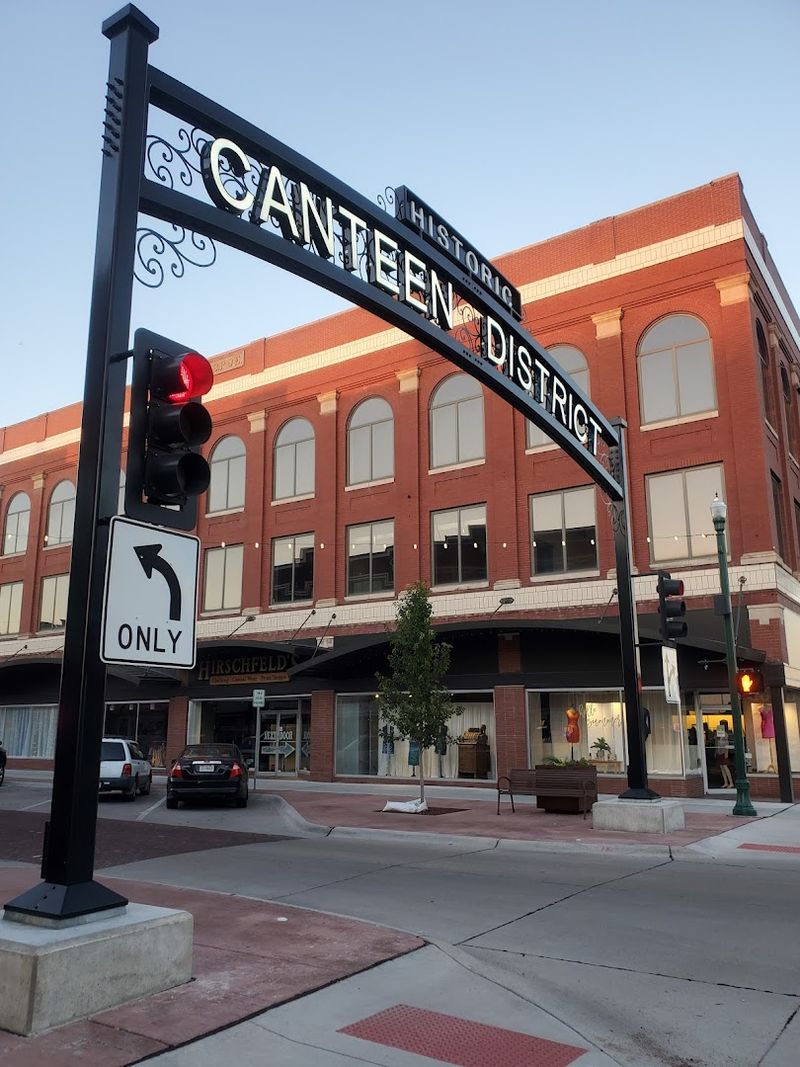
North Platte’s Canteen District carries a name rooted in genuine history, referencing the North Platte Canteen that served millions of World War II troops passing through the city by train.
That historical weight gives the revitalized downtown area a sense of meaning beyond just shopping and dining, and it tends to make a walk through the district feel a little more purposeful.
The district has been thoughtfully revitalized with a mix of boutique retail, local dining, and entertainment options that draw both residents and visitors into the walkable core.
Historic architecture lines the streets, and the blend of restored buildings alongside newer businesses creates a streetscape that feels layered and interesting rather than uniform.
Dining options in the area cover a solid range of casual to more sit-down experiences, making it easy to plan a full afternoon around food and exploration.
North Platte sits along Interstate 80, which makes it an accessible stop for anyone traveling across Nebraska by car.
The Canteen District works well as a midday break destination during a longer drive, with enough variety to stretch a quick stop into a couple of satisfying hours.
5. Historic Downtown Ashland
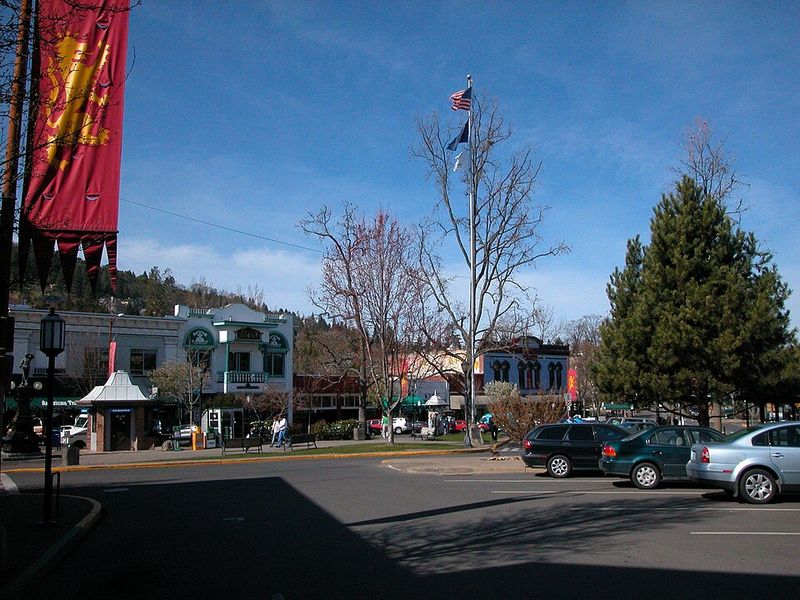
Between Omaha and Lincoln along the Platte River valley, Ashland offers one of the more relaxed and unhurried downtown walking experiences in eastern Nebraska.
The historic district has a compact layout that makes it easy to cover on foot without feeling rushed, and the combination of shops, restaurants, and art galleries gives it enough variety to hold attention for a full afternoon.
Art galleries in the downtown area add a creative dimension to the stroll, and local dining spots provide good options for a sit-down meal or a casual bite between browsing.
The small-town scale works in Ashland’s favor here, since everything feels accessible and nothing requires a car once you park and start walking.
The streets have a genuinely lived-in quality that comes from a community that actually uses its downtown on a regular basis.
Strategic Air Command and Aerospace Museum sits just outside of town and pairs well with a downtown Ashland visit for those wanting to fill an entire day.
The drive into Ashland itself is pleasant, passing through rolling Nebraska landscape that sets a nice tone before the walk begins.
Weekdays tend to be quieter than weekends, so timing a visit mid-week could offer a more peaceful experience for those who prefer a slower pace.
6. Downtown Nebraska City
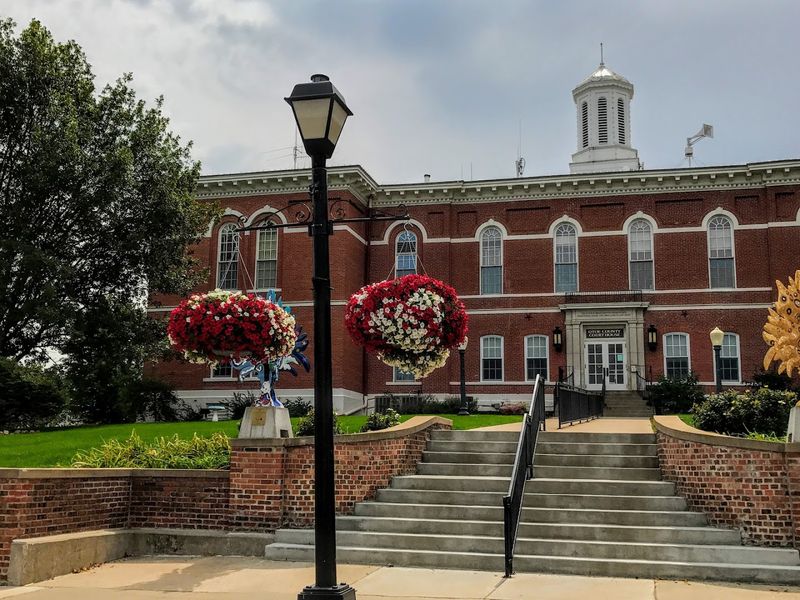
The downtown of Nebraska City earns its charm honestly, with older commercial buildings, local restaurants, and an atmosphere shaped by decades of community history rather than recent redevelopment trends.
The streets have a comfortable, unhurried pace that suits a long browsing walk, and the variety of shops and dining options gives visitors plenty of reasons to linger longer than originally planned.
Arbor Day Farm sits just outside the downtown core and adds a meaningful layer to any visit, especially for families or anyone interested in the conservation legacy tied to Nebraska City’s identity as the birthplace of Arbor Day.
The farm’s trails and orchards connect naturally with a downtown stroll for a fuller day of exploration.
Local restaurants in the area tend to reflect the small-town character of the community, with menus that lean toward comfort food and regional flavors.
The historic architecture along the main commercial streets gives downtown Nebraska City a visual consistency that photographs well and rewards slow walking.
Missouri River country surroundings add to the overall sense of place, and the rolling terrain visible from certain streets gives the town a more scenic backdrop than many flatland Nebraska communities.
7. Downtown Fremont
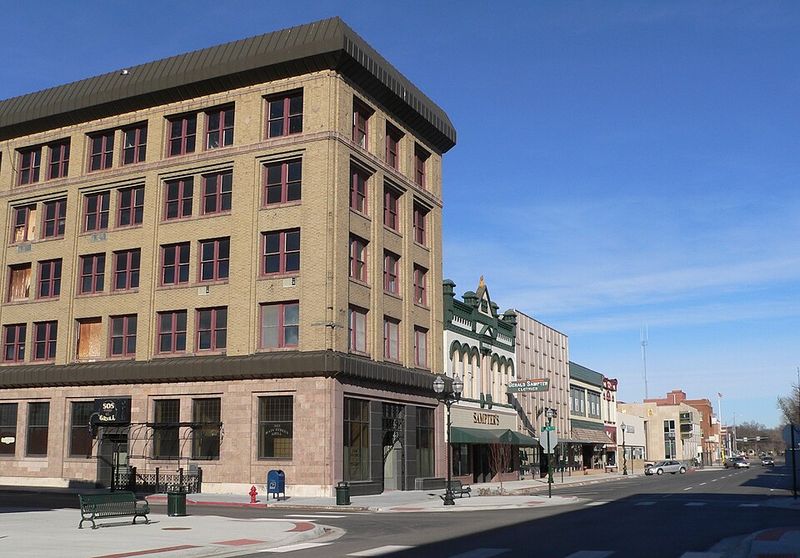
The mix of coffee shops, boutique retail, and local restaurants creates a casual rhythm that suits both quick visits and longer afternoon explorations.
Older commercial architecture lines the main streets and gives the district a visual consistency that holds up well on foot.
Coffee stops in the downtown area tend to have a neighborhood feel rather than a chain atmosphere, which makes them good places to sit down and recharge between browsing sessions.
Boutique shopping options cover a range of styles and interests, from home goods to clothing to gifts, so there is usually something worth stopping for regardless of what someone is looking for.
The sidewalks are well-maintained and the blocks are short, which keeps the walking experience comfortable even for those who are not particularly avid walkers.
Fremont sits about 35 miles northwest of Omaha along Highway 30, making it an easy half-day trip from the metro area.
The Fremont Lakes State Recreation Area sits nearby and pairs well with a downtown visit for those wanting to combine outdoor time with a walkable urban stroll.
The downtown area tends to be busier on weekends when local events and markets draw additional foot traffic into the district.
8. Downtown Plattsmouth
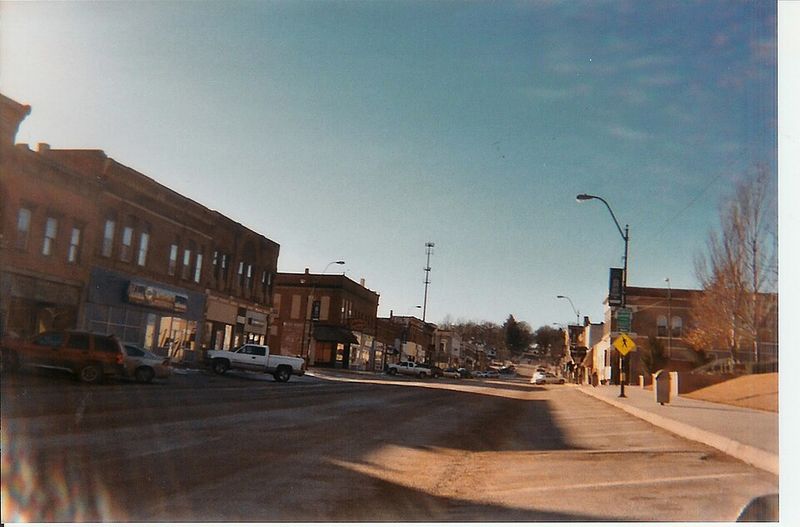
The town has been around since the mid-1800s, and Main Street reflects that age with a collection of brick storefronts and commercial buildings that have genuine historical depth rather than a recently restored look.
Antique shops are a particular draw here, offering the kind of browsing experience where unexpected finds are genuinely possible.
Local dining options give visitors a reason to stay through a meal rather than just passing through, and the smaller scale of the district makes the whole experience feel personal rather than overwhelming.
The Missouri River town character comes through in small details throughout the walk, from the architecture to the pace of the streets.
Plattsmouth is located just south of Omaha across the Missouri River, making it one of the more accessible historic small-town downtowns in the region.
The Plattsmouth Bridge visible from parts of town adds to the scenic quality of a visit, and the surrounding Cass County landscape gives the area a sense of place that extends beyond the downtown blocks themselves.
Parking is easy and free, which removes one of the common friction points of visiting historic urban districts.
9. Downtown Hastings
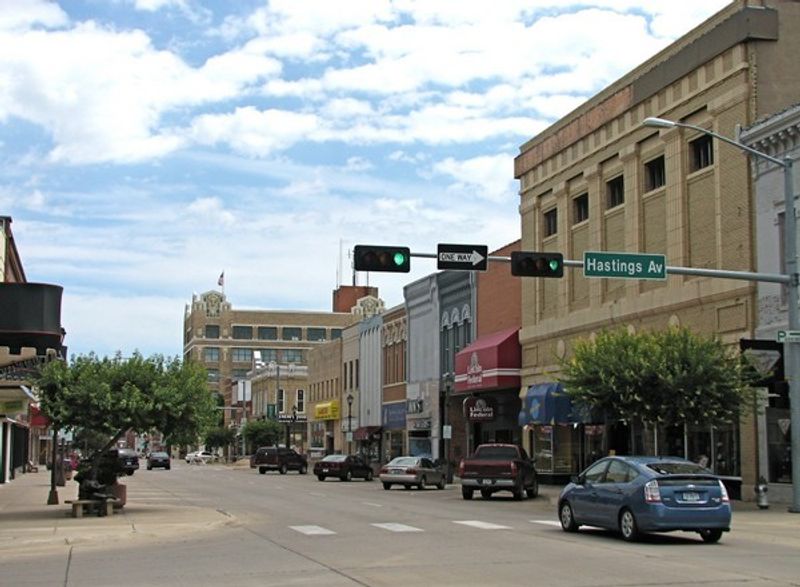
Hastings has put real effort into making its downtown pedestrian-friendly, and the results are visible in the form of over 15 bronze statues and historic plaques scattered throughout the walking area.
That kind of public art integration gives the district a scavenger hunt quality that keeps the walk interesting even after the shops close.
The statues depict historical figures and scenes connected to the region, which adds an educational layer to what might otherwise be a straightforward shopping stroll.
Many of the historic buildings along the main commercial streets have been renovated while preserving their original facades, creating a streetscape that feels both authentic and well-maintained.
The Lark hosts live music events and draws evening crowds into the downtown area, while the Rivoli III
Theater adds a classic moviegoing option to the mix. Local eateries cover a solid range of casual dining styles, and the overall density of options makes it easy to plan a full afternoon around the district.
Seasonal events like Celebration of Lights and Sidewalk Sales bring additional energy to the downtown area at specific times of year, so checking the local events calendar before visiting could significantly enhance the experience.
10. Downtown McCook
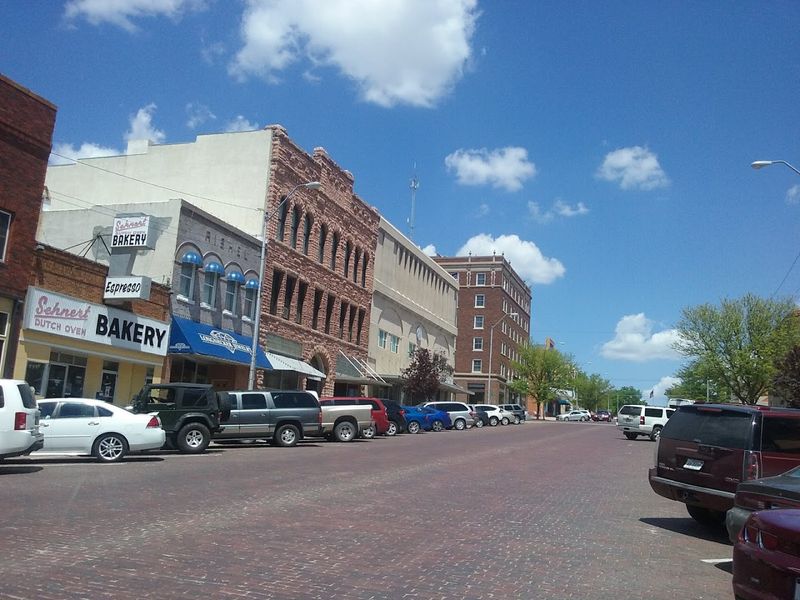
The historic storefront architecture along the main commercial strip has a consistency and scale that photographs well and rewards slow exploration on foot.
The Museum of the High Plains operates out of a former 1907 Carnegie Library building, and that alone makes for an interesting stop during a downtown walk.
The Senator George Norris State Historic Site is also accessible on foot and adds a significant layer of political history to the visit for those interested in Nebraska’s legislative heritage.
The Frank Lloyd Wright-designed Harvey P. Sutton House can be seen during a walking tour of the area, giving architecture enthusiasts a genuine reason to make the trip to McCook.
Southwest Nebraska does not always get the attention it deserves from travelers passing through the state, and McCook is one of the better arguments for slowing down and exploring the region more deliberately.
Local dining options in the downtown area reflect the community character of a working small city rather than a tourist-oriented destination, which tends to make the food feel more authentic and the prices more reasonable.
11. Downtown Wayne
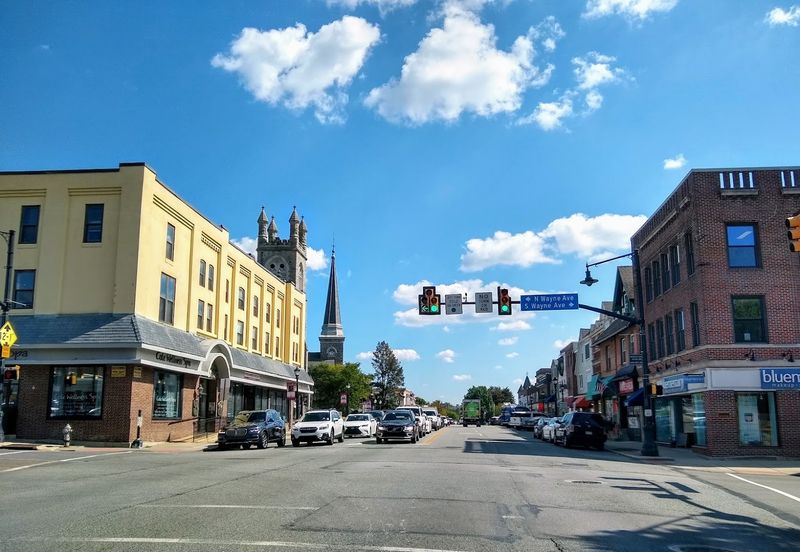
The college-town influence brings a younger demographic into the mix and keeps local restaurants and shops busier than comparable small Nebraska communities might otherwise be.
The compact walkable core covers just a few blocks, which makes it easy to see everything without committing to a long walk.
Local restaurants in the area tend to have a relaxed, casual atmosphere that suits a midday stop or a post-stroll meal.
The variety of shops in the downtown covers everyday needs alongside more browsable retail, giving the district a practical quality that residents and visitors both appreciate.
Historic commercial architecture along the main streets gives Wayne’s downtown a visual anchor that keeps the streetscape from feeling generic despite the small scale.
Wayne sits in northeast Nebraska, a part of the state that does not always make it onto traveler itineraries but rewards those who take the detour.
The surrounding landscape has a rolling, tree-lined quality that contrasts pleasantly with the flatter terrain of central Nebraska, and arriving in Wayne by scenic highway adds to the overall experience.
Weekend visits during the academic year tend to bring the most activity to the downtown area, while summer visits offer a quieter and more relaxed atmosphere.
12. Downtown Aurora
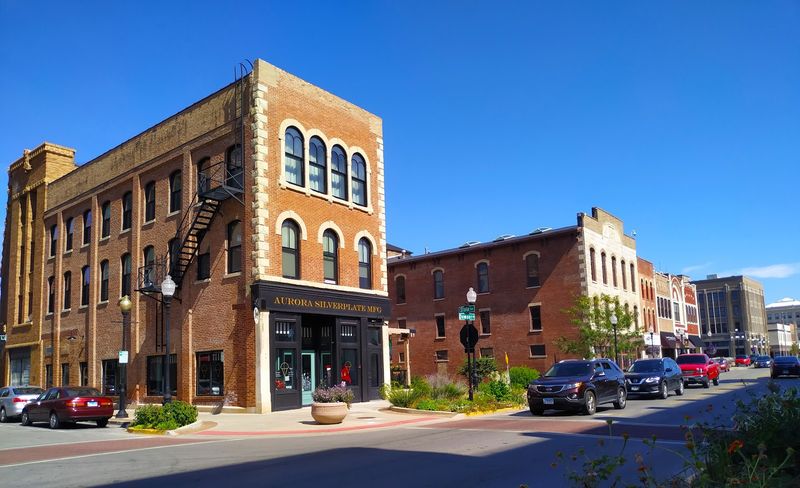
Its downtown square has a visual quality that stands out even by Nebraska small-town standards, with red-brick streets surrounding the Hamilton County Courthouse creating a streetscape that feels genuinely distinctive.
The courthouse itself anchors the square with classic civic architecture that gives the whole district a sense of permanence and historical weight.
Walking the perimeter of the square and then branching out into the surrounding blocks covers a satisfying amount of ground without requiring much effort.
Local shops in the downtown area offer a mix of gift stores, specialty retail, and everyday goods that reflect the character of a community that actively uses its downtown.
The red-brick streets slow foot traffic in a natural way, encouraging a more deliberate pace that suits the browsing and exploring style of a historic downtown walk.
The Plainsman Museum sits nearby and adds a strong regional history component to any visit, with exhibits covering Hamilton County and central Nebraska history in considerable depth.
Aurora is located in south-central Nebraska along Highway 34, roughly midway between Grand Island and Lincoln, which makes it a convenient stop on a longer east-west drive through the state.