8 Nebraska Libraries And Archives That Are More Interesting Than You’d Expect
Could a library trip actually beat your usual weekend plans? In Nebraska, the odds are better than you would think.
Small-town reading rooms and big-city archives hold documents stranger than a good thriller. One keeps pioneer diaries, another guards maps, photographs, and letters unread in decades.
I have dug through dusty shelves and digital catalogs across the state, usually leaving with a full notebook. The staff tend to know exactly which box hides the good stuff.
Some collections sit only half-catalogued, which is half the thrill. These are not sleepy repositories gathering dust. They are rabbit holes for the curious.
Still think a library visit sounds dull? This list might change your mind.
1. James E. Potter Research Room, Nebraska State Historical Society Library And Archives, Lincoln
I almost skipped this one on my itinerary. Then someone told me it holds over 80,000 photographs of the state’s history. That changed everything fast.
The James E. Potter Research Room sits inside the Nebraska State Historical Society Library and Archives in Lincoln.
It is the beating heart of the state’s recorded past. Generations of maps, newspapers, government records, and personal letters live here.
Researchers come from across the country to trace family trees. Historians dig through territorial-era documents that predate Nebraska’s statehood. Even casual visitors leave with a deeper sense of what shaped this part of the country.
The collection includes military records, Native American history files, and rare photographs. You can find images of 19th-century sod houses and early railroad camps. It is genuinely hard to stop turning pages once you start.
Staff members are knowledgeable and genuinely enthusiastic about helping. A reservation is strongly recommended before arriving.
Walk-ins are sometimes accommodated, but planning ahead guarantees a smoother experience.
The reading room itself has a quiet, focused energy that serious researchers appreciate. Natural light filters in, and the space feels well-organized without feeling sterile. Every cabinet holds something worth discovering.
The address is 1500 R St, Lincoln. Parking nearby is manageable, and the location puts you close to other Lincoln attractions.
2. National Willa Cather Center, Red Cloud
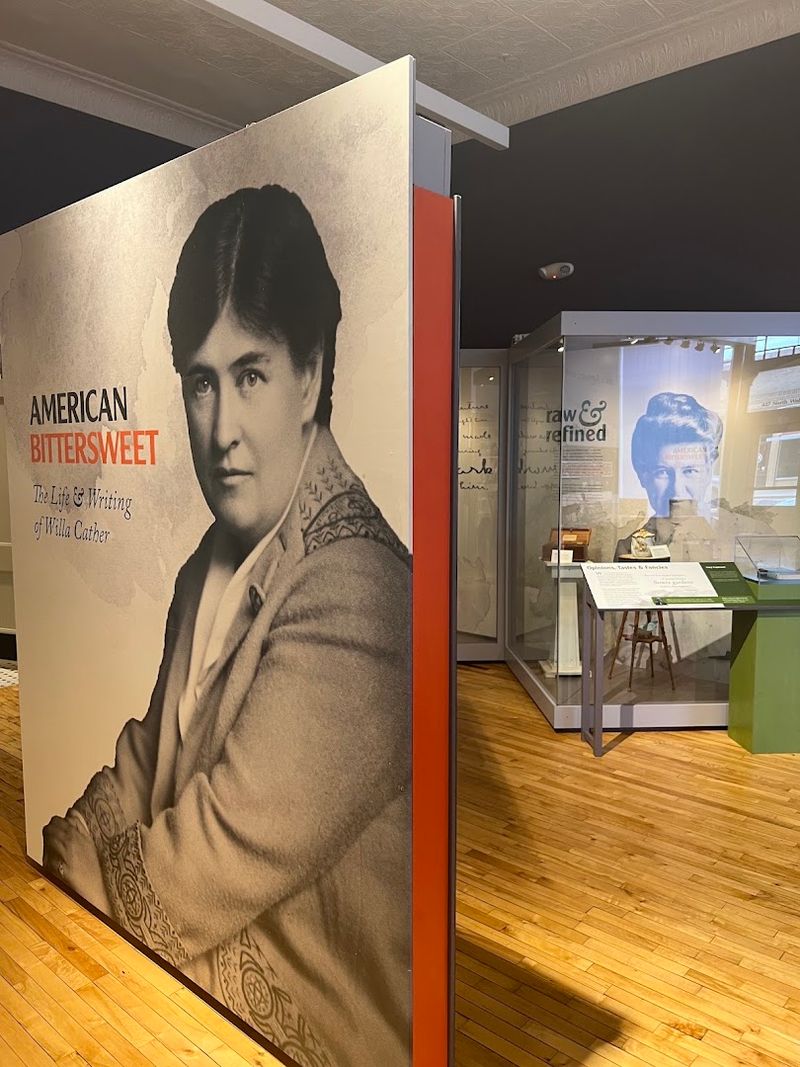
A tiny town is home to one of the most respected literary archives in the entire Great Plains region.
Red Cloud punches way above its weight in the world of American literature. The National Willa Cather Center is the reason why.
Willa Cather grew up in Red Cloud and drew deeply from its landscapes and people in her writing. Her novels, including “O Pioneers!” and “My Antonia,” are considered American classics.
The center preserves her legacy with remarkable care and depth.
The archive houses manuscripts, letters, first-edition books, and rare photographs related to Cather’s life and career. Scholars travel here specifically to access primary sources unavailable anywhere else.
The research collection is serious and impressively maintained.
Beyond the documents, the center offers exhibits that bring Cather’s world to life visually. Interpretive displays connect her fiction to the actual geography surrounding Red Cloud.
Standing here, you understand her writing in a completely new way.
The building itself is beautifully restored and fits naturally into the historic streetscape of the town. Red Cloud as a whole feels like a living museum of late 19th-century prairie life.
The combination of setting and scholarship is hard to beat.
Staff here are passionate about Cather’s work and happy to guide researchers through the collection. Group tours and educational programs are available for schools and literary groups.
The address is 413 N Webster St, Red Cloud, and it is absolutely worth the drive.
3. Auld Public Library, Red Cloud
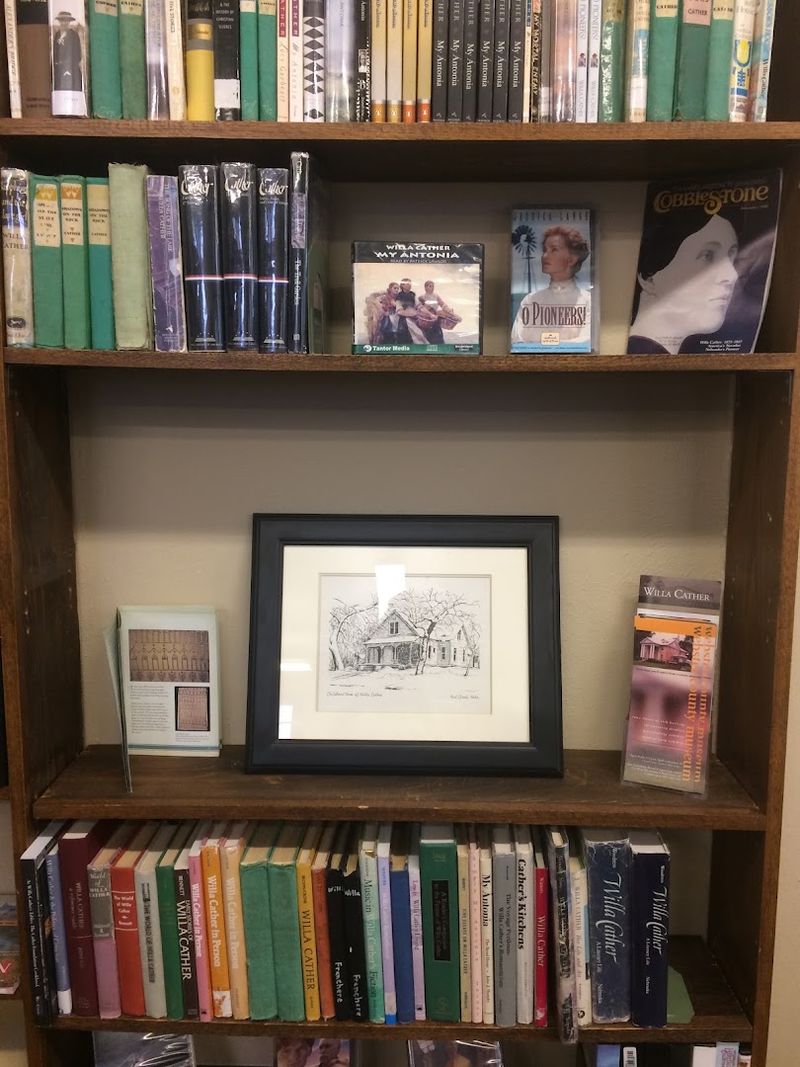
Just imagine for a second stumbling into a public library that has been quietly serving the same small community for well over a century.
That is exactly what the Auld Public Library in Red Cloud offers anyone willing to make the trip. It is one of those places that rewards curiosity.
Red Cloud already draws literary travelers for its Willa Cather connections, and this library fits right into that story. The Auld Public Library holds local history materials that complement what the nearby Cather Center offers.
Together, the two institutions paint a full picture of this remarkable little town.
The library’s local history collection includes community records, old photographs, and publications that document Red Cloud’s growth over the decades. For genealogists tracing roots, it is a genuinely useful stop.
The staff are warm and willing to help navigate the holdings.
The building itself has architectural character that reflects its age. Its modest exterior hides a surprisingly rich interior collection.
Longtime residents and first-time researchers alike find something new here every visit.
Red Cloud’s small size means the library plays a bigger cultural role than most. It hosts community events, reading programs, and local history discussions throughout the year.
That community energy makes the research experience feel less like work and more like connection.
The address is 537 N Webster St, Red Cloud. If you are already heading to the Cather Center, adding this stop takes almost no extra time. Two libraries in one afternoon in Red Cloud is a genuinely rewarding combination.
4. Douglas County Historical Society Library Archives Center, Omaha
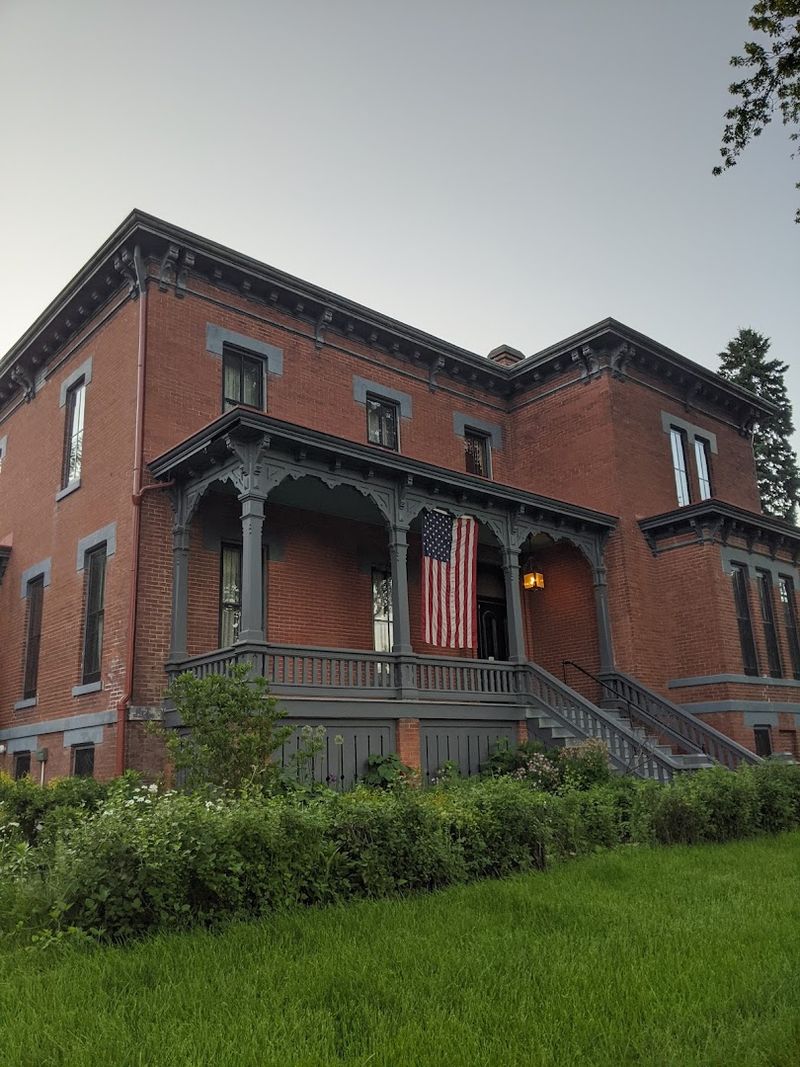
My jaw literally dropped when I realized how much local Omaha history was packed into one building I had driven past a dozen times without stopping.
The Douglas County Historical Society Library Archives Center in Omaha holds the kind of records that rewrite your understanding of the city’s past. It deserves far more attention than it typically gets.
The collection covers Douglas County’s history from its earliest Euro-American settlement through the modern era. Court records, land deeds, city directories, and personal papers all have a home here.
Genealogists researching Omaha-area families find it especially valuable.
Military records from multiple conflicts are part of the holdings, giving researchers access to service histories tied to the region.
Photographs documenting Omaha’s architectural and social changes over the decades are particularly striking. Some images show neighborhoods that no longer exist in any recognizable form.
The archive is located within a larger museum complex, which adds context to the documents you find inside. Exhibits throughout the building connect physical objects to the written record.
That layered experience makes the research feel dynamic rather than static.
Staff members are knowledgeable about the collection and approachable for first-time researchers. Calling ahead to confirm access hours is a smart move.
The facility is not always open for drop-in research visits without some advance notice.
The center is at 5730 N 30th St, Building 11A in Omaha. It sits within Fort Omaha, a historic site in its own right.
The combination of archive, museum, and historic grounds makes this a full half-day experience worth planning around.
5. Omaha Public Library Genealogy And Local History Room
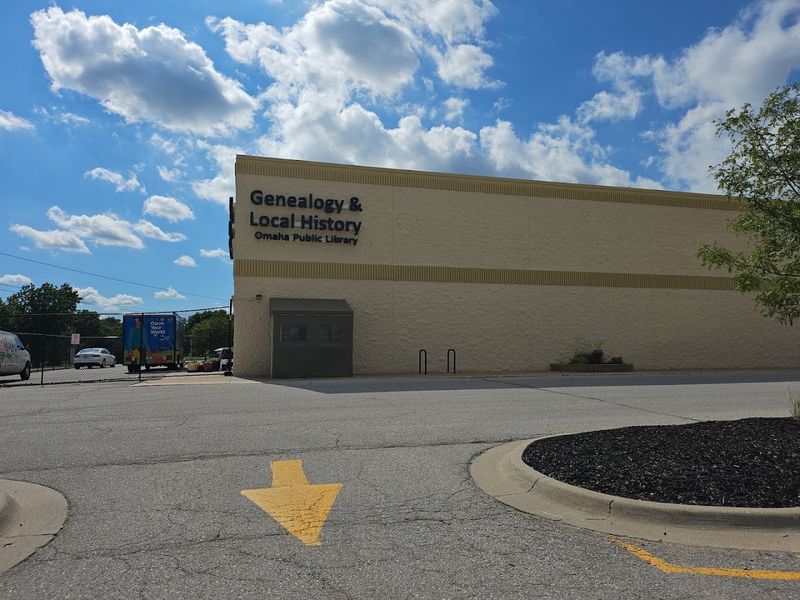
Food for thought: most people walk into a public library looking for the latest bestseller and walk right past one of the most useful genealogy collections in the entire state.
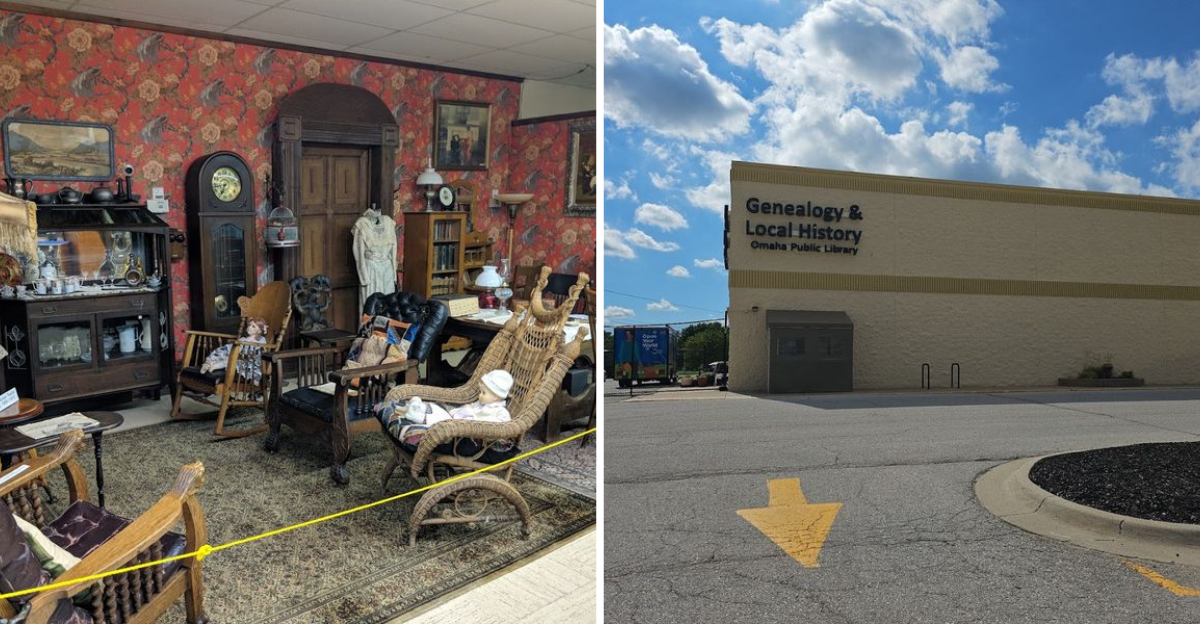
The Omaha Public Library’s Genealogy and Local History Room, located at the Millard Branch in Omaha is a serious research resource hiding in plain sight. It is worth your full attention.
The room holds an impressive range of materials for tracing family histories connected to Omaha and the broader region.
City directories dating back generations help researchers track addresses and occupations. Newspaper archives, cemetery records, and vital statistics round out the collection beautifully.
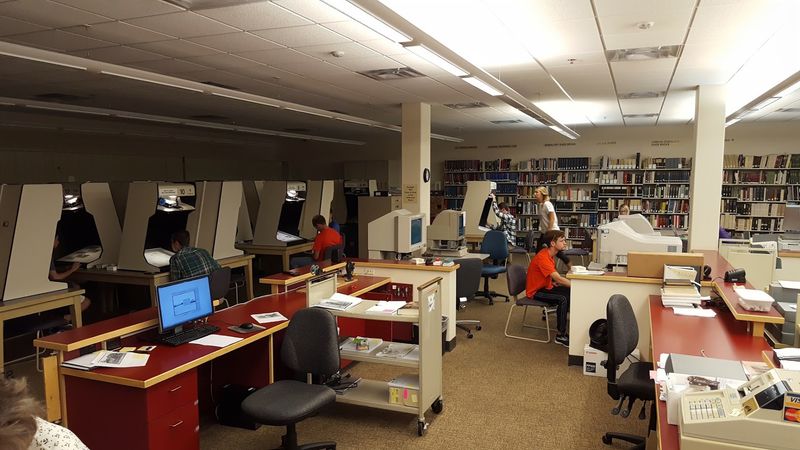
Microfilm readers give access to historical newspapers that document Omaha’s story decade by decade. Finding an ancestor’s name in a century-old newspaper is a genuinely thrilling moment.
The technology is accessible even for people who have never used microfilm before.
Librarians who staff this room specialize in genealogy research and are comfortable guiding beginners. They know the collection well and can suggest angles that might not be obvious at first.
That expertise shortens research time considerably.
Online databases accessible through the library expand what you can accomplish during a single visit. Some of these resources are only available on-site, making an in-person trip worthwhile.
Planning a few hours here pays off in a big way.
The address is 3020 S 84th St, Omaha. Parking is easy and the branch is comfortable for long research sessions. Anyone building a Nebraska family tree should make this a priority stop.
6. Nebraska Prairie Museum Research Library, Holdrege
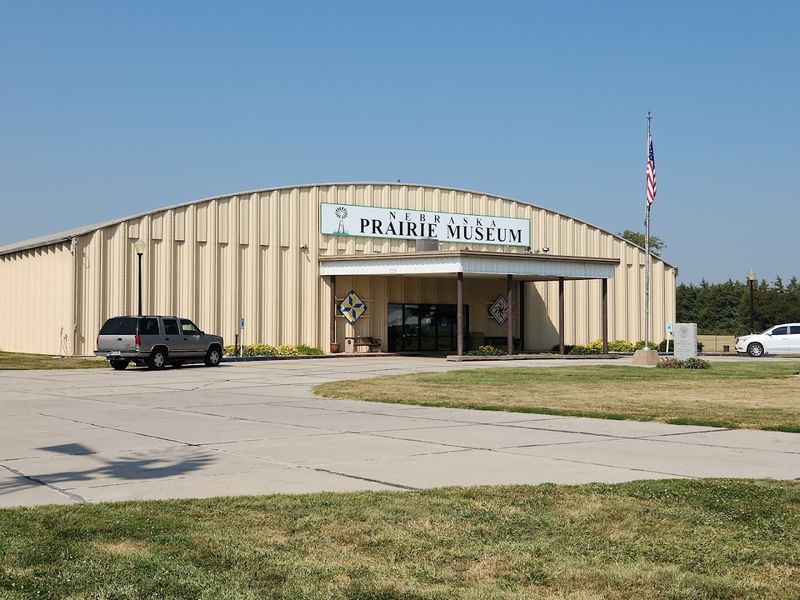
Correct me if I’m wrong, but most people do not think of a small-town Nebraska museum when they are planning a serious research trip.
The Nebraska Prairie Museum Research Library in Holdrege is ready to prove that assumption completely wrong. What it holds about south-central Nebraska’s agricultural and pioneer history is genuinely impressive.
The library focuses on the Phelps County region and the surrounding prairie communities that built the state’s farming economy. Local newspapers, farm records, school district histories, and family files fill the shelves.
For descendants of homesteaders and early settlers, this collection is a goldmine. Photographs documenting rural life from the late 1800s onward are a highlight of the holdings.
Images of early farm equipment, one-room schoolhouses, and community gatherings bring the era to life. These visuals add an emotional dimension to the written records.
The museum context surrounding the library means researchers can move between documents and physical artifacts in the same visit.
Seeing a plow that matches the farm records you are reading creates a powerful sense of connection. That combination is something few archives can replicate.
Staff and volunteers are enthusiastic about helping researchers navigate the collection. Their familiarity with local family names and community histories is a genuine asset.
First-time visitors often leave with far more than they expected to find.
This destination is at 2701 Burlington St, Holdrege. Holdrege is a pleasant, welcoming town that makes for an easy day trip from larger cities.
7. Bess Streeter Aldrich Museum, Elmwood
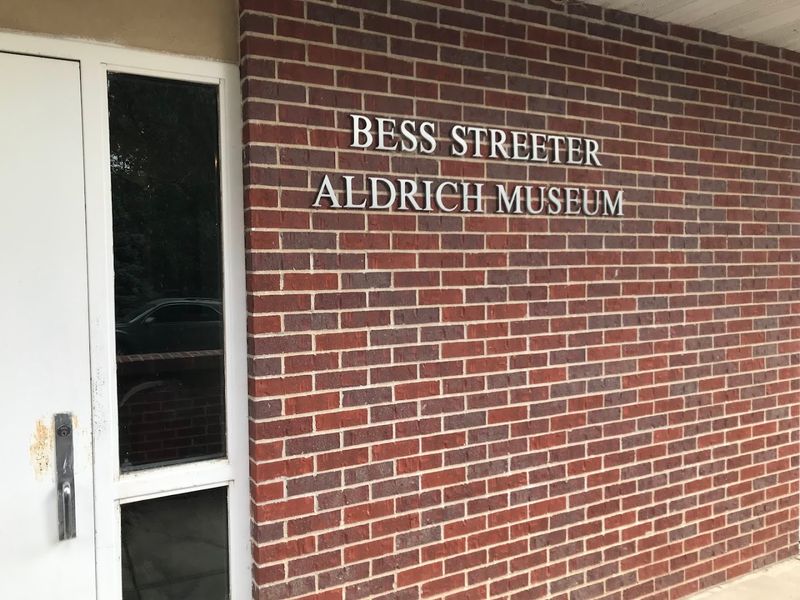
I had to do a double-take when I first read that a small village of fewer than 1,000 people is home to a museum and archive dedicated to one of America’s most beloved early 20th-century novelists.
Elmwood was home to Bess Streeter Aldrich, and the museum bearing her name preserves her literary legacy with real devotion. It is a find that genuinely surprises most people.
Aldrich wrote warmly about pioneer life on the Great Plains, and her novels captured the spirit of early settlers in a way that still resonates today.
Her most famous work, “A Lantern in Her Hand,” remains widely read decades after its publication. The museum holds manuscripts, correspondence, first editions, and personal belongings that bring her story close.
The archival materials here are accessible to researchers interested in the state’s literary history. Scholars studying Great Plains literature find primary sources unavailable elsewhere.
The collection is small but carefully curated and genuinely significant.
The museum building itself has a cozy, personal character that reflects Aldrich’s own writing style. Exhibits are thoughtfully arranged to guide visitors through her life and work chronologically.
The experience feels intimate rather than institutional.
Elmwood is a quiet, charming town that rewards slow exploration. Pairing the museum with a walk through the town’s historic streets makes for a lovely half-day outing. The community clearly takes pride in its literary heritage.
The address is 124 D St, Elmwood. Getting there requires a short drive from Lincoln, but the road through the countryside is pleasant.
8. Lincoln County Historical Museum Archives, North Platte
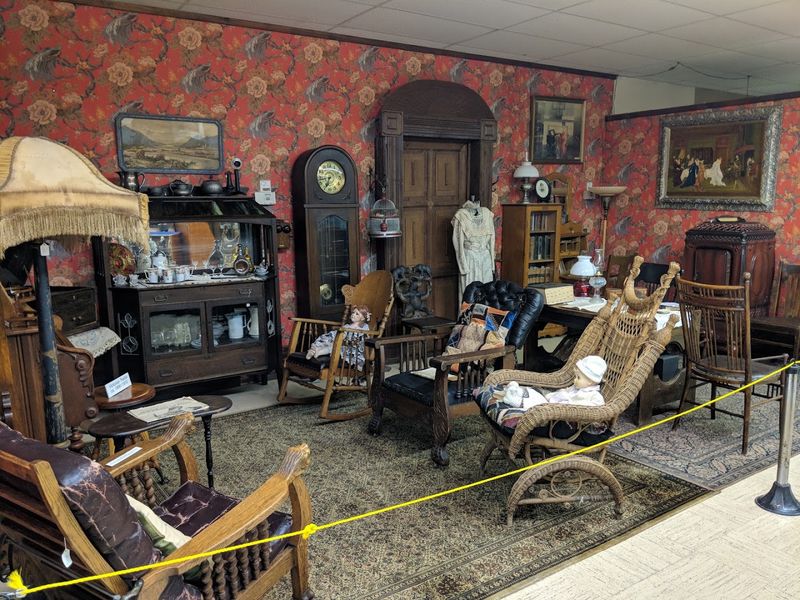
Let’s be real for a second: North Platte is already famous for being Buffalo Bill Cody’s hometown.
But the Lincoln County Historical Museum Archives at 2403 N Buffalo Bill Ave holds a whole other layer of stories that most travelers never get around to exploring.
The archive documents the full sweep of Lincoln County history, not just its most famous resident. That broader scope makes it far more interesting than a single-celebrity story ever could be.
Railroad history is one of the collection’s great strengths, which makes sense given North Platte’s role as a major Union Pacific hub. Documents, photographs, and records tied to the rail industry here are extensive.
The town’s history and the railroad’s history are deeply intertwined, and the archive reflects that connection honestly.
World War II history also figures prominently in the collection. North Platte was home to the famous Canteen, a volunteer effort that served millions of troops passing through by train.
The records and photographs documenting that effort are moving and historically significant.
Local family histories, county records, and agricultural documentation round out the holdings. Researchers tracing western Nebraska roots find the archive a reliable and well-organized resource.
Staff are familiar with the collection and ready to assist.
The museum itself surrounds the archive with exhibits that give physical context to the documents inside. Artifacts from pioneer life, military service, and railroad work line the halls.
Moving between the exhibits and the archive creates a rich, layered understanding of the region.