This Nebraska Farm Lets You Meet Animals On A Hands-On Country Day Near Omaha
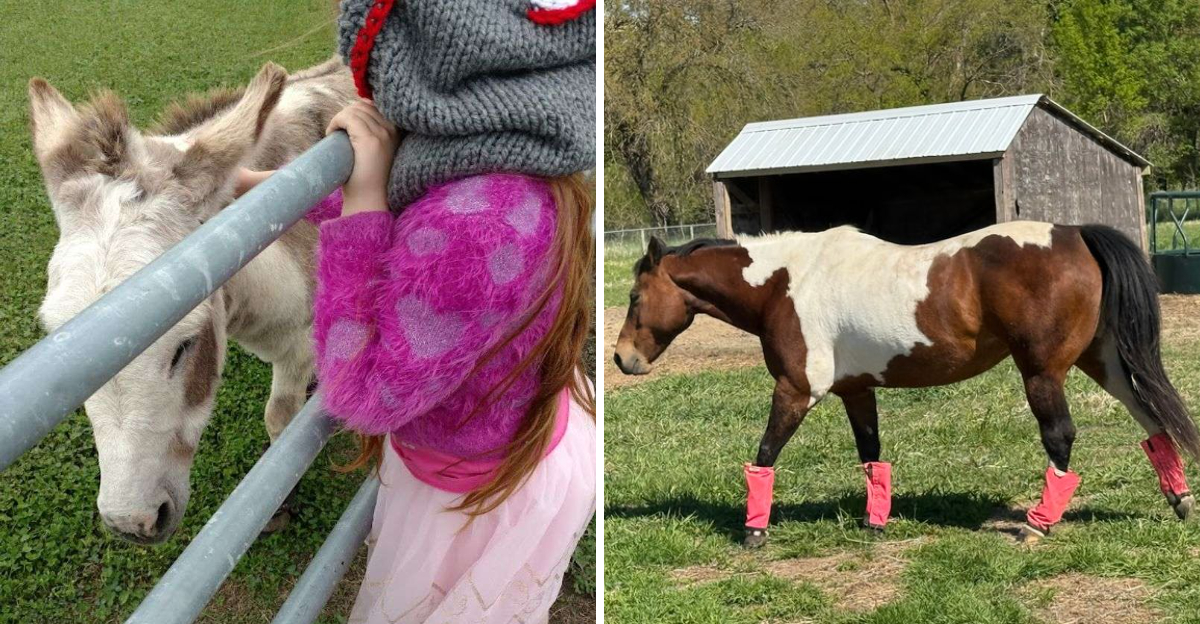
Country days are better when the animals are not just scenery.
Kids know this immediately.
Adults figure it out once a goat wanders over with confidence or a barnyard animal decides it is now part of the schedule.
That is the charm of a hands-on farm visit.
It gives the day a little dirt, a little laughter, and a lot more personality than another indoor plan.
Near Omaha, Nebraska can still make a country outing feel easy to reach.
No huge road trip required. No complicated itinerary.
Just open space, friendly animals, and the kind of simple fun that works because it feels real.
A farm like this turns learning into something kids can touch, hear, smell, and remember later.
They can meet animals up close. They can ask questions. They can burn energy without anyone needing a screen to save the afternoon.
Fresh air does half the work.
The rest comes from curious faces and the happy chaos of a day that feels genuinely outside.
Cow Moments Give The Visit Its Fluffiest Hook
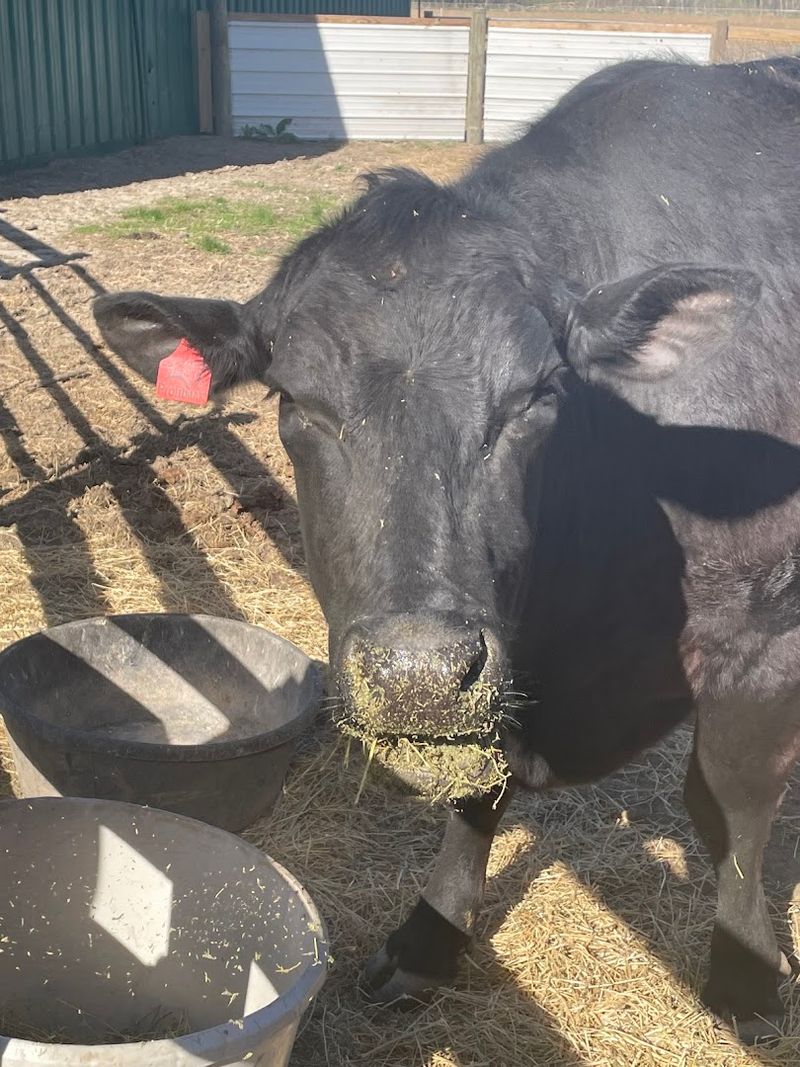
Few farm animals stop a crowd the way a cow does.
With their thick, shaggy coats and wide curious eyes, these animals have a presence that feels almost theatrical, like they know exactly how photogenic they are and are completely unbothered by the attention.
At Gifford Farm, public events have included opportunities to get close to cattle and other large farm animals in a setting that feels relaxed rather than rushed.
The farm sits at 700 Camp Gifford Rd, Bellevue, NE 68005, tucked into a wooded stretch near the Missouri River that already feels far removed from city life before the animals even come into view.
Highland cattle are known for their easygoing temperament, which makes them surprisingly approachable for first-time farm visitors.
Getting close to one of these animals tends to be a moment that sticks with people long after the visit ends.
Checking the farm’s official event schedule before going helps confirm which animals will be available during any given public event, since programming can shift by season.
Farm Animals Keep The Day From Feeling Like A Regular Field Trip
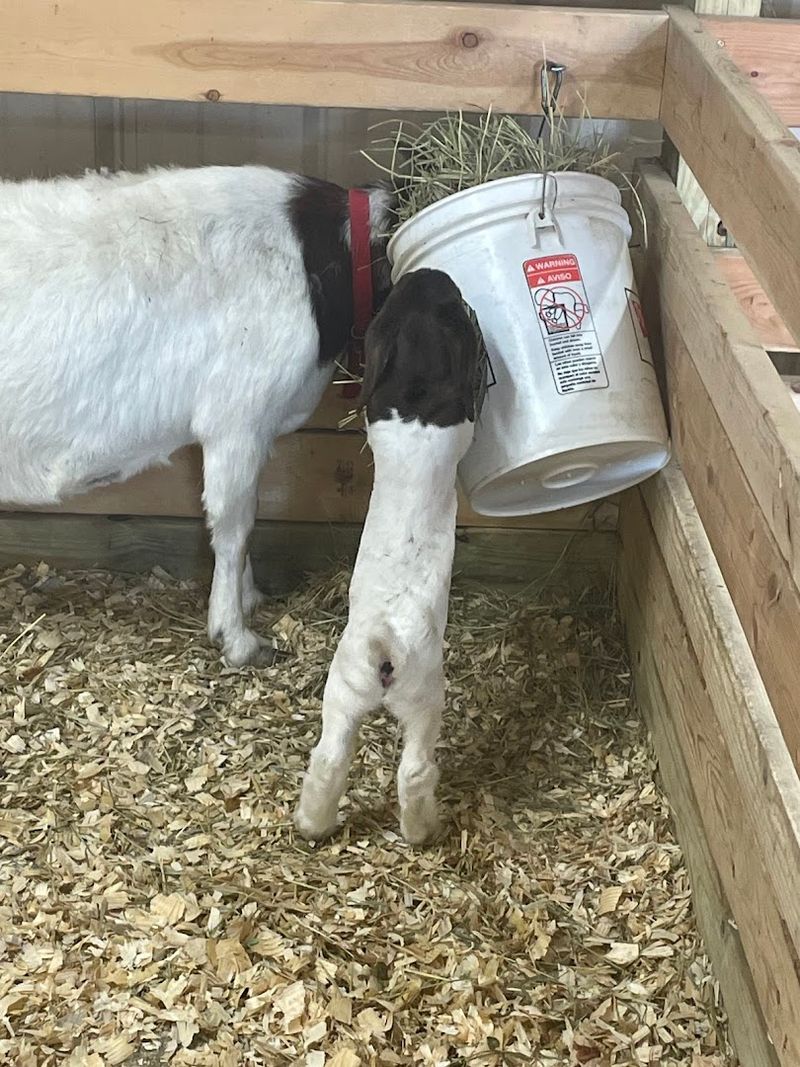
Goats that nudge your hand, ducks that waddle with total confidence, and sheep that seem genuinely unbothered by the chaos of excited kids nearby all create a visit that moves at its own unpredictable rhythm.
That unpredictability is honestly part of what makes it memorable.
Gifford Farm hosts a wide range of farm animals across its 400 acres, and the lineup across various programs and public events has included goats, chickens, ducks, sheep, pigs, llamas, horses, and cattle.
None of the interaction here happens through a fence with a polite sign asking visitors not to touch.
The hands-on philosophy runs through everything the farm does, which means animals are part of the learning rather than just background scenery.
Younger visitors tend to latch onto one particular animal and spend the rest of the visit asking questions about it, which is exactly the kind of curiosity the farm seems designed to encourage.
Families with kids across different age ranges generally find enough variety in the animal areas to keep everyone engaged at the same time.
Public Events Make It More Than A School-Only Spot
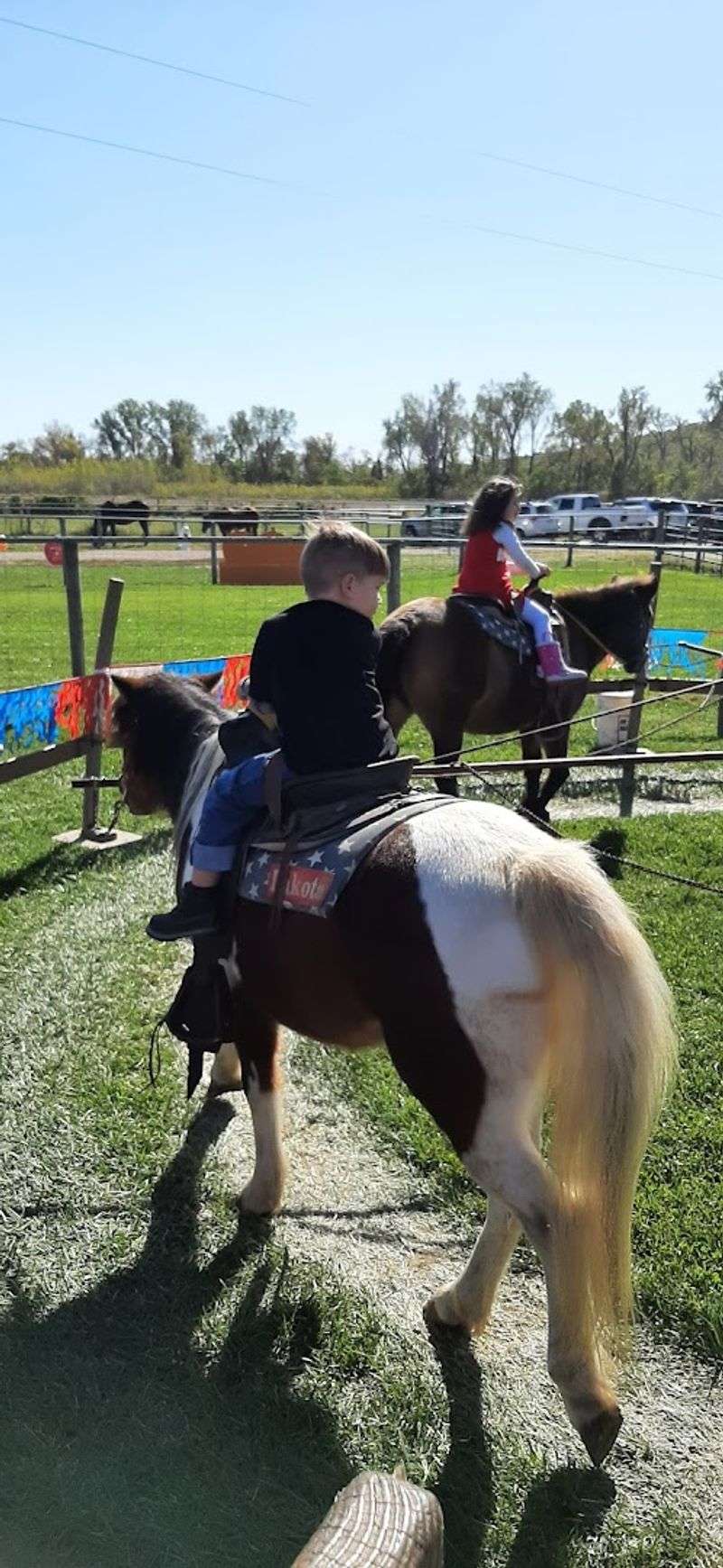
Gifford Farm has a strong reputation as a destination for school field trips, but that is only one layer of what the farm actually offers.
Public events open the experience up to families, community members, and anyone who wants a farm day without needing a school permission slip.
Throughout the warmer season, the farm hosts events like Family Fun Saturdays, a Fall Festival, and a Trick or Treat with the Animals event that brings a seasonal twist to the usual animal interaction experience.
These public-facing events are specifically designed to welcome visitors who are not part of a scheduled school program.
The farm is generally open to the public from April 1 through October 31, which gives families a solid window of opportunity across spring, summer, and early fall.
Planning around specific event dates tends to yield the fullest experience, since some activities and animal interactions are tied to particular programming days rather than being available every single open day.
Keeping an eye on the official calendar at esu3.org is the most reliable way to know what is happening and when.
Hands-On Learning Is The Whole Personality
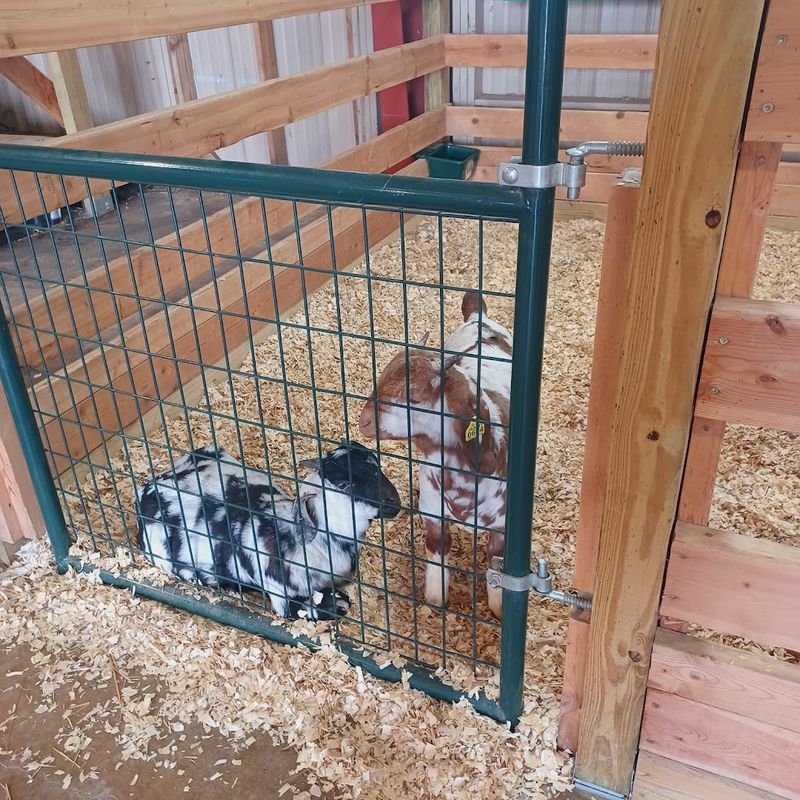
There is a noticeable difference between watching someone explain farm life and actually being handed a bucket of feed with an animal waiting on the other side of the fence.
Gifford Farm leans hard into the second option, and that choice shapes everything about how the visit feels.
Programs here are built around touching, feeding, observing, and asking questions in real time rather than sitting through a presentation and moving on.
The farm serves over 30,000 visitors annually across its various programs, which suggests the approach resonates with a wide range of ages and learning styles.
Adults often find themselves just as absorbed as the kids they brought along, which says something about how the programming is structured.
Learning about animal care, where food comes from, and how a working farm operates tends to land differently when the information comes with a goat sniffing your jacket pocket.
The educational content is woven into the hands-on activity rather than delivered separately, which keeps the energy moving and prevents the visit from ever feeling like a lecture with a field backdrop.
The Setting Feels Surprisingly Country Near The City
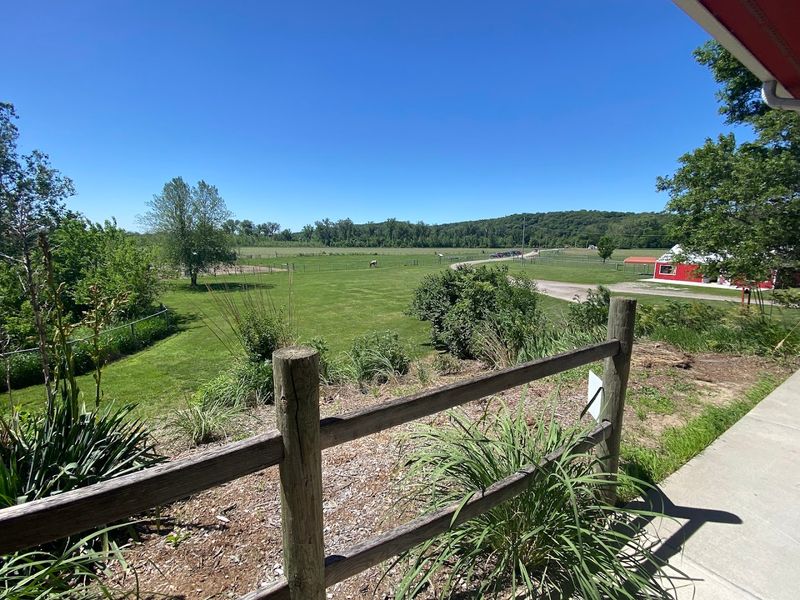
Bellevue sits close enough to Omaha that the drive from the city to the farm does not require any serious planning, but the shift in atmosphere once the farm comes into view is genuine.
The surrounding woodlands and open land create a sense of distance from urban life that feels earned rather than manufactured.
Gifford Farm is located approximately a mile from the city of Bellevue, nestled near the Missouri River with woodland areas managed by the Nebraska Game and Parks Commission bordering the property.
That natural buffer contributes to the quieter, more spacious feeling that greets visitors when they arrive.
The drive itself has a way of easing the transition, with the landscape gradually opening up as the city recedes.
Visitors who arrive expecting something modest often find that the 400-acre scale of the farm gives the day a much more expansive feel than a typical animal attraction might offer.
The combination of open farm space, wooded trails nearby, and river-adjacent scenery makes the setting feel like a genuine country escape even when the Omaha metro is only minutes away.
Farm Camp Shows How Deep The Programming Goes
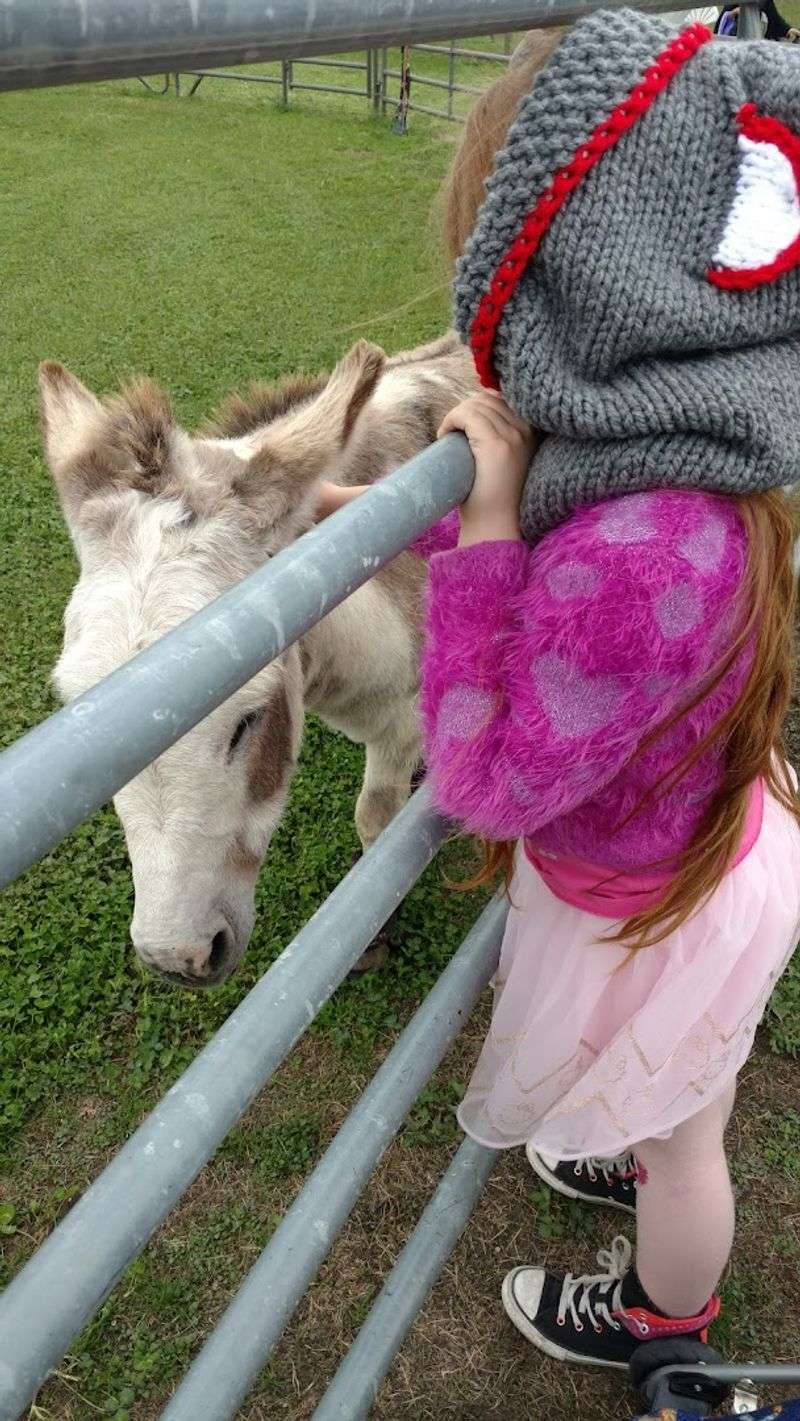
A single public visit gives a good taste of what Gifford Farm offers, but the summer day camps reveal how much depth the programming actually has.
Camps here go well beyond a morning of animal petting and move into territory that includes farm chores, animal care routines, and outdoor skill-building that feels genuinely active.
The camp structure is designed to give kids repeated exposure to farm life over multiple days, which allows learning to build on itself in a way that a single field trip cannot replicate.
Participants come away with a working understanding of what daily farm responsibilities actually involve rather than just a collection of animal photos.
Camp staff have been noted for remembering returning campers by name from previous years, which gives the program a community feel that families tend to appreciate.
The combination of agricultural education, outdoor activity, and genuine staff engagement makes the camp option worth considering for families in the greater Omaha area who want a summer experience that trades screen time for something more tactile.
The Farm Has A Long Educational Story
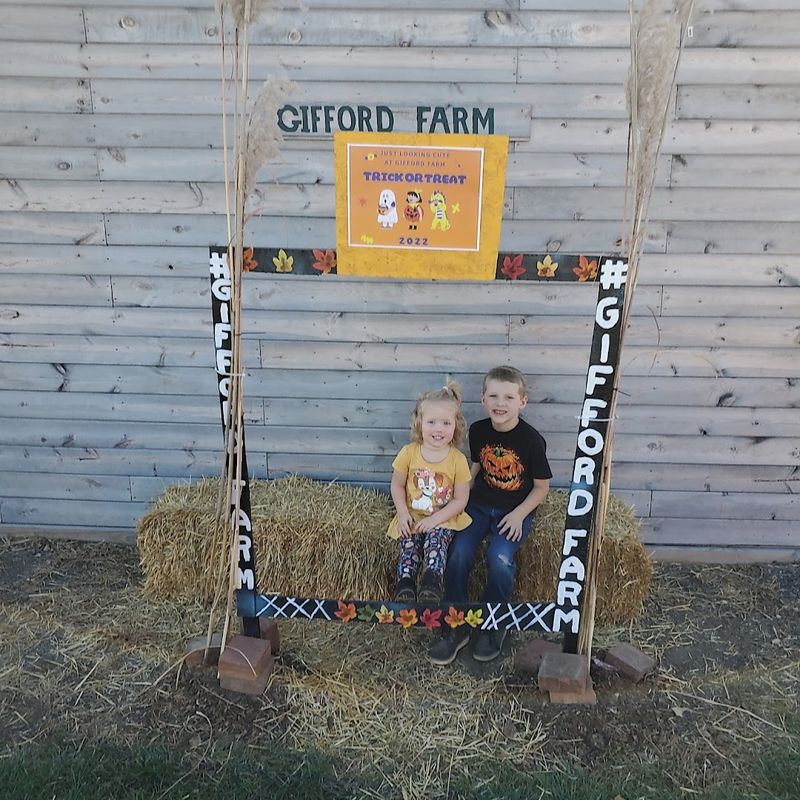
Not every farm attraction has decades of educational history behind it, but Gifford Farm has been serving students and visitors across the greater Omaha area for a long time.
That accumulated experience shows in how the programs are structured and how the staff approach visitor interaction.
Run by ESU#3 (Educational Service Unit 3), the farm operates with an institutional commitment to outdoor education that goes beyond seasonal programming.
Serving over 30,000 visitors annually places it firmly in the category of established regional resource rather than casual weekend attraction.
The Living History of the Plains program is one example of how the farm uses its setting to connect visitors with agricultural and cultural history that extends beyond modern farming practices.
That kind of layered programming gives the farm a purpose that holds up across multiple visits, since there is genuinely more to explore than a single morning can cover.
Families who return in different seasons or for different events tend to find that the experience shifts enough to feel fresh each time.
That reflects the range of programming that has been built up over the farm’s long history of outdoor education in Nebraska.
It Works Best As A Planned Visit
Showing up to Gifford Farm without checking the calendar first is the kind of move that can turn an exciting outing into a quiet parking lot moment.
Public access here follows a specific schedule tied to events and seasonal programming rather than being open on a drop-in basis every day of the week.
The farm is generally accessible to the public from April 1 through October 31, but not every day within that window guarantees a full public experience.
Specific events like Family Fun Saturdays, the Fall Festival, and Trick or Treat with the Animals each have their own scheduled dates that determine what activities and animal interactions will be available.
Confirming the event schedule through the official ESU#3 website before making the drive is the most reliable way to ensure the visit lands on a day when the farm is fully operational for public guests.
The farm has also been known to accommodate visitors who arrive near closing time with genuine hospitality, but counting on that kind of flexibility is not a substitute for planning ahead.
Booking birthday parties or group visits in advance through the farm’s contact channels is similarly recommended given the structured nature of the programming.