Nine Miles Of Former Railroad Grade Become A Paved Idaho Trail Through Wheat Fields
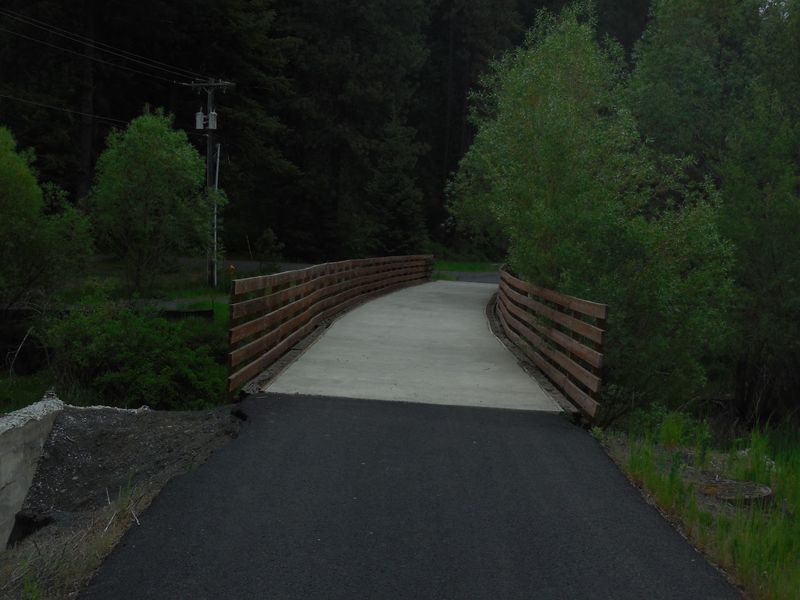
Trains once hauled freight across this route, and now the loudest traffic might be a quail darting out of the wheat. The old rail bed is fully paved and a roomy 10 feet wide.
That width matters. It means bikes, strollers, runners, and in-line skaters can share the path without a polite little dance every few minutes.
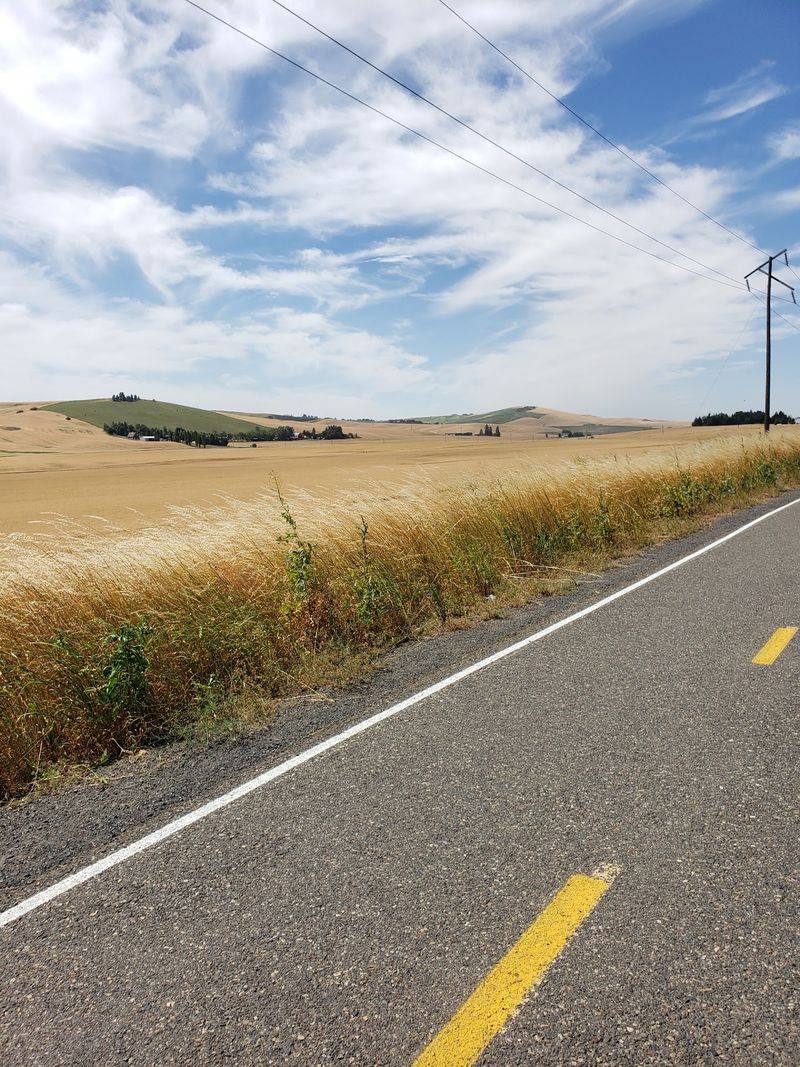
The scenery is pure Palouse country in northern Idaho. Rolling fields of wheat, lentils, and peas spill out on both sides, then give way to forest, wetlands, and a canyon near the far end.
I like how a forgotten railroad turned into something families actually use every week. I can’t imagine a calmer way to see farm country up close.
So where does it start, and how far can your legs carry you?
An Old Rail Line Reborn Between Two Palouse Towns
Moscow and Troy sit a short drive apart in Latah County, and the Latah Trail ties them together the slow, pleasant way. It’s an officially designated non-motorized corridor built on the old Moscow to Arrow railroad right-of-way.
Nobody quite agrees on its total length, and that’s half the fun. Descriptions range from about 8 miles to more than 16, depending on which segments you count.
The headline stretch is the one in this article’s title. Roughly nine miles of former railroad grade now carry pavement through open Idaho farmland instead of boxcars.
Because trains needed gentle slopes, the path inherited that easy grade. You get rolling hills on the horizon without punishing climbs under your wheels.
That makes the Latah Trail friendly to almost anyone with sneakers or a bike. Kids on training wheels and serious cyclists can both find their pace here.
It also works as real transportation, not just weekend recreation. Some folks simply use it to get from one place to the next without a car, which feels refreshingly old-fashioned for a route that started with steam.
The Railroad Story Hiding Under the Pavement
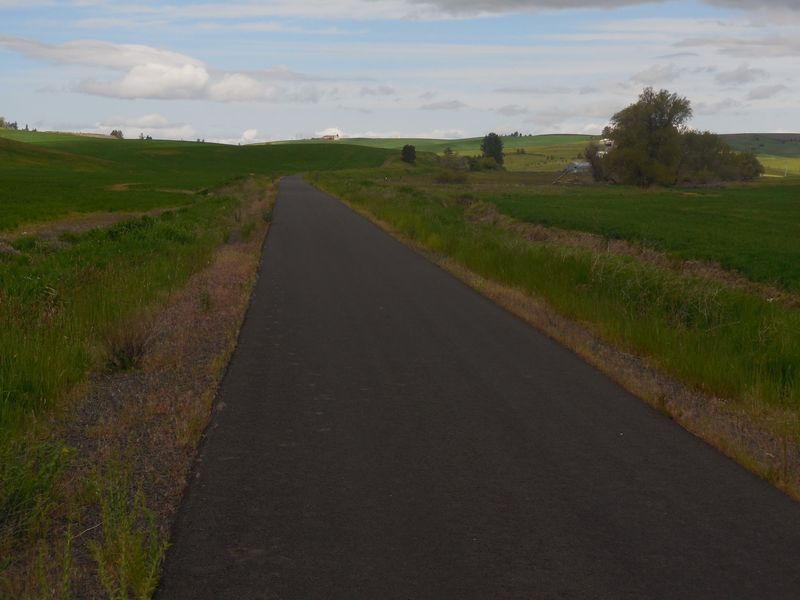
Rails reached Moscow in 1885, when the Oregon Railway and Navigation Company built the area’s first rail link. That route would eventually become part of today’s trail.
Five years later, in 1890, the Northern Pacific Railroad pushed a line from Moscow to Troy. Farm towns across the Palouse suddenly had a direct way to move people and harvests.
For decades, that line mattered. Then railroads across the country started fading in the second half of the 20th century, and this one followed the trend.
The Northern Pacific ended passenger service in 1966. After that, the corridor sat waiting for a second act.
Enter the Latah Trail Foundation, formed in the spring of 1998. The group set out to save the historic corridor and turn it into a place for walking and riding.
Progress came in chunks. By summer 2002, sections including a stretch between Blaine and Carmichael Road were paved.
So every pedal stroke rolls over more than a century of Idaho history. Not bad for a Saturday morning outing.
Wheat, Lentils, and Peas on Every Side
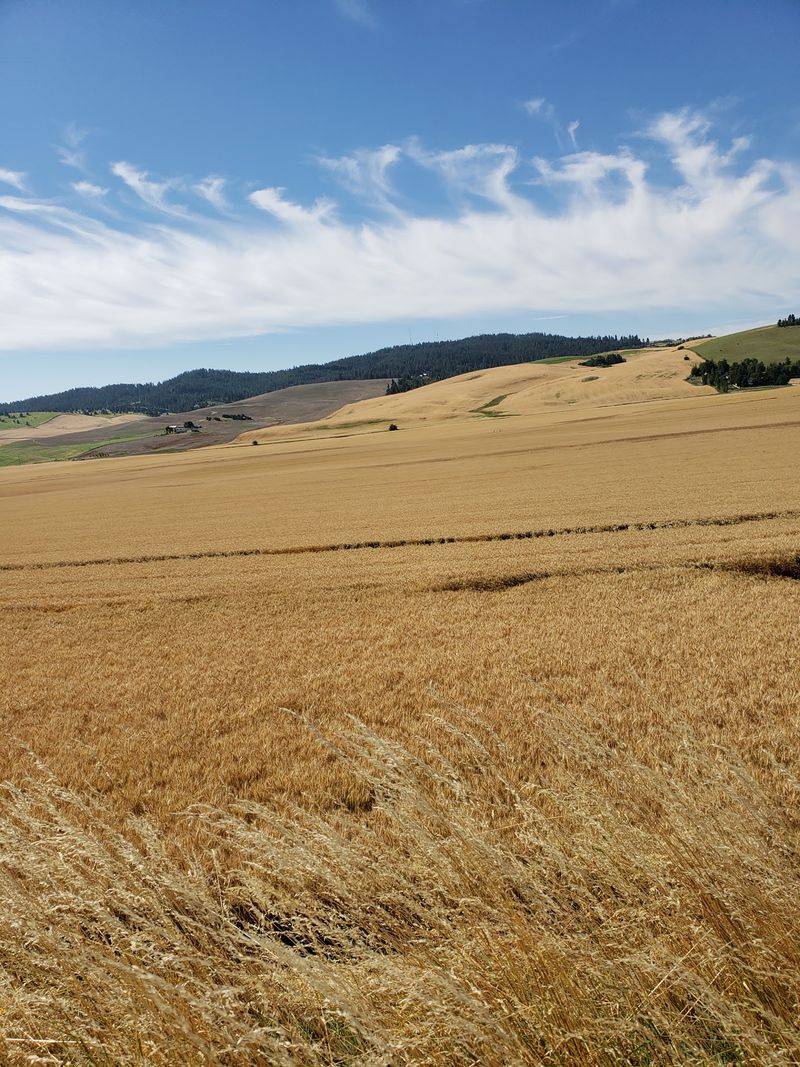
Crops are the real stars on this ride. A segment of about seven miles follows the old grade alongside State Route 8, right through rolling farmland.
Out here you’ll see wheat, lentils, and peas, the classic lineup of Palouse agriculture. It’s farm country you usually only glimpse through a car window at highway speed.
On the Latah Trail, you get it at bike speed or slower. That changes things, because suddenly the curves of the hills and the patterns in the fields actually register.
The view also shifts with the calendar. Spring brings green, while late summer leans golden as harvest approaches.
One short online note sums it up as a very nice ride through rolling wheat fields. Hard to argue with that.
I believe this stretch is the reason the trail feels so distinctly Idaho. You aren’t looking at mountains or rivers, just the working landscape that feeds a lot of the country.
Bring a camera if you like big skies. The Palouse delivers plenty of them, no filter required.
A Canyon Finale Past Troy
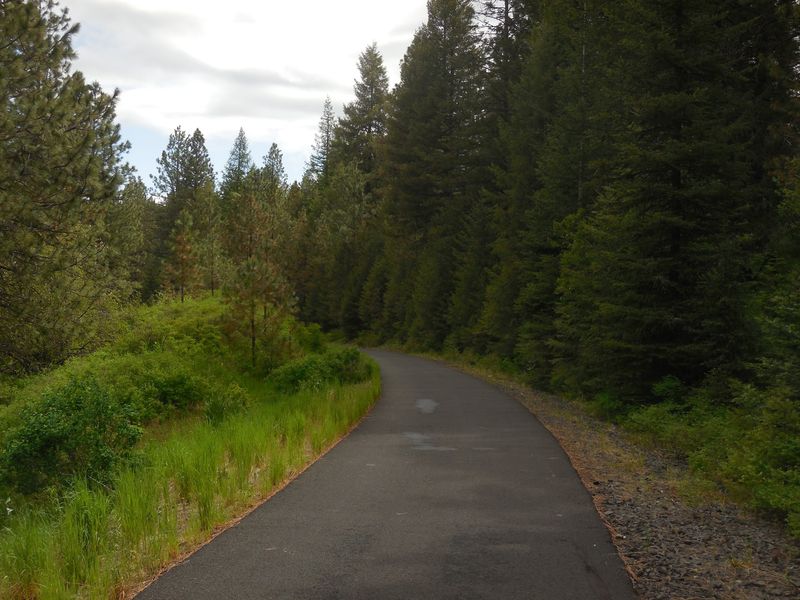
Just when you think the trail is all fields, Troy hands you a plot twist. From town, the path continues roughly four more miles into Bear Creek Canyon.
That canyon run also sits on a former railroad grade. So the riding stays smooth even as the scenery gets moodier and more enclosed.
Open sky gives way to trees. The Latah Trail moves through thick forested sections, a sharp contrast to the wide-open wheat country behind you.
It feels like two trails stitched together. One is sunny and spacious, the other shaded and tucked against the hills.
For riders, this variety is a gift. Long flat views can get hypnotic, and the canyon wakes your senses back up.
Families might treat Troy as a halfway point and decide on the spot whether to push on. Either choice works fine.
I like that the trail saves something different for the end. Plenty of paths repeat the same view for miles, but this one keeps changing the subject in the best way.
Small Critters Along the Edges
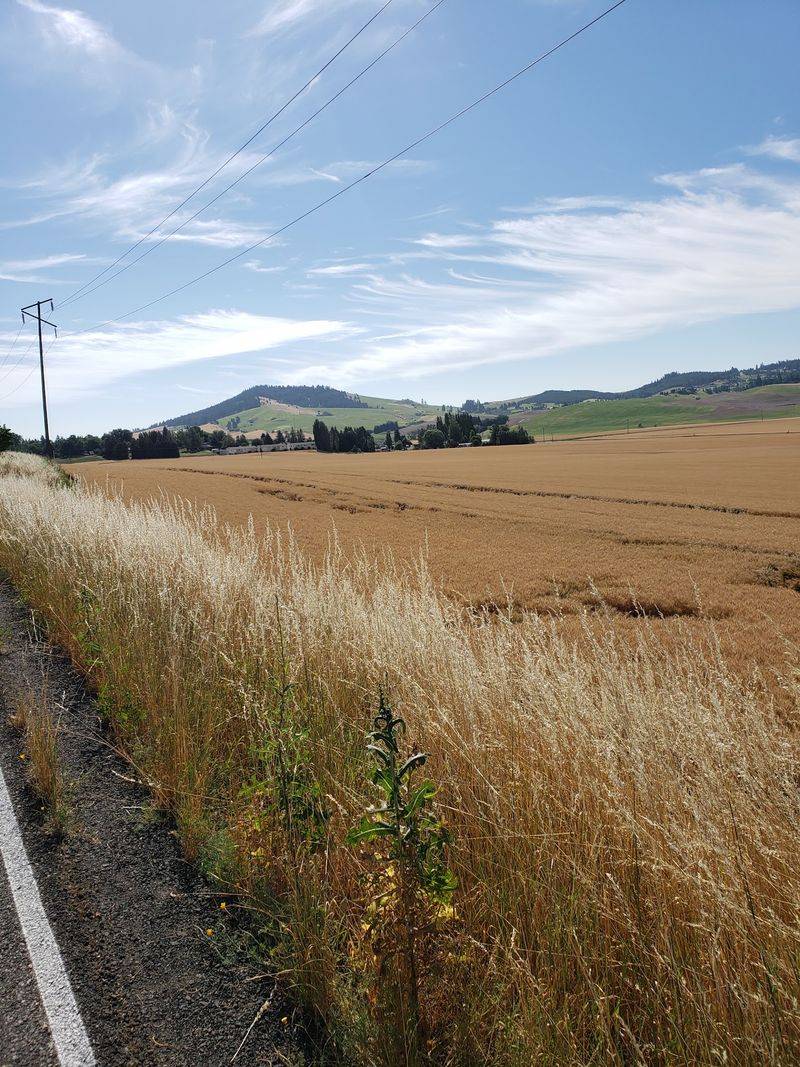
Keep an eye on the grass. Rabbits, quail, chipmunks, and squirrels make regular cameos along the route.
Then there’s the badger. Spotting one would make any outing, though they tend to keep to themselves.
The mix of habitats helps explain the variety. Farmland, Palouse River drainage areas, forest, and wetlands all show up along the Latah Trail.
Each zone supports different neighbors. Quail like brushy edges, while squirrels and chipmunks feel right at home among the trees.
Kids especially tend to enjoy the game of counting creatures. It turns a long walk into a scavenger hunt with fur and feathers.
Give wildlife plenty of space, of course. Admire from the path, keep snacks to yourself, and let the animals go about their business.
Dogs are welcome too, which leads to an important rule. Pets must stay on a leash, partly for the critters and partly for everyone else sharing the pavement.
A quiet pace pays off here. Roll slowly near the wetlands and you might hear more than you see.
Room for Wheels, Feet, and Even Skis
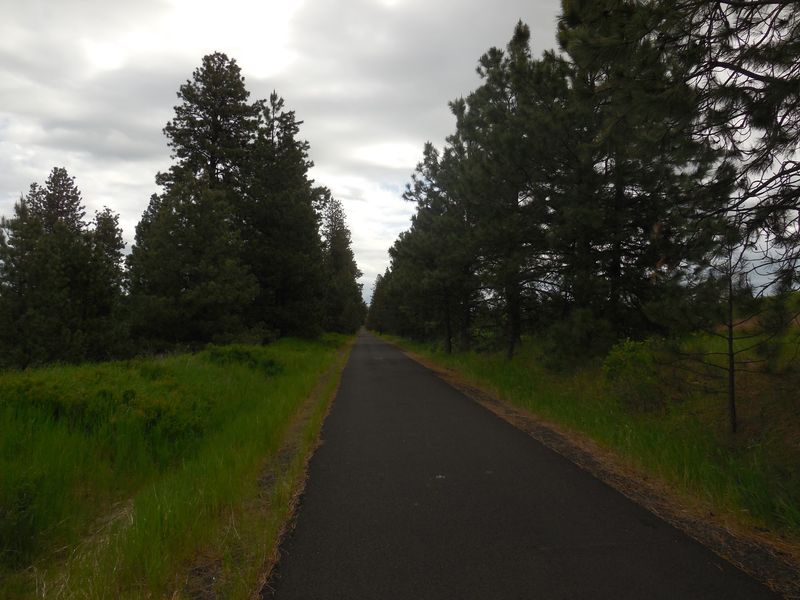
Ten feet of pavement covers a lot of hobbies. Bicycling, walking, running, and in-line skating all fit comfortably on the Latah Trail.
Winter doesn’t shut it down either. Cross-country skiing and snowshoeing are listed uses when snow covers the route.
That’s a rare combo. Few trails let you skate in July and ski in January on the same strip of ground.
The smooth surface opens doors for plenty of folks. Strollers roll easily, and riders who avoid gravel can relax.
The old rail grade keeps effort manageable. You’ll feel some miles in your legs, but not the kind of steep climbs that end a family ride early.
Motorized vehicles aren’t part of the picture. As a non-motorized corridor, the trail stays quiet, which suits slow walkers and speedy cyclists alike.
A little courtesy keeps things smooth. Pass on the left, give a friendly heads-up, and share the width.
Honestly, the trail suits nearly everyone. Near-retirees out for a stroll and college students training for a race can both claim it.
Part of a 28-Mile Ribbon of Trail
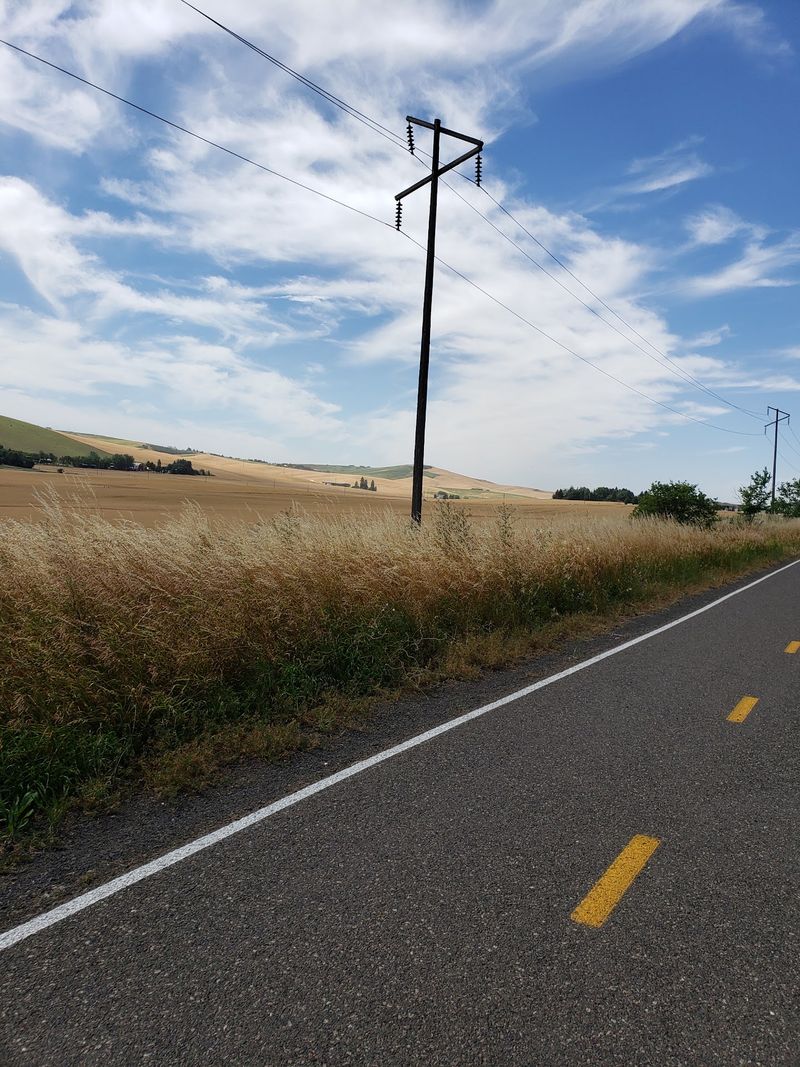
Ambitious riders, here’s your bonus round. The Latah Trail links up with Moscow’s Paradise Path and the Bill Chipman Palouse Trail.
Together they form a continuous linear trail system of up to 28 miles. That’s a serious day on the bike if you want one.
The Bill Chipman Palouse Trail heads west toward Pullman across the state line. So you can technically start in Idaho and roll into Washington on paved path.
Paradise Path weaves through Moscow itself. It acts as the connector that makes the whole network feel like one long route.
Not everyone needs all 28 miles, thankfully. Short out-and-back trips work great for families or anyone squeezing in exercise after work.
Still, it’s nice knowing the option exists. Plenty of towns would love a trail system this long and this connected.
For Moscow, it means a car-free way to reach farmland, neighboring towns, and campus areas. That’s a big deal for a college town with lots of cyclists.
Plan water and snacks if you go long. Services thin out between towns.
Parking, Restrooms, and Other Handy Details
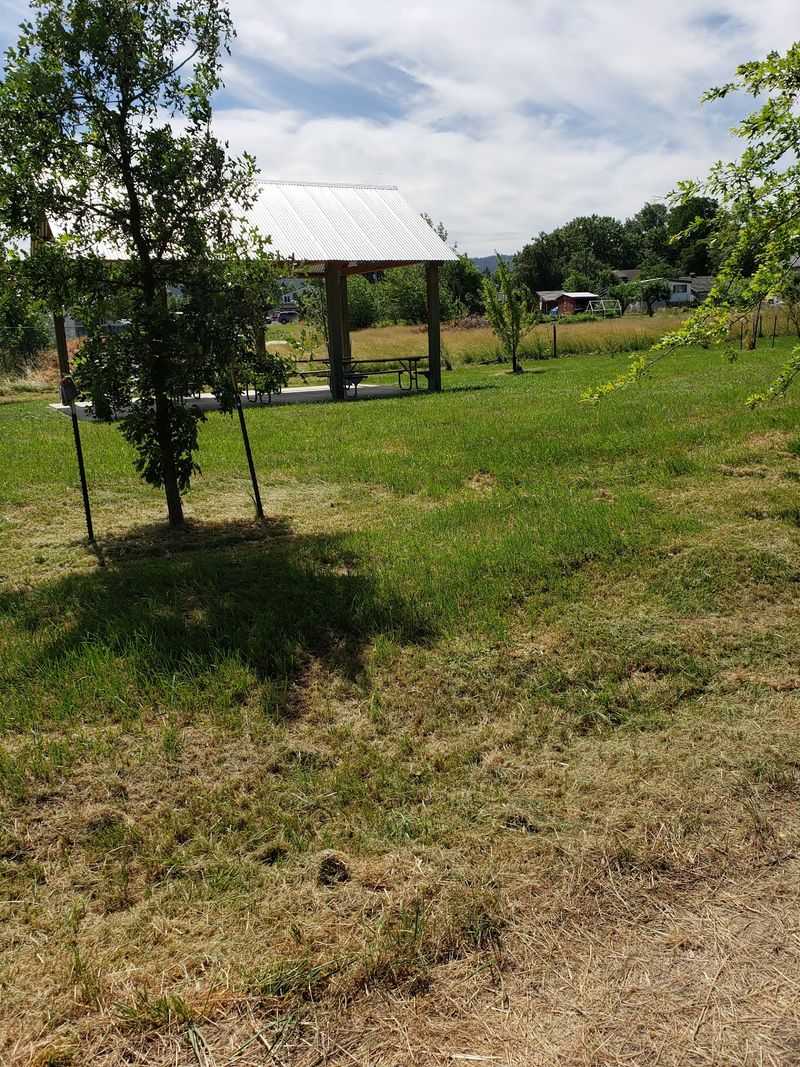
Good news for planners: getting started is simple. In Moscow, parking sits between Carmichael Road and Idaho Highway 8.
On the other end, Troy offers parking at City Park. Pick whichever town makes sense for your direction and mileage.
Restrooms are handled thoughtfully. Vault toilets appear along the trail itself, not only at the trailheads.
That small detail is huge for families. Nobody wants to turn around three miles out because a little one suddenly needs a break.
Pets can come along, as long as they stay leashed. Pack bags for cleanup and water for warmer days.
The trail is managed as public recreation, and the Latah Trail Foundation, based in Moscow, Idaho, works on its care and expansion. Conditions can shift with weather, so check before driving, especially in winter.
Shade is limited through the farmland stretch. Sunscreen and a hat earn their spot in your bag during summer.
Bring layers in spring and fall too. Palouse wind can sweep across those open fields with surprising enthusiasm.
Why This Farm-Country Ride Deserves a Spot on Your List
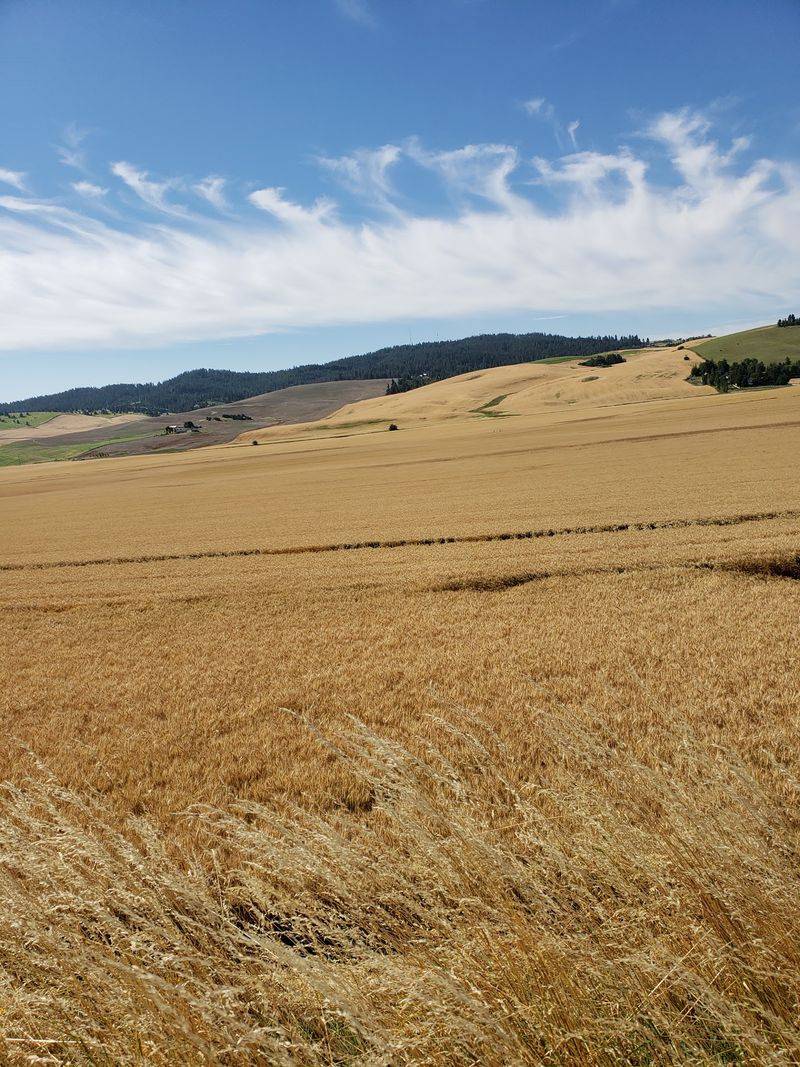
Some outings demand big plans and bigger budgets. The Latah Trail asks for a bike, some water, and a free afternoon.
In return, you get rolling Palouse wheat fields, a forested canyon, wetlands, and the occasional quail. All on smooth pavement with a gentle railroad grade.
I believe the story adds a lot to the experience. Knowing trains rumbled here starting in the 1880s makes the quiet feel even sweeter.
Credit goes to the Latah Trail Foundation and the community that backed it. An abandoned corridor became a place people actually use year-round.
It fits many kinds of days. A short family stroll, a long training ride toward Washington, or a snowy ski session all work.
For northern Idaho residents, it’s an easy afternoon escape. For visitors to Moscow, it’s a front-row seat to the farmland that defines the region.
So pick a trailhead, Moscow or Troy, and start rolling. The wheat isn’t going anywhere, but you’ll want to see it before harvest turns the hills gold.