10 North Carolina Beach Towns That Feel Like A Perfect Summer Postcard
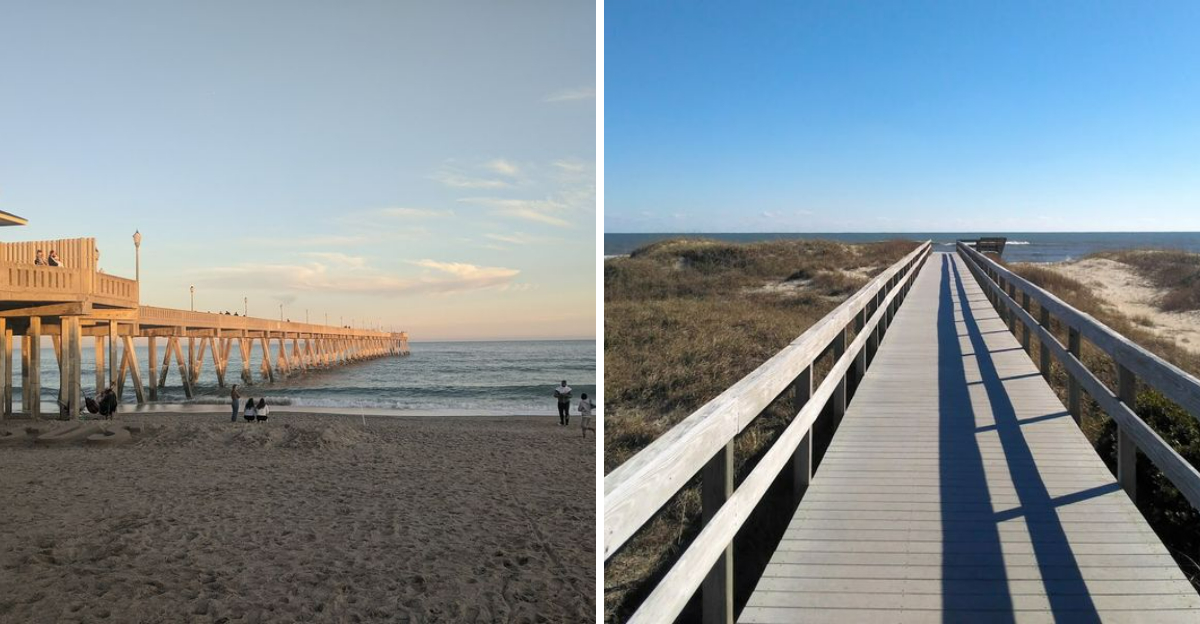
There is a certain kind of nostalgia baked into the North Carolina coastline. It’s a feeling that connects you to simpler times the moment the pavement turns to sand.
It’s not just about the scenery. It’s that specific, soul-soothing instant you roll down the car windows and the air turns heavy with salt, sea oats, and the scent of sun-warmed pine.
From the wild, windswept barrier islands of the Outer Banks to hidden historic harbors that look like a movie set. This coastline feels like it was designed specifically for making memories.
Whether you’re the type to greet the sunrise with a surfboard in hand or someone who prefers slow afternoons browsing antique shops and peeling shrimp on a weathered dock, North Carolina delivers a unique brand of coastal magic.
Here, the rhythm of life is dictated by the tides, and the only real deadline is catching the sunset.
I’ve gathered ten coastal gems that aren’t just dots on a map—they are towns that truly feel like summer has come to life on a postcard.
So, kick off your shoes and get ready for a digital escape to the shore.
1. Nags Head
Few places in North Carolina carry as much history and charm as Nags Head. Stretching along the Outer Banks, this town earned its name from old legends about pirates who used lanterns to lure ships ashore.
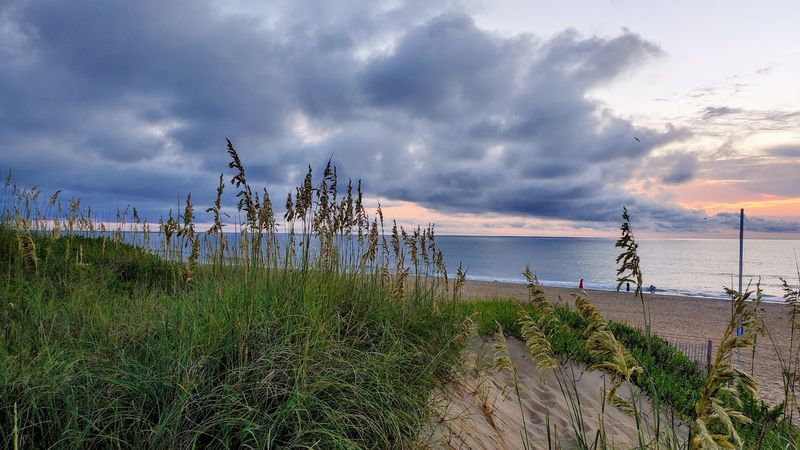
Today, the only thing luring visitors is its wide, windswept beaches and the towering Jockey’s Ridge State Park, the tallest natural sand dune system on the East Coast.
I remember standing at the top of Jockey’s Ridge and feeling like I could see all the way to forever. The view stretches across Roanoke Sound on one side and the Atlantic on the other.
Hang gliders drift overhead, kids tumble down the sandy slopes, and nobody seems to be in a hurry.
Nags Head, located along NC-12 in Dare County, North Carolina, also has a solid lineup of seafood restaurants, surf shops, and beach access points every few blocks. It’s the kind of town where flip-flops are always the right footwear.
Whether you’re renting a classic beach house or just passing through on a road trip up the Outer Banks, Nags Head delivers the full coastal experience without any pretense.
2. Corolla
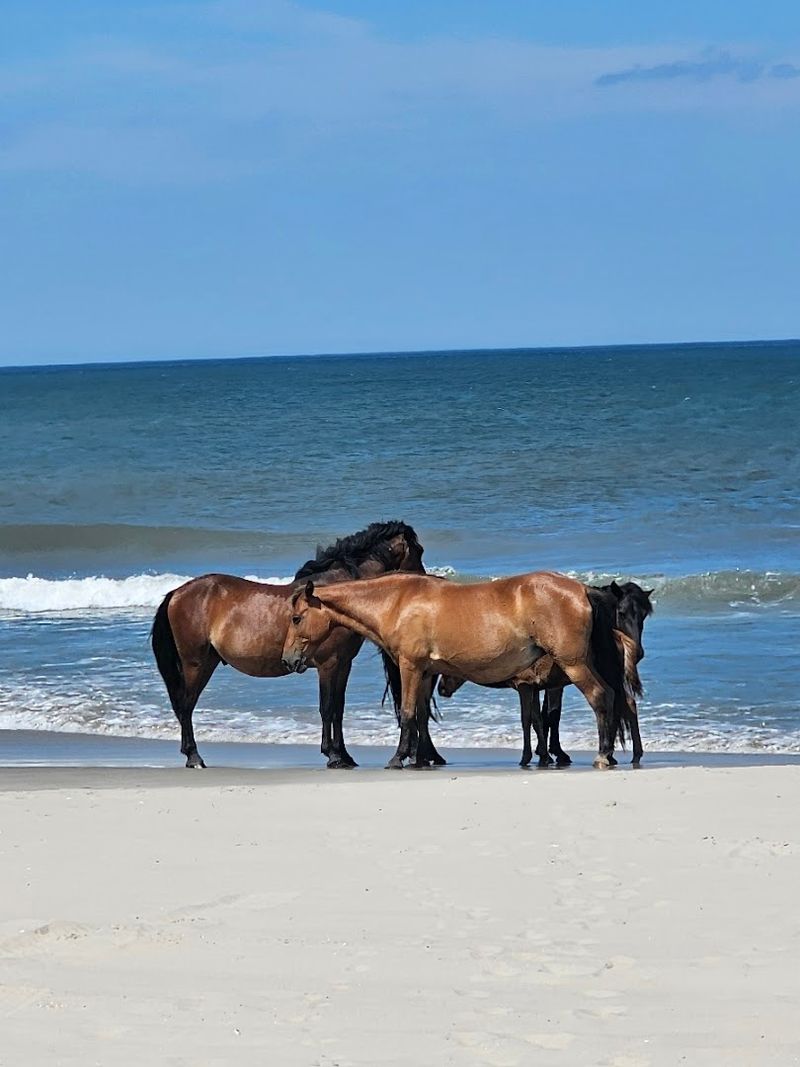
Wild horses roaming a beach sounds like something out of a dream, but in Corolla, North Carolina, it’s just a regular Tuesday. The famous Corolla Wild Horses, descendants of Spanish mustangs brought over centuries ago, wander freely through the northern Outer Banks.
Spotting one near the shoreline at sunrise is the kind of moment that genuinely stops you in your tracks.
Corolla sits at the northern tip of the Outer Banks, accessible via NC-12 in Currituck County. Beyond the horses, the town is home to the historic Currituck Beach Lighthouse, which dates back to 1875 and still stands tall in brick-red glory.
Climbing to the top rewards you with a sweeping panoramic view of the barrier island.
The beaches here are wide, relatively uncrowded, and feel almost untouched compared to busier resort areas. Families love Corolla for its relaxed pace and the sheer novelty of 4×4-accessible beaches where you can drive right up to the water.
There’s something wonderfully old-fashioned about this town, even as it offers modern rentals and great dining options. Corolla earns its postcard status effortlessly.
3. Duck
Duck is the kind of town that makes you want to slow down the moment you arrive. Tucked into the northern Outer Banks of North Carolina, this small village sits on a narrow strip of land between the Atlantic Ocean and Currituck Sound.
The town boardwalk runs right along the soundside, lined with boutique shops, ice cream stands, and casual waterfront restaurants.
What sets Duck apart from its Outer Banks neighbors is its genuinely cozy atmosphere. There’s no big-box chaos here.
Instead, you’ll find art galleries, yoga studios, and coffee shops that feel locally loved and well-worn.
The annual Duck Jazz Festival draws visitors every October, proving this town has personality beyond summer. Located along Duck Road in Dare County, the town itself is small enough to walk almost everywhere, which gives it a refreshing small-town feel that’s hard to find on a busy coastline.
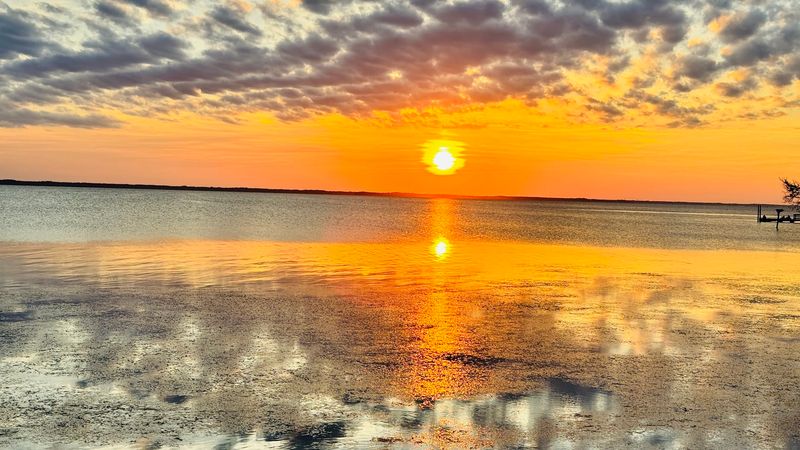
I particularly loved watching the sunset over the sound from the boardwalk, the water turns gold and pink in a way that feels almost staged. Duck may be quiet, but it leaves a loud impression on everyone who visits this corner of North Carolina.
4. Beaufort
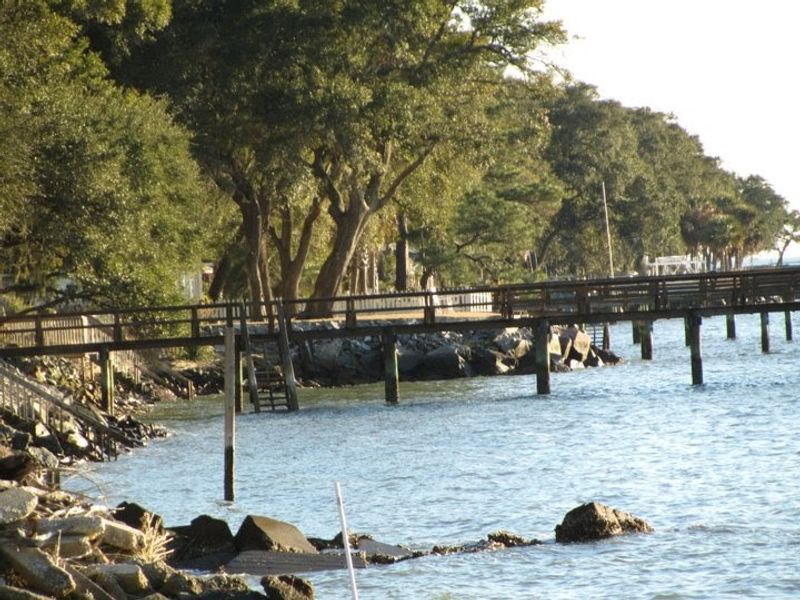
Step into Beaufort, North Carolina, and you’ll immediately feel like you’ve traveled back in time, in the best possible way. Established in 1709, Beaufort is one of the oldest towns in the state, and its historic district is remarkably well-preserved.
The wide, tree-lined streets are filled with colonial-era homes, many of which are listed on the National Register of Historic Places.
The waterfront along Front Street is the social heart of town. Boats bob in Taylor’s Creek just across from Carrot Island, where another herd of wild horses roams freely.
Watching those horses graze against the backdrop of the harbor is a genuinely surreal experience.
The North Carolina Maritime Museum, located at 315 Front Street, is also worth a long visit for anyone curious about the region’s seafaring past.
Beaufort’s restaurant scene punches well above its size. Fresh catches come straight off local fishing boats, and the dining options range from laid-back waterfront dives to refined coastal cuisine.
The town sits in Carteret County and is easily accessible via US-70. Whether you’re interested in history, wildlife, or simply sitting on a dock with a cold drink, Beaufort checks every box with quiet confidence.
5. Wrightsville Beach
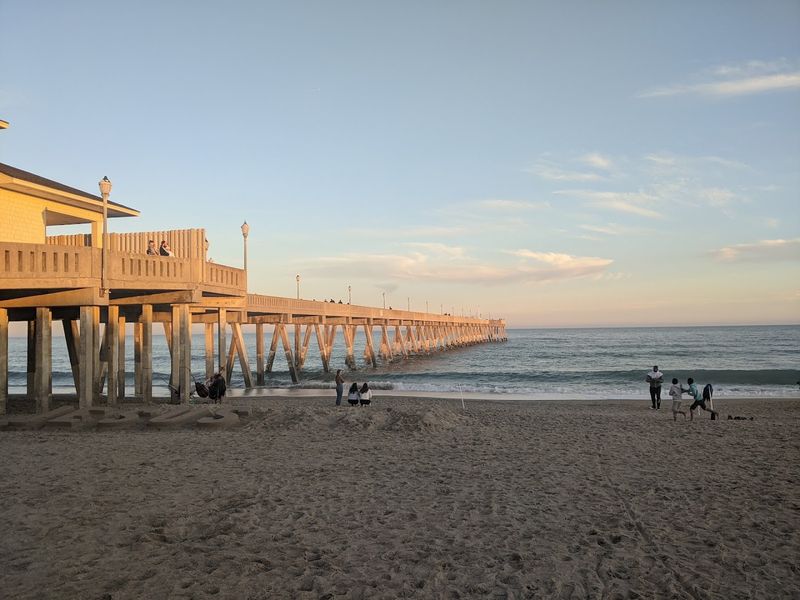
Wrightsville Beach has a reputation as one of the most consistently excellent beach destinations in North Carolina, and honestly, it earns every bit of that praise. Located just east of Wilmington via US-74, this barrier island town combines clean beaches, reliable surf, and a lively but manageable social scene.
The waves here are among the best on the North Carolina coast for surfing, drawing everyone from beginners to seasoned riders.
The town sits on a narrow island connected to the mainland by a drawbridge, which somehow adds to its charm. Crossing that bridge feels like a small ceremony, like the island is welcoming you in.
The main drag is lined with surf shops, casual seafood spots, and locally owned businesses that give Wrightsville Beach a personality all its own.
Crystal Pier, located near the center of the island, is a great spot to watch surfers or just enjoy the ocean breeze. The beach access points are well-maintained and easy to find.
I appreciated how the town balances being genuinely fun without becoming overcrowded or overly commercial. Families, college students, and retirees all seem to coexist comfortably here, which says a lot about Wrightsville Beach’s broad and welcoming appeal.
6. Southport
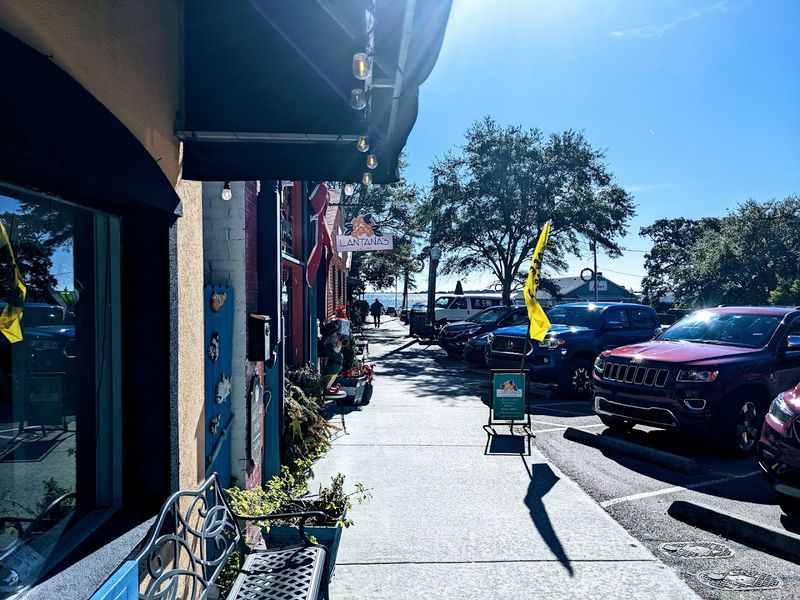
Southport might be the most underrated coastal gem in all of North Carolina. Sitting at the mouth of the Cape Fear River in Brunswick County, this small city blends maritime history with a small-town warmth that’s genuinely hard to resist.
The historic downtown is walkable, shaded by massive live oak trees, and filled with antique shops, local restaurants, and art galleries that feel authentically rooted in community.
Movie fans might recognize Southport, it doubled as the fictional town of Dawson’s Creek and was also featured in the film adaptation of Nicholas Sparks’ Safe Haven. But beyond its screen credits, Southport stands on its own.
The waterfront along Bay Street offers peaceful views of the river and passing boats, and the North Carolina Maritime Museum at Southport is a fascinating stop for history lovers.
The annual Fourth of July Festival here is one of the largest in the state, drawing thousands of visitors each year.
Located about 30 miles south of Wilmington via US-17, Southport is accessible and affordable, making it a smart choice for a weekend getaway. I found it refreshingly unhurried, a place where locals still wave to strangers and every meal feels like it was made with care.
7. Emerald Isle
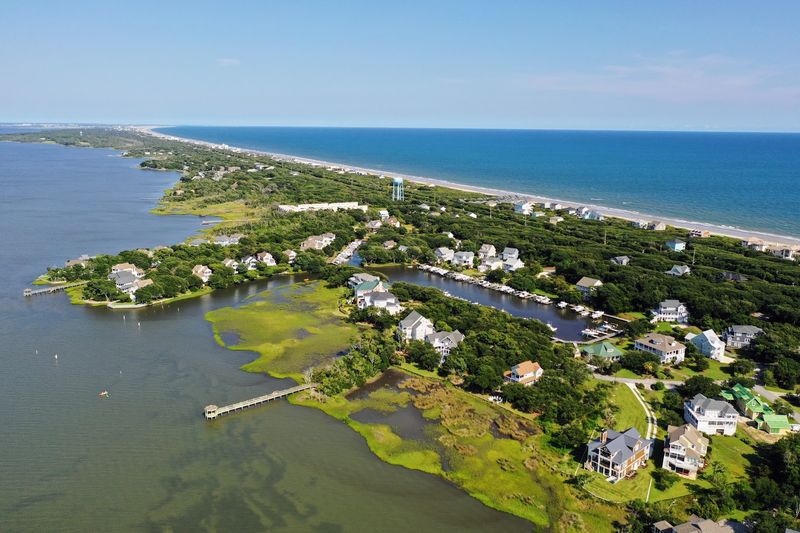
The name says it all. Emerald Isle, located on the western end of the Crystal Coast in Carteret County, North Carolina, gets its name from the strikingly green color of the Atlantic waters that lap its shores.
The ocean here has a clarity and hue that feels almost tropical, which makes it a favorite for families who want a beach that looks as good as it feels.
What makes Emerald Isle particularly appealing is how family-friendly and uncrowded it remains compared to more commercial beach towns. The island stretches about 12 miles and is accessible via NC-58.
You’ll find beach access points every few blocks, a low-key town center, and a general vibe that prioritizes relaxation over spectacle.
Vacation rentals range from modest beach cottages to large oceanfront homes that can fit an entire extended family.
Kayaking through Bogue Sound on the soundside of the island is a must-do activity. The calm, shallow water is perfect for beginners and offers a completely different perspective of the island’s natural beauty.
I noticed how many families return here year after year, there’s a loyalty to Emerald Isle that speaks to how genuinely restorative this stretch of North Carolina coastline really is.
8. Ocracoke
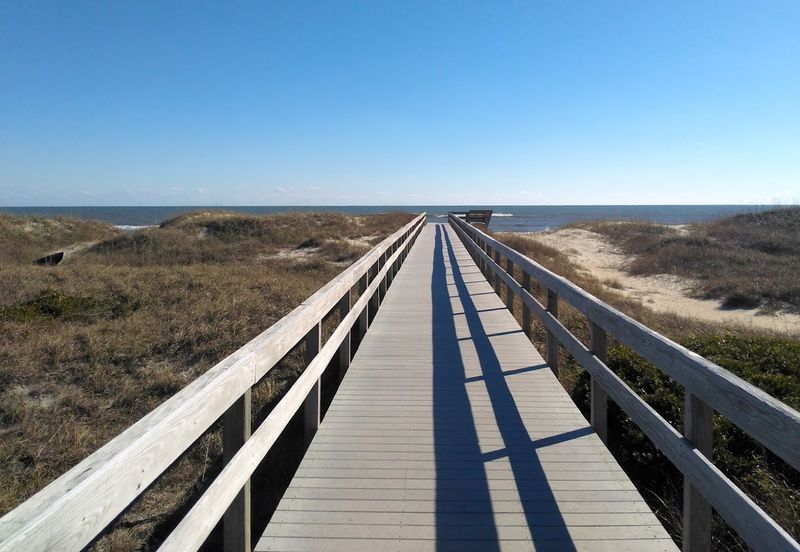
Getting to Ocracoke requires a ferry ride, and that short journey across the Pamlico Sound somehow makes arriving feel like a reward. Ocracoke is one of the most remote and enchanting places on the entire North Carolina coast.
Accessible only by ferry from Cedar Island, Swan Quarter, or Hatteras, this small village on Ocracoke Island has a character that’s completely its own.
The town’s narrow lanes, called “Creekers” by locals, wind past fig trees, weathered cottages, and the oldest operating lighthouse in North Carolina, the Ocracoke Lighthouse, built in 1823. The village has a population of only a few hundred year-round residents, which gives it an intimacy that’s rare on any coastline.
Blackbeard the pirate once used Silver Lake Harbor as a hideout, and that swashbuckling history adds an irresistible layer of mystery to the place.
The beaches on Ocracoke are managed by the National Park Service and are among the most pristine and least developed in the entire state. No chain restaurants, no flashy resorts, just wild, open shoreline and a sky full of stars at night.
Visiting Ocracoke feels less like a vacation and more like a genuine escape from the modern world.
9. Carolina Beach
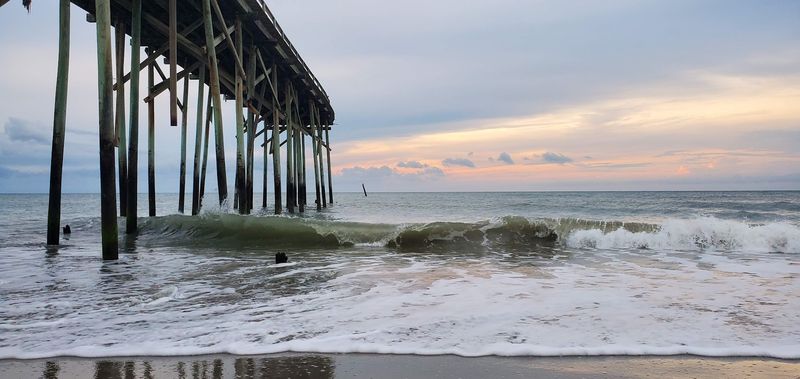
Carolina Beach has a nostalgic, old-school energy that’s hard not to love. Located about 20 miles south of Wilmington in New Hanover County, North Carolina, this barrier island town is famous for its classic boardwalk, one of the few remaining beach boardwalks in the state.
Carnival rides, arcade games, and ice cream shops line the strip, giving it a throwback summer-fair feeling that families absolutely adore.
Beyond the boardwalk, Carolina Beach offers some genuinely cool natural experiences. The Carolina Beach State Park, located at 1010 State Park Road, is home to the Venus flytrap, a carnivorous plant native to only a small region of North and South Carolina.
Hiking the park’s trails to spot these unusual plants in the wild is surprisingly exciting, especially with kids.
The town’s fishing pier is a local institution, drawing anglers of all skill levels at sunrise and sunset. The Freeman Park area at the northern tip of the island allows four-wheel-drive beach access, making it a popular spot for bonfires and camping.
I found Carolina Beach to be the kind of place that doesn’t take itself too seriously, it’s just genuinely fun, affordable, and full of summer spirit. That combination is rarer than you’d think.
10. Bald Head Island
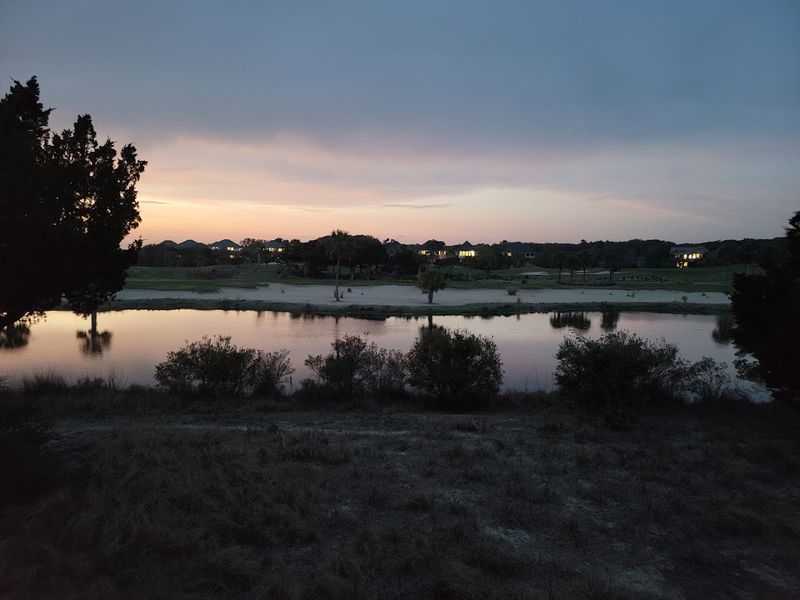
Bald Head Island operates by a different set of rules and that’s exactly what makes it so special. Located at the southern tip of North Carolina’s Brunswick Islands, this island is accessible only by a private ferry from Southport.
Once you arrive, there are no cars. None.
Residents and visitors get around exclusively by golf cart or bicycle, which instantly transforms the entire atmosphere.
The island is home to Old Baldy, the oldest standing lighthouse in North Carolina, built in 1817. Climbing it offers a stunning view of the Cape Fear River, the Atlantic Ocean, and miles of undisturbed maritime forest.
About two-thirds of Bald Head Island is permanently protected as a nature preserve, so the beaches and trails feel genuinely wild and untouched.
Loggerhead sea turtles nest on Bald Head Island’s beaches each summer, and the Bald Head Island Conservancy runs educational programs that let visitors learn about and even participate in conservation efforts.
Staying on the island means renting one of the private homes or cottages, it’s a splurge, but the experience is unlike anything else on the North Carolina coast. Peaceful, beautiful, and completely car-free, Bald Head Island is truly in a category of its own.