10 North Carolina Coastal Spots Where You Could Encounter The Mysterious Blue Land Crab
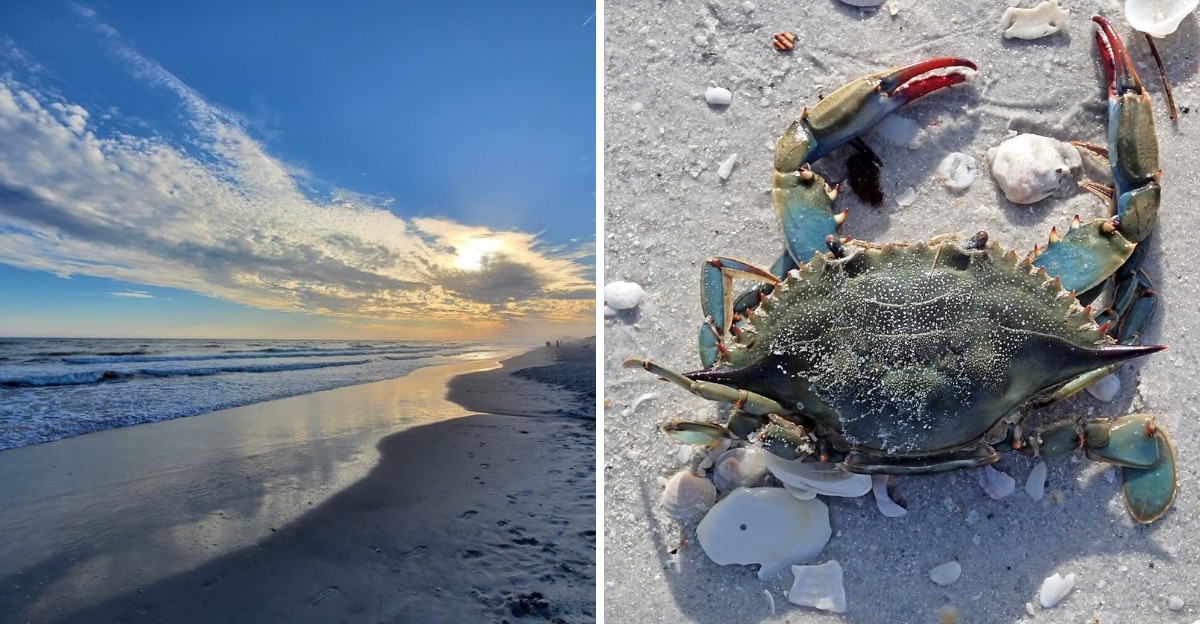
Something blue is crawling through coastal woods, and it definitely did not get the memo about staying near the beach.
Blue land crabs have been turning up in parts of North Carolina where scientists are watching their range with growing interest.
Seeing one on a quiet path can feel like nature slipped in a plot twist. The crab, naturally, carries on sideways as if nothing unusual is happening.
Its size alone is enough to make most walkers stop and look twice.
Researchers have good reason to pay attention, but travelers get the stranger reward.
A normal coastal outing can suddenly become a wildlife mystery with claws. Just give it room.
Winning an argument with a crab is rarely worth the effort.
Emerald Isle
A crab crossing a yard can stop a beach trip in its tracks.
Emerald Isle has a special place in the story of this species: the state’s first confirmed blue land crab sighting came from the Bogue Sound area near town in summer 2023.
Two more sightings were confirmed here in 2026, so a careful look away from the surf makes sense. A sighting is still a surprise, not something any walk can promise.
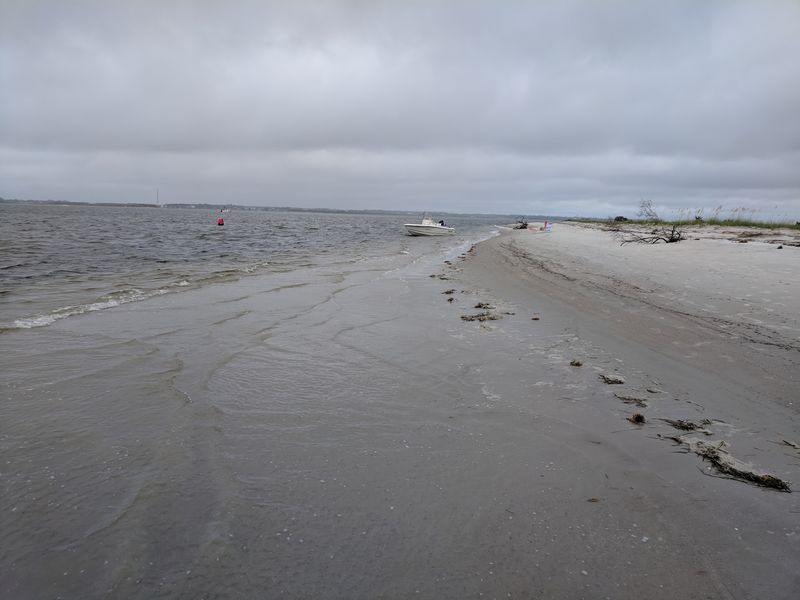
On Emerald Isle, the sound side offers a different scene from the broad ocean beach.
Marsh grass, quiet water, coastal trees, and sandy ground create the kind of sheltered setting where a land crab might dig a burrow. Watch from public paths and respect private yards.
After heavy rain, a crab may be easier to notice above ground, but muddy edges can be slippery and fragile.
A round opening in the soil is interesting; it is not a reason to reach inside. Pack a camera along with your beach towel and give any crab room to move.
Blue land crabs vary in color, and a large claw can help them defend themselves.
Photograph a possible sighting from a safe distance, note the place and date, and share the details with coastal researchers.
Then enjoy the sound breeze and keep an eye on the path ahead.
Morehead City
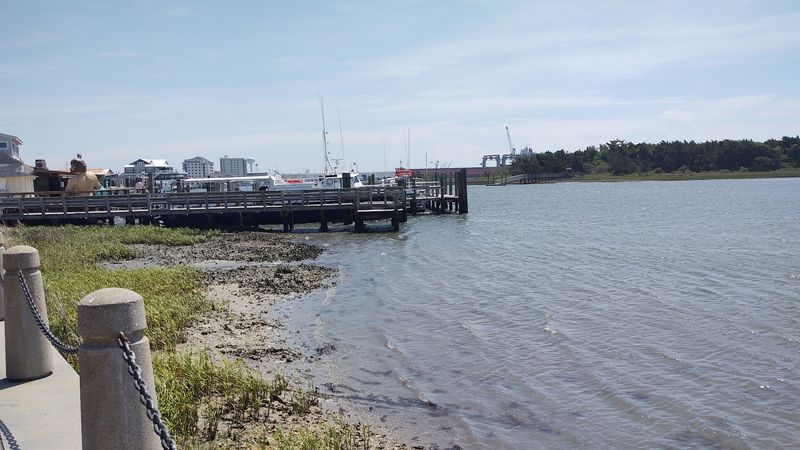
Fishing boats and busy streets are only part of the picture along this waterfront.
North Carolina Sea Grant reported blue land crab sightings in Morehead City after the first confirmed find near Emerald Isle. That makes a walk here more than a search for sea views, although a crab should never be expected on demand.
Land crabs can use ground near estuaries and developed areas, so the most useful habit is simply to notice what is beside the path. Morehead City borders waters that connect coastal neighborhoods with the wider sound.
As you explore public areas, look toward grassy edges and patches of soil rather than scanning only the docks.
A blue land crab may have a blue-gray shell, but color alone is not enough for a sure identification.
Its sturdy body and large claws can stand out, especially if it moves across open ground after rain. Stay back so it can pass without being cornered.
Make the outing a relaxed waterfront visit instead of a chase.
Enjoy the breeze, watch boats travel across the water, and choose a seafood meal or another local bite when you are ready for a break.
If you spot an unfamiliar crab, take a clear photo without touching it.
Sharing the date and exact area with researchers can help them understand where the species is appearing.
Atlantic Beach
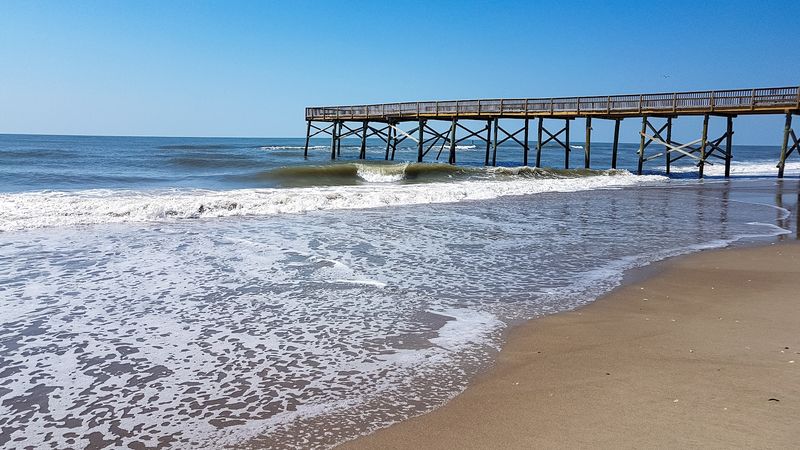
Everyone watches the waves, yet the most curious wildlife story may unfold behind the dunes.
Atlantic Beach shares the Bogue Banks and Bogue Sound setting where blue land crabs have drawn attention. Reports from the broader area make it a reasonable place to stay alert, but they do not guarantee a sighting on a particular street or trail.
Give yourself time to enjoy the shore without turning the visit into a search through protected habitat. Atlantic Beach has ocean sand on one side and sound waters on the other.
That change in scenery matters because blue land crabs are true land crabs, often found near sheltered coastal ground rather than out on a bare beach.
Along public access routes, notice leafy cover, sandy soil, and the edges of marsh vegetation. Avoid stepping into planted dunes or onto private property.
A burrow opening may belong to another animal, so leave it undisturbed.
For a family outing, pair a beach walk with a look at the quieter sound-side landscape.
Children can compare wave sounds with the softer rustle of marsh grass while keeping their hands to themselves around wildlife.
Bring water, wear shoes for walking, and keep dogs close where they are allowed. Should an unusual crab appear, a photo from several steps away offers a helpful record and leaves the animal free to continue its trip.
Pine Knoll Shores
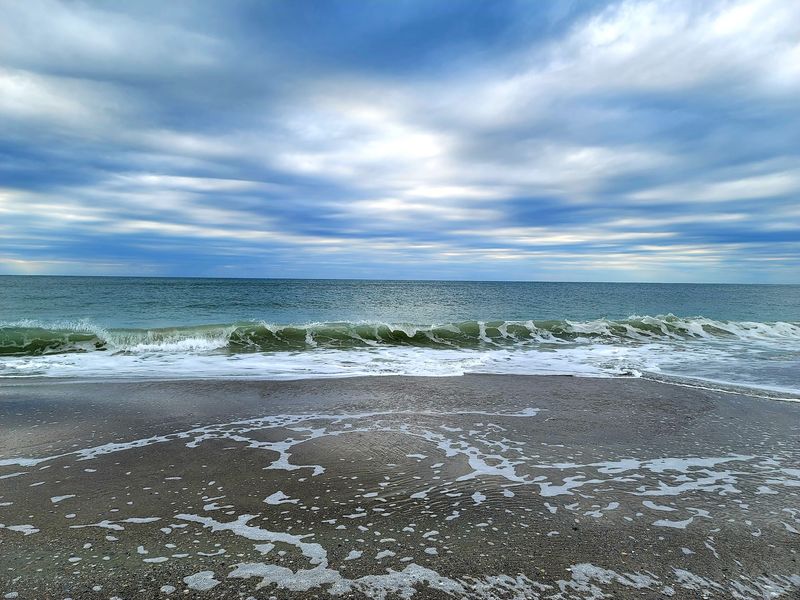
Pine shade gives this stretch of Bogue Banks a quieter feel than a wide, sunny beach.
Pine Knoll Shores sits between the ocean and Bogue Sound, with coastal trees and estuary edges that make the area worth watching for blue land crabs.
Nearby reports show why the question is interesting, though a sighting in the broader region is not proof that crabs are established at every spot here. Think of the visit as a chance to notice habitat, not collect an animal.
In Pine Knoll Shores, a walk through permitted public areas can reveal how quickly the landscape changes. Dry sand gives way to roots, leaf litter, and damp ground closer to sheltered water.
Blue land crabs need moisture for their gills and may dig burrows that reach damp soil below.
Their hiding places are easy to miss, which is one reason even a careful observer might see nothing. Rain can bring more activity above ground, but it also makes paths muddy.
Try a slow walk with pauses to listen for birds and look at the plants around you.
Keep to marked routes, carry out snack wrappers, and use a camera zoom rather than approaching a possible crab. If you find one, note whether it was near trees, grass, or a wet edge.
Those simple details can be more useful to researchers than a close-up photo without a place or date.
Beaufort
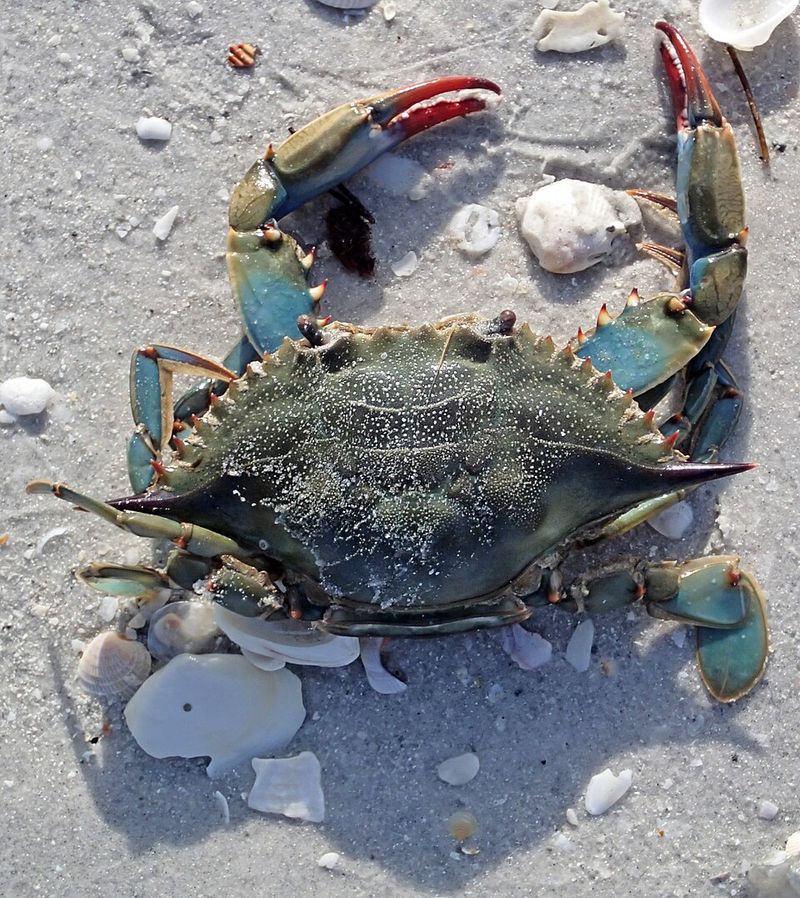
Old waterfront buildings and calm water make an easy start to a Beaufort afternoon.
The town is in Carteret County, where blue land crab sightings have been reported since the first confirmed discovery near Emerald Isle.
Countywide reports do not point to a reliable viewing spot in Beaufort itself, but they give curious visitors a reason to watch the meeting places between dry ground and coastal water.
Let the scenery lead the walk, and treat any crab encounter as a bonus.
Beaufort offers a lively contrast between its walkable town streets and marshy shorelines nearby.
Blue land crabs may use vegetated ground and even developed spaces, yet they are not the small crabs commonly seen running over open beach sand.
If you notice a large crab near a public path, pause and give it a clear way out. Do not lift it for a better picture; its strong claw helps it protect itself.
After looking across the water, you might stop for a simple coastal meal and talk about what you noticed.
Was the ground shaded, sandy, or damp? Such questions turn a casual outing into a small lesson about habitat.
Keep observations precise rather than guessing that every hole or moving shape belongs to this species.
A dated photograph and a clear description of the setting can help scientists sort an unusual sighting from a familiar local crab.
Swansboro
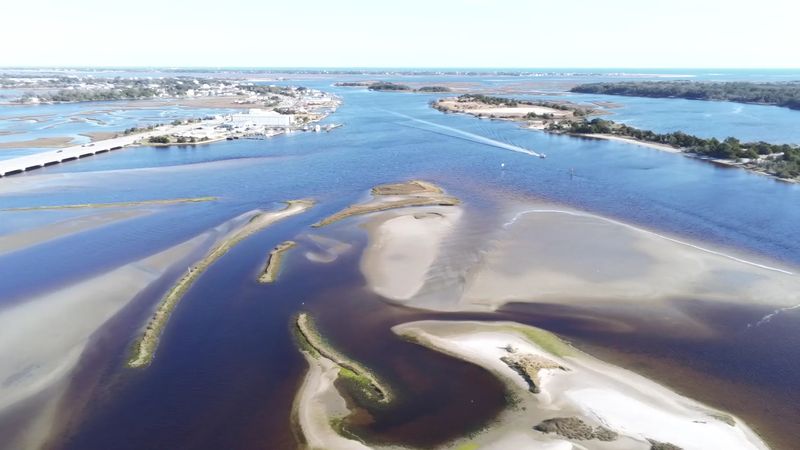
A river can be just as useful a guide as an ocean wave when looking at coastal wildlife.
Swansboro sits beside the White Oak River, southwest of the Emerald Isle area.
An observation was recorded within the wider White Oak River watershed in 2023, but that does not confirm a blue land crab sighting in town.
The difference matters: Swansboro is a place to keep watch, not a promised place to find one.
In Swansboro, public waterfront views show how the river links streets, boats, and tidal shorelines.
When you walk, pay attention to ground near plants and damp edges, while staying well away from private docks and yards. Blue land crabs spend much of their time in burrows and can be especially hard to notice on a dry day.
A sudden shower may bring one into view, although wet boards and banks call for slower steps.
Make room for the town’s everyday pleasures, too.
Watch the river traffic, enjoy a snack with a water view, and let younger travelers look for changes in the shoreline rather than trying to catch anything.
If a large, unfamiliar crab crosses your route, stand still and allow it to move away. Take a photo if you can do so safely, then record the time and setting for anyone studying the species’ spread.
North Topsail Beach
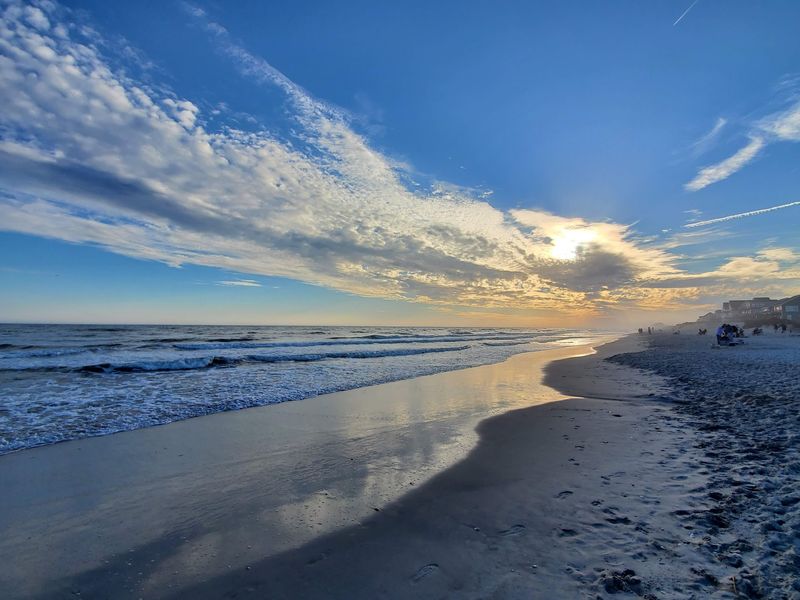
Water seems to wind around every corner of this island’s quieter northern end.
North Topsail Beach meets a network of sounds, tidal creeks, marshes, and inlets that makes it a sensible place to watch for a wandering blue land crab.
Reports from near Topsail are less precise than the confirmed Emerald Isle records, so avoid treating them as proof of a sighting on any particular beach access. The likely places to notice a land crab are sheltered edges, not open surf.
At North Topsail Beach, let public paths guide your search near vegetation and firmer ground.
Marsh plants protect the shoreline and shelter many creatures; stepping through them can cause damage even when you see no animal.
A crab may move quickly and vanish into cover, so a brief glimpse is possible without a close look.
Carry a camera ready, but never block a burrow or try to draw the animal into the open.
Changing tides give a visit its own rhythm.
From a safe place, you can watch water fill a creek, listen for shorebirds, and compare the calm sound side with the louder ocean. Check local access rules before setting out, and leave extra time for a walk after rain if conditions are safe.
Should you see a large crab, note the nearby habitat and share a clear, distant photo with coastal researchers.
Surf City
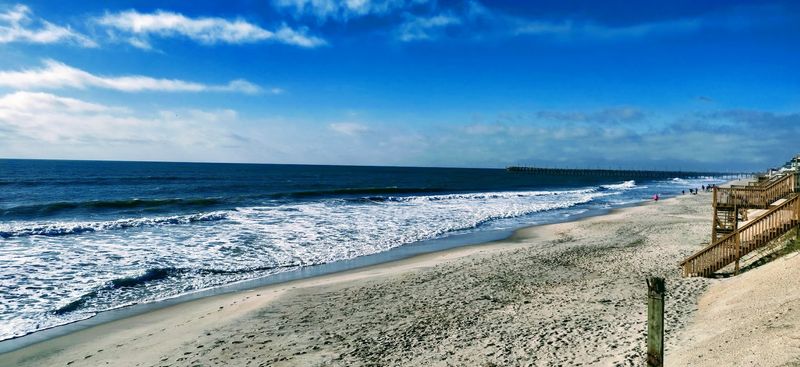
A puddle after rain can turn an ordinary walk into a wildlife watch.
Surf City, on Topsail Island, has coastal neighborhoods and marsh edges like places where blue land crabs may appear.
That makes it a possible watch spot rather than a site with a guaranteed or clearly documented local sighting. If your plans include the beach, add time to notice the landward scenery as well.
The crab’s name can mislead visitors into searching only the shoreline.
Surf City offers a mix of ocean views, sound waters, shops, and places to pause for a meal.
Blue land crabs can shelter in burrows on dry ground close to the coast, including ground near yards. Observe only from public areas and never enter a yard to follow one.
Watch where you step around roadside edges, especially when rain leaves the soil soft.
Other crabs live along the coast, so take a photograph instead of making an instant identification. For a pleasant day, start with a sandy walk and save a shaded break for the warmer hours.
A cool fruit snack or a simple seafood lunch can fit easily between stops without making wildlife the whole schedule.
If a crab appears, keep children and pets back, and give the animal an open path.
Record the place, date, and conditions; even an uncertain observation can become useful when a knowledgeable researcher checks the image.
Carolina Beach
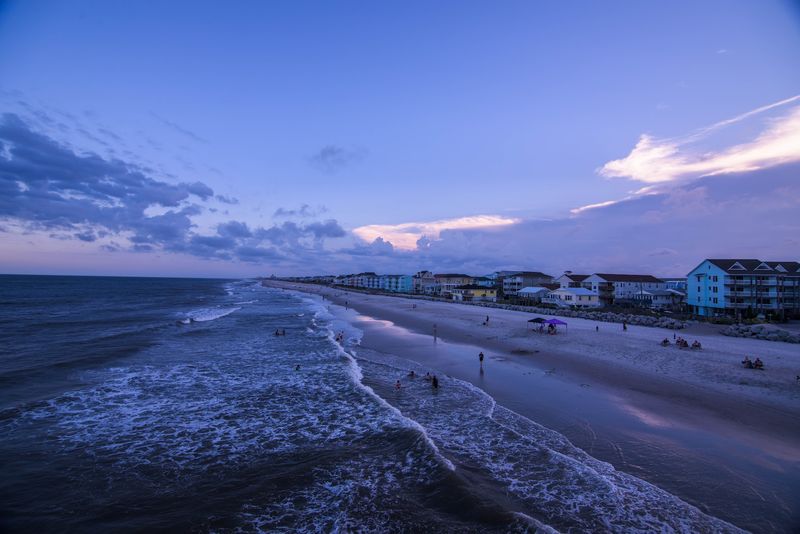
Bright boardwalk sights can make it easy to overlook the quieter ground behind town.
Carolina Beach is known for its oceanfront boardwalk, while nearby coastal forest, wetlands, and developed land offer a different setting to explore. Those habitat types match places where blue land crabs have been found elsewhere.
No specific confirmed sighting here is established by that match alone, so enjoy the landscape without expecting a crab to appear beside the rides.
Carolina Beach works well as a two-part outing.
Take in the sea air and beach views first, then look for permitted walks that show plants and damp ground away from the busiest sand. A warm doughnut makes a cheerful break before the slower part of the day.
Keep food scraps out of natural areas, since they can attract wildlife and leave a mess.
Stay on established paths and give wetland edges room to recover from foot traffic.
Blue land crabs may show several colors, so look at the animal’s shape and setting rather than relying on a bright blue shell. Even then, let an expert check any photograph.
Never try to pull a crab from a hole or handle one that crosses a path.
A careful note about rain, nearby plants, and where you stood can make an unexpected encounter useful to people tracking changes along the coast.
Oak Island
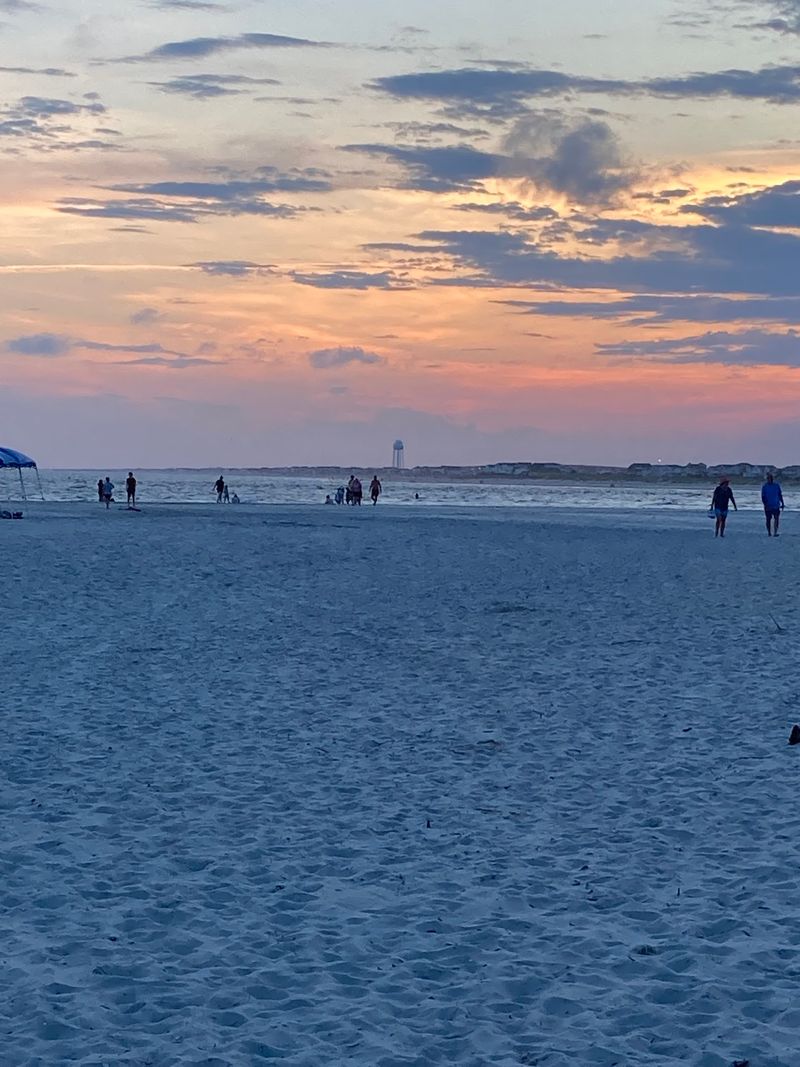
The southern end of a coastal trip raises a simple question: what might turn up next?
Oak Island is worth watching because blue land crabs have been reported farther north than their usual range, including sightings elsewhere in the state. Its position on the southern coast makes a future encounter possible, not certain.
There is no need to search every patch of sand; a relaxed walk near suitable public shoreline habitat is a better way to spend the day.
On Oak Island, ocean views and quieter waters give visitors more than one kind of coastal scene.
Land crabs are more likely to use sheltered, vegetated ground than to sit in the middle of a crowded beach. Look along public routes where soil, plants, and moisture meet, and leave marsh grass undisturbed.
Check the weather before heading out, since rain may bring crabs above ground but can also make paths slick.
Pack comfortable shoes, water, and a camera, then enjoy the salt air without making a sighting your only goal. A large crab can move fast and use its claw to defend itself, so watch from a respectful distance.
If you capture an image, include notes about the date and surrounding habitat when sharing it with researchers.
Even if no crab appears, the changing shoreline offers plenty to notice on a slow visit.