9 North Carolina Craft Schools Where You Can Learn Nearly Forgotten Skills
Old trash is helping keep ancient crafts alive in North Carolina.
I had to read that twice.
At a mountain craft studio, gas captured from a landfill helps power work that people have practiced for thousands of years.
Then I learned another school has been teaching traditional skills since 1929, and suddenly this whole subject started feeling much bigger than a weekend hobby.
These were once practical skills people used because daily life required them.
Now learning to shape hot metal, work glass, or make something slowly by hand feels almost rebellious in a world built around shortcuts.
That is what pulled me in.
Beginners can show up knowing absolutely nothing and leave having made something with their own hands.
I am still not sure which class would win me over first.
The only certainty is that buying the finished thing suddenly feels far less interesting.
9. Penland School Of Craft
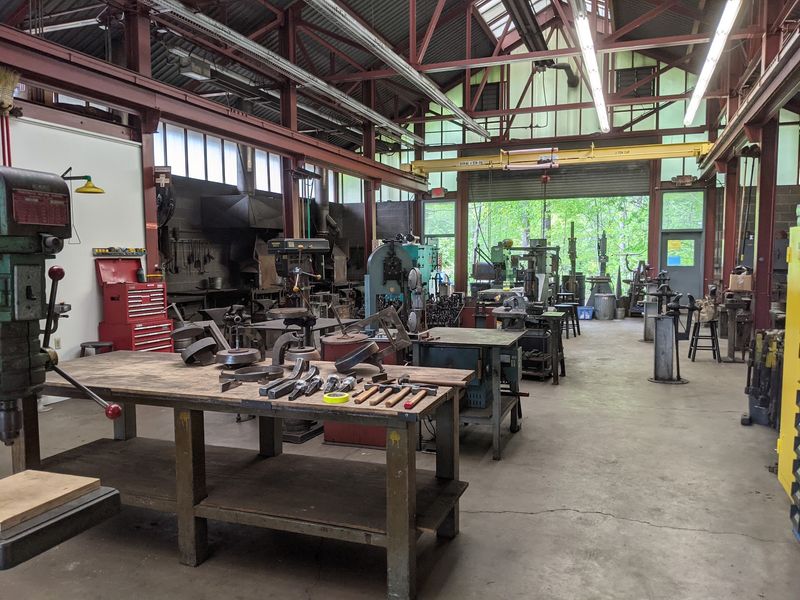
Way back in 1929, a mountain school opened with a mission that sounds almost stubborn today. It wanted to keep pottery, metalworking, and weaving from fading out of North Carolina life.
Nearly a century later, Penland School of Craft is still at it in the Blue Ridge Mountains near Bakersville. The campus sits about a mile southwest of a roadside historical marker that tells that founding story.
So what can you actually learn here? The list reads like a pioneer town’s job board, with jewelry making, pottery, woodworking, weaving, and glass.
Then there’s the iron. Penland has a foundry for iron working, which means molten metal and serious heat are part of the curriculum.
Don’t panic if your only metal experience involves a can opener. The school welcomes adults at any level, from first-timers to folks who want to sharpen skills they already have.
That mix matters more than you might think. Learning next to people who work in other mediums can spark ideas you’d never have on your own.
Think of it as a craft sampler platter with a campus attached. You could study wood one season and come back for glass the next.
Picking a craft is the hard part. Weaving rewards patience, while the foundry rewards people who like a little drama with their art.
Bring curiosity and clothes you don’t mind ruining. Clay, sawdust, and sparks rarely care about your favorite shirt.
Before you go, plan for mountain roads and give yourself extra travel time. The scenery is part of the appeal, so slow down and enjoy the drive.
Address: 67 Doras Trl, Bakersville, NC 28705
8. John C. Campbell Folk School
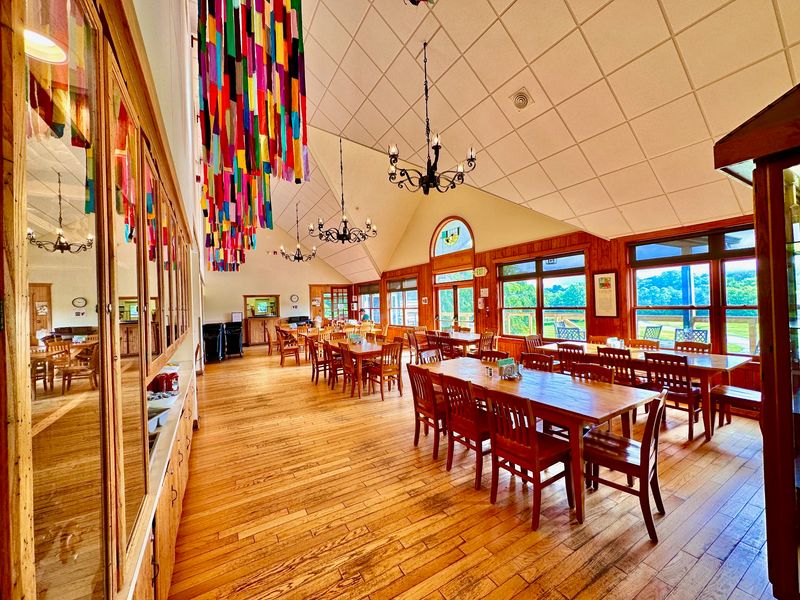
Fiddling and blacksmithing on the same campus sounds like a mountain talent show. At John C.
Campbell Folk School in Brasstown, it’s just a regular schedule.
Founded in 1925, the school is known as the oldest and largest folk school in the United States. Adults come for weeklong and weekend classes throughout the year.
The class list is wonderfully wide. You can try basket making, carving, woodworking, spinning, quilting, and blacksmithing, plus glass and jewelry.
Music and movement get equal billing here. Guitar, fiddling, songwriting, and dancing classes share space with the anvils and looms.
Feeling more practical? Homesteading classes, cooking, and gardening cover the kind of know-how your great-grandparents probably took for granted.
One big draw is the atmosphere. Classes are non-competitive, so nobody’s grading your wobbly first basket against the person next to you.
Not ready to commit to a class? Demonstrations in skills like blacksmithing, woodworking, spinning, and carving give you a taste first.
The campus also has a gift shop and a history room. Both are worth a peek if you want to understand the school’s long story.
Families should note that the school is considered good for kids. Still, the core classes are built for adult learners.
Visitors can stop by Wednesday through Friday from 10 AM to 4 PM, while guided tours and classes should be arranged in advance.
The variety means you can come back again and again without repeating yourself. One year it’s a quilt, and the next it’s a hand-forged hook.
Pick a skill that scares you a little. That’s usually the one you’ll talk about for years.
Address: One Folk School Rd, Brasstown, NC 28902
7. Sawtooth School For Visual Art
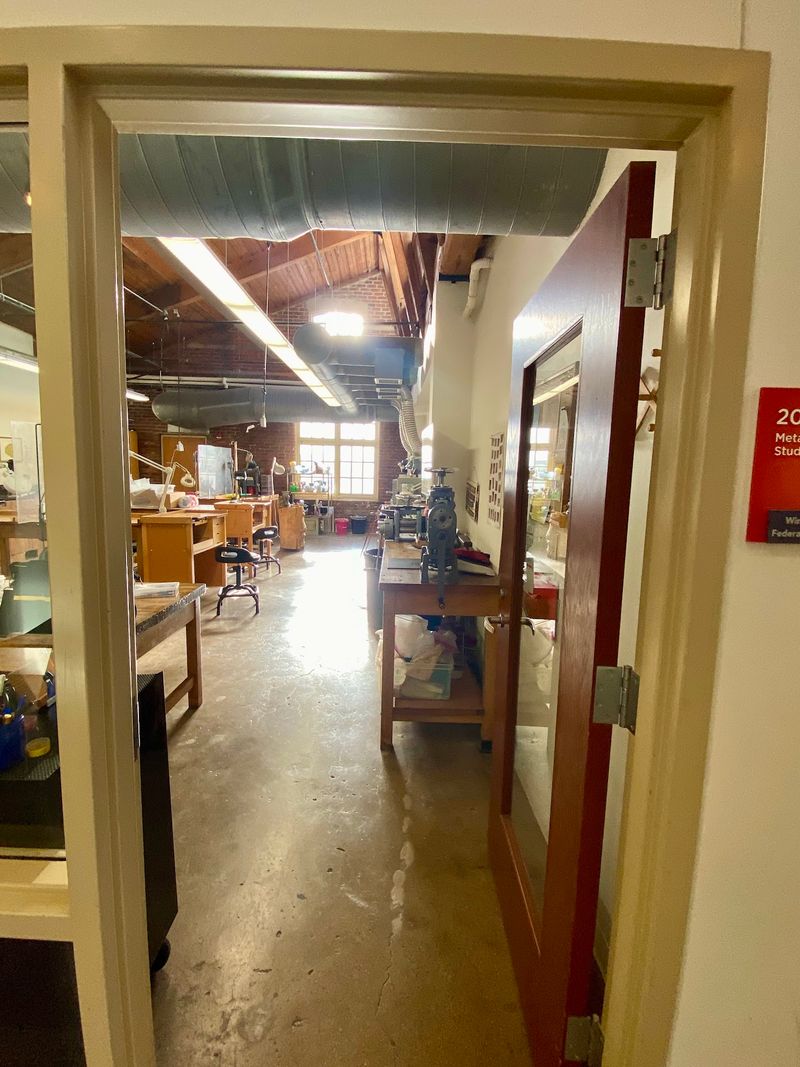
Eighty years is a long time to keep a community art school humming. Sawtooth School for Visual Art in Winston-Salem has pulled it off as a nonprofit.
Downtown might seem an odd place for old-school craft. Yet this school runs studios in wood, ceramics, glass, printmaking, and metals plus lapidary.
Lapidary deserves a quick explainer. It’s the craft of cutting and polishing stones, a skill most people have never even heard named.
Printmaking is another throwback with staying power. Long before home printers, people carved and pressed images by hand.
The school also offers drawing, painting, photography, and digital arts. That makes it easy to mix the very old with the very new.
Classes welcome students of any age, background, and skill level. Kids can join in too, so this could become a family project.
Weekday hours stretch from 9 AM to 7 PM, which helps if you work a day job. Saturdays run 9 AM to 4 PM, and Sundays are closed.
Timing a visit? Friday and Saturday afternoons tend to be the busiest, while weekday mornings are calmer.
Parking comes in a few flavors here. You’ll find free street spots, paid street parking, and a paid lot.
For a city-based learner, this spot removes a lot of excuses. No mountain drive is required to learn how to shape glass or polish a stone.
North Carolina has plenty of rural craft schools, but this one proves the city can play too. Think of it as heritage skills with a downtown address.
Start with whatever studio makes you curious, then wander. Your second class might surprise you more than your first.
Address: 251 N Spruce St, Winston-Salem, NC 27101
6. Dillsboro Creative Arts Center
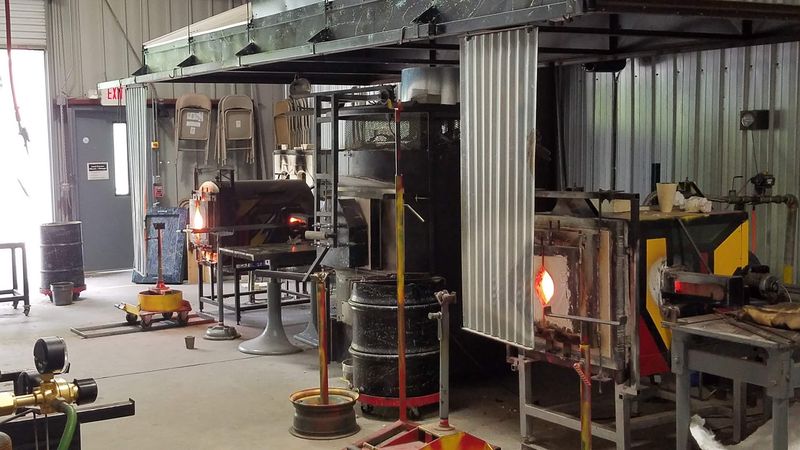
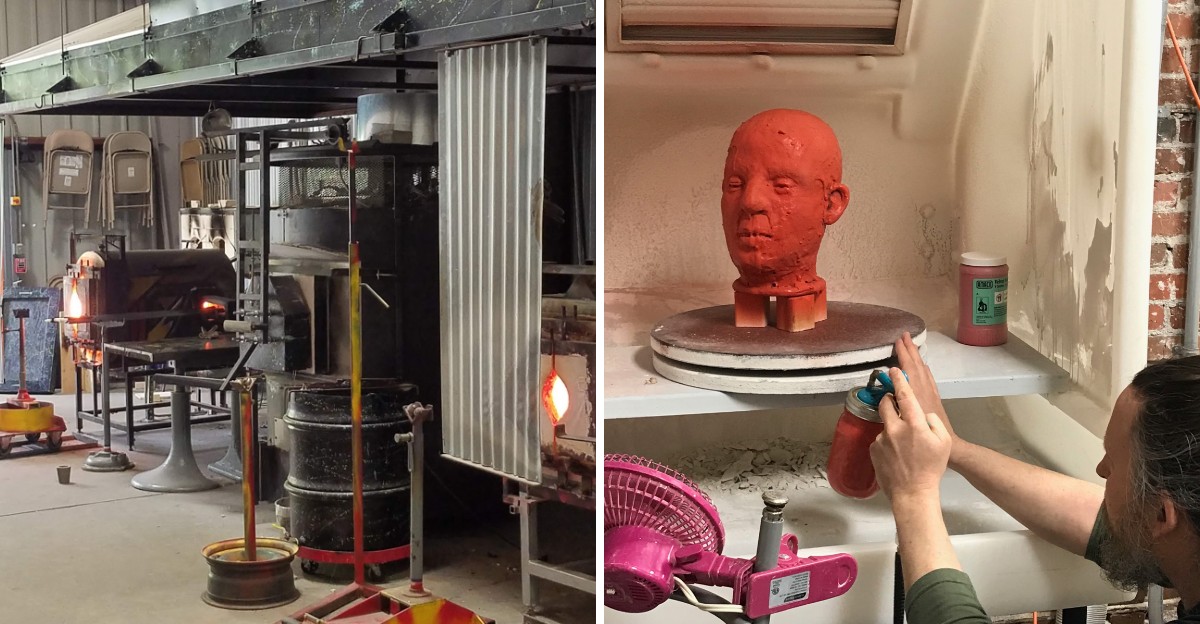
Landfill gas probably isn’t on your list of art supplies. At Dillsboro Creative Arts Center, it helps power the glass and metal studios.
The center sits within a Jackson County green energy park that uses methane captured from an old landfill. It’s recycling on a level that would impress any science teacher.
Inside, artists create their own work and teach two fiery crafts. Those are glassblowing and metalworking, both skills with roots that go back centuries.
Glassblowing looks like magic from the outside. A glowing blob turns into a vase or ornament through breath, heat, and careful turning.
Metalworking offers a different kind of thrill. You shape something solid and stubborn into something useful or beautiful.
Signing up for crafting classes is part of the appeal here. It’s a chance to learn hands-on from working artists instead of watching videos.
The grounds offer more than studios. You’ll find an easy walk, mountain views, and a well-kept dog park on the property.
That makes it handy for a day trip with a four-legged friend. Someone can stroll the grounds while you learn.
Hours run Monday through Friday, 8 AM to 5 PM. For a casual visit, plan to come Wednesday through Friday, or contact the center about scheduled classes and tours.
Dillsboro itself is a small western North Carolina town. A craft class here pairs nicely with a slow afternoon in the mountains.
Try glass if you love watching things glow. Choose metal if you’d rather hammer out the day’s frustrations.
Either way, you leave with a story most friends can’t top. Not many people can say landfill gas helped make their art.
Address: 100 Green Energy Pk Rd, Dillsboro, NC 28725
5. Starworks
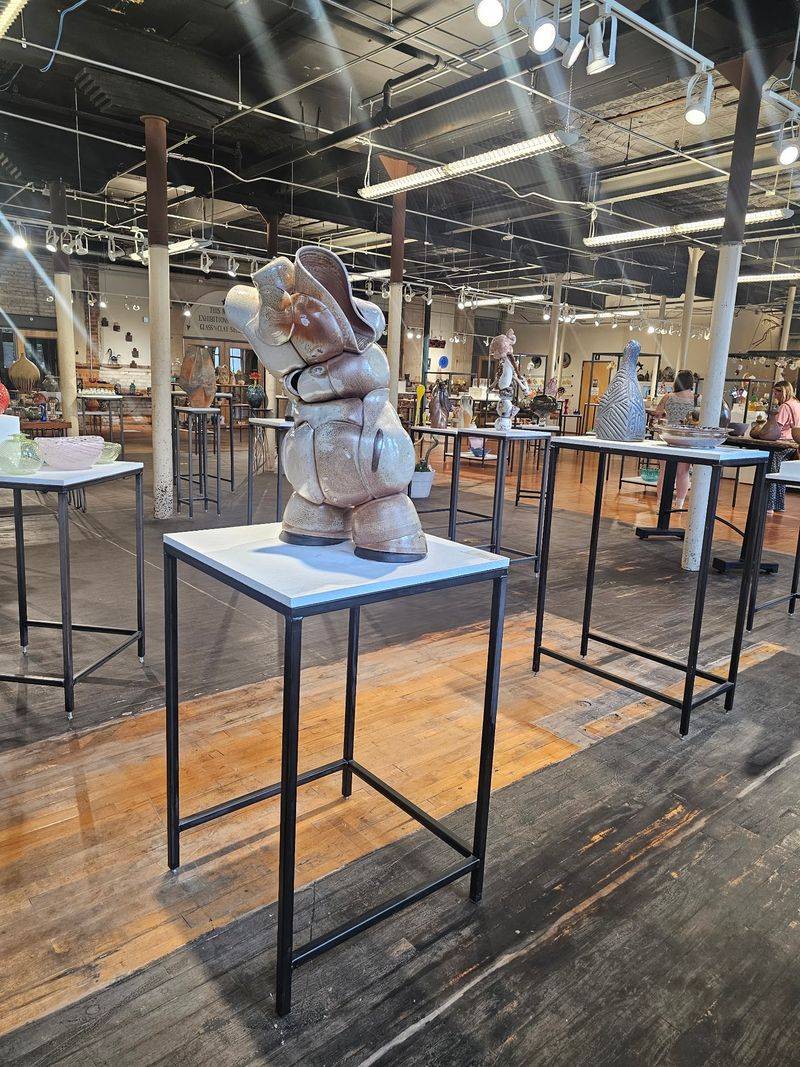
A town named Star seems like a fitting home for glowing glass. Starworks, a community art center in Star, leans right into that sparkle.
Glass and ceramic workshops are the heart of the place. The center also runs programs in metal, so the heat never really takes a day off.
Clay fans should pay special attention. Starworks is known for its North Carolina clay, giving its ceramics a direct link to local ground.
Using local clay is about as old-fashioned as pottery gets. Long before stores sold bagged clay, potters dug what the land gave them.
The gallery is another reason to stop. It shows off art that can spark ideas before you ever pick up a tool.
Programs here are educational for adults and children alike. That makes it a solid pick for a family looking for a hands-on outing.
Staff are on hand to help with questions about classes and exhibits. Ask away, since knowing the options makes choosing much easier.
Starworks also offers a gender-neutral restroom and describes itself as LGBTQ+ friendly. Those small details help more people feel welcome to create.
Hours run Monday through Saturday, 9 AM to 5 PM. Sundays are closed, so save Saturday for a weekend trip.
Star sits in the middle of North Carolina, which makes it reachable from many parts of the state. It’s a handy halfway point for friends meeting up.
Glass rewards quick hands and focus. Clay rewards patience and a willingness to get gloriously messy.
Start in the gallery, then decide between glass and clay. Fair warning, choosing may be harder than the class itself.
Address: 100 Russell Dr, Star, NC 27356
4. Liberty Arts Sculpture Studio & Foundry
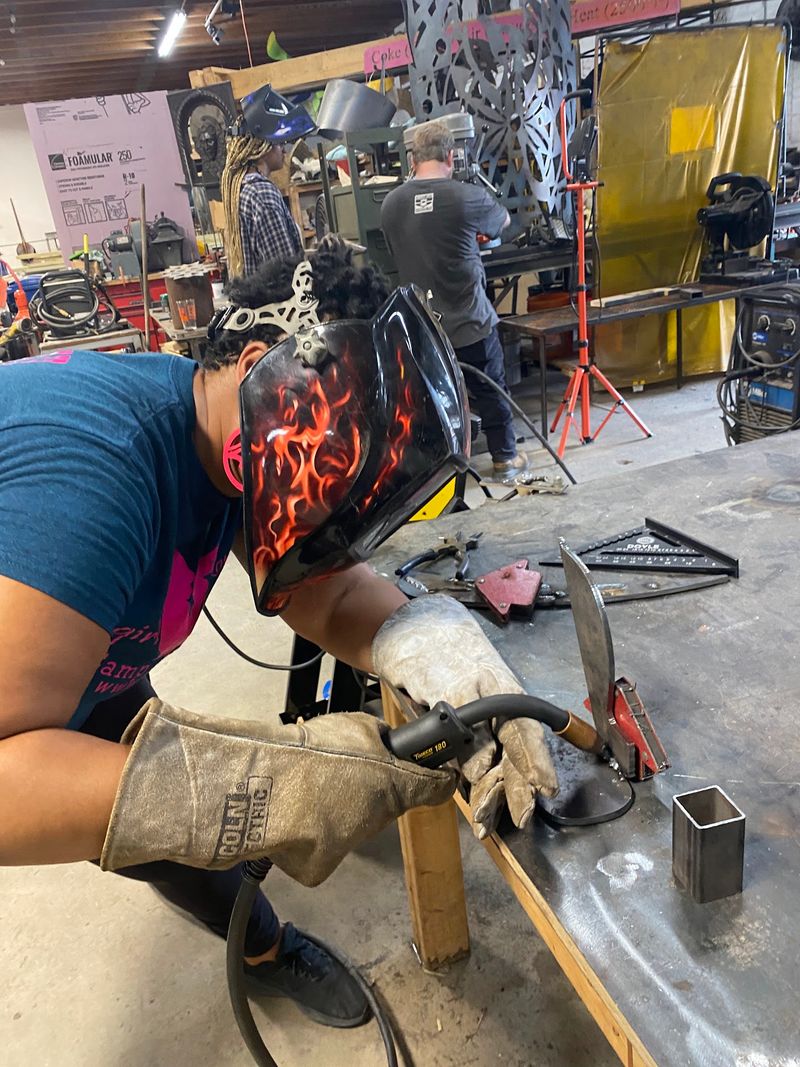
Iron pours sound like something from a medieval movie. In Durham, Liberty Arts Sculpture Studio & Foundry makes them part of the program.
Casting means pouring molten metal into molds, a method people have used for thousands of years.
Classes go beyond metal, too. You can sign up for pottery, glass, and woodworking instruction here.
Glassblowing classes are a big draw. They suit people from many art backgrounds, including folks who have never made anything more complex than toast.
Woodworking by hand is its own quiet rebellion. Shaping wood with your own tools feels very different from building flat-pack furniture.
Liberty Arts is also a place to discover local artists. Seeing finished work can make your first project feel less intimidating.
Hours are friendly for busy people. The studio is open Monday through Friday from 10 AM to 5 PM, with weekend visits available by appointment.
On-site parking makes things easier in a city setting. That’s one less thing to stress about when you’re already nervous about molten metal.
The studio describes itself as LGBTQ+ friendly and a transgender safe space. It also offers a gender-neutral restroom.
Durham is better known for tech and universities than for foundries. That contrast makes this spot even more fun to discover.
Not sure where to begin? A glass class is a solid first step, and metal can wait until you’re feeling bold.
Wear sturdy shoes and natural-fiber clothes for hot work. Studios with fire and metal are no place for flip-flops.
Address: 918 Pearl St, Durham, NC 27701
3. Tryon Arts & Crafts School
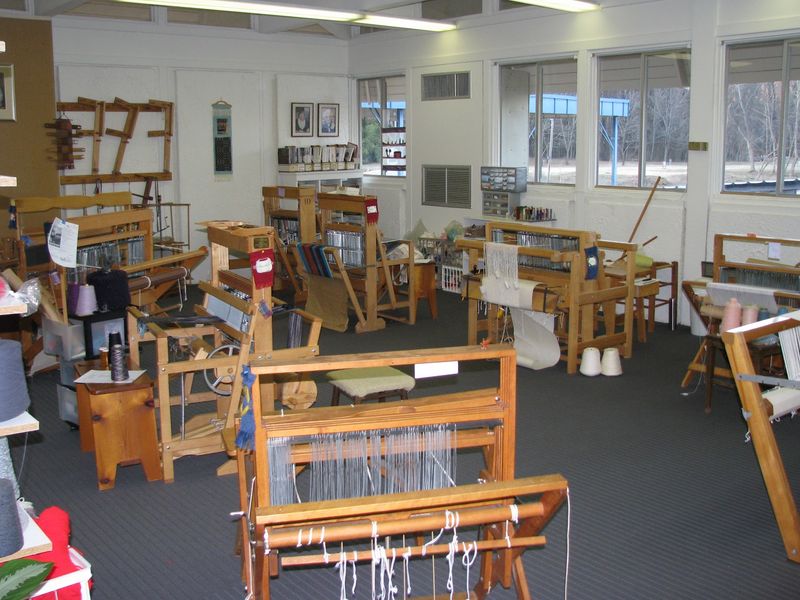
Silk scarf painting and blacksmithing rarely share a brochure. At Tryon Arts & Crafts School, they share a building.
The school offers classes in welding, blacksmithing, and pottery. Instructors bring real passion to teaching their craft.
The class list gets delightfully specific. Offerings have included silk scarf painting, ceramic totem making, and wire weaving.
Wire weaving might be the sleeper pick. It turns thin metal into jewelry and decorative pieces, one careful twist at a time.
Blacksmithing is the headliner for many skill seekers. Few things feel as satisfying as hammering hot steel into something you made yourself.
Students can explore multiple media instead of sticking to one lane. That’s great if you’re the type who gets bored easily.
The school also has a gallery showing work by local and national artisans. A gift shop offers handmade finds if you’d rather buy than build.
Class prices are considered very reasonable. Families interested in taking classes together can check the school’s current registration options and available discounts.
Timing takes a little planning here. Hours run Tuesday through Friday, 9 AM to 4 PM, with Saturday from 9 AM to 1 PM.
Mondays and Sundays are closed. Saturday mornings are your best weekend window.
The school is LGBTQ+ friendly too. There’s plenty of room at the anvil.
Tryon is a small town near the South Carolina line in western North Carolina. It makes a pleasant stop for a slow day of making things.
Pick one fiery class and one gentle one. Balance is good for the soul and the forearms.
Address: 373 Harmon Field Rd, Tryon, NC 28782
2. Pocosin Arts School Of Fine Craft
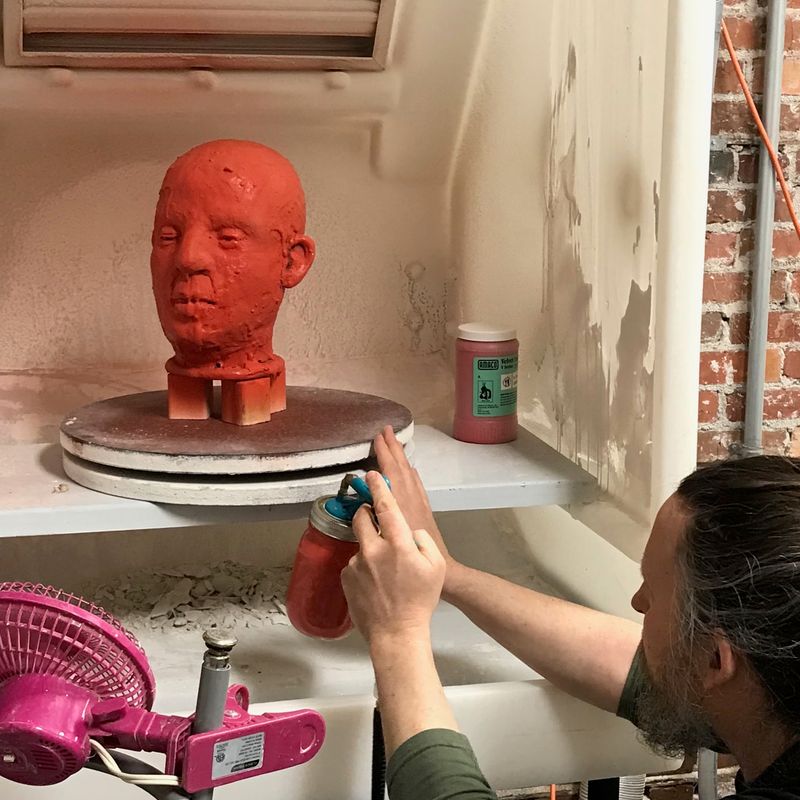
Coastal North Carolina isn’t the first place most people look for craft schools. Pocosin Arts School of Fine Craft in Columbia makes a strong case to change that.
The school offers weekly classes in metals, ceramics, woodworking, digital fabrication, and more. Its studio spaces include jewelry and metals, ceramics, woodworking, and open studios.
Workshops last from two to five days. Talented artists from across the US lead them, so you’re learning from a wide pool of experience.
Most workshops and classes suit beginners through advanced students. Total newbies don’t need to feel like outsiders here.
The mix of old and new is part of the fun. You can learn hand techniques in metal or wood, then see what digital fabrication adds.
Jewelry and metals might be the standout for skill seekers. Shaping metal into wearable art is a craft that rewards patience and steady hands.
Ceramics students can stick with clay for weeks of steady progress. Woodworkers can do the same at the bench.
Can’t make the drive? Pocosin also offers online workshops, which is handy for learners far from the coast.
Military families, take note. The school offers tuition discounts for educators and residents of qualifying counties, along with scholarship opportunities.
It’s also good for kids and describes itself as LGBTQ+ friendly and a transgender safe space. That opens the door for a lot of different learners.
The office keeps weekday hours, Monday through Friday, 9 AM to 5 PM. Weekends are closed.
Columbia is a small town in the state’s northeast. A workshop here could pair nicely with a quiet coastal getaway.
Try a short two-day workshop first. If you’re hooked, a five-day session lets you go much deeper.
Address: 202 Main St, Columbia, NC 27925
1. North Carolina Glass Center
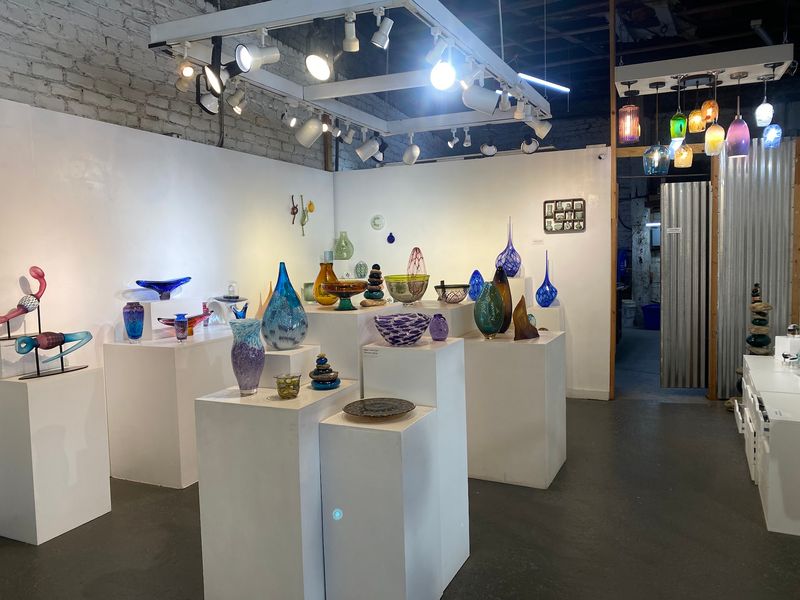
Three hours is roughly how long a movie marathon lasts. At North Carolina Glass Center in Asheville, it’s enough time to try blowing glass.
This nonprofit studio offers glassblowing and flameworking classes. It also runs a gallery filled with finished glass art.
Flameworking may be new to you. Artists use a torch to melt and shape glass, often for smaller and more detailed pieces.
Furnace glassblowing is the bigger, bolder cousin. Students work with steel pipes and punties, which are long rods used to hold hot glass.
These are centuries-old methods, and they still rely on hand skill. No machine does the turning, shaping, and timing for you.
Short classes make the craft easy to sample. You can check off a bucket-list item without committing to a full semester.
Some classes welcome children as young as eight, while hot-shop glassblowing generally requires participants to be at least 13, with adult supervision for ages 13 to 15. It also offers active military discounts.
LGBTQ+ friendly and a transgender safe space, the studio also has a gender-neutral restroom. Those touches help more people feel at home.
Hours vary by day, so check before you go. It’s open Monday, Wednesday, Thursday, and Sunday from 10 AM to 5 PM.
Friday and Saturday run 10 AM to 6 PM, and Tuesday is closed. Saturday afternoons are busiest, while Sunday afternoons tend to be quieter.
Asheville is packed with art, and this studio sits right in that creative mix. It’s a fitting final stop for a North Carolina craft road trip.
Go in curious and leave with something you shaped by hand. That’s a souvenir with a much better story than a fridge magnet.
Address: 140 c Roberts St, Asheville, NC 28801