15 North Carolina Kitchen Trends Fading Fast, 10 Southern Favorites That Never Age
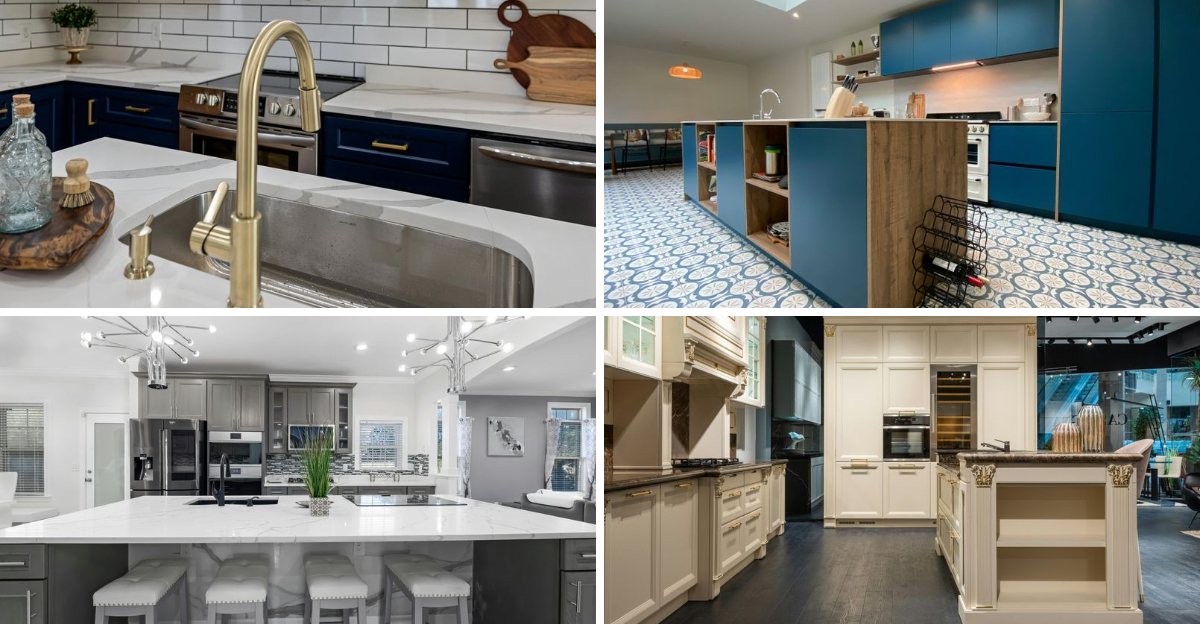
North Carolina kitchens tell stories of changing tastes and timeless traditions.
Some design choices that once felt fresh now look tired and outdated.
Meanwhile, certain Southern classics continue to shine year after year, proving their lasting appeal.
This guide explores which trends are disappearing from Tar Heel State homes and which beloved features will never go out of style.
1. Overly Ornate Cabinetry
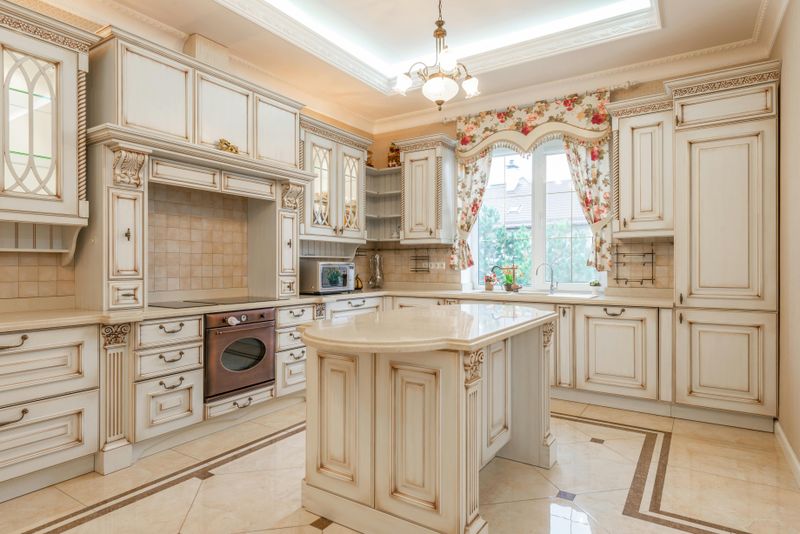
Cabinets dripping with carvings and embellishments once signaled luxury and sophistication.
Homeowners filled their kitchens with these statement pieces, believing more detail meant better design.
Times have changed dramatically. Clean lines and minimalist aesthetics now rule kitchen design across the state.
Heavy ornamentation collects dust and grease, making maintenance a nightmare for busy families.
Modern buyers prefer streamlined surfaces that feel calm and uncluttered.
Elaborate woodwork now reads as fussy rather than fancy.
Simplicity has become the new measure of elegance in contemporary Carolina homes.
2. Dark Laminate Countertops
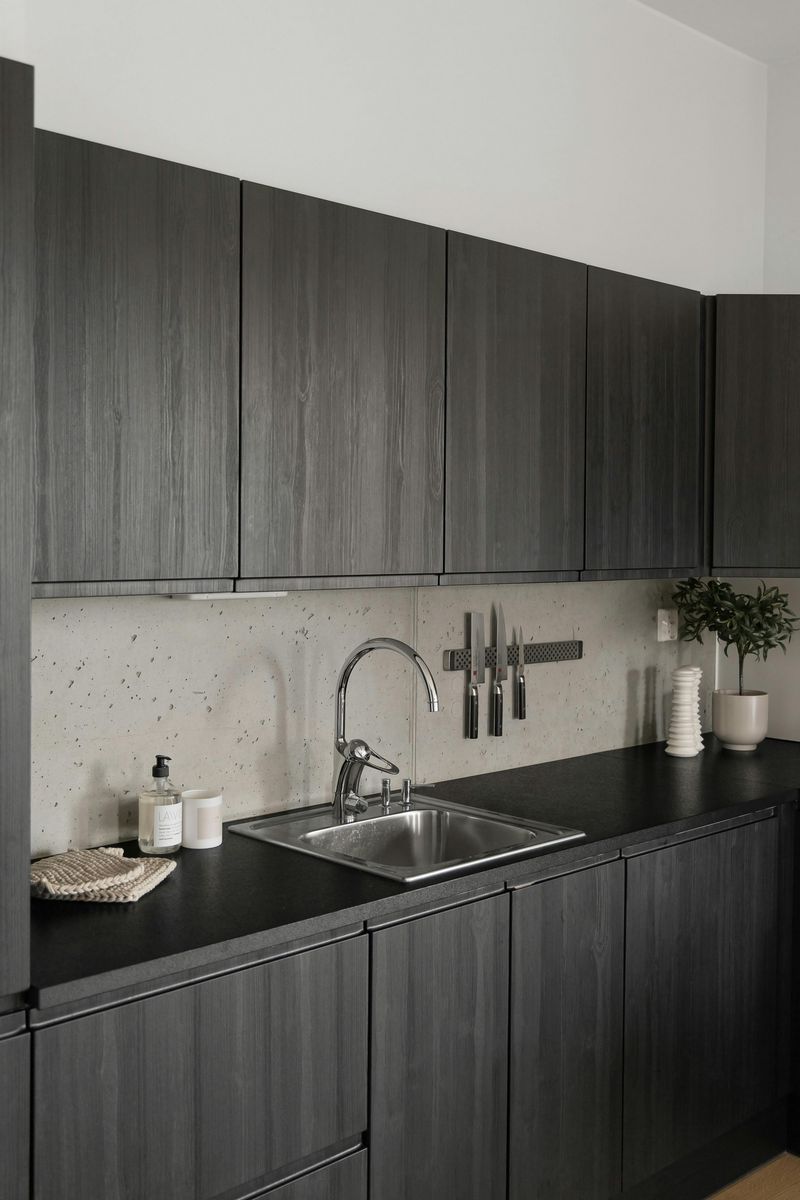
Laminate countertops in deep browns and blacks dominated budget-friendly kitchen renovations throughout the nineties.
Their affordable price tag made them wildly popular among homeowners watching their wallets.
Unfortunately, these surfaces show every scratch, crumb, and water spot imaginable.
The dark colors make small kitchens feel even more cramped and cave-like. Seams become obvious eyesores over time.
Lighter, natural-looking materials have taken over the countertop game.
Homeowners now invest in surfaces that brighten rather than darken their cooking spaces.
Dark laminate screams outdated faster than almost any other kitchen element.
3. Wallpaper Borders
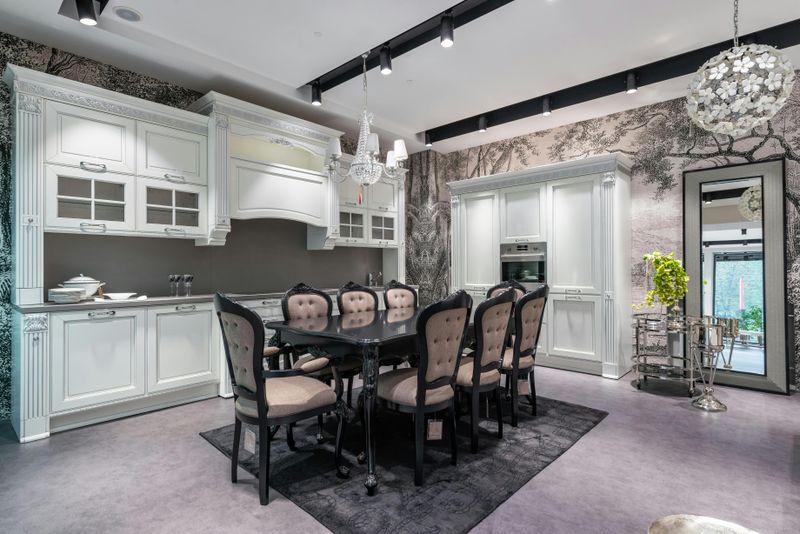
Remember those decorative strips circling your kitchen near the ceiling?
Wallpaper borders featuring roosters, ivy, or fruit baskets defined country-style kitchens for decades.
These narrow bands of pattern now interrupt the wall space awkwardly.
They chop rooms into sections that feel disconnected and busy.
Removing them often damages the paint underneath, creating additional headaches.
Contemporary design embraces unbroken wall surfaces or full accent walls instead.
The halfway commitment of a border satisfies nobody anymore.
Clean, cohesive color schemes have replaced these dated decorative strips throughout North Carolina homes.
4. Popcorn Ceilings
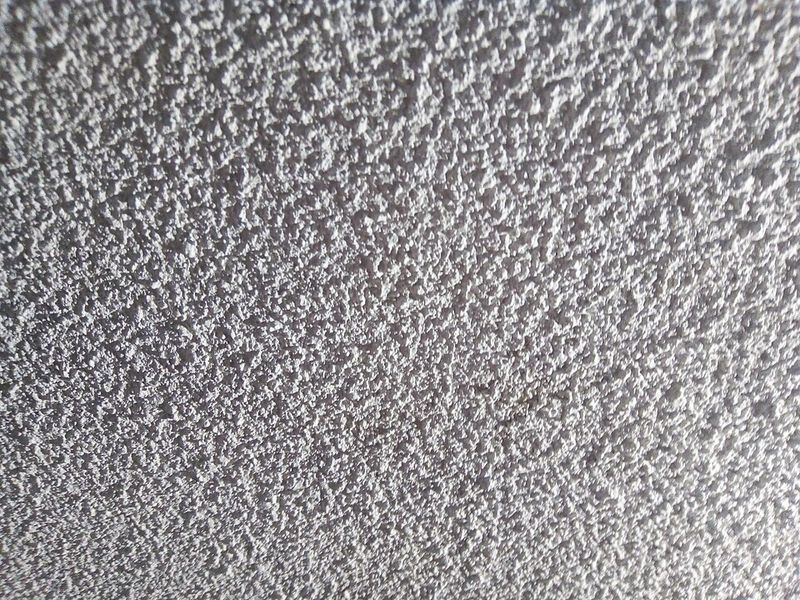
Textured ceilings once hid imperfections and added acoustic dampening to homes across the South.
Contractors sprayed this bumpy finish everywhere, including kitchen spaces where it trapped cooking grease and odors.
Popcorn texture collects cobwebs, dust, and grime like nothing else.
Cleaning becomes impossible without damaging the surface.
The look feels distinctly retro in the worst possible way.
Smooth ceilings reflect light better and make spaces feel taller and fresher.
Removal projects have become common renovation priorities.
Flat finishes represent modern sensibilities that popcorn texture simply cannot match anymore.
5. Built-In Appliance Walls
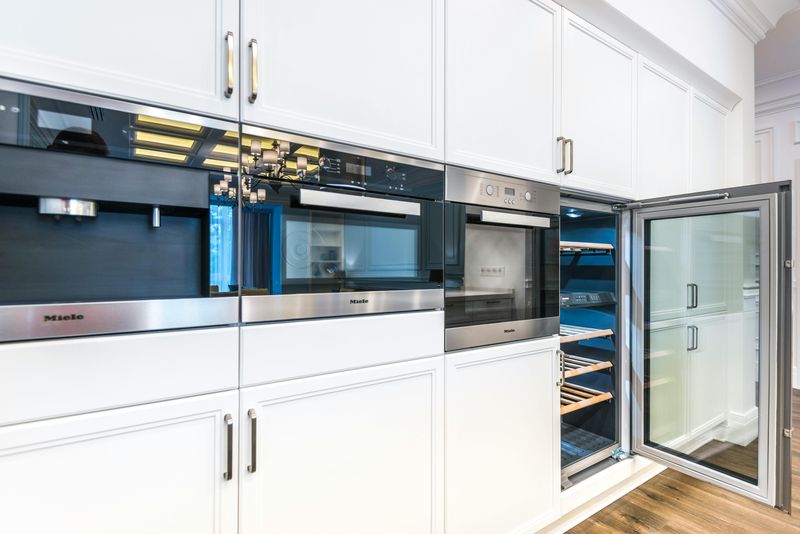
Stacking appliances floor to ceiling promised ultimate convenience and a professional chef aesthetic.
These towering installations featured double ovens, warming drawers, and specialty equipment most families rarely used.
Reality proved less glamorous than the design magazines suggested.
Most built-in walls wasted valuable storage space on redundant appliances.
Repairs became expensive nightmares requiring specialized technicians.
Flexible kitchen layouts now prioritize adaptability over fixed installations.
Single quality appliances placed strategically work better than walls of underused equipment.
The built-in appliance wall represents overdesign that modern homeowners actively avoid.
6. Drop-In Cooktops
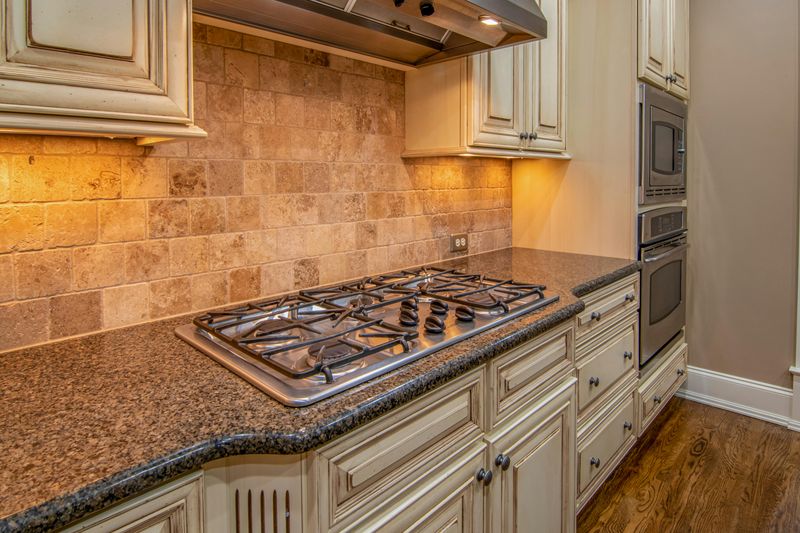
Drop-in cooktops created seamless counter surfaces when they first appeared in kitchens.
The recessed design seemed sleek and modern compared to traditional ranges with protruding burners.
Gaps around the edges became food traps that defied cleaning efforts.
Spills migrated beneath the unit, creating hidden messes and potential damage.
Installation required custom countertop cutouts that limited future flexibility.
Slide-in ranges and professional-style freestanding units have reclaimed popularity.
These alternatives offer better aesthetics without the maintenance headaches.
Drop-in cooktops now signal a kitchen stuck in a previous decade rather than forward-thinking design.
7. Tile Countertops
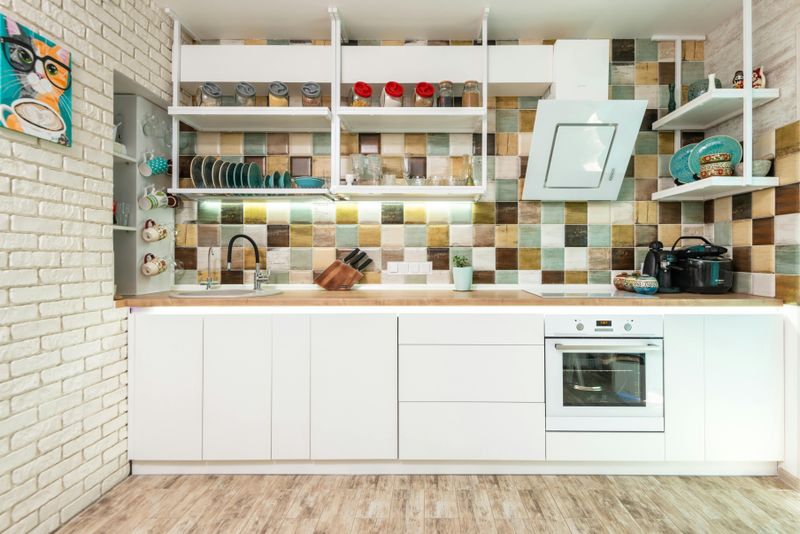
Ceramic tile countertops offered endless color combinations and patterns at reasonable prices.
DIY enthusiasts embraced them as accessible projects that added personal flair to their kitchens.
Grout lines became the enemy of every homeowner who chose this surface.
Stains settled permanently into the porous material despite scrubbing.
Uneven surfaces made rolling dough or cutting vegetables frustratingly difficult.
Solid surface materials have rendered tile countertops obsolete for good reason.
Seamless expanses resist staining and clean effortlessly.
The practical disadvantages of tile far outweigh any aesthetic benefits in modern Carolina kitchens.
8. Brass Fixtures
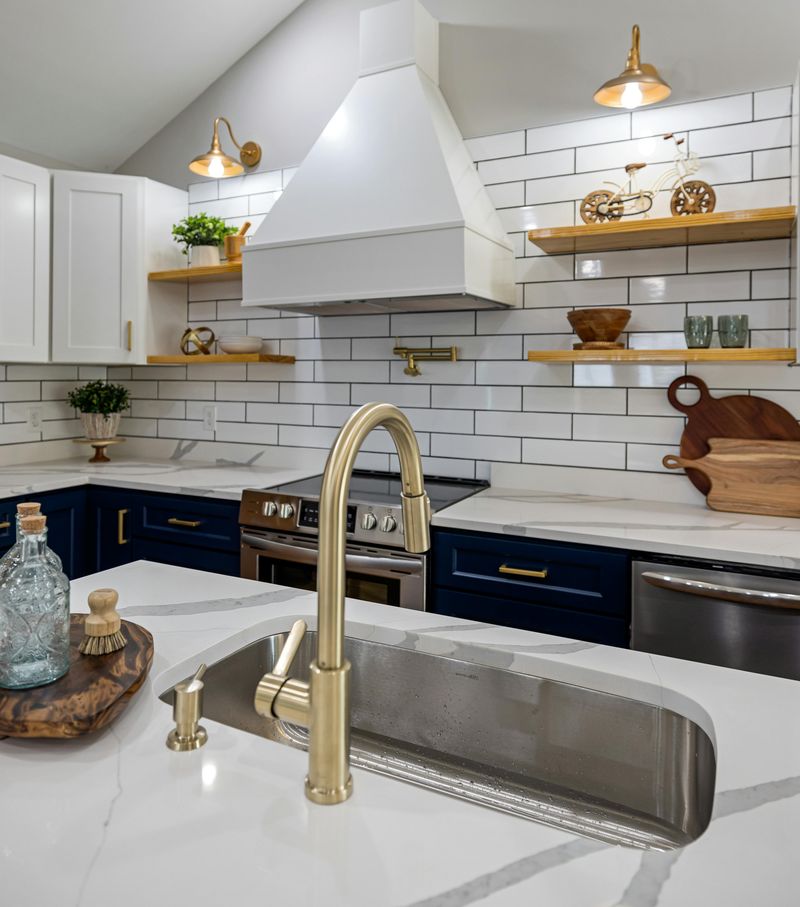
Shiny brass hardware and faucets screamed luxury during their heyday in upscale homes.
The warm metallic finish complemented oak cabinets and created a coordinated traditional look throughout kitchens.
Brass tarnishes quickly, requiring constant polishing to maintain its shine.
The yellowish tone now appears dated compared to cooler metal finishes.
Mixed metal trends have made monochromatic brass installations feel especially old-fashioned.
Brushed nickel, matte black, and stainless steel dominate current fixture choices.
These finishes hide fingerprints and water spots better while offering contemporary appeal.
Brass belongs firmly in the past for most North Carolina renovators.
9. Harvest-Colored Appliances
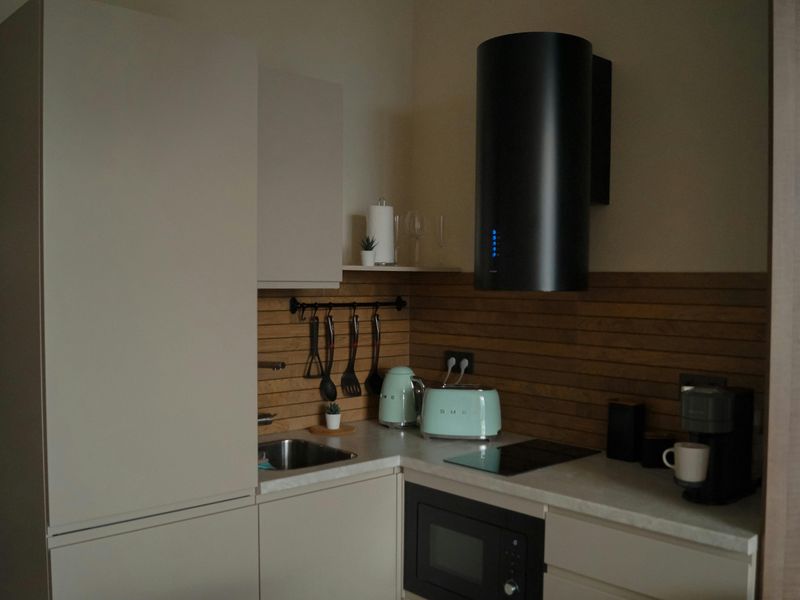
Avocado green, harvest gold, and burnt orange appliances defined seventies kitchens with bold personality.
These colorful choices made strong statements that homeowners proudly displayed as fashionable selections.
Decades later, these hues look comically outdated rather than charmingly retro.
Finding replacement parts becomes nearly impossible as manufacturers discontinued these colors long ago.
The shades clash with virtually every current design trend.
Stainless steel and white appliances offer timeless neutrality that harvest colors never could.
Even black and slate finishes feel more contemporary.
Colorful appliances work only in deliberately vintage spaces, not everyday Carolina kitchens.
10. Vinyl Flooring Patterns
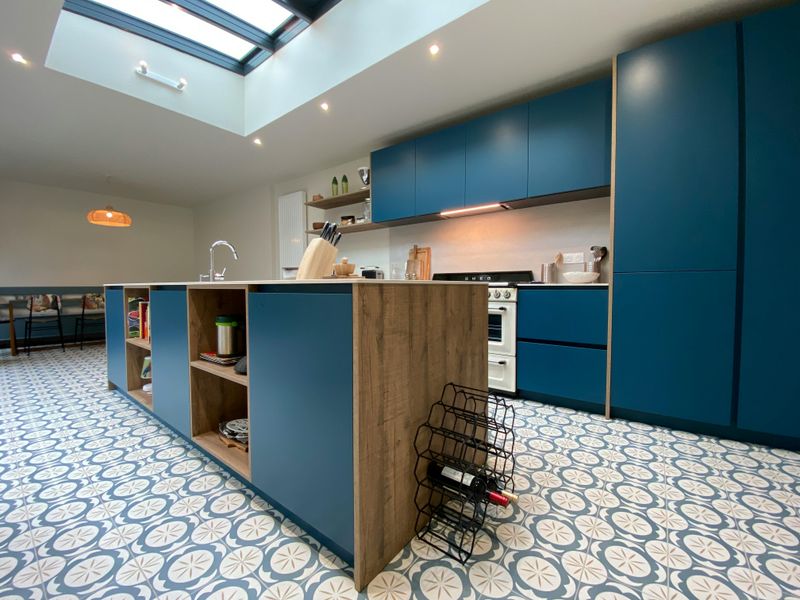
Patterned vinyl flooring promised affordable style with easy maintenance for busy families.
Geometric designs, faux brick, and busy prints covered kitchen floors throughout suburban neighborhoods.
These patterns now look cheap and dated regardless of their actual quality.
Busy designs make spaces feel smaller and more cluttered.
Vinyl shows wear patterns and discoloration that destroy the intended aesthetic.
Luxury vinyl plank that mimics wood has revolutionized affordable flooring options.
Simple patterns work better than complex designs.
The loud vinyl patterns of yesteryear have rightfully faded from North Carolina kitchen renovations.
11. Stained Oak Cabinets
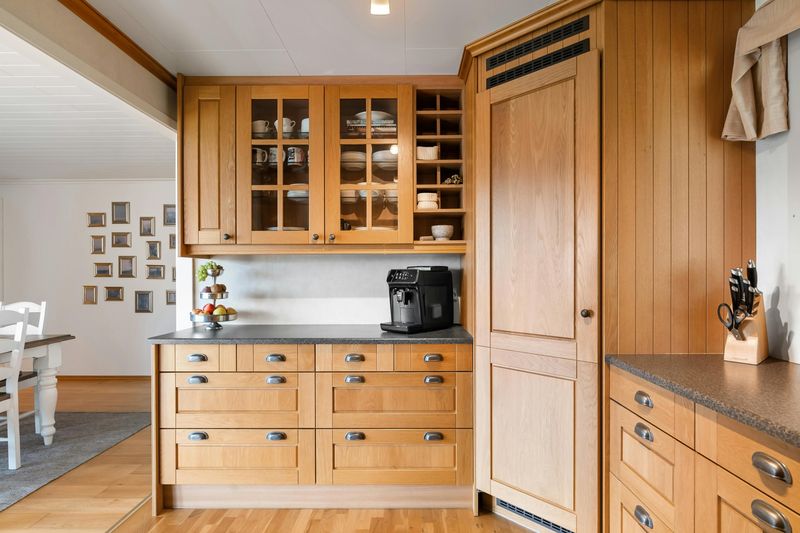
Golden oak cabinets with prominent grain patterns dominated kitchen designs for nearly two decades.
Their warm tones and natural wood appearance seemed like safe, traditional choices that would never go out of style.
Orange undertones now feel overwhelmingly dated and heavy in modern spaces.
The busy grain competes visually with everything else in the kitchen.
These cabinets darken rooms rather than brightening them.
Painted cabinets in whites, grays, and soft colors have taken over completely.
Natural wood still works when stained in deeper, richer tones.
Golden oak represents a specific era that contemporary homeowners eagerly leave behind.
12. Tiny Kitchen Islands
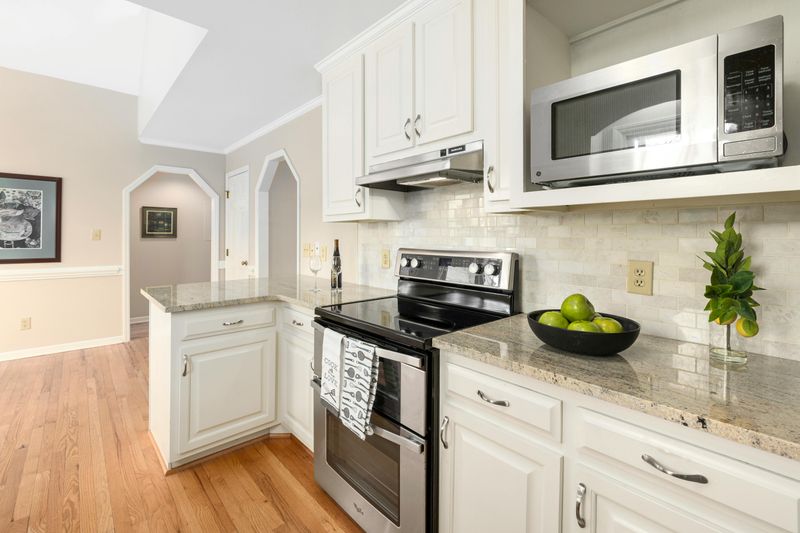
Small rolling carts or undersized islands once represented exciting additions to kitchen layouts.
Homeowners squeezed these pieces into spaces too cramped for proper islands, hoping to gain extra workspace.
These miniature islands obstruct traffic flow without providing meaningful functionality.
They lack storage capacity or seating options that make islands truly valuable.
Their awkward size creates more problems than solutions.
Properly sized islands with storage, seating, and workspace have become kitchen centerpieces.
If space cannot accommodate a functional island, designers now skip it entirely.
Tiny islands read as afterthoughts rather than intentional design elements in Carolina homes.
13. Open Shelving Clutter
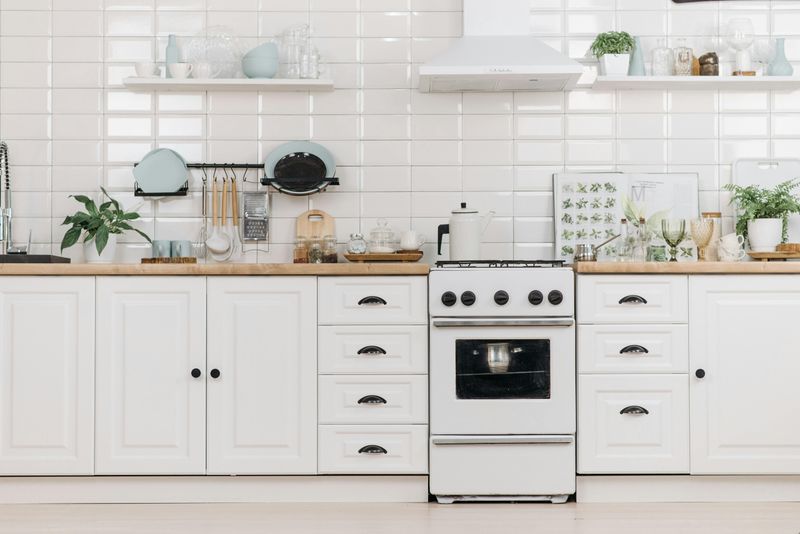
Open shelving promised to make kitchens feel airy and showcase beautiful dishware collections.
Design blogs featured perfectly styled shelves that inspired homeowners to remove cabinet doors throughout their spaces.
Real life proved messier than carefully curated photos suggested.
Dust settled on everything constantly.
Mismatched items created visual chaos rather than curated charm.
Grease from cooking coated exposed dishes and containers.
Strategic open shelving still works when thoughtfully implemented in small doses.
Completely removing upper cabinets creates maintenance nightmares and storage shortages.
The trend toward excessive open shelving has thankfully faded as practicality reasserted itself.
14. Glass-Front Cabinet Overload
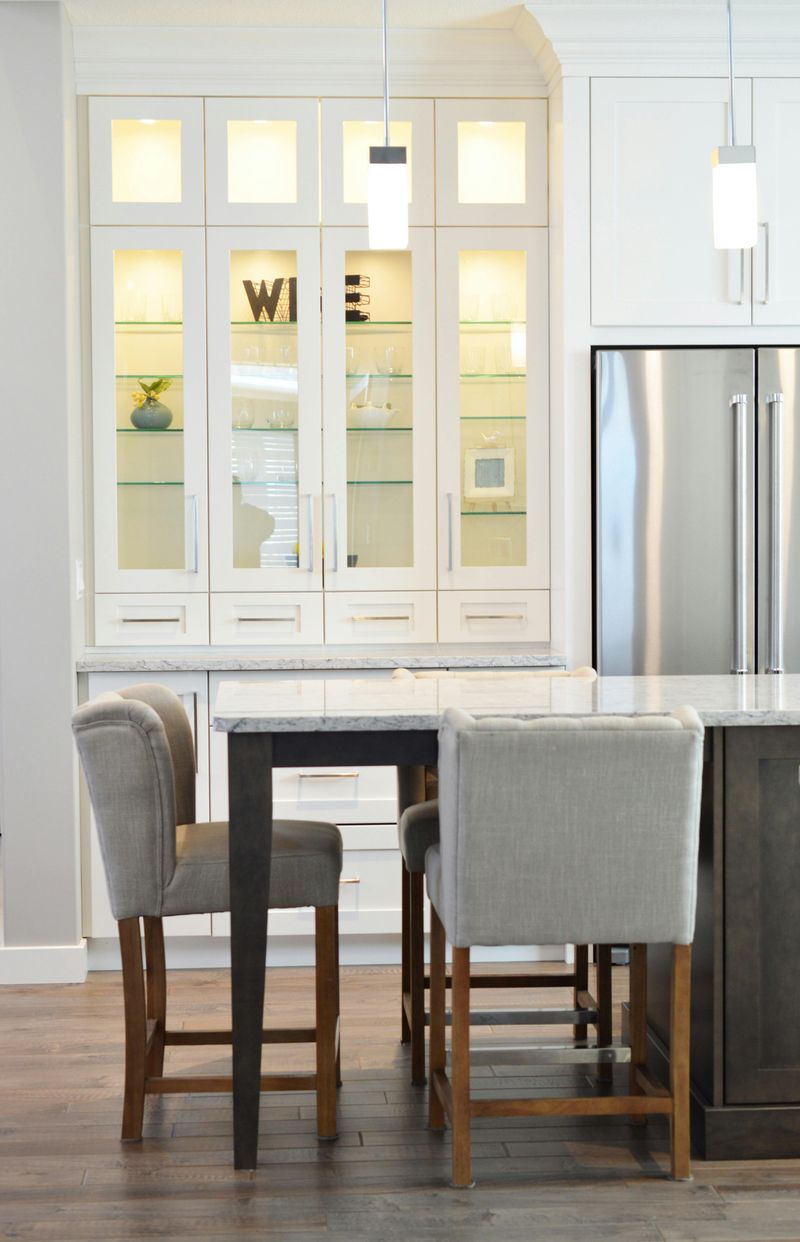
Glass-front cabinets offered glimpses into organized interiors and made kitchens feel more open.
Homeowners installed them on every upper cabinet, believing transparency equaled sophistication and spaciousness.
Maintaining perfect organization behind glass doors becomes exhausting quickly.
Everything inside requires constant arrangement and matching containers.
Too much glass creates visual busyness that defeats the openness goal.
Strategic use of glass cabinets works beautifully as accent pieces.
Entire kitchens full of them feel like living in a display case.
Modern designers mix solid and glass fronts for balance and practical storage solutions.
15. Heavy Valances Over Windows
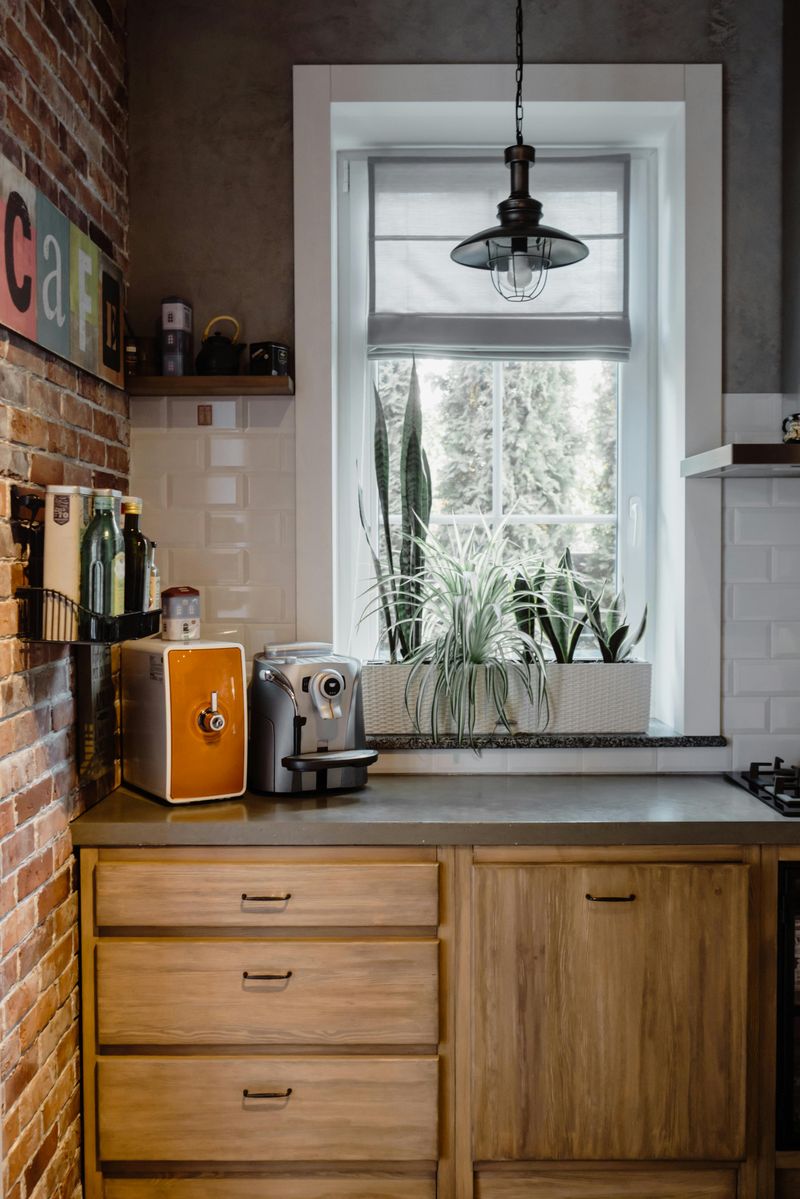
Elaborate fabric valances and wooden cornices crowned kitchen windows with decorative flair.
These treatments added color, pattern, and finished polish to spaces that homeowners considered incomplete without them.
Heavy window treatments block precious natural light that kitchens desperately need.
They collect dust, cooking grease, and odors that prove difficult to clean.
The formal look clashes with contemporary casual kitchen aesthetics.
Simple roller shades, plantation shutters, or bare windows maximize light and maintain clean lines.
When treatments appear, they stay minimal and functional.
Fussy valances represent outdated formality that modern Carolina kitchens have happily abandoned.
16. White Subway Tile Backsplashes
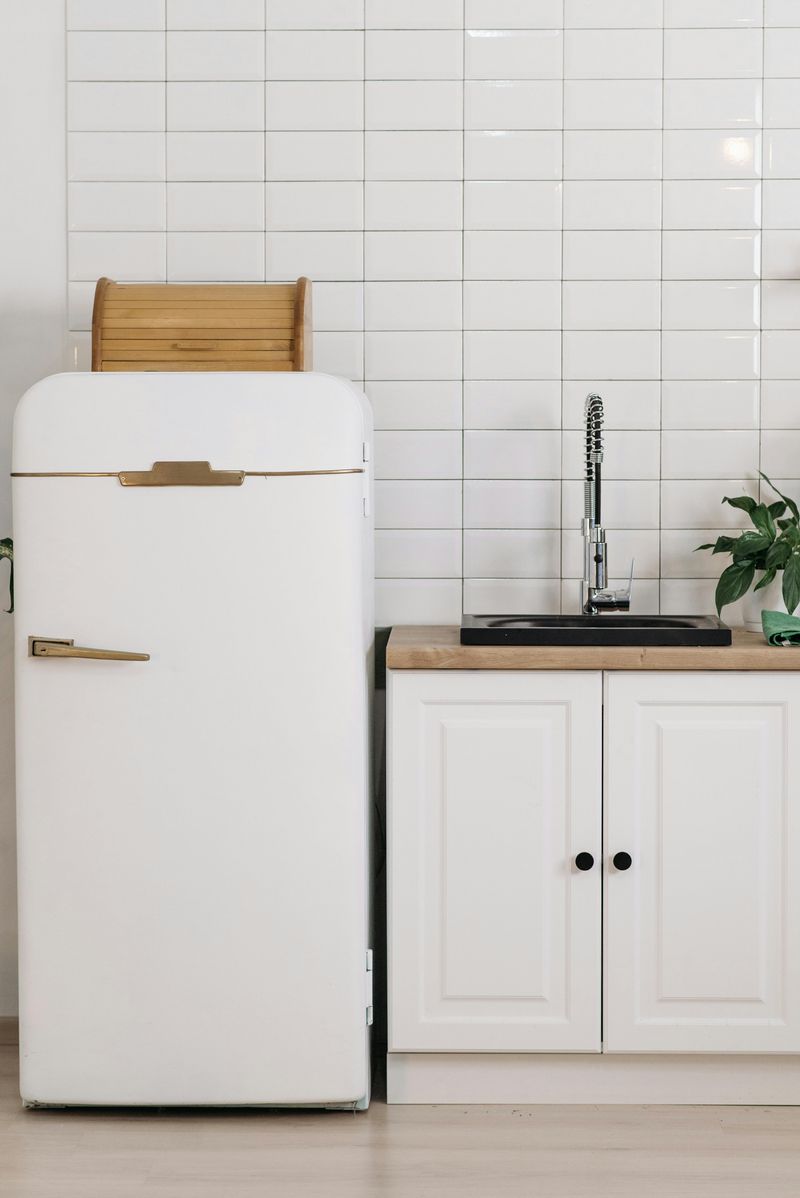
Classic subway tile has graced kitchen walls since the early twentieth century.
Its simple rectangular shape and clean white surface complement virtually any design style from traditional to ultra-modern.
This backsplash choice never demands attention yet always looks appropriate and fresh.
Installation costs remain reasonable while the finished appearance reads as quality craftsmanship.
Maintenance requires only basic cleaning without special products.
Trends come and go, but subway tile remains a reliable foundation for kitchen design.
Its versatility allows homeowners to change accessories and colors without replacing the backsplash.
This Southern favorite proves that sometimes the simplest choice becomes the most enduring.
17. Butcher Block Countertops
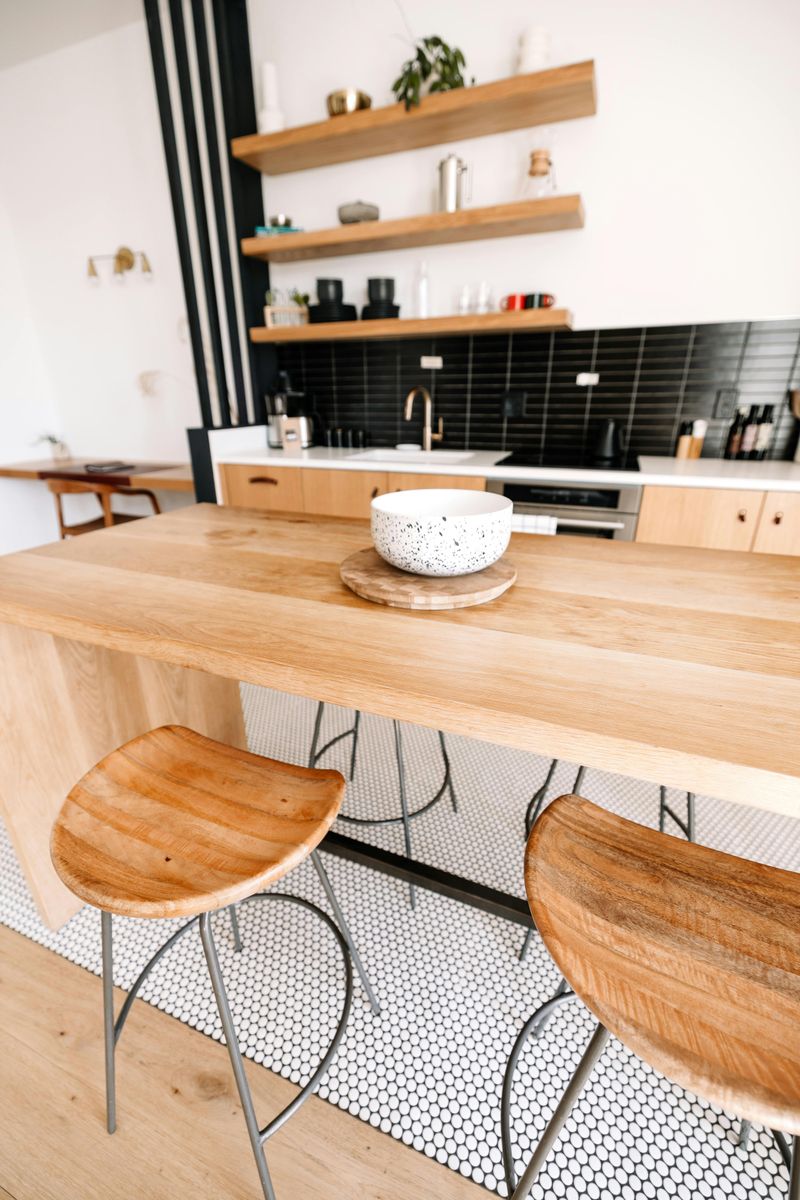
Thick wood surfaces bring warmth and natural beauty that synthetic materials cannot replicate.
Butcher block creates inviting workspaces that feel comfortable and lived-in rather than cold and sterile.
These countertops develop character through use, with minor scratches and patinas adding charm.
They provide ideal surfaces for rolling dough and preparing food.
Regular oiling maintains their appearance and protective qualities.
Wood counters work beautifully as islands or accent sections within larger kitchen designs.
Their timeless appeal transcends passing trends while adding organic texture.
North Carolina homeowners continue choosing butcher block for its enduring warmth and functionality.
18. Farmhouse Sinks
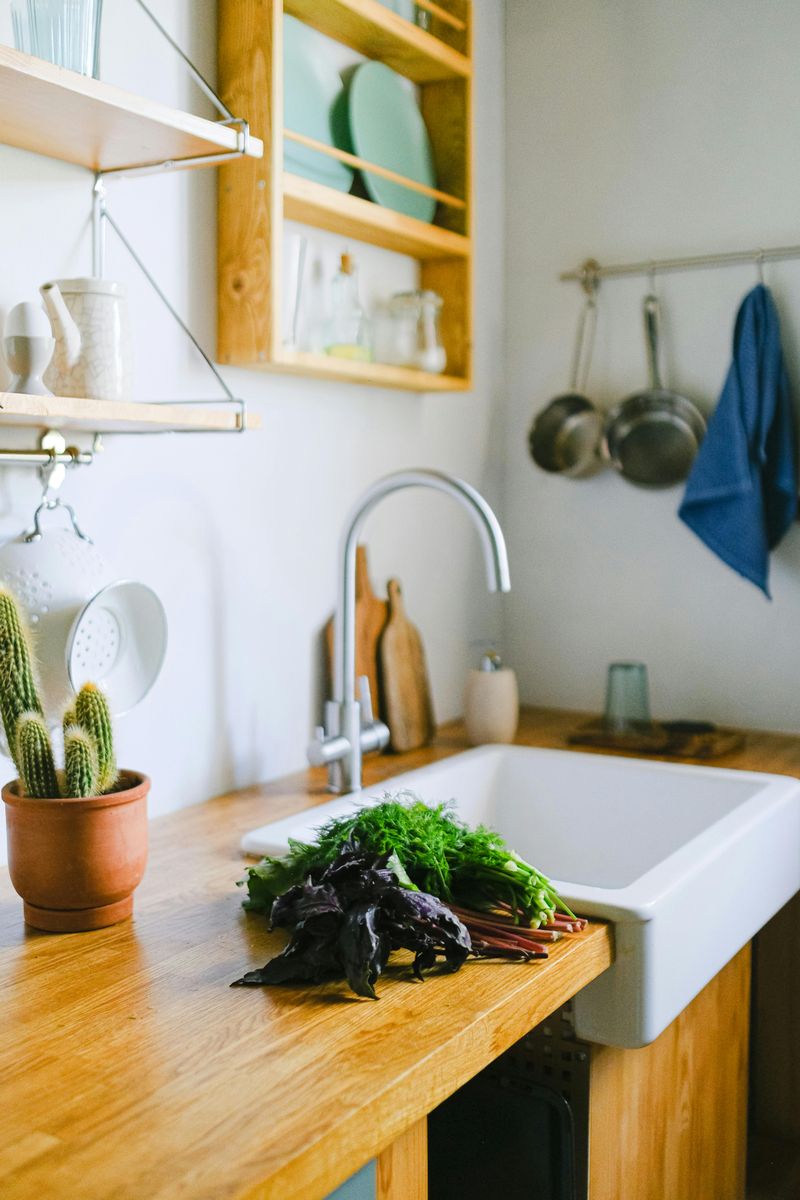
Deep basins with exposed front panels have served hardworking kitchens for generations.
These substantial sinks handle everything from washing oversized pots to bathing muddy vegetables from the garden.
Their generous size accommodates tasks that standard sinks struggle with daily.
The forward position reduces back strain during dishwashing and food preparation.
Durable materials like fireclay withstand decades of heavy use.
Farmhouse sinks blend seamlessly into both traditional and contemporary kitchen designs.
Their practical benefits match their aesthetic appeal perfectly.
This Southern staple continues earning its place in Carolina homes through genuine usefulness and timeless style.
19. Shaker-Style Cabinets
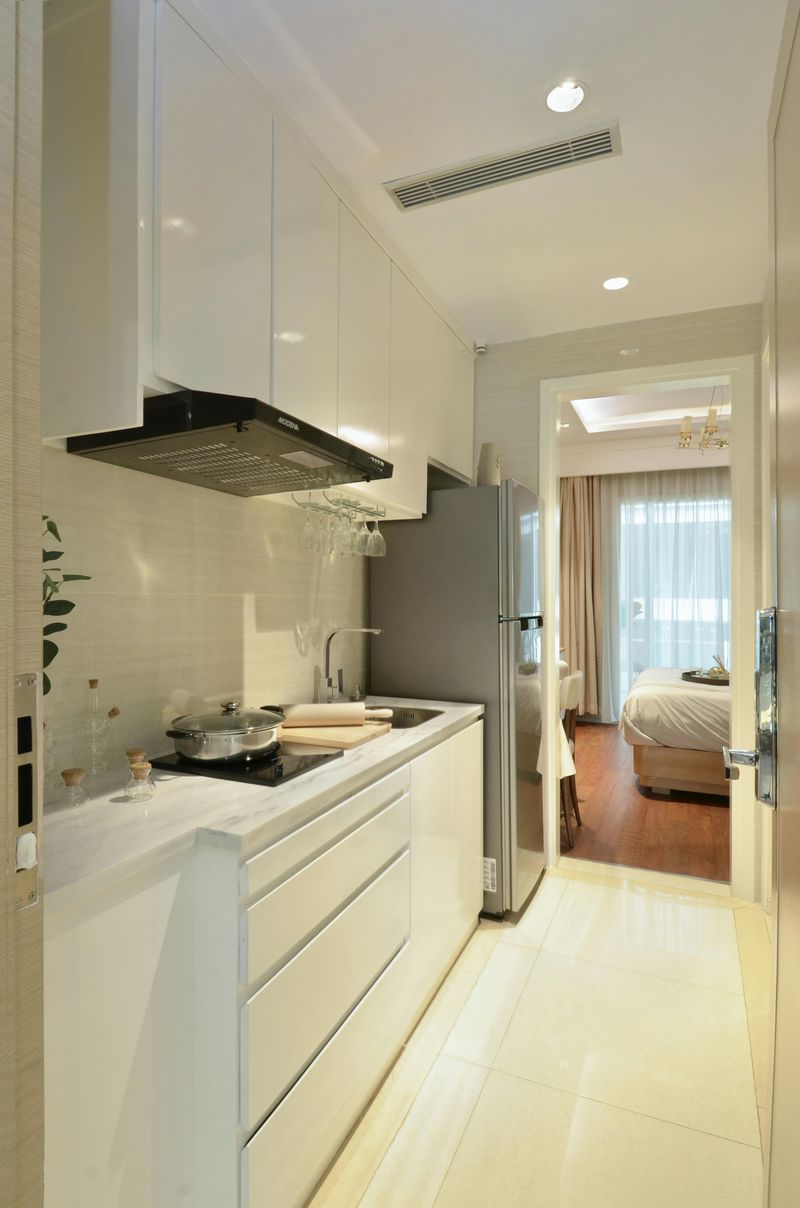
Simple recessed panels and clean lines define this cabinet style born from functional craftsmanship.
Shaker design eliminates unnecessary ornamentation while maintaining beautiful proportions and solid construction.
These cabinets work equally well painted or stained in any color imaginable.
Their understated elegance allows other kitchen elements to shine without competing visually.
Quality construction ensures they withstand daily use for decades.
From historic restorations to brand new builds, Shaker cabinets feel appropriate and attractive.
Their versatility explains their enduring popularity across changing design trends.
North Carolina kitchens embrace this style for its honest beauty and lasting appeal.
20. Neutral Paint Palettes
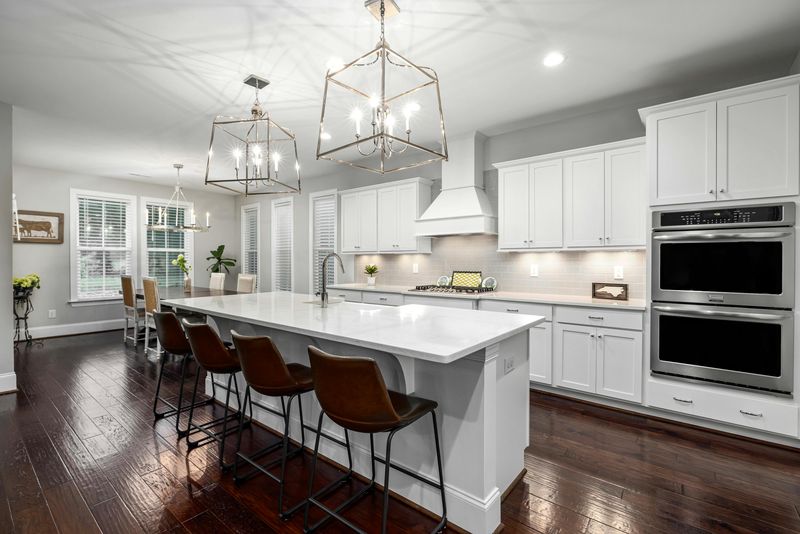
Soft whites, warm grays, and gentle beiges create peaceful backgrounds for daily living.
These adaptable colors complement changing accessories and personal items without clashing or overwhelming spaces.
Neutral walls reflect light beautifully, making kitchens feel larger and brighter throughout the day.
They provide flexibility for homeowners who enjoy updating decor seasonally.
Resale appeal remains strong because neutral palettes offend nobody.
Bold accent colors work through accessories, artwork, and textiles against neutral foundations.
This approach allows personality without permanent commitment to trendy hues.
Carolina homeowners rely on neutral palettes for their enduring sophistication and practical versatility.
21. Hardwood Floors

Real wood floors bring unmatched warmth and natural beauty to kitchen spaces.
Their durability improves with proper care, developing rich patinas that synthetic materials cannot duplicate over time.
Hardwood withstands refinishing multiple times, allowing homeowners to refresh the appearance without replacement.
The natural material regulates humidity and feels comfortable underfoot. Investment value remains high because quality wood floors increase home appeal.
From traditional oak to exotic species, wood flooring options suit every aesthetic preference.
Proper sealing protects against kitchen moisture and spills effectively.
This Southern favorite continues dominating kitchen flooring choices for excellent reasons that transcend temporary trends.
22. Classic Crown Molding
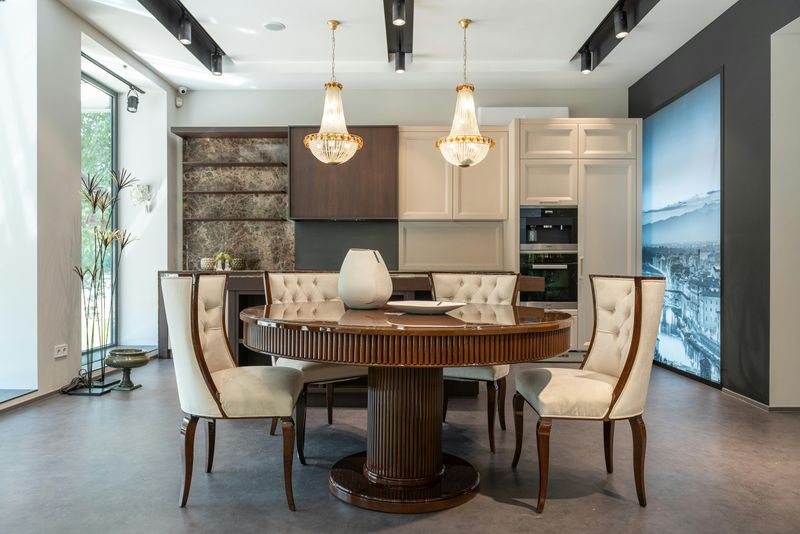
Decorative trim where walls meet ceilings adds architectural polish and finished elegance.
Crown molding creates visual interest while hiding imperfect joints and transitions between surfaces.
This traditional detail works in homes of any age or style when scaled appropriately.
Simple profiles suit contemporary spaces while elaborate designs enhance formal kitchens.
The addition elevates perceived quality and craftsmanship throughout the room.
Crown molding represents thoughtful attention to detail that never goes unnoticed or unappreciated.
Installation remains relatively affordable compared to its visual impact.
North Carolina builders and renovators continue to include this classic element for its timeless sophistication.
23. Pendant Lighting Over Islands
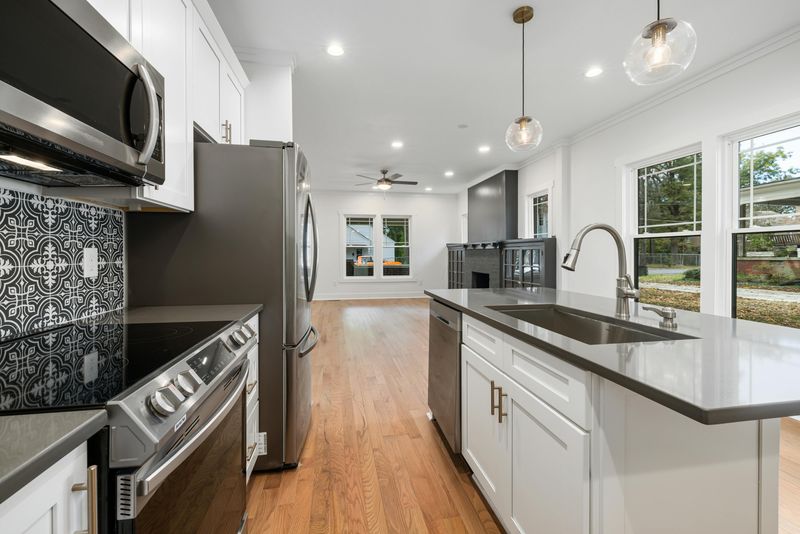
Suspended fixtures above islands provide essential task lighting while creating visual focal points.
Pendant lights define zones within open floor plans and add personality through varied styles and finishes.
Adjustable heights accommodate different ceiling levels and user preferences perfectly.
Multiple pendants create rhythm and balance across longer islands.
The fixtures contribute ambient lighting that enhances the overall kitchen atmosphere.
From industrial metal shades to elegant glass globes, pendant options suit every design direction.
Their functional beauty explains their lasting popularity in Carolina kitchens.
This lighting choice combines practicality with aesthetic appeal in ways that never feel dated.
24. Marble Or Quartz Countertops
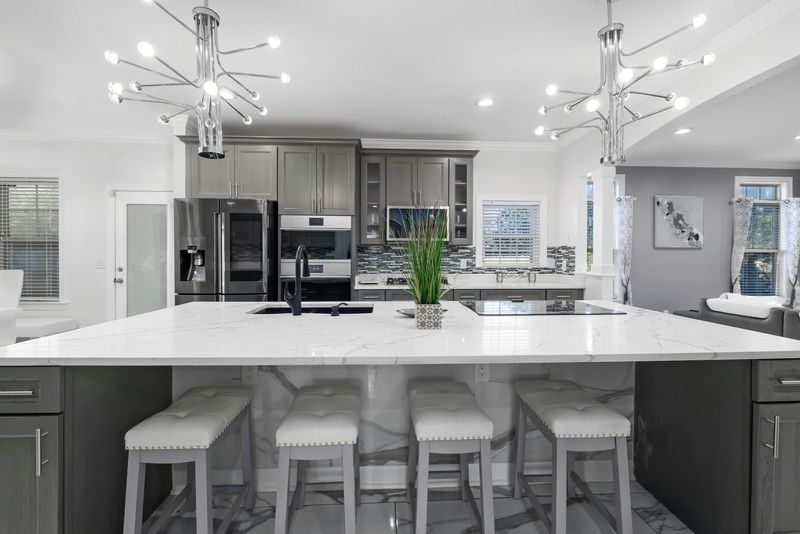
Natural stone and engineered quartz surfaces deliver luxury and durability that justify their investment.
Beautiful veining and depth create visual interest while maintaining sophisticated elegance.
These materials resist heat, scratches, and stains better than most alternatives.
Quartz offers consistency, while marble provides a unique character in every slab.
Both options elevate kitchen aesthetics immediately upon installation.
Neutral stone colors work with changing design trends without requiring replacement.
Proper sealing maintains marble beauty, while quartz needs virtually no special maintenance.
North Carolina homeowners choose these premium surfaces for their proven longevity and enduring appeal.
25. Timeless Kitchen Islands With Storage
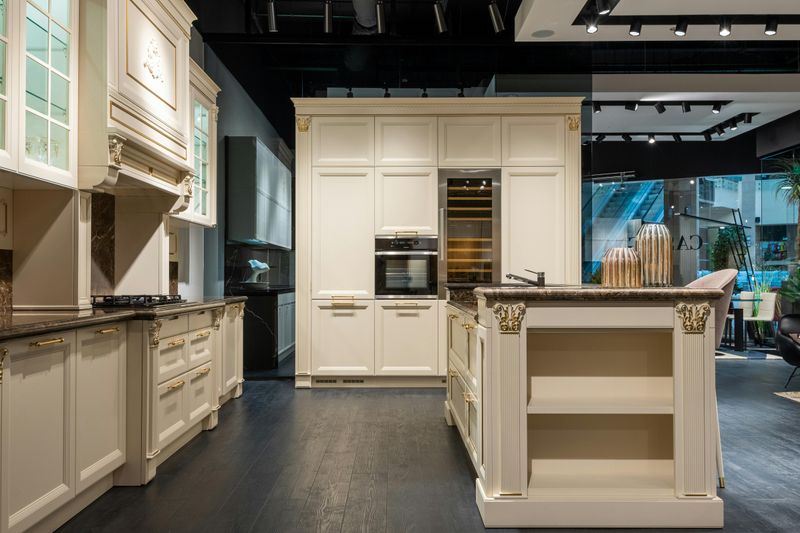
Properly sized islands transform kitchens into efficient workspaces with valuable storage and gathering spots.
These substantial pieces anchor room layouts while providing multiple functions that families use daily.
Deep drawers organize pots, pans, and small appliances within easy reach.
Cabinet sections house serving pieces and specialty items.
Countertop extensions accommodate casual dining and homework sessions.
Quality construction ensures islands remain functional and attractive for decades.
Their presence improves workflow and increases home value measurably.
Carolina kitchens benefit from well-designed islands that combine beauty with practical purpose that never goes out of style.