10 North Carolina Places Where You Can Learn Timeless Creative Skills
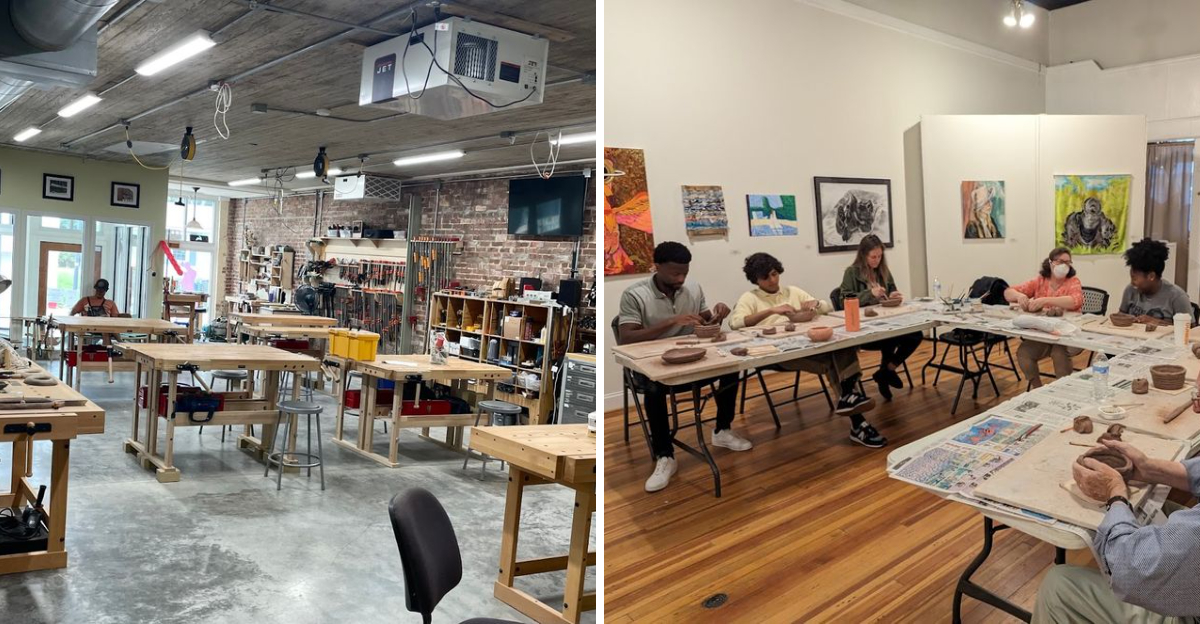
Curiosity has a habit of turning an innocent afternoon class into a garage full of supplies.
That possibility feels especially strong in North Carolina, where hands-on learning still has a firm grip. Skilled instructors welcome people who arrive with enthusiasm, shaky technique, and no clue which tool does what.
Perfection is not required. Neither is natural talent.
The first attempt may lean sideways or look nothing like the original plan. That only gives the finished piece a better story.
Working with your hands also changes the pace of the day. Phones stay forgotten.
Small details demand attention. Progress becomes visible right in front of you.
These ten creative spaces make trying something new feel approachable rather than intimidating. Show up curious, accept a little mess, and prepare for your newest hobby to demand its own storage cabinet.
1. John C. Campbell Folk School
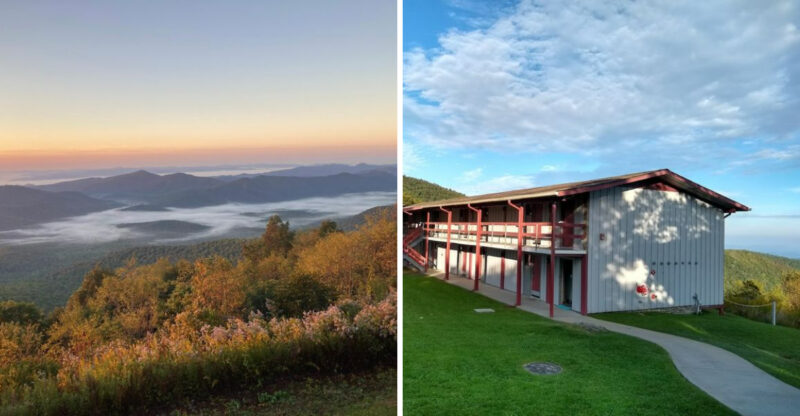
Mountain air makes learning a craft feel less like a class and more like a reset. John C.
Campbell Folk School sits at One Folk School Road in Brasstown, where students come for weeklong and weekend classes rooted in folk traditions, hands-on learning, and a noncompetitive spirit.
You can study everything from sewing, soap making, spinning, stained glass, storytelling, and surface design to weaving, woodcarving, woodturning, woodworking, writing, and more.
That range gives the school a rare kind of energy. One person may be learning to carve wood.
Another may be shaping metal, stitching fabric, or figuring out how to tell a story in front of a room. Nobody has to treat creativity like a contest.
The whole place is built around the idea that making things by hand is valuable because it connects people to materials, history, and one another. Beginners can start without feeling embarrassed, while experienced makers can take deeper classes that stretch their skills.
The Brasstown setting adds to the experience, especially for visitors who want Appalachian culture to feel alive rather than displayed behind glass. You come here to learn a technique, but you may leave with a stronger sense of why handmade traditions still matter.
2. Penland School Of Craft
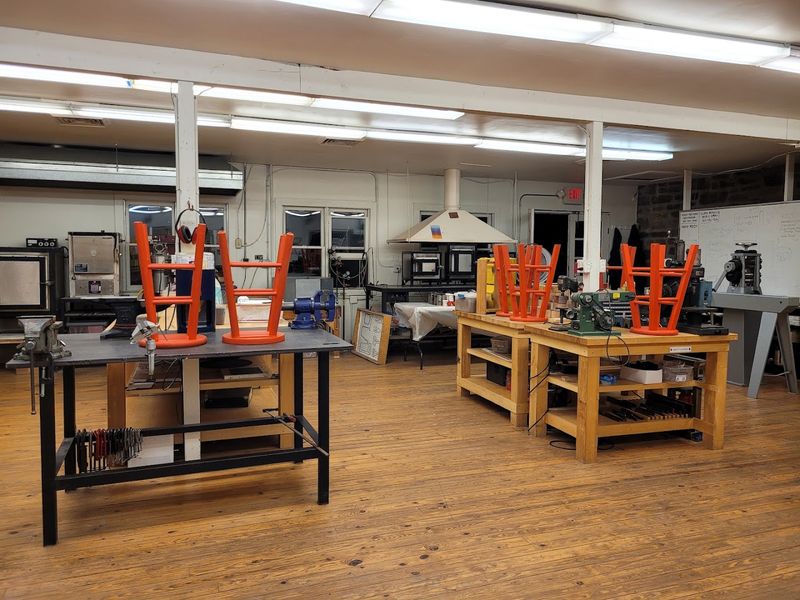
Serious focus becomes much easier when the whole campus is built around making. Penland School of Craft, near Spruce Pine in western North Carolina, is one of the country’s most respected craft education centers, offering intensive workshops for makers at many skill levels.
The address is 67 Doras Trail, Penland, and the setting alone makes you feel like ordinary distractions have been politely asked to leave.
Workshops can cover books and paper, clay, drawing, glass, iron, metals, photography, printmaking, textiles, wood, and other craft disciplines depending on the session.
That immersive structure is the point. You are not squeezing creativity between errands.
You are stepping into studio time with instructors, tools, materials, and other people who came for the same reason: to learn by doing. The pace can be challenging, but that is exactly why students often make real progress quickly.
Penland works especially well for people who want to take a craft seriously without losing the joy of exploration.
You may arrive curious about glass, clay, or textiles and discover how much discipline sits behind work that looks effortless from the outside.
The mountain campus, shared meals, studio conversations, and long work sessions all become part of the education. This is where craft stops being a hobby for the weekend and starts feeling like a language.
3. The Bascom
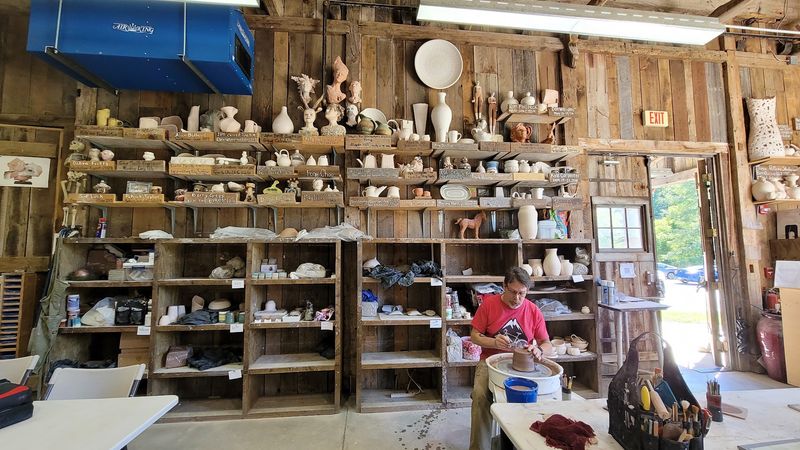
Highlands gives artists a beautiful place to slow down and pay attention. The Bascom, at 323 Franklin Road in Highlands, serves as a center for visual arts with exhibitions, classes, and programs for youth and adults.
Its campus sits on a former horse farm, with galleries, classrooms, a nature trail, and mountain scenery that make creative work feel connected to the landscape around it.
That setting matters because visual art often starts with noticing.
You notice color, light, texture, shape, shadow, and the way a place changes depending on where you stand.
The Bascom gives students a chance to turn that kind of attention into actual practice through workshops and classes that may include ceramics, painting, drawing, printmaking, and other visual-art experiences depending on the schedule.
Families can also find youth programming, which makes it useful for visitors who want creativity to be part of a mountain trip instead of a separate errand. The galleries are free and open to the public, so even people not enrolled in a class can study finished work before trying a process themselves.
That combination of seeing and doing gives The Bascom its strength.
You can walk through an exhibition, then sit down in a studio and remember that every polished piece began with someone learning what their hands could do.
4. Sawtooth School For Visual Art
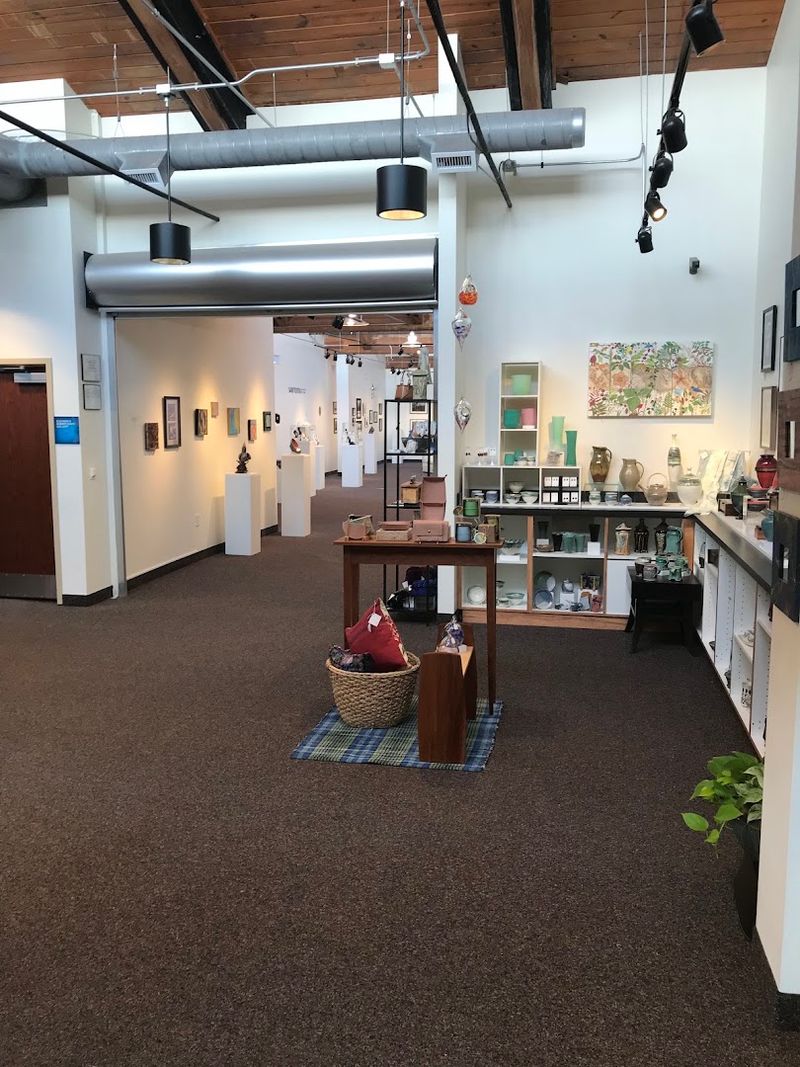
Choice is not a problem here unless you enjoy making decisions quickly. Sawtooth School for Visual Art is at 251 North Spruce Street in Winston-Salem, where it offers more than 1,000 classes and workshops annually across 11 visual-art mediums.
That makes it one of the most useful places in the state for people who want to try something new without committing to a faraway retreat.
You can explore ceramics, glass, metals, photography, printmaking, textiles, woodworking, painting, drawing, and other creative areas depending on the current schedule.
The school’s strength is accessibility. Beginners can start with foundational classes, while intermediate and advanced students can push further into technique and personal work.
That makes Sawtooth feel less like a one-time activity and more like a creative ladder. You can take one workshop, get hooked, return for a longer class, and gradually build real skill.
Winston-Salem’s art history gives the school an extra layer of context, but the studio environment is welcoming rather than intimidating.
Printmaking is especially exciting here, with techniques such as letterpress, screen printing, drypoint, woodcuts, and gelatin prints often part of the larger program mix.
If you have always wanted to try an art form but did not know where to begin, Sawtooth gives you plenty of doors to open.
5. Center For Visual Artists
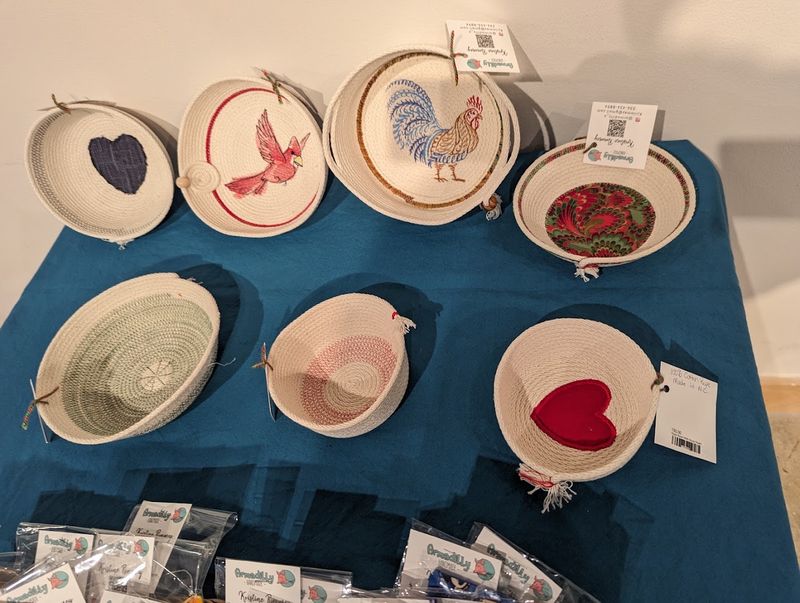
Community makes starting less scary. The Center for Visual Artists operates inside the Greensboro Cultural Center at 200 North Davie Street, where it offers classes and workshops for children and adults.
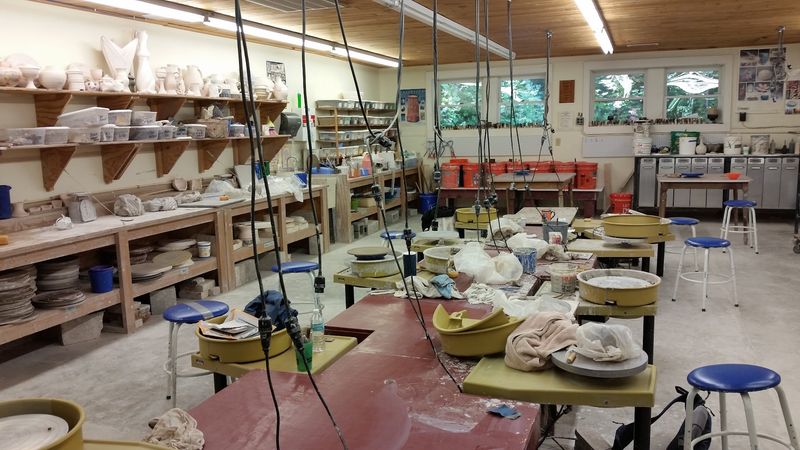
Pottery is a major draw, with adult sessions that teach both wheel-throwing and hand-building techniques. That makes the center especially helpful for beginners who want to understand clay from more than one angle.
Wheel work teaches patience and control. Hand-building lets you shape forms more directly.
Together, they help students realize pottery is not just “making a bowl.” It is learning pressure, timing, moisture, trimming, glazing, and the small adjustments that separate a collapsed lump from something you can proudly put on a shelf.
CVA also supports broader visual-art learning through workshops and gallery programming, giving students a place to see local creativity while building their own.
The Greensboro location makes the center easy to fold into ordinary life, which matters for people who cannot disappear to a residential craft school for a week.
You can take a class after work, build skills over several weeks, and become part of a creative community that actually notices when you come back.
That sense of belonging is powerful. Many people keep making art because someone first gave them a welcoming place to begin.
6. The ArtsCenter
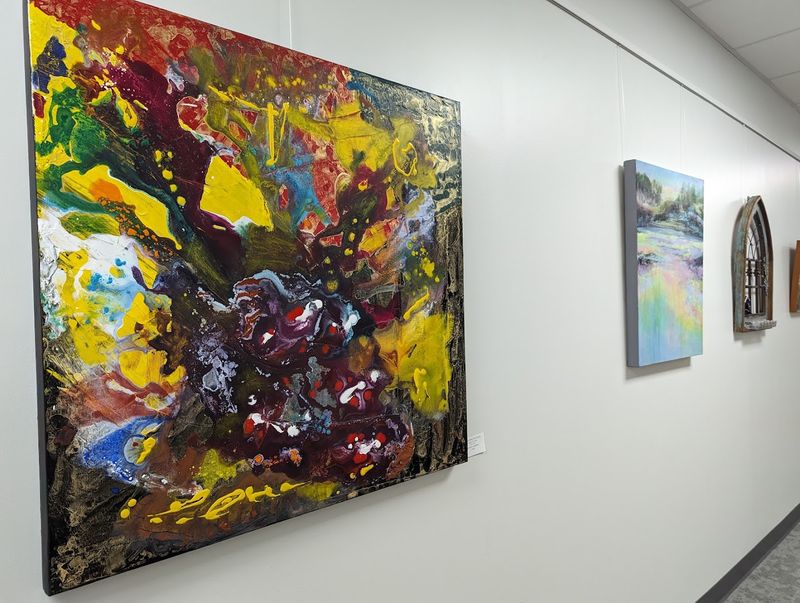
Carrboro has the kind of creative energy that makes taking a class feel completely natural.
The ArtsCenter, at 400 Roberson Street, offers adult and teen classes in drawing, painting, mixed media, dance, arts-based wellness, ceramics, fiber arts, stained glass, theatre, photography, writing, and more.
That wide range makes it one of the most flexible creative-learning spaces in the Triangle area.
You can come in wanting to throw clay on a wheel, try stained glass, write something new, learn photography, or build confidence in painting without feeling like you chose the “wrong” art form.
The ArtsCenter’s strength is that it treats creativity as ongoing, not something reserved for people who already know exactly what they are doing. Classes run on a quarterly basis, which gives busy adults a practical way to plan around work, family, and normal life.
Beginners get a structured starting point, while returning students can keep developing skills in a familiar environment. The Carrboro location also adds to the appeal, since the town’s music, food, and arts culture make a class feel like part of a bigger creative outing.
You can learn a technique, meet people, attend an event, and leave with the satisfying sense that your week got more interesting because you made something by hand.
7. NC State Crafts Center
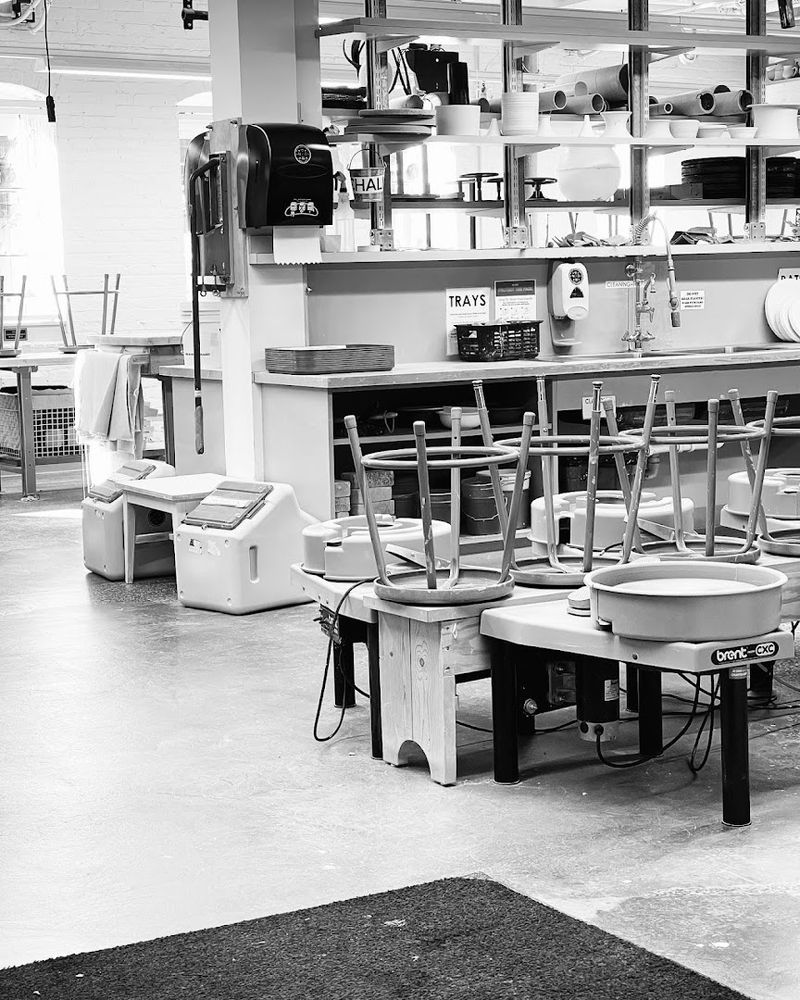
University studios are not only for students here. The Crafts Center at NC State University is based in Thompson Hall at 210 Jensen Drive in Raleigh, and it serves NC State students, faculty, staff, alumni, affiliates, and the general public.
That open access makes it one of the most valuable hands-on creative resources in the city. The center’s studios support woodworking, pottery, photography, fiber arts, lapidary, glass, jewelry and metalworking, mixed media, and more.
That means you can move beyond casual craft-night projects and actually learn in spaces designed for serious making. Woodworking classes can introduce tools, joinery, and careful construction.
Pottery courses can move students from raw clay to finished pieces. Photography and darkroom work offer a slower, more deliberate process than most people get from their phones.
Jewelry, lapidary, glass, and metalworking give students access to equipment and techniques that are hard to explore at home.
The non-credit structure keeps the pressure lower than a graded academic course, but the setting still encourages focus and respect for tools.
Raleigh residents who want creative instruction without joining a formal degree program get a strong option here. The Crafts Center proves that lifelong learning can be practical, tactile, and deeply satisfying when the right studios are open to the public.
8. The Art Gallery At Congdon Yards
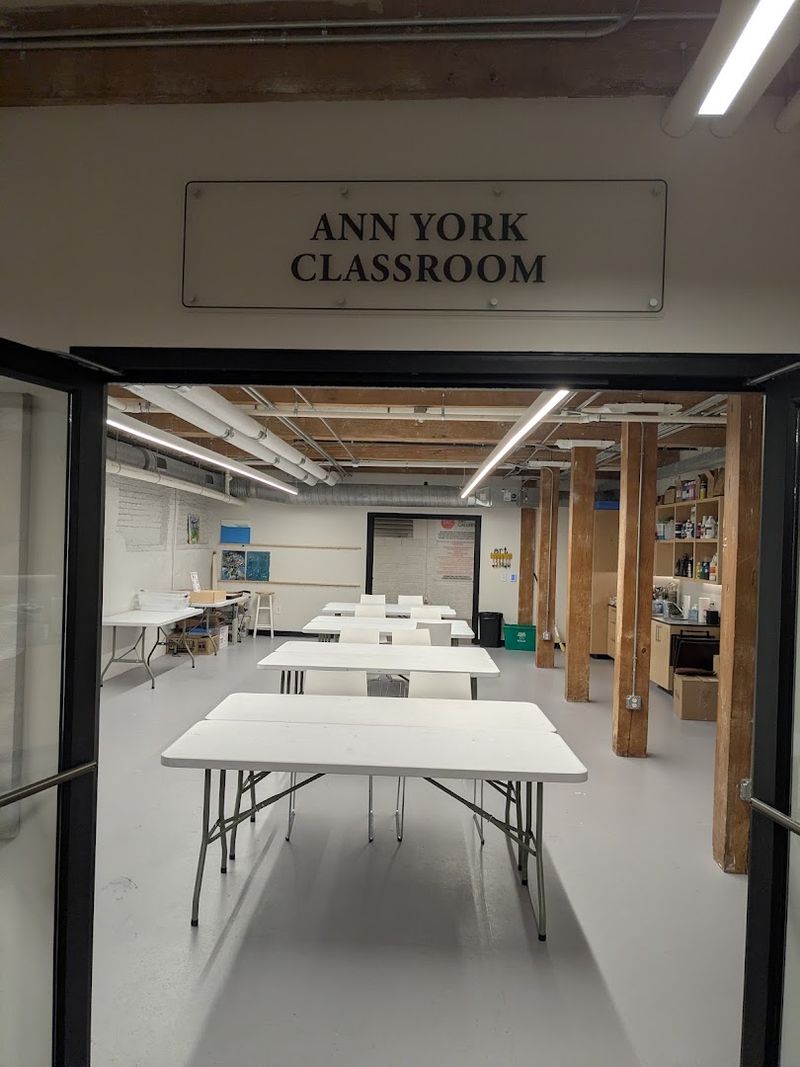
High Point’s design identity gives this gallery extra weight.
The Art Gallery at Congdon Yards, also known as TAG, sits at 400 West English Road, Suite 151, in High Point, where it operates as a nonprofit visual-arts organization with exhibitions, gallery programming, workshops, and event space.
It is not the same kind of broad craft school as Penland or Sawtooth, so the best move is to check its current calendar before promising yourself a specific medium.
What makes TAG useful for creative learners is the combination of seeing finished work and participating in hands-on or community-based programming when offered.
The gallery setting encourages people to look closely first. You study color, composition, texture, installation choices, and the way artists turn ideas into finished pieces.
Then workshops, artist talks, private workshop options, and community events can help turn that inspiration into practice.
High Point’s furniture and design reputation gives the whole experience a fitting backdrop, especially for visitors interested in how art, interiors, materials, and visual storytelling overlap.
TAG also works well for people who feel intimidated by formal studio schools. A gallery can be an easier first step.
You walk in to look, stay to learn, and maybe end up taking a workshop that makes creativity feel less distant.
9. Emerge Gallery & Art Center
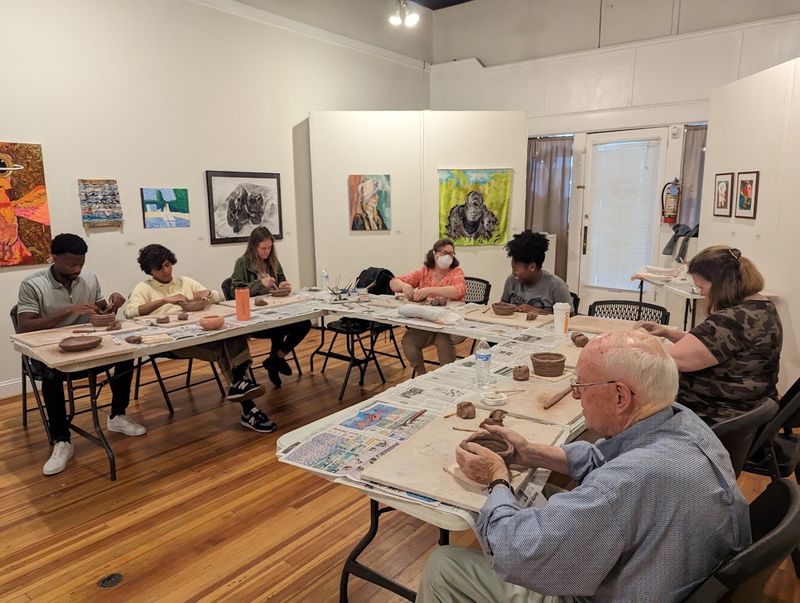
Eastern North Carolina gets a serious creative anchor in Greenville. Emerge Gallery & Art Center is at 404 South Evans Street, where it offers workshops and classes for youth and adults in pottery, metal design and jewelry, painting, drawing, and more.
That variety gives the center a strong role in a part of the state that deserves more attention for hands-on arts education.
Pottery classes let students work with clay through wheel and hand-building techniques, while metal and jewelry instruction opens the door to tools, materials, and processes many beginners would never attempt alone.
Painting and drawing classes round out the program with foundational visual skills that can support almost any creative practice.
Emerge also has galleries with rotating exhibitions and a sales gallery featuring local North Carolina artists, so learning happens beside real examples of finished work.
That connection matters. Students can see how creative practice develops beyond the classroom and into a larger arts community.
The center also supports outreach programs, including youth public arts work and Art is Good Medicine, which shows a commitment to creativity as something more than decoration.
In Greenville, Emerge gives people a place to build skills, meet artists, support local work, and treat art as part of everyday community life.
10. Pocosin Arts School Of Fine Craft
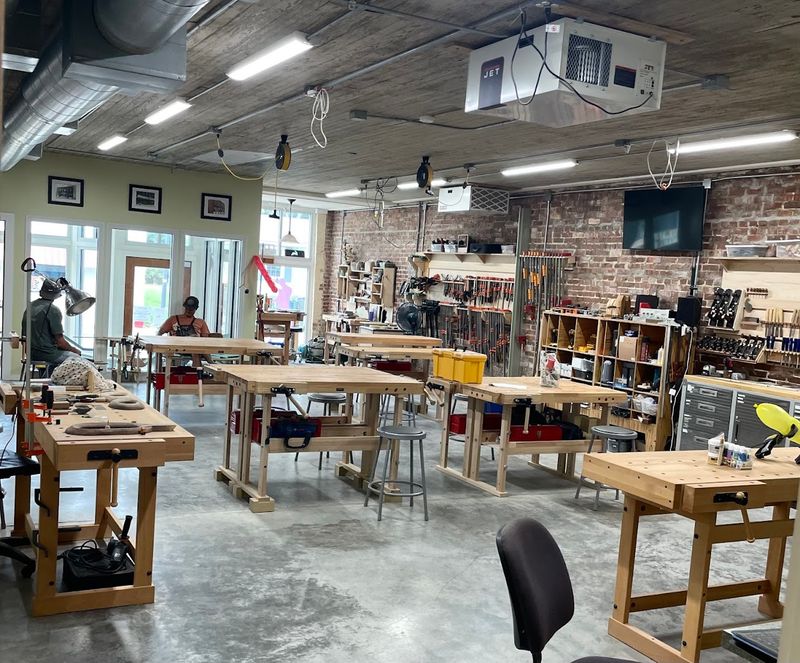
Riverside quiet can make handwork feel even more absorbing. Pocosin Arts School of Fine Craft is based at 202 Main Street in Columbia, near the Outer Banks and along the Scuppernong River.
The school offers online and on-campus workshops, giving students a way to engage with fine craft whether they can travel to the coast or need a more flexible format. Its setting is a major part of the appeal.
Columbia moves at a different pace than larger arts cities, and that slower rhythm suits disciplines that require patience, repetition, and close attention.
Workshop offerings can include ceramics, metals, jewelry, textiles, wood, painting, drawing, digital fabrication, and other fine-craft areas depending on the schedule.
The school also supports artist residencies, which helps keep the atmosphere active and connected to practicing makers.
Beginners can use short workshops to test a new medium, while more experienced artists can seek focused time with instructors and studio resources.
The wetland and river landscape adds a reflective quality to the experience, making it feel less like a quick class and more like a creative retreat. Pocosin proves that a small coastal town can hold a surprisingly rich craft education scene.
You do not need a big-city address to learn something lasting with your hands.