10 North Carolina Towns So Ruined By Tourists That Locals Avoid The Center
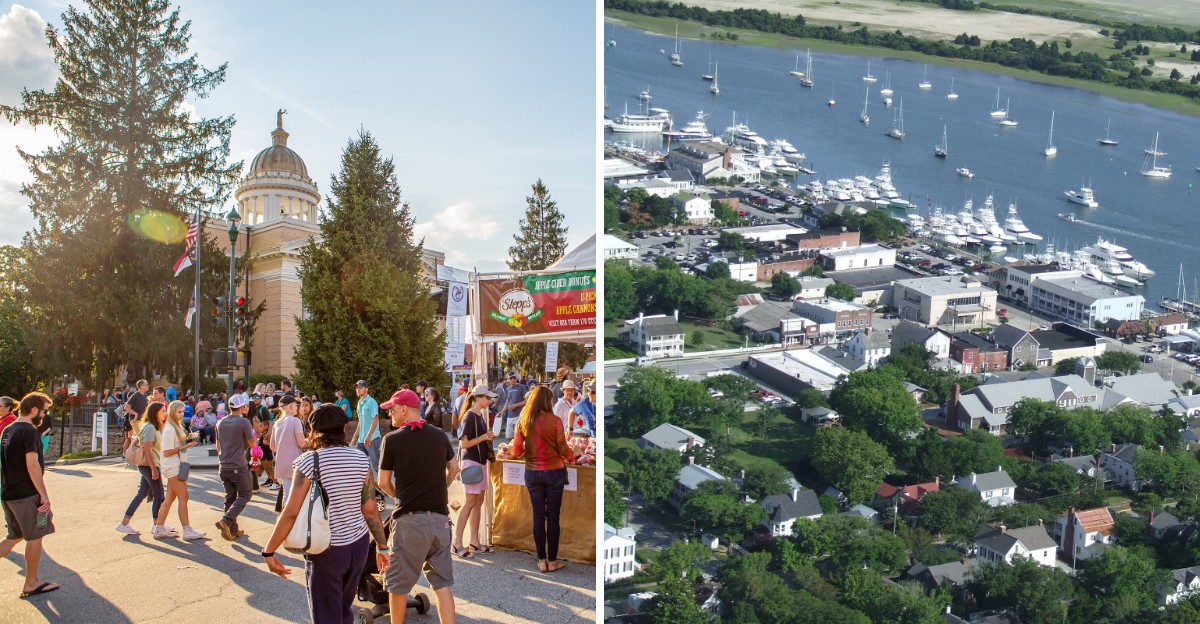
Some towns are charming right up until everyone arrives at once.
Across the state, that pressure hits hardest when a tiny downtown meets a huge seasonal crowd.
Suddenly, the scenic main street becomes a slow crawl, parking feels impossible, and locals start planning errands around visitor traffic.
The problem is not that travelers come.
It is what happens when popularity grows faster than the streets can handle.
Resident surveys and local planning documents in several communities show that congestion and parking are recurring concerns.
Festival weekends, beach season, summer trips, and fall color can all push compact town centers to their limit.
These ten North Carolina places know exactly what happens when too much love lands in too little space.
10. Blowing Rock
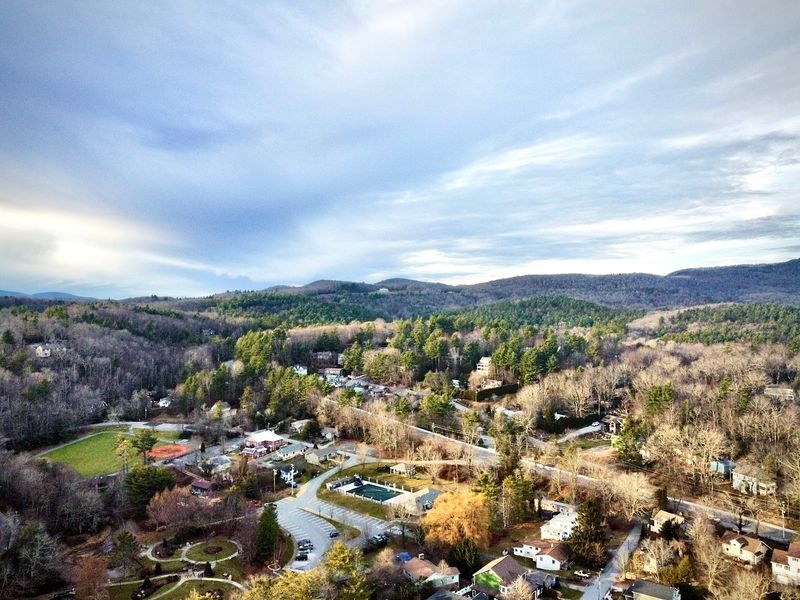
Sitting more than 3,000 feet up in the Blue Ridge Mountains, this village trades on crisp air, stone storefronts, and the famous rock formation that gave it a name.
Fudge shops perfume the sidewalks, and the smell of butter and brown sugar carries clear across the street.
Summer and fall weekends are a different story.
The local Tourism Development Authority has worked openly on parking and mobility solutions for Blowing Rock, and consultants studying the area described a real parking predicament rather than simple crowding.
Town Hall sits at 1036 Main Street, Blowing Rock, NC 28605.
Proposals have included a 2 percent occupancy tax increase to fund parking improvements, a future parking structure, and a shuttle running from Valley Boulevard up to Main Street.
Current parking guidance instead directs drivers toward several public parking areas, with free downtown shuttles offered on selected high-traffic event dates.
Outside major events, visitors can still use public parking on and near Main Street, Sunset Drive, and several lots within walking distance of downtown.
Bring a light jacket, because mountain evenings cool quickly even in July.
9. Highlands
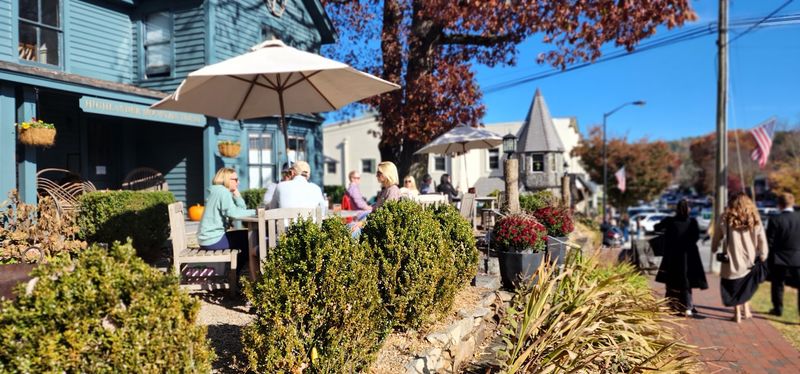
Perched on a plateau roughly 4,100 feet above sea level, this southwestern mountain town built its reputation on art galleries, polished boutiques, and dining rooms that take dessert seriously.
Cool summers pull in visitors escaping lowland heat.
The town’s community plan states plainly that an influx of tourists during peak seasons puts Main Street parking in heavy demand.
Highlands was laid out long before anyone imagined this much traffic, and the original downtown grid simply was not designed for it.
Officials have discussed metering downtown spaces to encourage turnover, and a parking garage has come up in planning conversations more than once.
Because parking demand is highest around Main Street, town planning documents encourage greater use of peripheral parking areas.
The reward for timing it right is considerable: quiet sidewalks, easy access to bakeries turning out flaky morning pastries, and short walks to waterfall trails just outside town.
Winter and early spring fall outside the June-to-December period the town identifies with its heaviest tourist traffic.
8. Boone
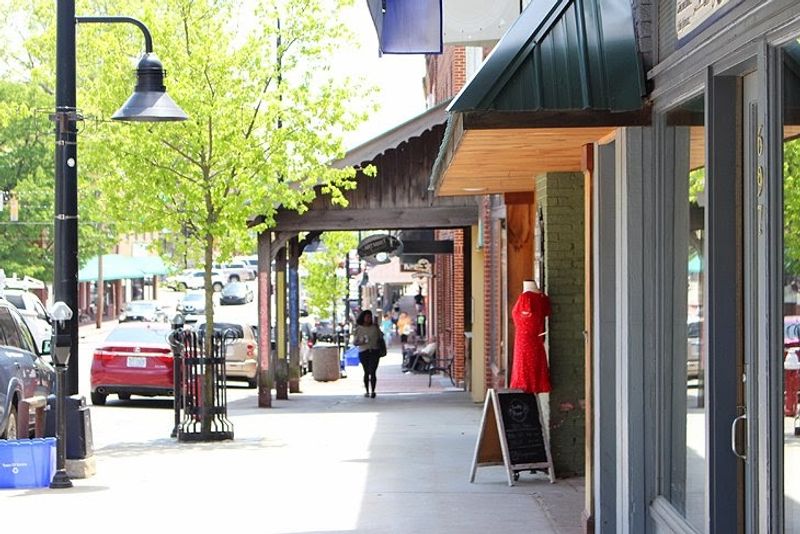
College energy and mountain scenery collide here in a way few towns manage.
Appalachian State University keeps the sidewalks lively year-round, while King Street carries the coffee shops, bookstores, and restaurants that give downtown its pulse.
Autumn stacks everything at once.
Leaf season, home football weekends, and holiday travel overlap in Boone until King Street parking becomes a genuine sport. Town Hall operates at 567 W. King Street, Boone, NC 28607.
Downtown parking runs on a tightly managed system of smart meters, pre-pay spaces, and permit-only lots, which helps turnover but does not create new pavement.
What do residents do? Game days add enough parking pressure that the Town Hall lot is closed to public parking on those dates.
Come on a Tuesday in spring and downtown feels wonderfully manageable.
You can settle into a window seat with a mug of something warm, watch the mountains do their thing, and still find a meter with time left on it.
Fun detail: the town takes its name from frontiersman Daniel Boone, who once camped in the area.
7. Banner Elk
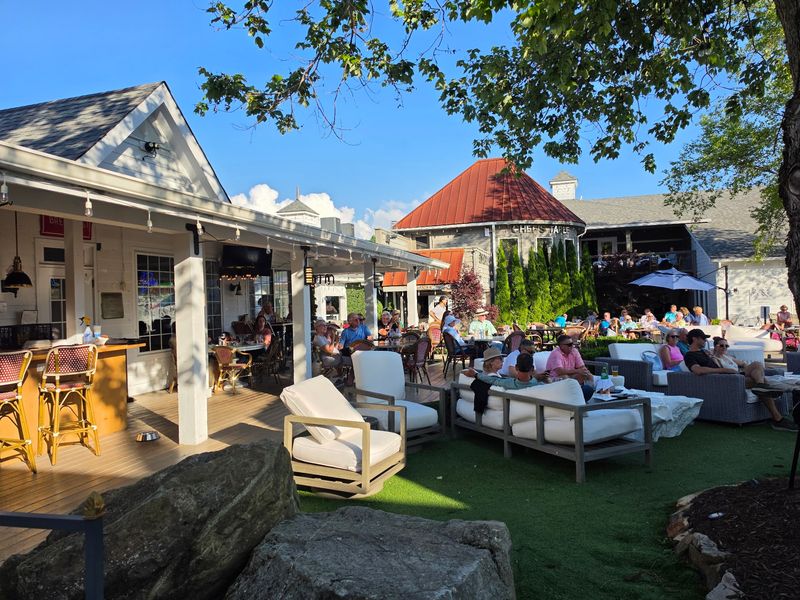
Picture 15,000 to 20,000 people squeezing into a downtown that ordinarily hosts a few hundred.
That is exactly what happens each October when the Woolly Worm Festival takes over, timed almost perfectly with peak leaf color in the surrounding peaks.
Ringed by Beech Mountain and Sugar Mountain, Banner Elk is small enough to cross on foot in minutes, which is part of its appeal and part of its problem.
Banner Elk Town Hall is at 200 Park Avenue. Festival weekends turn the compact center into a walking zone packed with craft vendors, food booths, and the smell of kettle corn drifting between tents.
Remote lots with shuttle service handle the overflow, and using them saves an enormous amount of circling.
With more than 20,000 attendees arriving over two days, the festival dramatically changes the pace of town for that October weekend.
For visitors willing to arrive early, park once, and walk, the payoff includes mountain views, apple cider doughnuts, and one of the most delightfully odd small-town traditions anywhere in this state.
6. Brevard
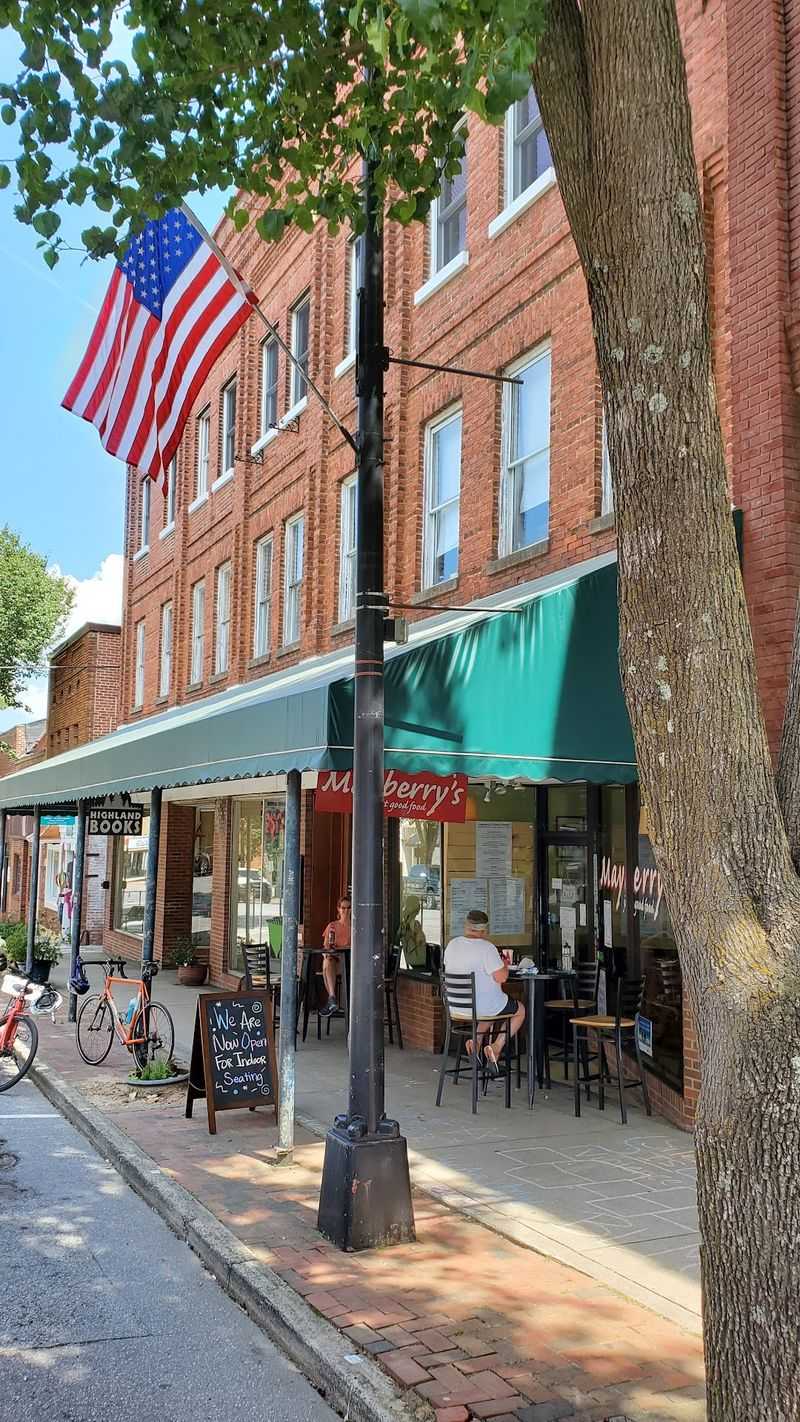
Waterfalls made this town famous, and the nickname stuck: Land of Waterfalls.
More than 250 of them tumble through surrounding Transylvania County, and the gateway to all that water runs directly through a very compact downtown grid.
Local errands, regional through-traffic, freight deliveries, and visitor cars all funnel onto the same few blocks.
Brevard is actively running a Downtown Circulation Study examining traffic patterns, pedestrian safety, bicycle connections, parking, and future growth.
City offices are based at 95 W. Main Street, Brevard, NC 28712. One option under review is a one-way pairing for Broad and Caldwell Streets, a change aimed at smoothing movement without sacrificing the district’s character.
Meanwhile, the food scene keeps drawing people in: smoky barbecue, wood-fired pizza, and bakery counters stacked with biscuits.
Downtown traffic mixes local trips with regional traffic, deliveries, visitors, pedestrians, and cyclists on the same compact street network.
Summer afternoons bring the heaviest squeeze, so mornings work better.
Keep an eye out for the town’s white squirrels, an unusual local population celebrated with its own festival each Memorial Day weekend.
5. Hendersonville
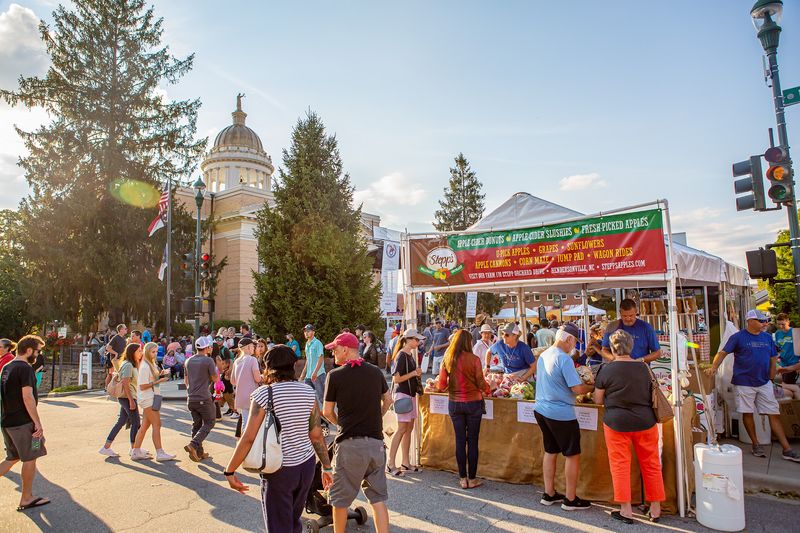
A serpentine layout sets this downtown apart from nearly every other in the western part of the state.
Main Street curves gently between oversized planters, sidewalk dining tables, and public art, creating one of the region’s largest and most attractive small-town shopping districts.
Event weekends change the math completely.
Garden Jubilee and the North Carolina Apple Festival both bring major activity to Main Street and require special-event traffic and parking arrangements.
A newly built downtown parking deck, along with meters and updated Main Street regulations, helps move vehicles through more efficiently.
Apples define the flavor here. Orchards fill the surrounding hills, and fall brings cider slushies, fried pies, and bushel baskets stacked outside farm stands just minutes from downtown.
Outside festival closures, downtown parking includes metered street spaces, surface lots, and a 253-space city parking deck.
If you arrive during a big event, park in the deck first and explore on foot.
The curving street is genuinely more pleasant walked than driven.
4. Southport
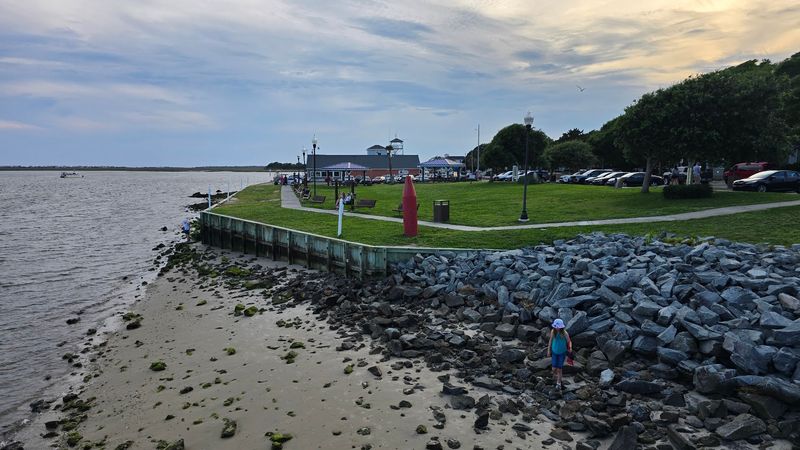
Live oaks draped in Spanish moss lean over quiet lanes, and the Cape Fear River slides past docks where shrimp boats still tie up.
Few coastal towns in the Southeast look this much like a movie set, which is partly why film crews keep returning.
Residents have been blunt about the downside.
In city planning surveys, Southport residents specifically raised concerns about tourist traffic downtown and suggested keeping more central parking available for locals.
Southport completed a Downtown Parking Study in 2025, while its long-range planning work includes improving access to public parking downtown.
Waterfront restaurants lean into familiar coastal dishes, but individual seafood sourcing varies from restaurant to restaurant.
Spring and early fall deliver the best balance, with mild river breezes and sidewalks that never feel crowded.
Locals who live within walking distance rarely drive downtown at all in July.
Take their cue, leave the car at your lodging, and stroll the waterfront walkway at sunset when the light turns the river gold.
3. Beaufort
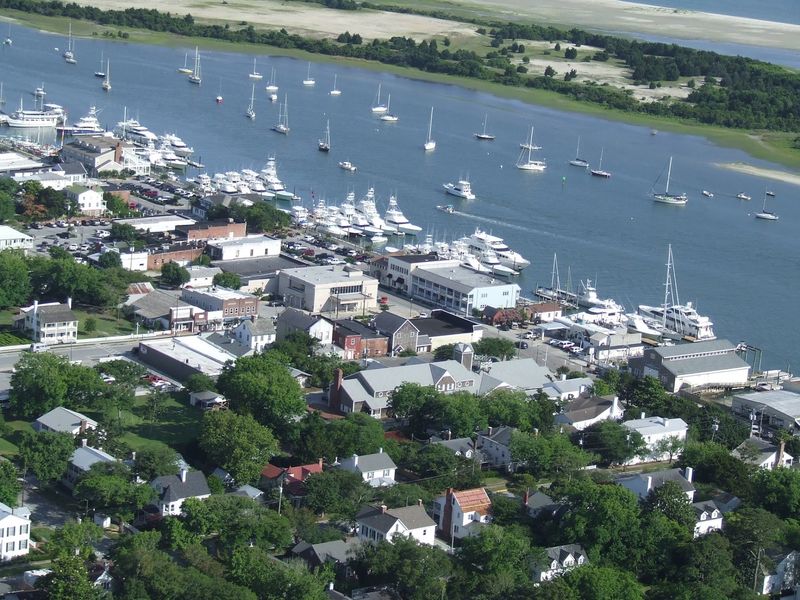
Founded in 1709, this is the third-oldest town in the state, and its nautical history runs deep enough to fill a museum devoted to shipwrecks and seafaring.
Colonial-era homes carry small plaques listing construction dates and original owners.
Everything centers on Front Street, a narrow waterfront strip where sailboats bob a few steps from storefronts and ice cream counters.
Beaufort’s 2026 parking framework was designed around a May 1 to October 1 season, with paid parking intended to improve turnover during peak tourism months.
Visitor passes are available, and designated bus loading zones line Front Street, while buses are kept off residential streets and out of downtown lots entirely.
Residents receive complimentary seasonal passes, though time limits still apply so spaces stay available.
Out in the channel, wild horses graze on Carrot Island, visible from the boardwalk on a clear morning. Order steamed shrimp or a crab cake sandwich, find a bench facing the water, and let the boat traffic drift by.
Early mornings here are peaceful, salty, and worth the alarm clock.
2. Duck
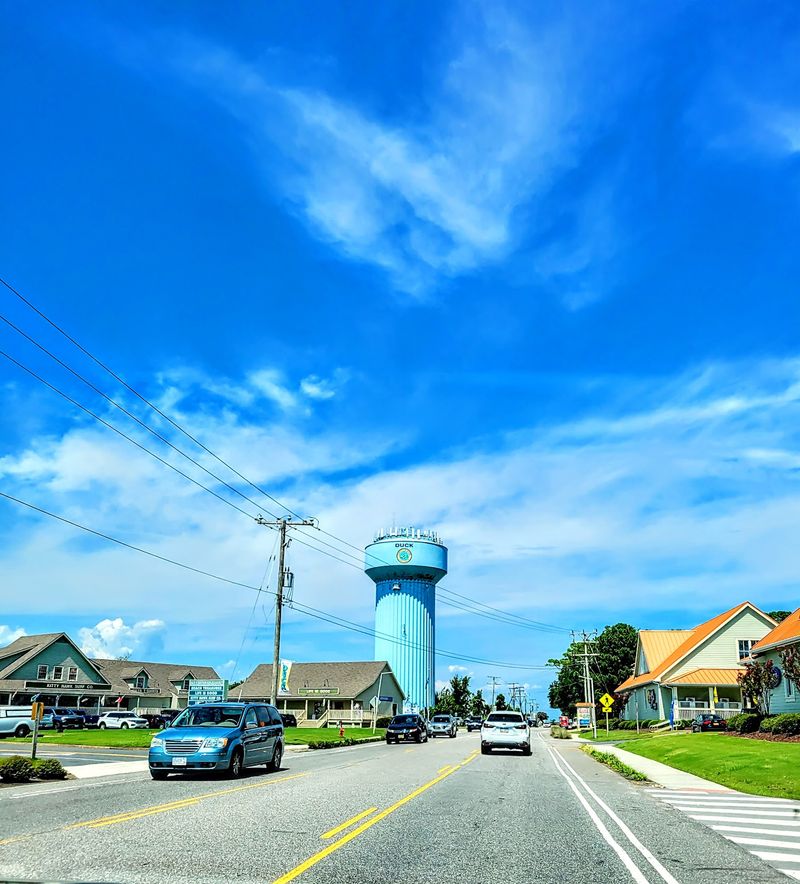
A wooden boardwalk curves along Currituck Sound here, passing shops built on pilings and ending at sunset views that turn the water pink.
Kayaks slide out from small docks, and the pace feels slower than almost anywhere else on the northern Outer Banks. One road carries it all.
Duck sits along North Carolina Highway 12, the single artery linking these barrier island communities, and summer rental turnover days can reduce it to stop-and-start crawling.
Local guidance discourages cutting through residential streets, which are narrow, not built for volume, and shared by walkers and cyclists.
Saturdays are the pinch point, when arriving and departing families overlap for hours.
Plan around it and the town opens up beautifully. Rent bikes, use the multi-use path, and reach the boardwalk without touching the highway.
Breakfast spots serve warm cinnamon buns and strong coffee early, before traffic builds.
During peak summer season, travelers should expect heavier traffic on NC 12 and make use of Duck’s walking and cycling network when practical.
1. Carolina Beach
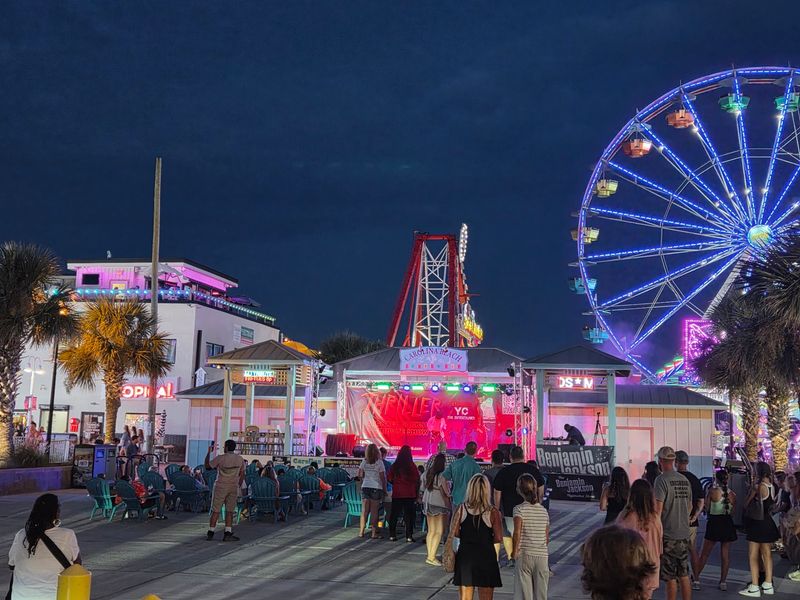
Hot, sugar-dusted doughnuts sold by the dozen have been a boardwalk tradition here for generations, and the line often stretches out the door before the morning fog lifts.
Amusement rides light up at dusk, and the smell of fried seafood mixes with salt air.
All that appeal concentrates in a small footprint.
Carolina Beach funnels warm-season crowds straight into its central business district and boardwalk, which is why paid parking is enforced from March through October across numerous lots and on-street spaces.
Town offices are at 1121 N. Lake Park Boulevard, Carolina Beach, NC 28428. Annual residential parking passes exist to give locals a fighting chance, though July weekends still test everyone’s patience.
Arrive before nine in the morning and the difference is dramatic: open spaces, cool sand, and pelicans skimming the surf.
Beyond the boardwalk, Carolina Beach State Park offers marsh trails and a rare chance to spot Venus flytraps growing wild, something found naturally in only a small region around this coast.
If staying into the evening, remember that standard seasonal parking enforcement continues until 8 p.m.
Disclaimer: This article uses a deliberately provocative headline to describe seasonal tourism pressure, traffic, parking demand, and crowding in popular North Carolina towns.
It does not mean these communities are literally ruined, nor does it suggest that residents universally avoid their downtowns or town centers.
Experiences vary by season, weekday, event schedule, weather, and individual preference.
References to congestion, parking challenges, visitor volume, planning studies, surveys, and local transportation measures are based on publicly available information and may change as towns update policies or infrastructure.
Festival attendance, parking rules, shuttle service, paid parking periods, and traffic patterns can also change from year to year.
Readers should check current municipal guidance before visiting, especially during major events and peak travel weekends.
Statements about what locals do are intended as general observations where supported, not claims about every resident.
The purpose is to highlight how tourism can strain compact communities while still recognizing the economic and cultural value visitors bring to them.