10 Of California’s Strangest And Most Unforgettable Festivals You Have To See At Least Once
Normal festivals are nice. California, however, likes being special.
It knows how to build an entire celebration around garlic, frogs, and ideas that probably sounded ridiculous right up until thousands of people showed up.
These events are where local pride gets delightfully specific. Streets fill with costumes. Fairgrounds turn into temporary worlds.
Small towns suddenly become the center of attention because somebody decided one unusual tradition deserved a parade.
California can make a strange idea feel completely reasonable once there is live entertainment and something fried nearby.
Part of what makes these festivals memorable is that they do not feel copied from a standard event handbook.
Each one reflects the place that created it, along with the enthusiasm needed to keep an unusual celebration alive year after year.
1. Calaveras County Fair & Jumping Frog Jubilee, Angels Camp
Mark Twain never actually visited Calaveras County, but his short story about a jumping frog competition gave Angels Camp one of the most beloved and enduring festival traditions in all of California.
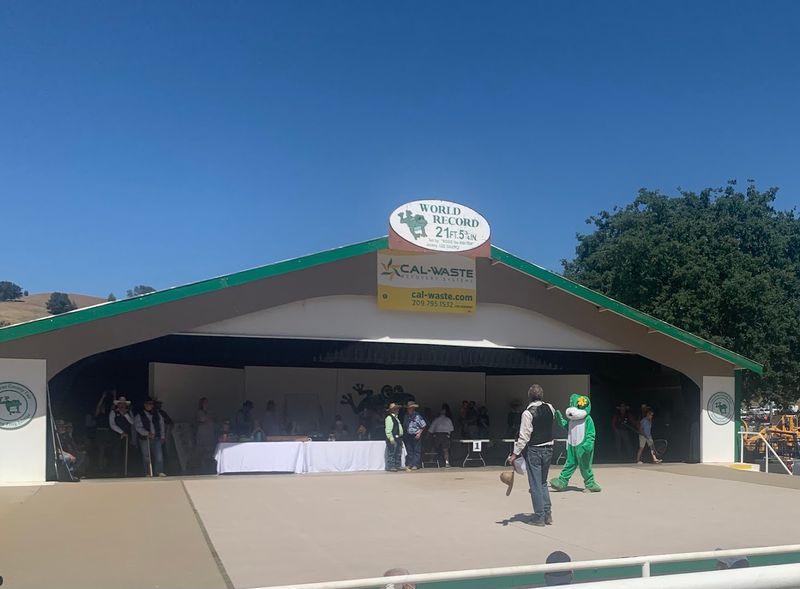
Every third week of May, the Calaveras County Fairgrounds transforms into a celebration that blends agricultural heritage with genuinely joyful absurdity, drawing visitors from across the country to watch frogs leap for glory.
The competition takes place at 2465 Gunclub Rd, Angels Camp, CA 95222, where participants coax their frogs across a designated jumping area in hopes of setting a new distance record.
The current world record of 21 feet and 5.75 inches has stood since 1986, and every year new competitors arrive convinced their frog will finally break it.
Beyond the jumps, the four-day event offers rodeo performances, live music, livestock exhibits, carnival rides, and a wide range of food vendors that keep the energy going from morning to evening.
The atmosphere feels genuinely community-driven rather than commercially polished, which is a big part of its lasting appeal.
Families, first-timers, and longtime regulars all tend to leave with the same feeling: that this was worth every mile of the drive.
2. Gilroy Garlic Festival, Gilroy
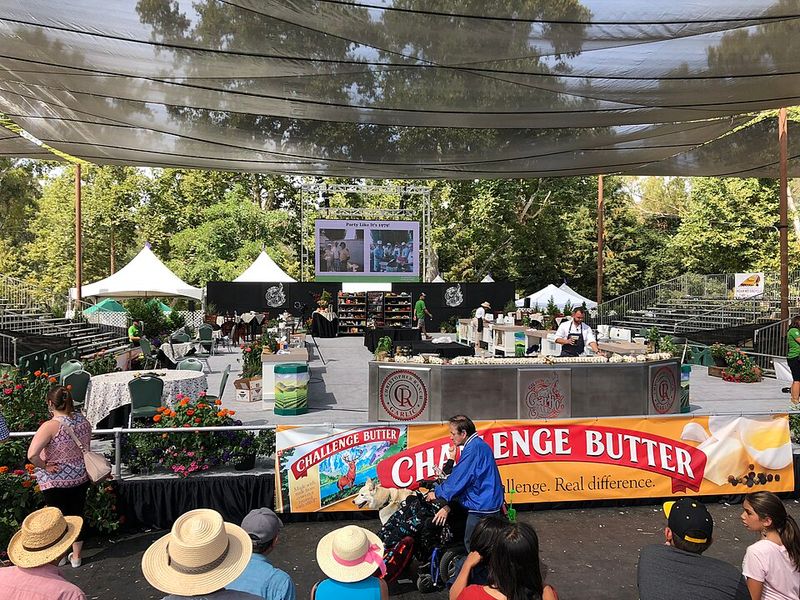
The smell hits you before the entrance does. Gilroy has carried the title of Garlic Capital of the World for decades, and the annual Garlic Festival is the town’s most aromatic proof of that claim.
After facing significant challenges in recent years, the festival is returning with a reimagined format scheduled for July 24 through 26, 2026, at the Hecker Pass Outdoor Events Center near Gilroy Gardens Family Theme Park.
The venue sits at 3050 Hecker Pass Road, Gilroy, CA 95020, and the revamped event is designed to feel more intimate and community-focused than its larger predecessor.
Ticket numbers are limited each day, which means shorter lines and more time actually enjoying the food rather than waiting for it.
Gourmet Alley, the festival’s most iconic feature, is expected to return with its open-flame cooking stations and garlic-forward dishes that have defined the experience for generations of attendees.
Visitors can also expect cooking demonstrations, live music, and arts and crafts vendors throughout the grounds.
Garlic ice cream remains one of the most talked-about offerings, sitting at the intersection of curiosity and culinary bravery.
3. Doo Dah Parade, Pasadena
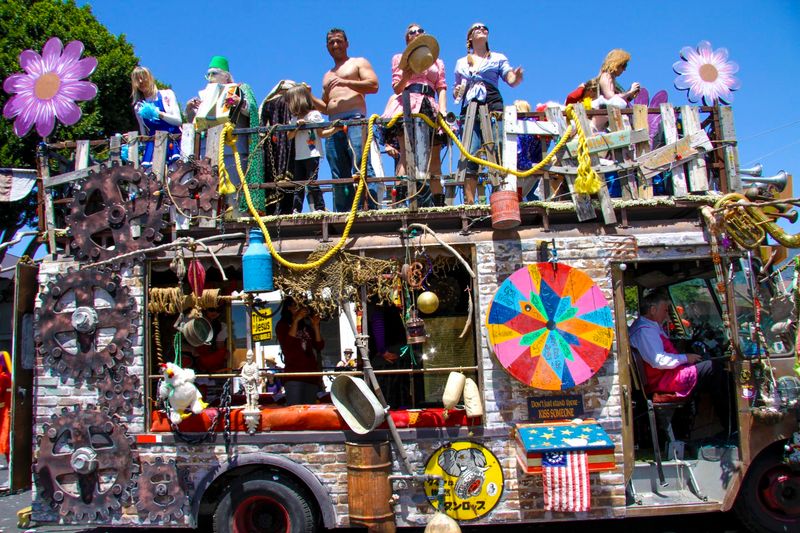
Born as a direct parody of Pasadena’s famously polished Rose Parade, the Doo Dah Parade has carved out its own beloved place in Southern California’s cultural life.
There is no official theme, no corporate sponsors dictating the content, and no requirement that entries make any logical sense whatsoever. That freedom is exactly what makes it worth showing up for.
The parade typically rolls along Colorado Boulevard in Old Pasadena, with viewing areas accessible near the Pasadena Civic Auditorium.
The event usually takes place in November or December, though specific dates can shift slightly from year to year.
Entries have included groups of people marching in synchronized briefcase formations, shopping cart drill teams, and satirical floats commenting on current events with sharp and often hilarious wit.
The crowd tends to be in on the joke, arriving with a shared understanding that the weirder the entry, the better.
Originating in 1978, the parade has survived decades of changing times by staying stubbornly, joyfully uncommercial.
4. Imperial Beach Sun & Sea Festival, Imperial Beach
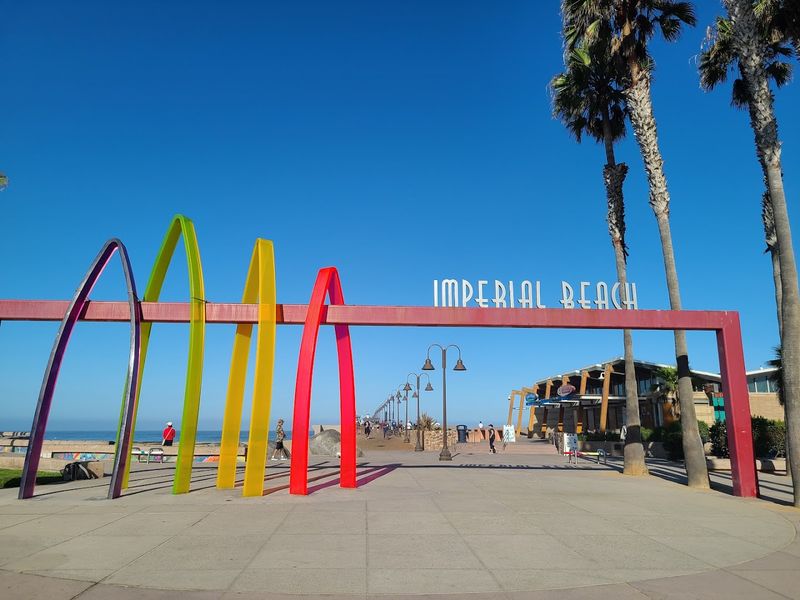
Sand is not a medium most people associate with serious artistic ambition, but the Imperial Beach Sun & Sea Festival changes that perception completely every July.
Master sculptors and amateur teams alike descend on the southernmost beach city in the contiguous United States to compete in one of the most visually striking sandcastle contests on the West Coast.
The action unfolds along the beachfront near the Imperial Beach Pier, with the central activity zone running along Imperial Beach Boulevard.
Teams work for hours constructing towering, intricately detailed sculptures that range from mythological creatures to architectural replicas, all destined to be reclaimed by the tide.
The temporary nature of the art form gives the festival an underlying poignancy that distinguishes it from most outdoor events.
Beyond the sculpting competition, the festival includes a street fair with local vendors, a children’s activity zone, and live music that keeps the energy high throughout the day.
The Pacific breeze and proximity to the Mexican border give the event a relaxed, coastal character that feels distinctly Southern Californian.
Crowds tend to be large but spread out across the beach, making it easy to find a comfortable viewing spot for the sculptures without feeling overwhelmed by the number of people.
5. Half Moon Bay Art & Pumpkin Festival, Half Moon Bay
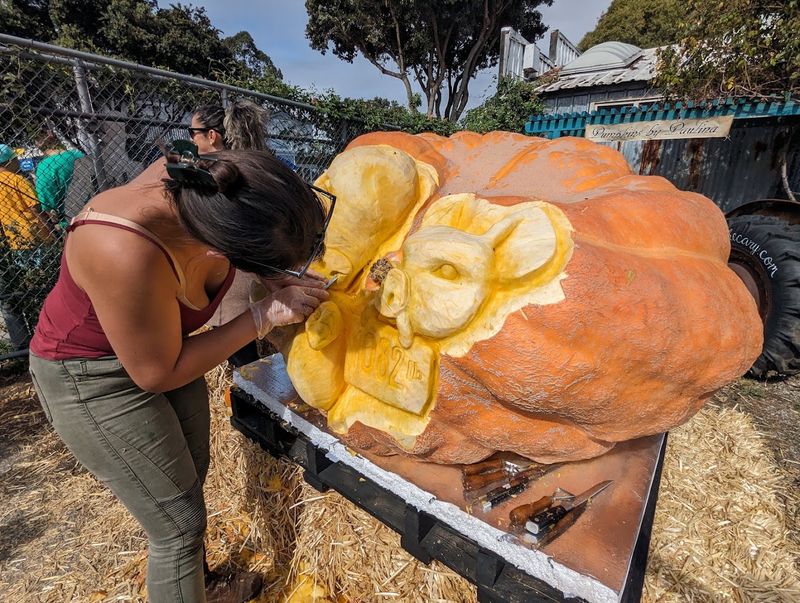
Every October, the coastal fog that blankets Half Moon Bay seems to part just long enough to reveal one of California’s most beloved harvest celebrations.
The Art and Pumpkin Festival transforms Main Street into an autumnal showcase of staggering proportions, drawing tens of thousands of visitors over two days to witness pumpkins that defy reasonable expectations.
The World Champion Pumpkin Weigh-Off is the centerpiece of the weekend, where growers haul in specimens that routinely exceed 1,000 pounds and occasionally push past 2,000.
Main Street becomes a lively corridor of artisan craft booths, live music stages, and food vendors offering pumpkin-flavored versions of nearly everything imaginable.
Pumpkin pie, pumpkin bread, pumpkin soup, and pumpkin ice cream all make appearances, and the culinary creativity on display tends to surprise even seasoned festival attendees.
A parade winds through town on one of the mornings, adding a festive, small-town warmth to the proceedings.
The surrounding coastal farmland, visible just beyond the festival footprint, provides a grounding reminder of where all those pumpkins actually come from.
6. California Avocado Festival, Carpinteria
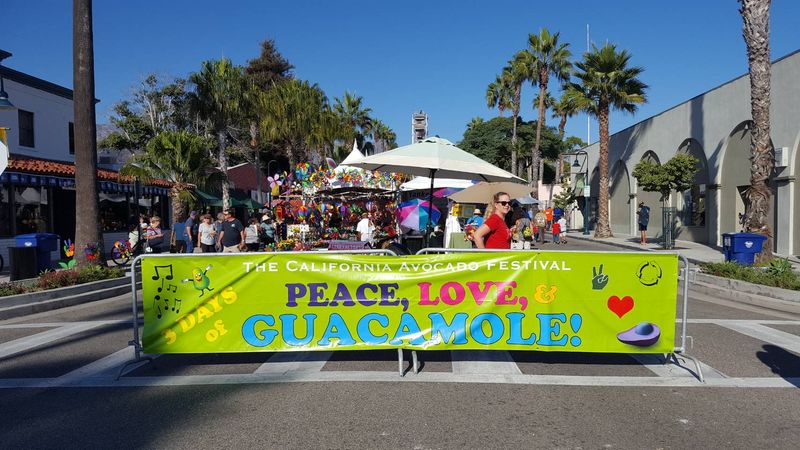
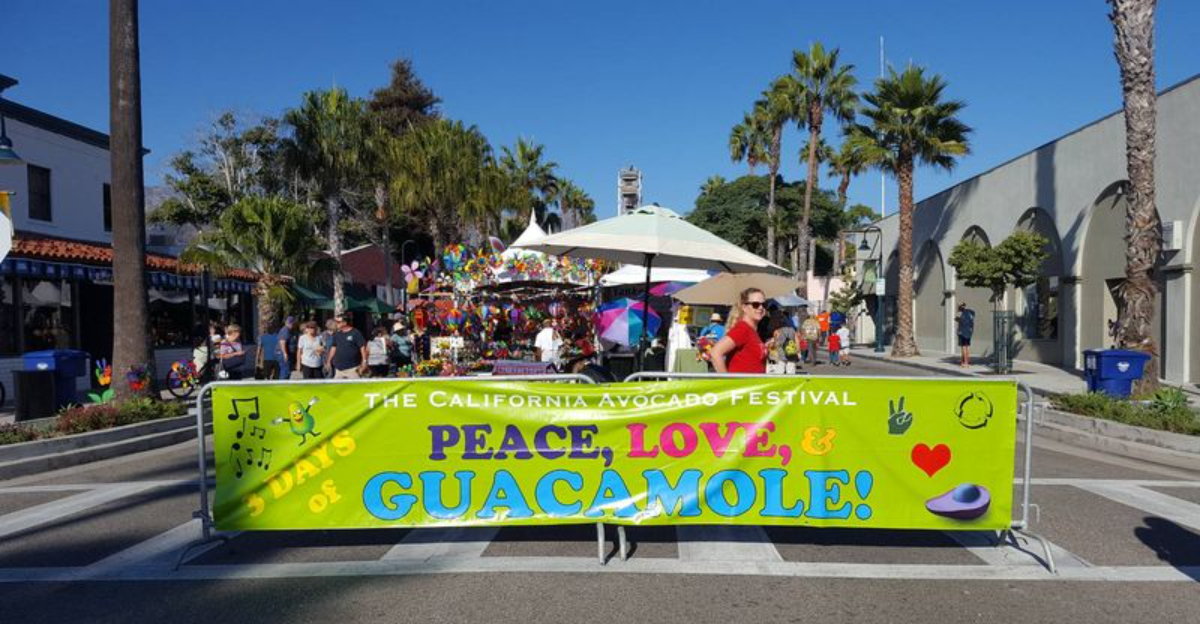
Carpinteria sits quietly between Santa Barbara and Ventura, and for most of the year it operates as one of Southern California’s more low-key coastal towns.
Then October arrives, and Linden Avenue becomes the avocado capital of the universe for an entire weekend.
The California Avocado Festival has been running since 1987, making it one of the longer-running food festivals in the state.
The festival grounds stretch along Linden Avenue, Carpinteria, CA 93013, and admission is free, which keeps the crowd diverse and the atmosphere refreshingly unpretentious.
Food booths line the street with avocado preparations that range from straightforward guacamole to avocado chocolate mousse and, perhaps most memorably, avocado ice cream.
Three live music stages run simultaneously throughout the weekend, covering a range of genres that keep the energy moving from midday through the evening hours.
An Avocado Expo area provides context about the history of avocado cultivation in the region, which turns out to be more interesting than most visitors expect.
Local growers and agricultural organizations participate alongside food vendors and craft sellers, giving the event a genuine connection to the land that surrounds it.
The relaxed beach-town pace of Carpinteria carries through the entire festival, making it one of the more enjoyable and low-pressure food celebrations on the California calendar.
7. Castroville Artichoke Festival, Monterey County
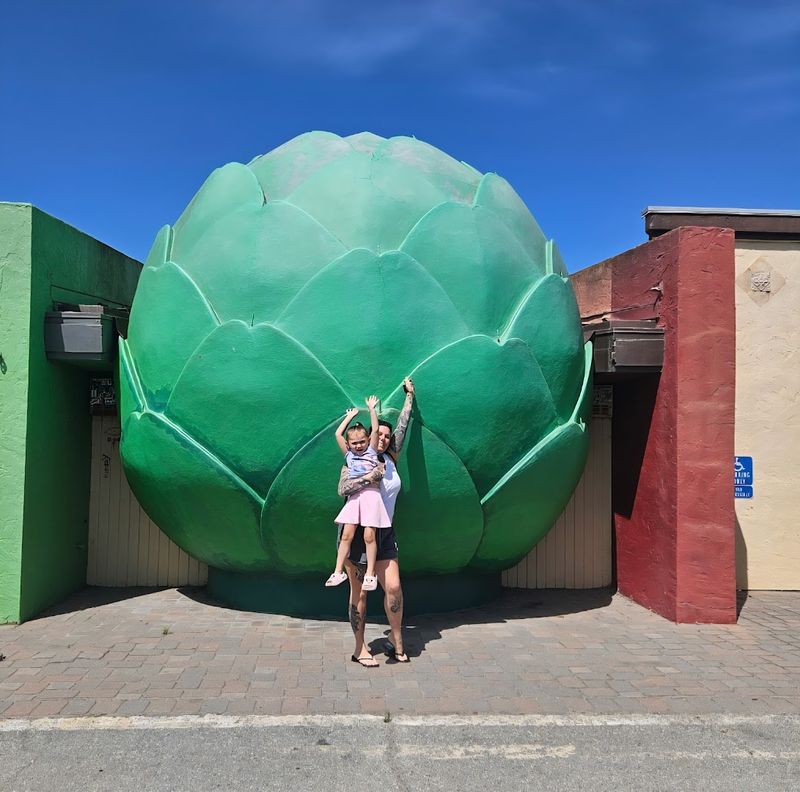
Castroville produces roughly 99 percent of the artichokes grown commercially in the United States, a fact that gives the Artichoke Festival its agricultural credibility and its genuine sense of local pride.
Held annually in early June in Monterey County, the event has a history of gathering together growers, chefs, and curious food lovers eager to discover how many ways one thorny vegetable can be prepared.
The festival has been held at the Monterey County Fair and Event Center, offering a comfortable and accessible venue for the crowds it regularly attracts.
Cooking demonstrations from local chefs are a consistent highlight, showing visitors techniques for preparing artichokes that go well beyond the standard boil-and-dip approach.
Fried artichoke hearts, artichoke pasta, artichoke bread, and even artichoke ice cream populate the food vendor lineup, with each booth seemingly competing to offer the most inventive interpretation of the ingredient.
A farmer’s market area connects the festival to its agricultural roots, featuring fresh produce from the surrounding fields.
Live entertainment runs throughout both days, and family-friendly activities keep younger attendees engaged between culinary stops.
8. Loomis Fruit Shed Fest, Loomis
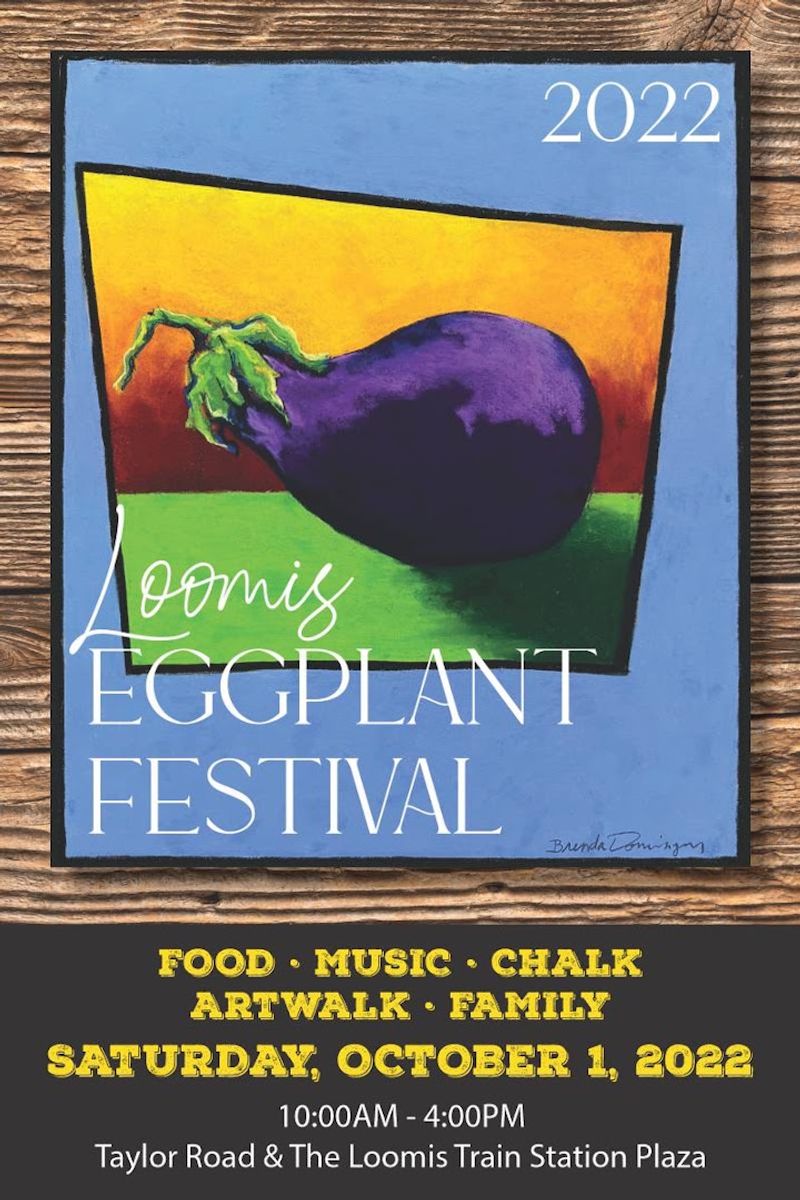
What started as a quirky, hyper-specific celebration of the eggplant has grown into something broader and arguably more interesting over the years.
The Loomis Fruit Shed Fest, formerly known as the Eggplant Festival, now honors the full range of agricultural bounty produced in the Loomis Basin, though the eggplant still holds a place of honor in the proceedings.
The festival takes place at the Historic Loomis Train Depot, a venue that adds a layer of historical charm to an already community-focused event.
The depot’s character suits the festival well, grounding the celebration in the agricultural and railroad history that shaped this part of Placer County.
Cooking competitions, live music across multiple stages, and a dedicated farm area for children keep the day moving at an enjoyable pace.
Early arrivals can take advantage of a free pancake breakfast hosted at Firehouse Station 18 which adds a genuinely neighborly touch to the morning.
Arts and crafts vendors fill the grounds with handmade goods, and the overall atmosphere feels like a classic small-town fair rather than a produced commercial event.
9. Indio International Tamale Festival, Indio
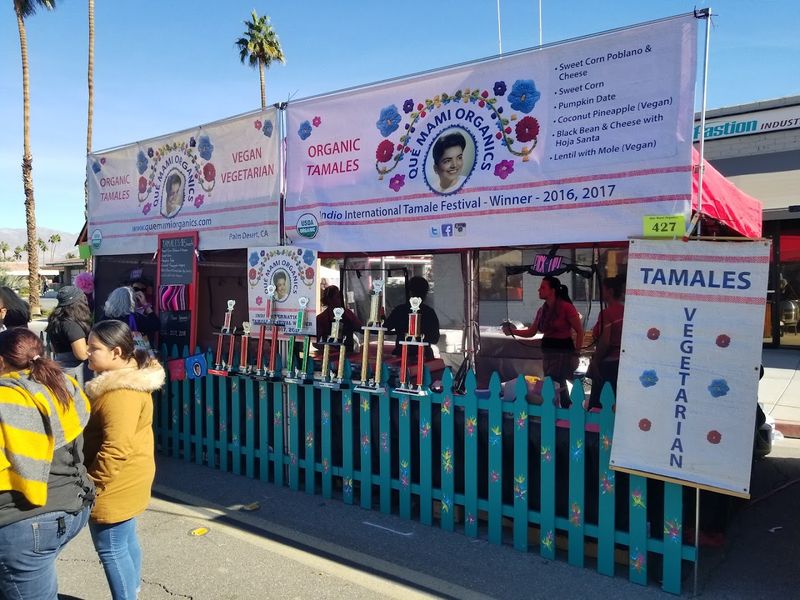
December in the Coachella Valley tends to run warmer than most people expect from a winter month, which makes the outdoor setting of the Indio International Tamale Festival feel festive rather than chilly.
Held annually in downtown Indio, this event has grown into one of the largest tamale festivals in the world, drawing hundreds of thousands of visitors over two days.
The festival grounds spread across Miles Avenue and Towne Center Drive, filling the downtown corridor with the rich, steamy aroma of masa and slow-cooked fillings.
Vendors offer an extraordinary range of tamale styles, from traditional pork and red chile to sweet tamales filled with fruit and chocolate, reflecting the diversity of traditions brought together under one event.
Multiple live music stages feature regional and nationally known acts, while folkloric dance performances add a visual dimension to the cultural celebration.
A car show, carnival rides, and a dedicated kids’ zone ensure the event appeals across age groups.
The community energy in Indio during this weekend is notably warm and welcoming, with a strong sense of shared cultural pride running through every part of the festival.
10. UC Davis Picnic Day and Doxie Derby, Davis
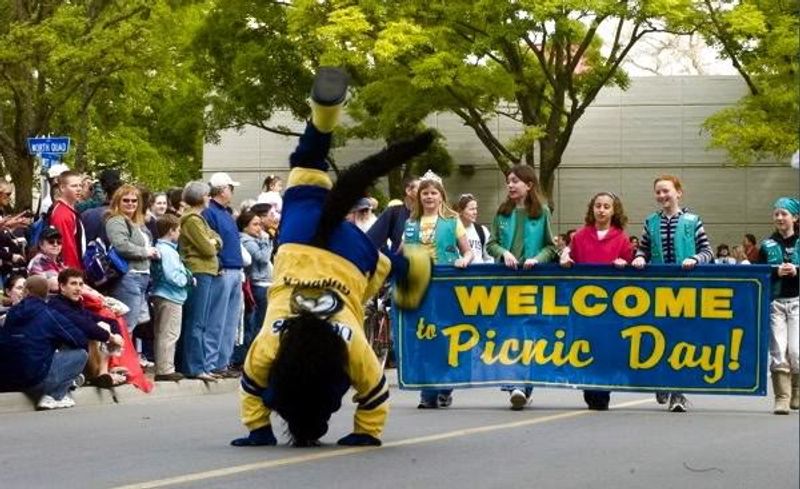
UC Davis Picnic Day has been running since 1909, making it one of the oldest university open-house events in the country.
Every April, the campus at One Shields Avenue, Davis, CA 95616, opens its gates to the public for a day of demonstrations, performances, and exhibits that showcase the breadth of research and student life.
The Doxie Derby is the undisputed crowd favorite of the entire day, drawing some of the largest gatherings on campus as short-legged dachshunds sprint down a grass track with varying degrees of commitment to the concept of racing.
Some dogs charge toward the finish line with focused determination while others stop to investigate the grass, greet spectators, or simply sit down, and the crowd responds to all outcomes with equal enthusiasm.
Beyond the derby, the day features a Battle of the Bands competition, college department exhibits, animal demonstrations from the veterinary and agricultural programs, and a parade that winds through the campus.
The scale of the event is genuinely impressive, with dozens of departments and student organizations contributing to what feels like a small city’s worth of activity concentrated in one place.
For families, students, and curious visitors who have never set foot on the campus, Picnic Day offers an accessible and genuinely engaging introduction to one of California’s most distinctive universities.