10 Off-The-Radar Illinois Spots Worth Discovering
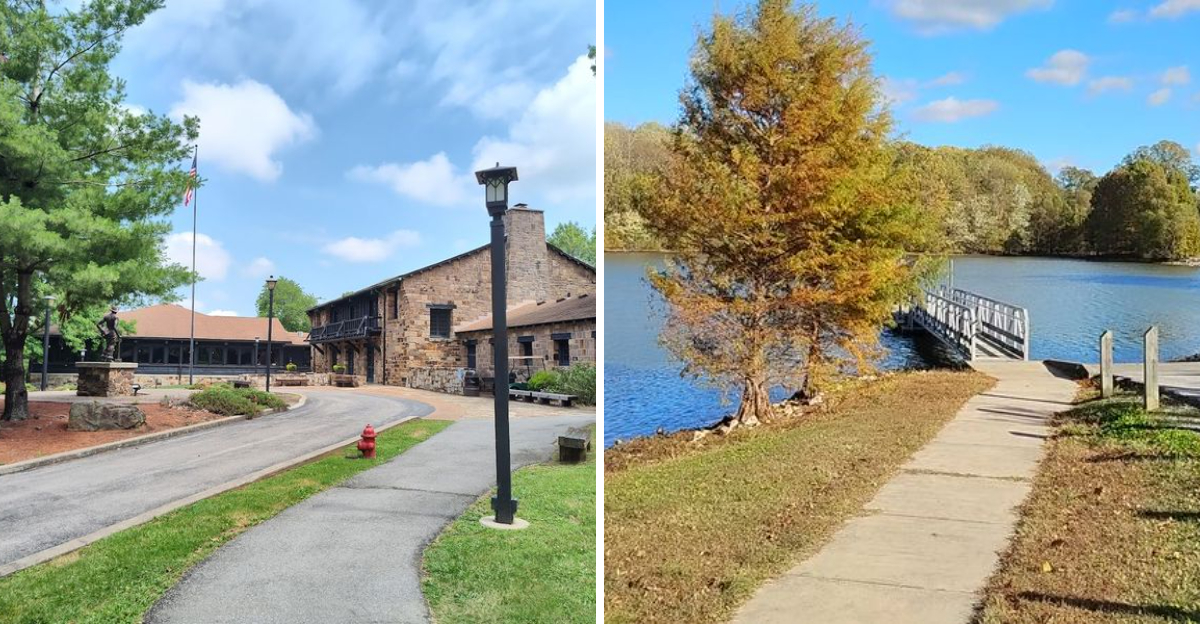
I almost cruised right past it. There are no flashy billboards, no swarm of tour buses, and definitely no overpriced magnet shop trying to guilt me into a souvenir.
Just a quiet country road and that sneaky little feeling that something special was hiding around the next bend.
That’s the magic of Illinois. While everyone flocks to the usual suspects, this state is quietly packed with delightful, off-the-radar spots that reward anyone curious enough to slow down and take the detour.
It has dramatic canyons carved by ancient rivers and charming small towns that feel like they stepped out of a storybook, these quiet treasures turn an ordinary drive into an unexpected adventure.
I’ve stumbled into more than a few myself. Trust me, once you start exploring beyond the obvious, you’ll wonder why these places aren’t on everyone’s map.
1. Little Grand Canyon
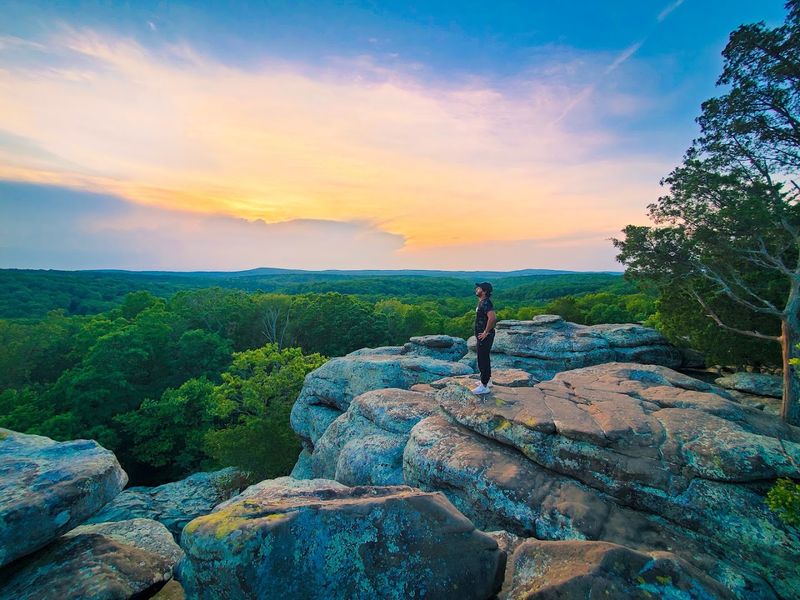
Standing at the rim of Little Grand Canyon for the first time, I genuinely forgot I was in Illinois. The canyon drops about 350 feet below the surrounding forest, which feels almost impossible for a state most people picture as flat cornfields.
The loop trail runs about three miles and takes you from the canyon rim all the way down to a sandy creek bed.
Sandstone walls tower on both sides, and the light filters through in a way that makes you stop and stare more than once.
Spring and fall are the best times to visit because the temperatures stay manageable and the colors are spectacular.
Wildlife shows up here regularly. Deer, box turtles, and plenty of birds use this canyon as a corridor through the Shawnee National Forest.
The trailhead is easy to find at Murdale Rd, Pomona, IL, and parking is free. Bring water, wear solid shoes, and give yourself at least two hours.
Rushing through this place would honestly be a shame. It is one of those rare spots where the scenery does all the talking.
2. Cave-In-Rock State Park
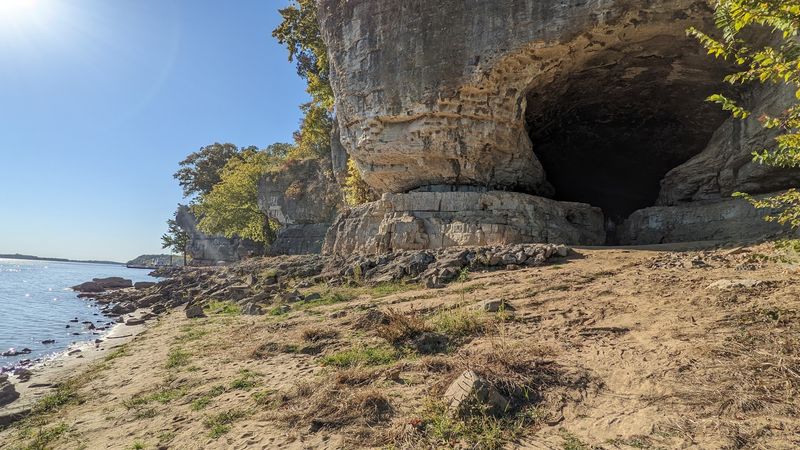
There is a cave carved into a limestone bluff along the Ohio River, and it has been stopping people in their tracks for centuries.
The opening is about 55 feet wide and 20 feet tall, which means you can walk straight in without ducking. Standing inside and looking out at the river is one of those views that genuinely earns the word breathtaking.
The cave itself has a fascinating history as a landmark used by river travelers and explorers dating back hundreds of years.
Today, Cave-In-Rock State Park at 1 New State Park Rd, Cave-In-Rock, IL surrounds the cave with picnic areas, camping spots, and short trails along the bluffs.
The park stays quiet most of the year, which makes the whole experience feel personal rather than crowded.
A free ferry crossing nearby adds a fun bonus if you want to stretch the adventure into Kentucky. The bluff views from above the cave are just as impressive as the view from inside.
Bring a camera, because every angle here produces a photo worth keeping. This park punches way above its weight for a spot that most Illinois residents have never visited.
3. Sand Ridge State Forest
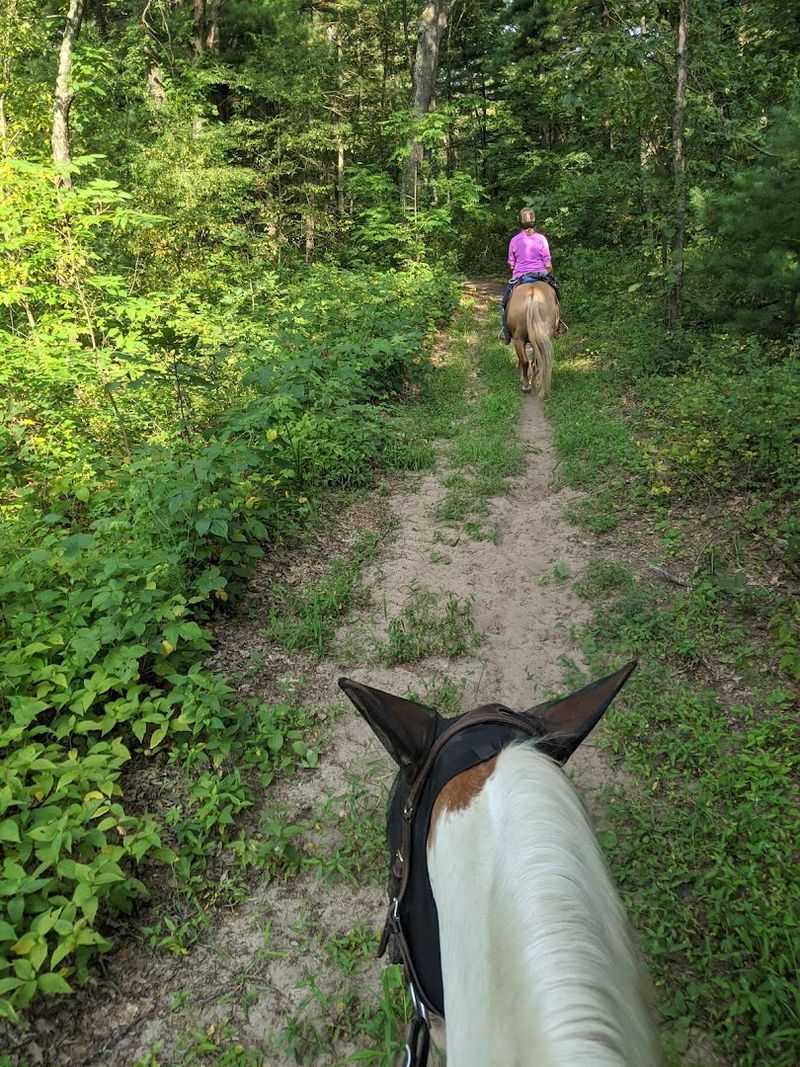
Sand Ridge State Forest feels like someone airlifted a piece of the New Jersey Pine Barrens and dropped it in the middle of central Illinois.
The sandy soil, scrubby oaks, and wide open trails create a landscape that looks nothing like what most people expect from this part of the state.
The forest covers over 7,000 acres and offers miles of trails open to hikers, mountain bikers, and horseback riders.
Because it gets far less foot traffic than the more famous state parks, you can wander the trails for hours without seeing another person. That kind of quiet is genuinely hard to find anymore.
Spring brings blooming wildflowers that pop against the pale sandy ground in a way that feels almost surreal.
Birdwatchers show up here for species like the lark sparrow and the red-headed woodpecker, both of which love this type of open sandy habitat.
The address is 25799 E. County Rd. 2300 North, Forest City, Illinois and the forest is free to enter.
Pack a lunch, load up a trail map before you lose cell service, and plan to stay longer than you originally intended. Sand Ridge has a way of slowing time down pleasantly.
4. Wildcat Canyon
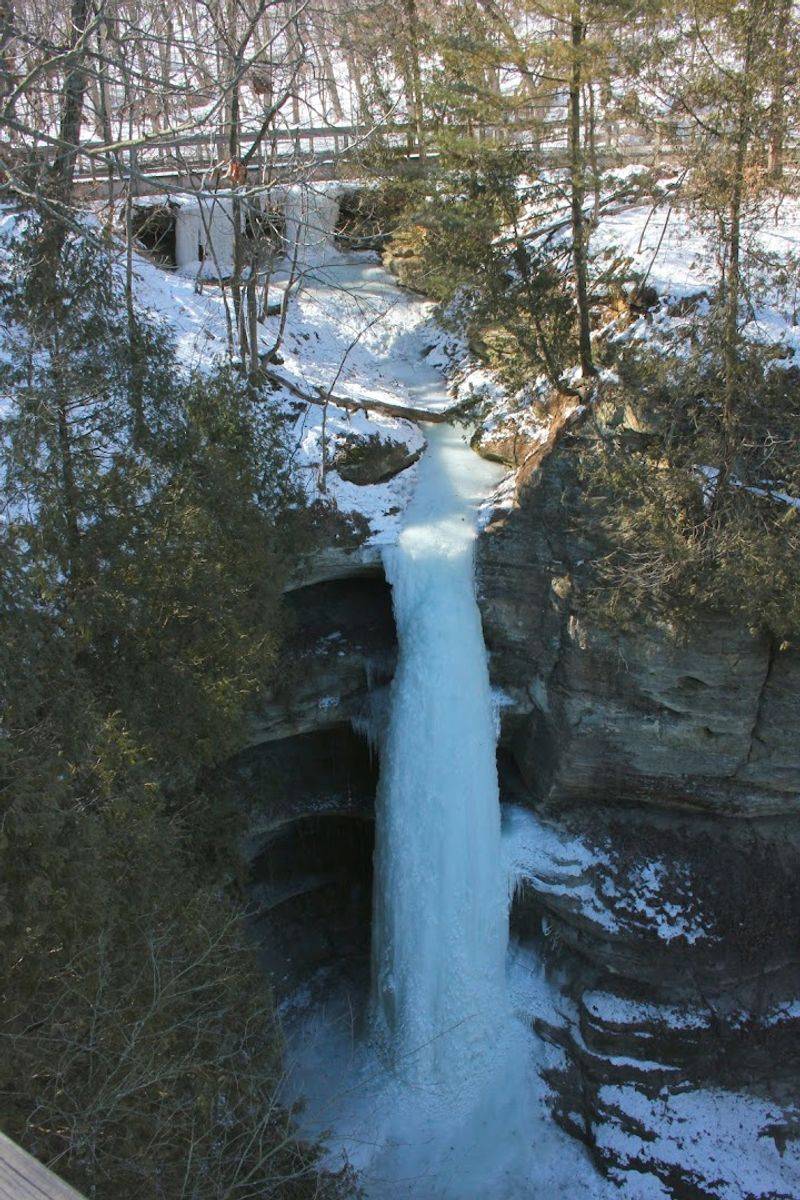
Wildcat Canyon sounds like something out of an old Western, and honestly, the landscape kind of delivers on that promise.
Located within Matthiessen State Park near Oglesby, Illinois, this canyon features dramatic sandstone formations, cascading waterfalls, and a trail system that keeps surprising you around every bend.
The canyon is divided into an upper and lower dells section, and both are worth exploring. Wooden staircases and bridges connect the levels, making the terrain accessible without losing any of its wild character.
After a good rain, the waterfalls run strong and the whole canyon feels alive with movement and sound.
Matthiessen State Park sits just south of the more famous Starved Rock, which means most visitors skip it entirely. That is genuinely their loss and your gain.
The trails at E 875th Rd, Oglesby, IL are less trafficked, better preserved, and just as beautiful. Families with kids handle the trails well because the paths are well-marked and the distances are manageable.
Photography here is almost effortless because the light, water, and rock textures do the work for you. Plan a half-day minimum and wear shoes with grip because the canyon paths get slippery when wet.
5. Illinois Beach State Park
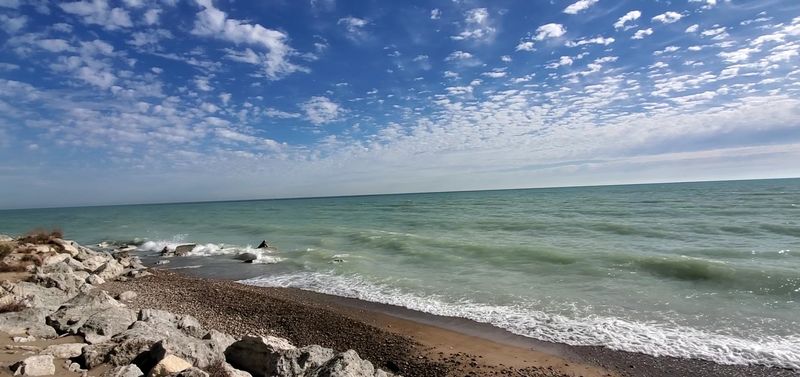
Most people forget that Illinois has a Lake Michigan shoreline, which means Illinois Beach State Park operates in a kind of glorious obscurity.
The park stretches across nearly 4,160 acres of beach, dunes, wetlands, and prairie, making it the largest state park in Illinois and one of the most diverse in terms of ecosystems.
The beach itself runs for about six miles of uninterrupted shoreline. On a clear day, you can see the Chicago skyline to the south, which creates a strange and wonderful contrast against the natural dune landscape in front of you.
Swimming is allowed in designated areas during summer, and the water is cleaner than most people expect.
Beyond the beach, the park offers excellent birdwatching during migration season.
Thousands of birds funnel through here in spring and fall, and birders from across the Midwest make the trip specifically for those windows.
The park entrance is at 1 Lake Front Dr, Zion, Illinois and the parking fee is modest. Weekday visits in late spring are ideal because the crowds are thin and the weather is usually cooperative.
The combination of open water, dunes, and wildlife makes this one of the most underrated natural spaces in the entire state.
6. Hennepin Canal Parkway State Park
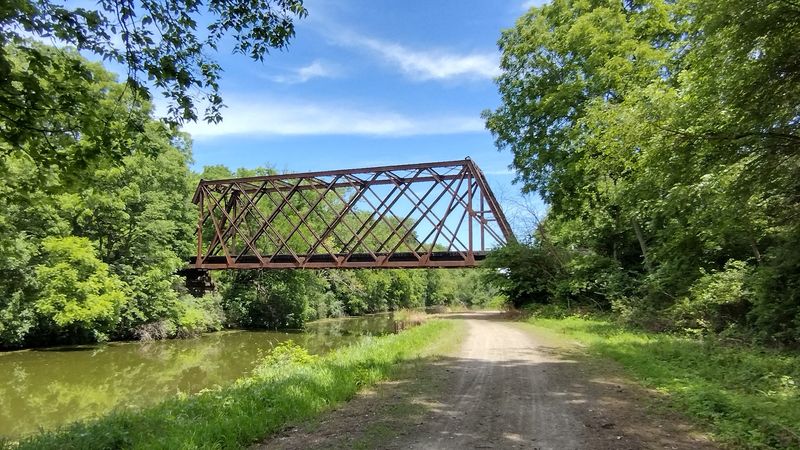
The Hennepin Canal was completed in 1907, built to connect the Illinois River to the Rock River as a commercial waterway.
It never quite became the shipping powerhouse planners imagined, but it accidentally became something far more enjoyable: a 104-mile linear park that is perfect for slow, peaceful exploration.
The towpath that once served canal mule teams is now a flat, well-maintained trail for hiking, cycling, and fishing.
The historic stone locks and aqueducts are still standing and genuinely fascinating to examine up close. Engineers built over 30 locks along the canal, each one a quiet monument to early American infrastructure ambition.
Fishing along the canal is popular because the calm water holds bass, catfish, and crappie in good numbers.
Cyclists love it because the flat grade makes for easy riding over long distances without much effort.
The main park office is at 16006 IL-26, Princeton, and the park stretches across multiple counties, so you can pick up and explore different sections on different days.
Early morning visits reward you with mist sitting over the water and birdsong filling the trees on both sides of the path. It feels unhurried in the best possible way.
7. Giant City State Park
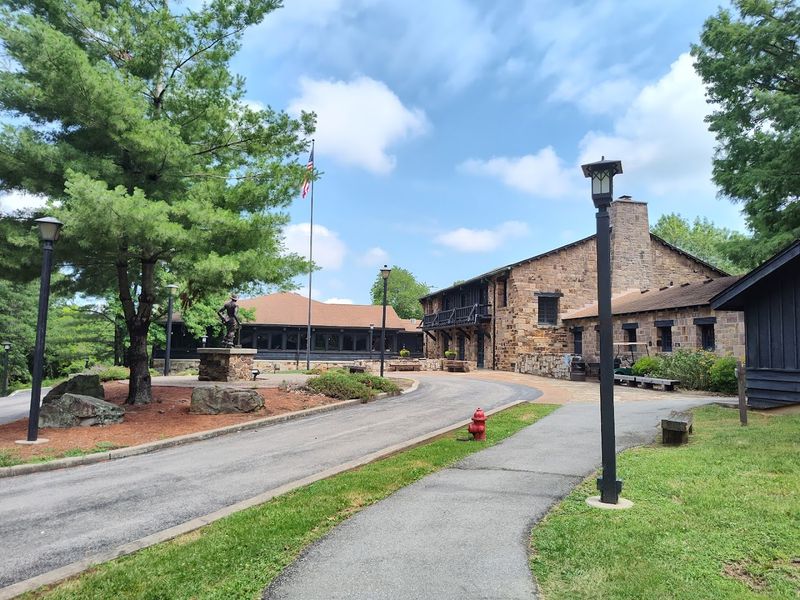
The name is not exaggerating. Giant City State Park earns its title through enormous sandstone bluffs and rock formations that create natural corridors resembling city streets.
Walking between those walls of stone for the first time triggers genuine disbelief that this exists in Illinois.
The park sits in the heart of the Shawnee National Forest at 235 Giant City Rd, Makanda. Trails range from short, easy walks to longer routes that take you to scenic overlooks above the surrounding forest canopy.
The Giant City Nature Trail is only about one mile long but packs in more visual drama per step than most trails three times its length.
The park also has a historic stone lodge built by the Civilian Conservation Corps in the 1930s, which serves food and offers lodge rooms and cabins for overnight stays.
Waking up inside the park in the morning, before the day visitors arrive, is a completely different and quieter experience. Deer graze near the cabins at dawn without much concern for human observers.
Horseback riding trails add another dimension if you want to cover more ground. Giant City rewards multiple visits because each season changes the light, the foliage, and the entire mood of the place.
8. Volo Bog State Natural Area
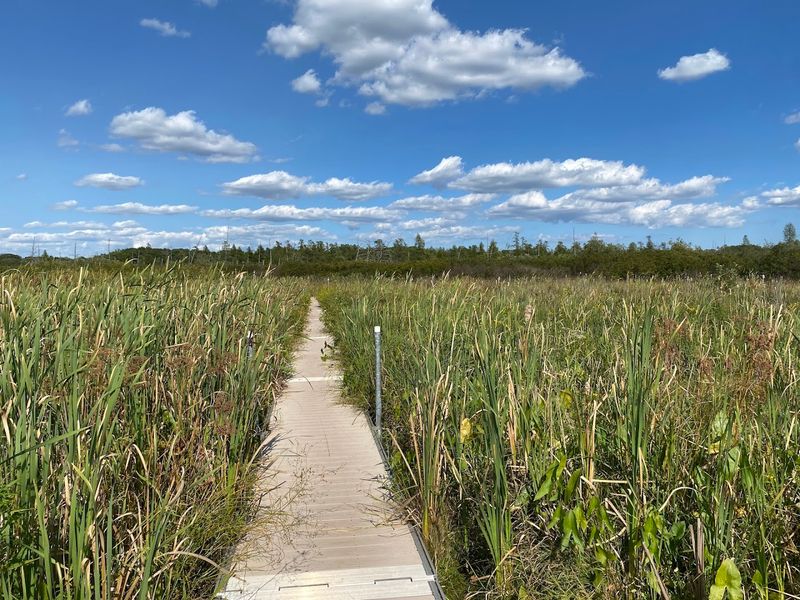
Volo Bog is one of the strangest and most fascinating natural places in Illinois, and it rarely gets the recognition it deserves.
It is the only quaking bog in Illinois that is open to the public, which means the ground literally trembles beneath your feet as you walk across the floating mat of sphagnum moss. That sensation alone is worth the trip.
The bog formed after the last glacier retreated about 12,000 years ago, leaving a kettle lake that slowly filled in from the edges.
Today it exists as a series of concentric rings, from open water in the center to moss mat, then shrubs, then tamarack trees, then upland forest on the outer edge.
Each ring is a distinct ecosystem, and the boardwalk trail takes you through all of them in about a mile.
Carnivorous plants grow here, including sundews that trap insects in sticky droplets. That alone makes this place feel more like a science fiction set than a northern Illinois nature preserve.
The address is 28478 W Brandenburg Rd, Ingleside, Illinois. Free guided tours run on weekends and are genuinely excellent if you want the full ecological story behind what you are seeing.
Bring bug spray in summer. The bog takes its insect population seriously.
9. Dixon Springs State Park
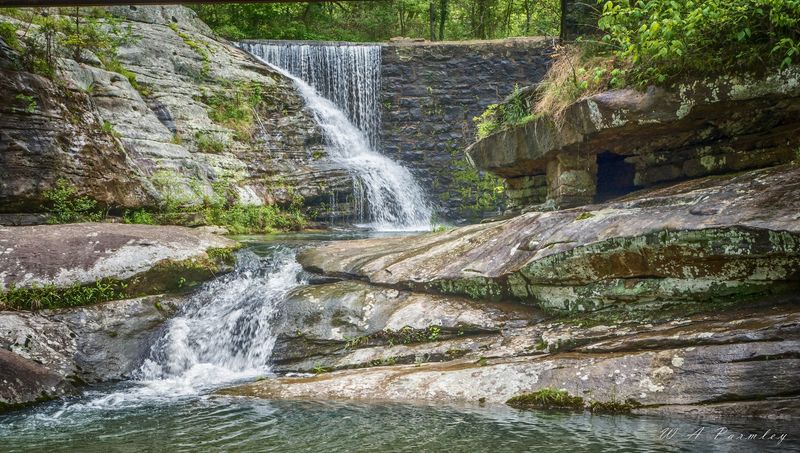
Dixon Springs State Park packs an impressive amount of scenery into a relatively small footprint.
The park features dramatic sandstone formations, natural springs, swimming areas, and forest trails all within a compact space that most visitors can explore thoroughly in a single afternoon.
The springs here have been drawing visitors since the 1800s, when the area operated as a resort destination.
Mineral springs were considered therapeutic back then, and people traveled significant distances to soak in them.
The resort is long gone, but the natural beauty that attracted those early visitors remains fully intact and arguably better without the crowds.
A swimming pool fed by the natural springs operates during summer months and is wildly popular with local families.
Surrounding the pool area, trails wind through rock formations and along creek beds shaded by old-growth trees. The park is located at 979 IL-146, Golconda, deep in the southern tip of the state near the Ohio River.
That geography means it pairs well with a road trip through the Shawnee region. The light in the late afternoon hits the sandstone formations at an angle that turns everything gold and amber.
Photographers who stumble onto this place tend to stay well past their planned departure time.
10. Beall Woods State Park
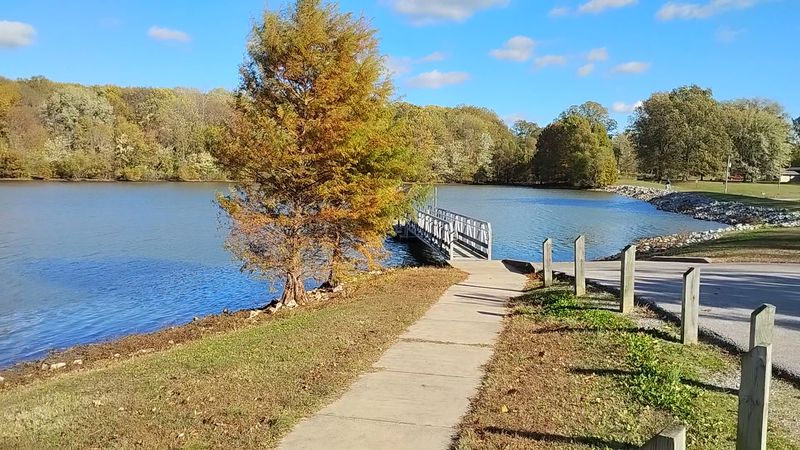
This place feels like a cathedral that took five hundred years to build. The trees here are genuinely ancient, some of the largest and oldest hardwoods remaining in the entire Midwest.
A champion cottonwood in the park measures over 20 feet in circumference, which you have to see to believe.
Beall Woods State Park protects one of the finest remnants of old-growth forest in Illinois, a landscape that once covered much of the eastern part of the state before settlement and logging transformed it.
Trails wind quietly through groves of massive oaks, ashes, and cottonwoods along the Wabash River floodplain. The forest floor stays cool and shaded even on hot summer days.
Birding here is exceptional because the old-growth canopy supports species that need large, mature trees to nest and feed.
Pileated woodpeckers are a regular sighting, and their loud calls echo through the forest like something prehistoric. The park address is 9285 Beall Woods Ave, Mount Carmel.
Spring wildflowers carpet the forest floor before the canopy closes in, creating a brief but spectacular window of color each April.
Visiting Beall Woods feels less like a day trip and more like a quiet conversation with something much older and wiser than anything built by human hands.