One Of Connecticut’s Most Extraordinary State Parks Still Remains A Hidden Gem
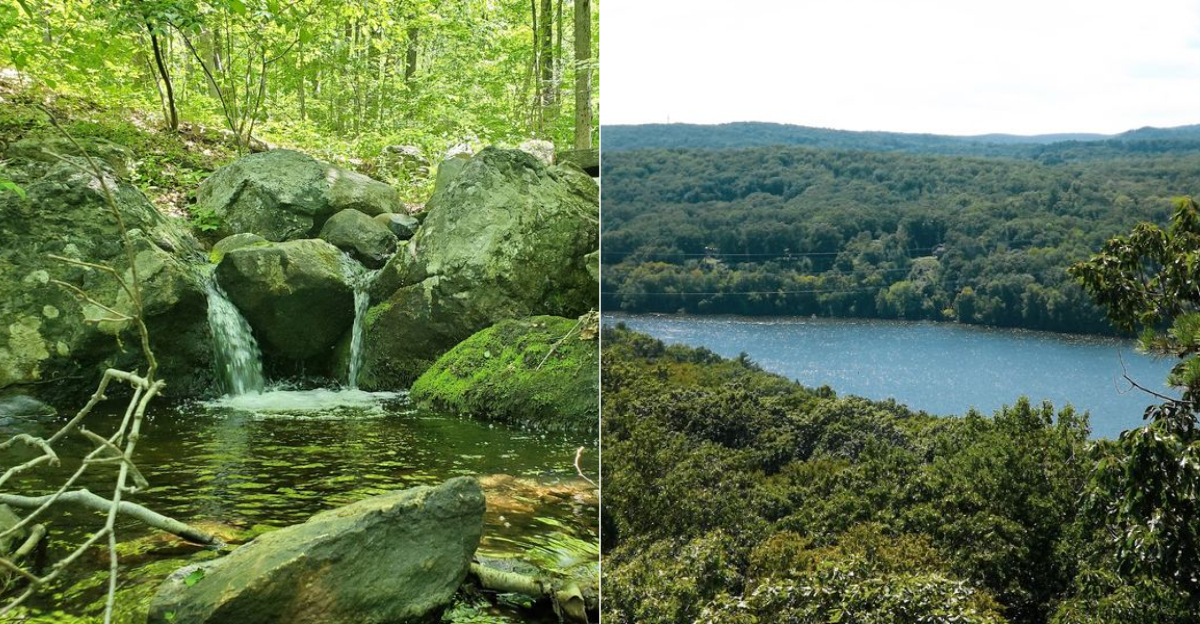
State parks that feel genuinely undiscovered are harder to find than they used to be and this one has somehow managed to stay that way despite being completely extraordinary. The trails here wind through scenery so beautiful that the relative quiet feels almost surreal given how good it actually is.
River views, dramatic landscapes and an atmosphere so genuinely wild that spending an afternoon here feels like a proper escape rather than just a walk in a park.
Most people driving past have absolutely no idea what is waiting just off the road and that oversight is honestly one of the more surprising ones in the state.
Extraordinary and still largely undiscovered this Connecticut state park remains one of the most genuinely special outdoor spaces around and the people who have found it are fiercely protective of that status.
Getting out here before word spreads any further feels like exactly the right move right now.
1. The River Views Feel Peacefully Untouched
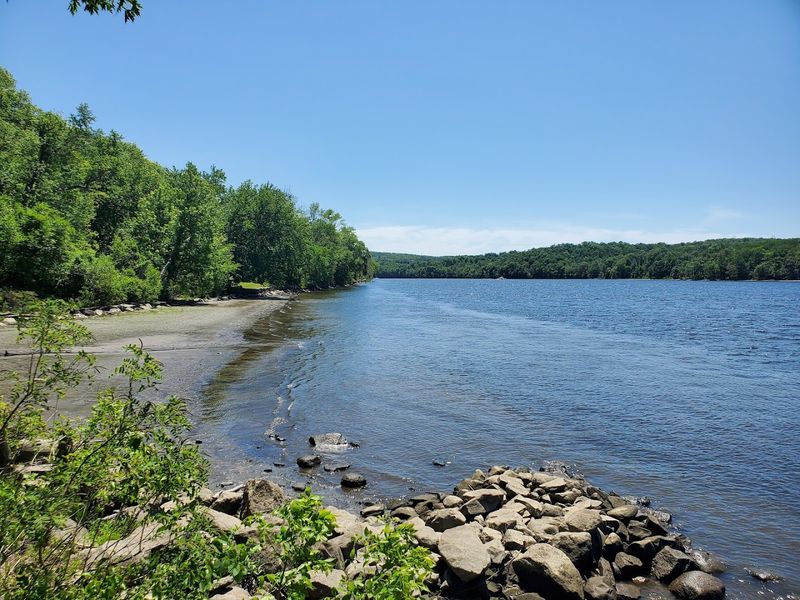
The river views at Hurd State Park have a way of sneaking up on you. One minute you are following a wooded trail, and the next the Connecticut River opens wide below, calm, bright, and framed by trees on the far bank.
It feels peaceful without trying too hard, which is exactly what makes this East Hampton park so appealing.
One of the coolest features is the long stone jetty that reaches out into the river. Built from large quarried blocks, it gives visitors a chance to walk right above the water and take in the view from a different angle.
It is simple, scenic, and surprisingly memorable.
The Red Trail, often called the River Trail, is a great choice when you want those close-up river moments. Spring is especially nice before the leaves fill in, since the sightlines are longer and the water feels more present through the trees.
For a little more effort, the ridgeline routes around White Mountain add higher views across the valley and river.
Fall brings the biggest color payoff, with warm foliage reflecting off the water and turning an ordinary hike into something special. Hurd State Park does not need a big crowd or dramatic setup to impress.
The views do the work all on their own.
2. The Trails Stay Quieter Than You Expect
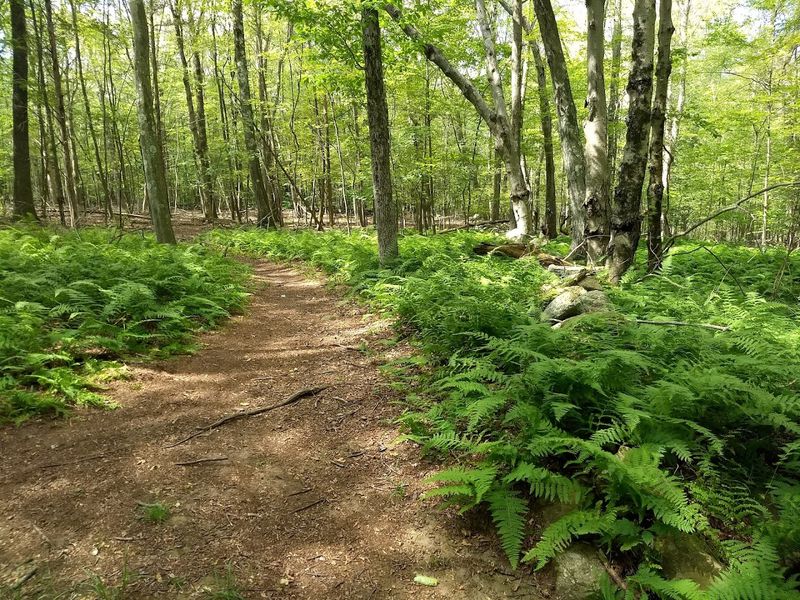
More than 13 miles of multi-use trails wind through Hurd State Park, covering terrain that shifts between shaded woodland paths, open granite ledges, and gentle riverfront stretches. The variety keeps each walk feeling different from the last, even for those who return regularly.
Trail surfaces range from smooth doubletrack to narrower singletrack routes that require a bit more attention underfoot.
Activities supported on these trails include hiking, mountain biking, bird watching, and cross-country skiing during winter months when conditions allow. An easy 4.2-mile loop gives casual visitors a satisfying introduction to the park without demanding too much energy.
The more ambitious Bear Hill loop stretches to 8.8 miles and adds meaningful elevation changes that make the effort feel worthwhile.
Visitor numbers here tend to stay noticeably lower than at more prominent state parks, which means finding a quiet stretch of trail on most days is genuinely possible. Fall weekends during peak foliage can bring slightly more foot traffic, but even then the park rarely feels congested.
Waterproof footwear is a practical choice after rain since certain sections hold moisture and can become muddy. The trails are well-marked overall, reducing the chance of unnecessary detours for first-time visitors.
3. Split Rock Makes The Hike Memorable
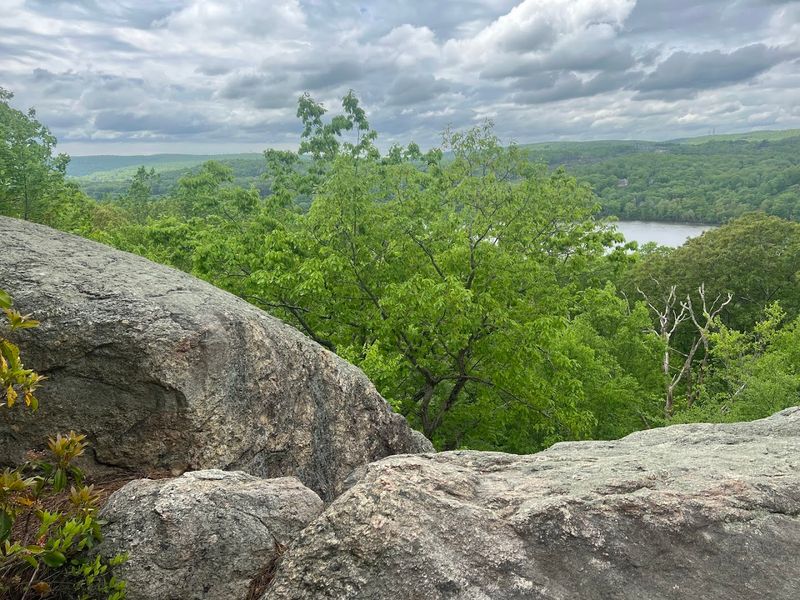
Not every hike comes with a landmark worth stopping to appreciate, but Split Rock earns its reputation as the most talked-about feature in the park.
The formation is a massive granite boulder that has been naturally divided through geological time, sitting in a small clearing near an overlook along the orange trail.
Up close, the scale of it is genuinely surprising for anyone who was not expecting something so dramatic hidden within a forest.
The granite ledges surrounding Split Rock historically contained veins of feldspar, a mineral that was actively mined in this area during earlier centuries. Those remnants of past mining activity add an unexpected layer of history to what might otherwise feel like a purely natural setting.
Knowing that people once worked these rocks for commercial purposes gives the landscape a different kind of weight.
The George D. Seymour Park Loop to Split Rock covers approximately 4.4 miles at an easy pace and works well for families or those newer to trail hiking.
The Split Rock Trail on its own measures around 2,244 feet and is considered moderate, making it accessible to a wide range of fitness levels. Both hikers and mountain bikers use these routes regularly, so staying alert on the trail helps everyone share the space comfortably.
4. The Forest Feels Bigger Than It Looks
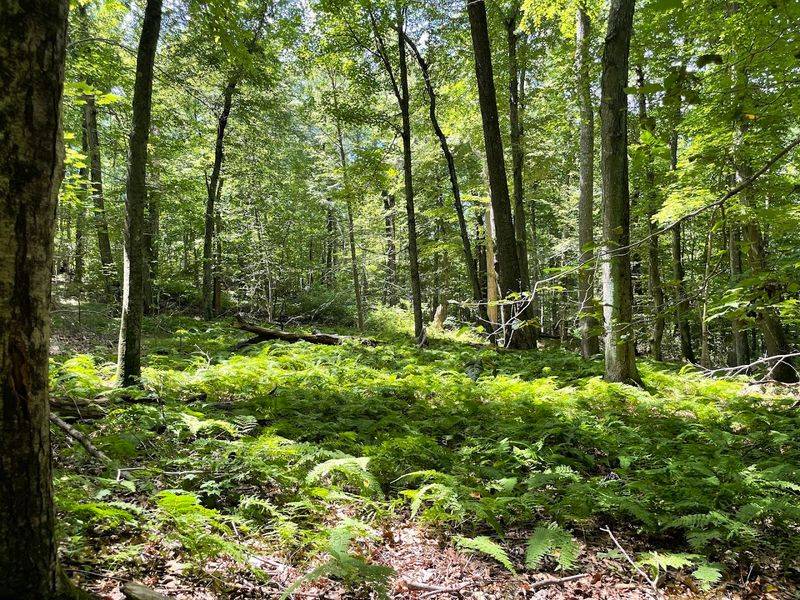
Nearly 1,000 acres of land make up Hurd State Park, and the interior of that space genuinely surprises visitors who expect a modest woodland loop.
Rolling hills give way to rocky ledges, open meadows appear unexpectedly between tree stands, and the forest canopy shifts in character as elevation changes.
Black birches, beeches, and tulip trees all contribute to a mixed woodland that feels layered and alive rather than uniform.
The park shares a boundary with George Dudley Seymour State Park, which effectively extends the continuous natural area beyond what the map of Hurd alone suggests.
Moving between the two spaces without realizing it is easy to do, and the combined acreage creates a sense of genuine wilderness that is rare this close to populated areas.
Granite ridges throughout the park still bear the visible marks of former feldspar mining operations, offering an unexpected glimpse into the region’s industrial past.
Riverfront flats near the Connecticut River contrast sharply with the higher upland ridges, giving the landscape a range of moods depending on where a visitor happens to be standing. The forest absorbs sound well, meaning even moderate distances from the trailhead can feel remarkably still.
That quality of quiet is one of the more underappreciated aspects of spending time here.
5. Picnic Spots Come With Natural Calm
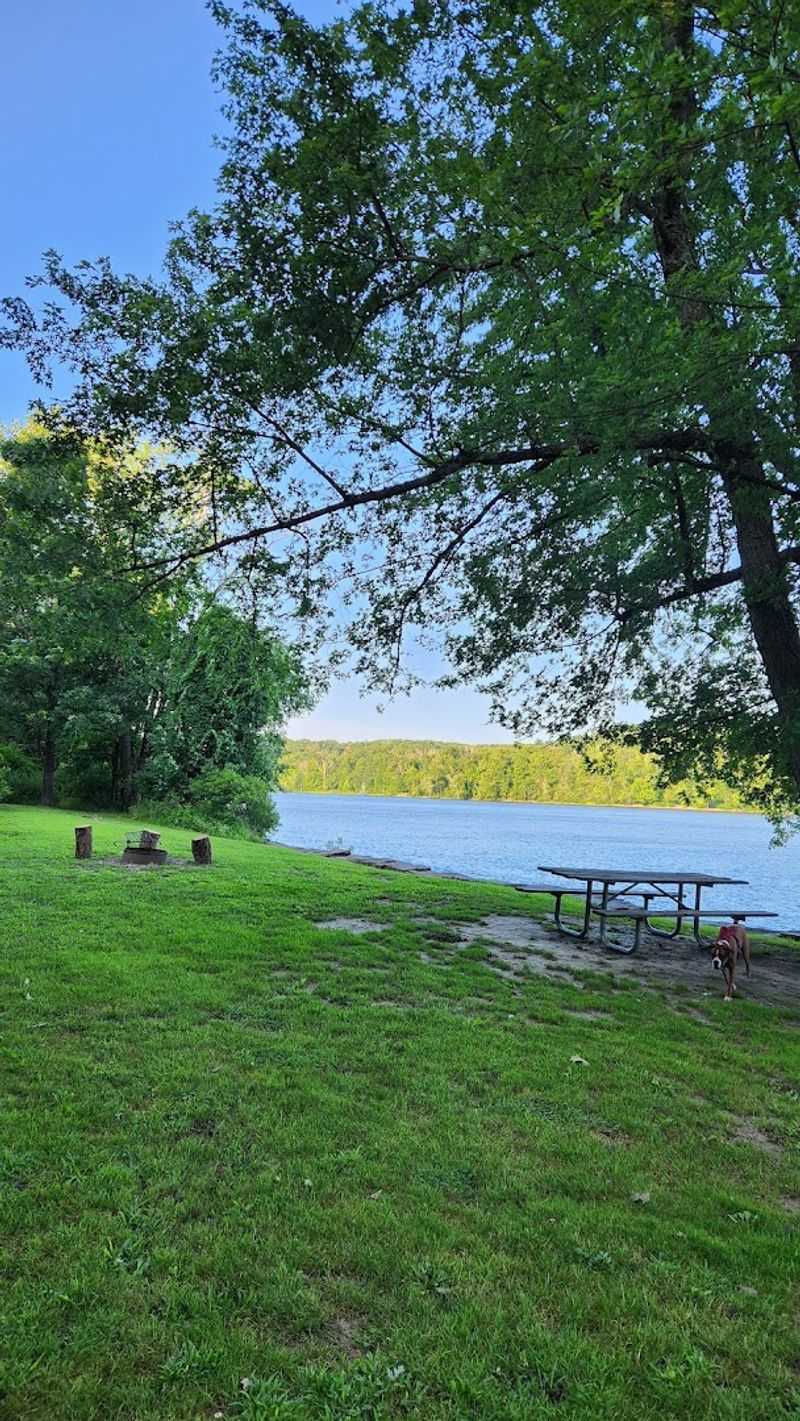
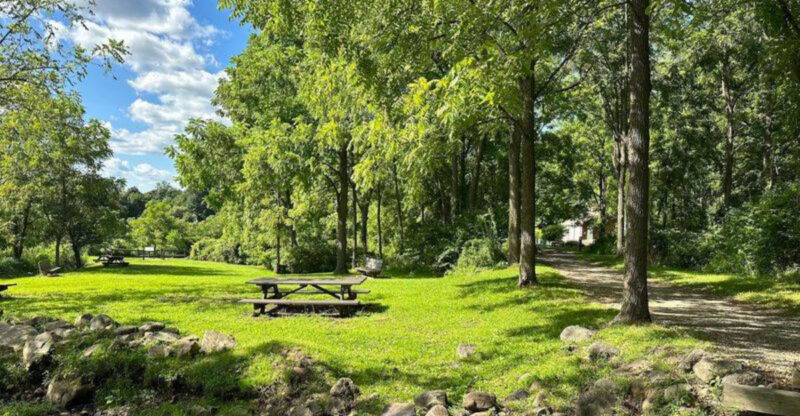
A picnic at Hurd State Park feels like the kind of simple plan that turns into the best part of the day. Pack a cooler, grab a shady table, and suddenly the Connecticut River is part of the meal.
The park has picnic areas close enough to the water to feel scenic, while still set among the trees enough to stay comfortable and relaxed.
This is not the kind of place that needs a packed schedule. Some visitors come for a full cookout, since pedestal grills are available in picnic areas.
Others keep it easy with sandwiches, snacks, and a slow afternoon near the river. Either way, the setting does most of the work.
The open areas around the park give you room to stretch out before or after eating, and the trails make it easy to turn lunch into a longer visit. A short walk can lead to river views, wooded paths, and those quiet little moments that make a state park feel special.
Weekdays are especially lovely if you want a calmer atmosphere and first pick of the better picnic spots. For a low-pressure outdoor meal with fresh air, shade, and river scenery, Hurd State Park is an easy yes.
6. It Is Perfect For A Slow Outdoor Day
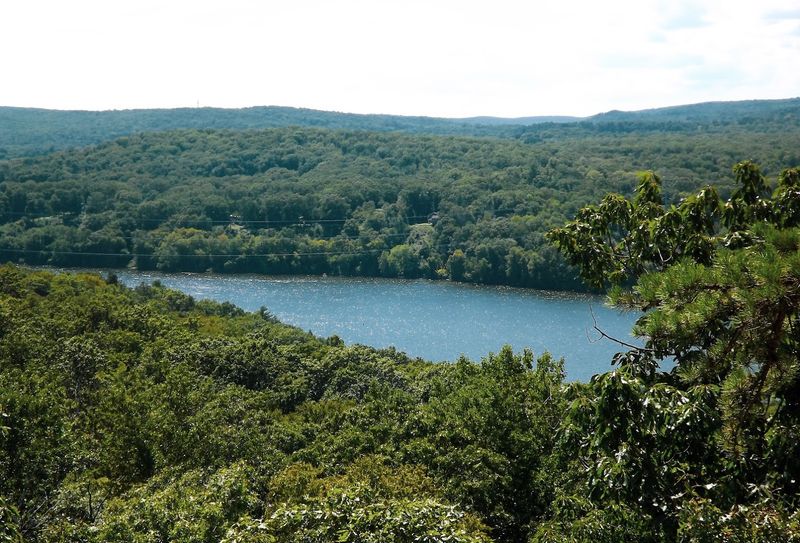
Some parks demand ambition and planning, but Hurd State Park works just as well for those who simply want to spend a few unhurried hours outside without a rigid agenda.
The trail network accommodates everything from short easy strolls near the river to longer moderate loops through the upland forest, making it adaptable to whatever energy level a visitor brings.
Nothing about the park pushes anyone to move faster than feels natural.
Wildlife observation is a genuine possibility throughout the year, with the forested terrain and riverfront habitat supporting a range of bird species and woodland animals.
The park is open year-round, and even winter visits carry their own appeal when snow quiets the trails and cross-country skiing becomes a viable option on certain routes.
After significant snowfall, the main gate may close but designated winter parking remains available for those still wanting to explore on foot or skis.
Leashed dogs are permitted on the trails and in picnic areas, which adds to the park’s appeal for those who prefer to bring a four-legged companion along. Checking current trail conditions before a visit is always a practical step, particularly after heavy rain or during the spring thaw season.
The overall pace of a day here tends to feel restorative rather than exhausting, which keeps people coming back.
7. The Riverfront Setting Does The Showing Off
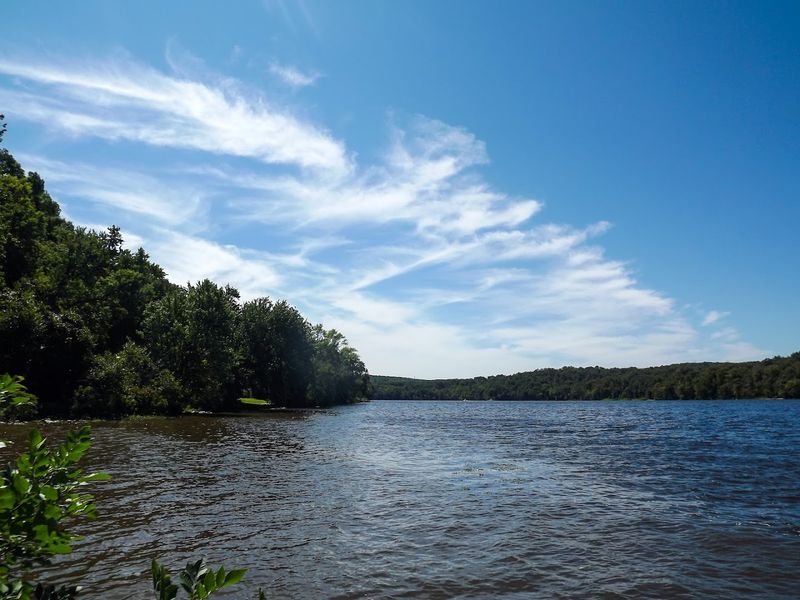
Positioned directly on the east bank of the Connecticut River, the park owes much of its character to that proximity to the water.
Canoeists and kayakers have long regarded this stretch of the river as a worthwhile destination, and the park accommodates them with primitive boat-in camping sites accessible only by watercraft.
That detail alone sets Hurd apart from the majority of state parks, which offer no equivalent experience.
River campsites are available seasonally from May 1 through September 30 and require advance reservations, with stays typically limited to a single night. Pit toilets are provided at the primitive sites, and pedestal grills in the picnic areas serve cooking needs.
Ground fires are not permitted at the riverside camping locations, which is worth knowing before packing gear for an overnight trip.
Vehicle access and overnight parking are not available for river campers, reinforcing the watercraft-only nature of those sites. Campers must clear their sites by 9 a.m. each day, keeping the rhythm of the riverbank moving.
Fishing along the river adds another layer of activity for those who want to spend extended time near the water. The overall riverfront setting gives the park a distinctly adventurous edge that its quiet forest trails alone would not fully convey.
8. A Hidden Escape Without The Big Crowds
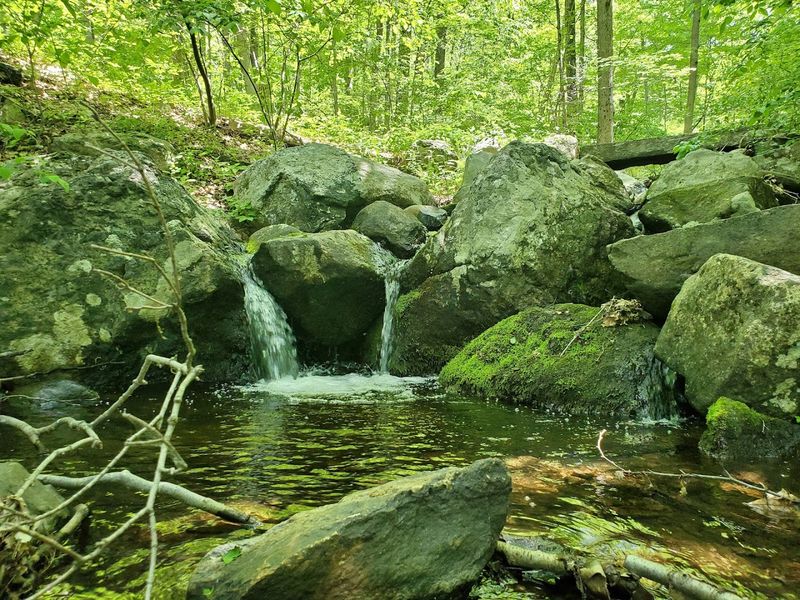
Among state parks, Hurd consistently flies under the radar in a way that genuinely benefits the people who do find it.
Nearby destinations like Gillette Castle State Park and Devil’s Hopyard State Park draw far larger crowds, leaving this park to those who seek it out specifically or stumble upon it by happy accident.
The result is a natural space that rarely feels overrun, even on weekends during popular hiking seasons.
The park’s main entrance is located at 74 Hurd Park Rd, East Hampton, CT 06424, and the access road has been repaved in recent years, making the approach noticeably smoother than older visits may have suggested.
Two separate parking areas serve the trail network, giving visitors some flexibility depending on which part of the park they plan to explore first.
Trail maps are available and the blazed route system is clear enough for first-time visitors to navigate with reasonable confidence.
River camping here is designed by its very nature to be a remote and quiet experience, drawing only those willing to arrive by paddle rather than by car. That self-selecting quality keeps the atmosphere calm even during peak summer months.
For anyone who values solitude alongside genuine natural beauty, this park consistently delivers without requiring any trade-offs.