This 2-Mile Connecticut Trail Is Our August Pick For An Easy Scenic Hike
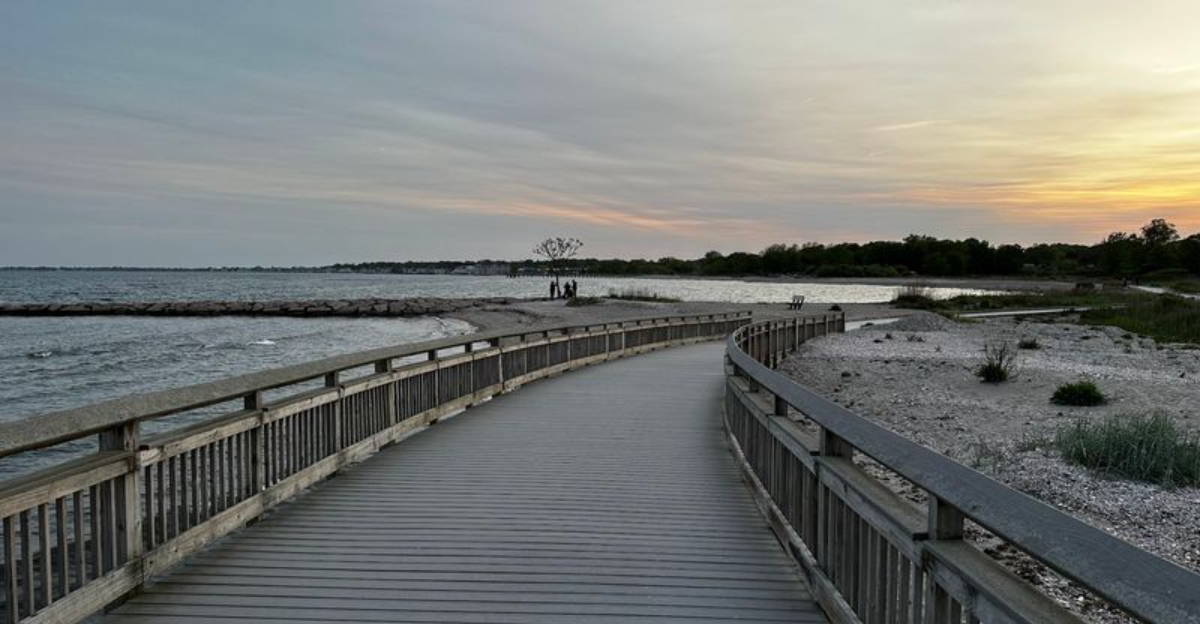
Connecticut gives August hikers an easy two-mile trail where the scenery feels rewarding without turning the outing into a workout.
That is a pretty good deal when the heat is already doing enough work for everyone.
The route keeps things manageable, which means you can focus more on the views than on checking how much farther you have left. Shade helps too. So does the steady pace.
Nothing about this hike feels like a test of endurance. It is made for a relaxed morning or a breezy late-afternoon wander when you want fresh air without committing half the day.
The scenery adds just enough variety to keep the walk interesting. You get that satisfying feeling of being properly outdoors, minus the part where your legs start filing complaints.
For August, that balance feels especially welcome.
Easy does not have to mean boring, and this trail proves it rather nicely.
1. Beach Views Set The Tone From The Start
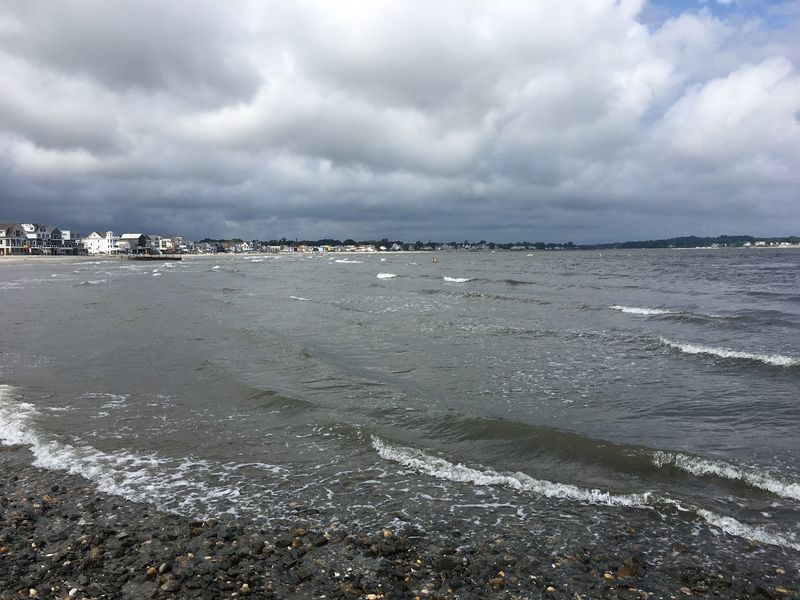
Open water takes over the view quickly once you reach the boardwalk at Silver Sands State Park. Long Island Sound stretches beyond the shoreline, while the broad sky and steady movement of the water create an easy coastal rhythm that suits a slow walk.
The park includes beach access and boardwalk sections that connect with neighboring Walnut Beach.
Much of the route keeps the shoreline close, giving walkers long stretches of unobstructed scenery. Charles Island sits offshore and becomes one of the most recognizable features in the distance.
On especially clear days, the horizon seems to extend much farther than expected.
Late afternoon can be particularly rewarding. Lower sunlight reflects across the Sound, changing the appearance of the water as the day begins to soften.
Benches and stopping points make it easy to linger rather than treating the boardwalk as something to finish quickly.
The park is open daily from 8 a.m. until sunset, so visitors can choose anything from an early walk to a later coastal outing. Silver Sands State Park is at 1 Silver Sands Parkway in Milford.
With the water almost constantly in view, the route feels designed for wandering at an easy pace.
2. Milford’s Shoreline Keeps The Walk Interesting
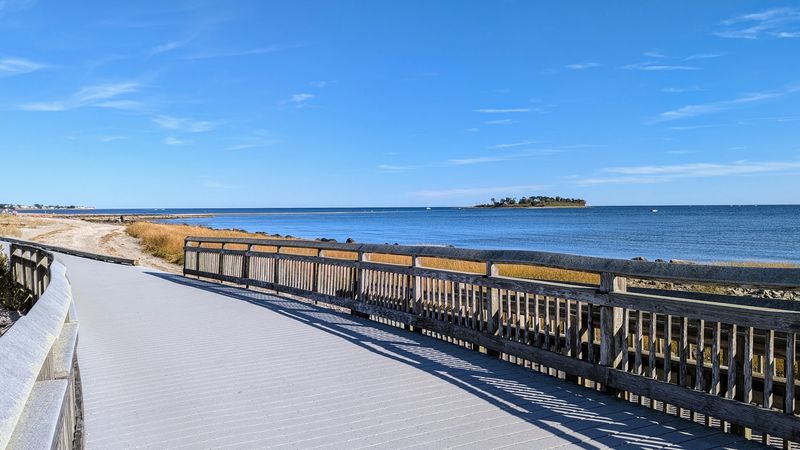
The shoreline at Silver Sands State Park is not the kind that looks the same from one end to the other. The landscape shifts gradually as you move along the boardwalk, mixing sandy beach sections with rocky edges, marsh grasses, and open water views.
That variety keeps the walk from feeling repetitive, even on a two-mile stretch.
Milford’s coastline has a distinctive character that feels more natural and less developed than many state beaches. The park has been preserved in a way that allows the shoreline to remain relatively unaltered, which means the textures and colors along the trail change with the tides and the season.
In August, the vegetation along the edges of the boardwalk tends to be full and green, adding depth to the scenery.
The path itself is well-maintained and easy to follow, with the boardwalk surface smooth enough for comfortable walking. Cyclists also use portions of the trail, so staying aware of your surroundings is helpful.
The combination of natural shoreline variation and a well-kept path makes the walk feel more engaging than a simple out-and-back beach stroll would typically offer.
3. The Boardwalk Passes Dunes And Marshland
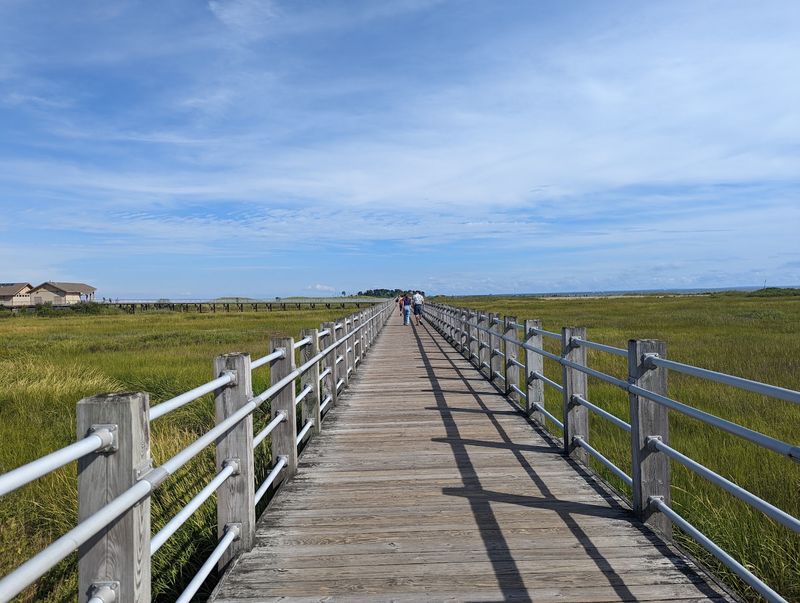
One of the more distinctive features of the Silver Sands boardwalk is the way it bridges two different ecosystems. On one side, sandy dunes slope toward the water.
On the other, marsh grasses grow thick and tall, creating a habitat that feels completely separate from the beach just a few feet away.
The dunes along this section of the trail are modest in height but add a sense of depth to the landscape. The marsh areas carry their own quiet energy, with the sound of rustling grass and occasional splashing from birds or small animals moving through the reeds.
The contrast between the two environments gives the walk a layered quality that feels more interesting than a standard beach path.
Marsh ecosystems along the state coast play an important role in filtering water and providing shelter for wildlife, so walking alongside one offers a small but meaningful glimpse into how the shoreline actually functions.
The boardwalk keeps walkers elevated above the marsh floor, which protects the habitat while also giving a slightly elevated vantage point.
That small height difference can make a noticeable impact on how much of the surrounding landscape becomes visible with each step forward.
4. Charles Island Steals The View Offshore
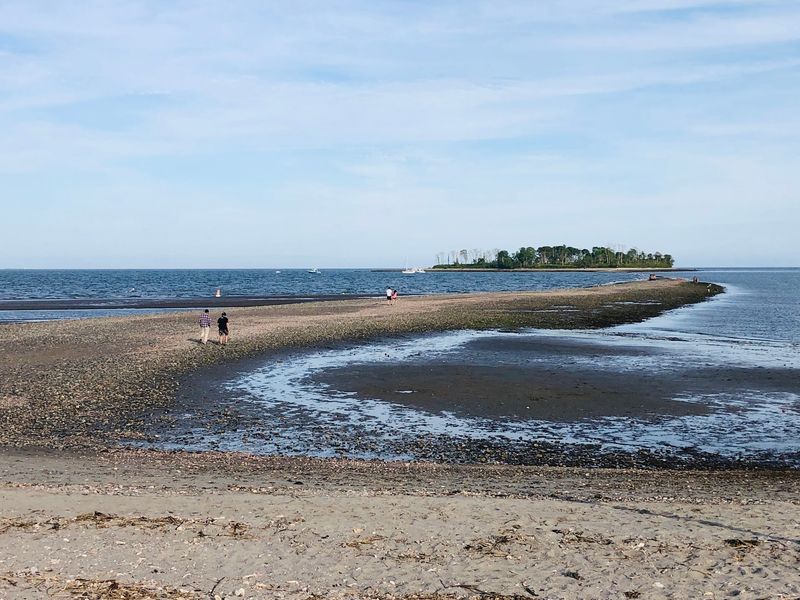
Visible from the boardwalk on a clear day, Charles Island sits just offshore and draws the eye in a way that few natural landmarks can. The island appears as a green and wooded shape rising from the water, and depending on the tide, a sandy sandbar may stretch out toward it from the beach.
At low tide, visitors can walk across that sandbar to reach the island on foot.
Checking tide times before visiting is strongly recommended if walking to Charles Island is part of the plan. The sandbar becomes submerged as the tide rises, and timing the return trip incorrectly can leave walkers stranded until the water recedes again.
Park signage provides guidance on this, and tide charts are available through various weather and coastal apps.
Even from the boardwalk, the island makes a compelling focal point for the walk. Photographing it from different angles as the trail curves offers a changing perspective that keeps the view fresh throughout the hike.
Charles Island has a long local history and is designated as a wildlife preserve, which means the island itself has restricted access during certain nesting seasons. Checking current access rules before planning a crossing is always a good idea.
5. Shorebirds Add Plenty To Watch Along The Way
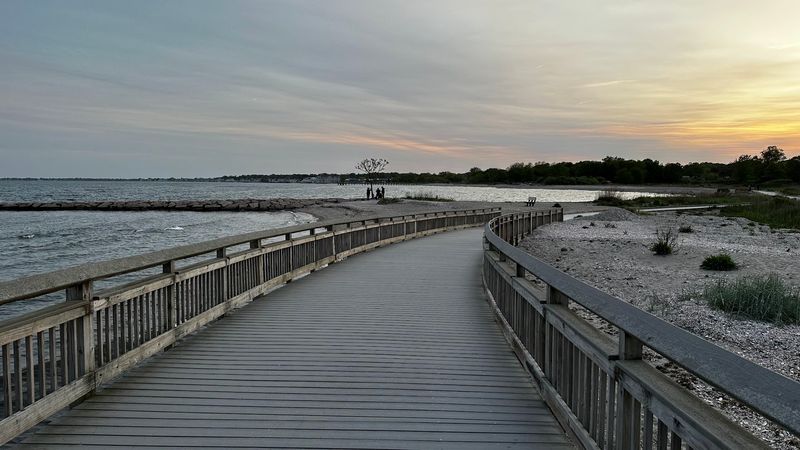
The marsh and shoreline habitat along the Silver Sands boardwalk attracts a steady variety of birds throughout the year, but August brings its own mix of species worth watching. Shorebirds tend to gather near the waterline, probing the wet sand for food as the tide shifts.
Watching them move in small groups with quick, precise steps is one of the quieter pleasures of this particular trail.
Herons and egrets are commonly spotted in the marsh areas, standing still for long stretches before moving with surprising speed. Terns and gulls tend to patrol the beach side of the boardwalk, sometimes diving into the shallow water close to shore.
Bringing a pair of binoculars can make the experience noticeably richer, though simply walking slowly and staying observant is often enough to spot a good number of species.
The park serves as habitat for protected bird populations during certain seasons, so staying on the boardwalk and respecting any posted signs about nesting areas is important.
The wildlife viewing here does not require any special equipment or expertise, making it an accessible and genuinely enjoyable part of the walk for visitors of all ages and experience levels.
6. August Is Perfect For A Slow Coastal Walk
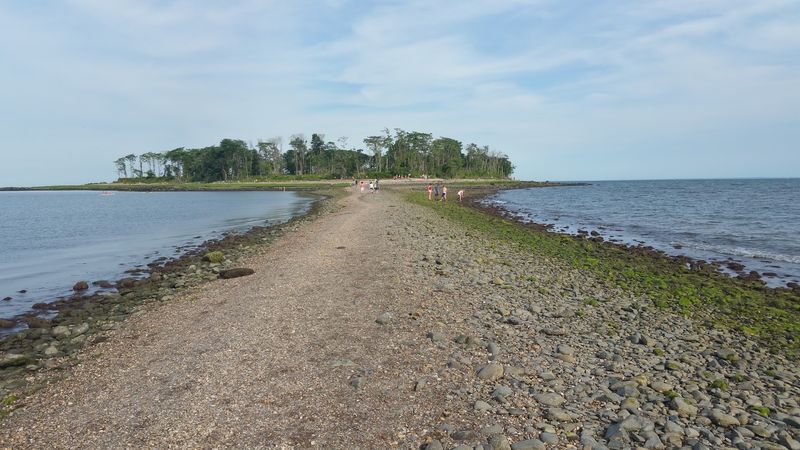
August has a particular quality along the state coast that makes slow walks genuinely satisfying. The air tends to carry warmth well into the evening, and the light shifts from bright midday glare to a softer golden tone as the afternoon progresses.
Planning a visit for late afternoon takes advantage of that light and tends to bring slightly cooler temperatures compared to midday.
The boardwalk at Silver Sands stays comfortable to walk even on warmer August days because of the sea breeze that moves in from the Sound.
That breeze makes the temperature feel more manageable than it might appear on a weather app, though bringing water and sunscreen is still practical advice for any summer coastal outing.
Weekday visits in August tend to be noticeably quieter than weekends, which can make the walk feel more spacious and unhurried. The park opens daily and closes at sunset, so timing a visit to catch the last hour or two of daylight offers some of the most visually rewarding conditions of the day.
Parking for out-of-state visitors carries a fee, while Connecticut residents with registered vehicles receive free admission. Arriving with a rough sense of tide timing adds another layer of planning that can shape the overall experience.
7. The Flat Route Keeps Things Easy
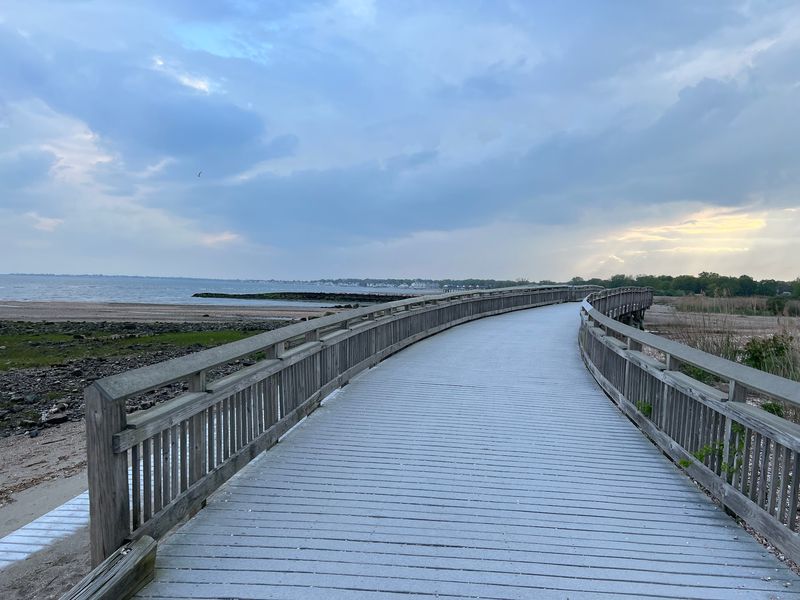
Easy terrain makes the boardwalk at Silver Sands State Park especially appealing when you want coastal scenery without a demanding hike. The official two-mile route is rated easy and moves through boardwalk sections, a pedestrian bridge, gravel, and natural dirt paths.
That mix keeps the outing interesting while remaining approachable for a relaxed walk. Long Island Sound stays close for much of the journey, while restored tidal marshes and dunes add variety beyond the shoreline views.
Charles Island also remains visible from different points along the route.
You can keep the pace gentle and stop whenever the scenery catches your attention. The trail works well for visitors who prefer a leisurely outing rather than something built around steep climbs or strenuous elevation changes.
One detail is worth knowing before bringing wheels along. Bicycles are not permitted on the boardwalk, so this is primarily a walking experience.
Because the route covers about two miles, it feels substantial without requiring an all-day commitment. Turning around early is easy if you prefer a shorter walk.
The combination of level boardwalk stretches and broad coastal views makes Silver Sands an inviting choice when the goal is simply to get outside and enjoy the shoreline at an unhurried pace.
8. Walnut Beach Is Close Enough To Keep Exploring

Just a short distance from Silver Sands State Park, Walnut Beach offers a natural extension for visitors who want to keep exploring after finishing the boardwalk trail.
The two areas share the same stretch of Milford coastline, and walking between them gives a broader sense of how varied this section of the Connecticut shore actually is.
Walnut Beach has its own character, with a more active atmosphere compared to the quieter state park setting.
The beach area near Walnut Beach includes a small commercial strip with food options, which can be a welcome stop after a long walk. There is a Greek restaurant within walking distance of the park’s eastern edge, giving visitors a convenient option for a post-hike meal without needing to drive far.
The transition from the natural boardwalk environment to the slightly livelier beach neighborhood happens gradually, which makes the walk feel like a natural continuation rather than an abrupt shift.
Combining both areas into a single outing adds meaningful variety to the day and makes the trip to Milford feel more complete. The flat terrain carries over from the state park into the surrounding neighborhood, so extending the walk does not require any additional physical effort.
Having a loose plan for both spots before arriving helps make the most of the time spent along this stretch of shoreline.