The Connecticut Festival Where Garlic And Artisan Vendors Take Over For Two Days
Garlic rarely gets invited to be the star of an entire weekend, but give it the chance and apparently it knows exactly what to do with the spotlight.
For two days, food takes on a distinctly garlicky personality while artisan vendors give browsers plenty of reasons to wander between bites. It is quirky in the most enjoyable way, especially once the familiar smell starts drifting through the festival grounds.
A fall festival in Connecticut becomes wonderfully specific when garlic gets top billing and local makers join the celebration.
You do not need to be completely obsessed with the stuff to enjoy the idea. Half the entertainment comes from seeing how creative people can get when one humble ingredient suddenly becomes an event.
Then there are all those vendor tables waiting to distract you.
By the end, garlic may have worked its way into far more of the day than anyone expected. Somehow, that feels entirely appropriate.
1. Garlic Takes Center Stage For Two Fall Days
Garlic gets the spotlight here. Not just a table or two, either.
For an entire autumn weekend, the humble bulb becomes the reason people spend hours wandering around Bethlehem.
The Connecticut Garlic & Harvest Festival has been part of the Litchfield Hills fall calendar for more than two decades. It typically fills a Saturday and Sunday in October, when crisp air and changing leaves provide a fitting backdrop for the festivities.
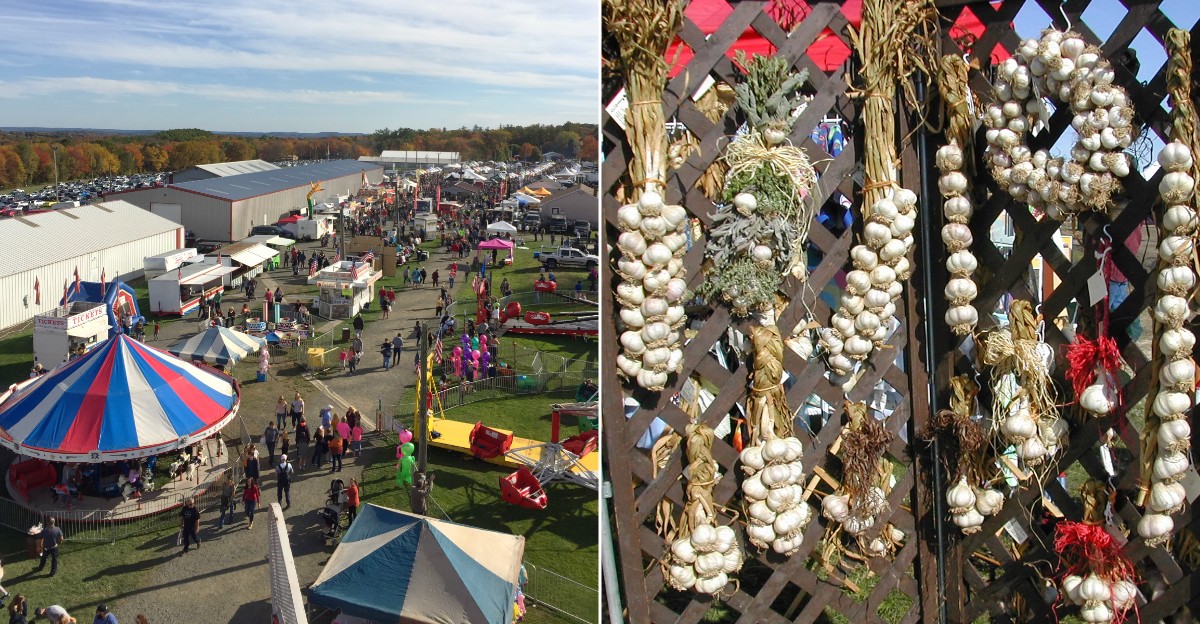
Farm stands display fresh bulbs and braided garlic, while food vendors work it into breads, sauces, pesto, and other creations. Samples make browsing especially tempting, and demonstration areas give visitors another reason to slow down rather than race through the grounds.
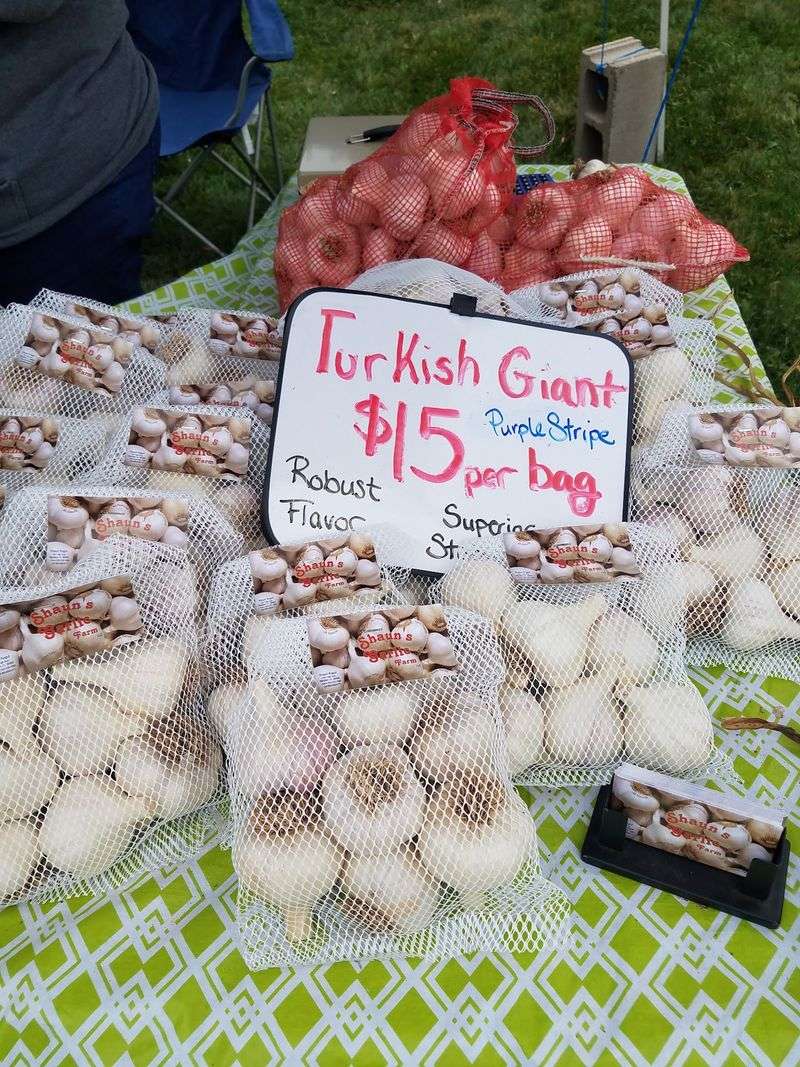
Gardeners have their own mission. Seed garlic is available to take home and plant in cool autumn soil before winter arrives.
Growers can also help curious shoppers understand differences between varieties, including softneck and hardneck garlic.
The festival extends well beyond food. Craft rows add another layer of browsing, and conversations with growers can turn a planned quick stop into several hours surprisingly easily.
Bringing a sturdy tote is a smart idea. Fresh bulbs, jars, and other purchases become much less convenient once your hands are full.
Families who return year after year may already know their first stop.
Newcomers have the better problem: figuring out where to begin.
2. Bethlehem’s Fairgrounds Host The Annual Celebration
October completely changes this place. Quiet grounds fill with vendor tents, arriving cars, and crowds ready to spend the day exploring.
The festival uses the Bethlehem Fairgrounds, a broad outdoor property surrounded by trees. Its rustic setup is part of the experience, with grassy aisles and packed dirt paths instead of paved walkways.
Sturdy shoes are the smarter choice, especially if rain has softened the ground.
Parking is available on site and does not cost extra. Because cars park in open fields, wet weather can make conditions softer underfoot.
Arriving earlier, particularly on Saturday, can also mean a shorter entrance line and less distance to walk from the car.
Accessibility receives attention across the grounds. Designated handicap drop-off areas are available near the fair office house, while accessible restrooms are positioned around the property to reduce long walks.
One distinction is useful before making plans. The Garlic & Harvest Festival is separate from the traditional Bethlehem Fair held earlier in the fall.
They share the same fairgrounds but take place on different weekends and have completely different focuses.
Visitors should also leave pets at home, with service animals being the exception.
The fairgrounds are at 384 Main St N in Bethlehem, with signs and parking attendants helping direct arriving traffic.
Once inside, the temporary transformation is hard to miss.
For one autumn weekend, those normally quiet grounds become anything but quiet.
3. Country Roads Make The Arrival Part Of The Fun
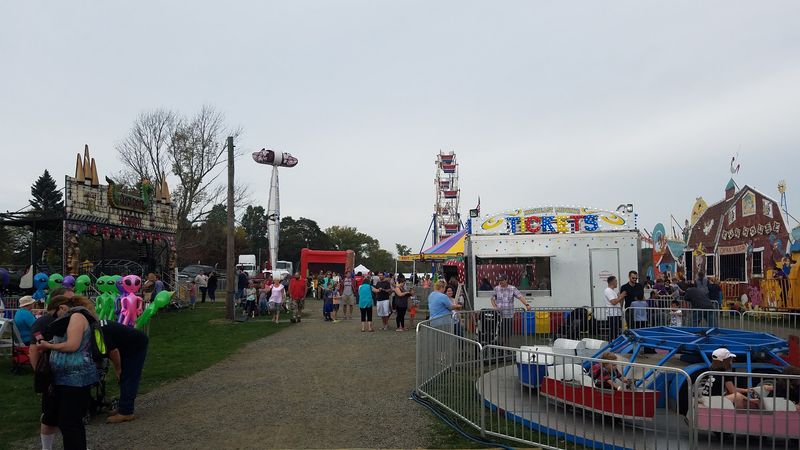
Half the pleasure starts before you ever park. The roads into Bethlehem curl through the Litchfield Hills, past stone walls, old farmhouses, and hillsides that hit peak color right around festival weekend.
There is no highway exit that drops you at the gate. Getting here means two-lane roads, gentle hills, and the kind of driving where you find yourself slowing down just to look at a red maple.
That approach does something useful for your mood. By the time you reach the fairgrounds, the errands and traffic of regular life feel far away, replaced by open fields and the first faint drift of garlic on the breeze.
A practical heads-up: because everyone funnels in along the same country routes, traffic can back up near the entrance during peak hours. Mid-morning arrival, or a Sunday visit instead of Saturday, tends to move faster.
Build extra time into the plan and treat the drive as part of the outing rather than an obstacle. Pack coffee, pick a scenic route, and leave room in the schedule for a stop at a roadside farm stand.
Patience pays off. The last few miles are genuinely pretty, and rushing them would be a waste.
4. Garlic Foods Go Far Beyond The Expected
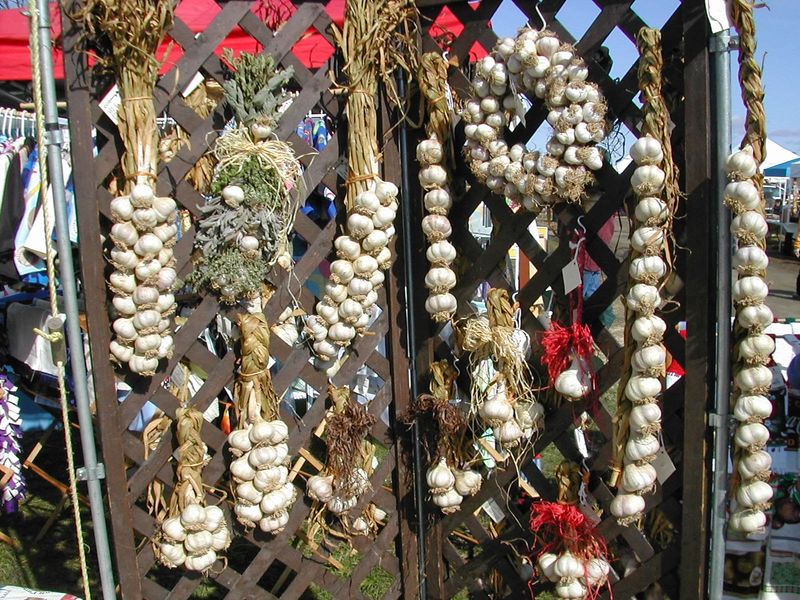
Roasted garlic ice cream. That is usually the first thing people mention when they get home, and yes, plenty of visitors line up for a scoop just to say they tried it.
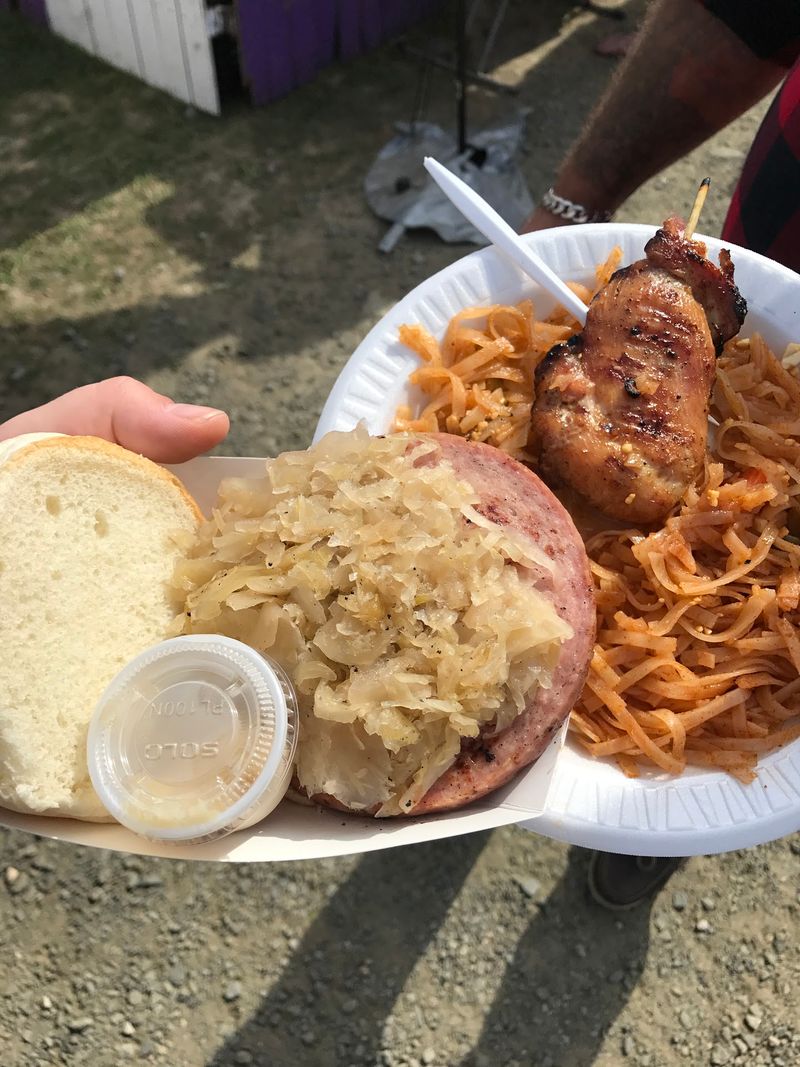
The food lineup runs deep. With more than thirty food trucks and vendors on the grounds, you can work your way from roasted garlic sausage with peppers and onions to wood-fired garlic pizza, garlic sliders, garlic monkey bread, and deep-fried garlic for the truly committed.
Not everything leans garlicky, either. Lobster rolls, chowder, fresh breads and pastries, and specialty coffee and espresso drinks round out the options for anyone in your group who needs a break from the theme.
Then there is the take-home aisle. Dips, spreads, cheeses, flavored oils, pesto, tomato sauce, and bruschetta fill table after table, and many vendors set out samples so you can taste before committing.
Local stands also sell fresh bulbs and seasonal produce, which makes it easy to cook something at home that tastes like the weekend you just had.
Bring cash. Admission at the gate and many smaller vendors move faster with it, and lines at the busiest trucks are shorter earlier in the day.
5. Artisan Vendors Fill Rows With Handmade Finds
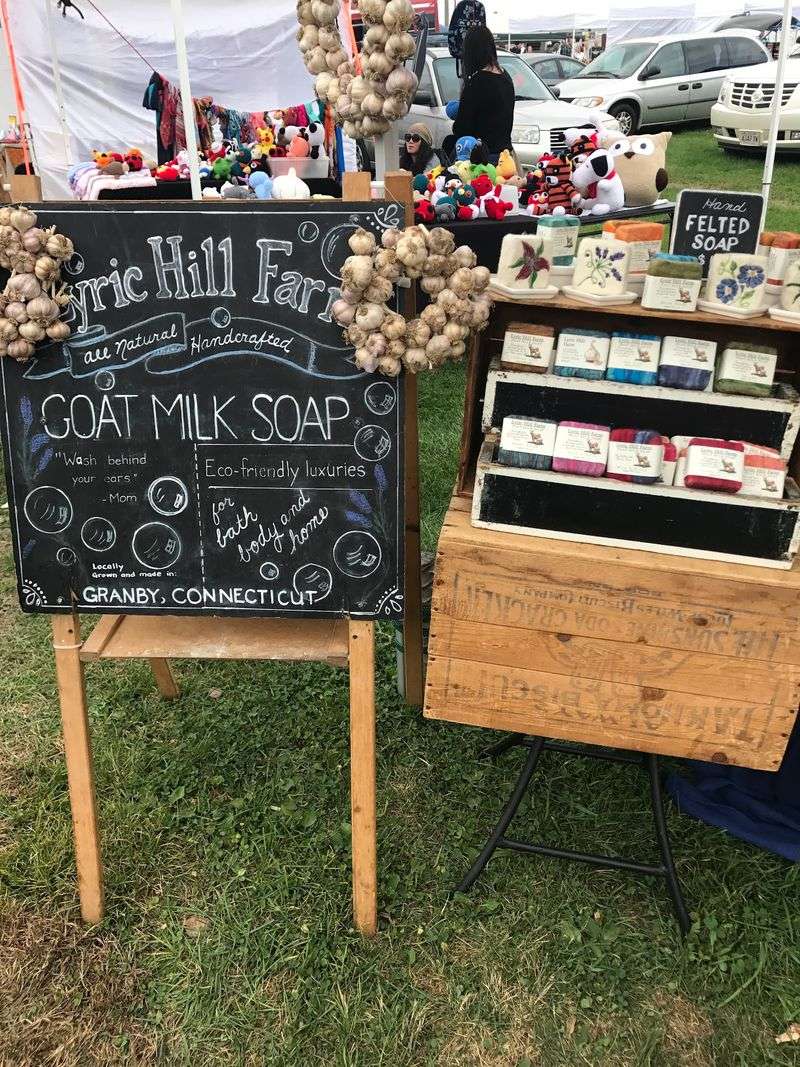
The shopping can sneak up on you. You arrive thinking about garlic and somehow leave debating which handmade cutting board belongs in your kitchen.
Hundreds of food, specialty, farm, and craft vendors spread across the festival grounds, giving visitors plenty to explore. Taking your time through the rows can uncover far more variety than stopping at the first booth that catches your attention.
Handcrafted soaps share space with pottery, textiles, jewelry, wooden spoons, and cutting boards. Local honey and spices add more edible options between the artisan displays, so shopping rarely stays limited to one category for long.
Many makers favor natural or eco-conscious materials and are happy to talk about how their products were created. Those conversations add personality to purchases, especially when you enjoy knowing who made something and how it came together.
Specialty food producers bring another tempting layer. Gourmet jams, vinegars, infused oils, and smoked meats appear among the booths, with garlic finding its way into plenty of recipes.
The October timing can also turn casual browsing into early holiday shopping. Handmade pieces offer an alternative to ordinary store-bought gifts, all without requiring a separate trip later in the season.
It pays to explore before committing to a purchase.
Similar products can appear at different booths, and comparing styles along the way makes discovering a favorite even more satisfying.
6. Cooking Demonstrations Add Flavor To The Weekend
Garlic gets a little more interesting here. One minute you are browsing food stalls, and the next you are watching someone turn a familiar ingredient into something completely different.
Cooking demonstrations run throughout both festival days, giving visitors a chance to stop shopping and pick up techniques they can actually try at home. Past sessions have explored dumplings, fried garlic, black garlic, roasted garlic confit, garlic powder, and even ways to build a better guacamole.
The recipes generally stay approachable rather than becoming complicated cooking performances. That makes the demonstrations useful long after the festival weekend is over.
Gardeners have plenty to learn as well. Dedicated talks cover subjects such as choosing garlic varieties, planting at the right depth and time, and properly curing bulbs after harvest.
With seed garlic available elsewhere on the grounds, visitors can learn the basics and then shop for what they need.
Seating around the demonstration area is limited, particularly when a popular session is approaching. Getting there a little early can secure a better view, although standing behind the chairs works too.
Taking notes can also be useful. Handouts are not always guaranteed, and helpful details can pass quickly once the cooking begins.
It is an easy break from browsing that might send you home with more than another bag of garlic.
You may leave with a new recipe, too.
7. Live Entertainment Keeps The Grounds Buzzing
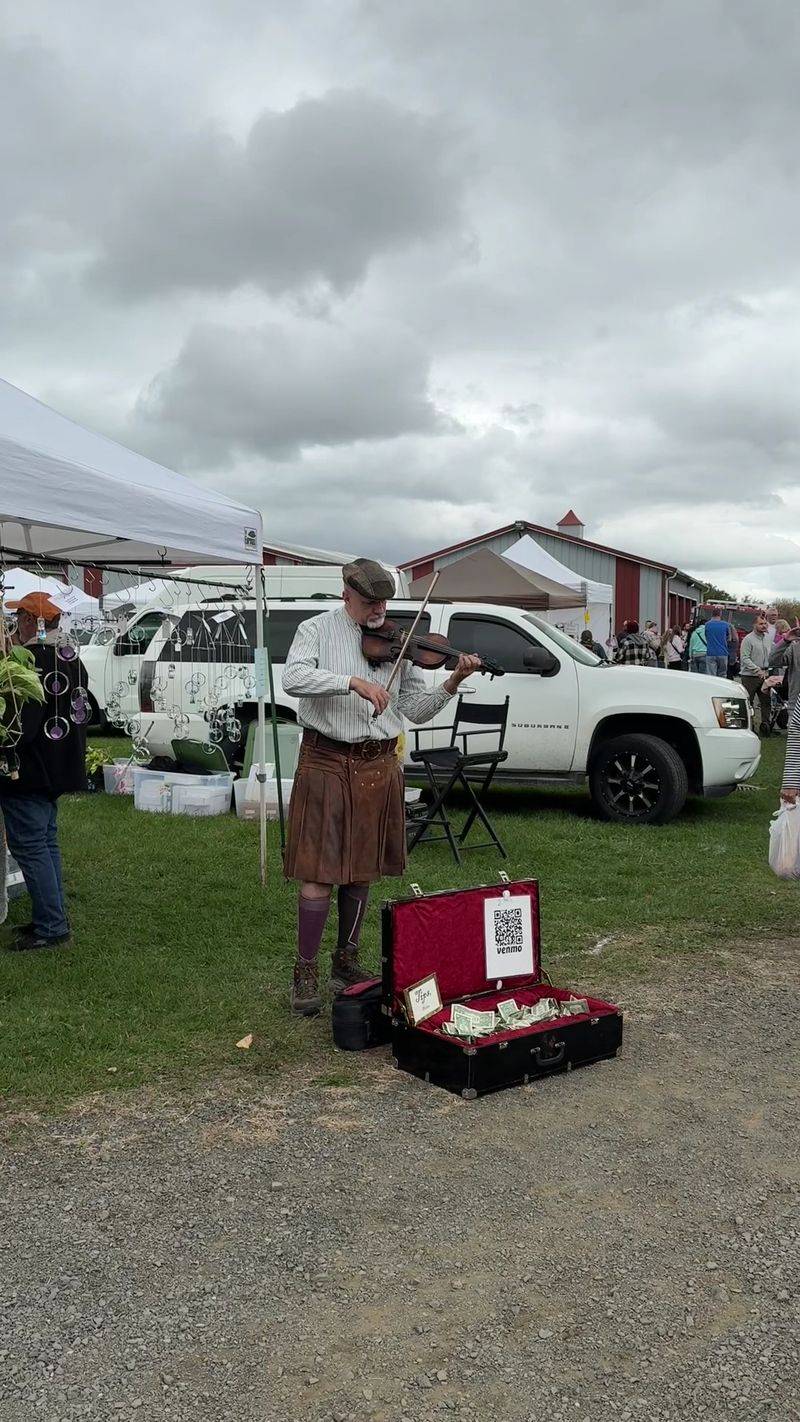
Music carries across the fairgrounds all weekend, giving the whole place a rhythm. Local bands play both days, and the sound reaches far enough that you catch a chorus while standing in line for a sandwich.
Seating near the stage fills with people taking a breather, tapping along, and letting their food settle before heading back into the vendor rows.
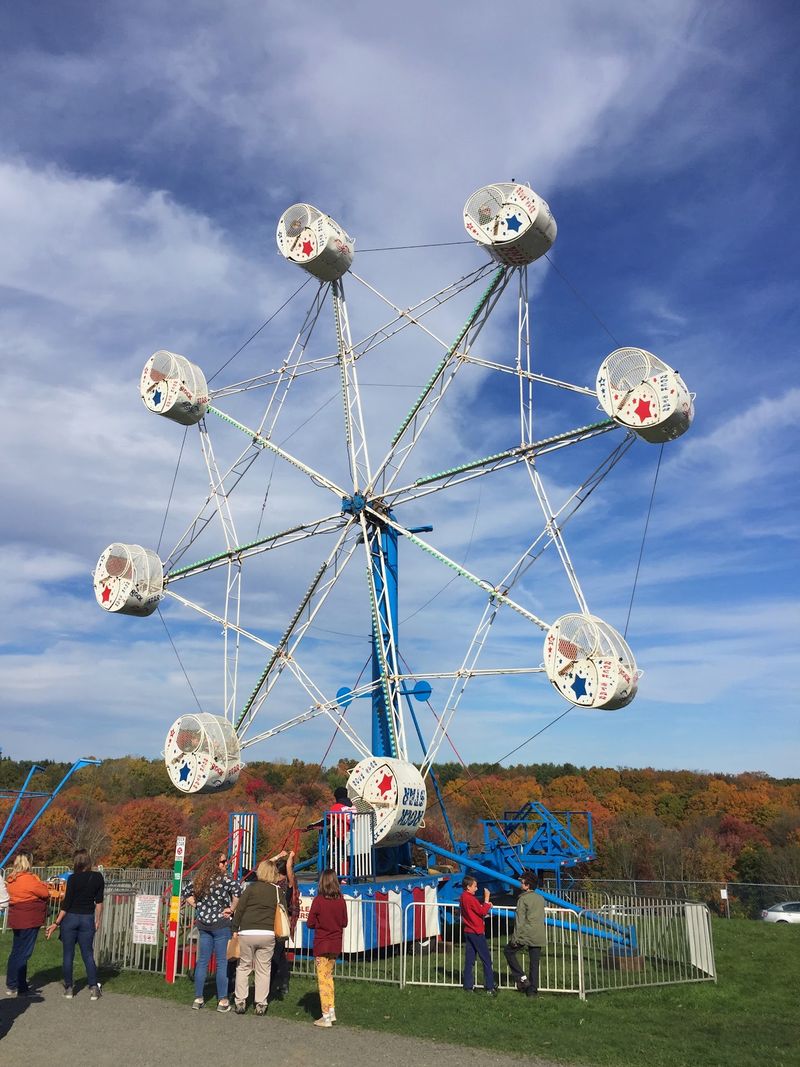
Kids have their own territory here. Pony rides, a petting zoo, an inflatable fun zone, and midway-style games and rides keep younger visitors busy while the adults shop.
Creative activities round things out. Free pumpkin decorating is offered to early arrivals, and face painting and sand art give small hands something to do that does not involve standing in a food line.
Families often find that splitting up works best. One adult handles the kids’ area while the other covers the craft aisles, then everyone regroups at a picnic table with lunch.
Strollers are manageable on the grass and dirt paths, though wet weather can make pushing harder, so a carrier is worth considering for the smallest visitors.
The overall feel stays relaxed and welcoming, and many returning visitors say the family-friendly mix is exactly why they keep coming back.
8. Fall Traditions Bring Crowds Back Each October
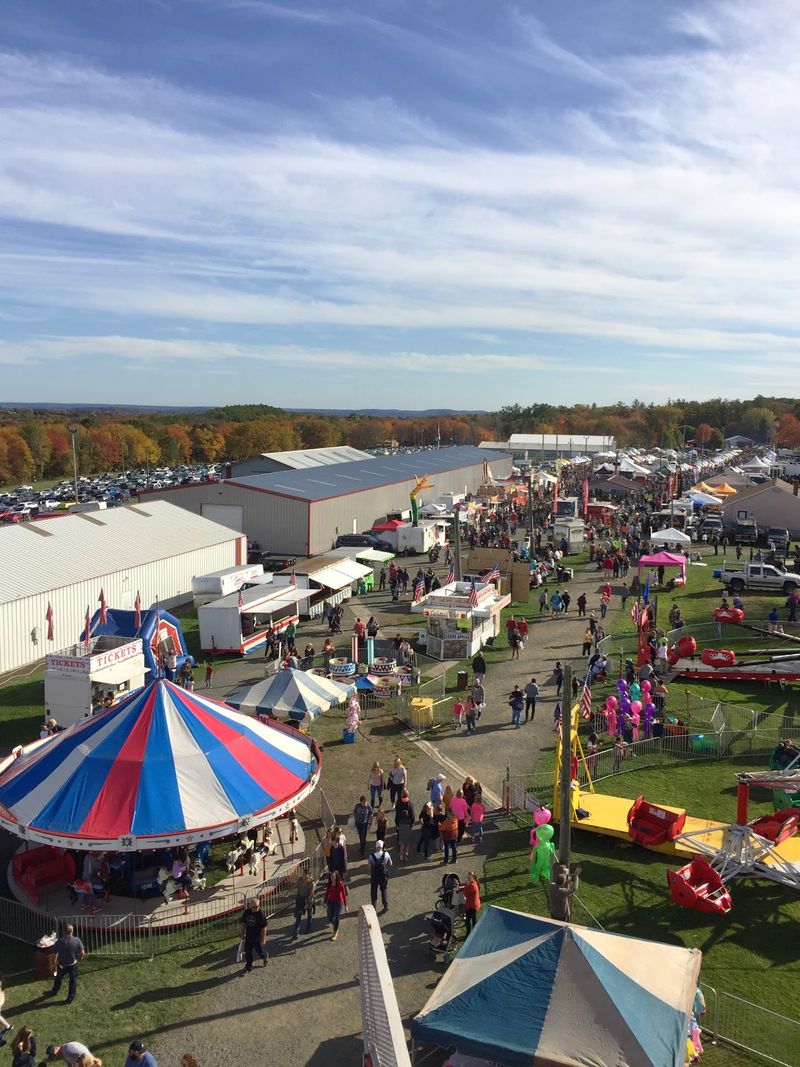
Twenty-plus years in, this festival has earned a permanent spot on a lot of New England calendars. Ask around the grounds and you will meet people who have come nearly every October for a decade or more.
Part of the draw is timing. Mid-October in the Litchfield Hills means foliage near its peak, cool air, and that particular light that makes a field of white tents look like a postcard.
The rest comes down to variety. Serious garlic growers, curious first-timers, craft shoppers, and families with restless kids all find something here, which is rare for a single event.
Visitors regularly describe the atmosphere as lively and friendly, with vendors happy to talk shop and share samples. That openness turns a shopping trip into a series of small conversations.
A few practical notes make the day smoother. Comfortable walking shoes are essential, cash speeds things up at the gate and at many booths, and checking the weather ahead of time matters because rain softens the parking fields.
Go early, pace yourself, and leave room in the trunk. Between bulbs, jars, crafts, and whatever smelled too good to pass up, most people head home with more than they planned.