One Of New York’s Most Stunning Botanical Gardens, And Barely Anyone Knows It’s There
Landscape designers around the world speak about this place with real reverence. Most New Yorkers have never heard its name.
That contrast alone should make you curious.
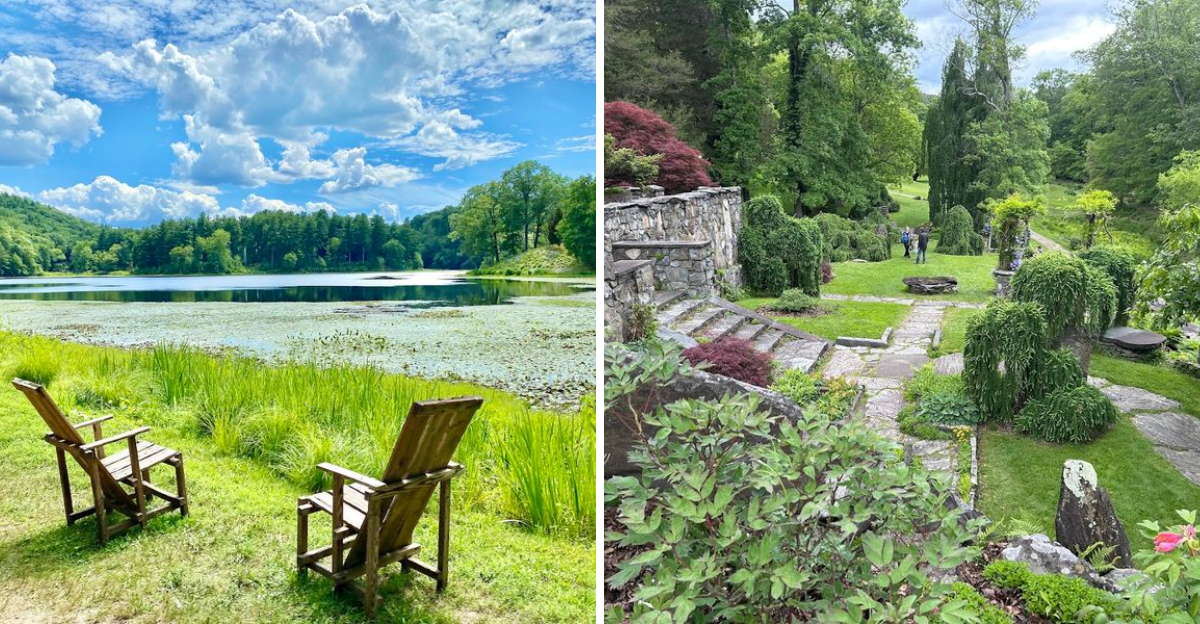
The garden wraps around a glacial lake in the Hudson Valley, and every view feels deliberately composed.
Its designer spent decades borrowing ideas from ancient Chinese gardens and translating them into rolling American hills. The result plays tricks on you in the best way.
Stone terraces appear exactly where your eye wants to rest. Streams and fountains show up like planned surprises.
Experts have ranked it among the finest gardens on the planet, yet weekday visitors often share it with more herons than humans.
There are no crowds, no gift shop chaos, and no lines. Just you, the water, and scenery that refuses to be photographed badly.
Sometimes the best places stay quiet simply because nobody thought to shout about them.
The Place That Stops You Cold
Innisfree Garden is not your average botanical garden. No gift shop crowds.
No guided tour scripts. Just 185 acres of landscape so carefully arranged it feels like the land itself made the decisions.
The garden was designed by Walter and Marion Beck starting in the 1930s, inspired by Chinese scroll paintings and the ancient concept of a cup garden.
Each section of the landscape is framed like a painting you walk into. The result is a garden that feels meditative without trying too hard to be spiritual.
I showed up on a Tuesday expecting a quiet stroll. What I got was a full two-hour reset.
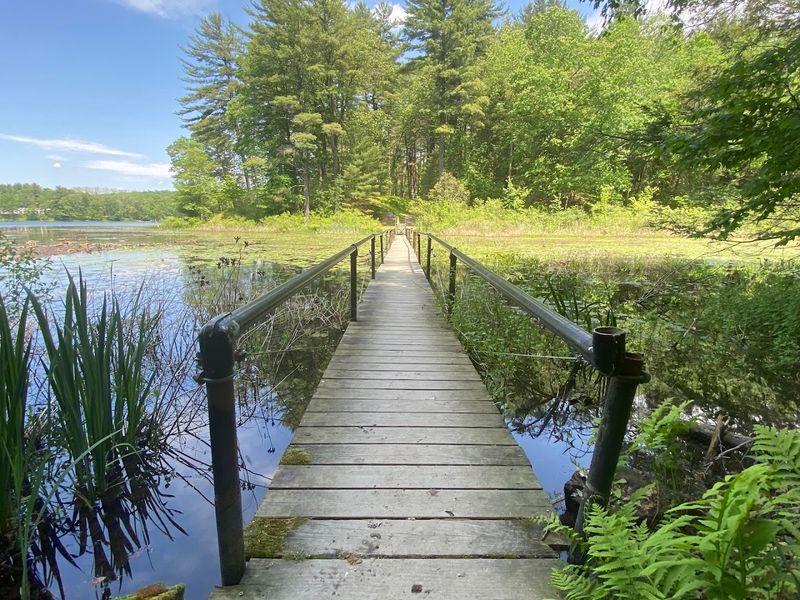
The lake at the center reflects the surrounding hills in a way that makes you stop mid-sentence, forget what you were saying, and just look.
That kind of beauty is rare. Innisfree earns its reputation among landscape architects worldwide, yet somehow stays off the radar for most New Yorkers.
That gap between its quality and its fame is honestly baffling. Go to 362 Tyrrel Rd, Millbrook, New York, before the secret gets fully out.
The Cup Garden Concept You Have Never Heard Of
Most people have never heard of a cup garden, and that is exactly what makes Innisfree so fascinating to explain at a dinner party.
The concept comes from Chinese landscape theory, where a garden is divided into a series of self-contained visual compositions, each one framed by rocks, plants, or water like a living scroll painting.
Walter Beck studied the eighth-century Chinese poet Wang Wei, who used this idea to design his own garden outside of Chang’an.
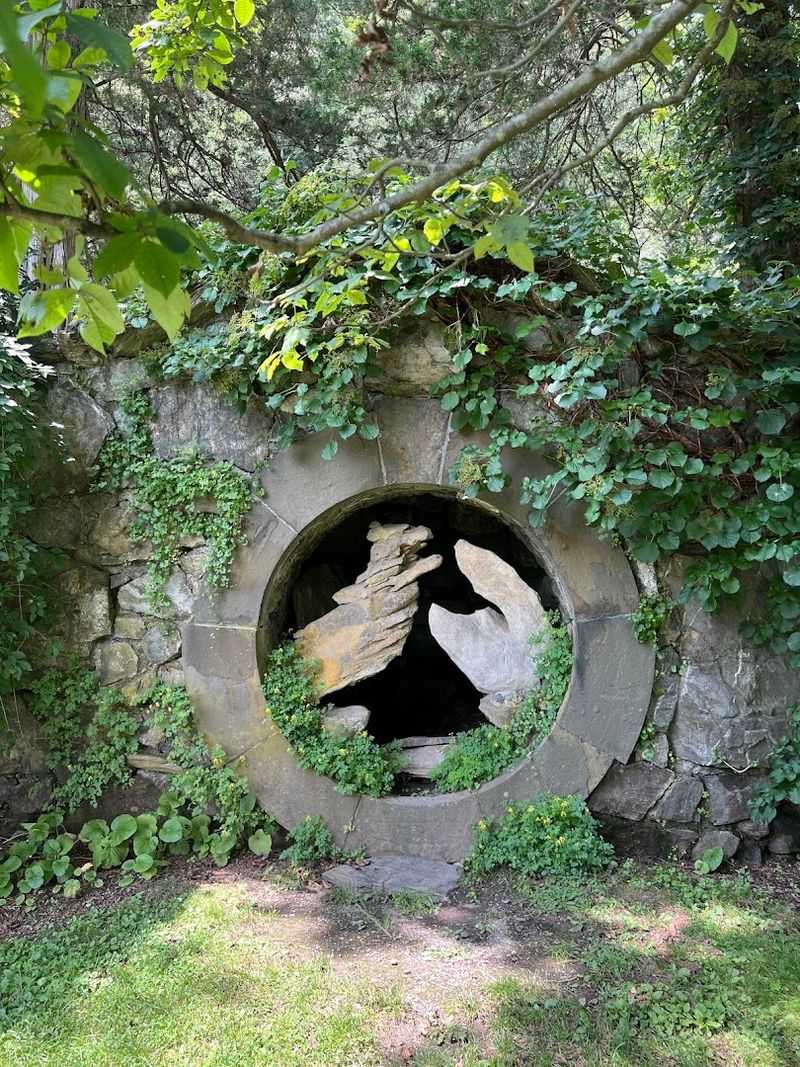
Beck spent decades applying the same philosophy to the Hudson Valley terrain. The rocks at Innisfree are not decorative.
They are structural storytellers, each one placed to direct your eye toward something specific.
You notice that every turn reveals a completely different scene. One moment you are looking at a cascade.
The next, a quiet grassy bowl with a single sculpted stone at its center.
The transitions feel natural because they were designed to. This is landscape architecture working at its absolute best, and it is happening quietly in Dutchess County while most of the world scrolls past it on the internet.
The Lake That Does All the Heavy Lifting
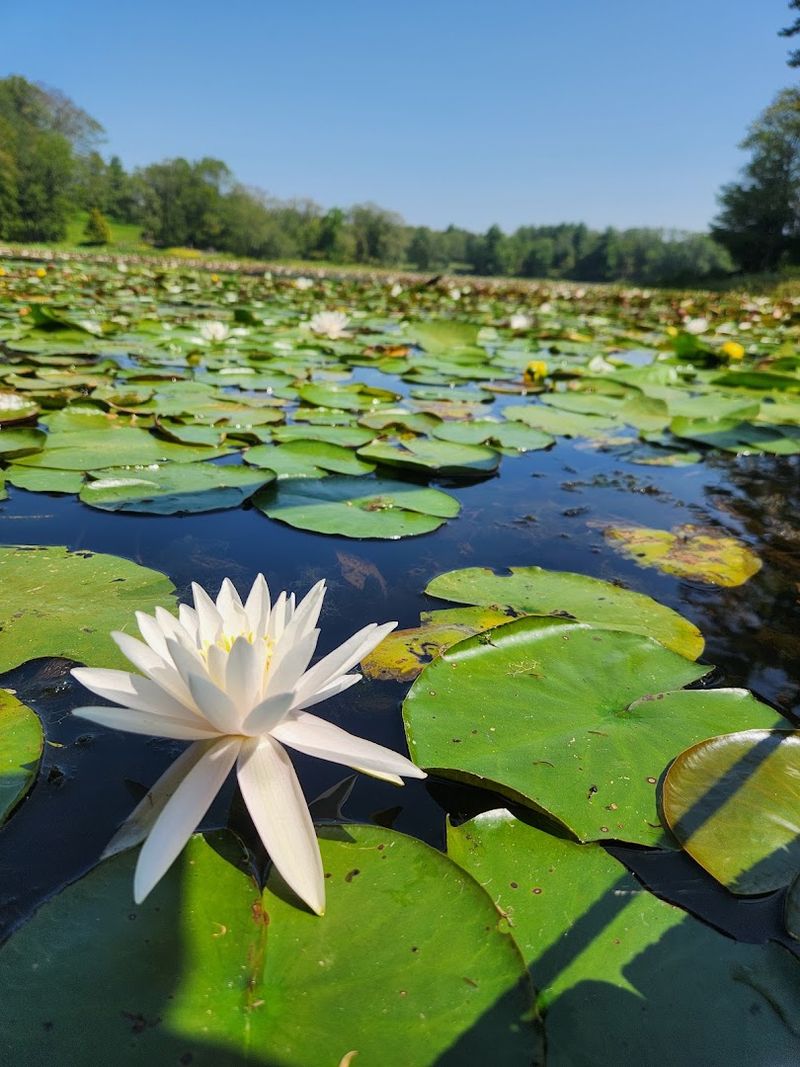
Tyrell Lake sits at the heart of Innisfree and it is not subtle about it.
The water is clear, still on calm mornings, and surrounded by gently sloping hills that look like they were placed there by someone with very good taste. Which, technically, they were.
The lake is glacial in origin, which means it has been sitting in that valley for thousands of years doing exactly what it does now: looking effortlessly beautiful.
The Becks recognized that and built the entire garden around it rather than competing with it. Smart move.
Visitors can walk the full perimeter, which takes about an hour at a relaxed pace. Along the way, the landscape shifts constantly.
Meadow grasses give way to mossy rock formations.
Open views compress into shaded pathways. The lake keeps reappearing between the trees like it is checking in on you.
On a clear day, the reflections on the water are so sharp that photographs from the shore look almost artificially enhanced. They are not.
That is just what this place looks like in real life, and it is deeply satisfying to discover that some things are exactly as good as they appear.
Rocks That Are Doing Way More Work Than You Think
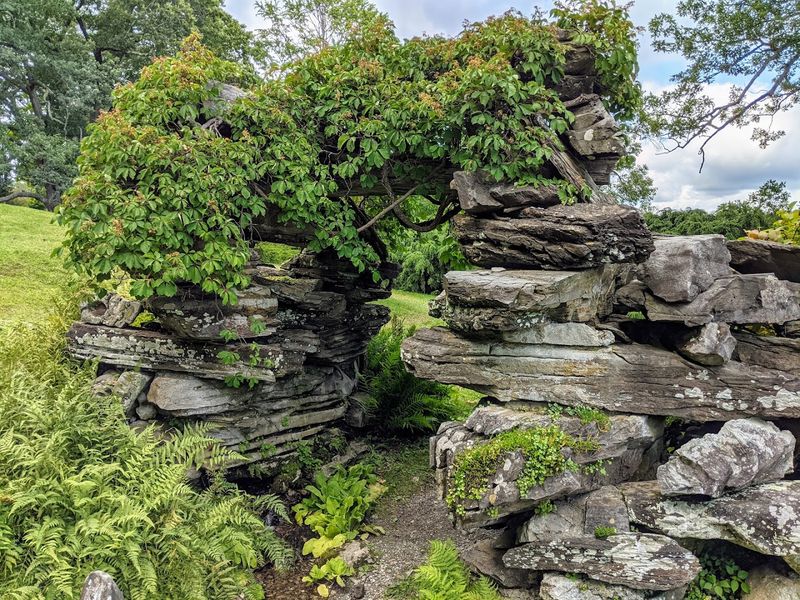
At most gardens, rocks are filler. At Innisfree, rocks are the point.
The garden contains hundreds of carefully positioned stones, each selected and placed with the same intention you would apply to hanging a painting in a gallery.
The effect is subtle until you notice it, and then you cannot stop noticing it.
Walter Beck worked with landscape architect Lester Collins for decades to refine the placement of every major stone on the property.
Collins later became president of the American Society of Landscape Architects. The rock work at Innisfree is considered one of his defining achievements, which tells you something about the level of craft involved.
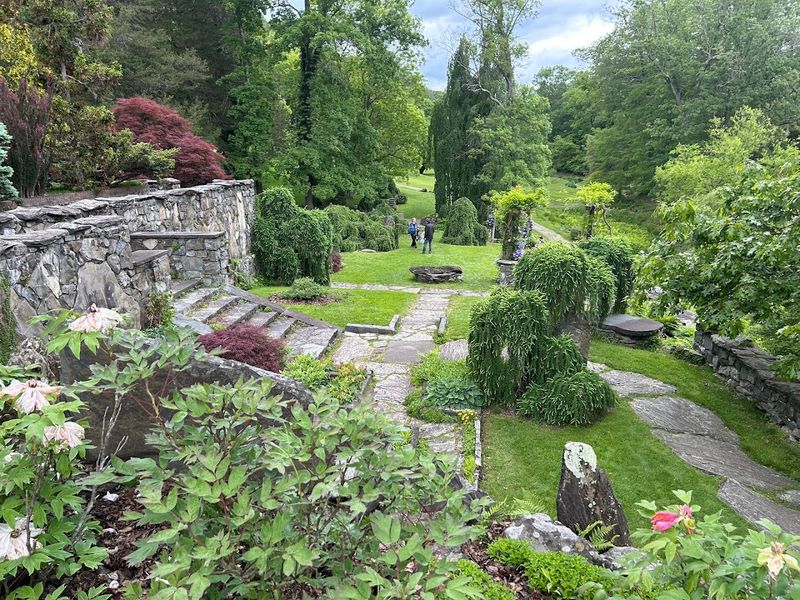
Some stones frame views. Others anchor planting beds or mark transitions between garden rooms.
A few stand alone in open grass, doing nothing except being exactly right.
There is a particular grouping near the northern edge of the lake that stops most visitors in their tracks. Nobody puts a sign there explaining why it works.
It just does.
That confidence in the viewer is part of what makes Innisfree feel different from other designed landscapes. It trusts you to feel the intention without being told what to feel.
The Seasonal Shifts That Make Every Visit Feel New
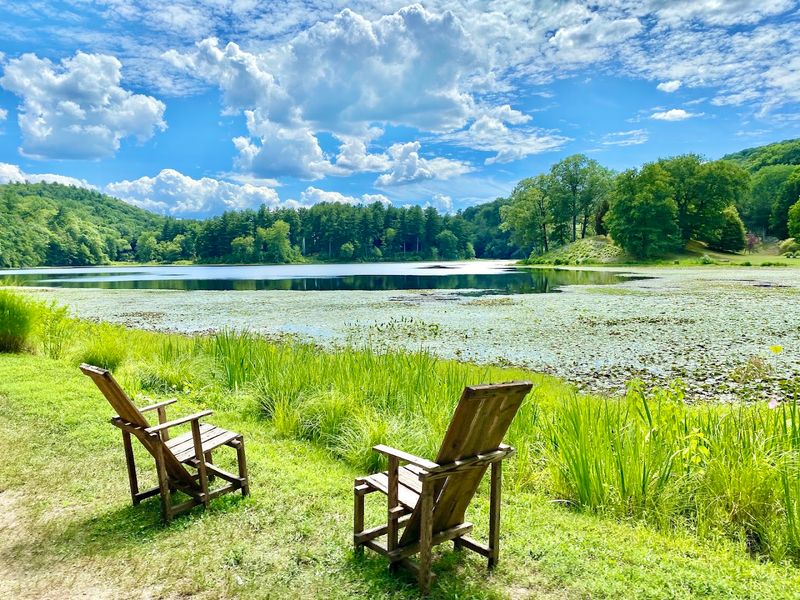
Innisfree opens in May and closes in October, and every single month within that window offers a completely different garden.
Spring brings flowering trees and early bulbs that push through before the canopy fills in. Summer turns the whole property into a dense, layered green that feels almost tropical in its intensity.
Late summer is when the meadow plantings peak. Native grasses catch the late afternoon light and turn golden in a way that makes the whole garden feel like a landscape painting from the Hudson River School.
Fall, predictably, is spectacular. The hills surrounding the lake shift through amber, orange, and deep red over the course of a few weeks.
The garden staff manages the plantings to support this seasonal rhythm rather than fight it. That means you will not find forced color or out-of-season blooms propped up by greenhouse tricks.
What you see is what actually grows here, in this climate, at this time of year. Returning visitors often say that no two visits feel the same, even when they come back to the same spots.
The garden keeps changing because that is exactly what it was designed to do.
Why Landscape Architects Make Pilgrimages Here
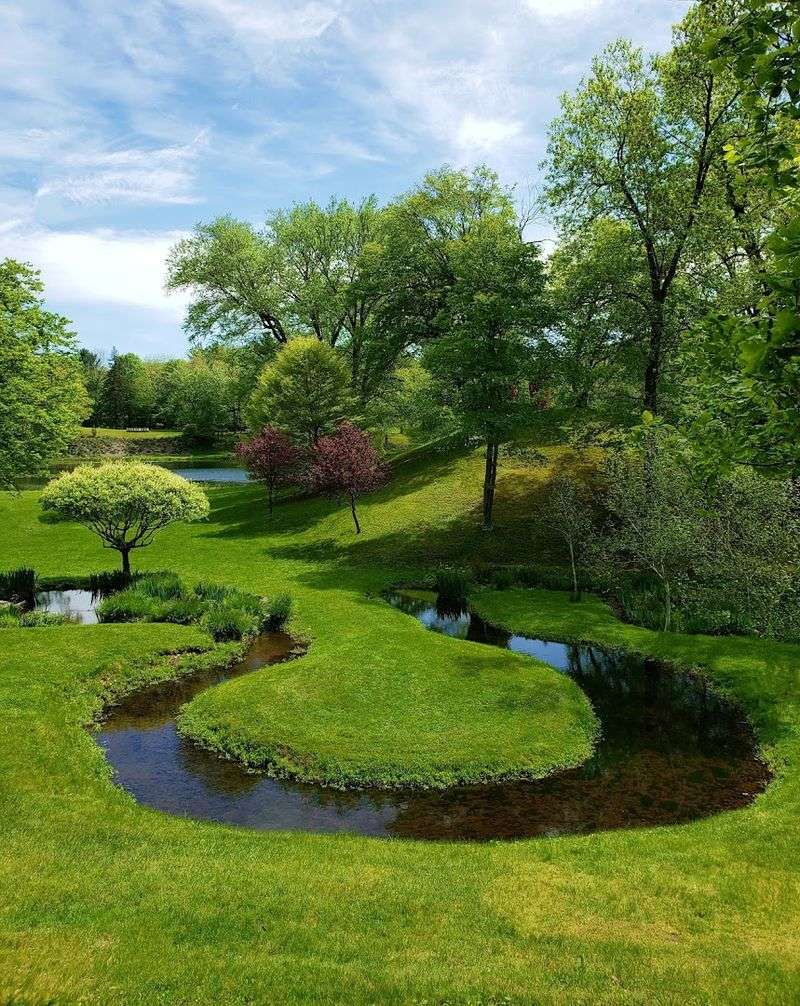
Innisfree is not widely known to the general public, but within the landscape architecture world it carries serious weight.
The garden has been cited in academic programs, design journals, and professional conferences as one of the most successful examples of Eastern design philosophy applied to a Western landscape context.
Lester Collins, who stewarded the garden for decades after the Becks passed, wrote extensively about the principles behind the design.
His work at Innisfree influenced generations of landscape architects who came to study the property firsthand. The garden is now managed by a nonprofit foundation committed to preserving its original vision.
What makes it so instructive is how restrained it is. There is no desire to impress through scale or spectacle.
Every decision made at Innisfree is about proportion, framing, and the relationship between built and natural elements.
Students of design come here and spend hours at a single viewpoint, studying how the rocks and plantings work together.
Regular visitors come back because it is beautiful. Both groups leave with the same look on their face: quiet, satisfied, a little stunned.
That is a hard combination to achieve in any creative field.
Getting There And What To Bring
Innisfree Garden is about 90 miles north of New York City, making it a very reasonable day trip from the metro area.
The drive through Dutchess County is genuinely pleasant, especially once you get off the highway and into the back roads near Millbrook.
The entrance is easy to miss if you are going too fast, so slow down once you are close.
Admission is affordable, and the garden is open Wednesday through Sunday from May through October. Dogs are not allowed, which keeps the atmosphere calm and distraction-free.
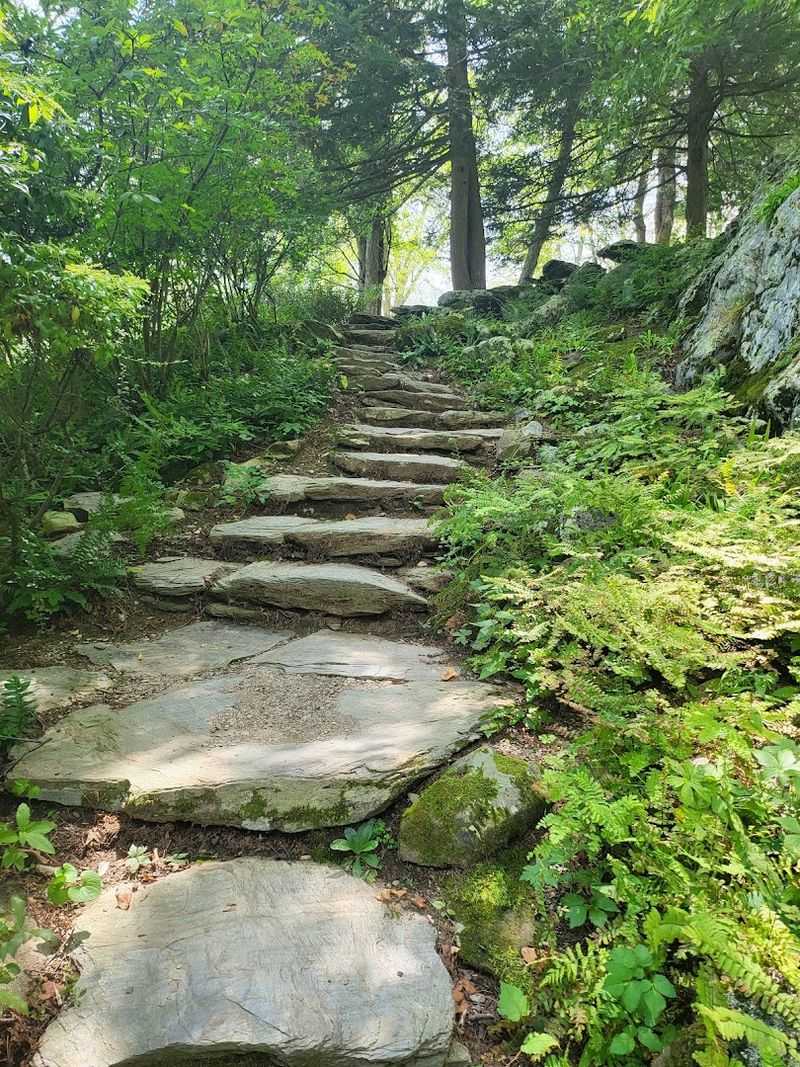
The terrain involves some uneven ground and natural paths, so comfortable walking shoes are a real priority, not just a suggestion.
Bring water, a snack, and a camera with more storage than you think you need. There is no food service on site, but the nearby town of Millbrook has a handful of good options for lunch before or after.
Plan for at least two hours if you want to do the full loop without rushing. The garden rewards slow movement.
People who rush through it miss the whole point. Take your time, sit by the lake for a while, and let the place work on you.
The Honest Case For Keeping It On Your List
There are plenty of beautiful places within driving distance of New York City. Most of them involve crowds, ticket lines, and a vague sense that you are experiencing something pre-packaged.
Innisfree is the opposite of that. The garden does not perform for you.
It simply exists, confidently, and invites you to pay attention.
The experience is genuinely restorative in a way that is hard to manufacture. Spending two hours walking through a landscape designed around stillness and proportion has a measurable effect on how you feel afterward.
Calmer. Clearer.
Slightly more patient with everything. That is not marketing language.
That is just what happens when you spend time somewhere that was built with real intention.
Innisfree belongs on any serious list of New York State’s great natural and cultural sites. The fact that it remains relatively quiet is a gift to everyone who discovers it.
But it also means the garden depends on visitors who care about preserving that quality. Go, support the foundation, and tell the people in your life who actually appreciate this kind of thing.
Just maybe not everyone at once. Some places are better when they stay a little quiet.