One Of The Most Beautiful Ukrainian Churches In North Carolina Is Hidden In Garner
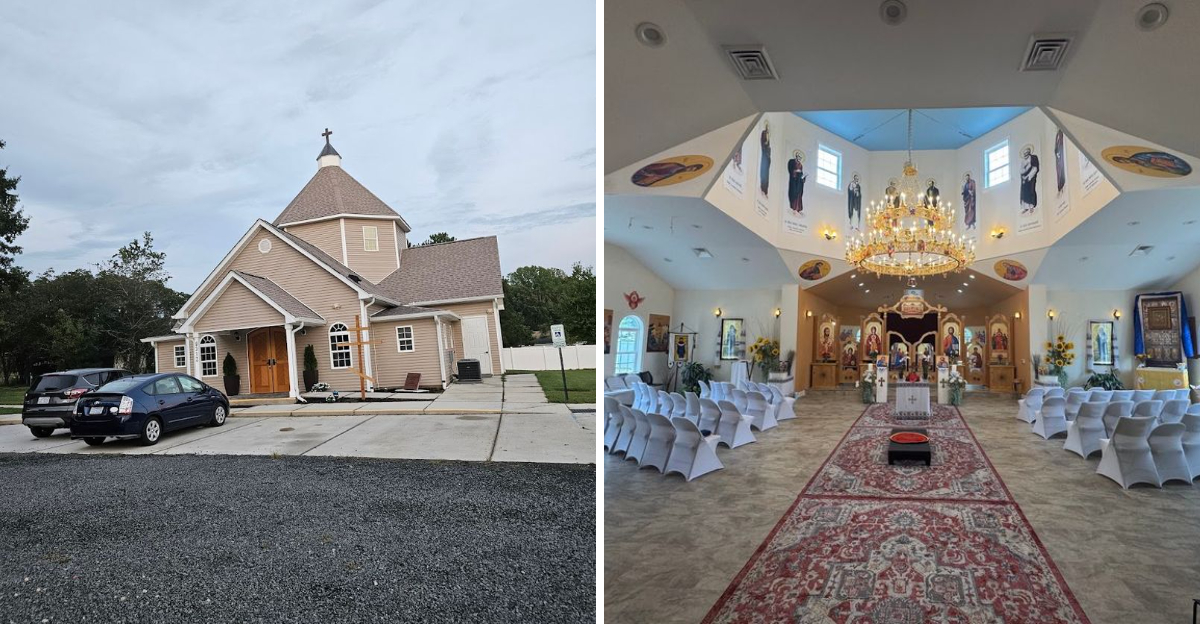
A church like this does not ask for attention; it waits quietly, as if the people who built its story trusted the right visitors to notice.
Along an ordinary road in Garner, North Carolina, a modest Ukrainian Catholic church holds something far deeper than its small roadside presence suggests.
The beauty is not loud or polished for a crowd.
It lives in careful traditions, sacred images, familiar prayers, and the steady hands of a community protecting pieces of home across generations.
That quiet devotion makes the place feel personal rather than distant.
Passing by would be easy, but slowing down reveals a space shaped by memory, faith, and real human tenderness.
Garner Keeps A Ukrainian Church In Plain Sight
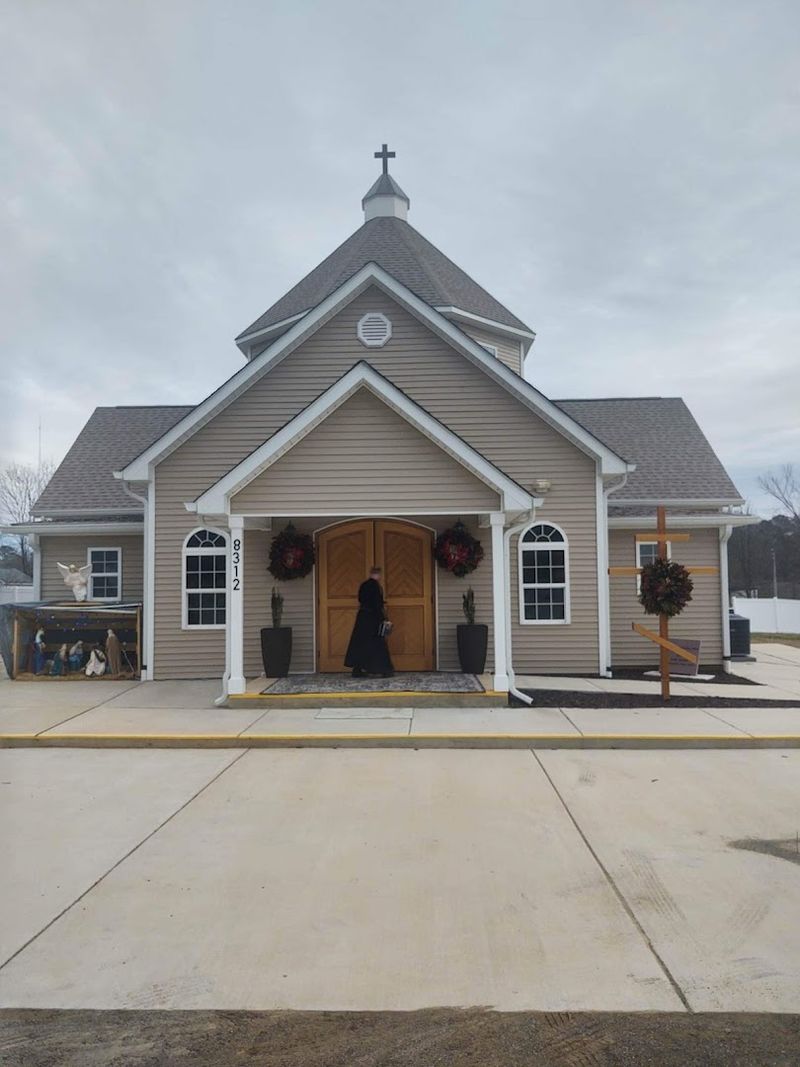
Quiet discoveries often feel more memorable because they do not announce themselves with grand entrances. St. Sophia Ukrainian Greek Catholic Mission sits along White Oak Road in Garner, where the surrounding area feels calm enough to make the church appear almost unexpectedly.
Official Diocese of Raleigh information lists the mission’s physical address as 8312 White Oak Road and identifies Father Matthew Schroeder as pastor, placing this Ukrainian Greek Catholic community within a real and active parish setting rather than a decorative landmark.
Instead of feeling like a tourist attraction built for quick photos, the church comes across as a living spiritual home. Worship, parish life, cultural continuity, and Eastern Catholic tradition all shape its identity.
Garner may often sit in Raleigh’s larger shadow, but smaller communities sometimes hold the most surprising cultural spaces. St. Sophia proves that beauty does not need a downtown skyline, a large campus, or constant attention to matter.
Sometimes a meaningful place waits beside a quieter road, asking only for enough curiosity to slow down and notice.
White Oak Road Leads To Something Unexpected
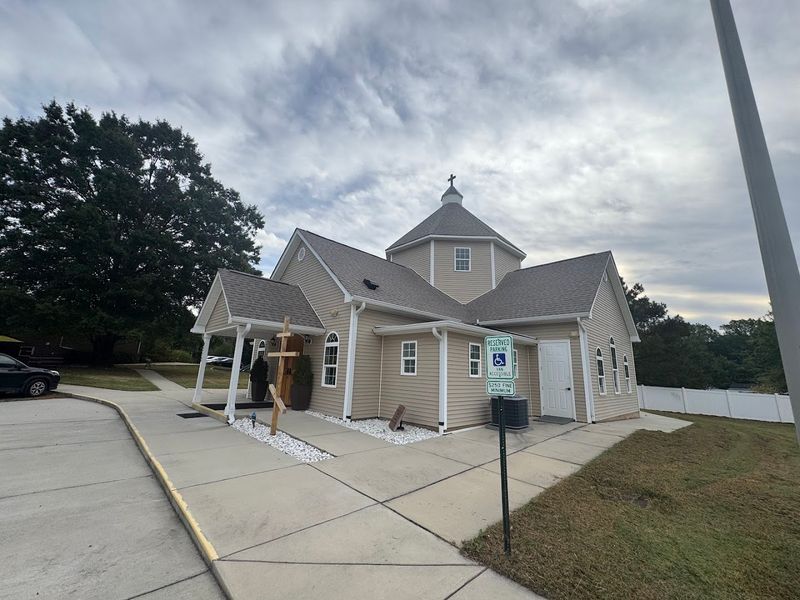
Ordinary roads can be sneaky in the best possible way. White Oak Road looks practical at first glance, like the kind of route people use while moving between daily obligations, but it also leads to a church connected to a much older religious and cultural tradition.
St. Sophia Ukrainian Greek Catholic Mission represents the Ukrainian Byzantine Catholic rite, with GCatholic identifying the church’s rite as Ukrainian Byzantine and listing its address in Garner.
Such a specific faith tradition in a suburban North Carolina setting gives the church its quiet surprise. A visitor expecting only neighborhood streets finds a community linked to Eastern Christian worship, Ukrainian heritage, and the wider Catholic communion.
For parishioners, this is not simply a building with a sign out front. It is a gathering place shaped by liturgy, memory, and belonging.
People interested in North Carolina’s lesser-known cultural landmarks will find the setting especially compelling because St. Sophia does not rely on size or flash to make an impression.
Its appeal comes through the unexpected presence of deep heritage in a place many drivers might think they already understand.
Byzantine Tradition Gives The Church Its Character
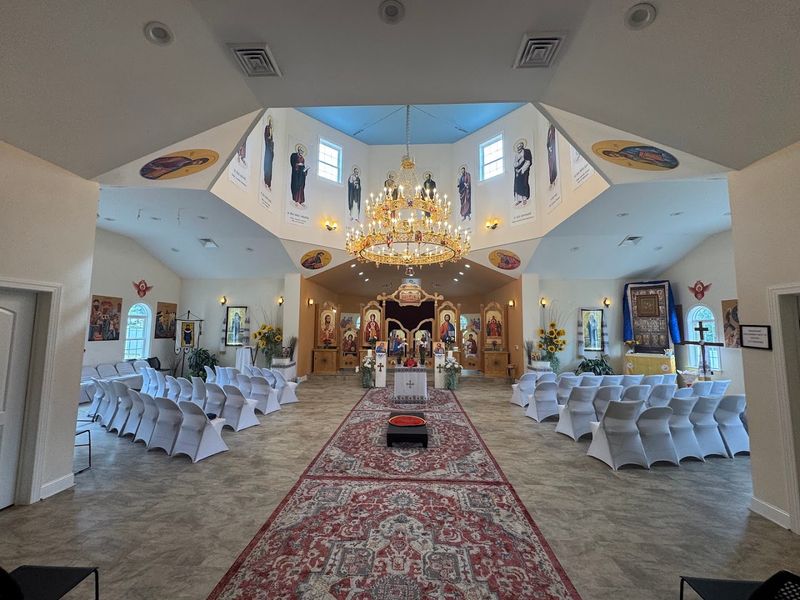
Eastern Christian worship carries a visual and spiritual language all its own, and St. Sophia reflects that identity through its Ukrainian Greek Catholic roots.
Rather than treating sacred art as casual decoration, Byzantine Catholic worship is known for icons, liturgical rhythm, chant, and a strong sense of prayerful order.
Official parish information describes St. Sophia as a Ukrainian Catholic community and includes a bilingual Divine Services schedule, underscoring the living liturgical rhythm behind the church’s public identity.
Someone unfamiliar with Eastern Catholic worship may notice the atmosphere before understanding every symbol. Sacred images draw the eye.
Ritual gestures carry meaning. Language and music can give the service a distinct texture compared with many churches in the region.
What makes the church beautiful is not only color, craftsmanship, or tradition in the abstract. Beauty comes through the way those elements serve prayer.
Garner may not be the first place people associate with Byzantine sacred life, but St. Sophia makes the connection feel natural once its story comes into focus. Sacred tradition does not feel imported here; it feels carefully carried and faithfully practiced.
Icons Carry The Story Of Faith And Heritage
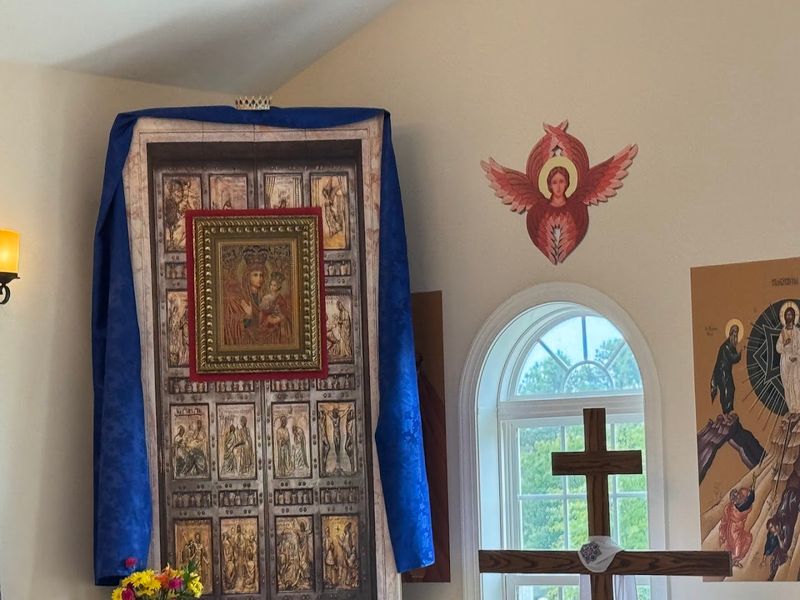
Sacred images hold a central role in Ukrainian Catholic worship, and their presence helps explain why St. Sophia feels different from many familiar church spaces across North Carolina. Icons are not casual wall art in the Byzantine tradition.
They are visual expressions of faith, shaped by inherited symbolism, prayer, and centuries of devotional practice. Even when a visitor does not know every meaning behind a gesture, color, or arrangement, the effect can still feel quietly powerful.
Faces in icons often seem still rather than sentimental. Gold tones, formal poses, and careful placement invite a slower kind of looking.
In a Ukrainian Catholic setting, those images also carry cultural memory. They link families to homeland, inherited prayers, and generations of worshippers who kept the tradition alive through movement and change.
St. Sophia’s official parish identity and bilingual worship information point to a community where faith and heritage remain visible in daily parish life.
What makes the church meaningful is not just that icons are beautiful. Sacred art here helps tell a larger story about identity traveling with people, settling into new soil, and remaining recognizable without becoming frozen in the past.
Ukrainian Catholic Roots Feel Strong In Garner
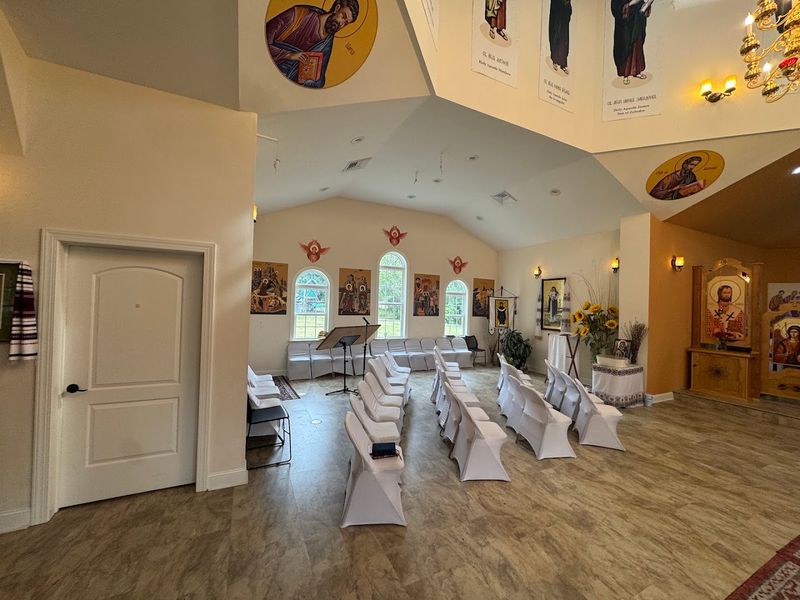
Small churches can carry enormous histories, and St. Sophia is a strong example.
The current parish community grew from Saints Volodymyr and Olha in Garner and St. Nicholas in Cary. They established one community under the name St. Sophia Ukrainian Catholic Church, according to the Ukrainian Catholic Eparchy of St. Josaphat.
That background gives the Garner church more depth than a passing driver might guess from the road.
For local families connected to the parish, St. Sophia offers more than a Sunday destination. It provides continuity through worship, community gatherings, language, and customs tied to Ukrainian Catholic identity.
Children and younger parishioners can encounter prayers, melodies, and traditions that connect them with something older than their own neighborhood.
North Carolina’s cultural story is often told through famous towns, major universities, and big landmarks, but places like this add a more intimate chapter.
Faith communities preserve memory in ways maps do not always show. St. Sophia stands as a reminder that heritage survives not only in museums or festivals, but in regular worship, shared meals, parish calendars, and people who keep showing up.
Raleigh’s Outskirts Hold A Quiet Sacred Surprise
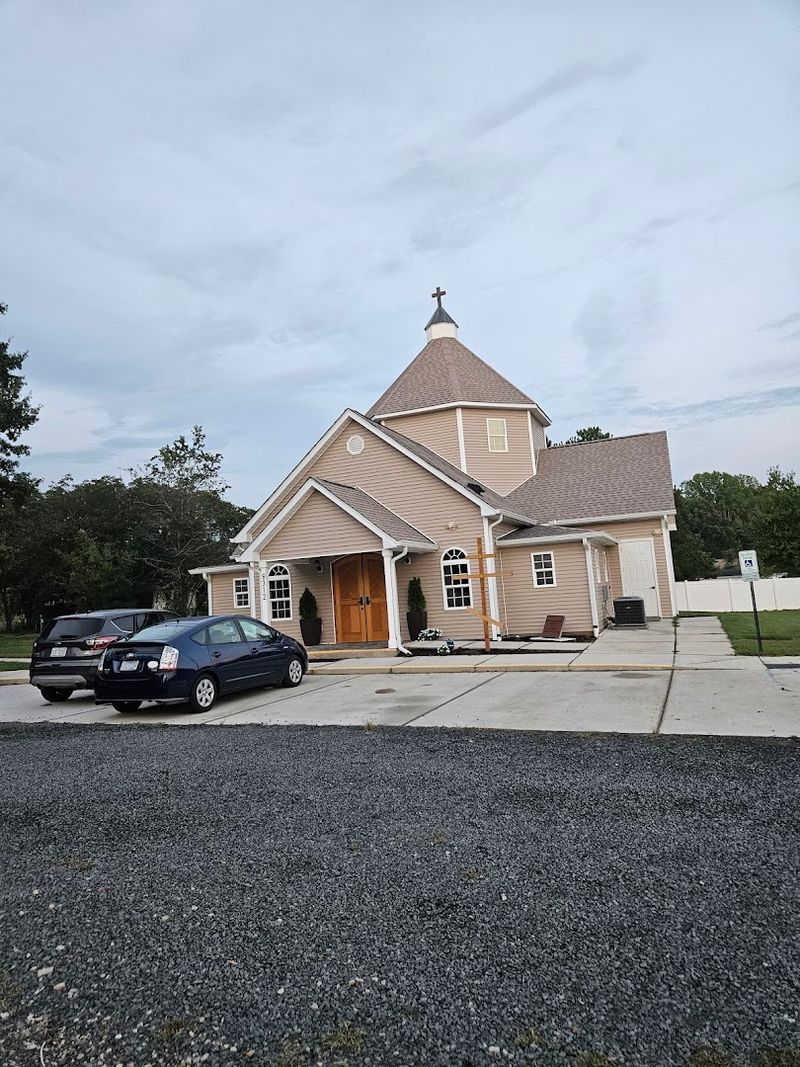
Raleigh tends to gather attention easily, while nearby towns often get treated like background scenery. Garner deserves more credit for holding its own meaningful places, and St. Sophia Ukrainian Greek Catholic Mission is one of the clearest examples.
A short drive beyond the capital’s busier rhythm brings visitors to a church shaped by Ukrainian Catholic tradition and connected to the Diocese of Raleigh’s wider religious landscape.
Instead of crowds, commercial polish, or a heavily advertised attraction, this church offers a quieter kind of depth. The setting encourages slower attention, especially for people interested in sacred architecture, Eastern Christian worship, or immigrant-rooted cultural spaces.
Proximity to Raleigh makes the discovery feel even more striking. One moment, the region can feel defined by traffic and fast-growing suburbs.
Soon after, White Oak Road leads to a parish where Byzantine liturgy and Ukrainian heritage remain part of everyday life. For travelers who enjoy places with more meaning than spectacle, St. Sophia feels like a reminder that the Triangle’s most interesting stories are not always downtown.
Sometimes they sit just beyond the city’s edge, quietly keeping a tradition visible.
Sacred Details Shape The Whole Experience
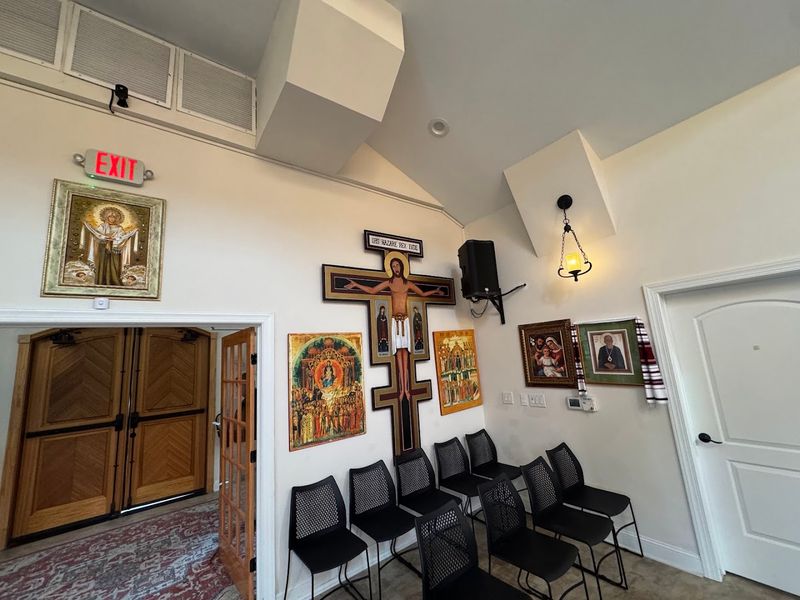
Meaning in sacred spaces often gathers through details rather than one dramatic feature. At St. Sophia, the experience is shaped by the relationship between worship, imagery, language, and community life.
Parish information lists Divine Services and identifies the church’s Ukrainian Catholic identity, while the Diocese of Raleigh recognizes it as Saint Sophia Ukrainian Greek Catholic Mission. Those details matter because they show that the church is active, not merely symbolic.
Eastern Christian tradition places a strong emphasis on beauty as part of prayer. Art is not added after the room is finished just to make it attractive.
Sacred images, candles, liturgical order, and ritual gestures all belong to the spiritual experience itself. That kind of intentionality can make a church feel calm without feeling plain.
A candle’s glow, an icon’s gaze, or a prayerful silence can stay with someone longer than a more dramatic architectural feature. North Carolina has many notable churches, but St. Sophia offers a particular kind of beauty tied to Ukrainian Catholic heritage.
Its strength is not loud. It settles gradually, through details placed with purpose.
North Carolina’s Ukrainian Heritage Has A Home Here
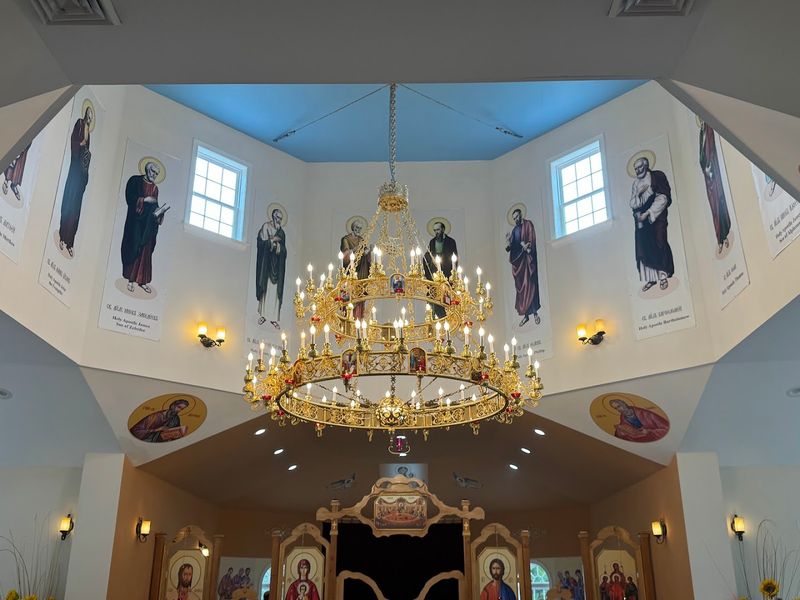
Heritage does not vanish when people move. It travels through worship, food, language, music, family stories, feast days, and the places communities build together.
St. Sophia gives Ukrainian Catholic heritage a visible home in Garner, connecting local worshippers to a tradition rooted in the Ukrainian Greek Catholic Church and the Byzantine rite.
Diocese and parish listings confirm the church’s active presence at 8312 White Oak Road, with contact information and worship resources available for those seeking the community.
For Ukrainian Americans and others connected to the parish, St. Sophia offers continuity. It is a place where sacred customs can be practiced, where community bonds can strengthen, and where identity does not have to be left behind in order to belong somewhere new.
Garner becomes part of that story, not a footnote outside it. People who visit with respect and curiosity will find more than a beautiful church.
They will find a reminder that North Carolina’s cultural fabric is wider than it may first appear. St. Sophia stands quietly on White Oak Road, but the heritage it protects and shares reaches far beyond one address.