Over 1,000 Animals From Six Continents Live At This Boise Zoo Inside A City Park
A runaway circus monkey found near Mountain Home helped start one of the oldest attractions in Idaho. That little escape artist ended up with a new home, and a city ended up with a zoo.
More than a century later, the place still sits in the middle of a busy public park. Amur tigers, snow leopards, and Komodo dragons now live a short stroll from picnic tables and walking paths.
I like how easy it is to reach. You can feed lettuce to a giraffe, hand mealworms to a sloth bear, and still be back downtown for lunch.
Every ticket also quietly sends money to wildlife projects in Idaho and far beyond. So how did a tiny collection of birds and one lost monkey grow into all of this?
A Wild Neighbor Living Right Inside Julia Davis Park
Most cities put their zoo on the edge of town. Boise tucked its version into one of its favorite green spaces, and the result feels wonderfully convenient.
Zoo Boise sits inside Julia Davis Park, right near downtown Boise. That means the lions and giraffes share a neighborhood with lawns, shady trees, and park trails.
The zoo is home to more than 300 animals from over 100 species. They come from all over the globe, so a single morning can feel like a quick tour of several continents.
It’s also an accredited member of the Association of Zoos and Aquariums. That stamp means the zoo meets national standards for animal care and conservation work.
The compact size is part of the appeal. You can see a lot without needing a map, a golf cart, or an entire weekend.
For Treasure Valley families, the location makes spontaneous trips simple. A walk in the park can turn into a visit with penguins and red pandas surprisingly fast.
Honestly, few places in Idaho let you go from a downtown sidewalk to a tiger exhibit this quickly. That convenience alone earns it a spot on your list.
Exotic Birds, a Runaway Monkey, and a Very Unusual Police Assignment
Every great origin story needs a twist. Zoo Boise has one involving a circus monkey that went missing near Mountain Home.
The zoo opened in 1916, starting with a donation of exotic birds to the City of Boise. Then came that wandering monkey, which was brought to Boise so someone could care for it.
From those humble beginnings, the city had the seed of a real zoo. It wasn’t fancy, but it was a start.
Here’s the part that still makes people grin. In the 1920s, the Boise Police Department took charge of the animals.
Officers even gathered leftover food from local businesses to keep everyone fed. Picture explaining that job description at a family dinner.
The collection kept growing over the following decades. Eventually, the zoo housed 40 different species, a big jump from a few birds and one monkey.
I love that the whole thing began with ordinary people stepping up. It wasn’t a grand master plan, just a community taking care of animals that needed help.
That scrappy spirit still shows up in how the zoo works today. You’ll notice it again as the story unfolds.
The Citizen Rescue That Saved Everything in 1961
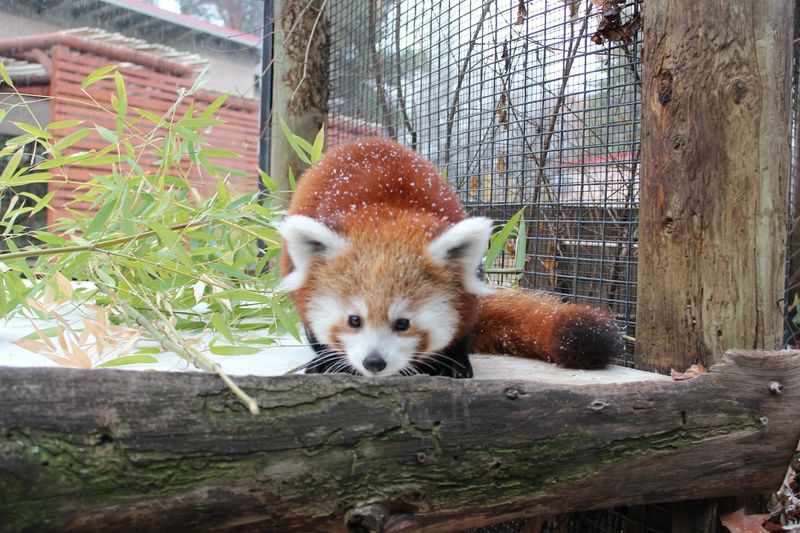
Plenty of old zoos quietly faded away. This one came close in 1961, after years of being overlooked.
The zoo nearly closed at that point. Instead, a group of concerned residents formed a task force and refused to let it slip away.
That group became the Idaho Zoological Society. Today it’s known as the Friends of Zoo Boise, a nonprofit that still supports the zoo.
It’s a classic Idaho move, really. When something matters to a community, neighbors roll up their sleeves and fix it.
Changes followed over the next decade. Admission fees arrived for the first time in 1971, helping fund care and improvements.
Without that citizen effort, there’d be no sloth bear feedings or butterfly greenhouse today. The modern zoo stands on that rescue.
I can’t imagine Julia Davis Park without it now. The idea that a few determined people kept it alive makes every visit feel a little more meaningful.
So when you stroll past the tigers, give a quiet nod to those 1961 volunteers. They’re a big reason the gates still open each morning.
Tigers, Penguins, and a Komodo Dragon on One Short Loop
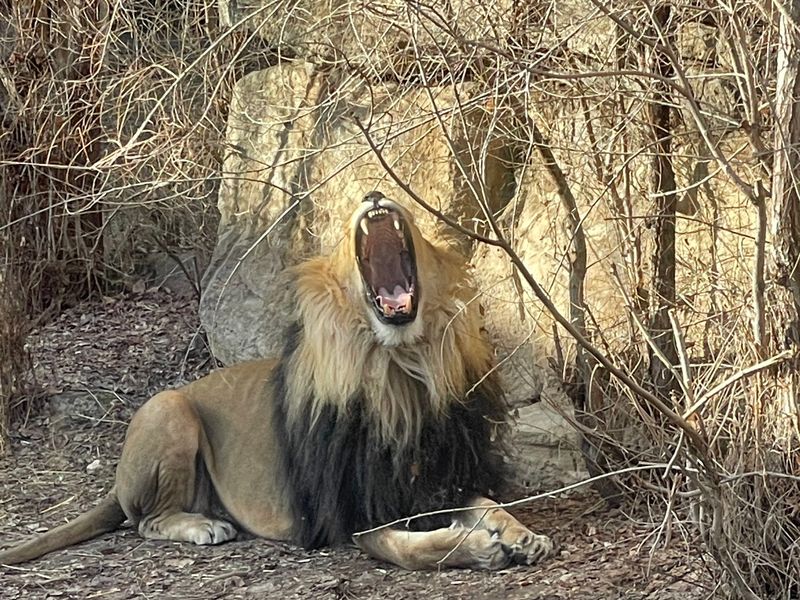
Lions and tigers come first for most people. At this zoo, that’s only the opening act.
The roster includes lions, Amur tigers, giraffes, and snow leopards. Sloth bears, penguins, and red pandas round out a lineup that keeps kids pointing nonstop.
Reptile fans get a treat too. Komodo dragons and Nile crocodiles bring serious prehistoric energy to the visit.
Then there are the primates. Spider monkeys and baboons add plenty of motion and personality to the mix.
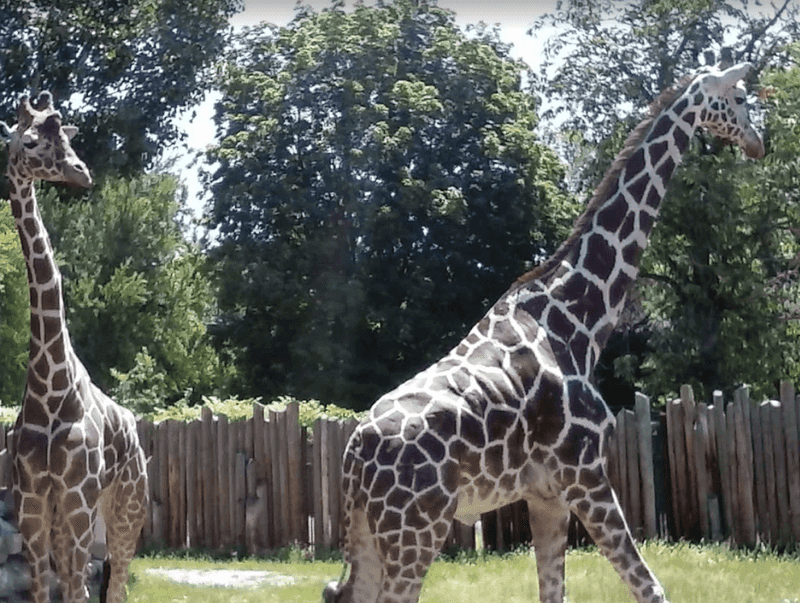
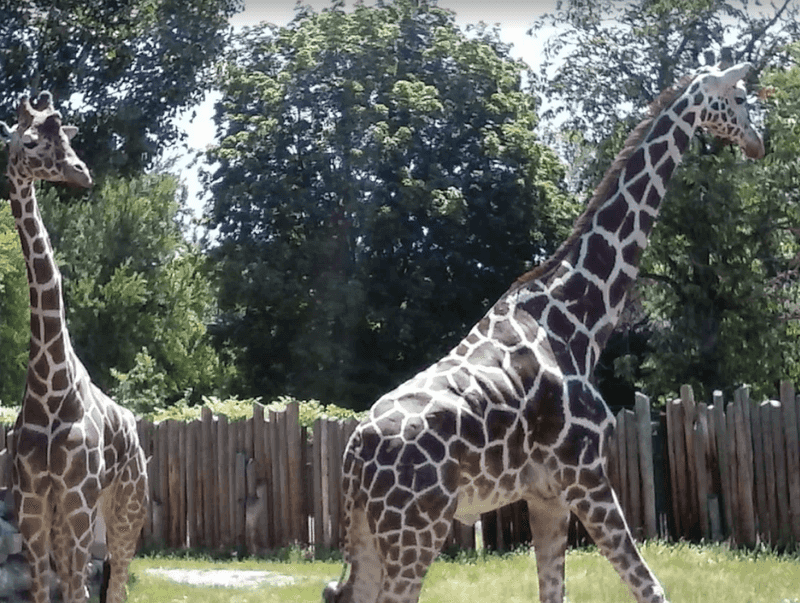
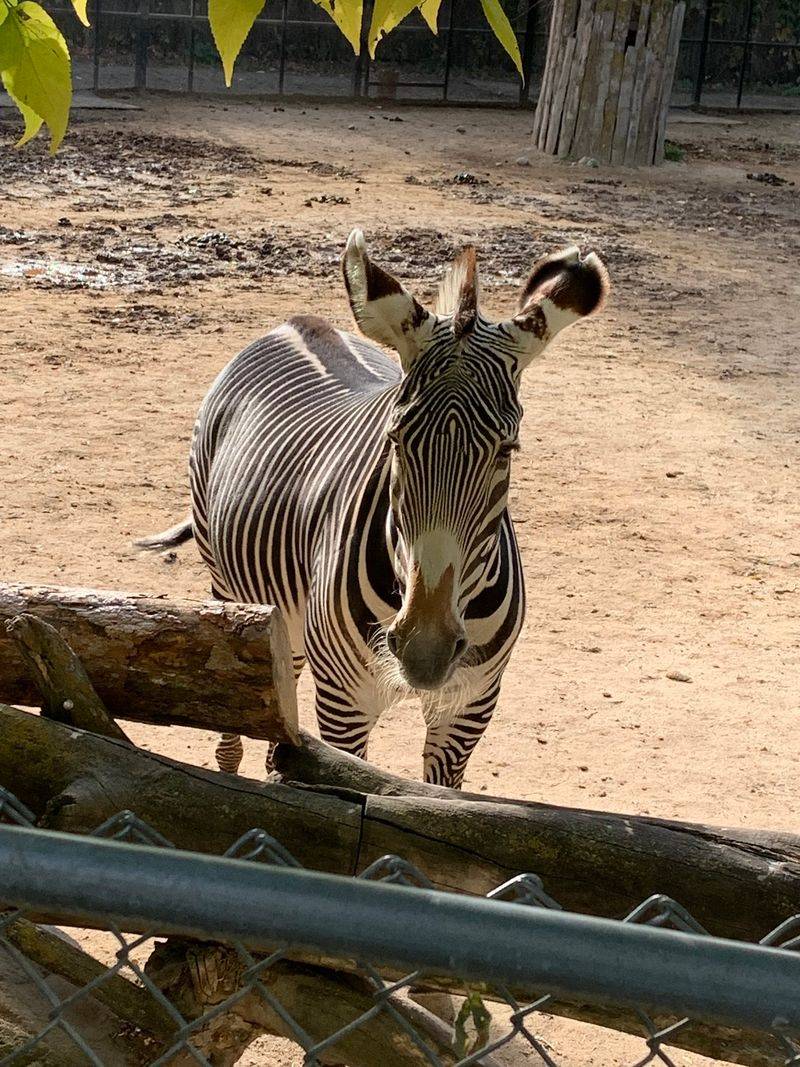
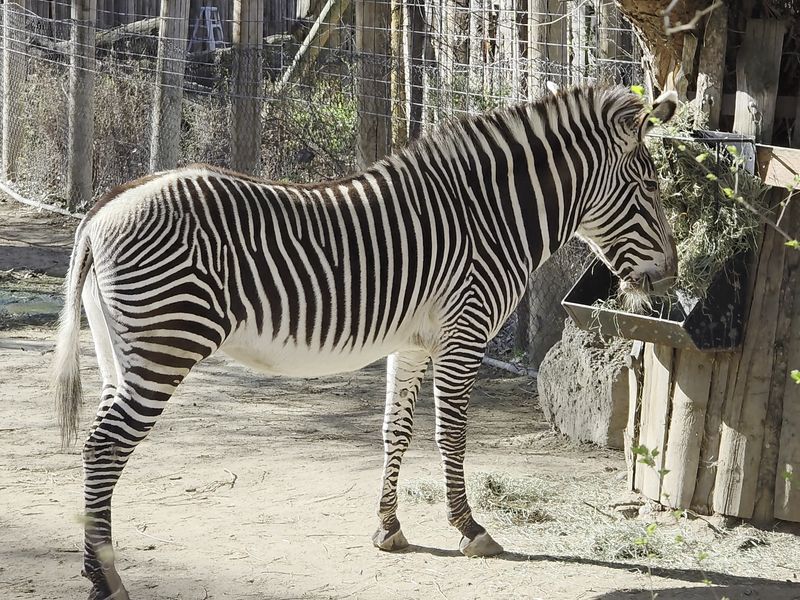
Africa gets strong representation as well. Zebras and ostriches share the spotlight with those tall, lettuce-loving giraffes.
Closer to home, bald eagles make an appearance. It’s a fun reminder that some remarkable wildlife lives right here in North America.
Otters are another crowd-pleaser, mostly because they seem to have endless energy. Good luck pulling younger visitors away from that exhibit.
With over 100 species, there’s real variety packed into a manageable space. You can cover snow leopards and crocodiles in the same hour, which feels a little like cheating in the best way.
A Slice of Mozambique and a Solar-Powered Boat Ride
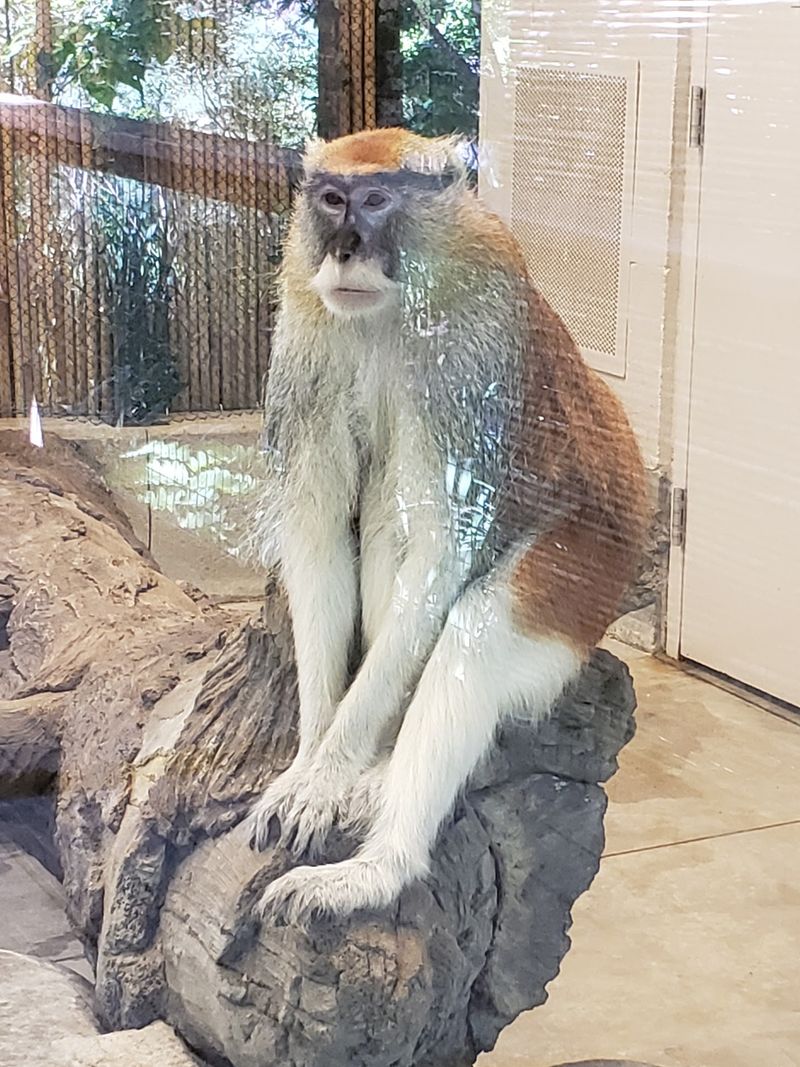
Ever ridden a quiet boat past monkeys in the middle of Idaho? Zoo Boise makes that oddly specific dream possible.
The Gorongosa National Park Exhibit opened in 2019. It celebrates the real Gorongosa National Park in Mozambique, a place the zoo actively helps rebuild.
That connection gives the exhibit extra weight. You’re not just looking at animals, you’re seeing a link to genuine conservation work across the world.
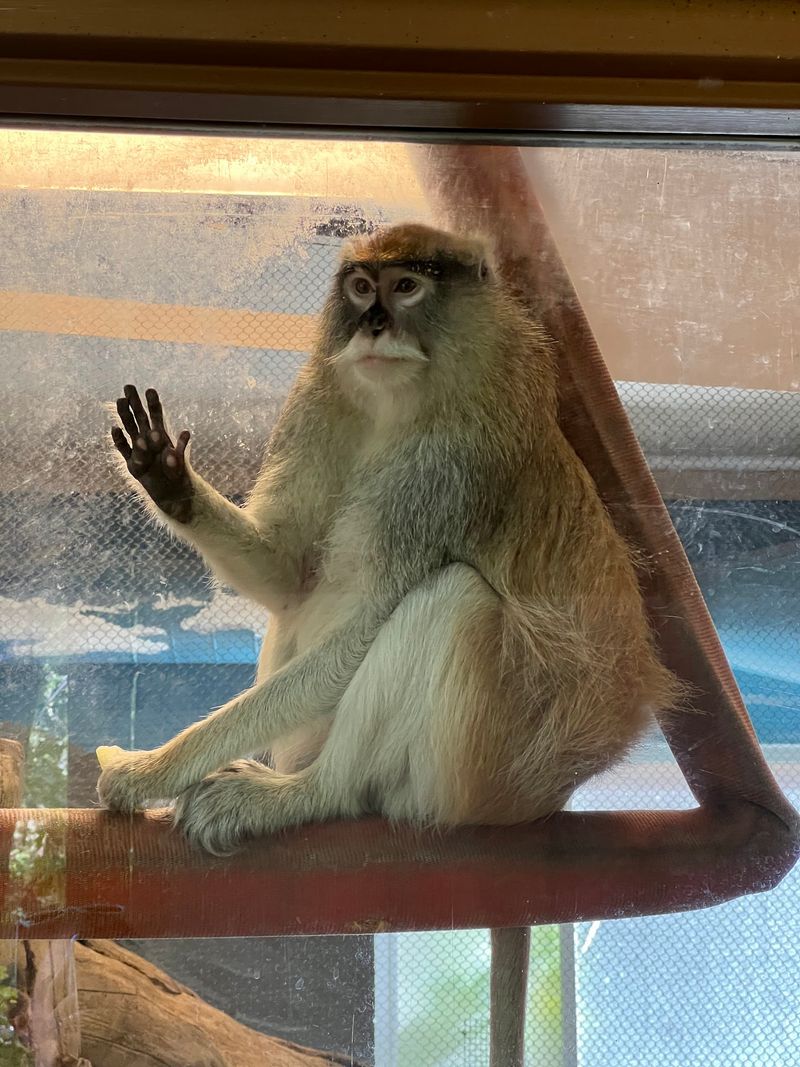
The Conservation Cruise is the standout here. Guests board a solar-powered boat for a gentle trip that offers views of patas monkeys.
Patas monkeys are built for speed on land, so watching them from the water is a fun change of perspective. The quiet boat also fits the zoo’s eco-minded approach nicely.
Kids usually treat any boat ride like an adventure. Adults tend to enjoy the slower pace and the chance to rest their feet.
I like how the cruise mixes fun with purpose. It turns a far-off African park into something you can actually relate to from Boise.
Plan for it early in your visit. It’s one of the experiences that makes this zoo feel different from the usual walk-and-look routine.
The Small Fee That Made National History
Fifty cents doesn’t sound like much. At Zoo Boise, it changed how zoos across the country think about conservation.
In 2007, the zoo became the first in the United States to add a conservation fee to admission. That small amount is tucked into every ticket.
All of those proceeds go straight to wildlife conservation projects. The money supports efforts both in Idaho and around the world.
Since 2007, the program has raised more than three million dollars. Not bad for spare change.
It’s a smart, simple idea. Visitors barely notice the cost, but together they fund real work protecting animals in the wild.
The partnership with Gorongosa National Park in Mozambique is one big example. Projects closer to home benefit too, which feels especially good for Idaho families.
I believe this is the zoo’s most underrated feature. You won’t see it on a map, yet it touches every visit.
So next time you buy a ticket, you’re doing more than seeing giraffes. You’re chipping in for wildlife you may never meet, and that’s a pretty great trade.
Mealworms for a Sloth Bear, Lettuce for a Giraffe
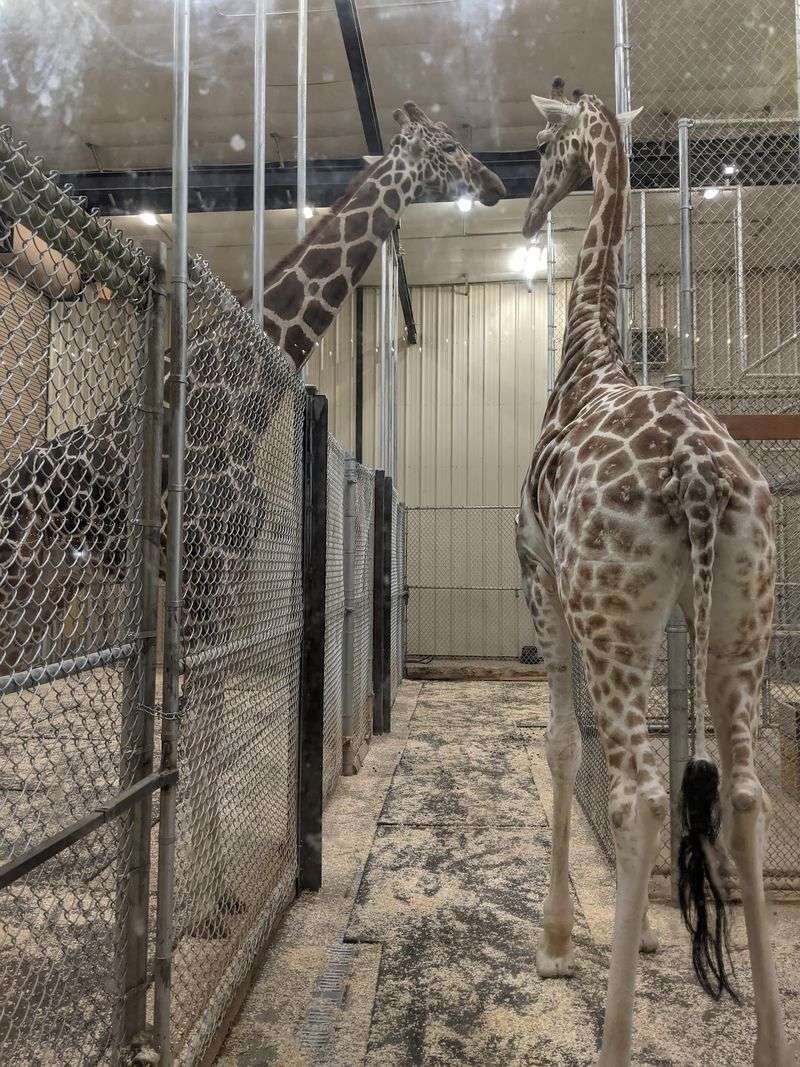
Long purple tongues are hard to forget. The Giraffe Encounter puts one just inches from your hand.
Guests can feed lettuce to the giraffes, which tends to be the moment kids talk about all the way home. It’s a little ticklish and completely memorable.
The Sloth Bear Encounter is even more unusual. Visitors feed a sloth bear mealworms through a special tube.
Sloth bears are famous for slurping up insects, so the setup makes perfect sense. Watching one happily vacuum up its snack is surprisingly entertaining.
These experiences carry a small extra cost on top of admission. Check details when you arrive, since availability can change with the season and weather.
Both encounters help visitors connect with animals in a personal way. It’s easier to care about a species after you’ve fed one.
The Kijiji Market Cafe sits near the giraffe exhibit too. That makes it easy to grab a treat right after the feeding.
If you only splurge on one add-on, either choice works. Giraffes win on height, while the sloth bear wins on pure weirdness.
A Brand-New Passage Built for Red Pandas
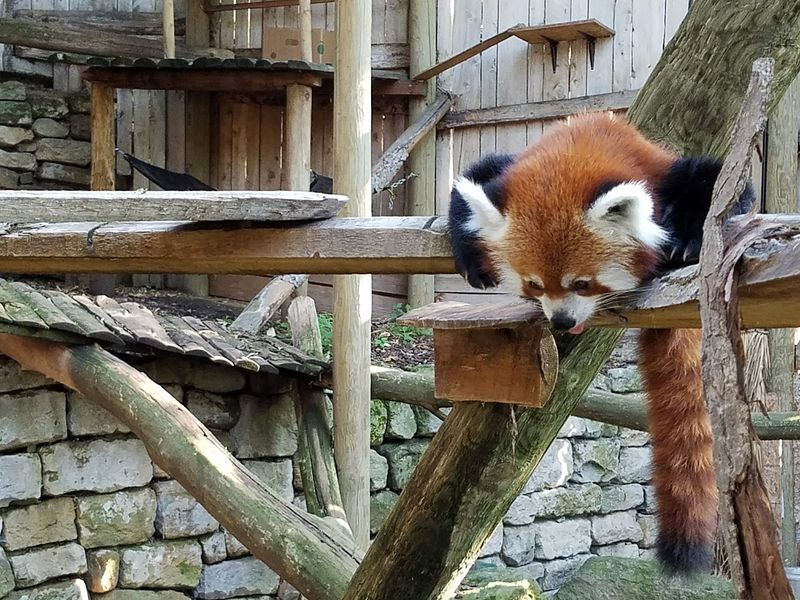
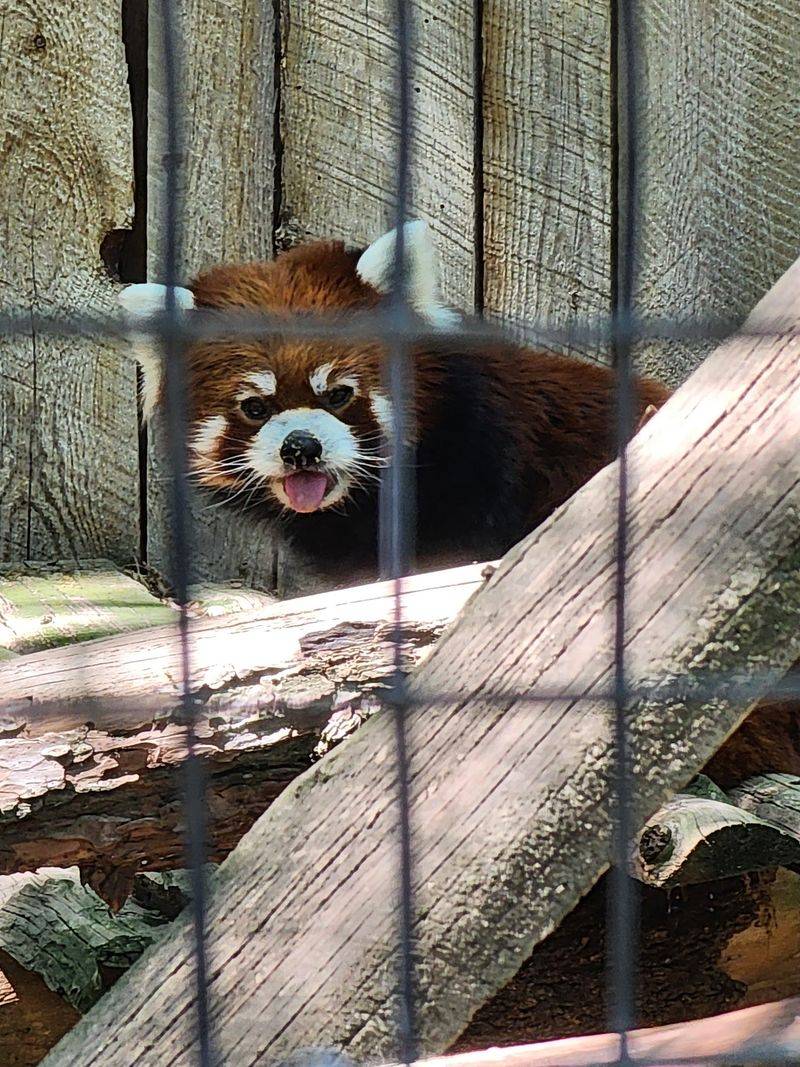
Fluffy tails, masked faces, and serious climbing skills. Red pandas might be the cutest residents on the property.
Zoo Boise built the Virginia R. Bartak Red Panda Passage as one of its newest additions.
The project was slated to open in 2025, giving these tree-loving animals a fresh home.
Red pandas spend much of their time up high. A habitat designed around their habits gives visitors a better chance to spot them.
They’re small and often quiet, so patience pays off. Keep scanning the branches, because they can blend in surprisingly well.
The new passage shows how the zoo keeps evolving. More than a century after its start, it’s still investing in better spaces for animals.
Private encounters also let small groups observe red pandas more closely. That option adds a deeper look for true fans.
Families with young kids may want to make this an early stop. Red pandas tend to charm everyone, from toddlers to grandparents.
I like how the exhibit honors a donor’s name while serving a vulnerable species. It’s another example of the community stepping up, a theme that runs through this zoo’s whole story.
Fluttering Wings in a Greenhouse and Hungry Goats Nearby
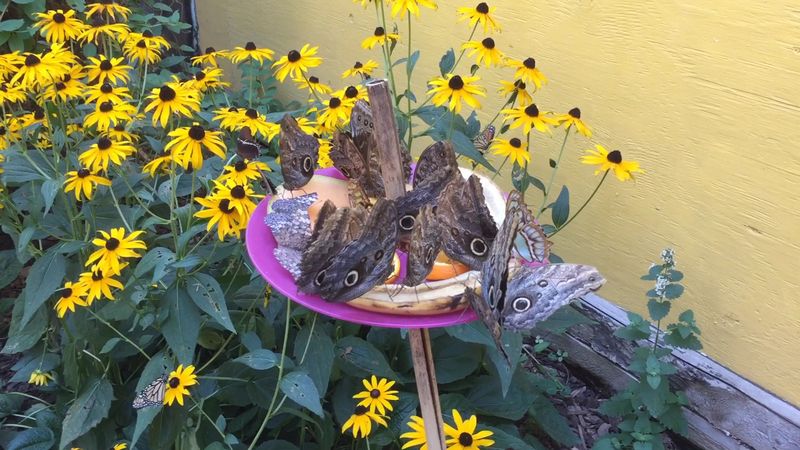
Some exhibits roar. This one flutters, and it’s every bit as delightful.
Butterflies in Bloom is a seasonal walkthrough greenhouse filled with colorful butterflies. You stroll among them instead of peering through glass.
Because it’s seasonal, timing matters. Check before driving if the butterflies are your main reason for visiting.
Moving slowly is the key here. Butterflies sometimes land close by, and sudden movements send them drifting away.
Over at the Zoo Farm, the mood shifts completely. Goats, sheep, and llamas bring a friendly barnyard feel to the day.
Visitors can get up close with the goats and even feed them. Goats take snack time very seriously, so expect enthusiastic attention.
The farm is a great break for younger kids who need hands-on fun. After lions and tigers, a calm goat can feel like a new best friend.
Pairing these two stops makes for a gentle middle part of the visit. One offers quiet color, the other offers happy chaos, and together they balance out the bigger exhibits nicely.
Private Meetings With Mr. Mac and Other VIP Residents
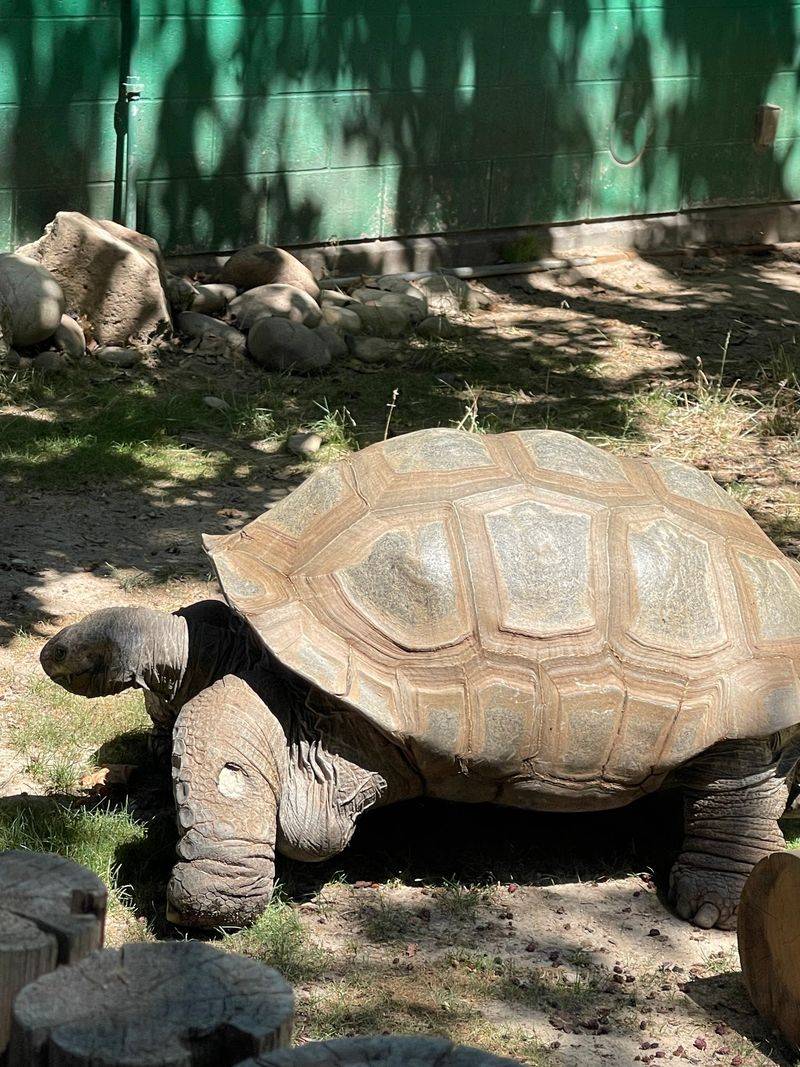
Mr. Mac doesn’t rush for anyone. He’s an Aldabra tortoise, and meeting him is one of the zoo’s private encounter options.
Private encounters offer a more intimate look at certain animals. Choices include feeding a giant anteater and observing red pandas up close.
A giant anteater meal is quite a sight. That long snout and quick tongue make snack time feel like a nature documentary.
For everyday learning, Daily Zoo Chats are a nice touch. Members of the Animal Care team share insights about the animals and their care.
These talks help answer the questions kids always ask. Why does that animal sleep so much, and what does it eat?
Zoo Boise also offers Adaptive Animal Adventures. These programs are designed for individuals with disabilities and their families.
I love that thoughtful inclusion. It means more Idaho families can enjoy close animal experiences in a way that works for them.
Educational programs for kids, families, and adults add even more options. Whether it’s a quick chat or a private tortoise visit, there’s a way to go deeper than simply walking past the exhibits.
Grill Plates, Cafe Treats, and a Brand-New Gift Shop
Hungry kids can end a zoo trip early. Luckily, food options here are easy to find.
Expedition Grill sits in the main plaza. It serves grilled items, healthier choices, and snacks for quick refueling.
Kijiji Market Cafe sits near the giraffe exhibit. It offers local favorites and sweet treats, perfect after a feeding session.
Weather permitting, the Coffee and Dots Cart pops up too. Treats are also available near the carousel.
Both main eateries use biocompostable products. It’s a small detail that fits the zoo’s conservation mindset.
Shoppers get a fresh option as well. The Zoo Boise Trading Outpost opened in May 2025 with souvenirs, clothing, and educational toys.
That’s where a plush red panda might sneak into your bag. Consider yourself warned.
The Zoo Carousel adds another spin to the day, literally. Kids who’ve walked the whole loop usually welcome a ride.
Packing your own lunch is allowed, which helps families on a budget. Just leave glass containers and straws at home, since those aren’t permitted inside.
Parking, Timing, and Everything Else Before You Go
Good planning makes a zoo day smoother. A few quick notes go a long way here.
Zoo Boise is at 355 Julia Davis Dr, Boise, ID 83702. It’s open daily, with a slightly earlier start during summer months.
Last admission comes an hour before closing. The zoo closes on Thanksgiving, Christmas, and New Year’s Day.
Parking is available throughout Julia Davis Park. If you’ll stay longer than two hours, grab an extended visitor parking pass when buying admission.
That small step can save some stress. Downtown parks get busy, especially on nice weekends.
Strollers and wagons are available to rent. They’re handy for little legs that run out of steam halfway through.
Restrooms are located throughout the property. The zoo is also accessible for guests with mobility needs.
Hours can shift by season, so check before driving. That’s especially true if you’re planning around a specific encounter or exhibit.
Admission typically costs just a few dollars more than a movie ticket for many families. For a day in the heart of Idaho’s capital, that’s a solid deal.
A Pocket-Sized Zoo With a Surprisingly Big Heart
Small zoos sometimes get underestimated. This one packs a century of community spirit into a single park.
Zoo Boise began with donated birds and a lost circus monkey. Today it features tigers, snow leopards, giraffes, and a solar-powered boat ride.
It’s easy to love the hands-on moments. Feeding a giraffe or a sloth bear creates the kind of memory kids keep.
The conservation story adds something deeper. Every ticket supports wildlife projects in Idaho and as far away as Mozambique.
For Treasure Valley families, it’s an easy outing. Day-trippers from across Idaho can pair it with a walk through Julia Davis Park.
The size works in its favor too. You can see a lot without feeling worn out by the end.
New additions like the Red Panda Passage show that growth continues. A place that nearly closed in 1961 keeps finding fresh ways to improve.
I believe that’s the best part of the whole story. Neighbors saved it, visitors support it, and animals benefit, which is a pretty satisfying reason to plan your next trip.