9 Peaceful Towns In Eastern New Hampshire That Deserve More Attention
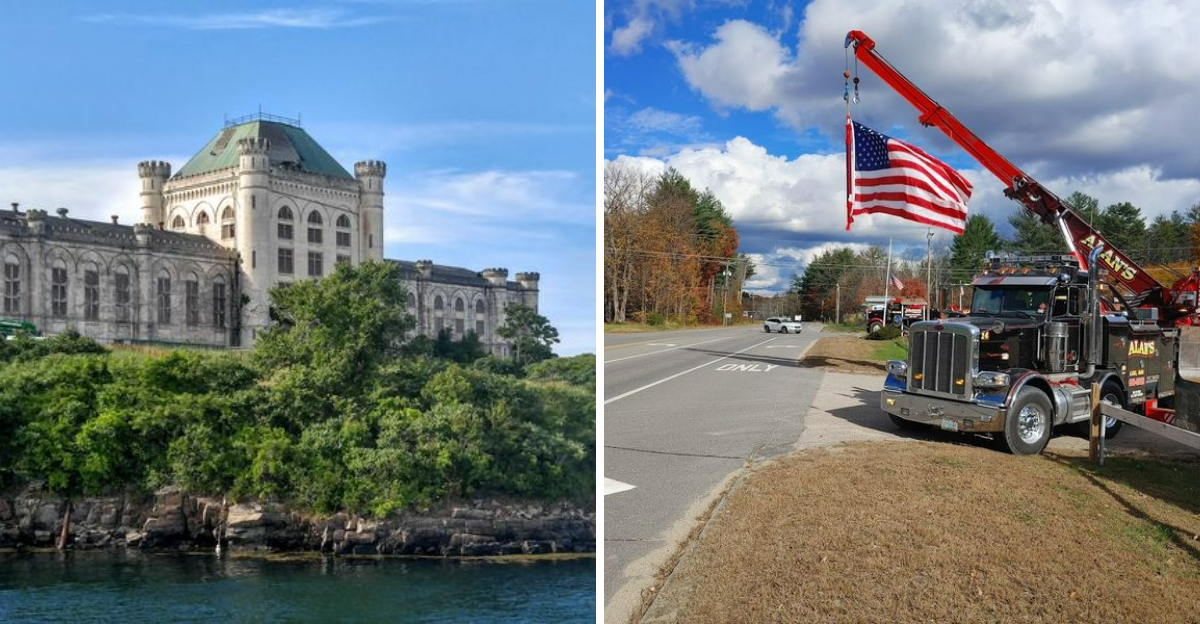
I have a confession. I drove past some of these places three times before I finally stopped.
And every single time, I almost missed something I would have regretted forever. The Granite State has a habit of hiding its best surprises in plain sight.
You blink, you miss them. These towns sit quietly in the eastern half of the state, unbothered by tourist crowds, completely unaware of how special they actually are.
No theme parks. No lines.
Just genuine history, actual locals, and the kind of stillness that makes you put your phone down without even thinking about it. If you have been sleeping on eastern New Hampshire, this is your wake-up call.
1. Exeter
I have a confession. I drove past some of these places three times before I finally stopped.
And every single time, I almost missed something I would have regretted forever.
The Granite State has a habit of hiding its best surprises in plain sight. You blink, you miss them.
These towns sit quietly in the eastern half of the state, unbothered by tourist crowds, completely unaware of how special they actually are.
No theme parks. No lines.
Just genuine history, actual locals, and the kind of stillness that makes you put your phone down without even thinking about it.
Take one town on this list as a perfect example. Few places carry their history as casually as this one does.
It served as New Hampshire’s capital at one of the most defining moments in American history, and somehow still feels like a well-kept secret.
A rare early copy of the Declaration of Independence was discovered here during renovations in the 1980s, tucked away and waiting. That kind of detail tells you everything about this part of the state.
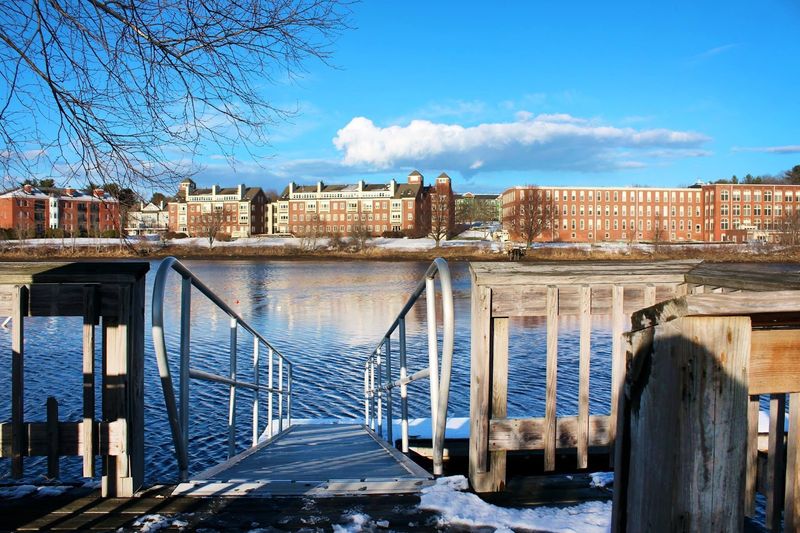
Brick buildings line the main street with a relaxed confidence. Locally owned shops, vibrant cafes, and a handful of upscale restaurants give the downtown real energy without feeling overwhelming.
A parkway runs along the river and is one of the finest spots in the area to simply sit and watch the water move. No agenda required.
You can walk it in the morning and feel like the entire day just opened up in front of you.
This is the kind of place that rewards a slow afternoon. Come for the history, stay for the gazebo, the coffee, and the feeling that nobody is in a rush.
2. Rye
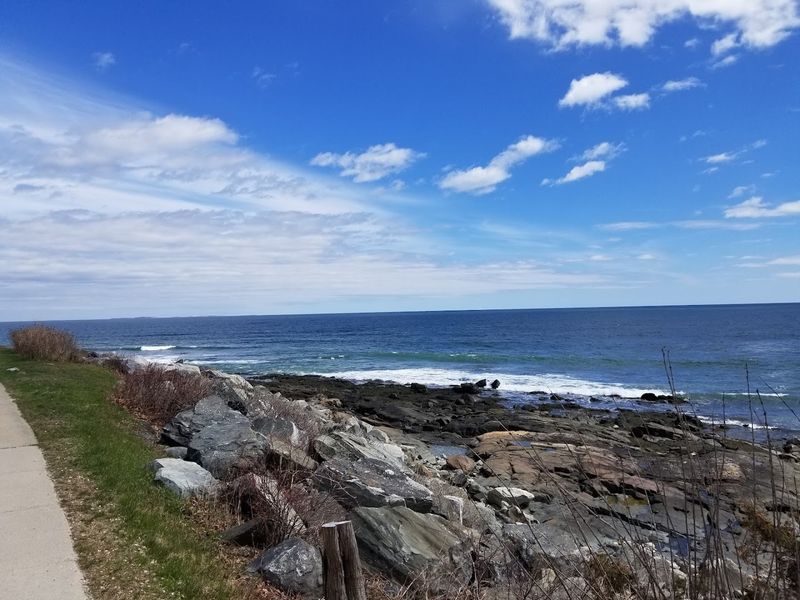
Rye does not advertise itself, and that restraint is exactly what makes it so appealing. It simply sits there, windswept and gorgeous, waiting for the right kind of traveler to notice.
Odiorne Point State Park was once a World War II military post protecting the Portsmouth Naval Shipyard. Today it holds the Seacoast Science Center, rocky shores, tide pools, forest trails, and visible remnants of the former coastal defense site.
Walking among those concrete structures while the ocean crashes nearby is a genuinely strange and memorable experience. History and nature rarely share space this comfortably.
Jenness State Beach is smaller and calmer than the more crowded stretches of coast nearby. Surfers use it, sunbathers enjoy it, and the atmosphere is generally calmer than some of the busier nearby beaches.
The landscape here shifts between open ocean, salt marsh, and quiet residential streets lined with old homes. Each section feels like its own distinct world within the same small town.
Rye rewards visitors who move slowly and pay attention. The tide pools alone could occupy a curious person for hours, and the drive along the coast road is genuinely one of the best in the region.
3. Durham
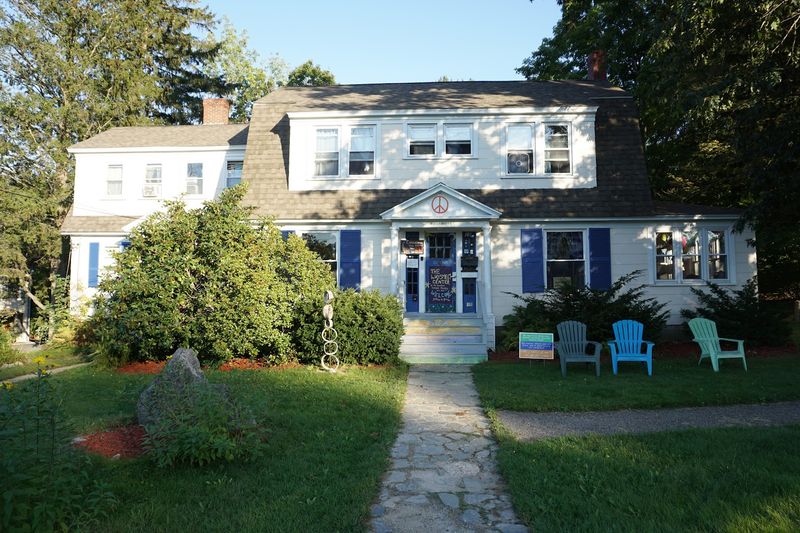
Durham operates on two speeds simultaneously, and somehow both work perfectly together. The University of New Hampshire brings energy, events, and sports, while Great Bay brings absolute stillness just minutes away.
Great Bay is a vast inland estuary that touches Durham’s western edge. It is one of the most quietly spectacular natural areas in New England, full of osprey, great blue herons, and tidal marshland that turns copper in autumn.
That contrast is what makes Durham genuinely interesting. You can catch a UNH hockey game on Friday night and kayak a salt marsh Saturday morning without changing zip codes.
The town sits conveniently between the mountains and the seacoast, making it a natural base for anyone who cannot decide what kind of outdoor adventure they want. Fortunately, Durham does not force the choice.
The university calendar fills the town with lectures, performances, and athletic events throughout the year. There is almost always something happening, which keeps the energy fresh without tipping into chaos.
For families, outdoor enthusiasts, and anyone who likes options, Durham delivers more than its modest size suggests. The bay alone justifies the drive out here on any given weekend.
4. Stratham
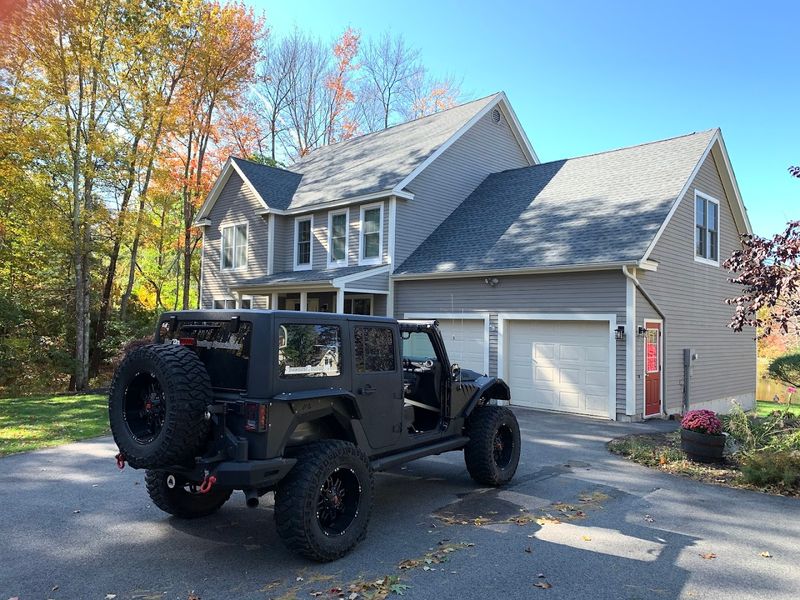
Stratham has a quiet confidence about it. Fields, wooded trails, and winding roads shape the landscape, while the Squamscott River adds a tidal beauty that most people drive right past without noticing.
The Great Bay area near Stratham offers opportunities for hiking, boating, fishing, and wildlife watching. This is not a manicured park.
It is raw, functional, and genuinely wild.
Scamman Farm operates here as an open working farm that the community treats like a shared backyard. It is the kind of place where kids learn where food actually comes from, and adults remember why that matters.
The annual Stratham Fair brings the town together each summer with the kind of old-fashioned energy that feels both rare and refreshing. Seasonal farm markets and gatherings on the town green keep that community rhythm going year-round.
Stratham sits a short ride from the New Hampshire Seacoast and close to both Portsmouth and Dover. It has the proximity of a suburb but the feel of somewhere entirely its own.
The town moves at a pace that feels deliberate. Nothing here rushes, and after about twenty minutes, neither will you.
5. Barrington
Calef’s Country Store has been operating since 1869, and walking through its door feels like stepping through a gap in time. Aged cheddar, maple syrup, penny candy, and floorboards that creak with institutional confidence are all part of the experience.
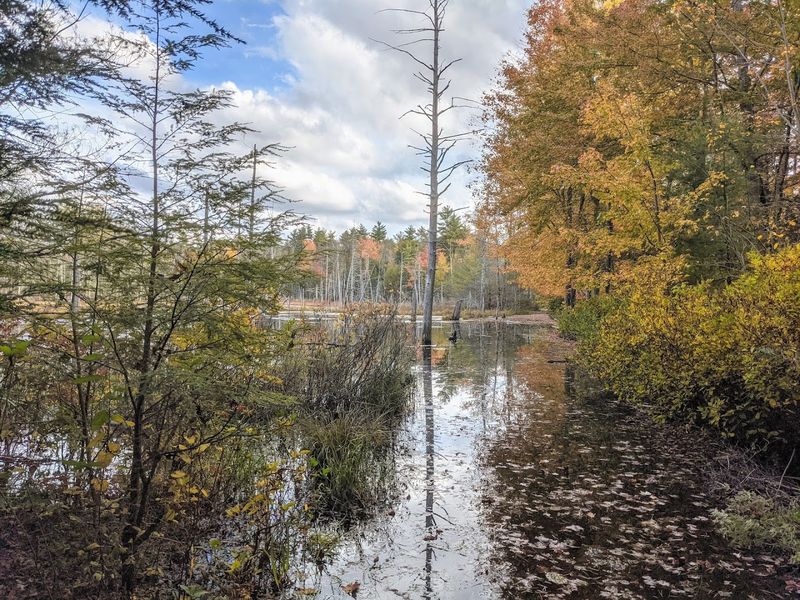
The store is located in Barrington, which is itself a town of ponds, conservation land, and rural roads that feel genuinely untouched by modern development. The two things complement each other perfectly.
Mendums Pond shapes much of the town’s character and landscape. The pond has long shaped the town’s landscape and remains one of the defining features of the area today.
Barrington does not have a dramatic coastline or a famous mountain. What it has is a slower, more grounded kind of appeal that rewards people who are not in a hurry to be impressed.
Conservation land laces the town in every direction, offering trails that feel private even on busy weekends. The kind of solitude here is earned by simply showing up and paying attention.
For anyone craving a genuinely unhurried afternoon in the countryside, Barrington delivers without making a single promise it cannot keep.
6. Newmarket
Not every town can turn an industrial past into something genuinely beautiful. Newmarket managed it without even trying too hard, which is the most Newmarket thing possible.
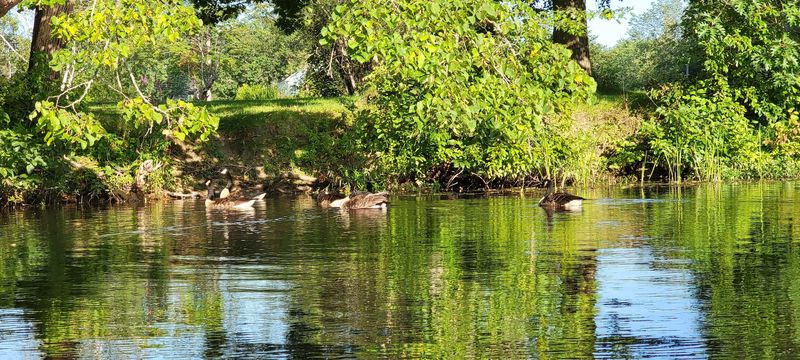
The downtown area is largely made up of converted riverfront mill buildings. They sit along the Lamprey River with a weathered charm that no new construction could ever replicate.
These buildings are part of the Newmarket Industrial and Commercial Historic District, added to the National Register of Historic Places in 1980. That is not just a plaque on a wall.
It is a real architectural legacy worth seeing.
The streets are clean, tree-lined, and calm in a way that feels intentional. Families walk here without checking their phones every thirty seconds, which is increasingly rare and quietly wonderful.
Newmarket blends old-world character with a modern creative energy. Local businesses have moved into the mill spaces, giving them new life without erasing what made them interesting in the first place.
The Lamprey River runs through it all, tying the old and new together. Sitting near the water here, watching the current pass the brick facades, feels like a genuinely good use of an afternoon.
7. Rollinsford
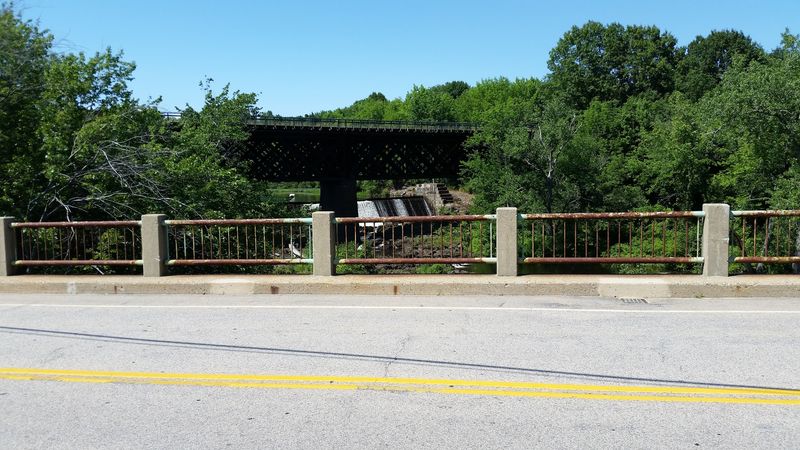
Rollinsford sits in southeastern corner of the state along the Salmon Falls River, right at the Maine border. It is about five miles southeast of Dover and roughly 65 miles north of Boston, reachable by Route 4 or winding local roads that trace the river closely.
The drive in passes historic mill buildings, tree-lined streets, and long stretches of quiet water that make the outside world feel genuinely distant. That effect does not wear off once you arrive.
The Salmon Falls River forms a natural boundary between the state and Maine here. Standing on the bank and looking across feels oddly significant, like geography made visible.
Rollinsford is one of those towns that is as close to Maine as you can get without crossing the state line. The locals mention that fact with a particular kind of dry humor that suits the town perfectly.
The pace here is unhurried in a way that feels structural rather than accidental. The river, the trees, and the old mill architecture all contribute to an atmosphere of settled calm.
For anyone who needs a reset without a long drive, Rollinsford offers exactly that. The flowing current handles most of the therapeutic work on your behalf.
8. New Castle
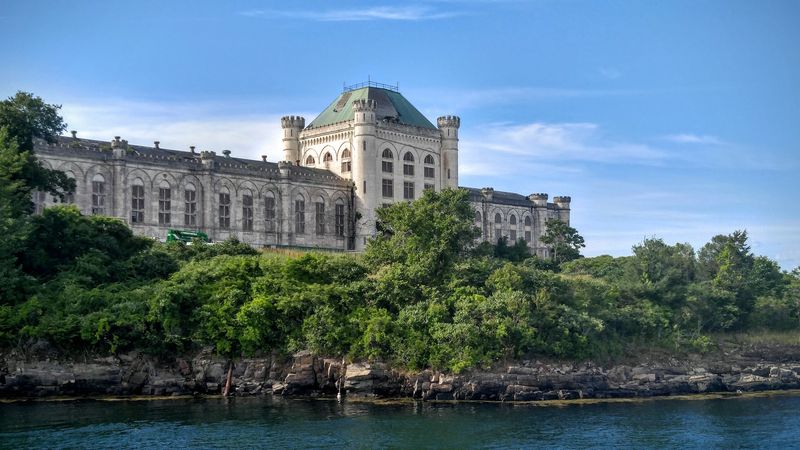
Standing on an island and still being in New Hampshire is a surreal experience. New Castle pulls it off with a quiet dignity that is hard to describe without just pointing at it.
Known to longtime residents as The Great Island, it is one of four towns in the state settled in 1623. That makes it older than most things you studied in school.
A causeway and two bridges connect it to Portsmouth, while the Piscataqua River keeps Maine just a quarter mile away. The geography alone makes it feel like a different world.
Drive across the causeway slowly. Historic homes, narrow lanes, and sweeping ocean views appear around every bend without any fanfare or signage demanding your attention.
New Castle is the smallest town in the state by area, and it carries that distinction with complete indifference. It does not need your validation, which makes it even more appealing.
The Atlantic surrounds the island on multiple sides, giving even a short walk here a dramatic, windswept quality. Fort Stark sits at the island’s edge, open to the public, with views across the water that stop you mid-sentence.
Great Island Common is where locals actually go. A wide grassy park with picnic areas and unobstructed views toward the Isles of Shoals.
On a clear afternoon, it is one of the most quietly beautiful spots in the entire region.
New Castle has no traffic lights, no chain stores, and no interest in changing that. It is the kind of place that makes you reconsider your entire vacation itinerary on the spot.
9. Lee
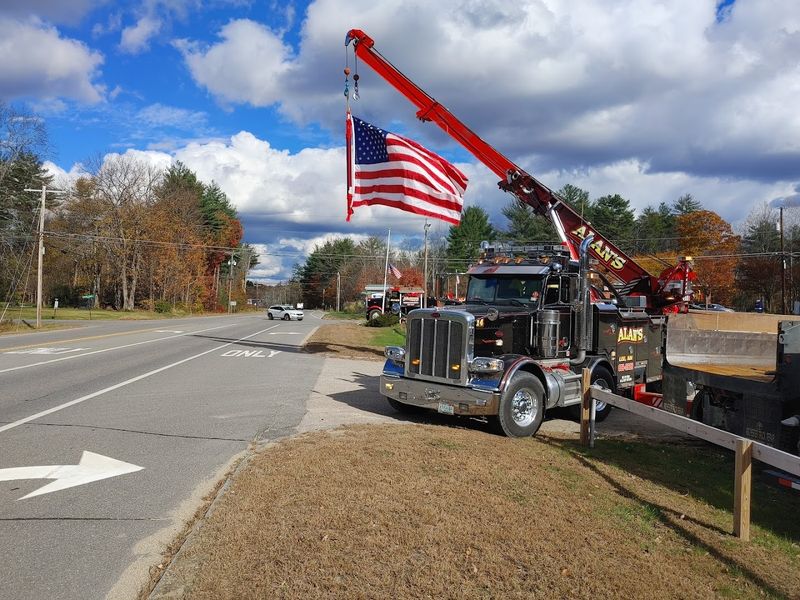
Every October, Lee becomes the kind of place that makes you pull over without planning to. The leaf color along the back roads here is the sort of vibrant, unfiltered autumn that people drive hours to find, not realizing it was right here all along.
Lee sits between Durham and Barrington in a way that feels outside of time. Working farms, stone walls, a volunteer fire department, and fall foliage that stops traffic define the town with complete simplicity.
The Wheelwright Pond conservation area offers miles of quiet trails through second-growth forest. The trails are not crowded, the views are honest, and the birdsong does not compete with anything louder than wind.
The town center still holds much of its traditional New England character. That is not neglect.
That is preservation, and it is increasingly worth celebrating in a region that keeps building over its own history.
Most people drive straight through Lee on their way to somewhere else. That is precisely what makes it worth treating as the actual destination rather than a stretch of road between two exits.
Slow down here. Take the back road.
Let the stone walls and the farmland remind you what this part of the country looked like before everyone was in such a hurry.