Pennsylvania’s Last Operating Trolley Museum Lets You Ride Restored 1920s Streetcars Along A Real Track
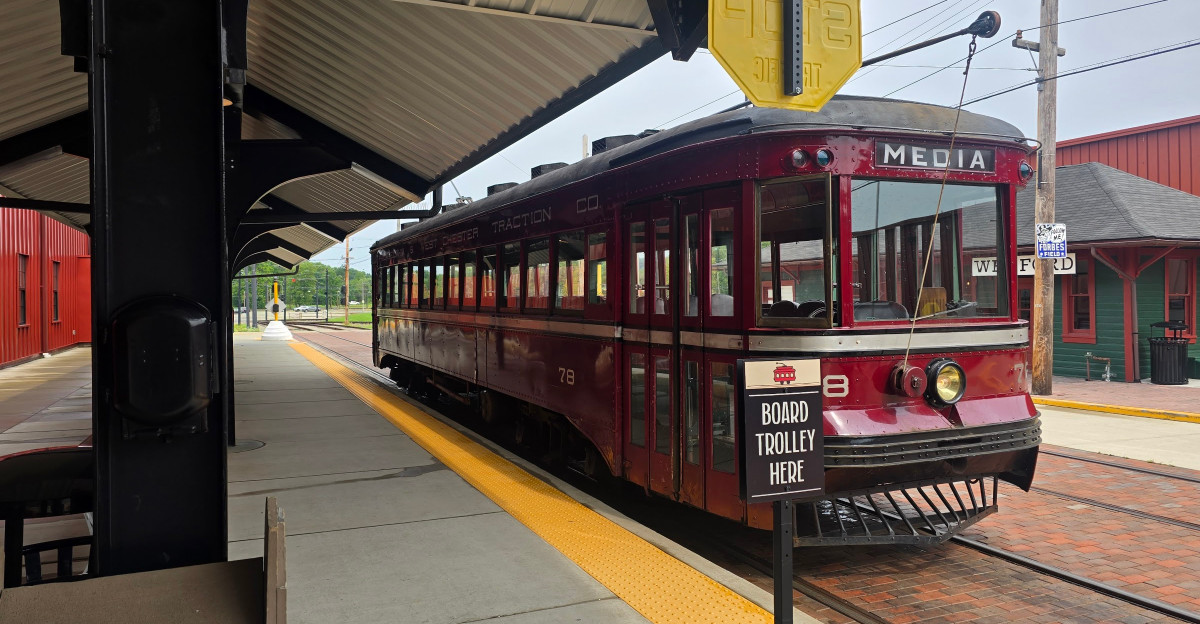
One of the streetcars waiting here once carried the Desire sign in New Orleans.
Yes, that Desire. It earned a spot in Life magazine when the famous Broadway play opened in 1947.
That car is one of more than 50 historic streetcars at this Pennsylvania museum.
Some came from Pittsburgh and Philadelphia. Another came all the way from Brazil, open sides and all.
The best part is that you don’t just stare at them behind a rope. You climb aboard and ride along a real track through the countryside.
I love that the bells still ring and the motors still hum.
I can’t think of a better way to understand how our grandparents got to work. So which car would you want to ride first?
A Rolling Collection Waiting Just Off The Highway In Washington County
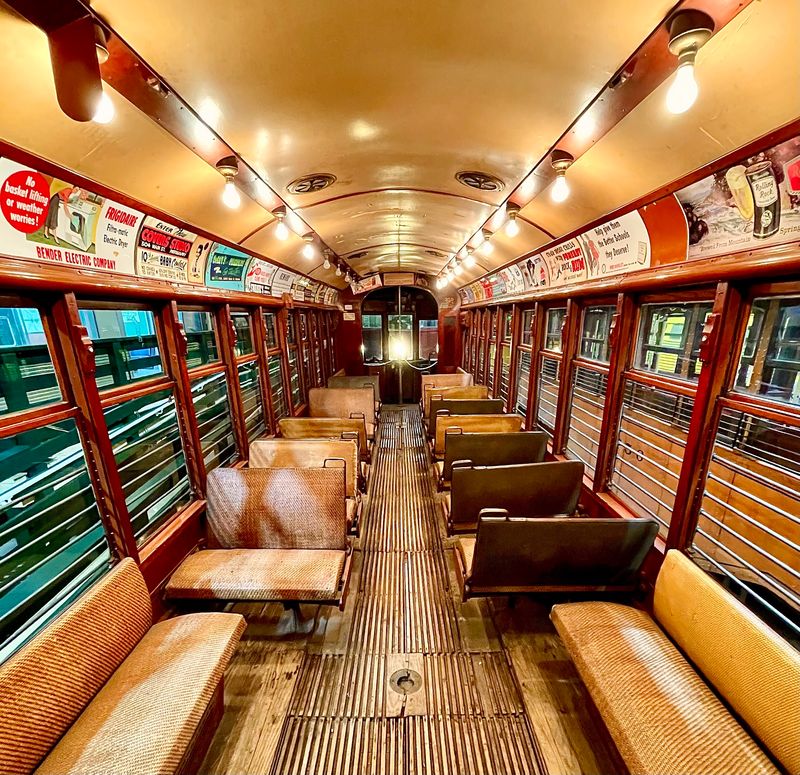
Streetcars once ruled city streets across Pennsylvania, and a big group of them now lives in one spot. The Pennsylvania Trolley Museum sits in Washington, in the rolling green corner of southwestern Pennsylvania.
It’s a nonprofit museum built around electric streetcars, the vehicles that carried city workers before most families owned cars. The collection now tops 50 historic cars, which is a lot of steel and wood to keep shiny.
Here’s what makes the place click. Many of these cars still run, and admission includes a ride on the museum’s own track.
That changes the whole visit from looking to doing. You hear the gong, feel the floor rumble, and watch the countryside slide past an open window.
The museum also stretches far beyond the rides. A modern welcome center, a large display building, and hands-on exhibits fill out the grounds.
Guides are on hand to explain what daily life looked like during the trolley era, roughly 50 to 100 years ago. Expect stories about commuting, city growth, and the neighborhoods that sprang up along the tracks.
Washington is an easy drive from Pittsburgh and a reasonable trip from much of the state. For a family day out, that’s a sweet spot.
How One Trolley In 1949 Started Everything
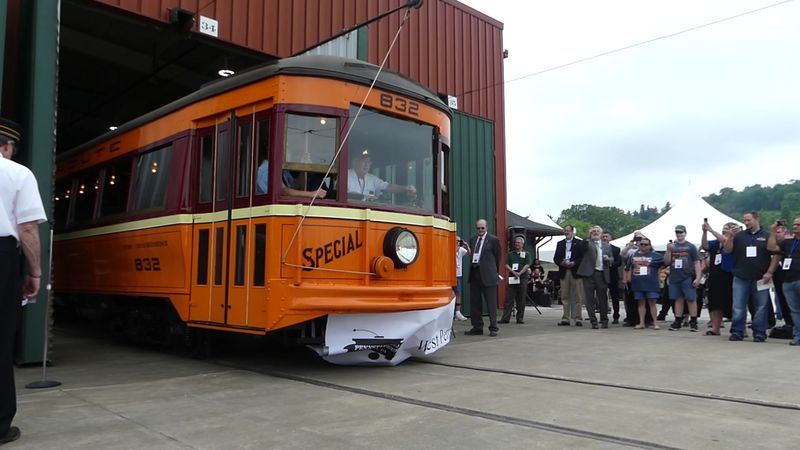
Back in 1949, a group of electric railway fans did something bold. They bought their first trolley, with no grand museum in sight yet.
Timing mattered. Streetcar lines across the country were shutting down, and the cars themselves were disappearing fast.
The group organized officially in 1953. The museum recognizes 1954 as its founding year, which means it marked its 70th anniversary in February 2024.
Seventy years is a long run for any volunteer-powered dream. It also means generations of Pennsylvania families have had a chance to ride.
Why did these fans care so much? Streetcars shaped how cities grew in the early 1900s, and they weren’t just a way to get around.
Neighborhoods sprouted wherever the tracks reached. Historians call them streetcar suburbs, and plenty of Pennsylvania towns still follow those old routes today.
So when you board one of these cars, you’re riding the reason your grandparents’ neighborhood exists. I find that idea a little thrilling.
The founders likely never pictured solar panels and interactive screens. Still, their first purchase set the whole thing rolling.
Four Miles Of Clanging, Humming, Real-Deal Riding
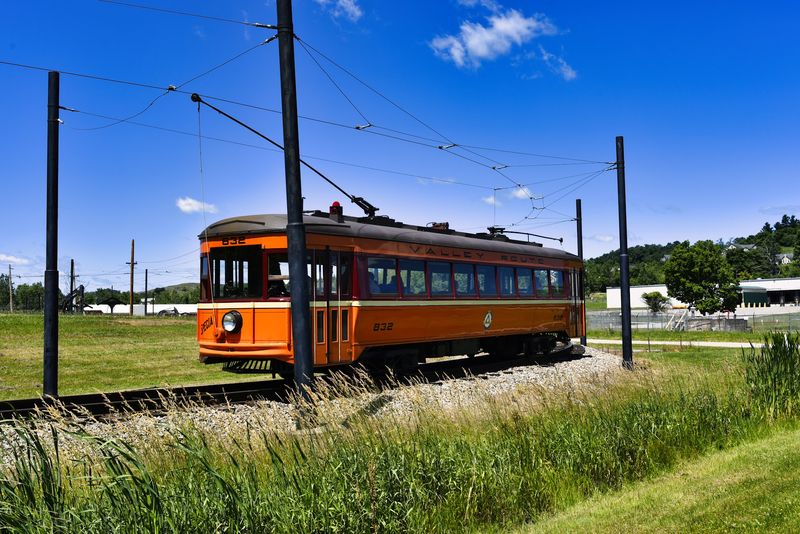
Ding ding. That sound kicks off the main event at the Pennsylvania Trolley Museum.
Admission includes a scenic ride covering about four miles round trip. It runs on the museum’s own track, not a short loop around a parking lot.
The cars are restored antiques powered by overhead electric wire, just like they were decades ago. You sit on vintage seats while a trained operator handles the controls.
Conductors often share stories along the way. Expect details about the car you’re riding and the city it once served.
The route rolls through the nearby countryside, so bring your camera. Green fields and trees make a pretty backdrop for old paint and brass.
Which car you ride can change from day to day. Several operational streetcars rotate through service, so a return trip could put you in a totally different one.
Little ones may get a special treat on some runs, like ringing the bell. I can’t imagine a happier six-year-old than one pulling that cord.
Plan for a relaxed pace. Streetcars weren’t built for rushing, and that’s half the charm.
A Building Packed With About 30 Streetcars
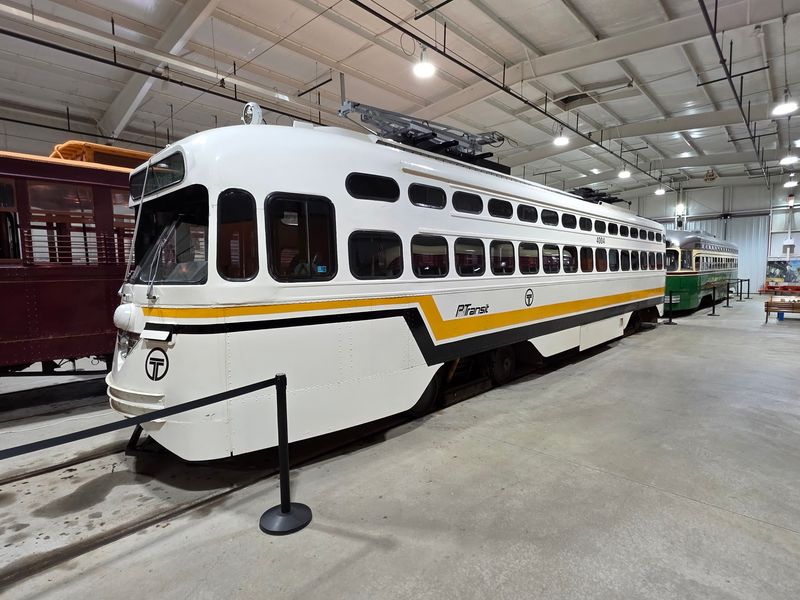
Thirty streetcars under one roof is quite a sight. The Trolley Display Building showcases roughly that many cars from the museum’s collection.
Rows of vintage cars line up on tracks inside. Many come from Pittsburgh and Philadelphia, two cities that once ran huge streetcar systems.
Other cars traveled farther to get here. Toledo and New Orleans are represented, and so is an open-sided car from Brazil.
That variety makes comparing styles fun. Wooden cars sit near sleek streamlined ones, showing how design changed over the years.
Look closely at the paint schemes and lettering. Each city had its own colors, and they tell you where a car spent its working life.
Several cars let you step aboard and explore. Peek at the seats, the controls, and the advertising cards above the windows.
Those vintage ads are a treat for history fans. They capture everyday products and public messages from different decades.
For deeper enthusiasts, special tours may include areas where cars await restoration. Ask about availability, since offerings can change.
Yes, You Can Meet A Streetcar Named Desire
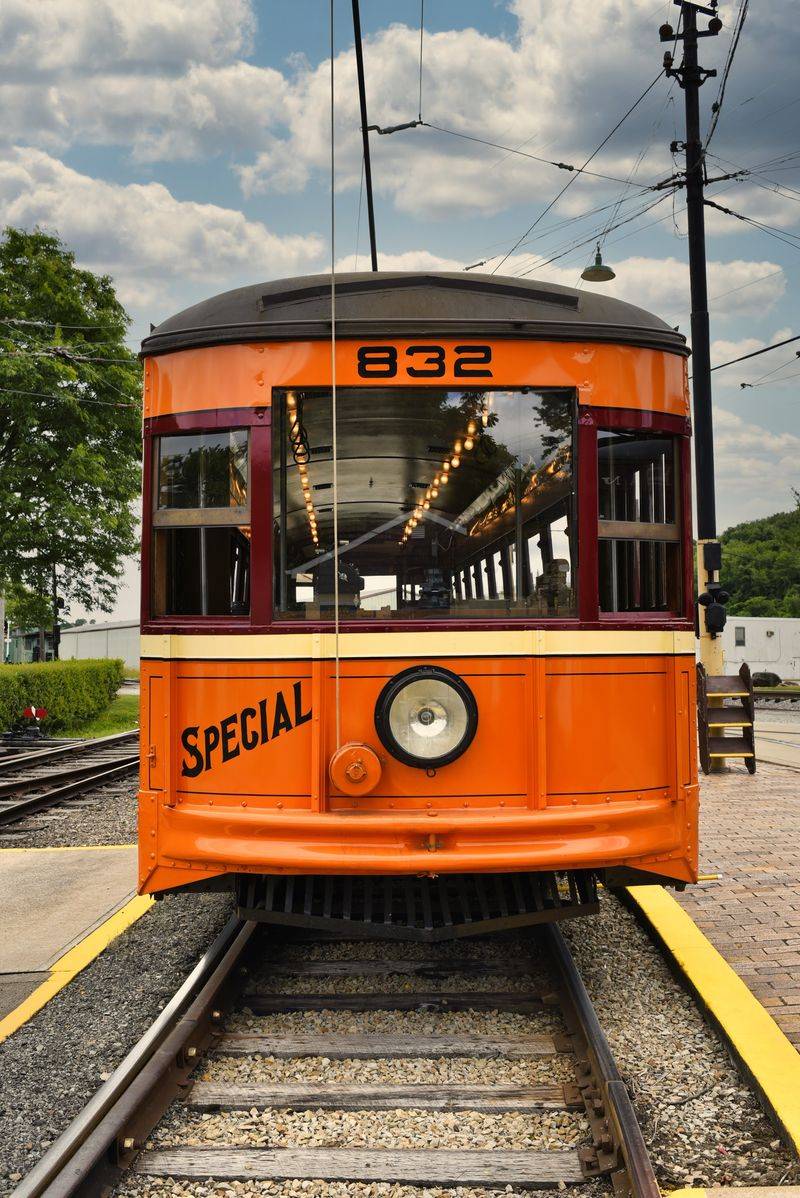
Tennessee Williams made one New Orleans route famous. When his play A Streetcar Named Desire premiered on Broadway in 1947, Life magazine featured New Orleans Public Service Car 832.
That very car now lives in Pennsylvania. It’s one of the stars of the museum’s collection.
Think about how strange that is for a second. A piece of American theater history ended up far from the French Quarter, in Washington County.
Car 832 shows the classic look of New Orleans streetcars from that era. Its long body and rows of windows feel instantly familiar if you’ve seen old photos of the city.
Book lovers and theater fans have a reason to visit beyond trains. This car connects a museum about transit to one of the best-known plays ever written.
Is it always out for rides? Car availability changes, so it’s smart to ask staff what’s running that day.
Even parked, it makes a great photo. Few people back home will believe you met the Desire car in Pennsylvania.
The Speedy Bullet And Its Far-Flung Neighbors
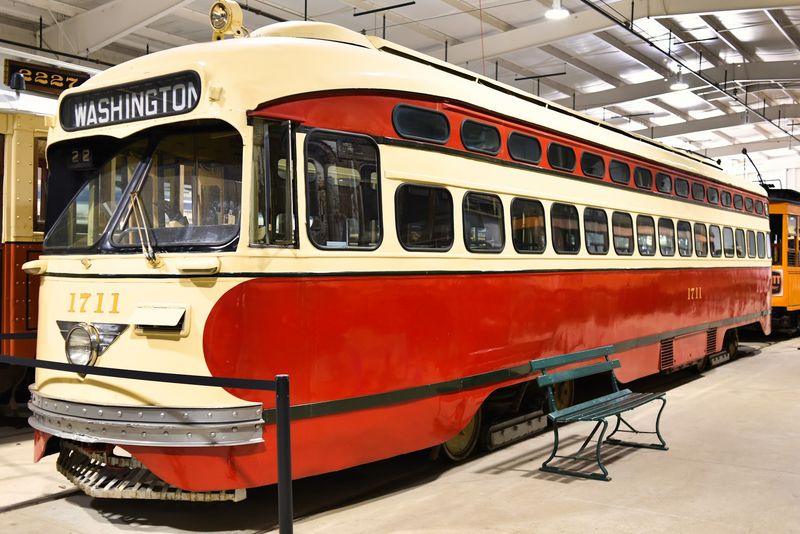
Seventy-five miles per hour on rails in the 1930s? The Philadelphia and Western Railway’s streamlined Bullet car 209 earned its nickname with that kind of speed.
J.G. Brill Company built it, and the design still looks futuristic.
Its rounded nose feels more like a vintage airplane than a city trolley.
The Bullet served routes near Philadelphia. It shows how electric cars could connect suburbs to the city quickly, not just crawl down Main Street.
Nearby, the collection keeps surprising you. An open-sided car from Brazil brings a breezy, tropical style to the lineup.
Cars from Toledo add a Midwestern chapter. Pittsburgh cars represent the western end of Pennsylvania’s streetcar story.
Comparing them side by side is half the fun. You can see how each city solved the same problem with a different look.
Kids might pick favorites by color. Adults may lean toward the engineering details.
Either way, the Bullet tends to steal the show. Speed and style together are hard to beat.
Santa Rides The Rails And Fall Gets Spooky
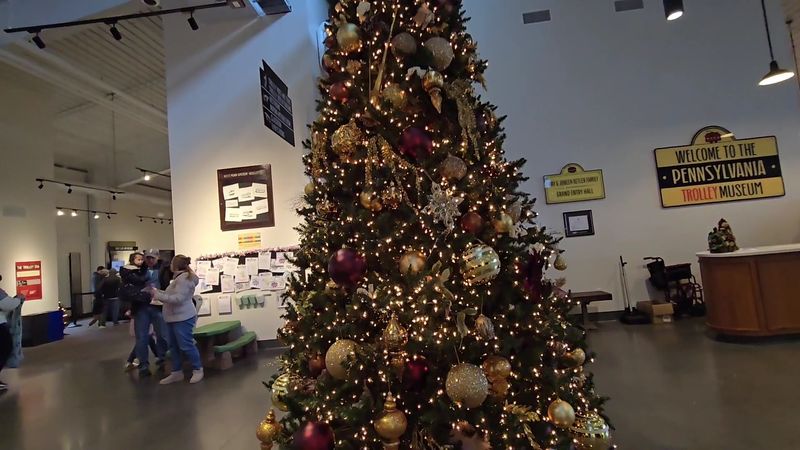
December brings one of the museum’s best-loved traditions. The Santa Trolley carries families down the line for a visit with the big guy himself.
Holiday events can include extras like crafts and cocoa for kids. Details shift each year, so check the schedule before planning.
Fall has its own flavor. Trolley Tales of Terror offers spooky stories on a guided tour, with a trolley ride included.
It leans more toward storytelling than jump scares. That makes it a good fit for folks who like a shiver without screaming.
Seasonal events often sell out. Booking early is the smart move, especially around the holidays.
Special programs also give repeat visitors a reason to come back. The cars feel different under twinkling lights or on a chilly October evening.
Trolley Tots and other family programs pop up through the year as well. Keep an eye on the calendar for fresh additions.
For a holiday outing that skips the mall, this one is hard to top. Few Pennsylvania traditions come with a bell this loud.
Planning Your Ride And Why It Earns A Spot On Your Calendar
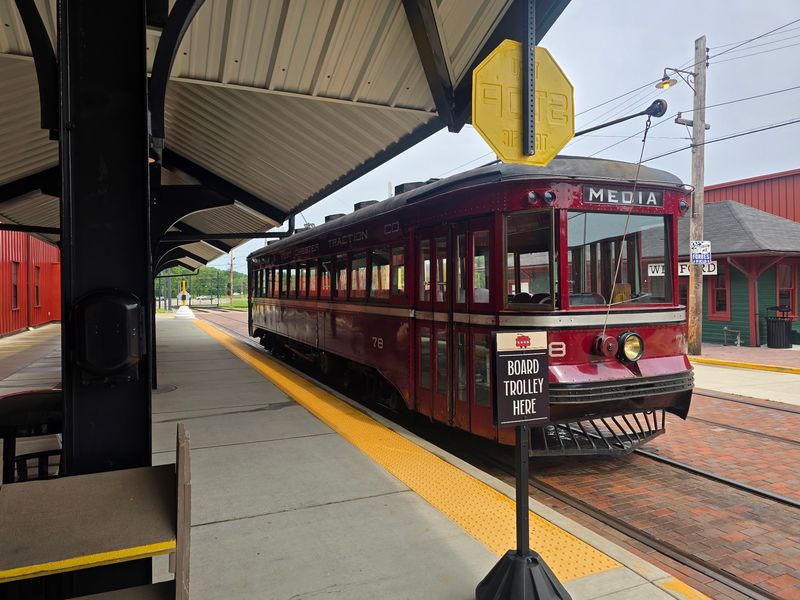
Set your GPS for 1 Electric Way, Washington, PA 15301. The name of the street alone tells you you’re in the right place.
The Pennsylvania Trolley Museum is open year-round. Days expand in summer, so hours vary by season.
Arrive well before closing time. The last full experience usually starts about an hour before the doors close.
Give yourself around two hours for a relaxed visit. That leaves time for a ride, the display building, and the exhibits.
Admission covers the ride, and pricing stays reasonable for a family outing. Rates and hours can change, so check ahead before making the drive.
Free parking makes arrival easy. Museum members in some reciprocal programs may also get perks, so ask about that.
So is it right for you? If you enjoy history you can touch, the answer is probably yes.
Few museums let you ride the collection. Here, a quick ticket buys you a seat on a real piece of Pennsylvania’s past, and the bell is waiting.