People Live In Alabama For Years And Still Miss These 9 Enchanting Places
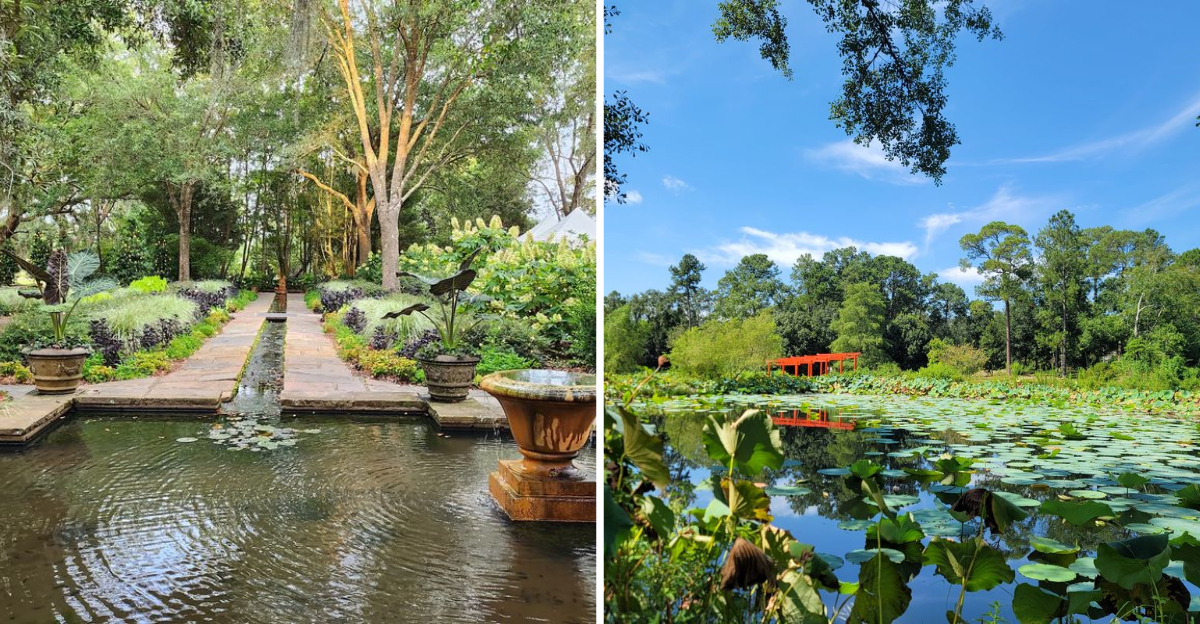
Ask locals where to go, and there’s a good chance at least one of these places won’t make the list. That’s exactly what makes discovering them so satisfying.
Alabama is filled with scenic corners, hidden trails, remarkable caves, and overlooked viewpoints that somehow stay off the radar despite being genuinely unforgettable.
Each one feels like a personal recommendation instead of a tourist stop.
You’ll probably wonder why more people aren’t talking about them. Then again, maybe that’s part of the charm.
Some places are simply more enjoyable before the crowds catch on.
1. Dismals Canyon, Phil Campbell
Have you given any thought to what it would feel like to stand inside a glowing canyon after dark?
Dismals Canyon, tucked away in Phil Campbell, is one of Alabama’s most jaw-dropping natural landmarks. It holds the rare title of a National Natural Landmark, and that recognition is absolutely earned.
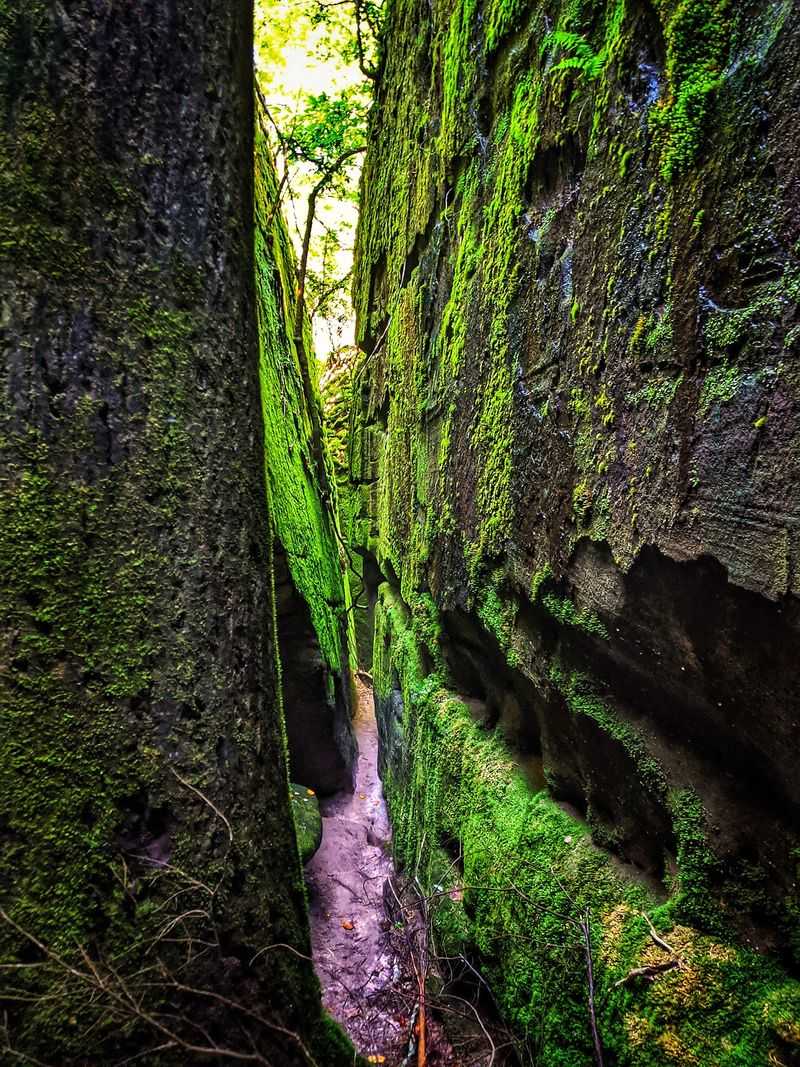
The canyon’s most famous residents are the “dismalites,” bioluminescent organisms related to glowworms. As night falls, they cast a soft blue-green glow across the sandstone walls.
Guided night tours bring this surreal experience to life in a way no photograph can fully capture.
During the day, a 1.5-mile trail winds through the canyon floor past moss-draped boulders and quiet waterfalls. Ancient forests and hidden grottoes line the path, making every step feel like a discovery.
The canyon also stays noticeably cooler than the surrounding area, offering a refreshing break on warm days.
History runs deep here, too. Temple Cave holds evidence of Paleoamerican habitation, connecting modern hikers to people who sheltered in these same walls thousands of years ago.
Camping and cabin stays let you soak in the atmosphere long after the day-trippers have gone home.
A charming country store near the entrance rounds out the experience with souvenirs and sweet treats. Few places in Alabama reward curiosity quite like this glowing, ancient gorge does.
2. Cathedral Caverns State Park, Woodville
I had to do a double-take when I first read the measurements of this cave’s entrance.
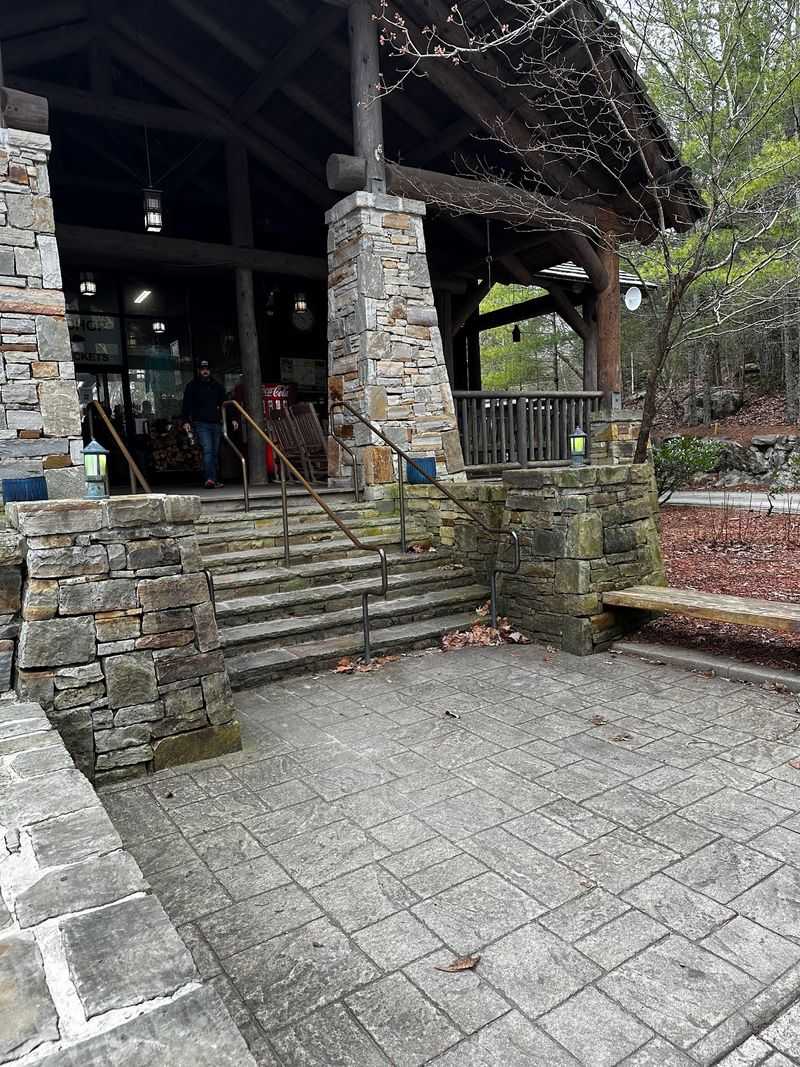
Cathedral Caverns State Park in Woodville greets you with an opening that stretches 126 feet wide and 25 feet high, making it one of the largest commercial cave entrances in the world. That first glimpse stops you cold.
Once inside, the formations take over completely. “Goliath,” one of the world’s largest stalagmites, rises 45 feet tall with a circumference of 243 feet.
A nearby formation nicknamed the “frozen waterfall” looks exactly like rushing water suspended mid-flow in stone.
The cave maintains a consistent 60-degree temperature year-round, making it a genuinely comfortable underground adventure in any season.
Guided tours lead you past a forest of stalagmites, an underground river called Mystery River, and even a prehistoric shark’s tooth embedded in the ceiling. That last detail alone is worth the trip.
Beyond the cave itself, the park offers gem mining that keeps kids and adults equally entertained. Several hiking trails wind through the wooded terrain above ground, and camping options are available for those who want to stay overnight.
Families, geology fans, and curious travelers all find something to love here. The park is at 637 Cave Rd, Woodville.
Once you see Goliath standing in the dark, you will understand why people keep coming back to this underground world.
3. Little River Canyon Falls Park, Fort Payne
Just imagine for a second standing at the edge of a 700-foot-deep gorge carved entirely by a river that flows atop a mountain.
Little River Canyon Falls Park, part of the Little River Canyon National Preserve near Fort Payne, is one of the most geologically dramatic landscapes in the eastern United States.
The Little River runs almost completely along the top of Lookout Mountain, which makes it extraordinarily rare.
A 23-mile scenic drive traces the canyon rim and connects a series of overlooks that each deliver a different angle on the gorge below.
The views shift from wide-open panoramas to intimate glimpses of the river threading through sandstone cliffs. Stopping at each pullout feels like flipping through pages of a very impressive nature book.
Little River Falls is the showpiece waterfall, easily reached from Highway 35, and it thunders with real force after a good rain.
Grace’s High Falls, recognized as Alabama’s tallest waterfall, also flows within the preserve, rewarding hikers who seek it out. The diversity of waterfalls here is something most people outside the state never expect.
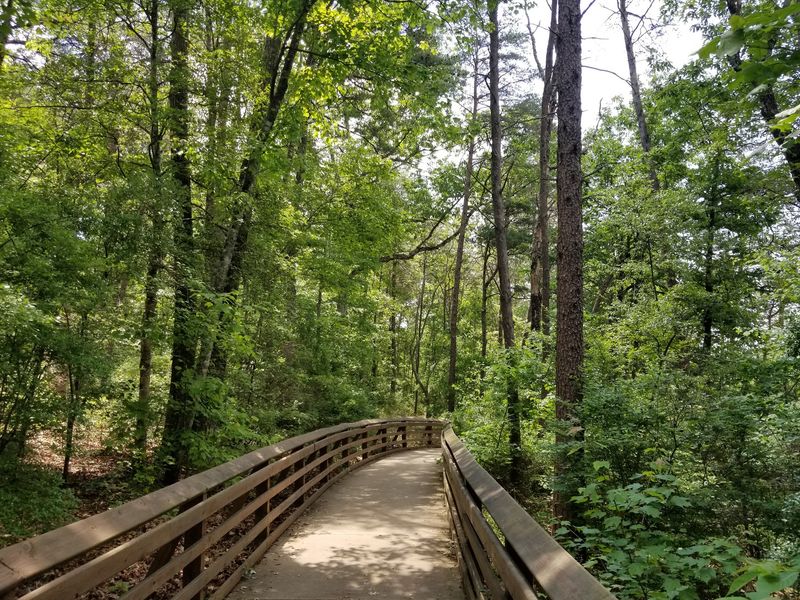
Hiking trails cross sandstone bluffs, dense forest, and creek crossings, offering options for casual walkers and serious trekkers alike. Whitewater paddling is possible in certain river sections during higher water.
The JSU Little River Canyon Center at 4322 Little River Trail Ste 100, Fort Payne, is the ideal first stop for maps and exhibits. This canyon has a way of making every other canyon feel a little ordinary afterward.
4. Noccalula Falls, Gadsden
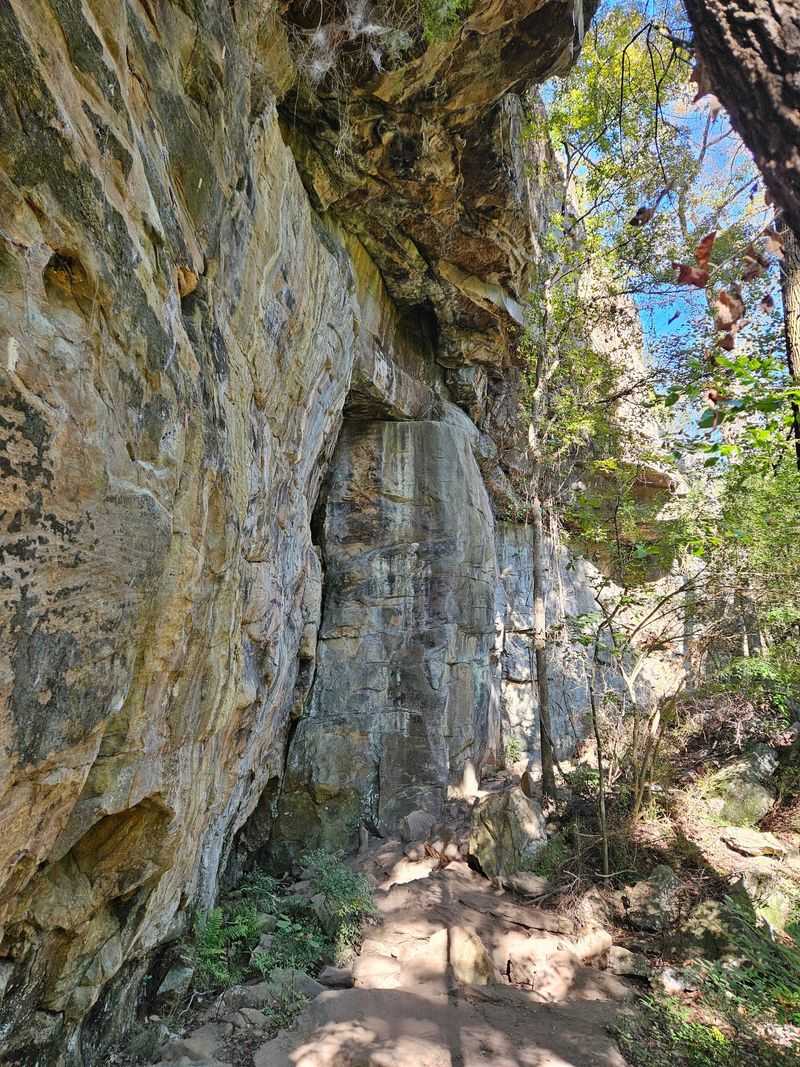
How many people drive through Gadsden every year without realizing a 90-foot waterfall is waiting just off the road?
Noccalula Falls is one of Alabama’s most striking natural features, and the park surrounding it packs in far more than most people expect. The falls pour over Lookout Mountain’s edge into a deep, lush ravine that feels genuinely dramatic up close.
The waterfall carries the name of a Creek Indian princess, and local lore adds a layer of cultural history to the natural spectacle. Standing at the overlook with the mist rising from below is a moment that tends to stick with you.
The sound alone is worth the short walk from the parking area.
Noccalula Falls Park extends well beyond the waterfall itself. A Pioneer Village features authentic log structures including a grist mill, a country store, and a covered bridge that transports you back to an earlier era.
Botanical gardens wind through the property, and a War Memorial adds quiet historical weight to the experience.
Families with younger kids will appreciate the replica 1863 C.P. Huntington sightseeing train, the petting zoo, and miniature golf.
Hikers can follow the Black Creek Trail along the gorge for 1.7 miles of scenic walking. Seasonal events like “Christmas at the Falls” transform the entire park into something almost theatrical. The park is at 1500 Noccalula Rd.
5. Rickwood Caverns State Park, Warrior
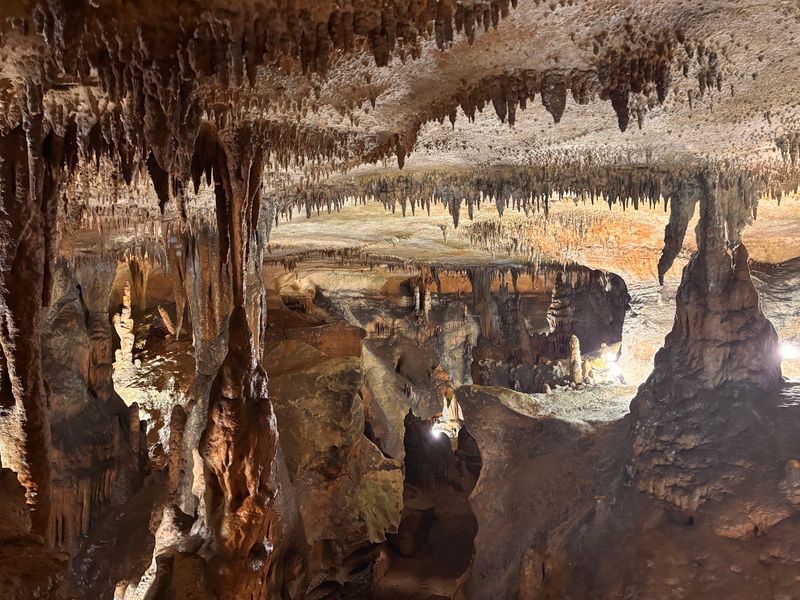
Very few places in Alabama can claim to hold 260-million-year-old limestone formations, but Rickwood Caverns State Park in Warrior pulls that off without breaking a sweat.
Descending 175 feet beneath the surface here means traveling back through an almost incomprehensible stretch of geological time. The cave walls carry fossilized evidence that this entire area was once an ancient ocean floor.
The guided tour follows what the park calls a “miracle mile” of underground formations. Stalactites and stalagmites grow in shapes that range from delicate needles to massive columns, all shaped slowly by mineral-rich water.
The cave temperature holds steady between 58 and 62 degrees Fahrenheit, which makes it a genuinely cool retreat during Alabama’s hot summers.
One of the most memorable features is the underground pool that shelters blind cavefish. These pale, sightless creatures have adapted entirely to a life without light, and watching them drift through the clear water is quietly fascinating.
Shell fragments and marine fossils embedded in the walls add another layer of wonder to the underground walk.
Above ground, the park offers a full range of outdoor activities. An Olympic-sized swimming pool fed by cave waters, hiking trails with fossil-covered rocks, gemstone mining, and picnic areas fill out a great full-day outing.
During the holiday season, the cave hosts a special Christmas event that surprises everyone who stumbles upon it. Rickwood Caverns State Park is at 370 Rickwood Park Rd, Warrior.
Alabama’s underground world runs deeper than most people ever imagine.
6. Bellingrath Gardens And Home, Theodore
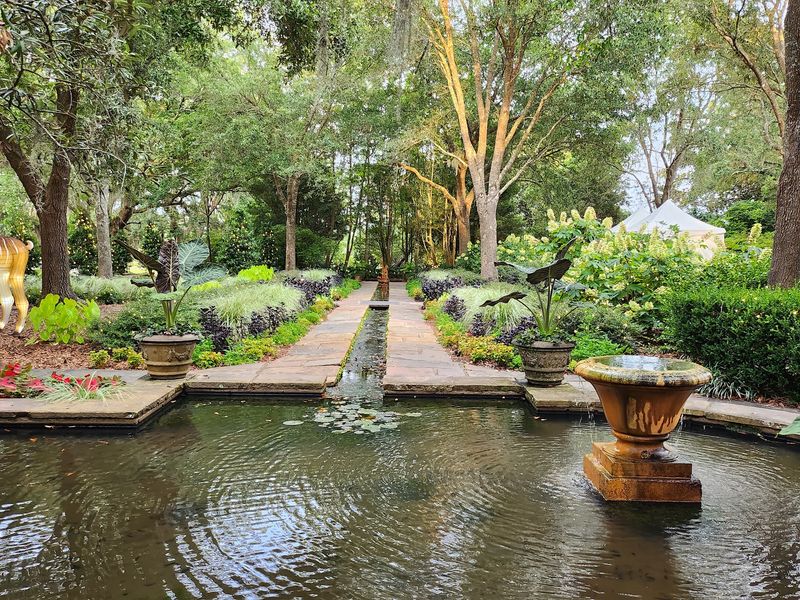
A 65-acre garden estate that blooms in every single season, offering something completely different depending on when you arrive.
Bellingrath Gardens and Home in Theodore is one of the South’s most celebrated horticultural treasures, and it genuinely earns that reputation. The property feels like it belongs in a different era, carefully tended and endlessly rewarding to explore.
Spring brings the azalea display that made Bellingrath famous, with waves of pink, red, and white covering the grounds in a spectacle that draws visitors from across the region.
The Rose Garden follows with 150 varieties filling the air with fragrance. More than 1,400 camellia varieties thrive in their dedicated garden, making autumn and winter equally worth the drive.
The Japanese Garden section offers a quieter, more contemplative mood with pagoda lanterns, koi ponds, and carefully arranged plantings.
The Rockery, a stone stairwell and waterfall feature, leads down to Mirror Lake, creating one of the most photographed scenes on the property. Each garden style connects to the next in a way that keeps the walk feeling fresh throughout.
The Bellingrath Home, built in 1935, stands as a 15-room museum filled with original antiques and decorative arts. Touring the house adds historical depth to what might otherwise feel like a purely outdoor experience.
During the holidays, “Magic Christmas in Lights” transforms the entire estate into an illuminated wonderland that draws crowds for good reason.
Coming here at 12401 Bellingrath Gardens Rd once is usually enough to make it a permanent fixture on your annual calendar.
7. Rock Garden, Mt. Cheaha State Park, Delta
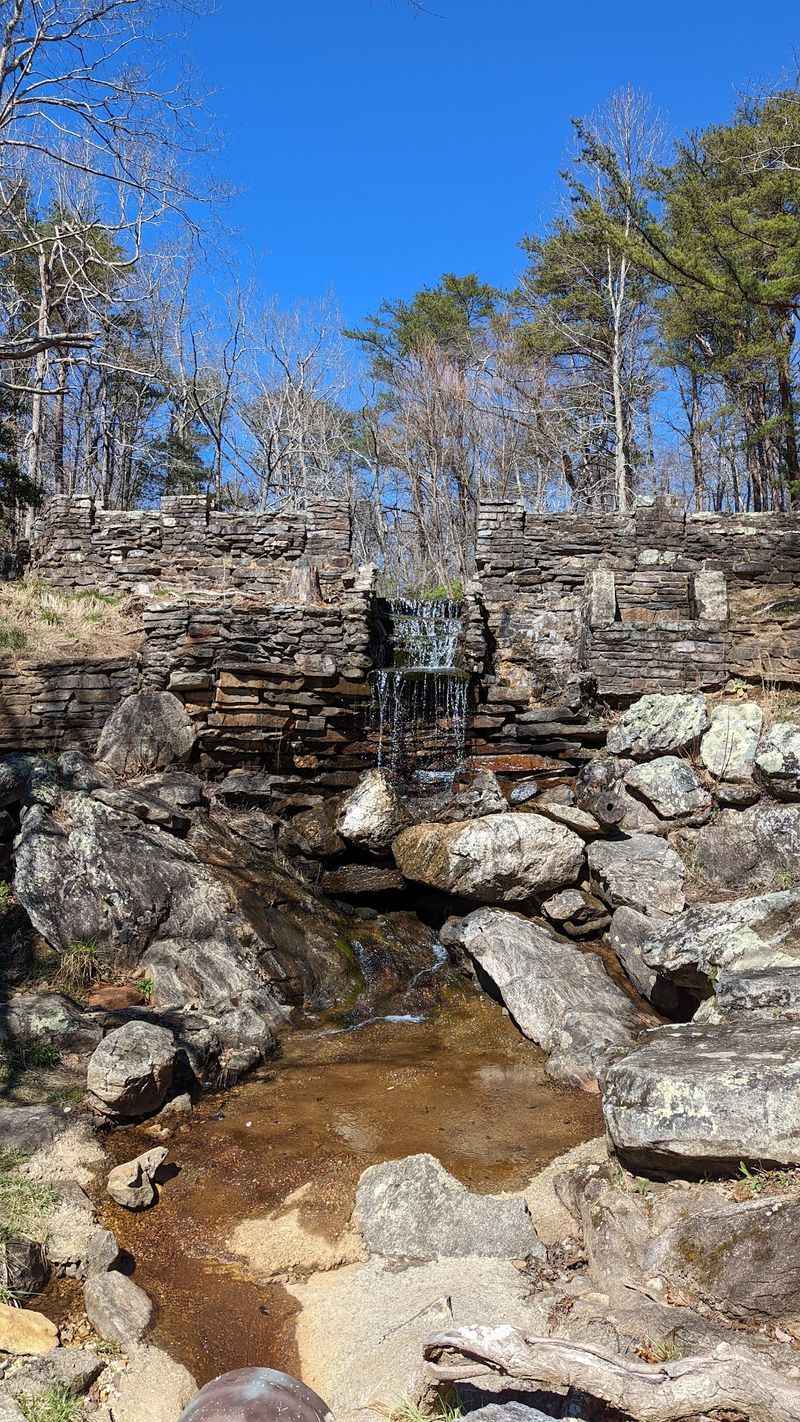
It came completely out of left field when I learned that Alabama’s highest point sits inside one of its oldest state parks.
Mt. Cheaha State Park in Delta reaches 2,407 feet at the summit of Cheaha Mountain, and the Rock Garden trail that winds through its upper terrain is one of the most rewarding hikes in the state.
Alabama’s oldest state park carries that title with quiet confidence.
The Rock Garden Trail earns its moderate-to-difficult rating through a mix of wildflower meadows, massive boulders, and a trickling creek that crosses the path at several points.
After significant rainfall, Angel Falls, the park’s only natural waterfall, appears along the trail in a brief but beautiful display. The payoff at the top is a sweeping view across the Talladega National Forest that stretches as far as the eye can carry.
The park’s trail network extends well beyond the Rock Garden, with over 30 miles of hiking paths covering a wide range of terrain and difficulty levels.
The Lake Trail connects to Cheaha Lake, where swimming, fishing, and kayaking fill out a relaxed afternoon. Rock climbers also find quality routes on the mountain’s exposed granite and quartzite faces.
An observation tower at the summit offers 360-degree views that on clear days extend into neighboring states.
A dedicated museum on the grounds tells the story of the Civilian Conservation Corps workers who built much of the park’s infrastructure during the 1930s. That history adds real texture to every trail you walk.
The mountain has a quiet way of making you feel like you earned every bit of that view.
8. Mobile Japanese Garden
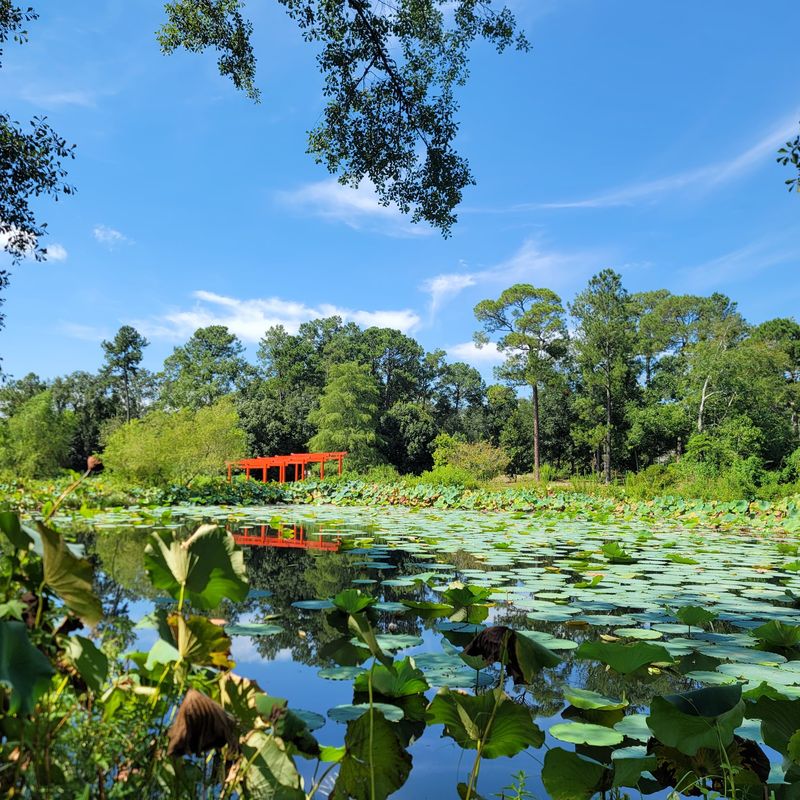
Are you seeing what I am seeing with this next tranquil corner of Alabama?
The Mobile Japanese Garden, located at 700 Forest Hill Dr in Mobile, is the kind of place that quietly resets your entire mood within the first five minutes of walking through the entrance.
It is a genuine cultural oasis tucked inside a busy city, and most locals have never even heard of it.
The garden follows traditional Japanese design principles, using carefully arranged plantings, water features, and stone elements to create a sense of calm that feels intentional at every turn.
Koi fish glide beneath blooming lily pads in the ponds, and turtles sun themselves on rocks near the water’s edge. Feeding the koi is a simple pleasure that tends to hold everyone’s attention longer than expected.
Raised walkways and winding trails extend through the green space for about 1.6 miles, making it accessible for a wide range of visitors.
Thoughtful signage placed along the paths encourages mindfulness and reflection, giving the walk a meditative quality that sets it apart from a typical park stroll. The Asian Cultural Center on the grounds regularly hosts community events and educational programs.
The garden also connects to the three-mile Creek Greenway Trail, which makes it a practical starting point for a longer outdoor outing.
Ongoing improvements and new accessible pathways have expanded the experience in recent years, with more enhancements still in progress. Each season brings a different palette of color and texture to the landscape.
This garden rewards slow, unhurried exploration far more than a quick loop around the pond. Returning in a different season almost always reveals something you missed the first time.
9. DeSoto Falls Picnic Area, Mentone
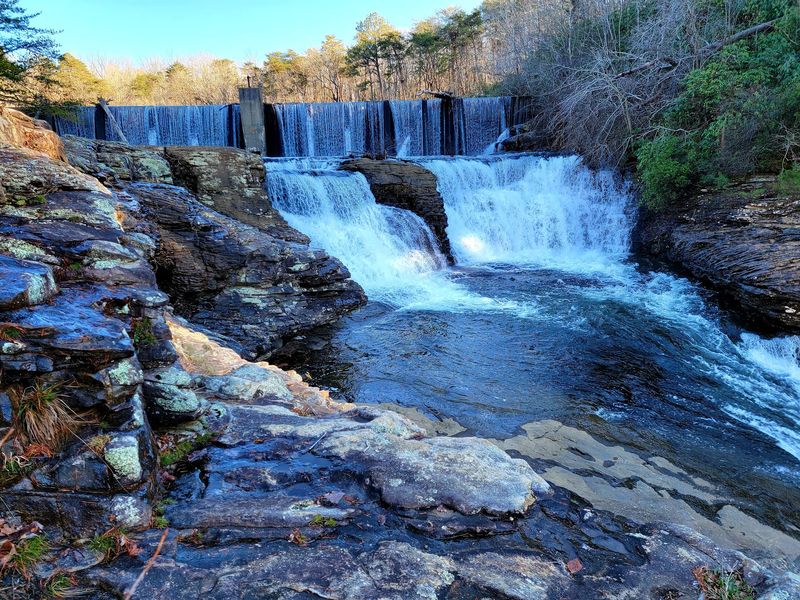
Not many people realize that one of Alabama’s tallest waterfalls sits inside a picnic area that most visitors walk right past on their way elsewhere.
The DeSoto Falls Picnic Area, part of DeSoto State Park near Mentone, features a 104-foot cascade named after the Spanish explorer Hernando De Soto. The falls split into upper and lower sections, each offering a completely different viewing experience.
The upper falls and the historic A.A. Miller Dam are easily accessible from the main picnic area, making them a great first stop for families or anyone who prefers a gentler approach.
Reaching the lower falls requires descending 50 concrete stairs to a dedicated overlook, and the payoff for those extra steps is a close-up view of the waterfall’s full power. The roar of the water at the bottom landing is something you feel as much as you hear.
Water volume changes dramatically with the seasons. Winter and early spring deliver the most impressive flow, when rainfall has built up and the falls run at full force.
Summer visits show a quieter version of the same cascade, which has its own kind of peaceful appeal against the surrounding green canopy.
The picnic area itself is genuinely well-equipped, with tables, grills, and restrooms that make a full day here comfortable.
A small boat ramp provides access to the West Fork of Little River for boating, swimming, and fishing. Moderate to strenuous hiking trails, including the Overlook and River trails, branch out from the area for those who want more mileage.
This waterfall has a habit of making every other cascade in the region feel like it needs to try a little harder.