Pheasant Season Brings Hunters To Nebraska’s Sandhills And These 11 Public Areas Open Wide
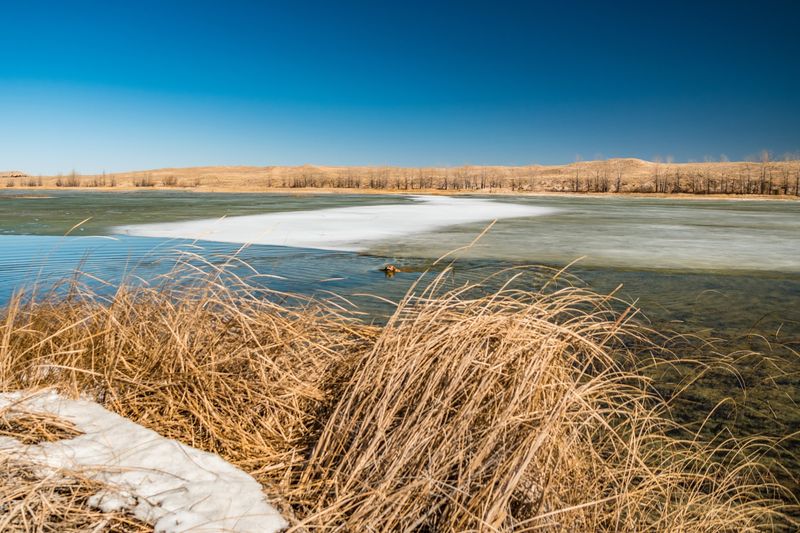
Nebraska hunters can chase pheasants on more than 1.2 million acres of publicly accessible land. That number still makes me do a double take.
The 2026 season runs from October 31 through January 31, 2027. The daily bag is three roosters, with a possession limit of twelve.
You’ll need a small game hunting license and a Habitat Stamp before you step out.
The Sandhills get most of the fame for prairie grouse. Yet pheasants slip into the grassy edges, the wet meadows, and the corners where farm ground meets the dunes.
I love that a rooster flush can happen miles from the nearest paved road.
The spots below range from giant federal refuges to quiet state marshes most folks have never heard of. Some sit near lakes, some near canyons, and one grows a forest by hand.
Which one lands on your map first?
1. Valentine National Wildlife Refuge
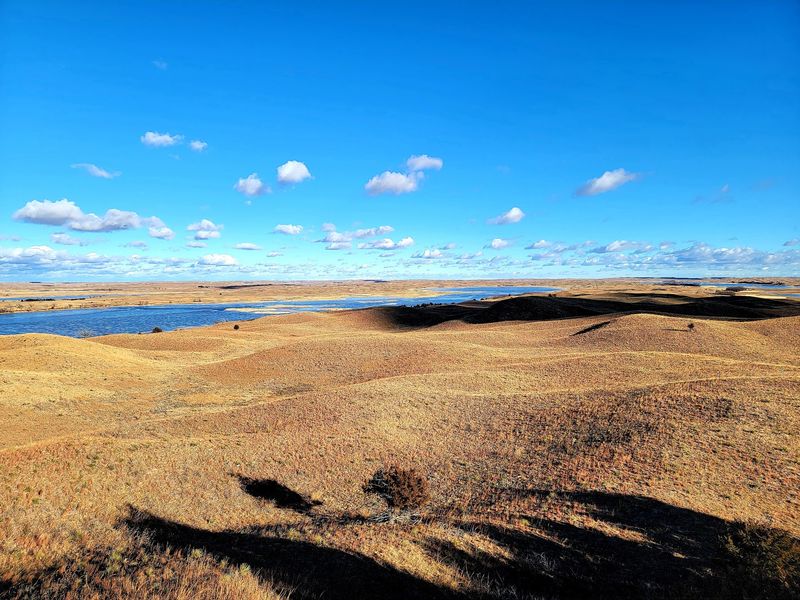
Lakes in the Sandhills sound like a typo, yet this refuge south of Valentine is full of them. Clean water sits between grassy dunes, and the view stretches farther than your coffee will last.
The refuge covers about 72,000 acres in Cherry County. Shallow lakes, wet meadows, and rolling hills give birds plenty of places to hide and plenty of reasons to stay.
Hunting is part of the plan here, alongside fishing and wildlife watching. Pheasants and sharp-tailed grouse both use the grass, so you may get a surprise flush now and then.
Walk-in properties also sit near and south of the refuge, which widens your options.
The grounds stay open around the clock, which helps when you want to be in place at first light. Federal refuges carry their own hunting rules, so check the refuge regulations before you load the truck.
A few minutes of reading can save a long conversation later.
Bring the kids on a scouting day too. Easy hikes and a small waterfall make it a fun outing even without a shotgun.
Few places in Nebraska mix calm lakes and sandhill grass quite like this.
Address: 39679 Pony Lake Rd, Valentine, NE 69201
2. Crescent Lake National Wildlife Refuge
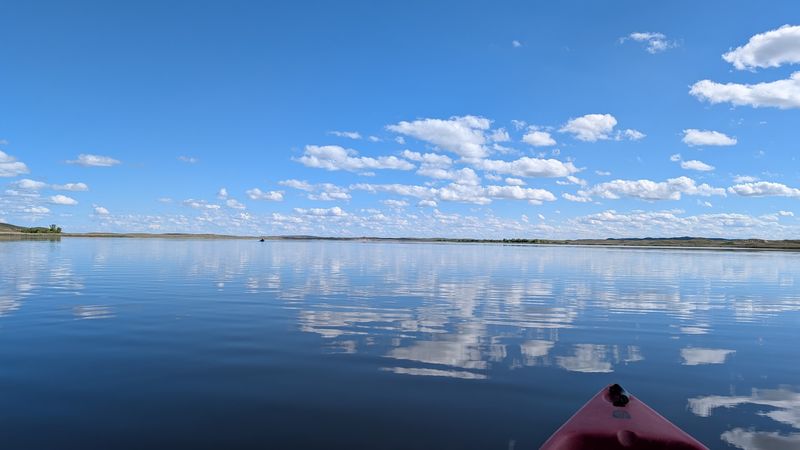
Solitude is the headline at this far western refuge, and nobody is exaggerating. A long one-way road winds through Garden County grassland where neighbors are mostly ducks.
Crescent Lake covers roughly 45,000 acres on the western edge of the Sandhills. Large shallow lakes sit between grassy hills, giving pheasants, waterfowl, and other birds a lot of real estate.
Birders treat this place like a treasure chest, and wildlife pops up nearly everywhere. That same abundance makes it a fine spot for a hunter hoping for a mixed bag in a remote setting.
The headquarters keeps weekday hours and has a public restroom, so plan stops around that. Weekend visitors should arrive with full tanks, snacks, and maybe a paper map.
Cell coverage in this corner of Nebraska can be shy.
One more friendly warning: ticks have been noted around the visitor center. A quick check after your walk is smart, and your dog will appreciate the same treatment.
Refuge hunting rules can differ from state ground, so read up before opening day. Then enjoy the quiet, because you earned the drive.
Address: 10630 Rd 181, Ellsworth, NE 69340
3. Samuel R. McKelvie National Forest
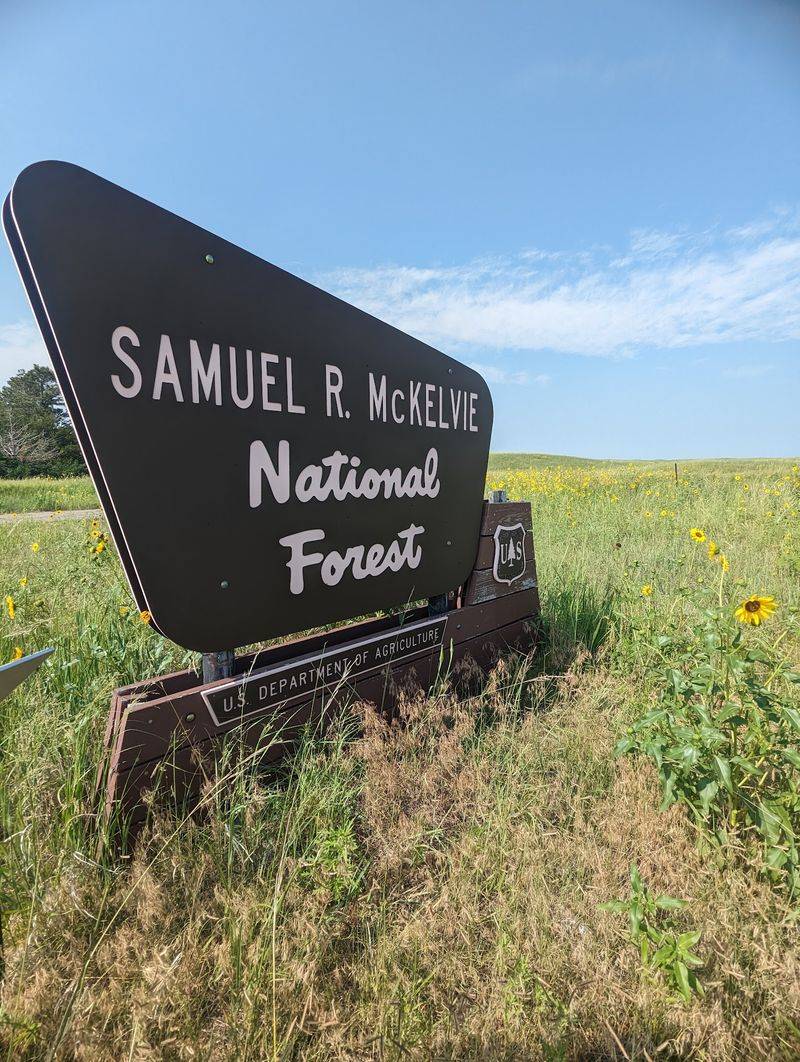
Call it a national forest, then bring sunglasses instead of a flashlight. Most of these roughly 118,000 acres are open prairie, with only some trees sprinkled in.
The land sits southwest of Valentine in Cherry County, deep in the interior Sandhills. Rolling grass hills run for miles, and that big sky does a lot of the talking.
Hunters know it as a solid place to chase upland birds. Prairie grouse are the classic draw, but pheasants can turn up along wetter draws and edges.
You’ll put on miles, so wear boots you actually trust.
Here’s a perk anglers love. Good fishing water sits right next door, so a split day of birds and bluegills is a real possibility.
The forest stays open around the clock, and dogs are allowed. That makes life easier for anyone traveling with a bird dog that thinks it runs the operation.
Picnic spots and a public restroom add a little comfort to a rugged spot. Families also come for easy hikes and birdwatching.
Even on a slow bird day, the view across those hills feels like a fair trade.
Address: Valentine, NE 69201
4. Nebraska National Forest, Bessey Ranger District
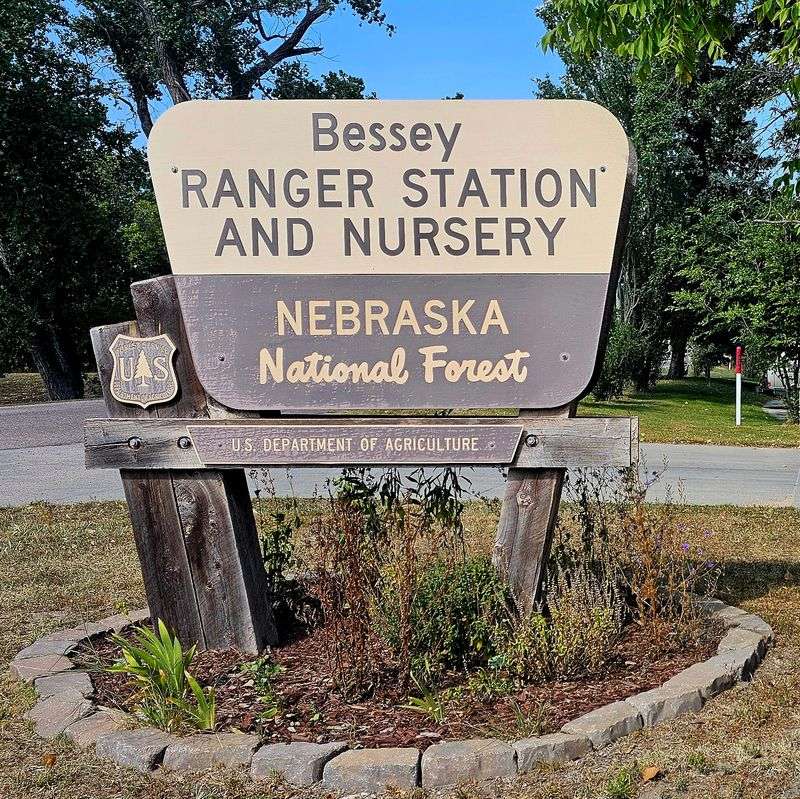
People planted this forest by hand, which still sounds a little wild in the middle of the Sandhills. Rows of timber now stand against open prairie near Halsey.
The Bessey Ranger District covers about 90,000 acres in Thomas County. Dark pines meet tan grass, and the contrast makes for one of the strangest views in Nebraska.
Prairie grouse use the grassland, and pheasant chances exist along the edges. The mix of cover keeps a hunt interesting, since you never quite know what the next hill holds.
Camping is a big part of the appeal. Clean campgrounds, picnic tables, grills, and restrooms make a weekend trip easy, and primitive camping sits about 10 miles from the full service campground.
A lookout tower offers views across the surrounding hills. It’s a good place to get your bearings before you start walking.
The office keeps weekday hours, while the forest lands stay open for recreation. Trails also welcome hikers and off-road riders, so watch for other visitors.
Few hunting camps come with a backstory this unusual.
Address: 40637 River Loop, Halsey, NE 69142
5. Calamus Reservoir State Recreation Area and Wildlife Management Area
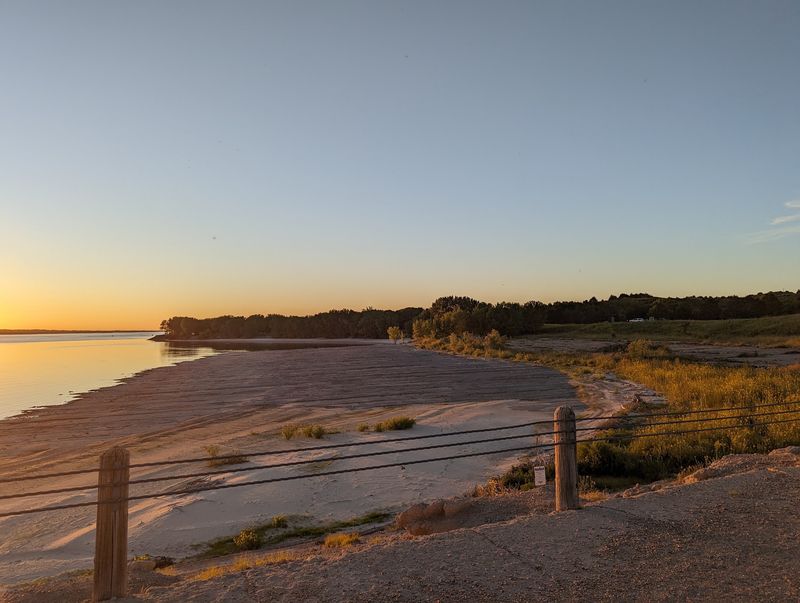
Summer crowds know this reservoir for boats and beaches. Come fall, the grass around the water gets a very different kind of visitor.
Calamus sits near Burwell and works like a southeastern doorway into the Sandhills. The site combines a state recreation area with wildlife management ground, so you get amenities and hunting land side by side.
Public acres around the reservoir open for upland game and waterfowl seasons. Pheasants can use grassy draws and edges, while ducks work the open water.
That makes a two-species weekend pretty tempting.
The recreation side brings picnic tables, grills, restrooms, and a playground. If the family tags along, they can stay busy while you walk cover.
Dogs are allowed, which counts for a lot when your partner has four legs. State park entry permits may apply on the recreation area, so sort that out before you arrive.
Check Nebraska Game and Parks rules for which parts allow hunting and when. Mixed-use spots ask for a little extra awareness.
Still, few places let you hunt in the morning and grill lunch by the water after.
Address: 42285 York Pt Rd, Burwell, NE 68823
6. Chat Canyon Wildlife Management Area
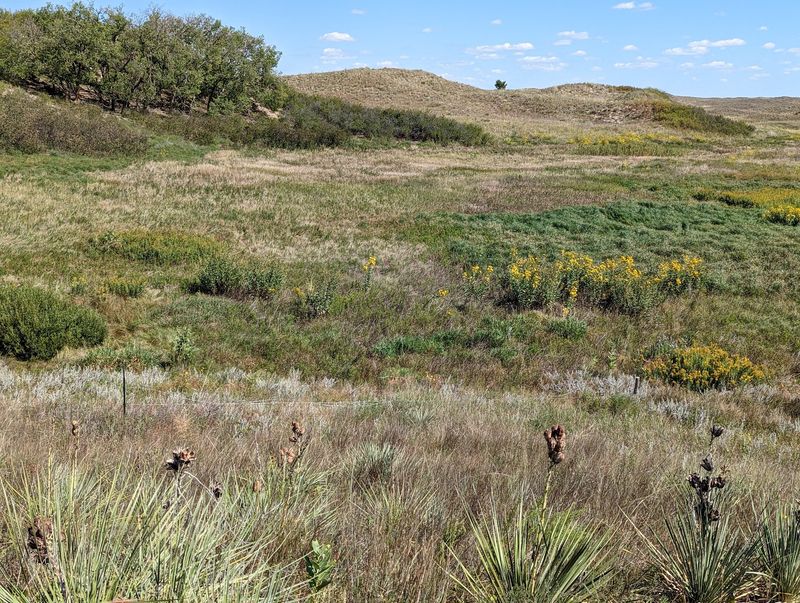
Canyons in the Sandhills? Yes, and they cut deeper than you might expect near the tiny town of Nenzel.
Chat Canyon sits in northern Cherry County, where the rolling grass breaks into rugged draws. That shift in terrain makes it feel different from the flat-topped lake country elsewhere on this list.
The area is managed for wildlife and public outdoor use. The Nebraska Forest Service is tied to its conservation work, which explains the attention to the land itself.
Hunters who like elevation changes will feel right at home. Birds can hold in the draws, and your legs will get a workout climbing back out.
The ground stays open around the clock, so dawn starts are no problem. Just bring good navigation.
Canyon breaks can all look alike once you’ve turned around twice.
Nenzel is very small, so pack what you need before leaving Valentine or another bigger town. Food, water, and a full tank should top the list.
It’s also an easy family stop for a scenic walk during the off-season. For hunters wanting something rougher than open prairie, this corner of Nebraska delivers.
Address: Nenzel, NE 69219
7. American Game Marsh State Wildlife Management Area
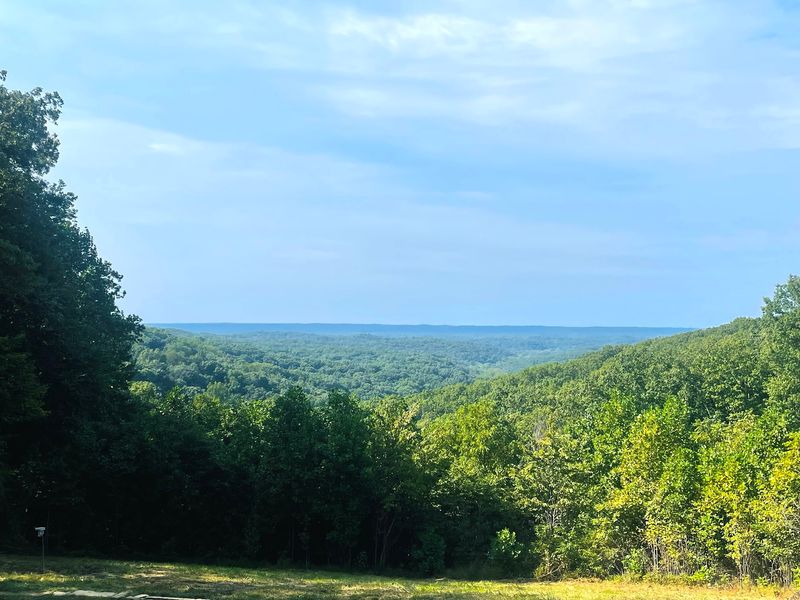
With a name like American Game Marsh, nobody’s guessing the purpose. The marsh sits south of Ainsworth in Brown County, right in Sandhills wetland country.
Wet basins and grassy edges pull in a lot of wildlife. Hunters come for pheasants, waterfowl, and prairie grouse, sometimes all in one trip.
That variety is the fun part. You can work the grass for roosters in the morning, then watch the sky for ducks later.
A versatile dog earns its dinner here.
Wet ground means waterproof boots are a must. Cattails and soggy pockets have a way of finding the one hole in your gear, so plan accordingly.
The area stays open for public use through the week. Facilities are basic, which is normal for a wildlife management area.
Treat it like a field, not a park.
Ainsworth is the nearby town for gas and supplies. It’s a handy base for exploring north-central Nebraska and other public ground in the region.
Read current Game and Parks rules before your hunt, especially for waterfowl. Then enjoy a spot built entirely around birds.
Address: Ainsworth, NE 69210
8. Fred Thomas Wildlife Management Area
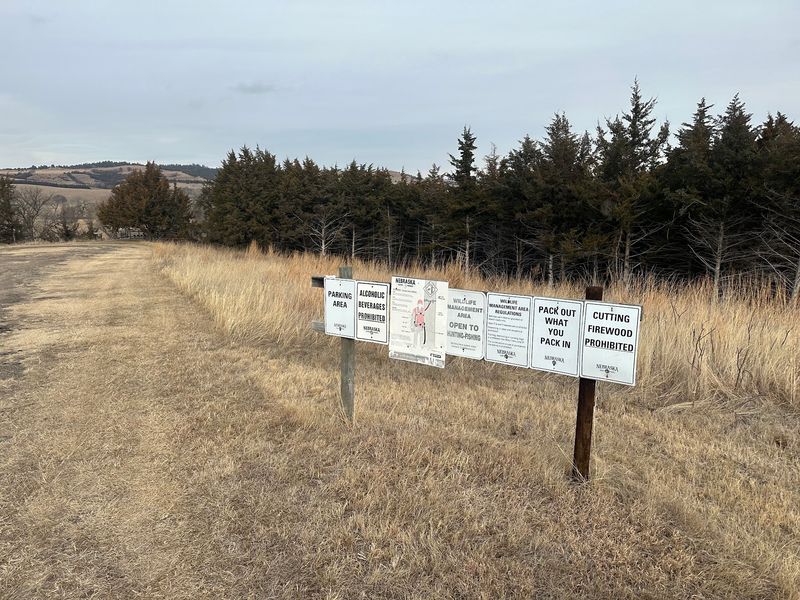
Some public ground doesn’t need a fancy brochure. Fred Thomas WMA keeps it simple: grass, sky, and a fair shot at birds.
The area sits south of Bassett in Rock County, out in the north-central Sandhills prairie. Open country rolls away in each direction, and fence lines feel like landmarks.
Upland hunters use it during the autumn seasons. Pheasants may hold in heavier grass and low spots, while grouse favor the open hills.
Wind matters a lot here. Working cover into the breeze helps your dog catch scent and keeps birds from hearing you coming.
Expect few amenities, if any. Bring water, a first-aid kit, and something to eat, since the nearest snack aisle sits back in town.
Bassett makes a convenient base for this spot and the next one on the list. Two public areas sit close together south of town, so you can easily switch if the first walk comes up empty.
Check Nebraska Game and Parks regulations for current rules. Then take your time.
Quiet prairie ground like this rewards hunters who slow down and walk it carefully.
Address: PCC6+9F, Bassett, NE 68714
9. Twin Lakes Rock County Wildlife Management Area
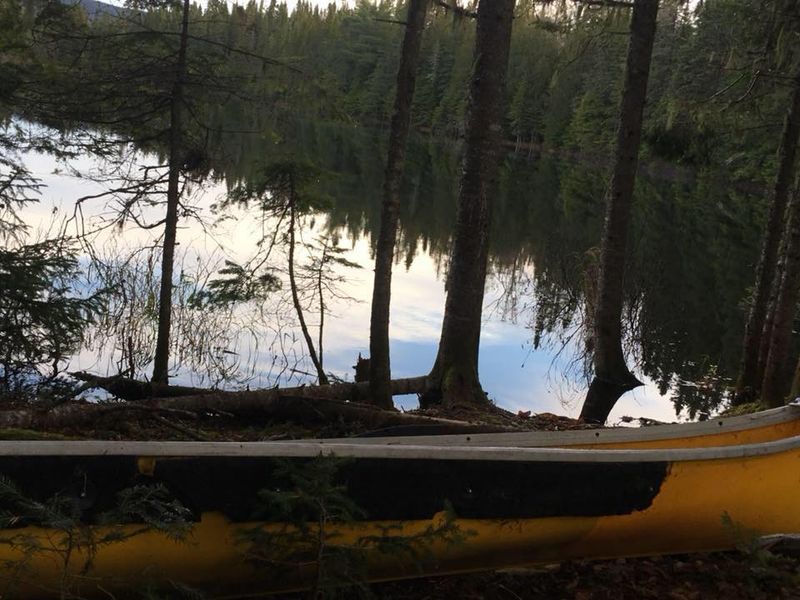
Two lakes, one name, and plenty of grass in between. Twin Lakes sits south of Bassett in Rock County’s interdunal lake country.
Interdunal is a fancy way of saying water tucked between sandhills. Those low spots hold moisture and thicker plants, which makes them prime cover for birds.
Upland hunters use the area for pheasants and other game birds. The edges where grass meets wet ground are worth extra attention, so don’t rush past them.
Since the Rock County name gets attached, you won’t confuse it with other Twin Lakes around the state. Double-check your map anyway before you drive off.
The ground is open through the week. Like most wildlife management areas, it’s built for wildlife first, so expect a rustic setting.
Pair it with Fred Thomas WMA for a full day near Bassett. Short drives between spots mean more time walking and less time staring at the dashboard.
Bring a lunch and enjoy the view from a dune top. The Nebraska Sandhills look especially sharp in fall, and the lakes add a nice shine.
Address: Bassett, NE 68714
10. Smith Lake State Wildlife Management Area
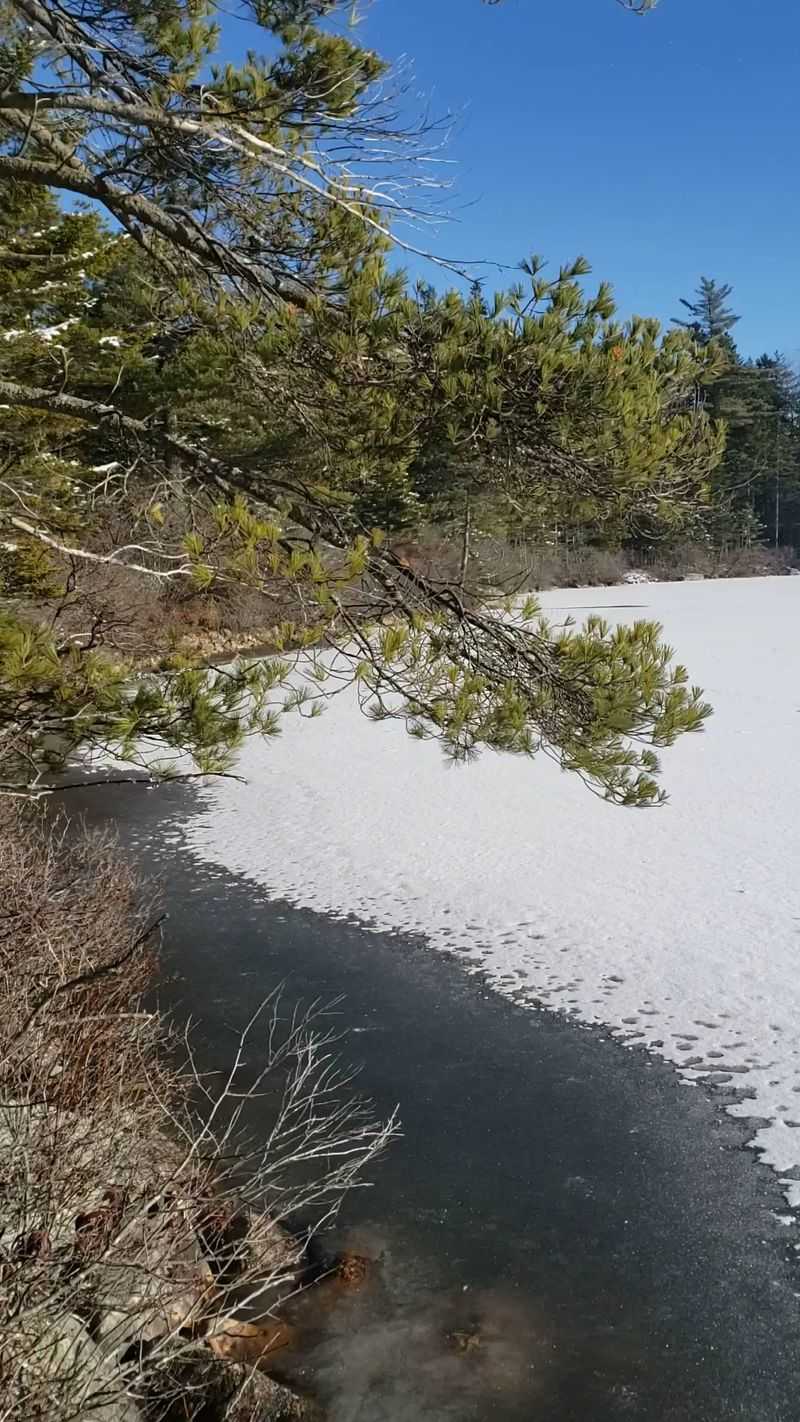
Out in Sheridan County, Smith Lake proves the Sandhills reach farther west than plenty of people think. The area sits south of Hay Springs around a natural lake and marsh.
That mix of water and grass is the main attraction. Hunters come for pheasants, grouse, and waterfowl, depending on season and luck.
Marsh edges can hide birds in thick cover. Plan to push slowly and let your dog do the detective work.
It’s a long haul for folks from Omaha or Lincoln. Many hunters from those cities turn it into a weekend, combining it with other Panhandle stops.
Families also visit for a look at the lake and the wildlife. Off-season trips make good scouting runs, and kids tend to enjoy spotting ducks.
Amenities are limited, so pack for self-reliance. Water, snacks, a spare tire, and warm layers all belong in the truck.
Late fall weather out here changes its mind quickly.
Check current regulations for both upland and waterfowl seasons. When the wind settles over the marsh, you’ll be glad you made the drive.
Address: Hay Springs, NE 69347
11. Shell Lake State Wildlife Management Area
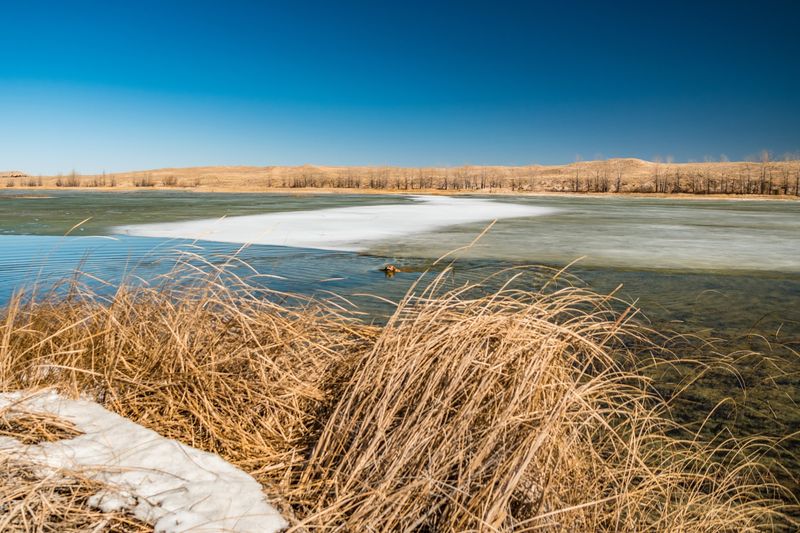
Ranch country surrounds this lake, and the public gets a slice of it. Shell Lake WMA sits northeast of Gordon in eastern Sheridan County.
Open grass and shoreline cover define the place. Upland and small-game hunters use both, especially where the grass grows thick near the water.
The setting feels like classic Sandhills ranchland. Wide horizons, rolling hills, and very little traffic make for a peaceful day afield.
Shoreline cover deserves a careful look. Pheasants often favor heavier grass along water when weather turns cold, so slow down there.
Gordon is the nearest town for fuel and supplies. Fill up before heading out, because services thin out quickly beyond town.
The area is open through the week, and families visit too. A fall walk along the lake can be a nice outing for anyone, hunter or not.
Wrap up a western Nebraska trip here after Smith Lake. The two spots sit in the same county, which makes planning easy.
Respect neighboring private ranch land, check your boundaries, and enjoy a final walk through open grass before the long drive home.
Address: Gordon, NE 69343