This Nebraska Sanctuary Gives Hundreds of Rescued Dogs the Run of the Place, With No Cages Anywhere
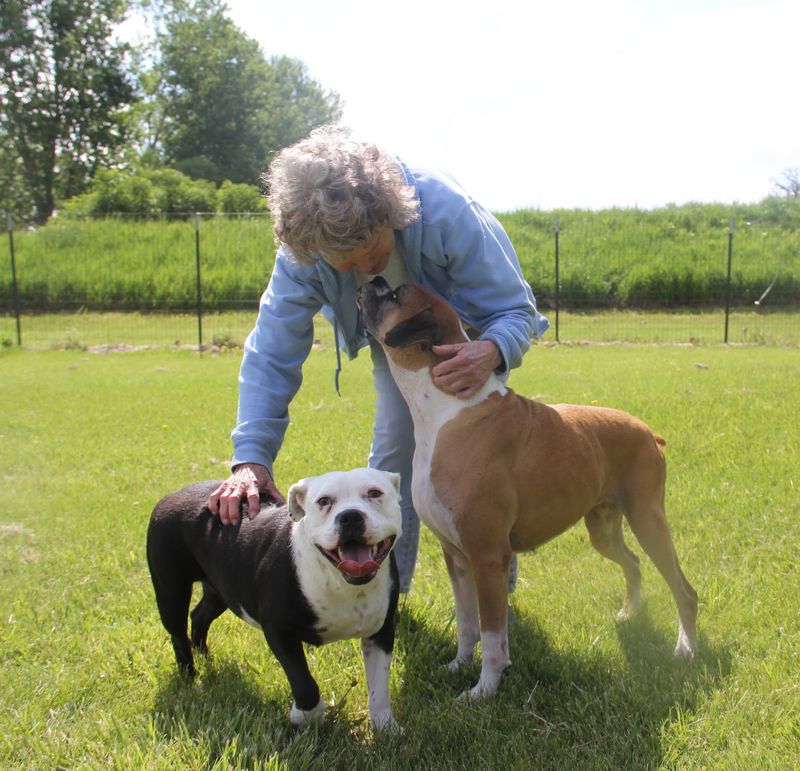
The gravel road out to it looks like every other gravel road in southeast Nebraska, corn on one side, sky doing most of the work overhead. Then the buildings appear, low and long and surrounded by grass, and you hear the barking before you see a single dog.
What sits at the end of that drive is one of the largest no-kill sanctuaries in the state, a place where dogs pulled out of the worst situations get grass under their feet and a person who knows their name. It is open only a few hours a day, which makes finding it feel a little like being let in on something.
A Sanctuary at the End of a Nemaha County Gravel Road
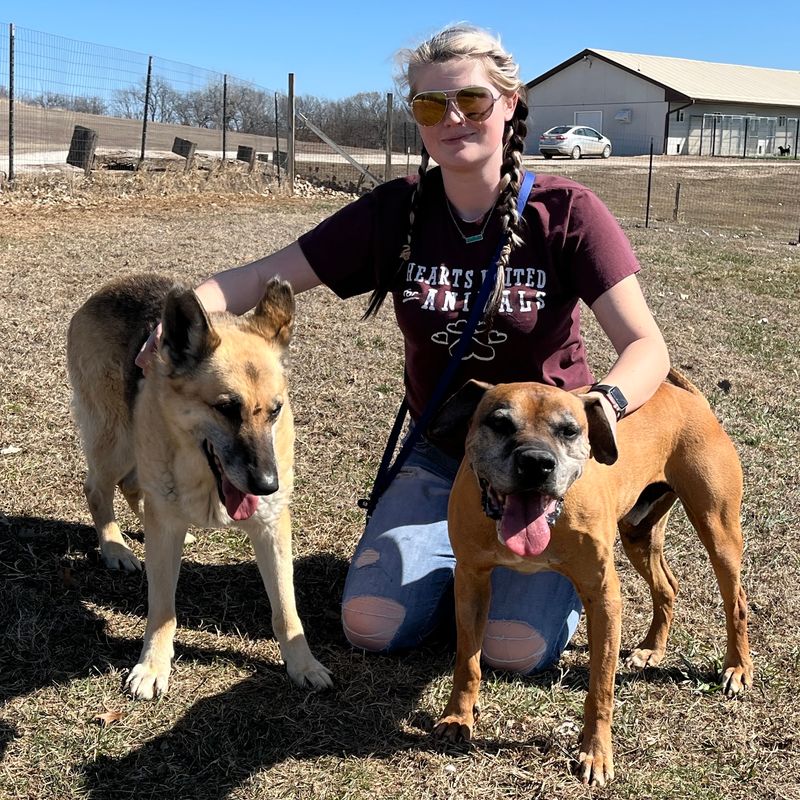
Hearts United For Animals sits at 73420 638 Ave, just outside Auburn in Nemaha County, roughly 75 miles south of Omaha and about the same distance southeast of Lincoln. The address alone tells you what to expect: numbered county roads, no traffic light for miles, and a campus that spreads out instead of stacking up.
Officially it is listed as an animal shelter, but the operation is bigger and stranger than that word suggests. It functions as a rescue, a sanctuary for animals nobody else will take, a spay and neuter clinic, a boarding facility, and a grant program that helps Nebraska families cover veterinary bills they cannot swing on their own.
The land does the heavy lifting. Dogs live in grouped housing with outdoor runs and mowed yards rather than stacked kennels, and the sheer size of the property is the first thing that registers when you pull in.
Getting there means a real drive from either city, mostly along Highway 75 through the Missouri River bluff country. Plan the day around it rather than squeezing it in.
Puppy Mill Survivors and the Work That Built the Place
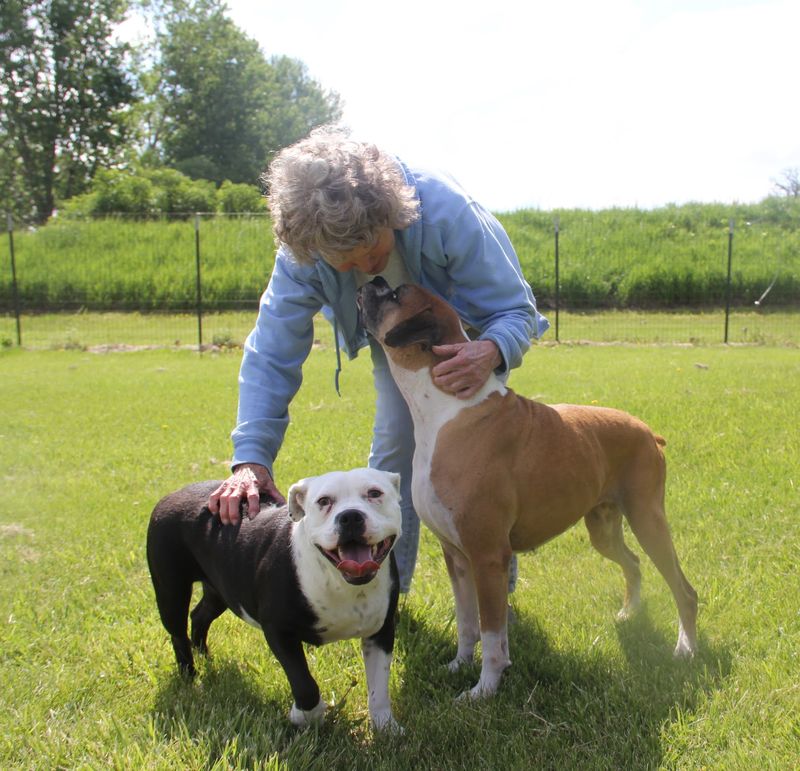
Ask what Hearts United is built around and the answer comes back the same way over and over: puppy mill rescue. It is the single most discussed aspect of the organization, and it shapes nearly everything about how the campus operates.
Dogs arriving from commercial breeding operations often show up having never walked on grass, never climbed a stair, never been touched kindly. Some have not learned that a door is something a person opens for them.
Recovery for those dogs is measured in weeks and months, not hours, and it cannot happen in a metal box.
That reality explains the layout. Staff work in small groups, pairing shy dogs with steadier companions so the confident one teaches the frightened one how to be a dog again.
Dog pairing comes up repeatedly in how adoptions are handled here.
Cats are part of the picture too, along with spay and neuter services that account for a large share of the daily workload. Still, the long-term residents who define the sanctuary are the mill survivors nobody else could rehabilitate.
No Cages, Just Grass, Group Rooms and Open Runs
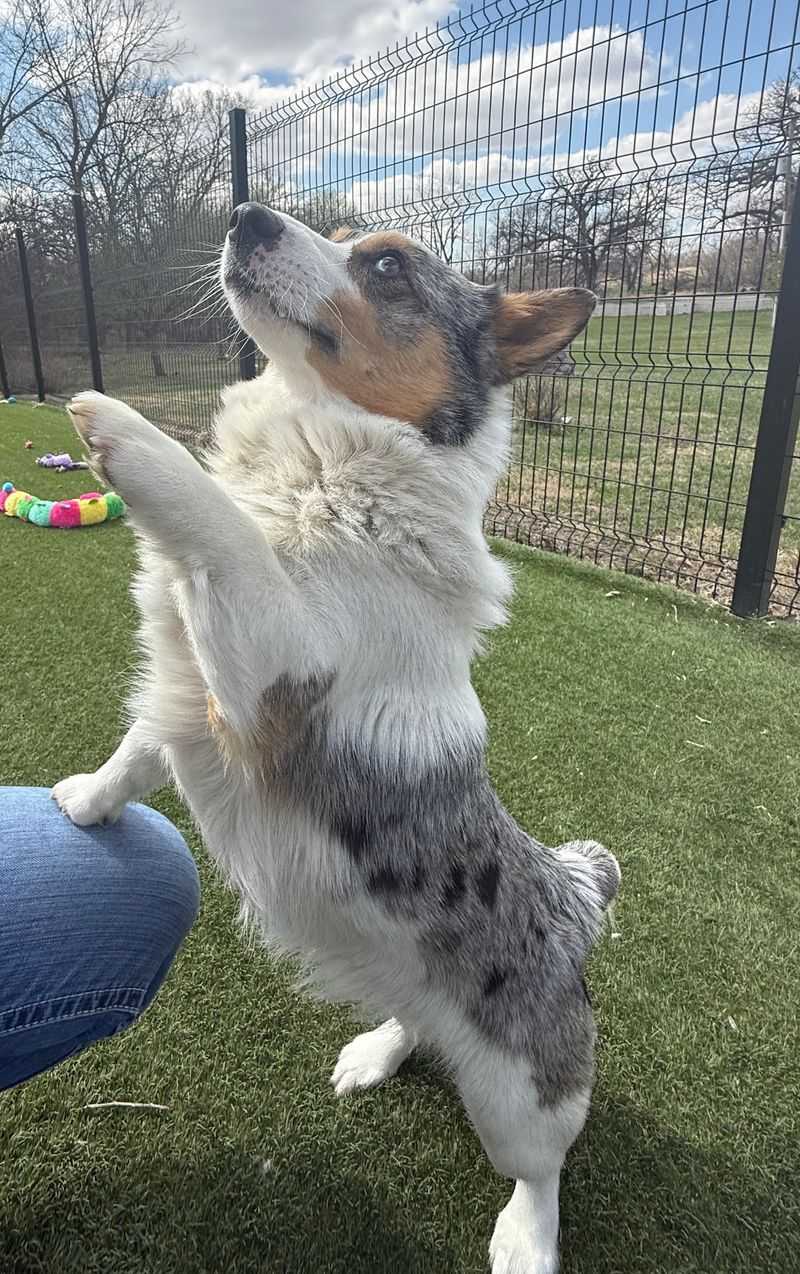
Picture a shelter and most people picture a hallway of chain link with a dog behind each gate. That is the mental image the campus here quietly dismantles.
Housing is arranged as group living with bedding, windows, and doors leading straight out to fenced grass. Dogs move between indoors and outdoors on their own schedule, and the ones who get along share space instead of staring at each other through wire.
Facilities across the property are clean and maintained, and the scale of it registers immediately.
Why does the design matter beyond comfort? Dogs coming off years of confinement do not decompress in a cage.
They learn to trust by choosing where to sit, who to lie next to, and when to come inside.
The property is described as state of the art, with medical care handled on site rather than shipped elsewhere. Between the surgical suite, the grant program, and the sanctuary wing for animals considered unadoptable, it operates closer to a small campus than a county pound.
The Adoption Process Is Thorough on Purpose
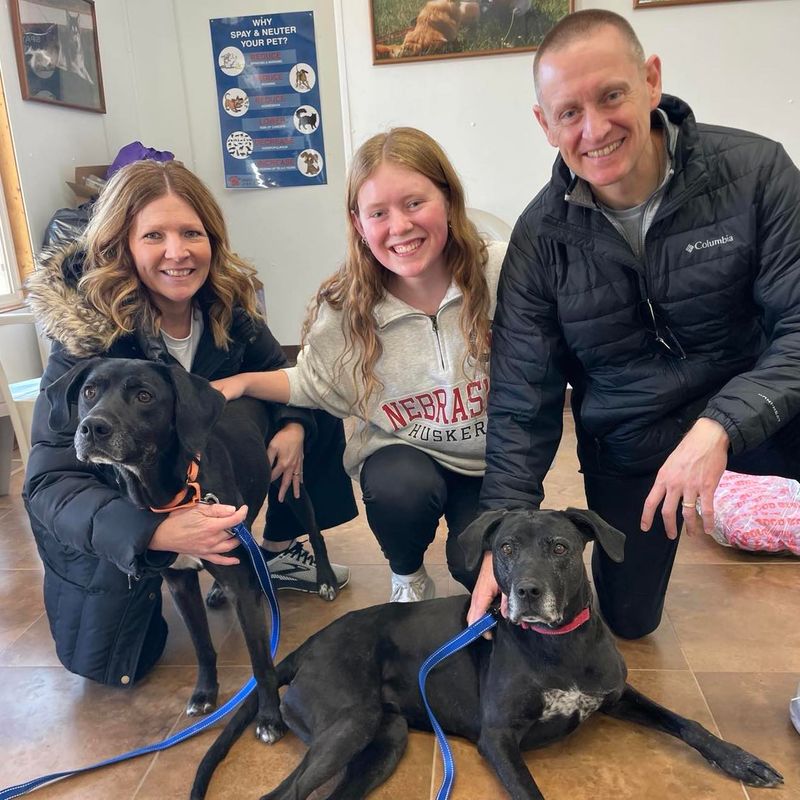
Fair warning before anyone fills out a form: the application here is extensive. It involves paperwork, questions about your household, and in many cases a home interview conducted over video call before you ever drive down.
Adoption counselors spend real time on matching. Staff walk applicants through honest assessments of individual dogs, including the ones who need a quiet house or a companion animal already in place, and people who come intending to adopt one dog sometimes leave with two.
Requirements are firm and they are the most common source of frustration. Fencing expectations, and a policy that existing pets in the home be spayed or neutered, have turned away applicants who felt they were a good fit otherwise.
Knowing that in advance saves disappointment.
Adoptions also come with a small ceremony of sorts, paperwork signed, photos taken, and an adoption pledge read aloud before you head home.
The vetting is slow because the dogs have already been through one bad placement. Nobody here is in a hurry to repeat it.
Spay, Neuter and the Nebraska Vet Bill Grants
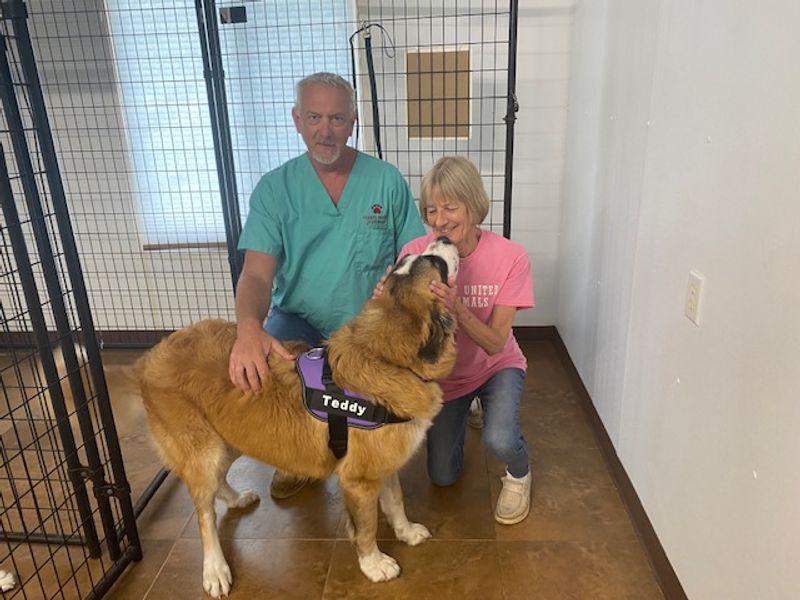
Twenty-one separate mentions of spaying in what people discuss about this organization tell you something: the clinic is not a side project. Low-cost spay and neuter surgeries make up a steady share of what happens on the property, drawing pet owners from well beyond Nemaha County.
Drop-off runs in the morning with pickup later the same afternoon, so families driving in from an hour away often spend the day in Auburn or along the river before collecting their animal. Aftercare instructions come home with you, and the surroundings are kept clean and orderly.
Beyond surgery, there is a grant program that helps cover veterinary expenses for pets whose owners cannot manage the cost. One Nebraska dog received help paying for surgery to remove masses, the kind of bill that otherwise forces impossible decisions.
Services are priced affordably and the organization operates at a loss on some of them by design. Call ahead to schedule rather than arriving unannounced, since surgical slots fill and the clinic keeps the same short public hours as the rest of the campus.
Volunteers, Kids and Learning to Sit Still With a Shy Dog
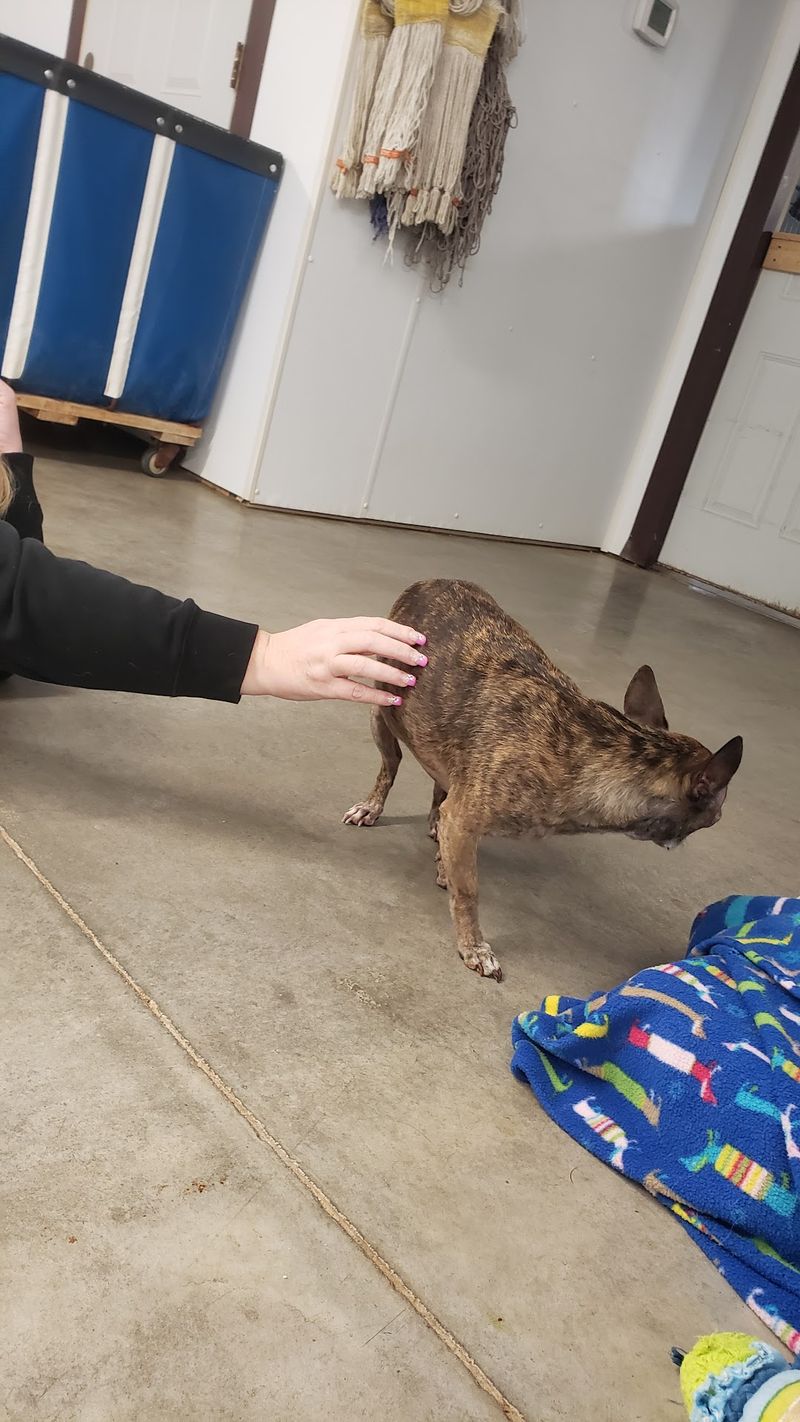
Some of the most useful volunteer work here involves doing almost nothing. Sitting quietly on the floor near a dog who flinches at footsteps is a legitimate job, and it is how frightened animals learn that people can be boring in a good way.
Volunteer and support opportunities run year-round, and the setup accommodates families. Parents have brought children along to help, which turns a Saturday drive into something more than sightseeing.
Staff dedication shows in how animals respond to them. Long-tenured team members and volunteers know individual dogs by temperament, which is what makes the pairing and matching work possible in the first place.
Boarding is offered too, a practical option for Nebraska pet owners in the region who need somewhere to leave a dog and prefer that the money circle back into rescue work.
Anyone hoping to help should reach out ahead of a visit rather than showing up ready to work. Hours are short, the animals keep a routine, and coordination matters more than enthusiasm on any given morning.
Hours, Directions and What to Know Before You Drive Down
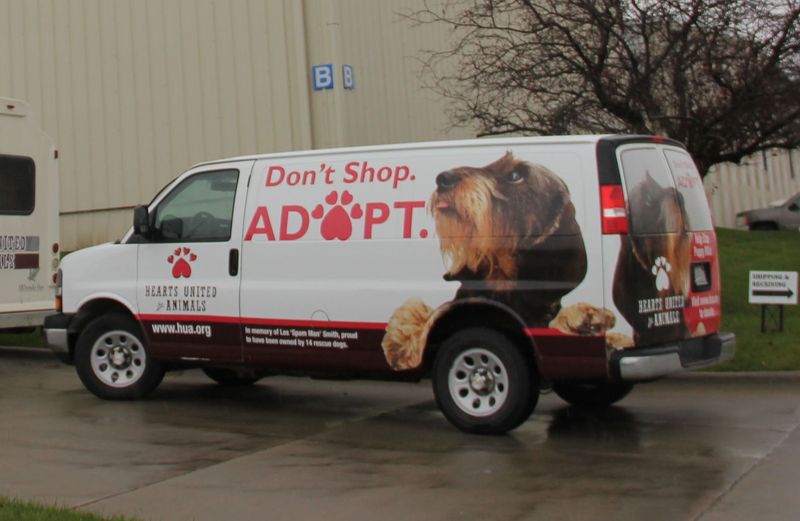
Four hours a day is the whole window. Doors open at 10 AM and close at 2 PM Monday, Tuesday, Thursday, Friday, Saturday and Sunday, with the campus closed all day Wednesday.
That short schedule is the single most important planning detail, because the drive is not short. From Omaha or Lincoln, budget roughly an hour and a half each way, mostly on Highway 75 or Highway 2 and 75 combined, then a few miles of county road to 638 Ave.
Adoption fees and clinic services are priced modestly for a nonprofit of this scope, though the application must be approved before any dog goes home. Starting the paperwork online first avoids a wasted trip.
Autumn suits the drive well. The Missouri River bluffs south of Nebraska City turn color through October, and Auburn itself has a walkable main street for lunch before or after.
Bring patience for the process and closed-toe shoes for the grass. Rating sits at 4.2 stars across 263 reviews, with adoption requirements driving most of the criticism.
Who This Southeast Nebraska Stop Actually Suits
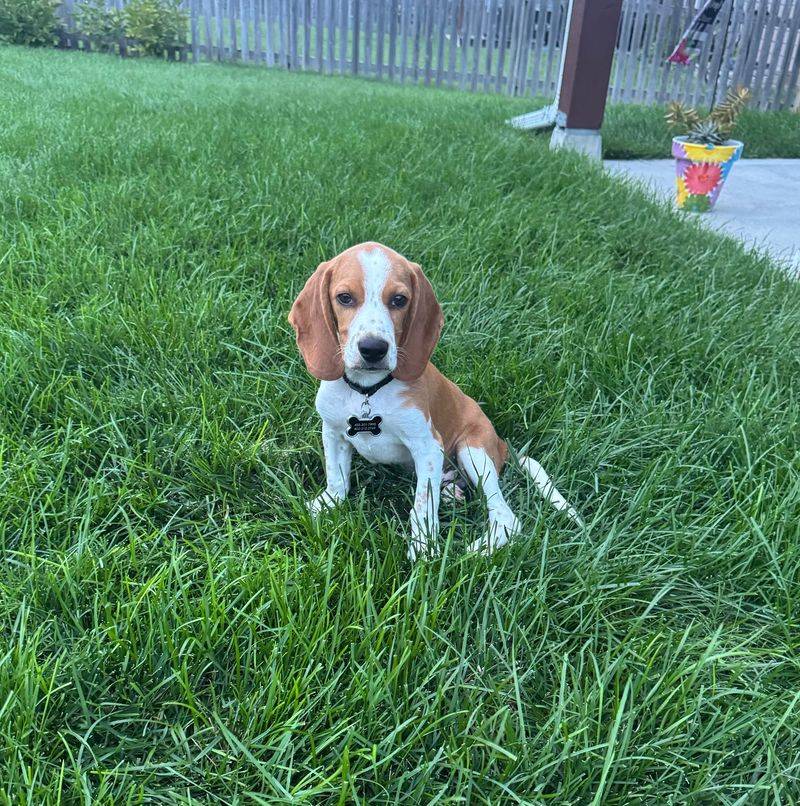
Not every animal place makes sense as a casual outing, and this one asks something of you. Show up expecting a petting zoo and the strict rules will land wrong.
Show up ready to learn how a working sanctuary keeps hundreds of animals alive and comfortable, and it lands differently.
People who have adopted here tend to come back. Families on their third and fourth dog from the same organization are common, which is about as clear a signal as a rescue can produce.
The frustrations are real and worth naming. Surrender requests are frequently declined for lack of space, cats are not always accepted, and fencing and spay requirements disqualify some applicants outright.
Anyone counting on this as a drop-off point should call first.
What stays with you is the sight of grass instead of concrete, and dogs who once had nothing choosing where to nap.
For a Nebraska day trip with a payoff at the end, an hour and a half of two-lane highway buys you something you will still be describing to people next week.