Pick Your Own Strawberries & Experience Farm Life This Spring
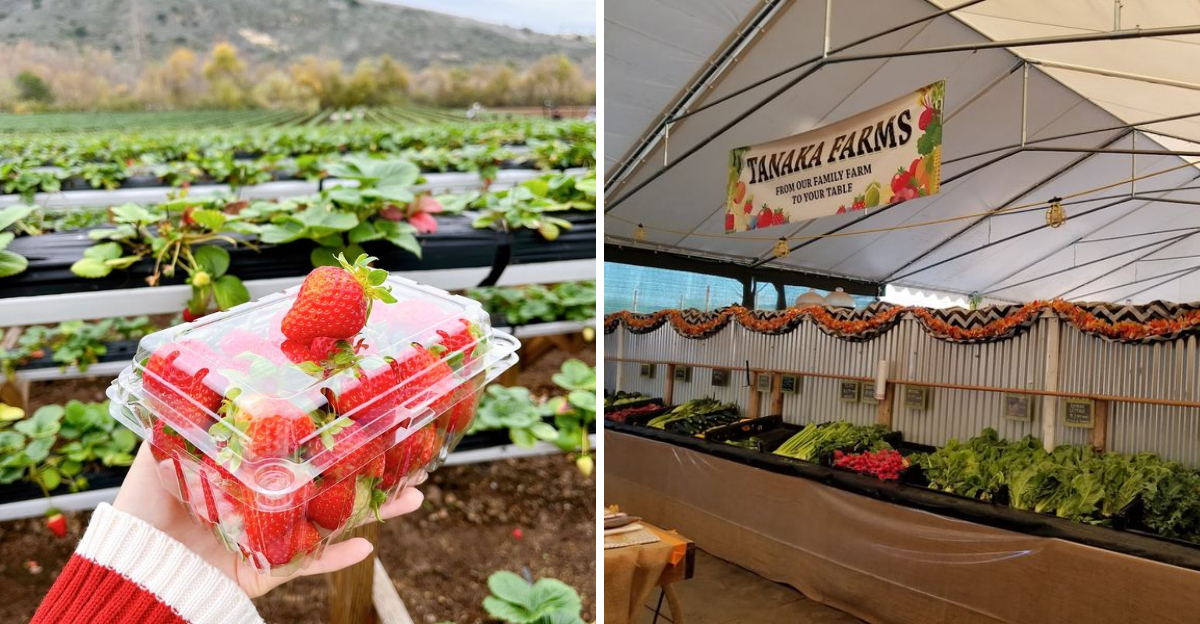
Sweet strawberries straight from the field. Sun on your face. A basket filling up faster than expected.
Spring days feel different here. Kids run between rows. Parents taste berries right off the vine. Everyone ends up with red-stained fingers and a smile they didn’t plan on.
Fresh air helps. So does the simple joy of picking something yourself.
California has places like this where a simple farm visit turns into one of the sweetest spring memories you can make.
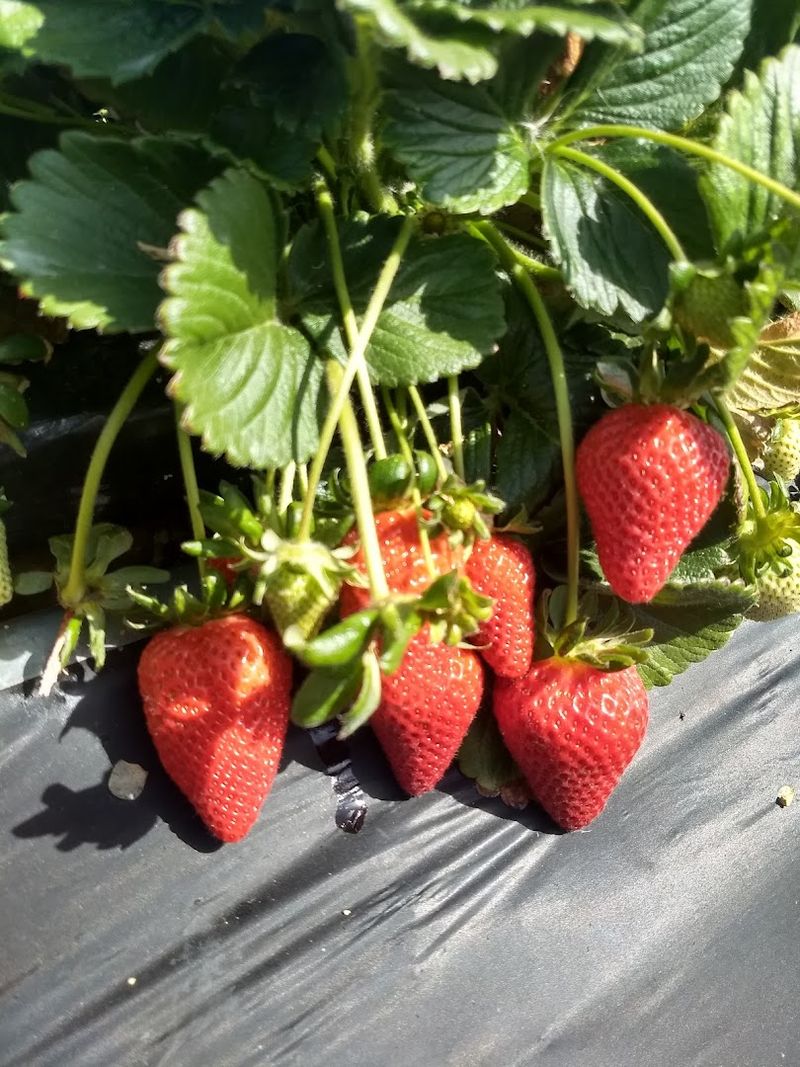
The experience starts the moment you step onto the fields. Bright green rows stretching out in every direction. Strawberries hiding beneath the leaves, waiting to be found.
Visitors walk slowly at first. Then the excitement takes over. One berry turns into a handful. A handful turns into a full basket.
The farm experience goes beyond just picking fruit. Tractor rides roll through the property. Friendly farm animals wander nearby. Fresh produce shows up for tasting along the way.
That entire experience happens at Tanaka Farms in Irvine, a long-running family farm that opens its fields each spring for strawberry picking and outdoor tours.
Families return year after year because the day feels simple in the best way. Fresh fruit. Open fields. The kind of outdoor memory that sticks long after the basket is empty.
1. Location And Accessibility In Irvine
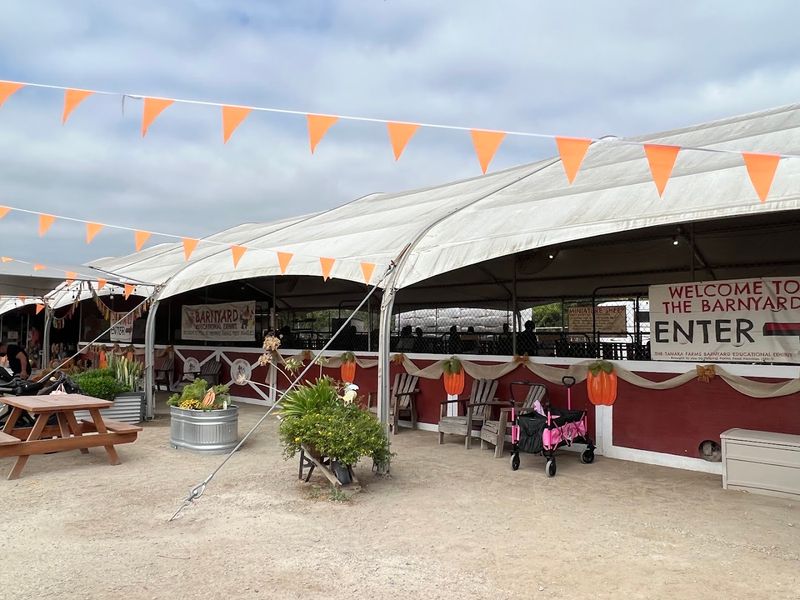
Tanaka Farms sits at 5380 3/4 University Drive, Irvine, California 92612, placing it within easy reach for residents across Orange County and visitors coming from neighboring areas like Los Angeles or San Diego.
The farm’s location in Irvine makes it a practical day-trip destination that does not require significant travel time for most Southern California families.
Parking at the farm is available on-site, which simplifies the logistics of arriving with children and gear.
Weekday visits tend to involve less traffic and shorter wait times than weekend trips, though both can work well depending on scheduling flexibility.
The surrounding area of Irvine is well-developed with nearby dining and shopping options, so building a fuller day around the farm visit is easy to do.
Visitors coming from farther away may want to map the route in advance since the address includes a fractional number that can occasionally cause confusion with navigation apps.
2. Seasonal Availability Of Strawberry Picking
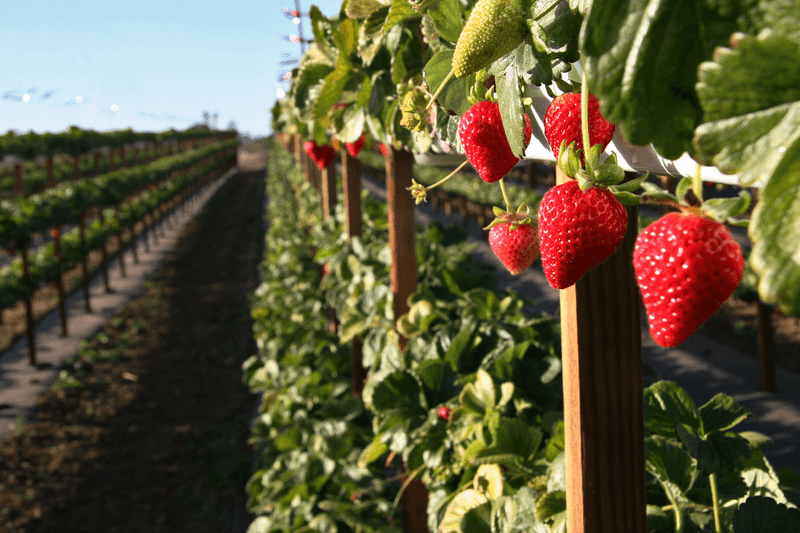
Strawberry picking at Tanaka Farms tends to run from February through June each year, aligning with the peak growing window for strawberries in Southern California.
That seasonal window is longer than many people expect, which means families have several months to plan a visit rather than scrambling for a single weekend slot.
The timing of peak ripeness can shift slightly depending on rainfall, temperature, and other growing conditions.
Visiting in March or April tends to offer a good balance of mild weather and abundant fruit, though conditions vary from year to year.
Checking the official Tanaka Farms website before visiting is a reliable way to confirm current availability.
The farm updates its tour schedule regularly, and knowing the latest information ahead of time helps avoid unnecessary disappointment at the gate.
Spring mornings at the farm tend to feel cooler and more comfortable for younger visitors.
3. Guided Tractor Ride Tours
One of the most memorable parts of a visit to Tanaka Farms is the guided tractor ride that takes guests across the 30-acre property.
The ride is not just a scenic loop but a structured tour that includes stops in the fields where visitors can pick strawberries and at least one seasonal vegetable directly from the soil.
Riding through working farmland on a tractor wagon gives the experience a texture that no grocery store visit could replicate.
Kids who have never seen how vegetables grow tend to respond with genuine curiosity, and the pace of the ride allows enough time to look around and take everything in.
Tour guides typically share information about the crops being grown at each stop, which adds a layer of learning to what might otherwise feel like a simple outing.
The tractor ride format also means that guests do not need to walk long distances across the farm, making it a comfortable option for younger children and older visitors alike.
4. Fresh Produce Sampling In The Fields
There is something genuinely surprising about tasting a vegetable pulled straight from the ground with the soil still clinging to it.
During Tanaka Farms tours, guests have the opportunity to sample a variety of farm-fresh produce directly from the fields, including vegetables like carrots, bok choy, and cilantro depending on what is in season at the time of the visit.
Sampling produce in the field is a different experience from tasting the same vegetables at home.
The freshness is noticeable in the crunch and flavor, and for many children it is the first time a vegetable has actually tasted good to them.
That moment of discovery tends to stick with kids long after the visit ends.
Availability of specific vegetables for sampling may vary depending on the growing season and current crop rotation at the farm.
Checking the farm website or calling ahead can give a general sense of what might be available during a particular visit.
The sampling portion of the tour adds a sensory layer that makes the overall experience feel more complete and rewarding.
5. Educational Value Built Into Every Visit
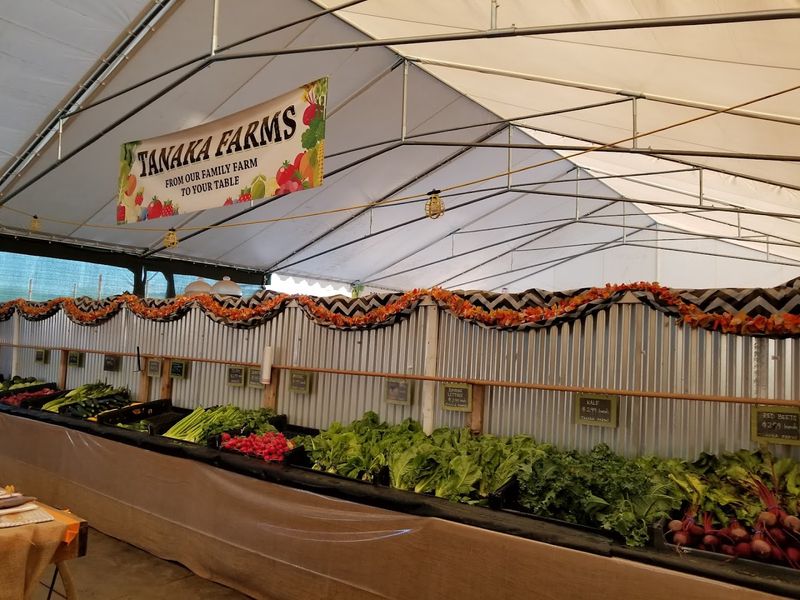
Farm life is something most people in suburban California rarely get to experience up close, and Tanaka Farms fills that gap in a genuinely educational way.
The guided tours are designed to share information about how food grows, how farming methods work, and what the history of the farm looks like over time.
Children who visit tend to leave with a clearer understanding of where their food comes from, which is a concept that can feel abstract when most meals start with a trip to a grocery store.
Seeing a carrot pulled directly from the ground or a strawberry picked from a living plant creates a connection that classroom lessons often cannot replicate.
The educational content is woven naturally into the tour rather than delivered in a formal or lecture-style format.
Guides tend to answer questions as they come up, which keeps the experience feeling conversational and age-appropriate.
Parents and teachers alike often find that the farm visit sparks longer conversations at home or in the classroom about food, farming, and environmental awareness.
6. Barnyard Educational Exhibit
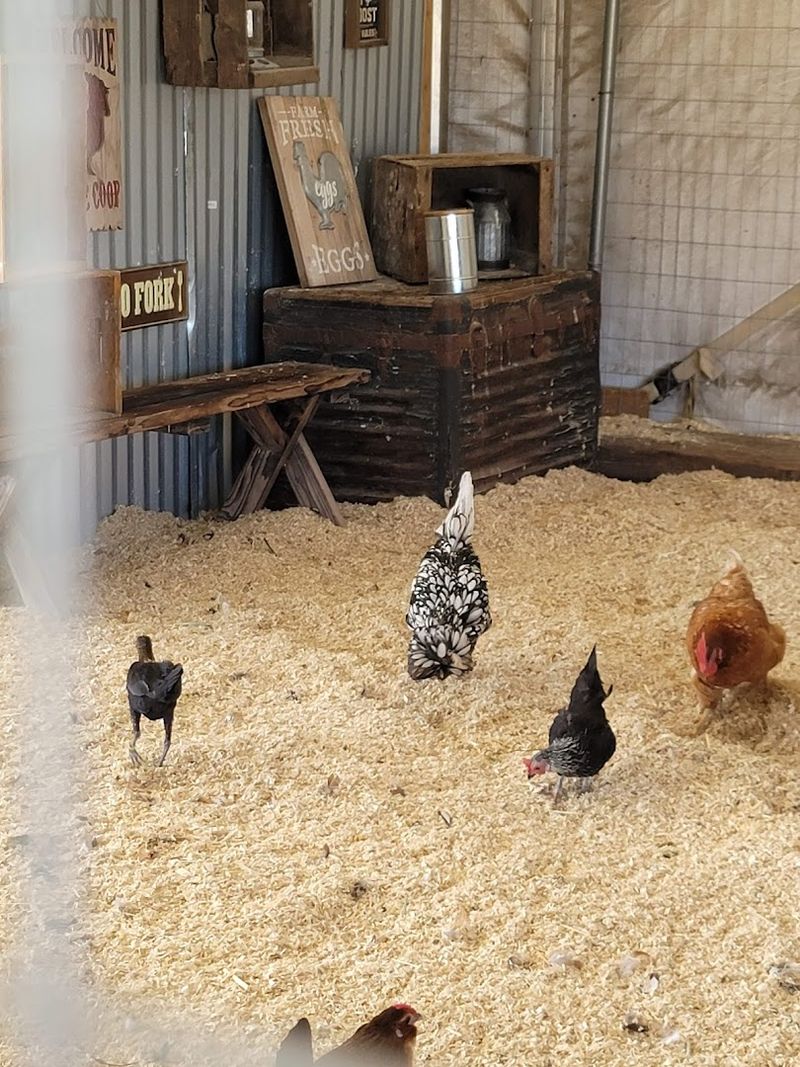
After the tractor tour wraps up, visitors at Tanaka Farms can spend time at the Barnyard Educational Exhibit, where goats, sheep, and chickens are available for interaction.
For many young visitors, this is the moment that turns a good trip into a great one, since getting close to a live animal creates a kind of excitement that photographs simply cannot capture.
The barnyard area is set up to allow hands-on engagement rather than just observation from a distance.
Children who are comfortable around animals tend to enjoy the tactile experience of touching a goat or watching chickens move around in their space.
Even kids who feel a little hesitant at first often warm up quickly in a low-pressure environment.
The exhibit connects naturally to the educational themes of the rest of the tour, reinforcing the idea that a working farm involves animals as well as crops.
Parents who have visited with toddlers note that the barnyard portion is often the highlight of the trip for the youngest members of the group.
The calm pace of this section also provides a natural wind-down after the tractor ride.
7. Ticket Pricing And What It Includes
Admission for the strawberry picking tour at Tanaka Farms is $29 per person on weekends and holidays and $27 on weekdays.
That price includes a basket for collecting strawberries during the tour.
Children under two years old can join the experience at no charge, which makes the outing more accessible for families with very young kids.
Knowing what the ticket price covers before arriving helps with budgeting and avoids any confusion at the gate.
The basket included in the admission is used to carry the strawberries picked during the tour, and any additional produce purchased at the farm stand would be priced separately.
Pricing can change between seasons, so confirming the current rate on the Tanaka Farms website before booking is a practical step.
The admission covers the guided tractor ride, the strawberry picking experience, the produce sampling stops, and access to the Barnyard Educational Exhibit, which means the overall value of the visit tends to feel well-balanced for what is offered.
Groups visiting with multiple children may want to calculate the total cost in advance to plan accordingly.
8. Advance Reservations Are Strongly Recommended
Strawberry season at Tanaka Farms is one of the most popular times of year at the farm, and tour spots tend to fill up quickly once the season opens.
Making a reservation in advance is strongly recommended rather than arriving and hoping a spot is available on the day of the visit.
Weekend mornings especially tend to book out well ahead of time, particularly in March and April when the weather in Southern California is pleasant and demand for outdoor activities peaks.
Planning at least a week or two in advance gives a much better chance of securing the preferred date and time slot.
Reservations can typically be made through the official Tanaka Farms website, where the current tour schedule and available time slots are listed.
Arriving without a reservation during busy weekends may result in a long wait or no availability at all, which can be frustrating after making the trip out to Irvine.
Booking early also allows families to plan the rest of their day around the confirmed tour time with much more ease.
9. Responsible And Sustainable Farming Practices
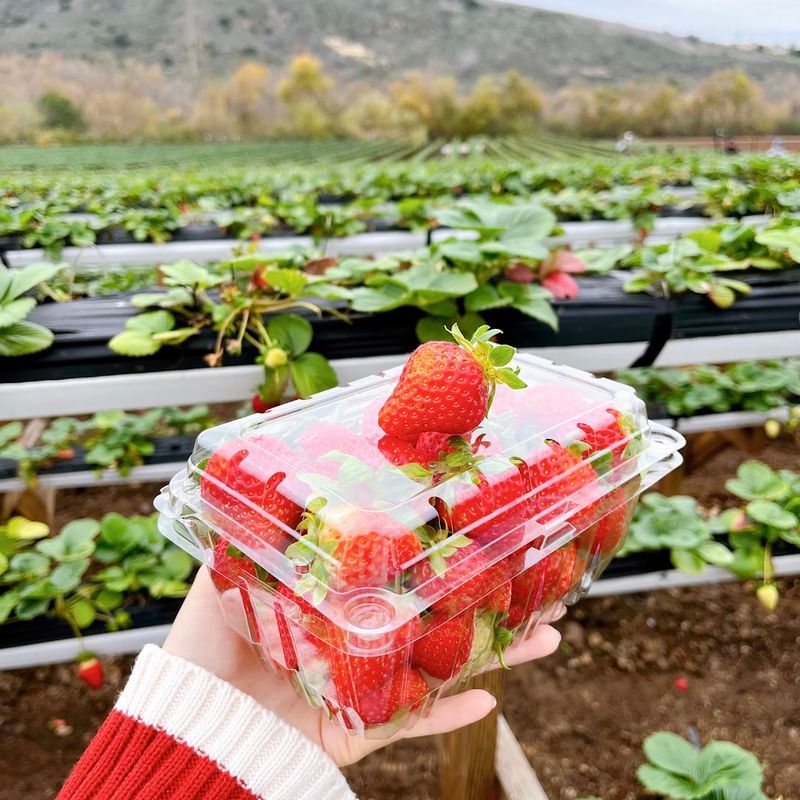
Tanaka Farms takes a thoughtful approach to how it grows its produce, using organically approved materials and compost as part of its farming methods.
The farm’s practices are oriented toward food safety and long-term sustainability, which reflects a broader commitment to responsible land stewardship that goes beyond simply growing crops for visitors to pick.
For families who care about where their food comes from and how it is produced, knowing that the farm prioritizes these standards adds meaningful context to the visit.
Picking a strawberry from a field that is managed with care feels different from pulling fruit off a supermarket shelf without any sense of its origin.
Sustainable farming is not just a marketing term at Tanaka Farms but a documented part of how the operation runs.
The use of compost and organically approved inputs reflects a genuine effort to minimize environmental impact while still producing high-quality crops.
Visitors who ask questions about farming practices during the tour often come away with a more nuanced understanding of what responsible agriculture looks like in a real-world Southern California setting.
10. A Genuinely Family-Friendly Environment
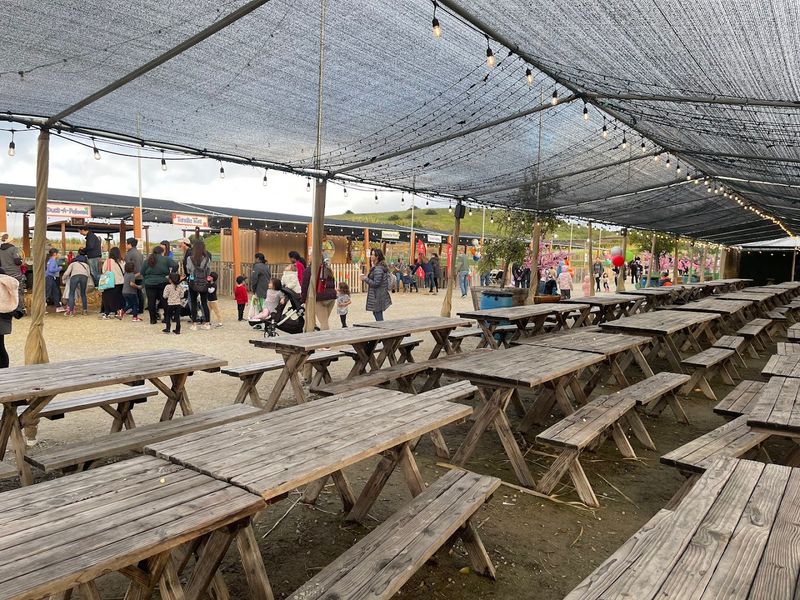
Few outdoor destinations in Southern California manage to appeal equally to toddlers, school-age children, teenagers, and grandparents all at once, but Tanaka Farms comes close.
The layout of the farm and the structure of the tours are designed to accommodate a wide range of ages and energy levels without feeling overwhelming or rushed.
Younger children tend to be drawn to the animals and the act of picking fruit, while older kids and adults often find the educational content and the sheer scale of the farm more engaging.
The pacing of the tractor tour allows everyone to move through the experience together rather than splitting up based on interest or ability.
The farm environment itself has a relaxed, open-air quality that feels distinct from theme parks or indoor entertainment venues.
Noise levels are naturally lower, the surroundings are green and grounded, and the activities feel purposeful rather than artificially stimulating.
Families who visit tend to report that the experience encourages conversation and connection in a way that more structured entertainment does not always allow.
Bringing a picnic to enjoy after the tour is a practical option that many visiting families choose to do.
11. Year-Round Events Beyond Strawberry Season
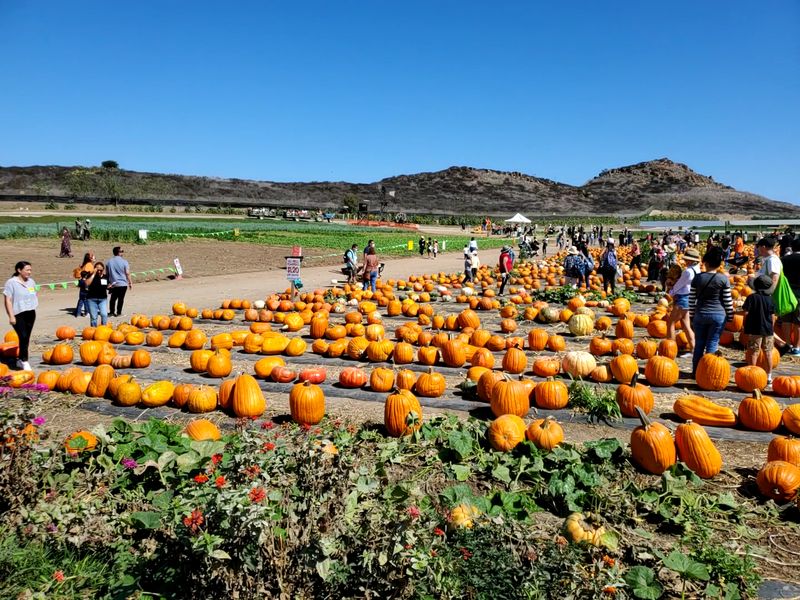
Strawberry season is the headline attraction at Tanaka Farms each spring, but the farm stays active with events and activities throughout the entire year.
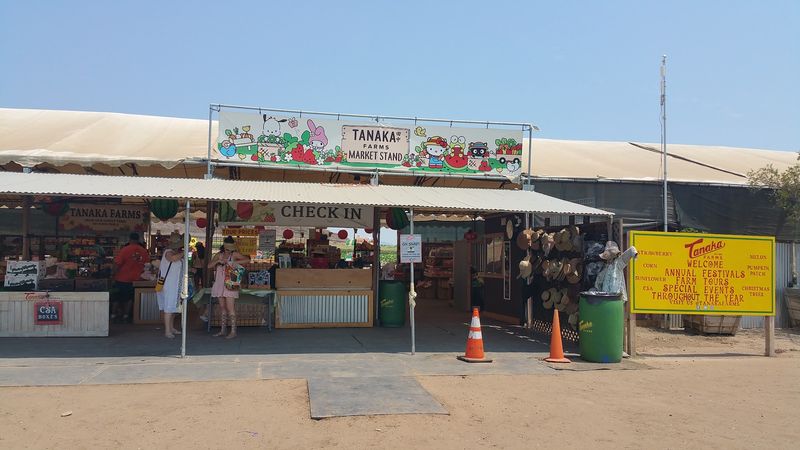
A Pumpkin Patch opens each fall, drawing families who want to pick their own pumpkins and experience the farm in its autumn character, which feels quite different from the lush greenery of spring.
A Hikari: Festival of Lights takes place the day after Thanksgiving, offering a visually striking experience that contrasts with the typical expectations of what a winter outing might look like in California.
The variety of seasonal events means that Tanaka Farms can become a recurring destination rather than a one-time visit for families who live in the area.
And then there’s Melon Tasting. This summer festival is children’s favorite, so don’t miss it. It is just around the corner.
Each seasonal event tends to have its own tour structure, pricing, and available activities, so checking the farm calendar regularly is a good habit for anyone who wants to plan multiple visits across the year.
The consistency of the farm’s programming over time has helped it build a loyal following among Orange County families who return season after season.
Visiting during a less crowded season can also offer a more relaxed and spacious experience than the busy spring strawberry tours.