Pioneers Steered Toward This Nebraska Rock More Than 170 Years Ago, And It Still Stands Beside Courthouse Rock
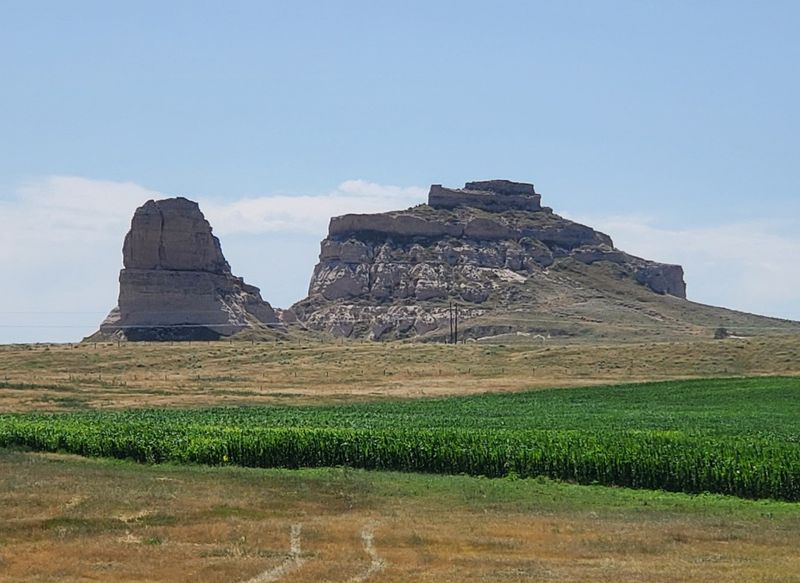
Covered wagon travelers looked at a lump of clay and sandstone on the Nebraska plains and decided it looked like a jail. Its bigger neighbor reminded them of a courthouse.
Put those together and you get one of the oddest pairings on the whole Oregon Trail.
The smaller rock never got the fame. Most of the diary ink went to its towering partner next door.
Still, pioneers counted both as a welcome sign that the flat prairie was finally giving way to something new.
I like that the name came from tired travelers with a sense of humor. I can’t imagine walking for weeks and then spotting a jail in the middle of nowhere.
The rock is still standing in the same spot today. So what does a pioneer jailhouse look like when nature built it?
A Pint-Sized Lockup Parked Beside A Famous Courthouse
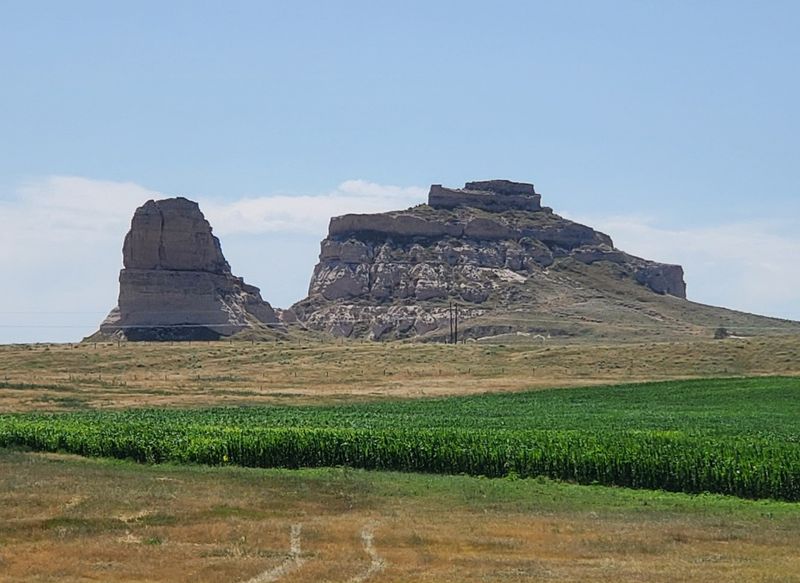
Every courthouse needs a jail, and the Nebraska panhandle took that rule seriously. Jail Rock sits right next to Courthouse Rock, the smaller half of a famous pioneer duo.
Google Maps lists Jail Rock as a mountain peak, which feels a little generous and a little charming. It’s really a rugged butte rising from the North Platte River valley in Morrill County.
The pair stands a few miles south of the town of Bridgeport. Courthouse Rock gets top billing on most signs, but its little partner shares the same skyline and the same story.
Both formations are made of layered clay, sandstone, and volcanic ash. Wind and water have been carving them for ages, leaving steep sides and craggy tops behind.
That soft rock is the reason the shapes look so blocky and building-like. Emigrants saw architecture where geologists see erosion, and honestly, both views are fair.
Jail Rock is the kind of landmark you notice the moment you notice its neighbor. Once you know it’s there, the courthouse suddenly looks a lot less lonely out on the plains.
How Weary Wagon Travelers Picked Such A Funny Name
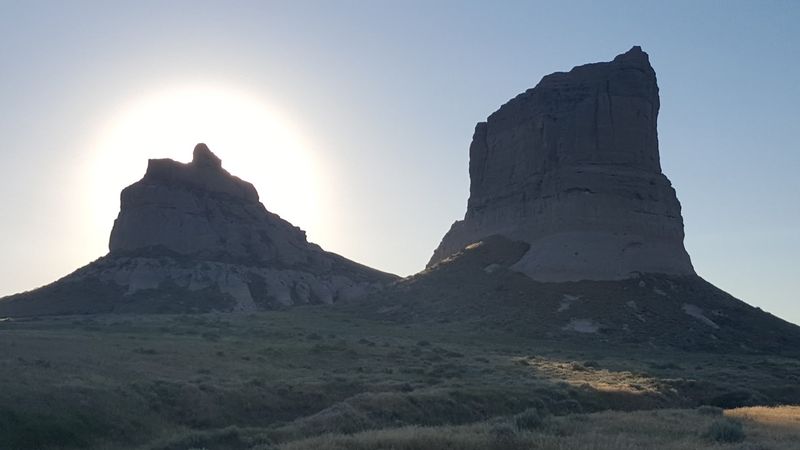
Names on the frontier often came from homesick comparisons. Travelers from Missouri thought the larger rock resembled the courthouse back in St. Louis, and the label stuck.
Once the big rock was a courthouse, the smaller one practically named itself. A jail beside a courthouse just made sense to anyone who had spent time in a county seat.
Some early travelers used other names for the larger formation before the courthouse idea won out. Over time, the courthouse and jail pairing became the version everyone remembered.
I like how much personality those names carry. They tell you the emigrants still had their wits and their humor after weeks of dust and slow miles.
The names also worked as practical directions. Saying you’d reached the courthouse and jail told fellow travelers exactly where you were along the route.
Today the names feel like a tiny time capsule. They capture a moment when strangers crossing Nebraska looked at bare rock and saw something familiar from home.
The First Big Wow Moment On The Oregon Trail
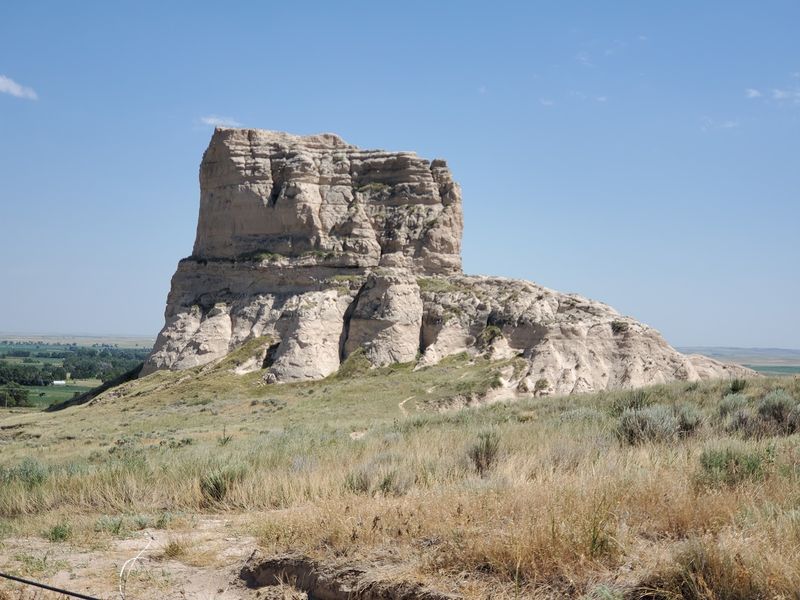
After hundreds of miles of flat prairie, almost anything tall would look thrilling. Courthouse and Jail Rocks were among the first major landmarks emigrants spotted heading west through Nebraska.
That made them more than scenery. They were proof of progress, a signal that the trail was moving into new and dramatic country.
Travelers on the Oregon, California, and Mormon trails passed through this stretch of the North Platte valley. The rocks became a shared milestone for thousands of families on the move.
Many emigrants wrote about the formations in their journals. Some even took detours to get a closer look, which tells you how striking they appeared from the trail.
Distances on the open plains can play tricks on the eye. A rock that looks close might still be hours away by wagon, a lesson plenty of travelers learned firsthand.
Jail Rock rode along in all those stories as the trusty sidekick. It never needed the spotlight to be part of one of the biggest journeys in American history.
Clay, Sandstone, And Ash Make Up This Natural Jailhouse
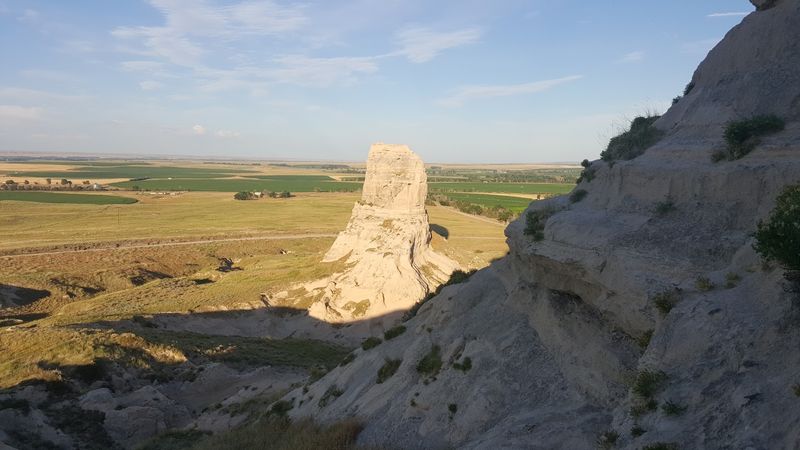
No bricks, no bars, no blueprints. Jail Rock was built by layers of clay, sandstone, and volcanic ash stacked up over a very long stretch of time.
Those layers belong to the same geologic story as other famous panhandle landmarks. Chimney Rock and Scotts Bluff share a similar mix of soft sediments.
Soft rock wears down easily, and that’s the secret behind the dramatic shapes. Wind, rain, and freezing water slowly peel away the edges and leave steep walls behind.
The result looks surprisingly structural from a distance. Flat tops and sheer sides give the formations their building-like profile, which explains the courthouse and jail comparison.
Erosion is still at work today. That means the rocks you see now are slightly different from the ones pioneers saw, even if the change is too slow to notice.
I believe that makes a visit feel a little more special. You’re looking at a landmark caught mid-transformation, one gentle crumble at a time.
Why The Smaller Rock Deserves Its Own Moment
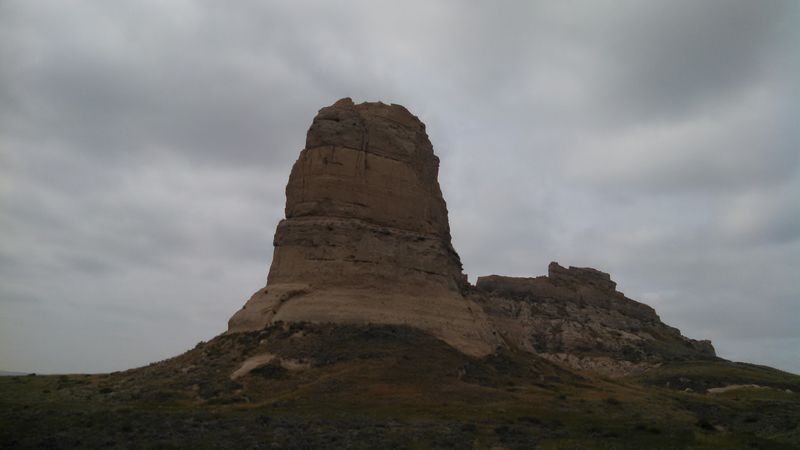
Being the little sibling of a famous landmark is a tough gig. Jail Rock lives in the shadow of Courthouse Rock, sometimes quite literally in the late afternoon.
Yet the pairing is what makes the whole site memorable. A lone courthouse would be interesting, but a courthouse with its own jail is a story people repeat.
Jail Rock stands to the east of its larger partner. From some angles the two look close together, and from others there’s clear prairie between them.
That shifting view is part of the fun. As you move along nearby roads, the relationship between the two rocks changes like a slow-motion magic trick.
Photographers often frame both together, but Jail Rock holds up nicely on its own. Its rough edges and compact shape give it a sturdy, no-nonsense look.
A one-review Google listing even calls it a landmark pioneers used while traveling west by covered wagon. That’s a fine résumé for the smaller half of the act.
A Precinct Name With Its Own Bridge Story
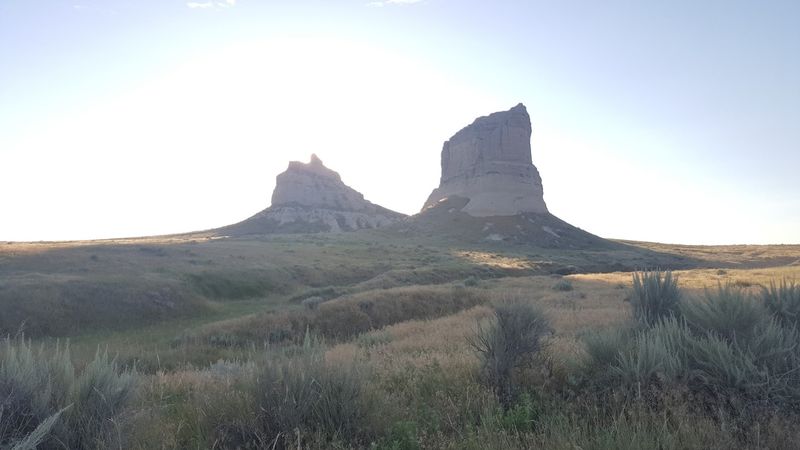
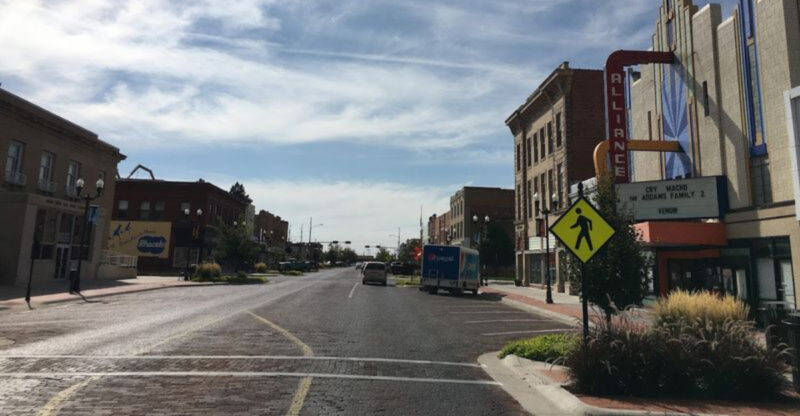
Officially, the rock sits in East Camp Clarke Precinct, NE 69336. That’s the address you’ll see on map listings, and it hints at another chapter of local history.
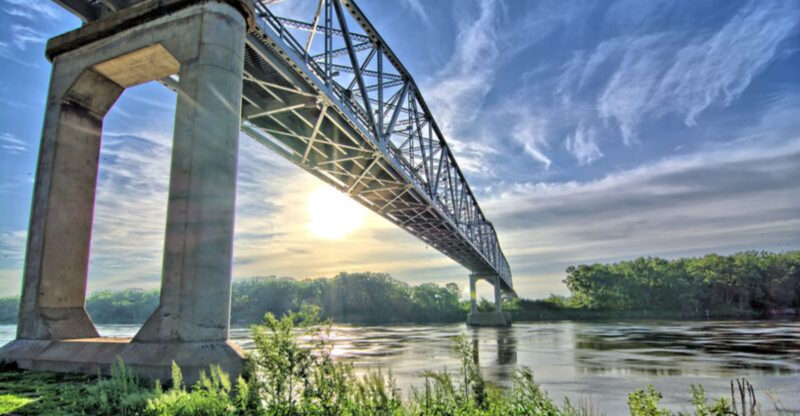
Camp Clarke takes its name from a toll bridge built across the North Platte River in the 1870s. It served traffic on the trail linking Sidney to the Black Hills gold fields.
So this patch of Nebraska saw two big waves of travel. First came the wagon trains heading west, and later came freighters and fortune seekers heading north.
Jail Rock watched both parades go by. It’s a nice reminder that the panhandle has been a crossroads for a long time.
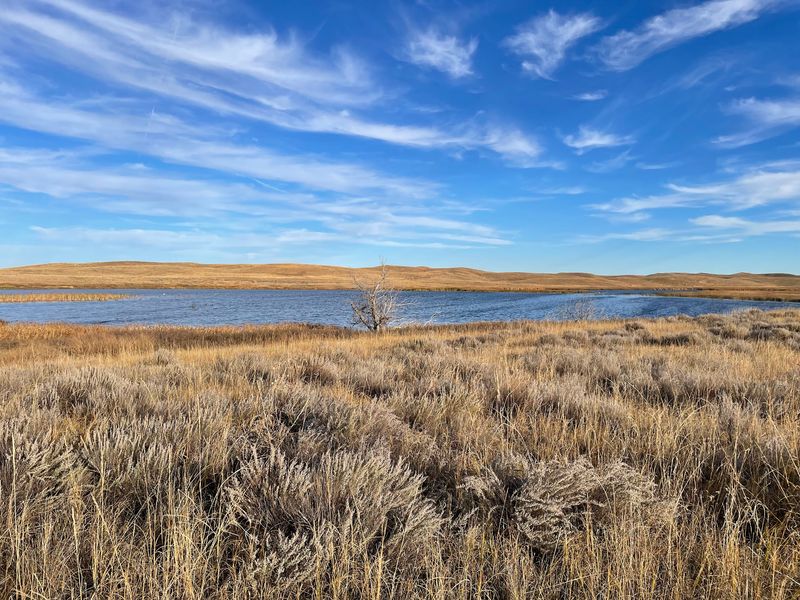
Today the area feels quiet and wide open, with farmland and grass stretching in every direction. The rocks remain the obvious focal point for miles around.
Knowing the precinct name adds a little depth to a visit. Even the address on your phone carries a story worth a quick look.
Big Sky Views That Make The Drive Worth It
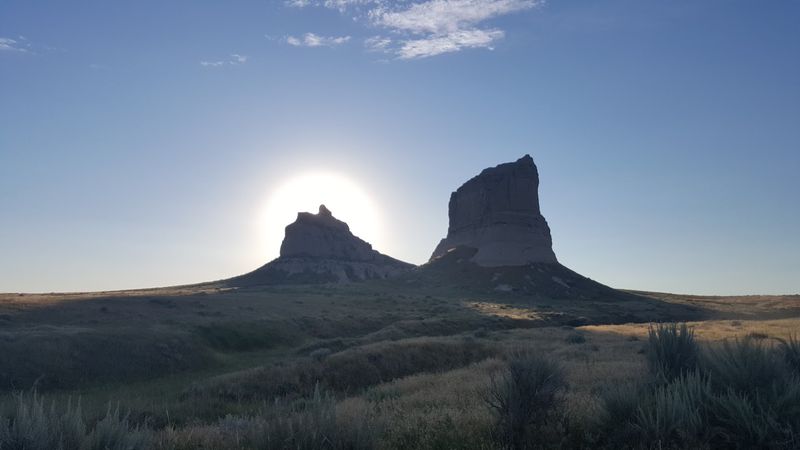
Western Nebraska does skies better than almost anywhere. Around Jail Rock, that wide-open horizon turns the formations into natural stage props.
Morning and evening light can paint the clay walls in warm tones. Midday sun flattens things a bit, so timing helps if photos are part of the plan.
Clouds roll across the panhandle in impressive fashion, too. A stormy sky behind the rocks makes for a moody, old-West kind of picture.
The landscape around the formations is mostly grassland and farm country. That simplicity keeps all the attention on the rocks themselves.
Kids tend to enjoy guessing which rock is the courthouse and which one is the jail. It’s an easy history lesson disguised as a game.
Bring binoculars if you like studying details. The layered bands and eroded ridges reveal more character the closer you look, even from a respectful distance.
Perfect For History Buffs And Road Trip Families
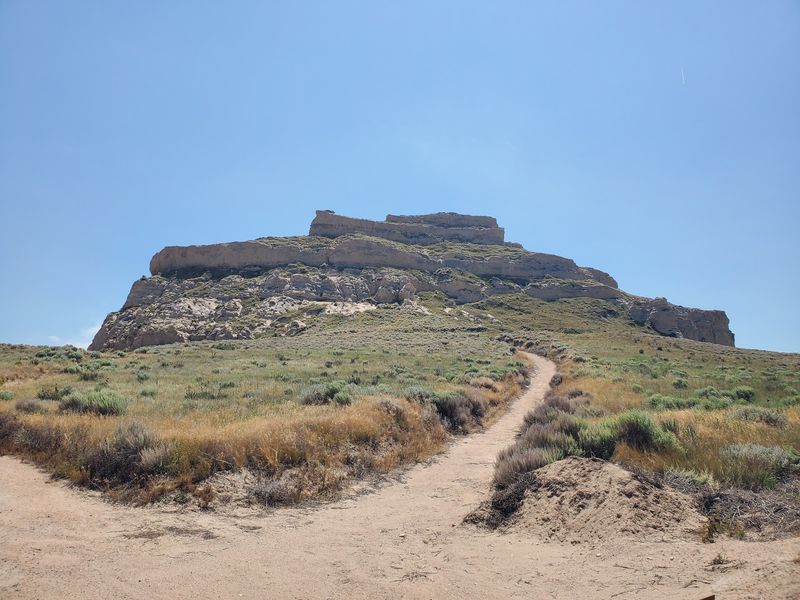
Some stops demand a whole day, but this one fits neatly into an afternoon. Jail Rock suits travelers who love a quick hit of history with big scenery attached.
Oregon Trail fans will feel right at home here. The site connects directly to the stories many of us first read about in school.
Families with restless kids may appreciate how easy the stop is. You can pull over, look, learn a bit, and get back on the road without fuss.
Retirees exploring Nebraska backroads will find it a rewarding detour. It pairs well with a slow drive through the panhandle at your own pace.
Photographers and geology lovers get plenty to chew on, too. The textures, light, and layered rock reward anyone willing to linger.
Honestly, anyone curious about how pioneers saw this land fits right in. Standing near the same formations they described helps those old journal entries come alive.
More Trail Landmarks Waiting Just Down The Road
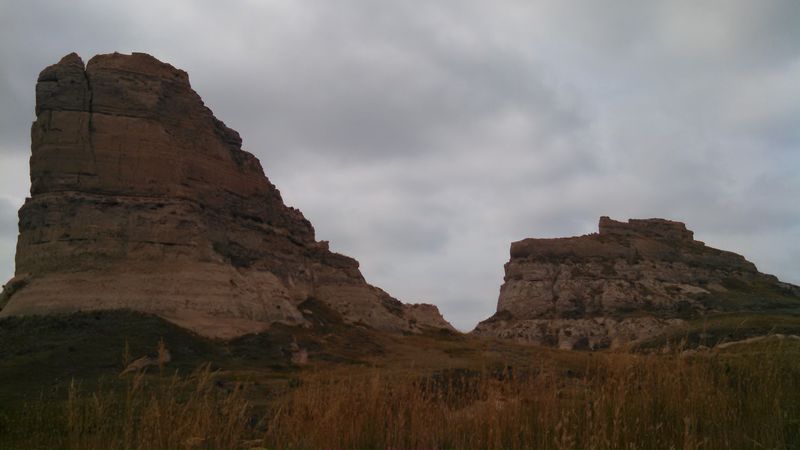
One rock rarely satisfies a trail fan, and luckily the panhandle is generous. Jail Rock is just the opening act in a string of famous Nebraska landmarks.
Chimney Rock stands farther west along the North Platte valley. Its slender spire was another favorite subject in emigrant journals.
Beyond that, Scotts Bluff National Monument rises near Gering. It offers a visitor center and more trail history for anyone extending the trip.
Linking these stops makes for a classic western Nebraska day. You can trace the same general route wagon trains followed, landmark by landmark.
Bridgeport sits close by as a handy starting point. It’s a natural place to fuel up before heading south toward the rocks.
I like how each landmark adds a new piece to the story. Together, they turn a simple drive into a rolling history lesson across Nebraska.
Smart Tips Before Heading Out To See It
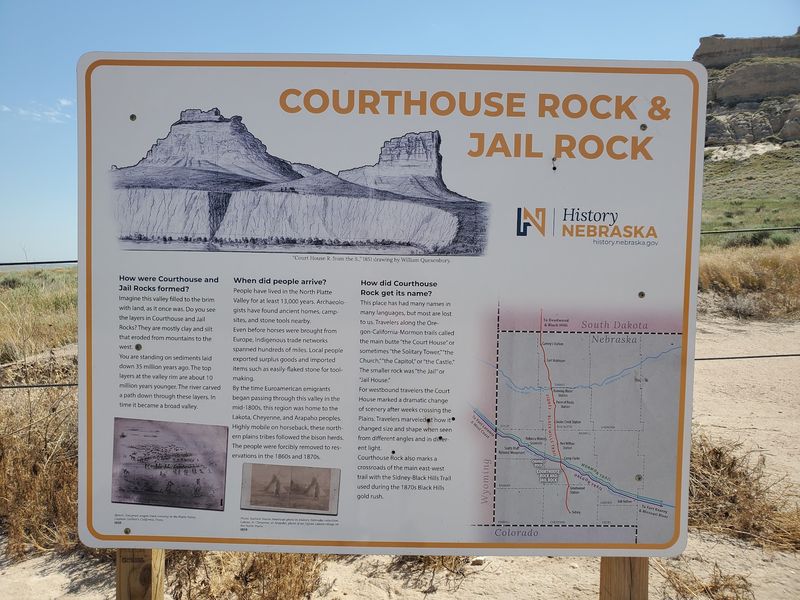
Getting there is the easy part. Courthouse and Jail Rocks sit a few miles south of Bridgeport, reachable by paved state highway.
Plug the address into your map app and the route is straightforward. The rocks are visible long before you arrive, so they make their own road signs.
Services in the immediate area are limited. Pack water and snacks, especially on hot summer days when the panhandle sun means business.
Good walking shoes are a smart idea, too. The ground around the formations is natural prairie, not a polished city sidewalk.
Weather can change quickly out here. Checking the forecast before you go helps you avoid getting caught by wind or a passing storm.
Please treat the rocks gently and follow any posted signs. Soft clay and sandstone erode easily, and these landmarks deserve to stick around for the next generation of curious travelers.
A Little Rock With A Long Memory
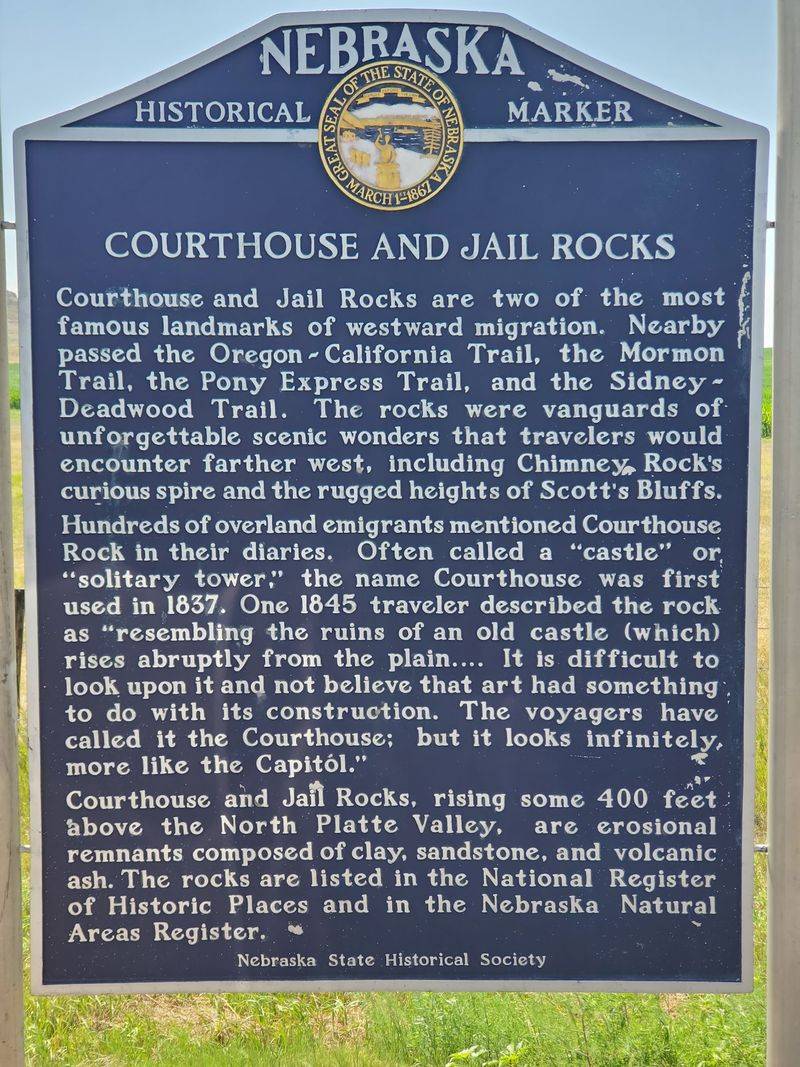
Plenty of landmarks shout for attention. Jail Rock prefers to stand quietly beside its famous partner and let the story speak for itself.
That story stretches back to the wagon days, when emigrants first saw a jail in a pile of clay. More than 170 years later, the rock still holds its post.
A visit won’t take long, and that’s part of the appeal. It’s a low-effort, high-reward stop that fits into almost any western Nebraska drive.
You’ll leave with good photos, a better sense of trail history, and maybe a new appreciation for pioneer humor. Not bad for a few minutes off the highway.
I believe small landmarks like this keep Nebraska history grounded and real. You can stand near the same rock that families once used to measure their progress.
So next time Courthouse Rock gets all the applause, give its little jail a nod. Somebody has to keep the frontier in line.