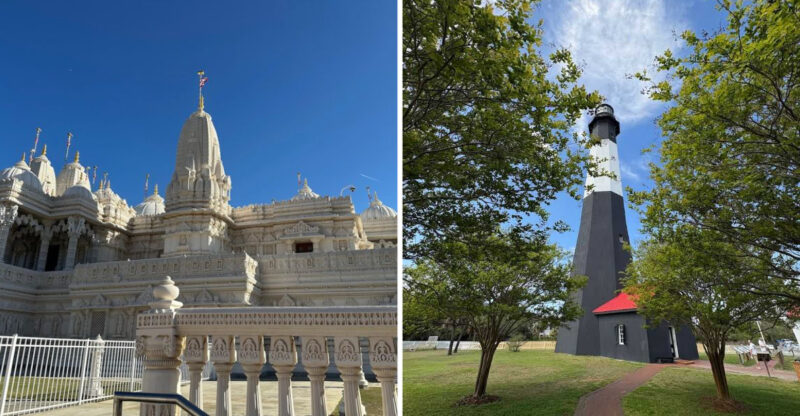
18 Places In Georgia That Feel Especially Rewarding To Visit In Spring
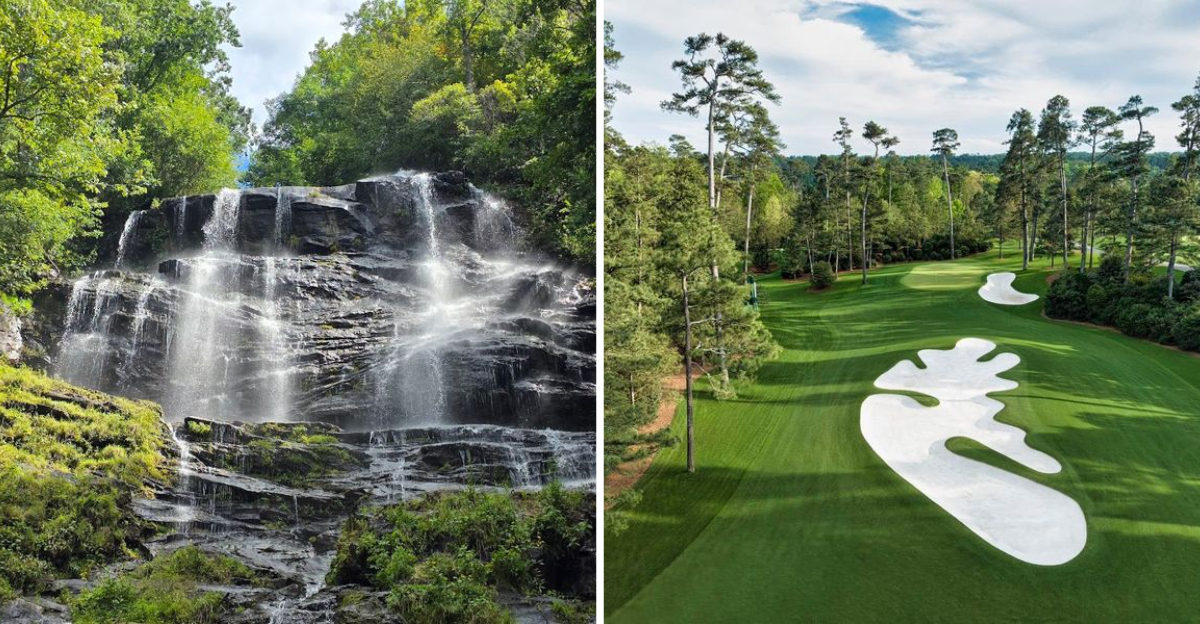
Spring in Georgia carries a kind of magic that feels impossible to ignore. As winter fades, temperatures soften, dogwoods and azaleas burst into color, and the entire state seems to stretch and wake with renewed energy. Mountain trails lead to waterfalls rushing at full strength, while historic city streets glow beneath canopies of blooming trees.
Farmers markets fill with fresh produce, outdoor festivals return to town squares, and patios buzz with conversation under clear blue skies. From the Blue Ridge peaks to the coastal marshes, Georgia reveals a vibrant mix of natural beauty and cultural charm between March and May. It is the perfect season for scenic drives, spontaneous detours, and long afternoons spent exploring.
Whether planning a quick weekend escape or mapping out a longer adventure, these eighteen destinations promise experiences worth every mile.
1. Macon and the International Cherry Blossom Festival
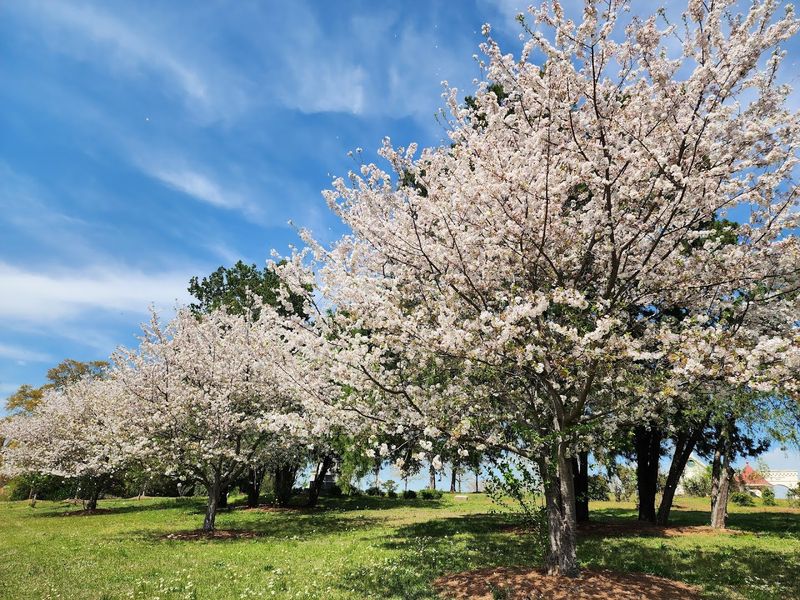
Every March, Macon earns a nickname that feels completely earned: the Cherry Blossom Capital of the World. Located in central Georgia, Macon is home to roughly 350,000 Yoshino cherry trees, and when they all bloom at once, the city turns an almost unbelievable shade of pink. The International Cherry Blossom Festival, held annually at Central City Park, 190 Coliseum Dr, Macon, GA 31201, fills the streets with parades, live concerts, carnival rides, and local food vendors.
The festival typically runs for ten days and draws visitors from across the Southeast. Weekdays tend to be less crowded than weekends, so arriving on a Tuesday or Wednesday morning gives a much calmer experience. Comfortable walking shoes are a must since the festival grounds are large.
Parking fills up quickly near downtown, so arriving early or using shuttle options is smart planning for anyone wanting to enjoy the full spectacle without the stress.
2. Gibbs Gardens in Ball Ground
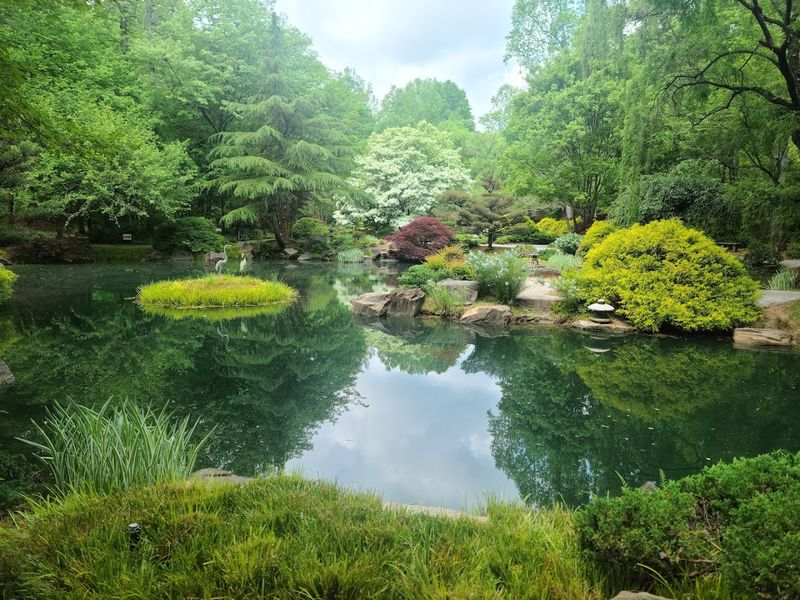
Few places in Georgia feel as quietly magical in spring as Gibbs Gardens. Tucked into the foothills of the Blue Ridge Mountains, this 220-acre garden estate in Ball Ground is one of the largest manor house gardens in the United States. The address is 1987 Gibbs Dr, Ball Ground, GA 30107, and it sits about an hour north of Atlanta, making it an easy day trip for city dwellers craving open space and color.
Spring brings millions of daffodils, acres of azaleas, and stunning cherry blossoms that frame the Japanese garden section beautifully. The pathways are well-maintained and relatively flat in most areas, though some hillside sections require comfortable footwear. Timed entry tickets are recommended since capacity is limited on peak weekends.
Arriving closer to opening time means softer morning light, fewer crowds, and a more peaceful stroll through the blooms. Photography enthusiasts especially appreciate the reflective pond near the Japanese garden.
3. Amicalola Falls State Park
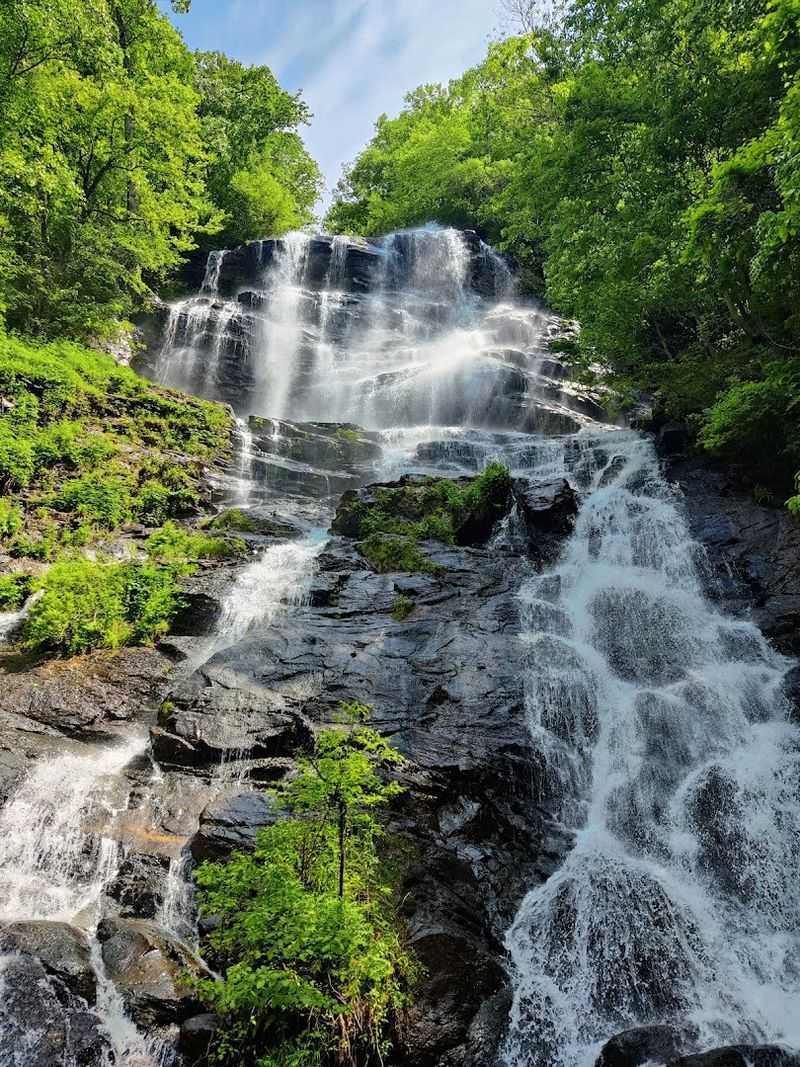
Standing at 729 feet, Amicalola Falls is the tallest cascading waterfall east of the Mississippi River, and spring is arguably the best time to see it. Located at 418 Amicalola Falls State Park Rd, Dawsonville, GA 30534, the park sits in the foothills of the North Georgia mountains where spring rains keep the falls roaring and the surrounding forest absolutely lush with new growth.
Several trail options wind up to the base and top of the falls, ranging from a short approach trail to longer loops through wildflower-covered hillsides. The 175-step staircase leading up alongside the falls is a workout, but the views from the top platform are genuinely breathtaking. The park also serves as the approach trailhead for the Appalachian Trail, which adds a sense of adventure to the visit.
Weekday mornings in April offer the best combination of full waterfalls and manageable trail traffic. Pack water and sunscreen even on cooler spring days.
4. Atlanta Botanical Garden
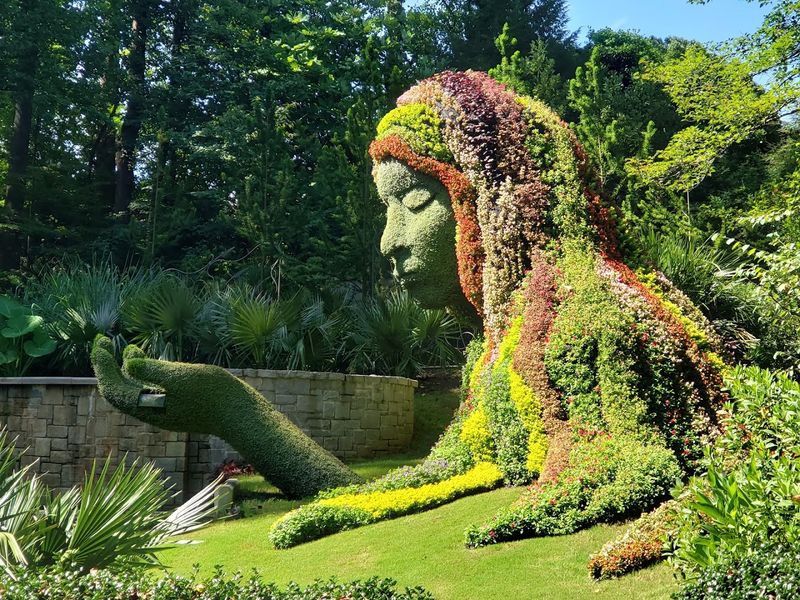
Right in the heart of Midtown Atlanta, the Atlanta Botanical Garden transforms into one of the most colorful places in the state every spring. Located at 1345 Piedmont Ave NE, Atlanta, GA 30309, the garden sits alongside Piedmont Park and spans 30 acres of curated plant collections, seasonal displays, and living art installations. Spring brings thousands of tulips, crocuses, and flowering trees that make every corner feel like a new discovery.
The Fuqua Orchid Center is worth a visit on its own, and the Children’s Garden adds a playful element for families. Timed entry reservations are strongly recommended on weekends, especially in April when bloom season peaks. Weekday visits tend to move at a gentler pace.
The garden is largely accessible with paved pathways throughout most sections. Evening hours during special events offer a completely different atmosphere with ambient lighting that turns the garden into something almost dreamlike after sunset.
5. Providence Canyon State Park
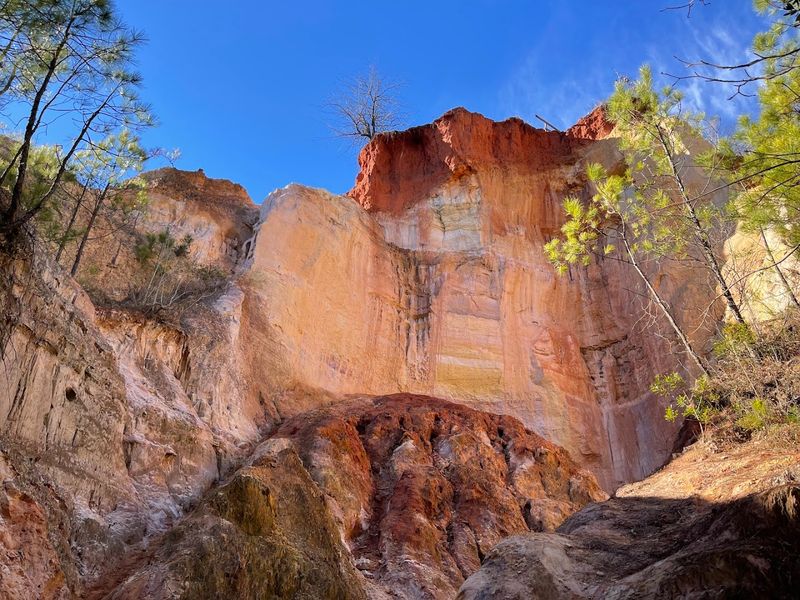
Georgia’s answer to the American Southwest sits quietly in the southwestern corner of the state, surprising first-time visitors with its vivid canyon walls of pink, purple, white, and orange. Providence Canyon State Park, located at 8930 Canyon Rd, Lumpkin, GA 31815, is often called Georgia’s Little Grand Canyon, and while it is certainly smaller than its famous western counterpart, the colors and scale are genuinely impressive up close.
Spring is an especially good time to visit because the canyon walls look most vivid after winter rains, and the surrounding forests fill with wildflowers including the rare plumleaf azalea. The main trail loops around the canyon rim and dips down into the canyon floor, covering about three miles with moderate elevation changes. Morning visits offer the best light for photography.
The park tends to be quieter than many North Georgia destinations, which makes it feel like a well-kept secret worth sharing. Sturdy shoes are essential for the canyon floor.
6. Savannah Historic District
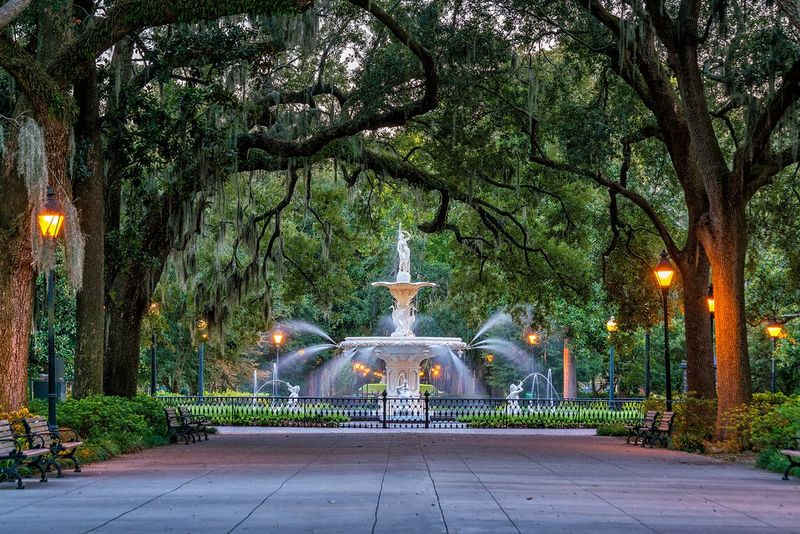
Savannah in spring is the kind of scene that makes people stop mid-step just to take it all in. The city’s 22 historic squares, concentrated in the Savannah Historic District centered around Bull Street, Savannah, GA 31401, are framed by ancient live oaks draped in Spanish moss and bordered by flowering azaleas that bloom brilliantly in March and April. The whole neighborhood feels like walking through a living postcard.
Spring temperatures typically hover in the comfortable 60s and 70s Fahrenheit, making it ideal for long, unhurried walks between squares. Forsyth Park, the largest green space in the district, is especially worth visiting when its famous fountain is surrounded by blooming flowers. The city can get busy during the St. Patrick’s Day festival in March, so travelers preferring a quieter atmosphere may want to plan around that event.
Ghost tours, carriage rides, and architecture walking tours all operate through spring and add interesting layers to a Savannah visit.
7. Tallulah Gorge State Park
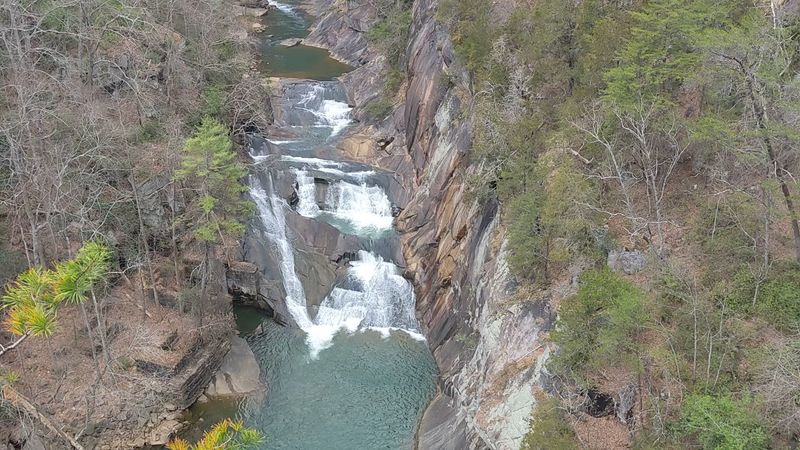
Carved over thousands of years by the Tallulah River, Tallulah Gorge is one of the most spectacular natural features in the entire Southeast. Tallulah Gorge State Park is located at 338 Jane Hurt Yarn Dr, Tallulah Falls, GA 30573, about two hours northeast of Atlanta in the Blue Ridge foothills. Spring runoff swells the river and sends dramatic waterfalls cascading down the gorge walls, making this season one of the most rewarding times to visit.
The park offers rim trails on both the north and south sides of the gorge, with several overlooks offering jaw-dropping views. A permit is required to hike down into the gorge itself, and these are limited to 100 per day, so booking ahead is essential for spring weekends. The suspension bridge spanning the gorge is a highlight and accessible without a floor permit.
Comfortable hiking shoes and layers are recommended since the gorge bottom stays cooler than the rim, even on warm spring afternoons.
8. Blue Ridge, Georgia
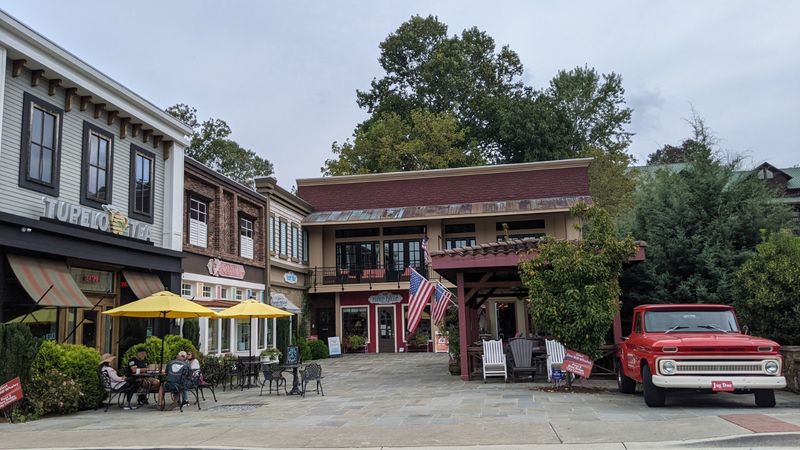
There is a reason Blue Ridge keeps showing up on best small town lists year after year. Nestled in the Chattahoochee National Forest, this mountain town has a relaxed, unhurried charm that pairs perfectly with spring weather. Downtown Blue Ridge is centered along East Main Street, Blue Ridge, GA 30513, where local restaurants, art galleries, antique shops, and boutiques line the sidewalks beneath flowering trees that peak in April.
The Blue Ridge Scenic Railway offers seasonal excursions through the mountain valley, and spring departures are among the most popular, so booking tickets in advance is a smart move. The Toccoa River runs nearby and offers tubing and fishing opportunities as water temperatures begin to warm. Weekends draw larger crowds from Atlanta, so visiting midweek gives a noticeably calmer experience.
The surrounding national forest trails are ideal for casual hikers looking for wildflower walks without serious elevation challenges. Local breweries and farm-to-table dining add to the overall appeal.
9. Cloudland Canyon State Park
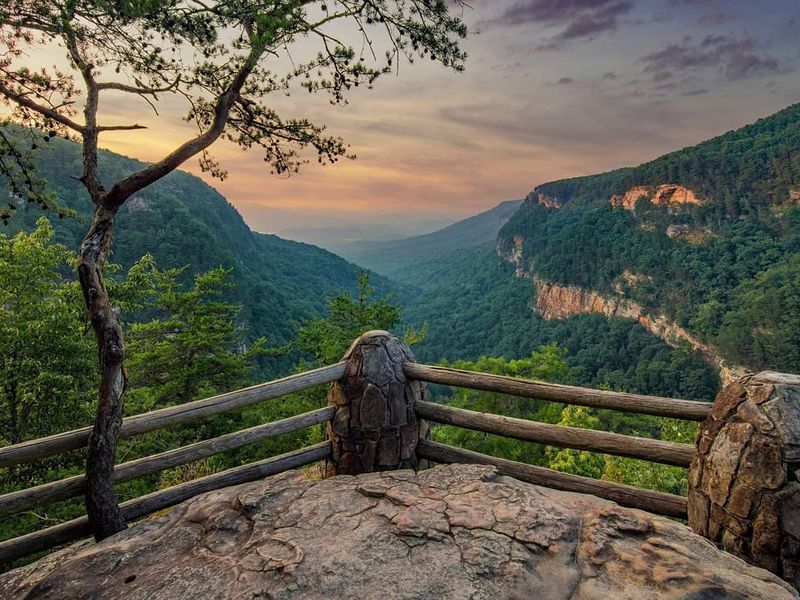
Perched on the western edge of Lookout Mountain, Cloudland Canyon is one of Georgia’s most dramatic landscapes and a genuine surprise for first-time visitors. The park is located at 122 Cloudland Canyon Park Rd, Rising Fawn, GA 30738, in the far northwestern corner of the state near the Tennessee border. Spring brings lush greenery back to the canyon walls and coaxes wildflowers out along the rim and descent trails.
Two waterfalls are accessible via steep staircase descents into the canyon, and the effort is absolutely worth it when the falls are running strong after spring rains. The rim trail is more manageable and offers continuous canyon views without the intense elevation change. Camping is available and fills up fast on spring weekends, so reservations several weeks in advance are highly recommended.
Sunrise at the canyon overlook is genuinely one of the more memorable experiences in Georgia, especially in April when morning mist sometimes fills the canyon below.
10. Stone Mountain Park
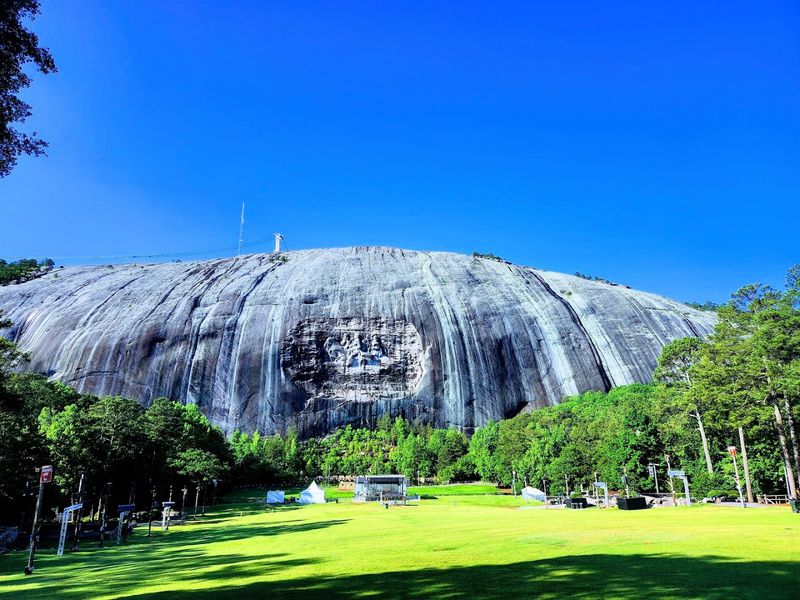
Stone Mountain is one of those places that looks different every season, and spring might be its most photogenic time. Located at 1000 Robert E Lee Blvd, Stone Mountain, GA 30083, just east of Atlanta, the park surrounds the world’s largest exposed granite monolith, which rises 1,686 feet above the surrounding plain. Spring brings blooming dogwood trees and azaleas to the park’s walking trails and landscaped areas, creating a striking contrast against the bare gray granite.
The summit trail is a 1.3-mile round trip hike with a significant incline, but the panoramic views from the top on a clear spring day stretch across the Atlanta skyline and beyond. The park also features a sky lift for those who prefer a less strenuous ascent. Spring weekends can get quite busy, especially during morning hours, so arriving at opening time helps beat the crowds.
The laser show returns seasonally and is a popular evening activity for families visiting the area.
11. Cumberland Island National Seashore
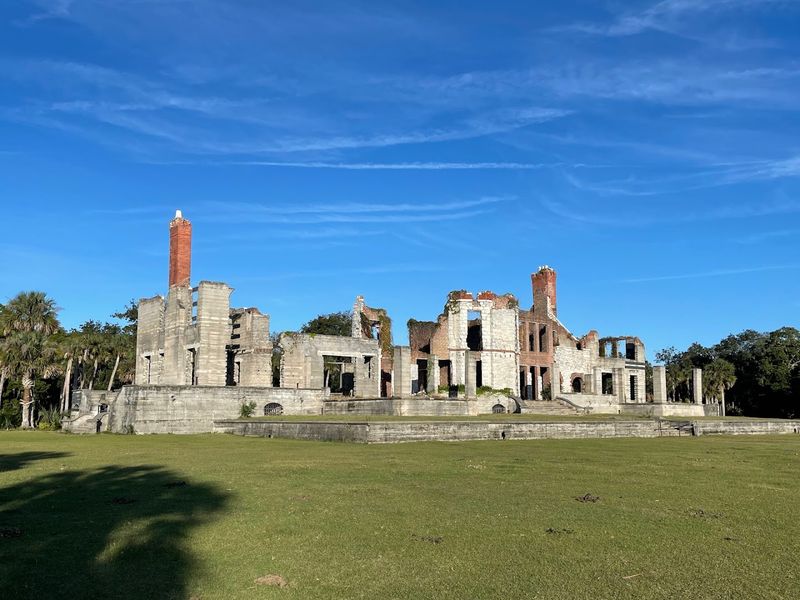
Getting to Cumberland Island requires a ferry, and that small inconvenience is exactly what keeps it pristine. Cumberland Island National Seashore, accessible via ferry from St. Marys, GA 31558, is Georgia’s largest and southernmost barrier island, and spring is an ideal time to explore it before summer heat and humidity set in. Wild horses roam freely across the island, ancient ruins of the Carnegie estate stand quietly among the trees, and miles of undeveloped Atlantic beach stretch in both directions.
The ferry runs a limited number of trips daily, and tickets sell out weeks in advance during spring, so planning ahead is essential. No cars are allowed on the island, meaning all exploration happens on foot or by bicycle. The trails through the island’s maritime forest feel genuinely remote and peaceful.
Bringing plenty of water, sunscreen, and snacks is important since amenities on the island are minimal. The combination of wildlife, history, and untouched coastline makes this one of Georgia’s most rewarding day trips.
12. Brasstown Bald
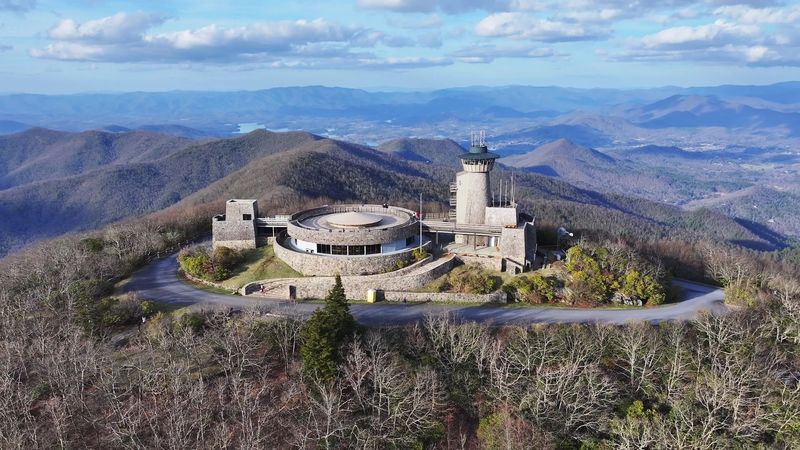
Standing at 4,784 feet, Brasstown Bald is the highest point in Georgia, and reaching the summit in spring feels like a genuine accomplishment. The trailhead is located at 90 Brasstown Bald Rd, Blairsville, GA 30512, within the Chattahoochee National Forest. On clear spring days, the 360-degree observation deck at the summit offers views stretching into four states, with the Blue Ridge Mountains unfolding in every direction in fresh shades of green.
Two trail options lead to the top: a paved half-mile trail from the upper parking area, or the longer Arkaquah and Jacks Knob trails for those wanting a more substantial hike. Wildflowers begin appearing along the lower slopes in April, making the ascent as enjoyable as the destination. The visitor center near the summit has exhibits on the mountain’s ecology and history.
Spring weather at elevation can change quickly, so bringing a light jacket is wise even when temperatures feel warm at the trailhead below.
13. Okefenokee National Wildlife Refuge
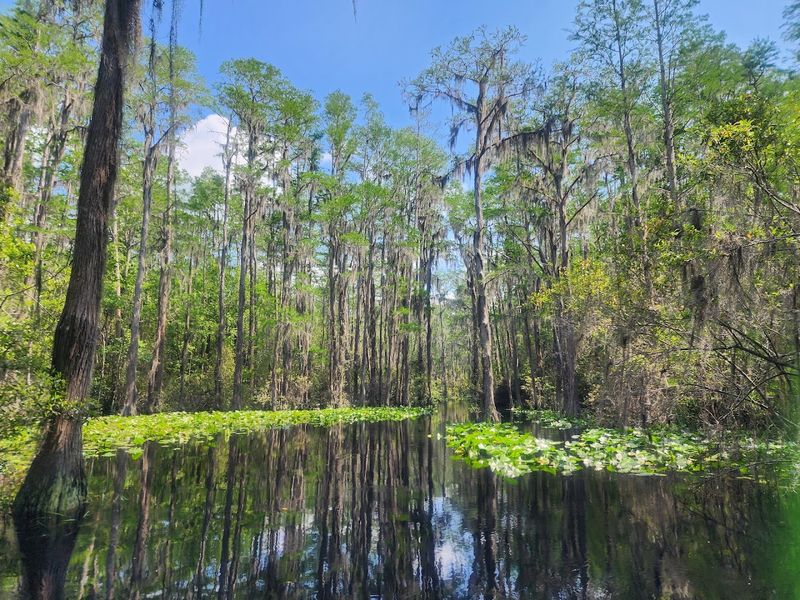
One of the largest intact freshwater ecosystems in North America, the Okefenokee Swamp is genuinely unlike anywhere else in Georgia. The main entrance to the Okefenokee National Wildlife Refuge is located at 4700 Okefenokee Swamp Park Rd, Waycross, GA 31503, in the southeastern corner of the state.
Spring is widely considered the best season to visit because migratory birds are active, alligators become more visible as they warm up, and the swamp’s cypress trees push out fresh green growth that softens the landscape considerably.
Canoe and kayak rentals are available at the refuge, and guided boat tours offer a relaxed way to observe wildlife without paddling experience. The wooden boardwalk at the Chesser Island area provides easy walking access over the swamp for visitors who prefer to stay dry. Early morning visits offer the best wildlife sightings and the most atmospheric light filtering through the cypress canopy.
Bug spray is a practical necessity even in spring, especially near the water.
14. Helen, Georgia
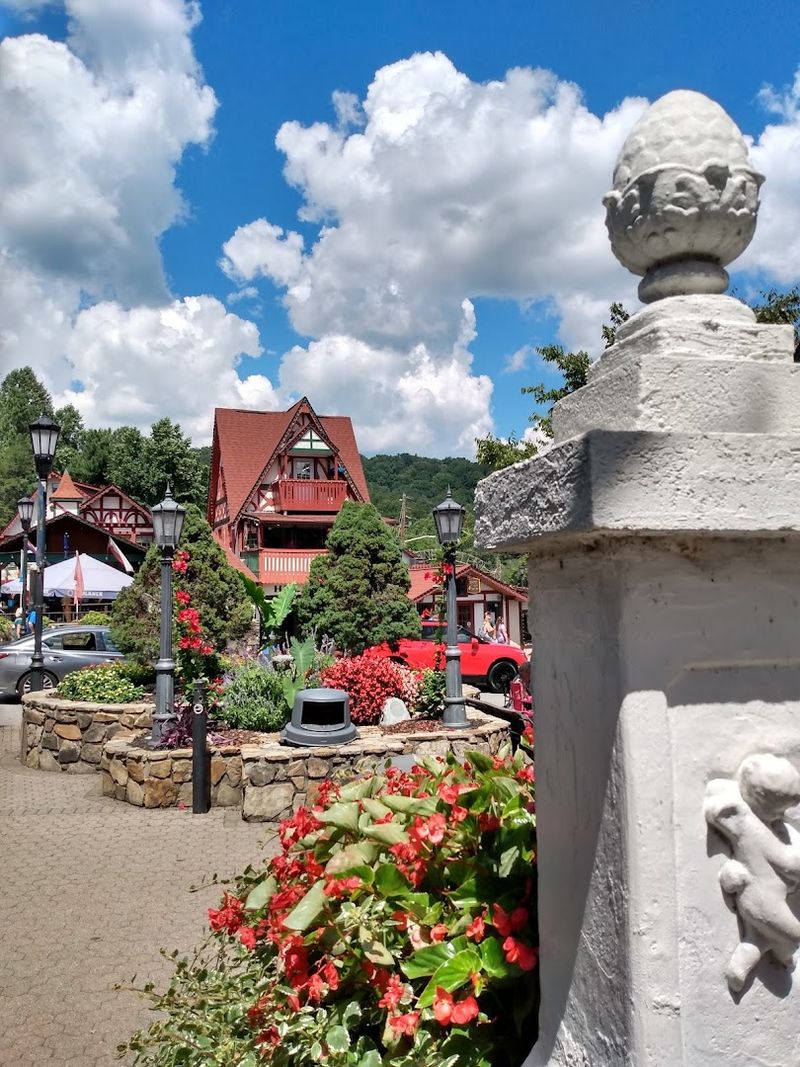
A Bavarian alpine village sitting in the North Georgia mountains sounds like it should not work, but Helen pulls it off with genuine charm. Located along the Chattahoochee River at 726 Bruckenstrasse, Helen, GA 30545, this small mountain town was redesigned in a Bavarian architectural style in the late 1960s and has been drawing curious visitors ever since. Spring is a particularly pleasant time to visit because the surrounding mountains are green, the river runs lively, and the crowds are noticeably smaller than during fall Oktoberfest season.
Tubing on the Chattahoochee is one of the most popular activities and typically opens for the season in spring, depending on water levels. The town’s pedestrian-friendly main street makes browsing shops, bakeries, and restaurants easy and unhurried. Anna Ruby Falls, a double waterfall about two miles from downtown, is especially beautiful in spring when snowmelt and rain keep the falls full.
Parking can be tricky on weekends, so arriving before 10 AM helps considerably.
15. Dahlonega Historic Downtown
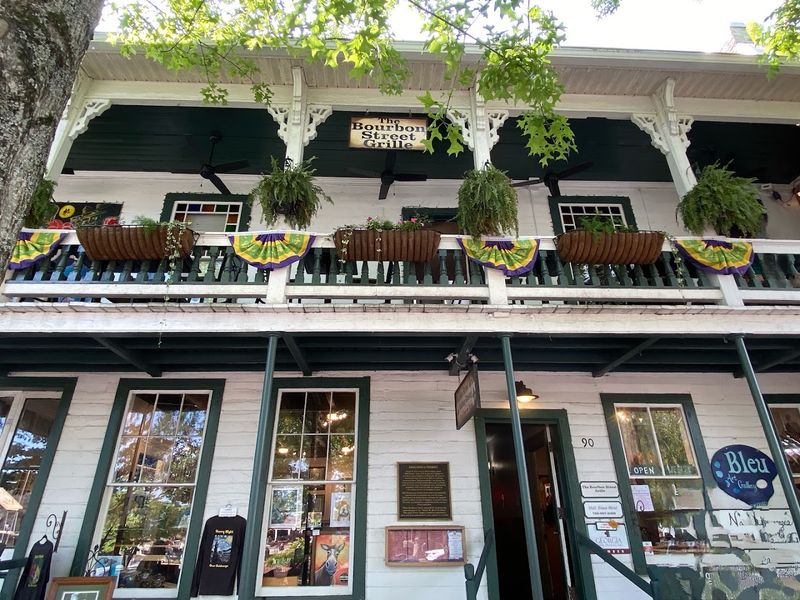
Gold was discovered in Dahlonega in 1828, making it the site of America’s first major gold rush, and the town has been celebrating that history ever since.
The historic downtown square at the corner of Public Square, Dahlonega, GA 30533 is anchored by the Lumpkin County Courthouse, which houses the Dahlonega Gold Museum, and surrounded by locally owned restaurants, wineries, and boutiques that give the area a genuinely lively community feel. Spring brings blooming trees to the square and comfortable temperatures perfect for exploring on foot.
The surrounding wine country along the Dahlonega Plateau is one of Georgia’s most celebrated wine-producing regions, and spring is a lovely time to visit tasting rooms before summer crowds arrive. Several vineyards sit just a short drive from downtown and offer outdoor seating with mountain views. The Appalachian Trail is accessible from nearby trailheads for those wanting to add a hike to the day.
Weekday visits offer a quieter, more relaxed version of the town compared to busy fall and summer weekends.
16. Jekyll Island
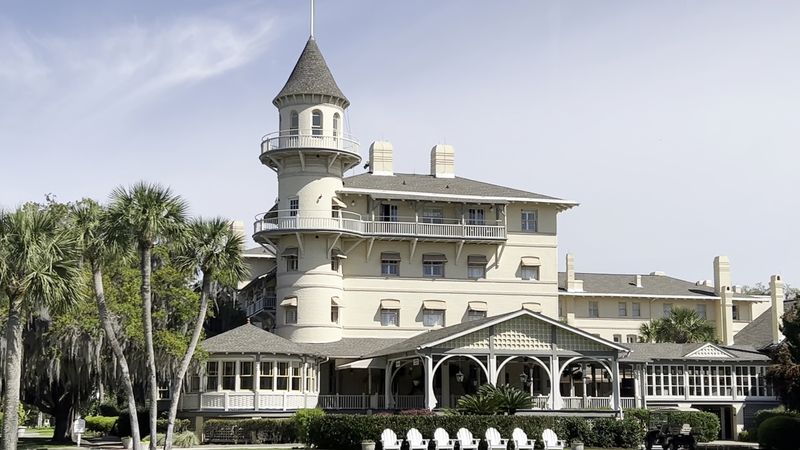
Jekyll Island has a quiet, unhurried quality that makes it feel removed from the rest of the world, even though it is just a short causeway drive from the mainland. Located off the southeastern Georgia coast, the island is accessed via Jekyll Island Causeway from Brunswick, GA 31523, and most of its 4,000 acres are protected as state parkland. Spring brings mild ocean breezes, warming water temperatures, and the arrival of nesting shorebirds along its 10 miles of largely undeveloped Atlantic coastline.
The Jekyll Island Historic District, home to the grand Gilded Age cottages of America’s wealthiest families from the late 1800s, offers fascinating guided tours that run throughout spring. Bicycling is one of the best ways to explore the island since a 20-mile trail system connects beaches, marshes, and the historic district. Sea turtle nesting season begins in late spring, adding an exciting natural element to evening beach walks.
Parking and entry require a daily parking pass available at the causeway toll plaza.
17. Congaree National Park’s Georgia Neighbor: Chattahoochee National Forest
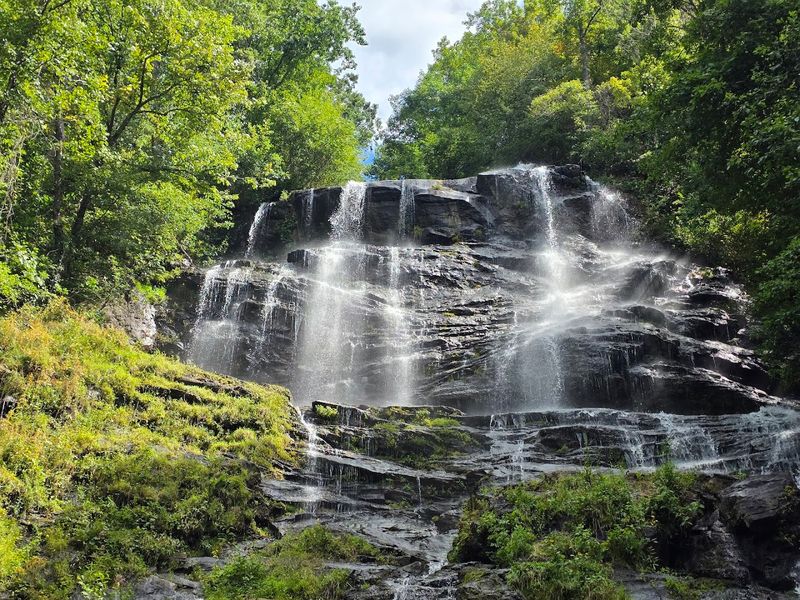
Covering nearly 750,000 acres across North Georgia, the Chattahoochee National Forest is one of the most accessible wilderness areas in the eastern United States and a genuinely rewarding spring destination.
The forest supervisor’s office is located at 1755 Cleveland Hwy, Gainesville, GA 30501, though access points and trailheads are spread across dozens of entry locations throughout the North Georgia mountains. Spring transforms the forest with wildflower blooms, rushing streams fed by snowmelt, and the return of songbirds that fill the canopy with sound.
Popular destinations within the forest include Raven Cliff Falls, Anna Ruby Falls, and the Cohutta Wilderness, each offering distinct trail experiences ranging from easy waterfall walks to multi-day backcountry routes. Fishing is excellent in spring along the Toccoa and Chestatee rivers. The forest is free to access at most trailheads, though some recreation areas charge a small day-use fee.
Trail conditions vary after heavy spring rains, so checking current conditions before heading out is always a practical idea.
18. Augusta and the Masters Tournament Season

Every April, Augusta becomes the center of the golf world when the Masters Tournament takes place at Augusta National Golf Club. Even for visitors who are not golf fans, Augusta in spring has a distinct energy and beauty that makes it worth experiencing.
The city of Augusta, centered around Broad Street, Augusta, GA 30901, sits along the Savannah River and offers a walkable historic downtown with restaurants, art galleries, and the Augusta Canal National Heritage Area nearby.
The Augusta Canal trail is a lovely spring walk or bike ride along the historic waterway, stretching about seven miles through a mix of natural and industrial heritage landscapes. Azaleas and dogwood trees bloom brilliantly throughout Augusta’s neighborhoods in April, giving the city an especially photogenic quality during Masters week.
Accommodation prices spike significantly during the tournament, so those not attending the event may prefer visiting the week before or after for a more relaxed and affordable experience. The Riverwalk along the Savannah River is a pleasant spot for evening strolls.