10 Places In Idaho Where September Could Be The Perfect Month To Visit
September has a sneaky habit of making summer destinations feel brand new.
Across Idaho, warm afternoons, cooler mornings, clearer skies, and early hints of fall create a sweet spot for road trips before autumn fully takes over.
Sand dunes, alpine lakes, lava fields, waterfalls, and mountain trails all wear the season differently. Thinner crowds can leave more room for spontaneous stops.
Grab the jacket and keep driving!
The changing light alone can make familiar scenery feel sharper and richer. High-country color may even start arriving while lower valleys still hold onto summer.
For travelers who love movement without rushing, September offers a beautiful excuse to stretch the road-trip calendar just a little longer.
1. Bruneau Dunes State Park, Mountain Home
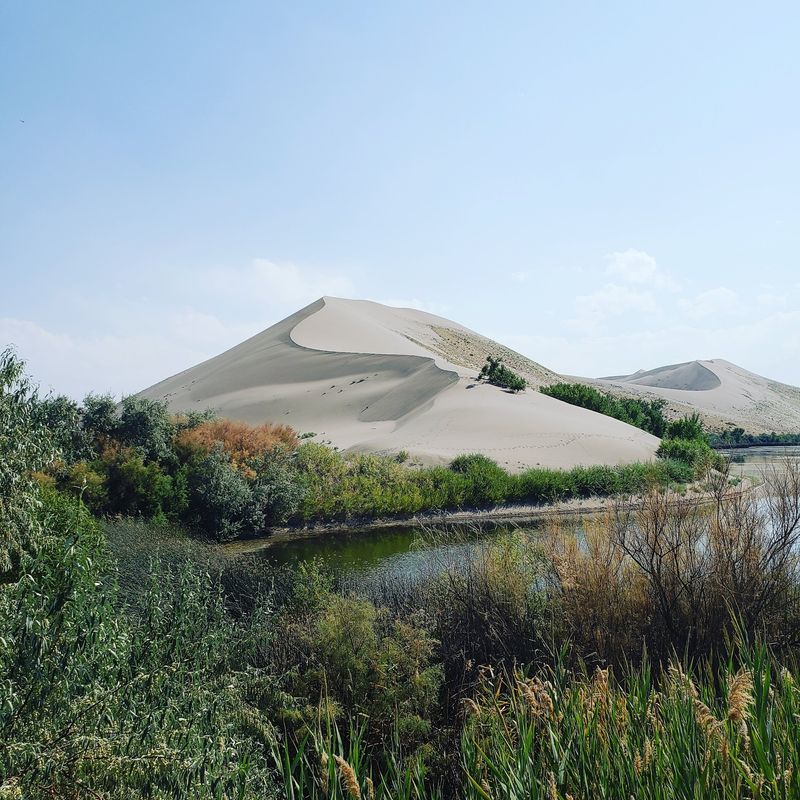
North America hides its tallest single-structured sand dunes in a corner of the high desert. They rise 470 feet, and yes, you can climb them.
Bruneau Dunes State Park near Mountain Home turns pleasant once September cools the sand. Sunsets here stretch across the sky in long ribbons of orange.
Sandboards rent from the visitor center, but rentals stop once the temperature reaches 80 degrees or at 3 p.m., whichever comes first. Warm September afternoons can still trigger that cutoff.
Climbing to the crest takes effort, so bring water and go slowly. The view from the top makes every sinking step worthwhile.
After dark, the park becomes one of the best stargazing locations in the state. Its public observatory opens Friday and Saturday nights from mid-March through mid-October.
Lakes at the base of the dunes provide fishing opportunities for bass and bluegill, while nearby day-use areas make it easy to pause between hikes.
Lizards dart across the trails, birds work the shoreline, and coyotes sometimes call at dusk. Wildlife watching costs nothing but patience.
Wind patterns and the surrounding basin have helped shape and preserve the massive dunes over thousands of years.
Camping here means falling asleep under an enormous sweep of stars. Reservations fill faster than you might expect. Find the park at 27608 Sand Dunes Rd. Shake the sand out of your shoes later.
2. Farragut State Park, Athol
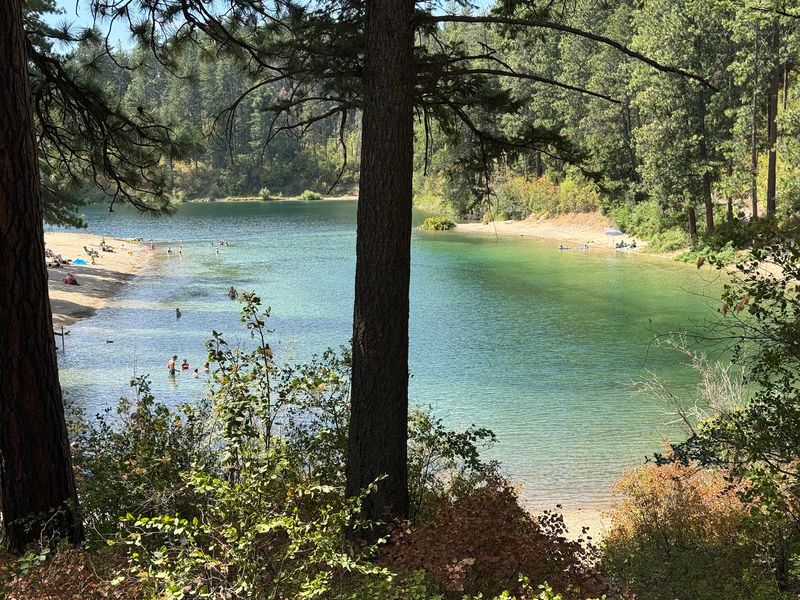
Are you seeing what I am seeing on the northern panhandle map? A former World War II naval training station now serves as one of Idaho’s finest parks.
Farragut State Park in Athol spreads across forested hills above Lake Pend Oreille. September brings quiet shorelines and crisp mountain air.
More than 40 miles of trails wind through the property. Hikers and mountain bikers share paths that open onto wide lake views.
The lake itself is a giant, deep and cold and beautifully blue. Boating, swimming, and fishing all work well before the weather turns.
History runs deep here, since thousands of sailors once trained on this ground. Interpretive displays explain how a landlocked forest became a naval base.
The visitor center makes a useful first stop for maps and park information, while the Museum at the Brig remains open only through September 6 for the 2026 season.
Fall events keep the calendar interesting without summer congestion. The Timberlake Cross Country Invite runs September 11-12, 2026, and the Farragut Open Disc Golf Tournament follows September 17-20, 2026.
Disc golf, horseback trails, and a shooting range round out the activity list. Families rarely run out of options.
Wildlife includes deer, ospreys, and the occasional moose near wetter ground. Mornings reward early risers.
Head to 13550 E Hwy 54 to start exploring. Bring layers, because panhandle evenings cool off fast.
3. Ponderosa State Park, McCall
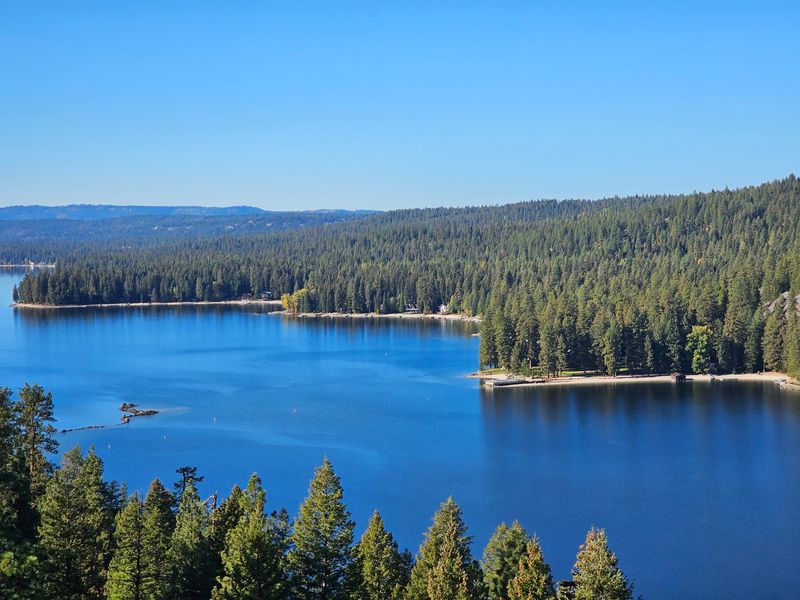
My jaw dropped the first time golden larch needles lit up against deep blue water. Autumn does something unfair to this shoreline.
Ponderosa State Park sits on a peninsula reaching into Payette Lake at McCall. September arrives with frosty mornings and warm afternoons.
Enormous ponderosa pines dominate the forest, some with bark that smells faintly sweet. Western larches also grow in the park, adding another source of color as fall progresses.
The Payette Lake Peninsula Trail suits almost any fitness level. Osprey Point rewards the climb with panoramic water and mountain views.
Birders like the Meadow Marsh Hike for herons, ducks, and songbirds. Boardwalk sections keep boots dry.
Mountain bikers can explore routes including the Huckleberry Trail and other forest paths that cross the peninsula.
Paddlers get glassy water most mornings, ideal for kayaks and canoes. Fishing stays productive along quiet coves.
Deer wander through campgrounds at dusk, and squirrels loudly protest your presence. Bring binoculars anyway.
Downtown McCall sits minutes away with bakeries and gear shops. Refueling is easy after a long hike.
Nights get genuinely cold here in September, so pack a warm sleeping bag. Frost on the tent by morning is normal.
The park entrance waits at 1920 N Davis Ave. Come for the pines, stay for the color show.
4. Priest Lake State Park, Coolin
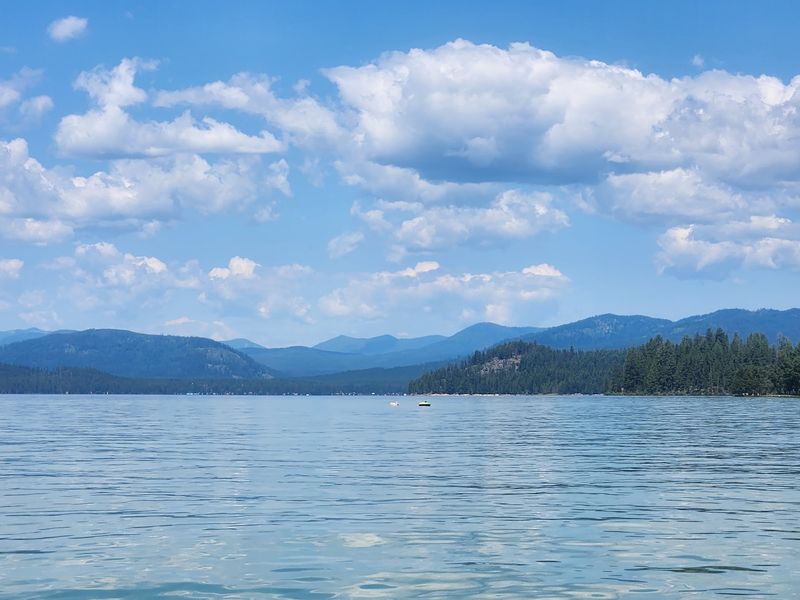
Priest Lake State Park near Coolin sits beneath the Selkirk Mountains, where September brings cooler conditions to the lake and forest.
The lake is glacial, startlingly clear, and framed by the rugged Selkirk Mountains. Swimming stays possible for the brave.
Anglers chase trout and smallmouth bass along rocky drop-offs. Boaters have room to roam once summer traffic clears out.
Three separate units make up the park: Lionhead, Indian Creek, and Dickensheet. Each has its own character and camping setup.
The Indian Creek Nature Trail works well for young legs and short attention spans. Interpretive signs explain the forest along the way.
Stronger hikers can tackle the Lionhead Loop Trail for bigger views. The Priest Lake Shoreline Trail keeps things scenic and mellow.
Huckleberry bushes carpet the understory, and wildlife moves freely through the timber. Moose sightings happen more often than you would guess.
Some seasonal services change after Labor Day, and current park conditions should be checked before arriving. Stage 2 fire restrictions are also currently in effect.
Upper Priest Lake, reached by boat or trail, feels wonderfully remote. Adventurous travelers should make time.
Look for the park at 314 Indian Creek Park Rd. Silence has rarely sounded so good.
5. Round Lake State Park, Sagle
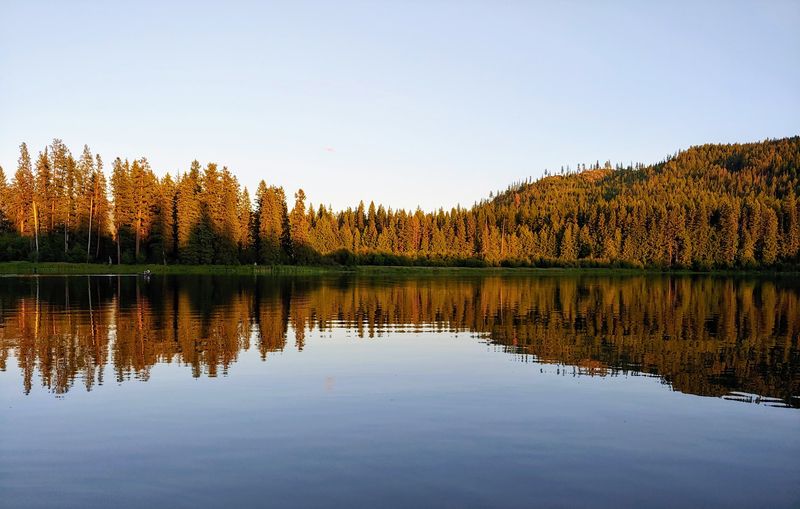
Small can be mighty, and this pocket-sized park proves it in under an hour. The loop trail circles the entire lake.
Round Lake State Park in Sagle protects 142 acres of forest around a 58-acre glacial lake. Fall visitors mostly get the trails to themselves.
Pine, hemlock, and larch crowd the shoreline, and the larches turn brilliant gold. Reflections double the color show.
Gas motors are banned, which keeps the water quiet and glassy. Kayaks and paddleboards rule the surface.
Fishing here produces rainbow trout, largemouth bass, bluegill, and perch. Shore anglers do just fine.
Beavers work the edges at dusk, muskrats cruise the shallows, and moose sometimes wade in. Keep your distance and your camera ready.
Picnic sites tuck into the trees with easy lake views. Packing lunch beats driving back to town.
Campers should check Idaho State Parks’ current reservation system for September availability and site requirements before arriving.
Sandpoint and Lake Pend Oreille sit a short drive north for a bigger day out. Combining both makes a full itinerary.
Winter later turns this into a snowshoe and ice-skating hub, but autumn shows it at its softest. Mornings often start with mist.
The address is 1880 Dufort Rd. Slow down here, because rushing would defeat the whole idea.
6. City Of Rocks National Reserve, Almo
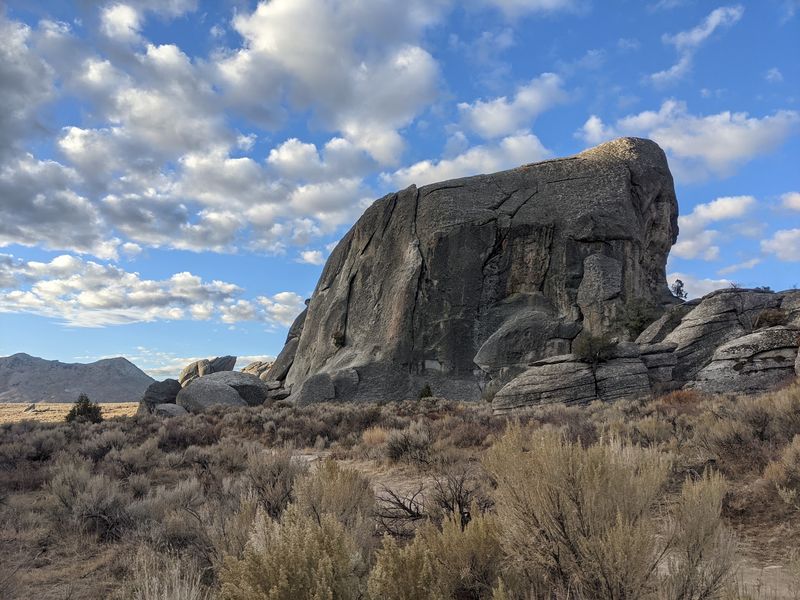
City of Rocks National Reserve near Almo protects a wild jumble of ancient rock. September temperatures make exploring comfortable again.
Pioneers called it the Silent City and Steeple Rocks as they passed through. Some wrote names on the granite using axle grease.
The California Trail ran directly through this landscape in the 1840s and 1850s. Those inscriptions remain visible today.
Climbers come for more than 600 established routes, ranging from relatively approachable 5.6 climbs to expert-level 5.14 challenges.
Non-climbers have plenty to do as well. Hiking, mountain biking, and horseback riding all thread through the formations.
Window Arch Trail is short, photogenic, and great for kids. Bath Rock Trail adds a quick scramble with big payoff views.
Some Green Creek Complex granite here dates back about 2.5 billion years, making it some of the oldest exposed rock west of the Mississippi River.
Camping among the spires means waking up beside stone towers. Sites tuck neatly into junipers and boulders.
Dark skies overhead make evening stargazing exceptional. Bring a red headlamp and a warm layer.
You will find the reserve at 3035 Elba-Almo Rd. Nearby Almo keeps things simple and small-town friendly.
7. Craters Of The Moon National Monument & Preserve, Arco
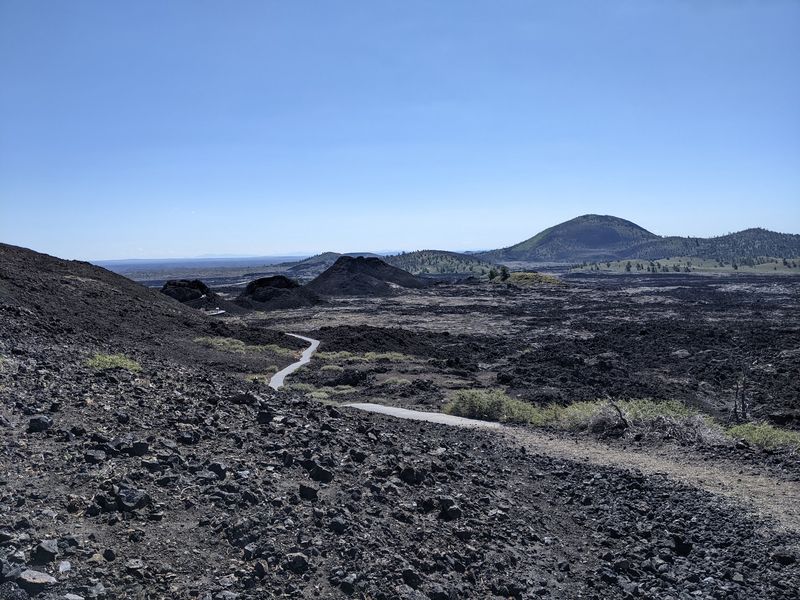
Black rock to the horizon, and not a tree in sight for miles. Astronauts once trained on this ground to prepare for the moon.
Craters of the Moon National Monument and Preserve near Arco protects an ocean of ancient lava. September trades brutal summer heat for hiking weather.
The Loop Road makes a scenic circuit with frequent pullouts. Each stop reveals a different volcanic feature.
Lava tube caves sit beneath the surface, and exploring them is a highlight. A free permit from the visitor center is required.
Indian Tunnel and Dewdrop Cave are the two lava-tube caves currently open to visitors, and both require a free cave permit obtained in person at the visitor center.
Inferno Cone looks steep, and it is, but the climb takes only minutes. From the top you see the Great Rift and Pioneer Mountains.
The North Crater Flow Trail explains different lava types through interpretive signs. Pahoehoe and aa become familiar words fast.
Sturdy shoes matter here, because the rock chews up soft soles. Gloves help in the caves too.
Exhibits inside the visitor center unpack roughly 15,000 years of eruptions. The last one ended about 2,000 years ago.
Dark skies make this an International Dark Sky Park. Stargazing after sunset is unforgettable. The visitor center address is 1266 Craters Loop Road, Arco. Earth rarely looks this strange.
8. Shoshone Falls Park, Twin Falls
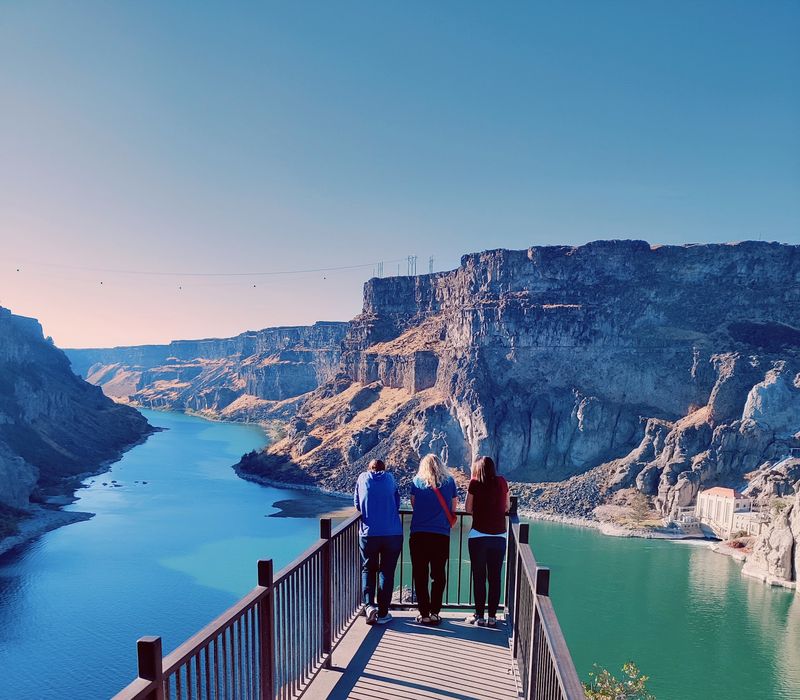
Taller than Niagara Falls, and it sits quietly in southern Idaho. Roughly 212 feet of drop, right there in the canyon.
Shoshone Falls Park in Twin Falls carries the nickname Niagara of the West. September shows it in a completely different mood.
Flows drop in late summer because much of the Snake River goes toward irrigation. Less water means more exposed basalt.
Those dark canyon walls tell a geological story stretching back thousands of years. The Bonneville Flood carved much of this gorge.
Viewing platforms sit close enough for great photos without a long walk. The falls span roughly 900 feet across.
Shaded picnic areas and playgrounds make it easy with children. Short trails wander along the rim.
Experienced paddlers can reach the falls by launching at Centennial Waterfront Park, paddling upstream, and portaging around Pillar Falls before continuing toward the base.
The Snake River Canyon Rim Trail extends the outing considerably. Overlooks reveal the Perrine Bridge arching high above the water.
Base jumpers leap from that bridge year-round, and watching them never gets old. No permit is needed there.
Golden light in early evening flatters the canyon walls beautifully. Photographers should aim for that window. Head to 4155 Shoshone Falls Grade to see it yourself. Autumn reveals the bones of the canyon.
9. Visitor Center: Thousand Springs State Park & Hagerman Fossil Beds National Monument, Hagerman
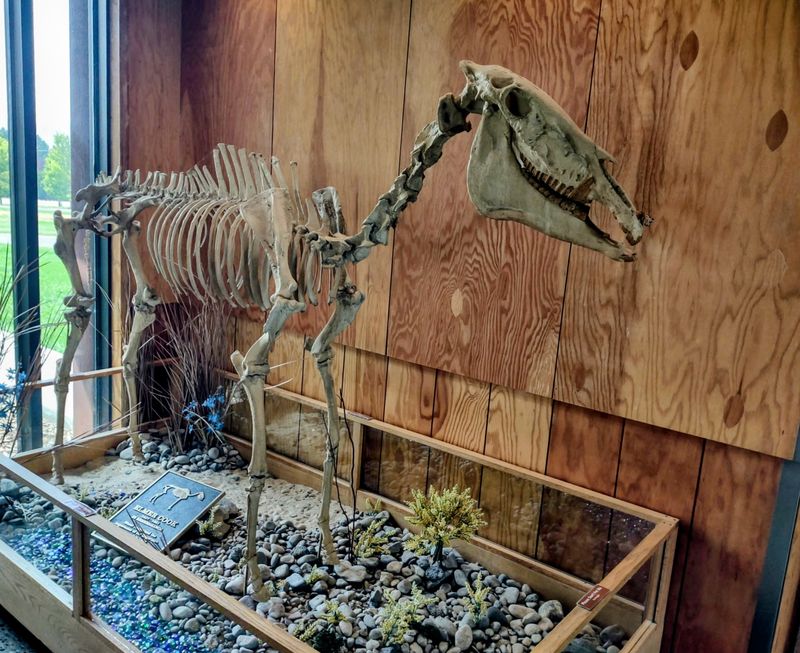
Two major attractions, one front door, and a fossil horse waiting inside. Idaho’s state fossil greets you right at the exhibits.
The shared visitor center for Thousand Springs State Park and Hagerman Fossil Beds National Monument sits just north of Hagerman, making September a useful shoulder-season time to explore the surrounding sites.
The Hagerman Horse represents the world’s largest concentration of its species. Displays explain how the fossils were discovered in the 1920s.
Rangers hand out maps for both the monument and the scattered park units. Ask them what is flowing best that week.
Nearby overlooks include the Snake River Overlook and the Oregon Trail Overlook. Wagon ruts still mark the ground in places.
Malad Gorge drops 250 feet into a narrow slot, with Devil’s Washbowl thundering below. A footbridge crosses right over it.
Box Canyon Springs Nature Preserve holds startling turquoise water and a 20-foot waterfall. Trails descend into the canyon, and the water stays icy.
Niagara Springs pours straight out of the canyon wall in wide white sheets. Crystal Springs Lake supports fishing all year.
The Thousand Springs Scenic Byway ties these sites together beautifully. Give yourself a full day for the loop.
Ritter Island closes for the season after Labor Day. Malad Gorge remains open with its back gate closed to motor vehicles, while Niagara Springs also shifts to walk-in access after Labor Day.
10. Tubbs Hill, Coeur D’Alene
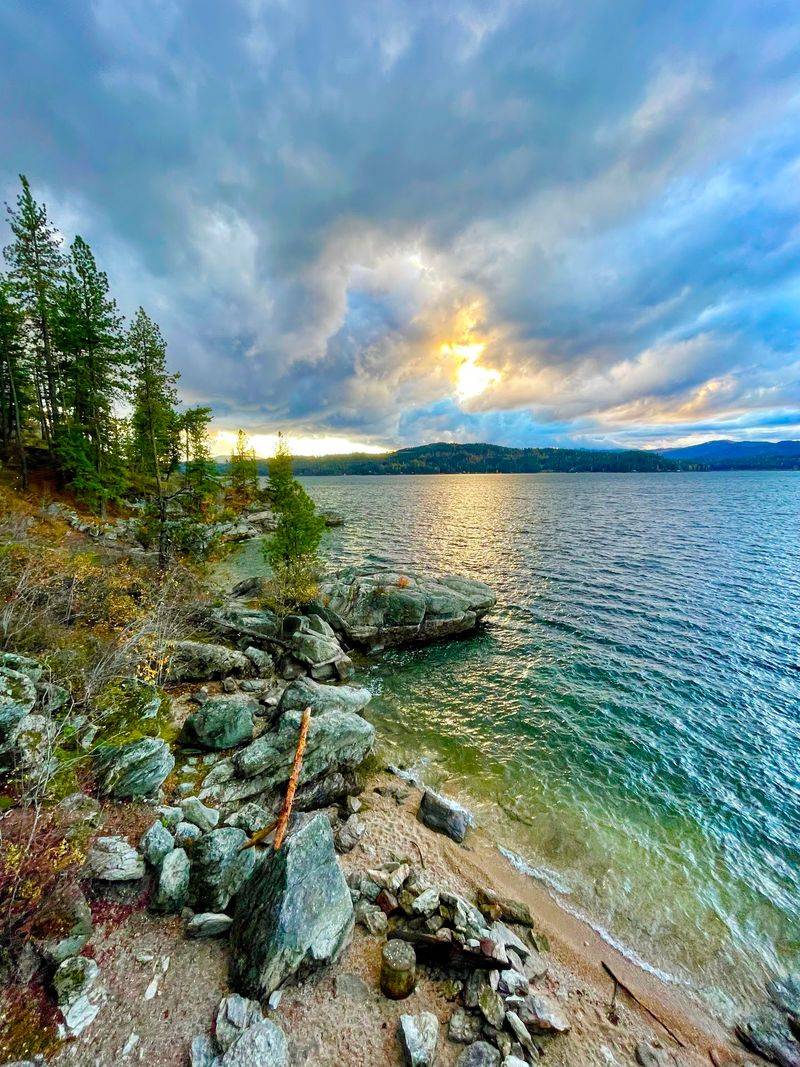
Downtown parking, then two miles of shoreline trail with lake views the whole way. Few cities make nature this convenient.
Tubbs Hill rises directly beside downtown Coeur d’Alene as a heavily wooded public peninsula. September cools the air and thins the foot traffic.
Deciduous trees scattered among the evergreens flare into orange and red. Sunset light on the water finishes the effect.
A 2.2-mile interpretive trail follows the perimeter of Tubbs Hill, with rocky and steeper sections that can make the walk take longer than its mileage suggests.
Side paths lead down to rocky outcrops perfect for a picnic. Some make excellent photo perches above Lake Coeur d’Alene.
Massive boulders, small cliffs, and shoreline caves hide along the lower routes. Curious kids will want extra time.
Swimming coves stay usable early in the month for anyone brave about cold water. Towels are strongly recommended.
Dogs on leash are welcome, and the trail stays popular with locals. Mornings tend to be quietest.
September can offer comfortable trail conditions, though weather can change quickly and rocky sections still make sturdy footwear useful.
Restaurants, coffee shops, and the lakefront boardwalk sit minutes from the trailhead. Post-hike snacks require zero planning.
Access the hill at 210 S 3rd St, Coeur d’Alene. City convenience and forest quiet rarely sit this close together.