22 Places In Northern California That Feel Especially Rewarding To Visit In Spring
There’s a narrow window each year when Northern California feels almost unreal. Hills ignite with wildflowers. Waterfalls roar louder than they will all summer. Trails clear, skies stretch endlessly blue, and the entire landscape seems to exhale after winter.
Spring doesn’t just arrive here – it performs.
Snowmelt fuels dramatic cascades that only reach their full power for a few fleeting weeks. Coastal paths reopen with crisp ocean air and views sharpened by recent rain. Fields erupt in color so vivid they look painted rather than grown.
This is the season when Northern California shows off.
Temperatures settle into that perfect middle ground – warm enough for long hikes, cool enough to linger. Beaches reveal sea glass polished smooth by winter surf.
Hillsides shimmer with poppies and lupine. Gardens explode with thousands of flowers at once, turning quiet towns into golden landscapes.
The magic is temporary. That’s what makes it powerful.
Spring here rewards curiosity. It invites you to pull over when you see color on a hillside. To follow the sound of rushing water. To take the longer trail just to see what’s blooming around the next bend.
For a few unforgettable weeks, Northern California becomes a place where every view feels newly discovered – even if you’ve been there before.
1. Point Reyes National Seashore
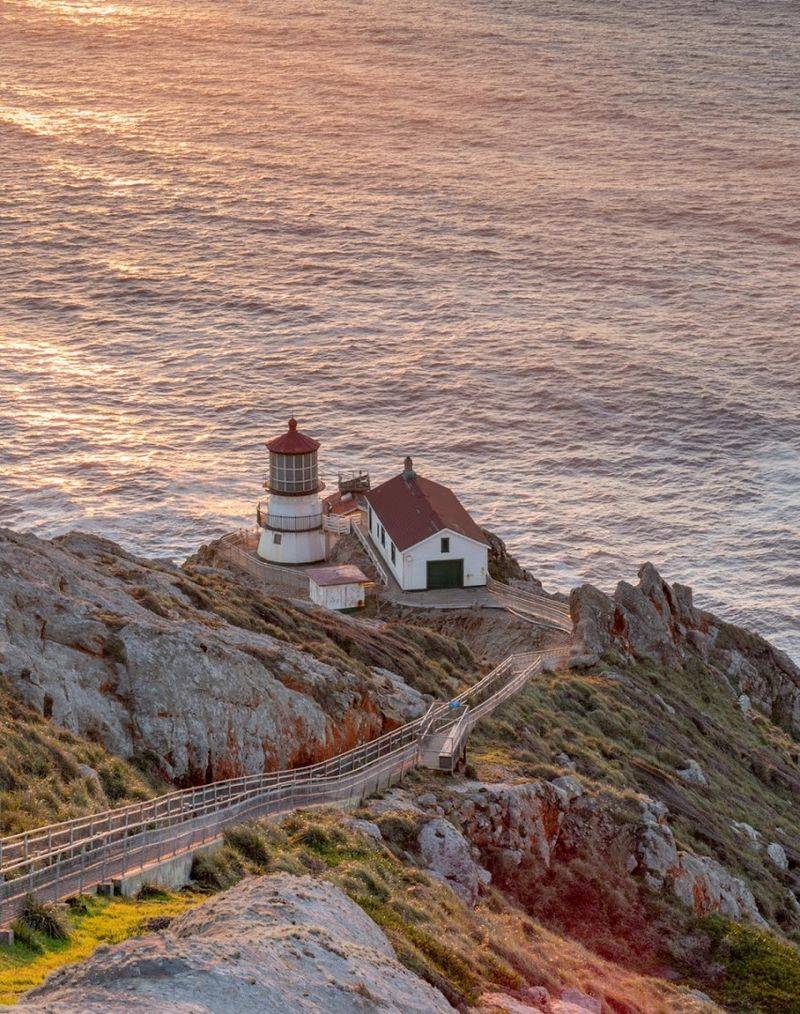
Coastal bluffs stretch for miles along the peninsula where spring brings wildflowers to the grasslands and migrating gray whales to the offshore waters.
The lighthouse sits at the westernmost point where wind shapes the vegetation and waves crash against rocky shores below.
Trails wind through different ecosystems from beaches to forested valleys where elk graze in open meadows.
Weekday mornings offer quieter experiences along the coastal paths while weekends bring more visitors to the popular overlooks.
The visitor center provides context about the geology and wildlife before heading out to explore the various access points along the coast.
2. Filoli Historic House & Garden
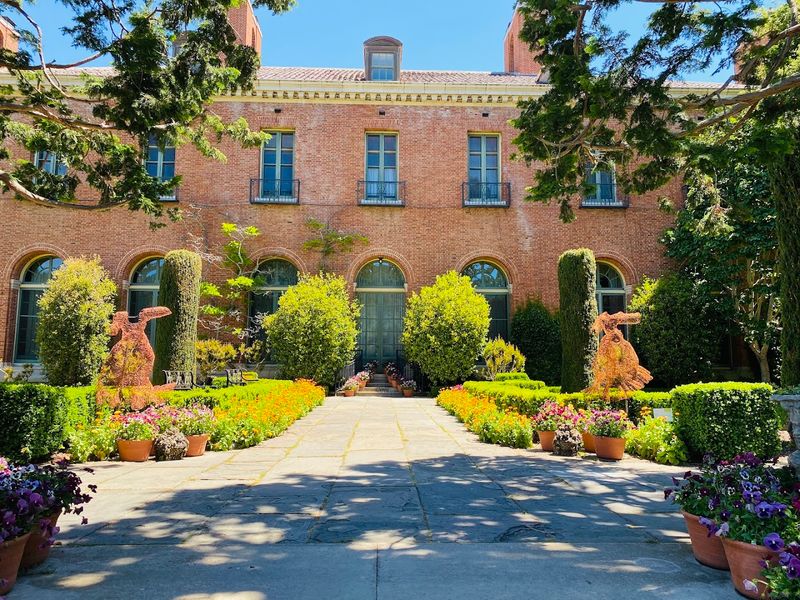
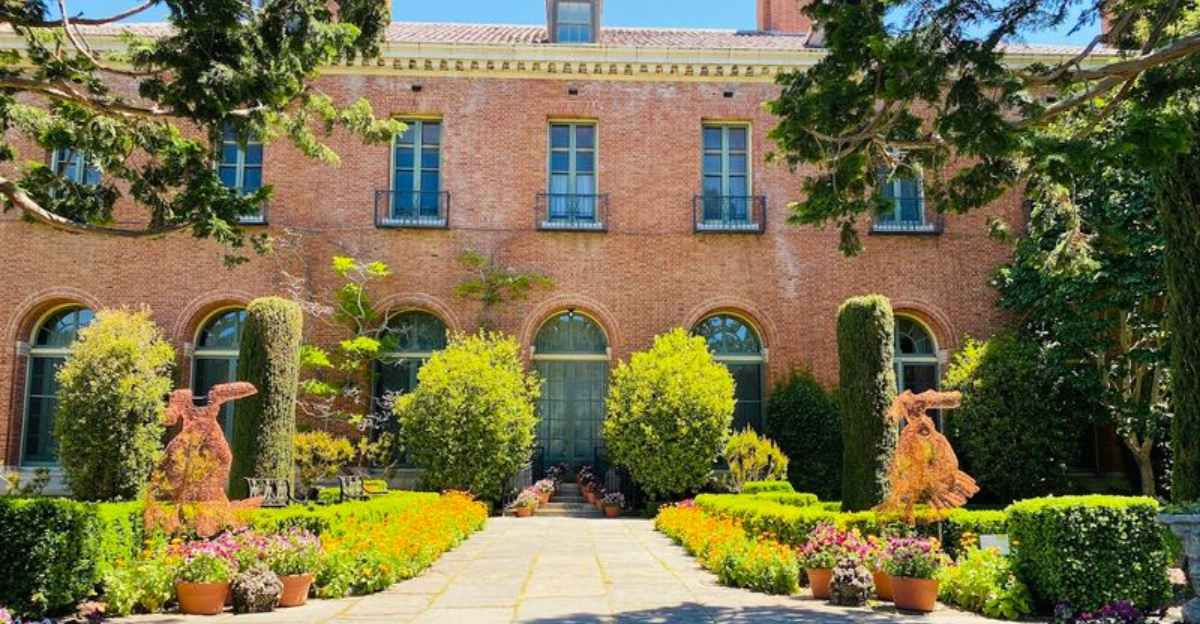
Formal gardens spread across 16 acres where spring bulbs create patterns of color against manicured hedges and historic architecture.
The estate sits in the hills south of San Francisco at 86 Cañada Rd, Woodside, CA 94062, where the house and grounds reflect early 20th-century design.
Walking paths connect different garden rooms where tulips and flowering fruit trees bloom in sequence through the season.
The site manages visitor flow with timed entry tickets that help maintain a comfortable pace for viewing the displays.
Benches appear throughout the gardens where rest stops offer views of the surrounding landscape.
3. Mendocino Coast Botanical Gardens
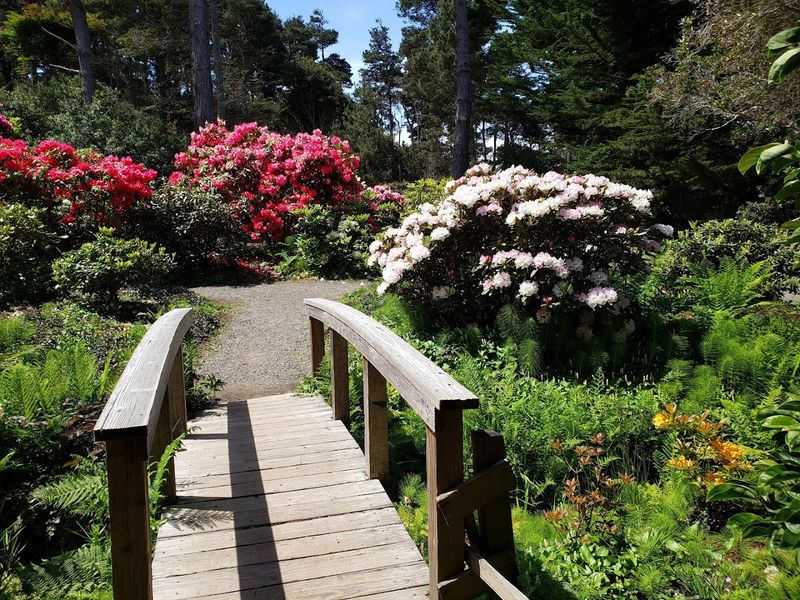
Garden paths wind through 47 acres where coastal bluffs meet cultivated displays of rhododendrons and native California plants.
Located at 18220 CA-1, Fort Bragg, CA 95437, the gardens extend from the highway to the ocean with multiple microclimates supporting different plant collections.
Spring brings peak blooms to many sections while ocean views provide constant backdrop throughout the visit.
The terrain includes both level paths and sloped areas where stairs connect different elevations.
Morning visits often encounter coastal fog that burns off by midday to reveal the full color range of the plantings.
4. Golden Gate Park
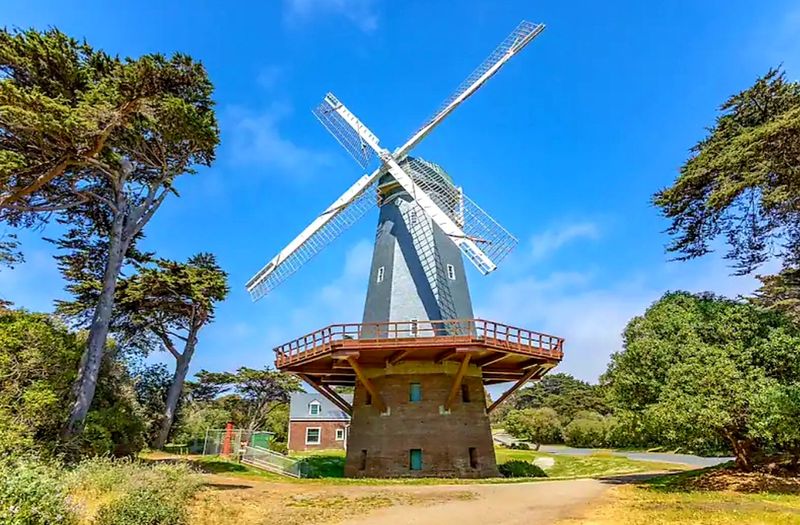
Urban green space stretches over 1,000 acres where spring transforms multiple gardens and meadows into displays of seasonal color.
The park contains distinct areas from formal rose gardens to natural lakes where various blooms appear throughout the season.
Paths connect different attractions where walking distances between points can be substantial.
The Japanese Tea Garden features traditional landscaping with spring flowers while the Conservatory of Flowers houses tropical displays year-round.
Weekends bring crowds to popular areas while weekday mornings offer quieter exploration of the less-visited sections along the western edge near the ocean.
5. Mount Tamalpais State Park
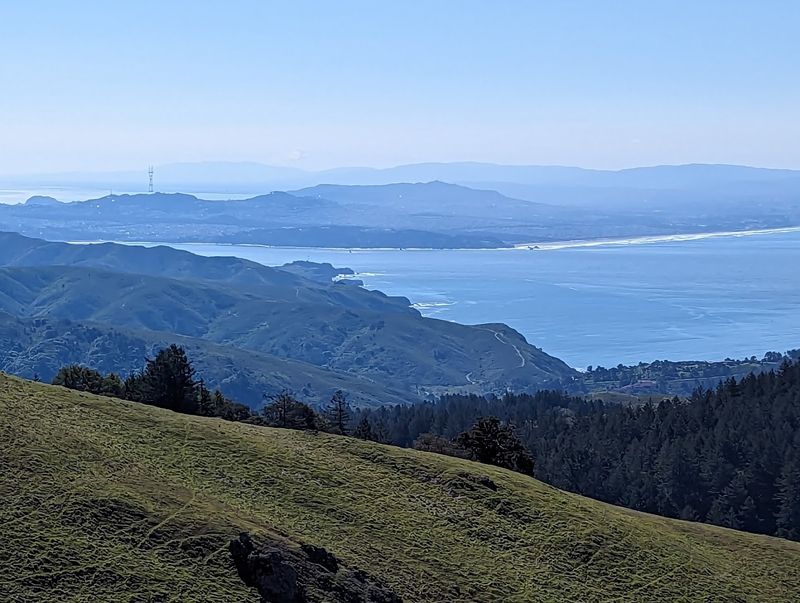
Mountain trails climb through grasslands and oak woodlands where spring wildflowers create patches of color against the green hillsides above the bay.
Multiple trailheads provide access to different elevation levels and difficulty ranges. The summit road reaches viewpoints where the entire Bay Area spreads out below on clear days.
Spring temperatures make the exposed trails more comfortable than summer heat while the vegetation remains lush from winter rains.
Parking fills quickly on weekend mornings at popular trailheads while midweek visits or afternoon starts encounter less competition for spaces.
6. Glass Beach
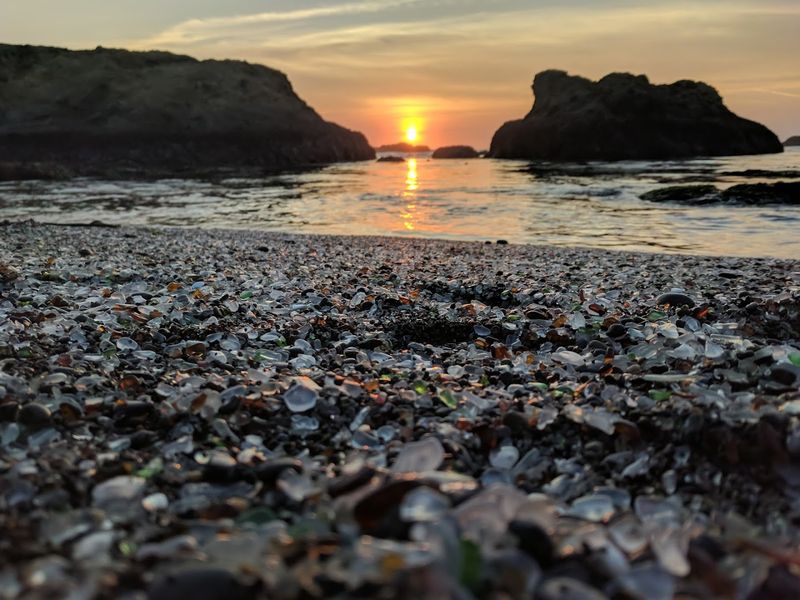
Shoreline covered in smooth glass fragments creates an unusual beach where decades of wave action transformed discarded bottles into colorful pebbles.
Located near Elm Street and Glass Beach Drive in Fort Bragg, the area draws visitors who search the tide line for interesting pieces.
The site represents a former dump site that nature gradually reclaimed and transformed.
Spring tides expose different sections of the beach where glass concentrations vary depending on recent wave patterns.
Taking glass is discouraged to preserve the unique character of the location for future visitors who want to experience the same unusual shoreline.
7. Sonoma Plaza
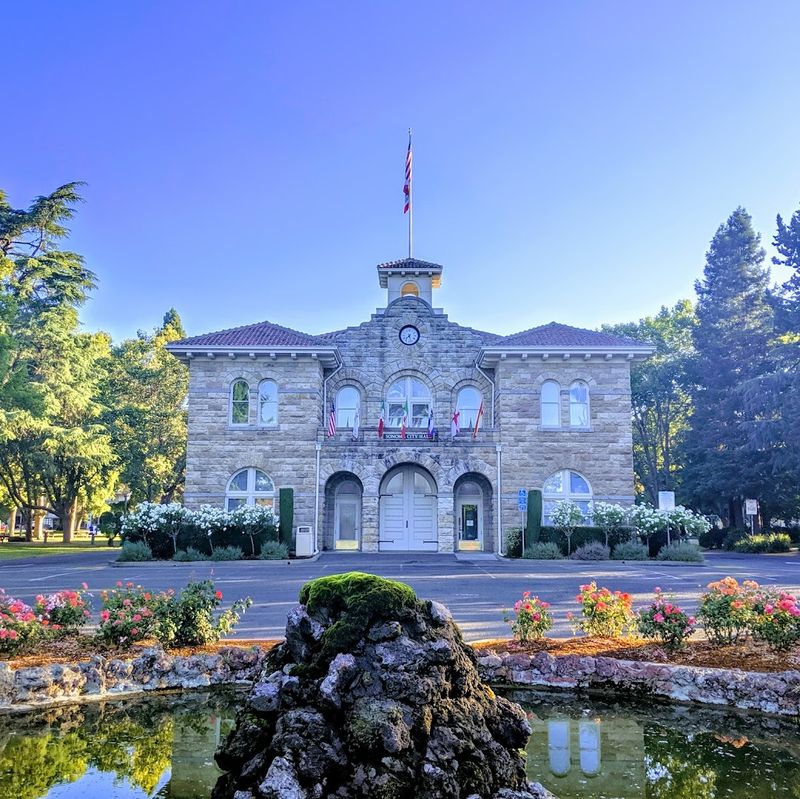
Town square anchors the historic center where shops and restaurants surround a park with mature trees and open lawn areas.
The plaza maintains its original layout from the Mexican period with buildings that now house tasting rooms and cafes.
Spring brings comfortable temperatures for outdoor seating where the pace stays relaxed compared to summer crowds.
The surrounding blocks contain additional businesses within walking distance of the central square.
Parking appears on surrounding streets and in nearby lots where availability varies throughout the day.
The Mission San Francisco Solano sits on the north side at 453 1st St E, Sonoma, CA 95476, adding historical context.
8. Armstrong Redwoods State Natural Reserve
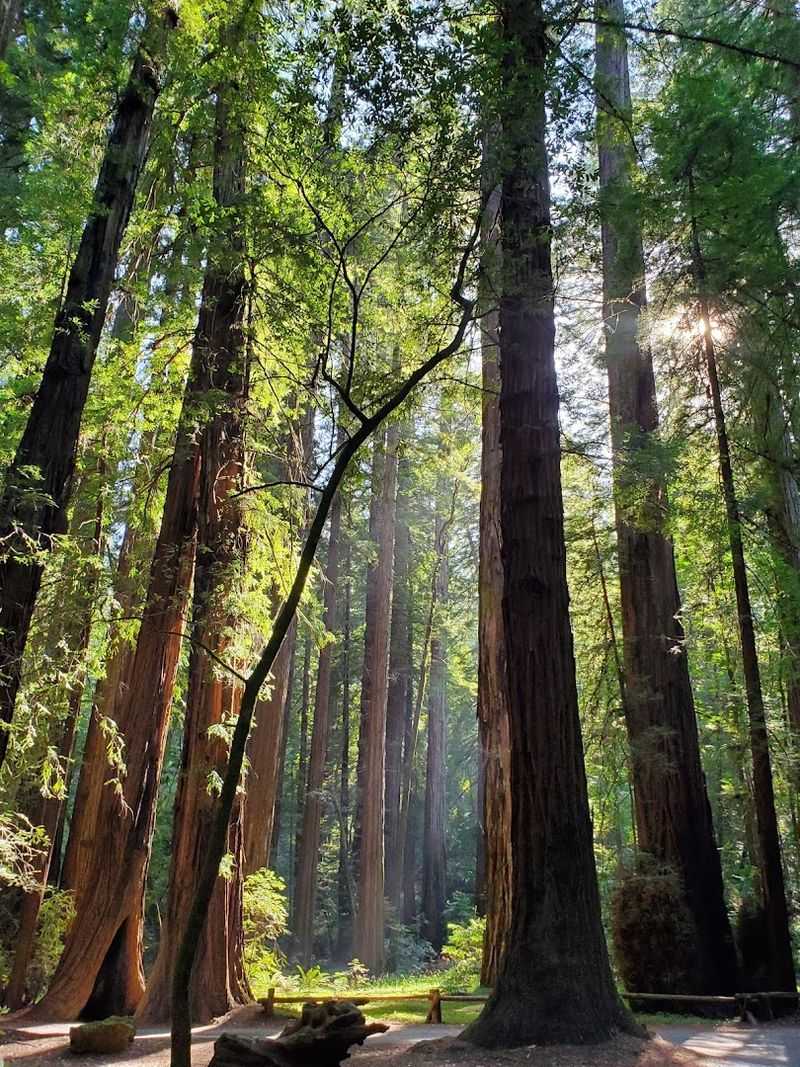
Old-growth redwood forest creates a cathedral-like atmosphere where trees over 300 feet tall filter sunlight onto the forest floor.
The reserve sits near Guerneville at 17000 Armstrong Woods Rd, Guerneville, CA 95446, where paved and unpaved trails wind through the ancient grove.
Spring brings new growth to understory ferns and flowering plants that thrive in the shade and moisture of the redwood ecosystem.
The main loop trail stays relatively level while longer routes climb into mixed forest on the surrounding hillsides.
Morning visits often encounter fog drifting through the canopy before afternoon sun breaks through to illuminate specific sections.
9. Lake Berryessa
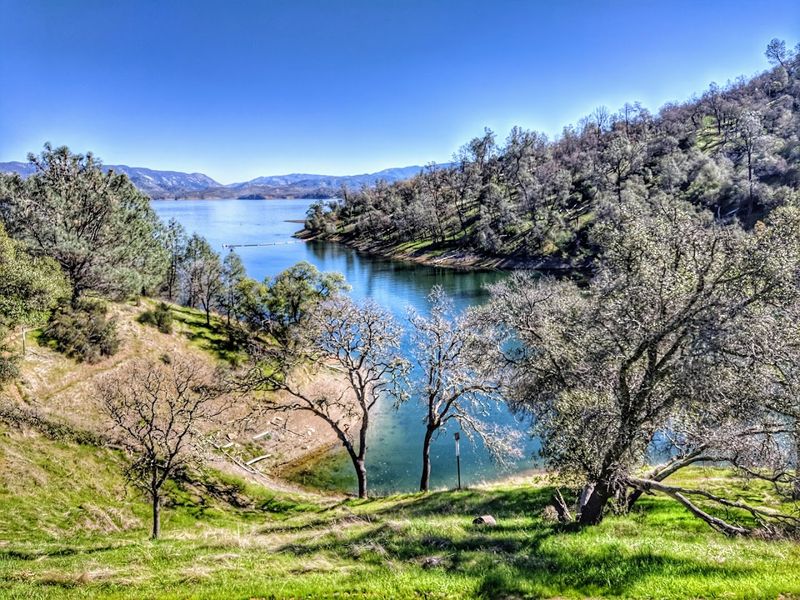
Reservoir surrounded by rolling hills fills with winter runoff that creates optimal water levels for spring recreation.
The lake extends for miles with multiple access points and coves where the shoreline provides various activity options.
Spring brings green hillsides dotted with wildflowers before summer heat turns the vegetation golden.
Water temperatures remain cool early in the season while air temperatures climb into comfortable ranges for shoreline activities.
Weekdays offer less crowded conditions on the water while weekend launches see steady boat traffic heading to different sections of the lake for fishing or swimming.
10. 🌻 North Table Mountain Ecological Reserve
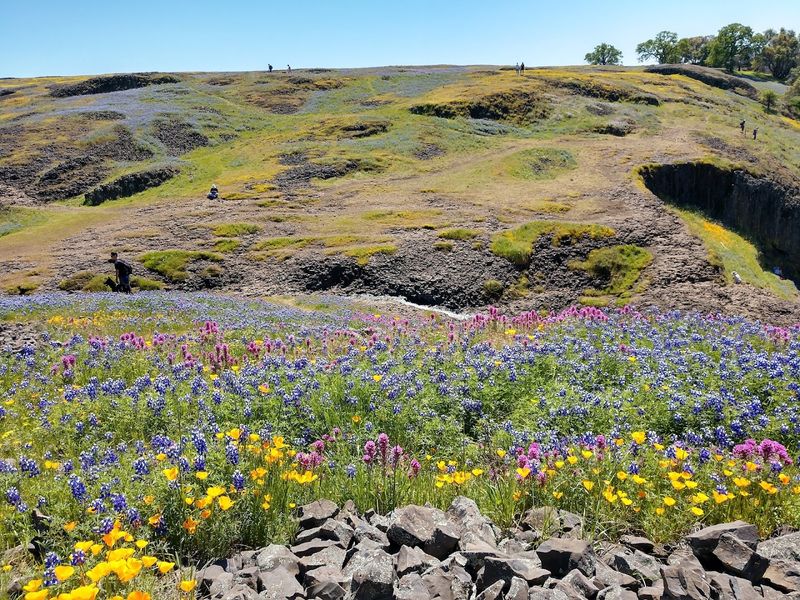
Volcanic plateau transforms into a wildflower display when spring rains create ideal conditions for native plants that cover the flat summit.
The mesa rises above the surrounding landscape where basalt cliffs support seasonal waterfalls that flow only during wet years.
Peak bloom timing varies by rainfall patterns but typically occurs between March and April when multiple species flower simultaneously.
The reserve requires hiking across uneven terrain without established trails where careful foot placement prevents damage to the delicate plants.
Access opens seasonally when conditions allow and closes when the ground becomes too wet or fire danger increases later in spring.
11. Prairie Creek Redwoods State Park
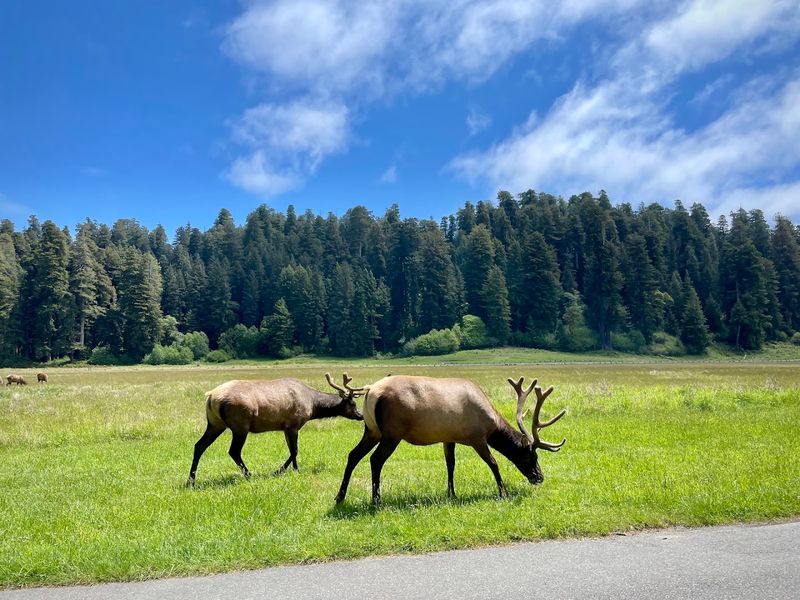
Ancient redwood forest meets coastal prairie where Roosevelt elk graze in open meadows surrounded by towering trees.
The park stretches along the coast north of Eureka where multiple trails access both forest groves and beach areas.
Spring brings newborn elk calves to the meadows while understory plants flourish in the moist conditions beneath the redwood canopy.
Fern Canyon creates a unique environment where walls of ferns line a narrow creek bed featured in several film productions.
The visitor center at Newton B Drury Scenic Pkwy, Orick, CA 95555 provides trail information and context about the old-growth ecosystem before setting out.
12. Bodega Bay
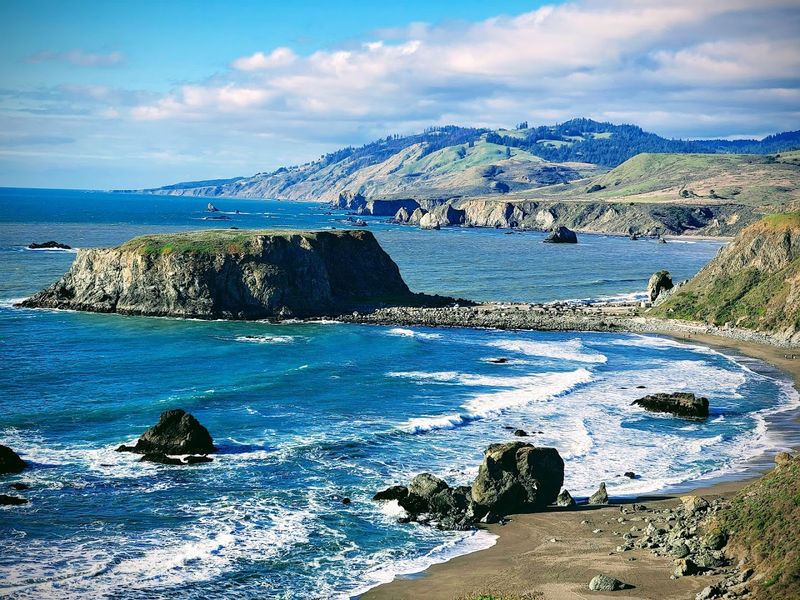
Fishing village spreads along a protected bay where commercial boats share the harbor with recreational vessels and coastal trails provide ocean views.
The town sits about an hour north of San Francisco where Highway 1 follows the dramatic coastline.
Spring brings migrating whales offshore and wildflowers to the coastal bluffs while temperatures remain cool and wind patterns can shift quickly.
Several beaches provide access to tide pools and bird watching areas where shorebirds feed along the water’s edge.
Seafood restaurants cluster near the harbor while the surrounding area contains state beaches and parks within short driving distances for additional exploration options.
13. UC Davis Arboretum
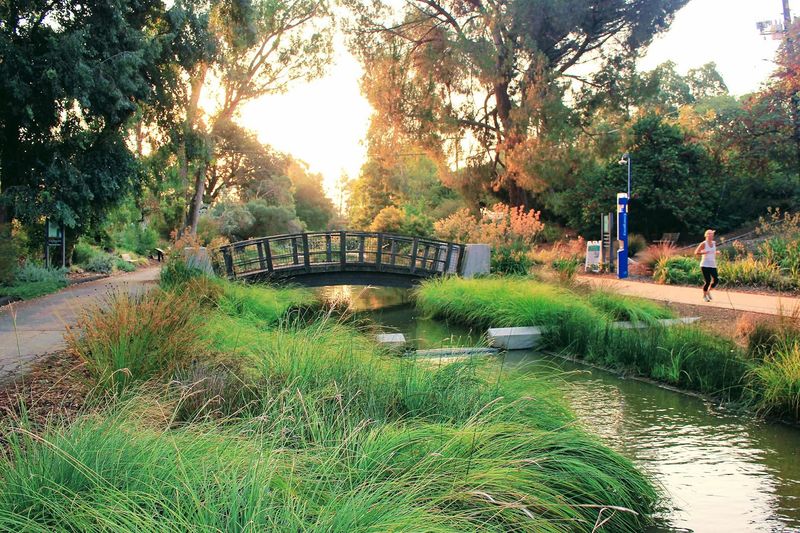
Campus gardens stretch along a waterway where themed collections display plants adapted to Mediterranean climates and California native species.
Located at 448 La Rue Rd, Davis, CA 95616, the arboretum provides free access to paths that wind through different plant communities.
Spring activates blooms across multiple sections while the mature tree canopy provides shade along portions of the route.
The site functions as both a teaching resource and public garden where plant labels identify species and their characteristics.
Parking appears in nearby campus lots where weekday availability may be limited during academic terms while weekends and breaks offer easier access.
14. Japanese Tea Garden
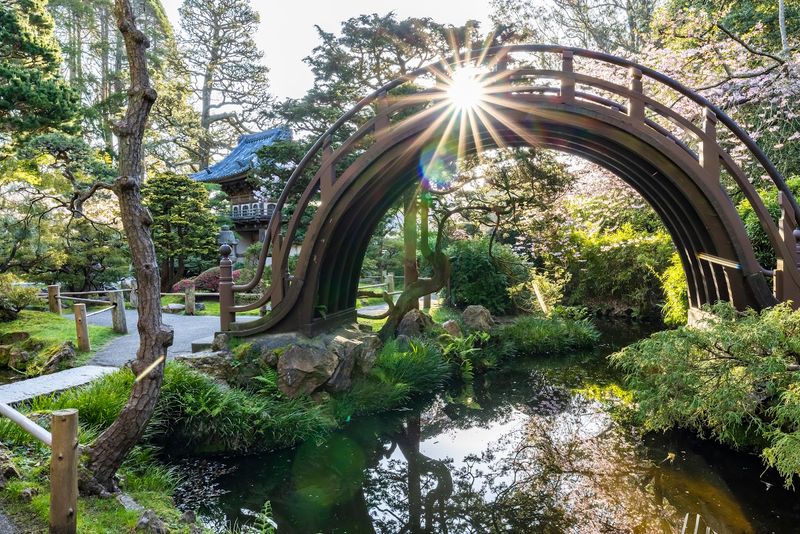
Traditional Japanese landscaping fills five acres within Golden Gate Park at 75 Hagiwara Tea Garden Dr, San Francisco, CA 94118, where carefully maintained plants and architectural elements create a distinct atmosphere.
Spring brings cherry blossoms and other seasonal flowers that complement the permanent features.
Stone paths connect different areas where bridges cross ponds and viewpoints reveal composed scenes designed to change with each turn.
The garden represents the oldest public Japanese garden in the United States with elements dating to the 1894 California Midwinter International Exposition.
Entry requires a modest admission fee with reduced rates for residents and morning hours before opening time reserved for free entry.
15. Lassen Volcanic National Park
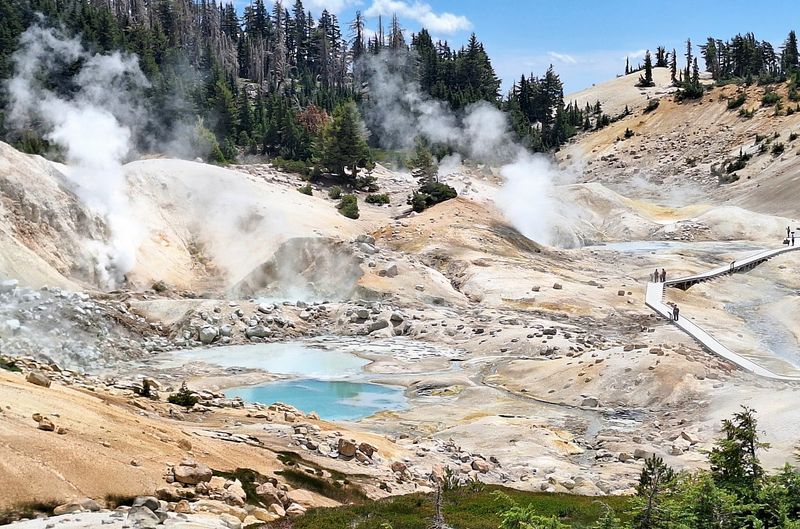
Volcanic landscape displays active geothermal features where boiling mud pots and steaming fumaroles demonstrate ongoing geological processes beneath the surface.
The park sits in the southern Cascade Range where elevation changes create varied ecosystems from forest to alpine zones.
Spring conditions vary dramatically by elevation where lower areas may be snow-free while higher trails remain buried until late in the season.
The main park road typically opens in sections as snow clearing progresses through May and into June.
Hydrothermal areas like Bumpass Hell remain accessible earlier in the season at 89 Lassen National Park Hwy, Mineral, CA 96063 where boardwalks protect visitors and fragile thermal features alike.
16. Sundial Bridge
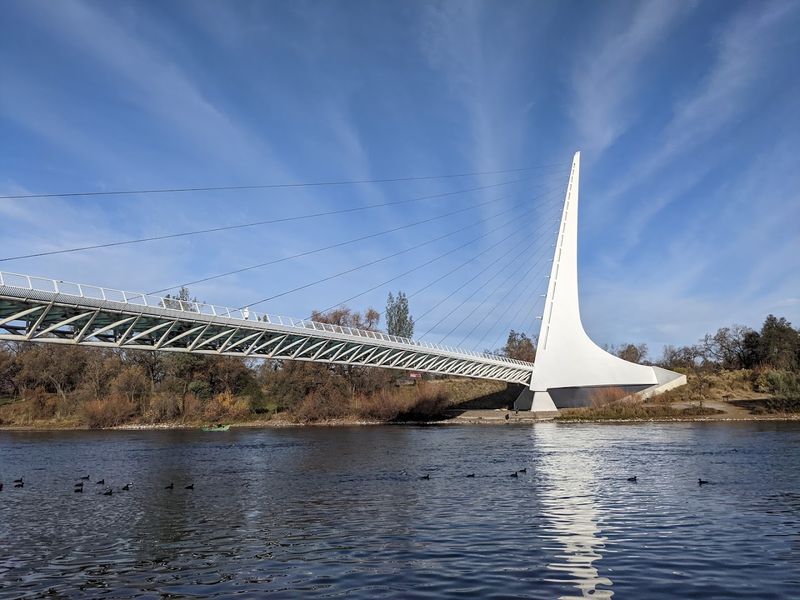
Pedestrian bridge spans the Sacramento River with a design that functions as a working sundial while providing a crossing point for trails along both banks.
The structure stands at Sacramento River Trail, Redding, CA 96001, where the white cable stays and glass deck create a distinctive profile.
Spring temperatures make walking the bridge and connecting trails comfortable while the surrounding Turtle Bay Exploration Park offers additional attractions.
The translucent deck allows light through to minimize impacts on vegetation and wildlife below.
Parking appears on both sides of the river where the bridge connects to trail systems that extend for miles in either direction along the waterway.
17. Capitola Village
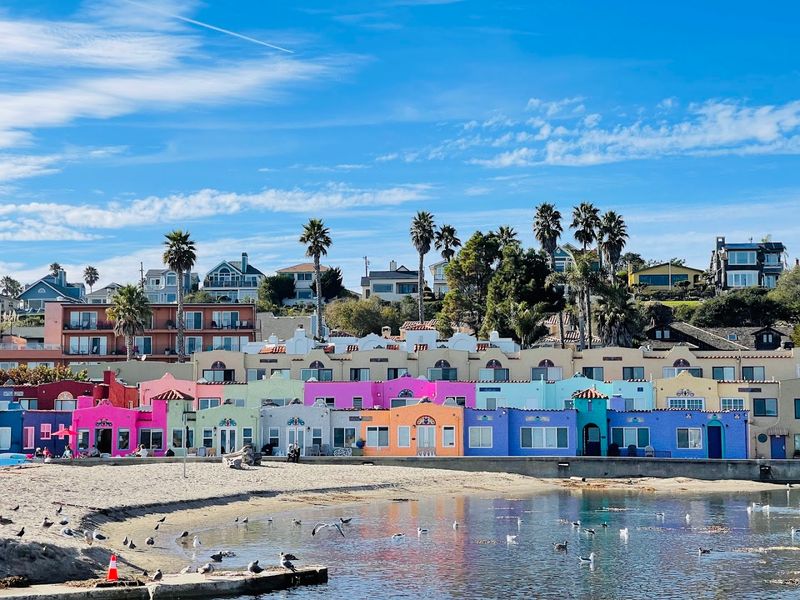
Beach town clusters around a small cove where brightly painted houses and shops create a Mediterranean atmosphere along the California coast.
The village sits just south of Santa Cruz where the compact downtown allows walking between beach access and various businesses.
Spring brings comfortable temperatures before summer crowds fill the beaches and restaurants.
The esplanade runs along the water where outdoor seating takes advantage of ocean views and mild weather.
Street parking fills quickly on weekends while nearby lots provide additional options within a few blocks of the central area where the creek meets the ocean.
18. Jedediah Smith Redwoods State Park
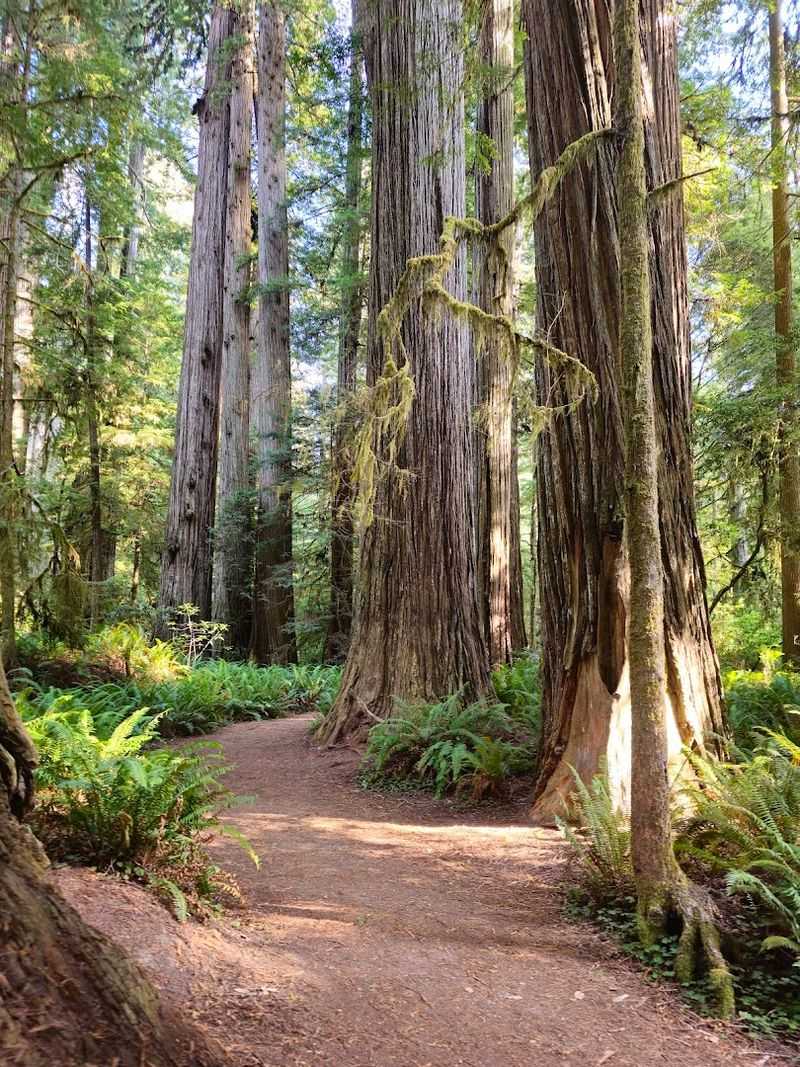
Old-growth redwood forest lines the Smith River where some of the tallest and oldest trees in the park system create a primeval landscape.
The park sits in the far northwest corner of California where the river provides both scenic beauty and recreational opportunities.
Spring brings high water flows to the river while the forest floor comes alive with ferns and flowering plants beneath the massive redwood canopy.
Several campgrounds provide base camps for exploring the trail network that ranges from easy riverside walks to longer backcountry routes.
The visitor center at 1111 2nd St, Crescent City, CA 95531 offers maps and current conditions before venturing into the various groves and river access points.
19. Sausalito Boardwalk
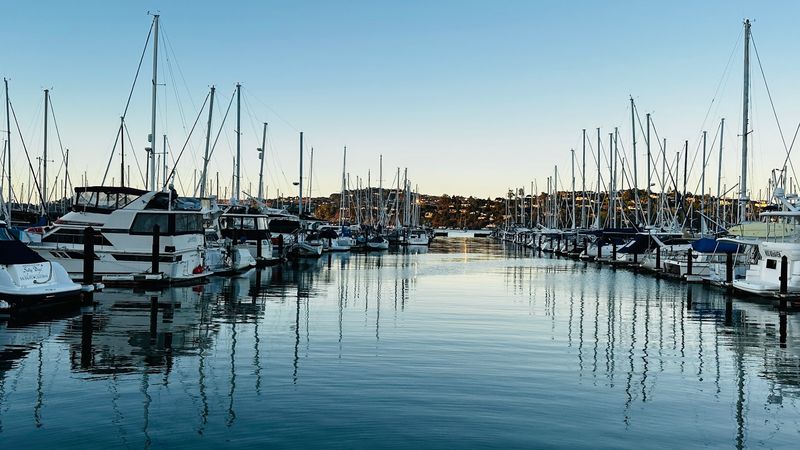
Waterfront promenade curves along the bay where shops and restaurants face the water with views across to San Francisco and Angel Island.
The town sits just north of the Golden Gate Bridge where the hillside location creates a distinct microclimate often sunnier than the city.
Spring brings clear days that showcase the bay views while temperatures stay mild for walking the boardwalk and browsing the various businesses.
The ferry terminal provides an alternative arrival option that avoids parking challenges in the compact downtown.
Galleries and boutiques occupy buildings that climb the hillside above the main waterfront where stairs and side streets connect different levels of the town.
20. Bidwell Park
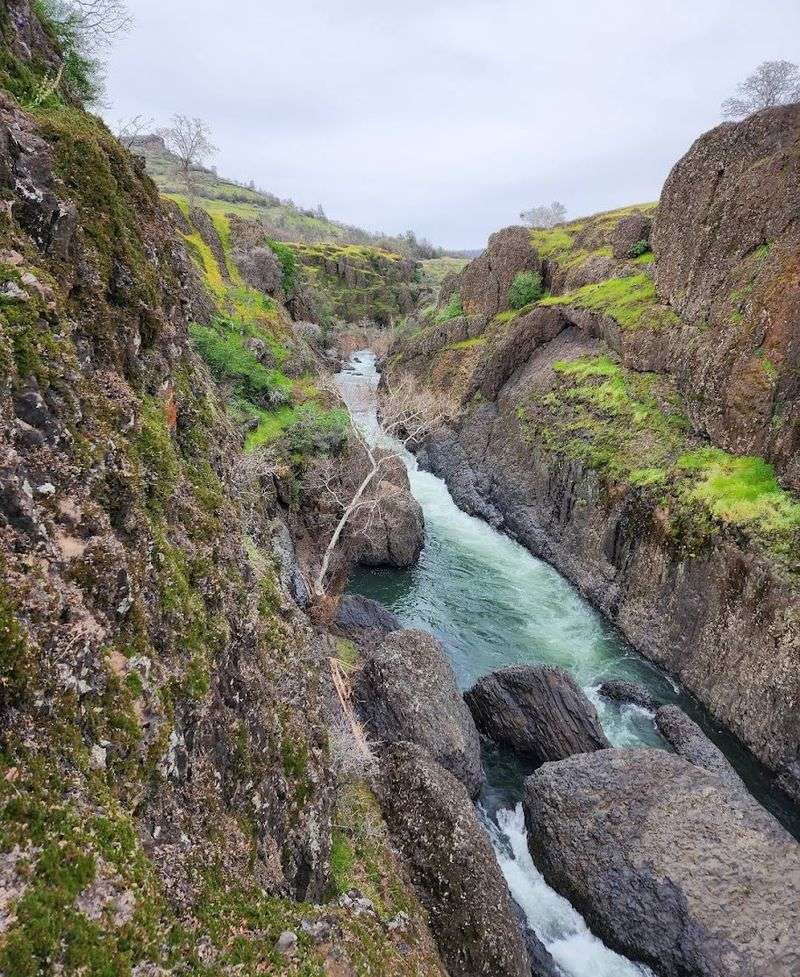
Urban park extends for miles from downtown Chico into the foothills where a year-round creek creates a riparian corridor through varied terrain.
At 5 Wildwood Ave, Chico, CA 95973, the park encompasses both developed areas near town and wilder upper sections with hiking trails.
Spring runoff fills the creek while trees leaf out and wildflowers appear along the trails that range from paved paths to rocky single-track routes.
The park served as a filming location for the original Robin Hood movie where the creek canyon provided a forest setting.
Swimming holes become popular as temperatures warm though water remains cold from snowmelt earlier in the season when flow rates stay high.
21. Half Moon Bay
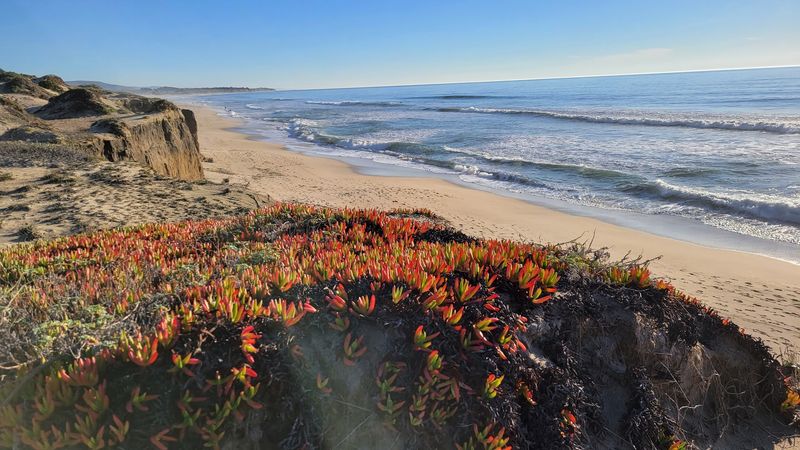
Coastal town spreads along several miles of beaches where the harbor supports a fishing fleet and the main street contains shops and restaurants.
The area sits about 30 minutes south of San Francisco where Highway 1 provides scenic access along the coast.
Spring brings wildflowers to the coastal bluffs while beaches remain less crowded than summer months.
Several state beaches provide parking and trail access where coastal paths connect different sections of shoreline.
The harbor area clusters restaurants specializing in fresh seafood while the downtown district a mile inland offers additional dining and shopping options in a more sheltered setting.
22. Moss Landing State Beach
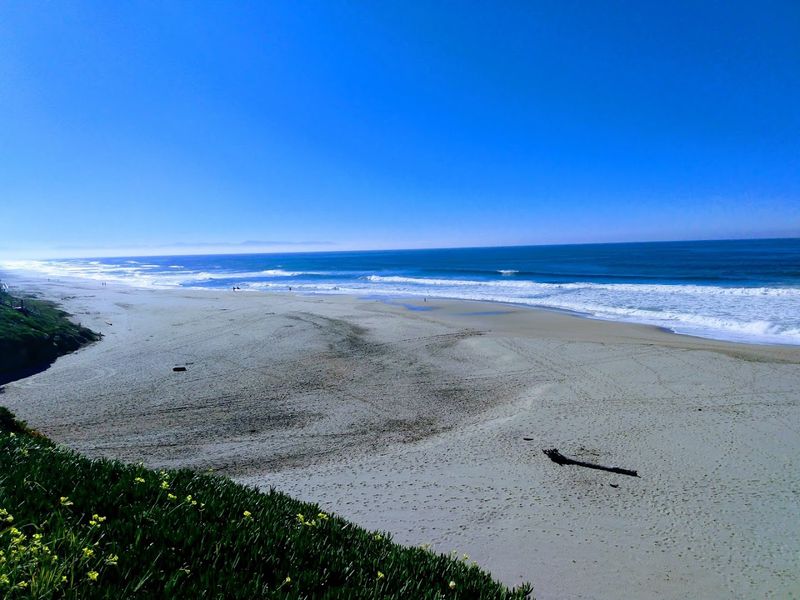
Beach stretches along Monterey Bay where the adjacent harbor and wetlands create diverse habitats for birds and marine life.
The area sits roughly midway between Santa Cruz and Monterey where the coastal dunes support native plants that bloom in spring.
Tide pools appear at the rocky sections during low tides while the sandy expanses provide space for walking and observing shorebirds.
The nearby Elkhorn Slough offers kayaking opportunities through the wetlands where harbor seals and sea otters frequent the channels.
Parking lots serve the beach where the facilities remain basic but access stays straightforward for exploring the coastline and adjacent natural areas.