10 Places To Discover A Lesser-Known Side Of Louisiana
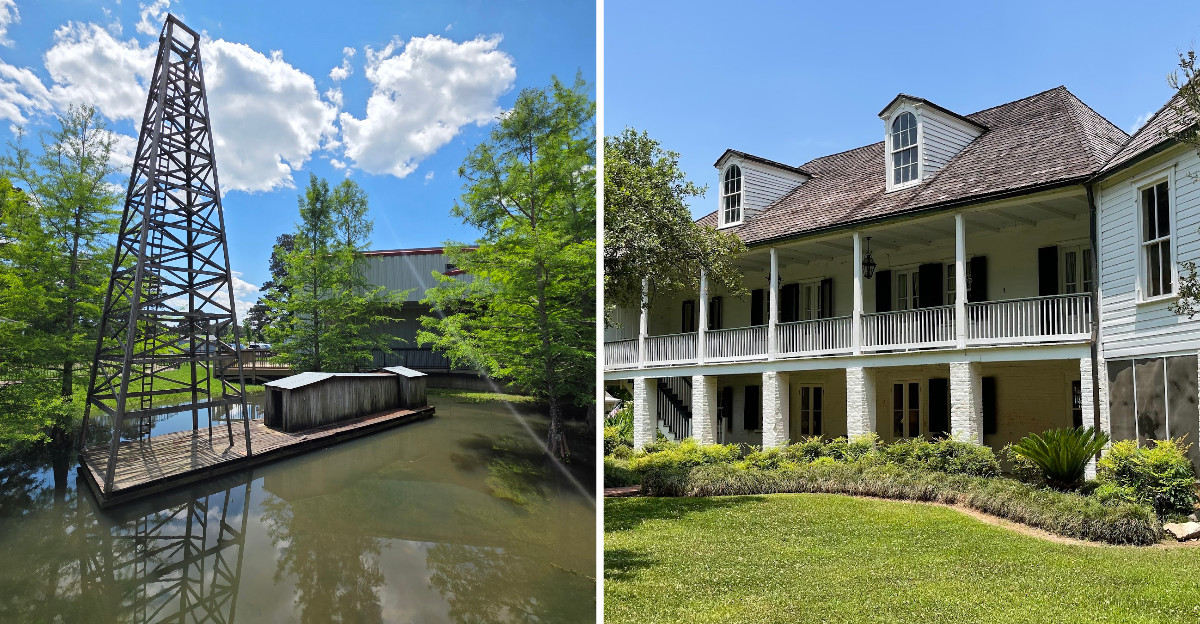
People in northeast Louisiana once moved about 50 million cubic feet of dirt using baskets. Baskets! Around 1650 BC!
I have complained about carrying two grocery bags from the car, so I’m taking this very personally.
Am I making too big a deal out of this? Possibly. But the state keeps doing this.
It hides a Spanish colonial capital of Texas in tiny pine-hill country. It also has hills near 400 feet tall where you’d expect swamp.
Then come baby alligators you can actually hold and a roadside museum packed with thousands of oddities.
None of it fits the usual postcard. I’m choosing to be very excited about that, and I stand by it.
1. Poverty Point World Heritage Site
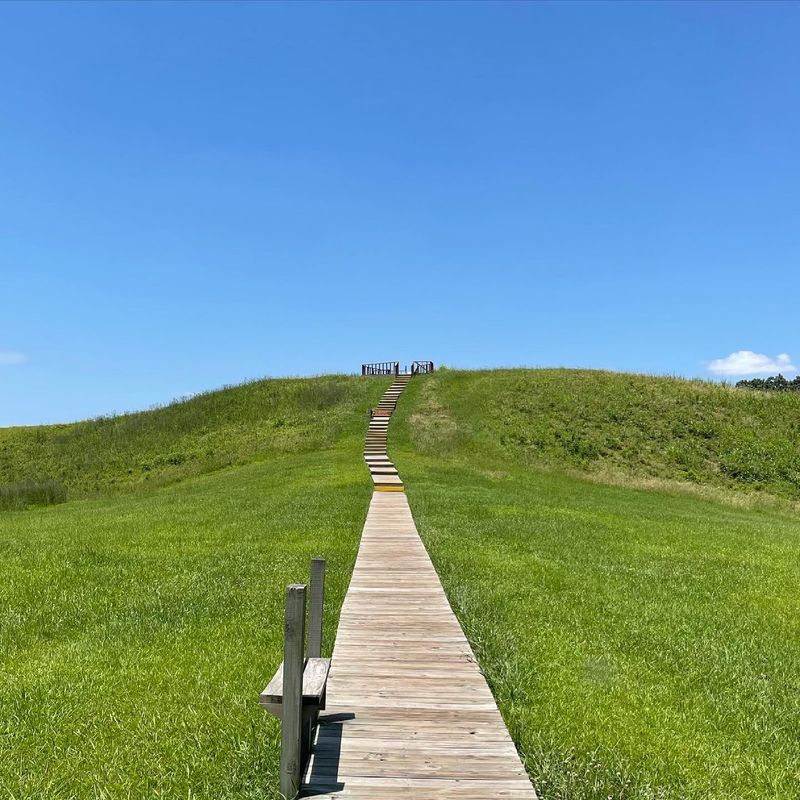
Long before anyone invented the wheelbarrow here, people built enormous earthworks by hand, one basket at a time.
Archaeologists estimate that the builders moved approximately 53 million cubic feet of soil. Suddenly, carrying groceries sounds much easier.
Indigenous communities began constructing this extraordinary landscape around 1700 BC.
Its six concentric earthen ridges surround a broad plaza, while several large mounds rise above the surrounding fields. Mound A reaches roughly 72 feet, making it one of North America’s most remarkable ancient earthworks.
The site became a UNESCO World Heritage Site in 2014. Its importance reaches beyond sheer size: the builders were communities of hunters, fishers, and gatherers who developed far-reaching exchange networks.
Artifacts include stone brought from distant regions and distinctive fired-clay objects used in cooking.
Begin at the museum, where displays and an introductory film explain the setting before you walk outside.
Guided tram rides usually run Wednesday through Sunday from March through October, weather permitting. Self-guided walks offer another way to appreciate the scale.
The entrance is at 6859 Highway 577, Pioneer. Louisiana State Parks lists opening hours of nine until five daily, except designated holidays.
Bring comfortable shoes and allow time to see the ridges as well as the huge mound. It’s a landscape that rewards a longer look. Even the subtle ridges become impressive once you understand their remarkable design.
2. Los Adaes State Historic Site
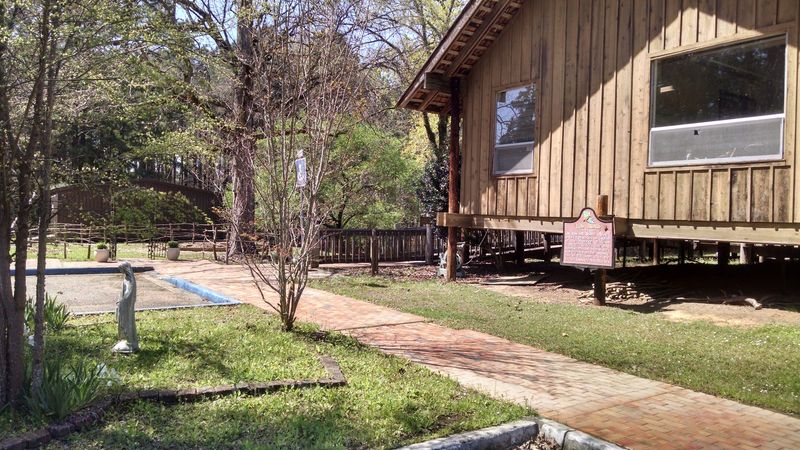
Want a trivia question to stump your friends? Ask which state once held the capital of Texas, then grin when they learn it was here, near Robeline.
Los Adaes served as the capital of Spanish Texas beginning in 1729.
Its position near the French settlement at Natchitoches made this frontier an unusual meeting place for Spanish settlers, French traders, and the Indigenous Adaes community.
Commerce crossed political boundaries, and everyday exchanges tied neighboring communities together. The original mission and presidio date to the early eighteenth century.
Today the landscape is largely archaeological rather than a reconstructed fort, so the appeal lies in understanding what once occupied the ground. Interpretive markers help connect the open spaces with a history that stretched across colonial borders.
This stop is particularly interesting because the capital of a territory now associated with another state stood here for decades. The site also formed part of El Camino Real de los Tejas, a historic travel route linking communities across the region.
You’ll find the grounds at 6354 Highway 485, Robeline, northeast of the village. Visitor information has listed Wednesday through Saturday, noon until four, but access is seasonal under the Cane River National Heritage Area.
Confirm opening arrangements before driving out. Bring questions about the complicated geography of early Texas; this quiet field has plenty to answer.
3. Chauvin Sculpture Garden & Art
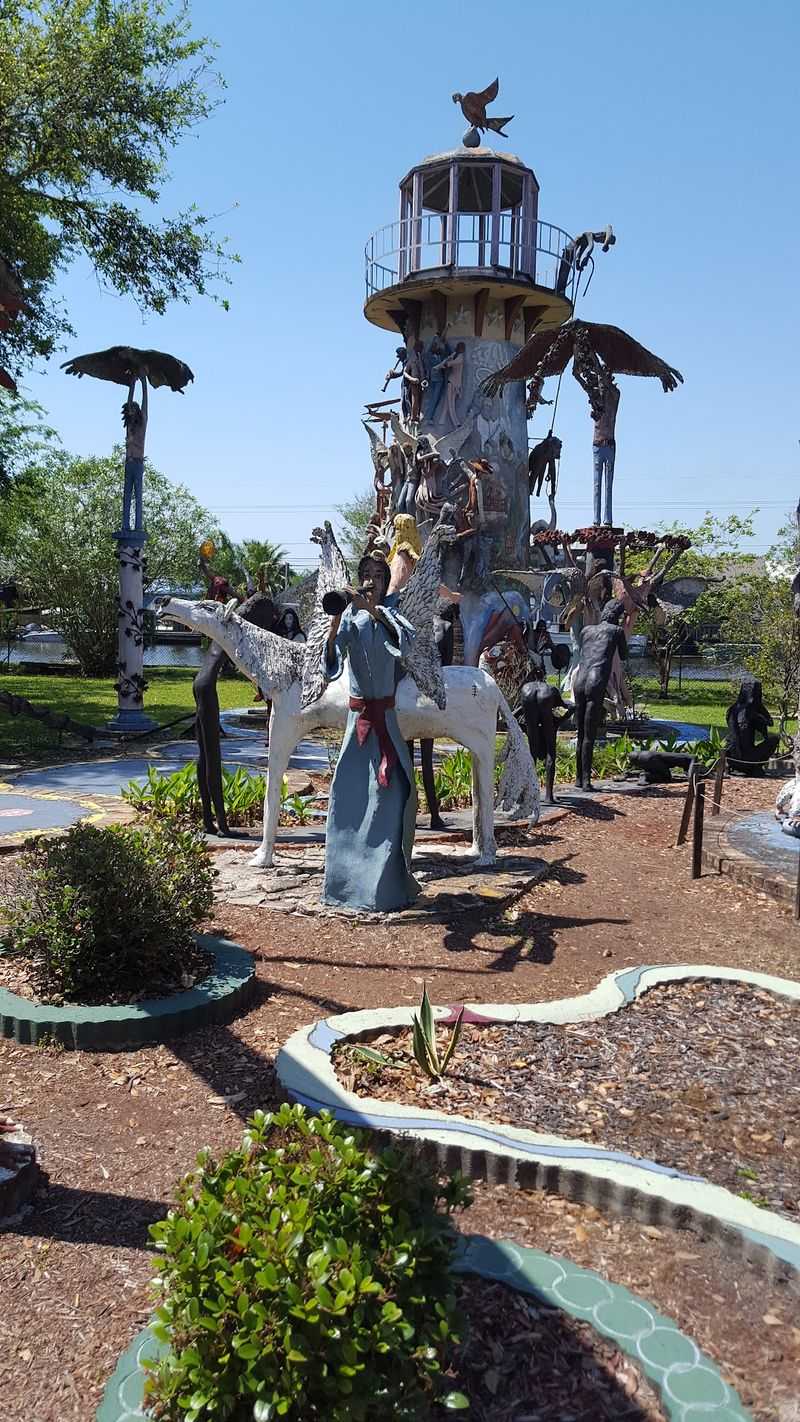
A bricklayer looked at his bayou yard and decided it needed a whole world of sculptures. The result feels part fairy tale, part dream, and completely unforgettable.
Beginning in the late 1980s, self-taught artist Kenny Hill transformed a narrow property beside Bayou Petit Caillou.
He built roughly one hundred concrete figures, often arranging them on rounded platforms along winding paths. Angels, musicians, religious scenes, and repeated versions of the artist appear throughout the garden.
The centerpiece is a striking lighthouse-like tower around 45 feet tall, assembled from thousands of bricks.
Figures climb and surround it, giving the entire installation a distinctive sense of movement. Look closer and you’ll notice expressive faces, elaborate clothing, and carefully worked surfaces.
After the artist left, preservation efforts brought the site into the care of Nicholls State University, and it opened to the public in 2002.
The adjacent art studio and gallery hold exhibitions at selected times, but the outdoor sculptures are the main attraction.
The garden stands at 5337 Bayouside Dr, Chauvin. Outdoor visiting hours are generally eight until five daily, while the studio operates on a more limited schedule.
Admission to the garden is free. Allow a little time to follow the pathways in different directions; the details are easy to overlook when you’re focused on the tower. Every turn offers another tiny discovery.
4. Abita Mystery House / UCM Museum
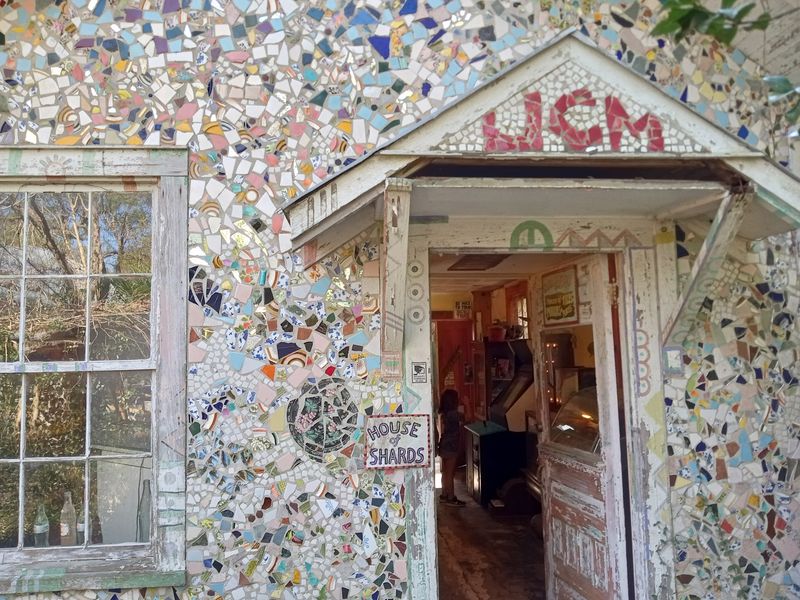
Somewhere on the Northshore, a roadside museum decided that more really is more.
The result is thousands of art pieces, antiques, and gloriously strange found objects under one quirky roof.
Abita Mystery House, previously called the UCM Museum, grew from artist John Preble’s fascination with everyday things nobody quite knew what to do with.
A vintage service station, older buildings, and connecting spaces now contain an astonishing assortment of handmade creations and collected curiosities.
There’s plenty to discover. Dioramas recreate imagined scenes, while animated contraptions, old electronics, unusual sculptures, and miniature displays reward close attention.
Look for Darrel the Dogigator, a wonderfully improbable creature combining two very different animals. It’s an ideal introduction to the museum’s playful imagination.
Some displays invite you to press a button or activate a mechanism, turning the visit into a small scavenger hunt.
Other pieces reward a slower inspection, particularly the miniature scenes packed with odd details. This is folk art with a sense of humor rather than a conventional historical exhibition.
You’ll find it at 22275 Highway 36, Abita Springs, near the town center and the Tammany Trace. Published visitor hours are generally ten until five daily.
Set aside time for the gift shop, and don’t count on a full-service cafe inside. The best approach is simple: leave the usual museum expectations outside and follow your curiosity.
5. Bonnie & Clyde Ambush Museum
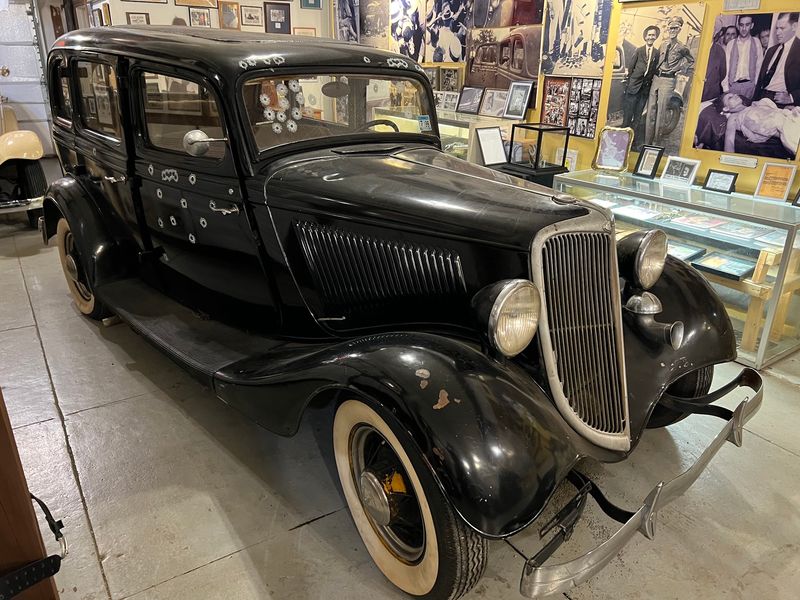
A small town along a rural highway holds an unexpectedly detailed account of two nationally known figures from the 1930s.
Gibsland’s museum focuses on Bonnie Parker and Clyde Barrow, whose story became part of American popular culture.
Inside, historic photographs, newspaper pages, period memorabilia, and a short documentary provide context for the era.
A reproduction automobile helps connect the displays to the transportation and headlines that shaped the pair’s public image. You’ll find plenty to read, so this is best approached as a historical exhibit rather than a brief photograph stop.
The museum occupies a former cafe associated with the couple’s final journey through the area in 1934.
Exhibits explore the events surrounding their passage through Bienville Parish, with additional regional history visible in contemporary news coverage. The small building gives the material an intimate setting.
A roadside historical marker farther along Highway 154 provides another link to the story, although the museum itself contains the main collection.
Head to 2419 Main St, Gibsland. Published hours are nine until five daily, but it’s sensible to confirm before a long drive.
The museum offers an unusual slice of regional history in a town many travelers would otherwise pass without stopping. The quiet Main Street setting adds another layer of interest.
6. Longleaf Vista Recreation Area
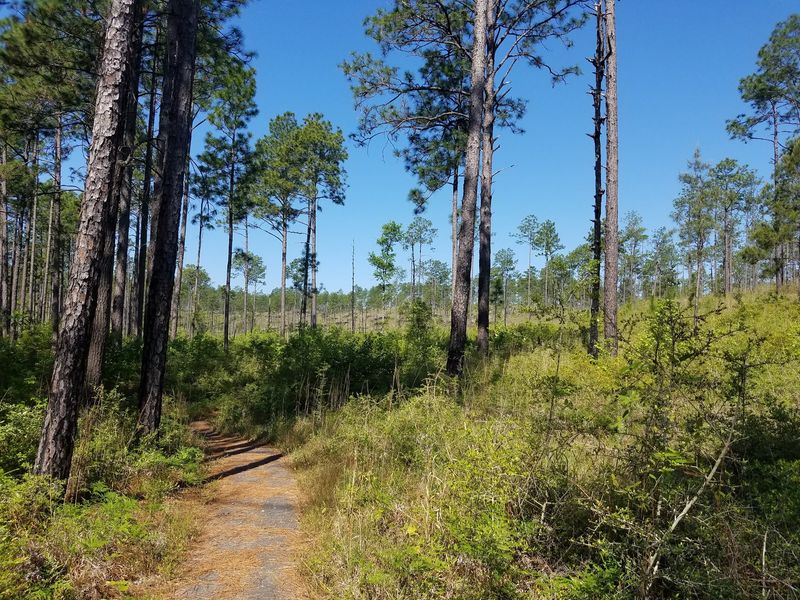
Flat as a pancake? Louisiana would like a word, and it’s bringing sandstone bluffs and rolling pine-covered hills.
Longleaf Vista sits along the Longleaf Trail Scenic Byway inside Kisatchie National Forest. From a ridge, the view opens across the 8,700-acre Kisatchie Hills Wilderness, a remarkable change from the low-lying landscapes many travelers associate with the state.
Longleaf pines, deep woodland folds, and exposed rock give the scenery an unexpectedly rugged look.
A 1.5-mile interpretive loop introduces the surrounding forest. Follow the marked trail through trees and past natural features, taking extra care on uneven or damp sections.
Longer routes extend into the wilderness for experienced hikers, but families can enjoy the picnic area and overlook without committing to a bigger expedition.
The stone observation shelter provides a convenient place to appreciate the hills.
Picnic tables, restrooms, and drinking water are among the developed facilities, although services may be affected by maintenance or weather. Bring water and snacks regardless.
The recreation area is reached from the Longleaf Trail Scenic Byway near Provencal, within the Kisatchie Ranger District.
The forest recreation area is generally available year-round, subject to temporary restrictions; published ranger-office hours aren’t visitor gate hours.
7. Gator Chateau
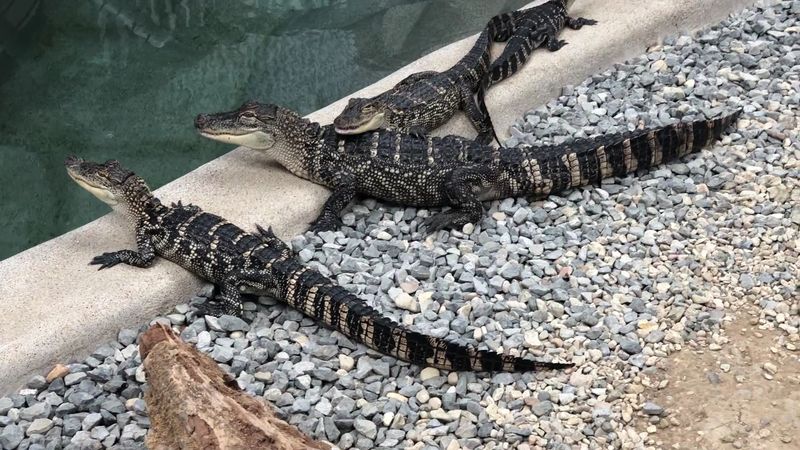
Few souvenirs beat a photo of you holding a baby alligator. In Jennings, that moment is part of a free educational attraction right beside Interstate 10.
Gator Chateau introduces visitors to young American alligators in a supervised setting.
Trained handlers explain how the reptiles grow, what they eat, and where they live before offering the chance to hold a baby alligator for a photograph.
The experience makes an unfamiliar animal seem much less mysterious, particularly for children seeing one up close for the first time.
The facility also has larger alligators in an indoor habitat. The emphasis remains on learning about the species rather than putting on an elaborate show.
Holding opportunities depend on animal care and staff guidance, so follow the handler’s instructions throughout the encounter.
Outside, the surrounding Oil and Gas Park includes a playground, picnic facilities, walking areas, and a visitor center.
Families can turn a short educational stop into a longer break from the road. Seasonal public feeding demonstrations are sometimes scheduled during summer.
The entrance is at 100 Rue de l’Acadie, Jennings, near Interstate 10’s Exit 64. Hours are Monday through Saturday, nine until five, with major holiday closures. Admission is free, although donations are welcome.
Bring your camera, ask questions, and give yourself time to explore the park afterward. The alligator stays right where it belongs.
8. Frogmore Cotton Plantation & Gins
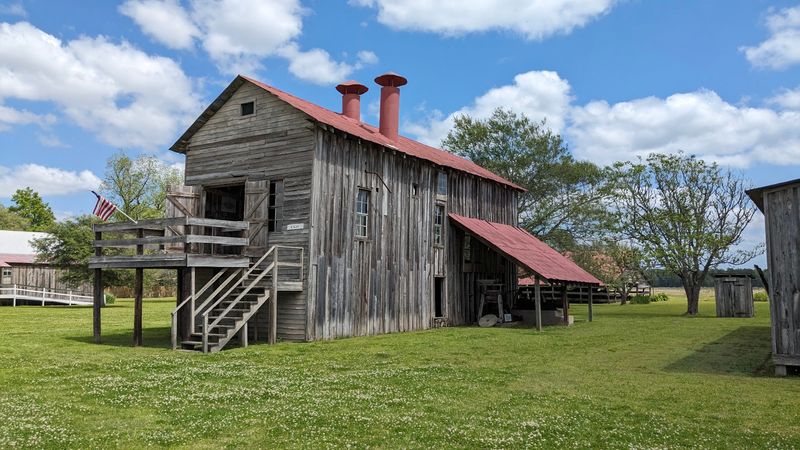
Cotton shaped the Mississippi River Delta, and here you can see the story from both ends of history. One visit compares earlier processing methods with modern machinery.
Frogmore is an operating cotton property near Ferriday with preserved structures dating from the late eighteenth and nineteenth centuries.
Its historical tour explores agricultural production and the experiences of people whose labor sustained plantation operations, including enslaved workers and later sharecropping families.
A historic steam-powered cotton gin offers a close look at equipment used during an earlier period of production.
The modern portion of the tour introduces mechanized processing and computerized systems, revealing how dramatically the work has changed.
Depending on the season, the historic gin may be demonstrated through video rather than running equipment.
Several older structures remain on the property, including a church and a cotton-storage building.
Their interiors and displays help make a complicated agricultural history easier to understand. Tours are educational rather than merely decorative, so allow time for both the buildings and the explanations.
Find Frogmore at 11656 US Highway 84, Ferriday. Fall weekday touring runs through November 15, generally nine until three; winter visits require separate arrangements.
Arrive well before closing, since the combined experience takes time. Check the schedule before traveling, especially after mid-November.
9. Melrose On The Cane
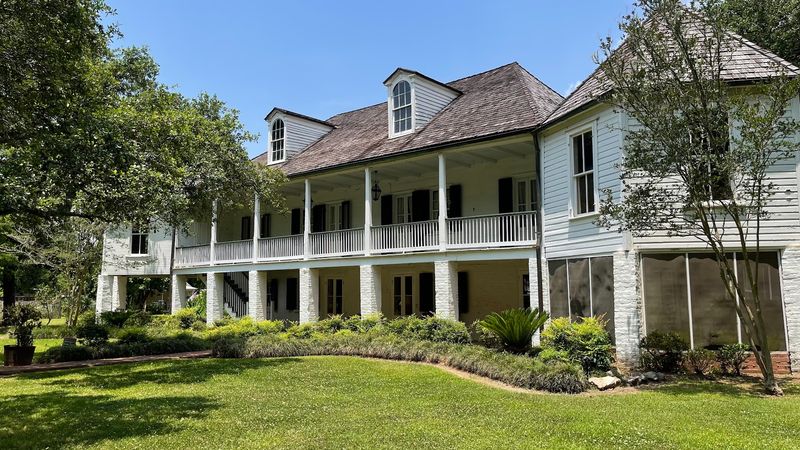
Folk art fans, this one’s for you. Melrose on the Cane preserves the work of celebrated artist Clementine Hunter alongside the remarkable history of the Cane River community.
The property developed within the region’s historic Creole community of color, whose history includes the family of Marie Thérèse Coincoin and her descendants.
Later, Melrose became an early twentieth-century gathering place for writers and artists. Hunter, who worked on the property, created vivid paintings of rural life, celebrations, and community traditions.
Her murals inside the African House are a standout. The building is one of nine historic structures on the grounds, together with the Big House, weaving cabin, and other preserved spaces.
Their history connects art, agriculture, and changing life along the Cane River. Guided tours take about forty-five minutes and include access to interiors that aren’t part of a simple grounds walk.
Expect staircases, gravel, grass, and brick paths, so comfortable footwear helps. Independent grounds visits are also available for those who prefer a slower outdoor experience.
For your visit, use 3533 Highway 119, Melrose, south of Natchitoches. Regular public tours run Thursday through Sunday at scheduled times, but special events affect access.
November 5, 2026, is closed for a private tour, with additional changes later in the month. Check the day’s opening before setting out. The gardens offer their own worthwhile perspective on the historic buildings.
10. Louisiana State Oil And Gas Museum
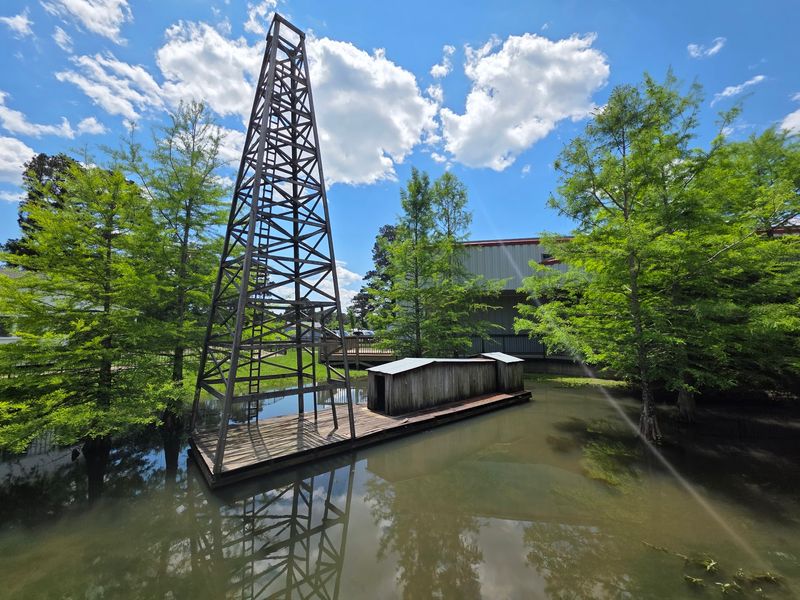
A town named Oil City had better deliver on oil history, and this museum does not disappoint. Its collections explain how an early twentieth-century boom transformed the surrounding region.
The Louisiana State Oil and Gas Museum occupies a large building near Oil City’s former railroad depot.
Photographs, films, and life-size displays explore the discoveries, technology, and businesses that grew around the Caddo-Pine Island field.
Historical equipment adds a tangible dimension to the exhibits, showing how demanding the work could be.
Some of the region’s earliest wells were drilled over the waters of Caddo Lake, an unusual chapter of industrial engineering.
The museum connects that achievement with everyday community life as workers, merchants, and families arrived to support the expanding industry.
Outside, large pieces of machinery and a historic derrick give visitors a better sense of scale.
The nearby depot, bank, and post office buildings help evoke the town’s earlier commercial activity. It’s worth taking a moment to appreciate those structures after exploring the indoor collection.
The museum is at 200 S Land Ave, Oil City. Opening hours are Tuesday through Saturday from nine until four, with Sunday and Monday closed. Plan enough time to explore the outdoor equipment as well as the displays inside.
A name that sounds like a novelty turns out to hold a surprisingly substantial piece of regional history.